Discover how traditional dishes reveal stories about a region’s past, geography, and social structures through the universal language of cuisine.
Introduction: More Than Just a Meal
Universal Language
Food speaks across all cultural boundaries, telling stories that transcend words and connect humanity through shared experiences of taste, tradition, and nourishment.
Living History
Traditional dishes embody centuries of history, geography, social customs, and cultural values, serving as edible artifacts of human civilization.
Cultural Gateway
Exploring cuisine offers a unique and intimate lens to understand a nation’s identity, evolution, and the complex forces that shaped its people.
Food is far more than sustenance—it’s a cultural artifact that carries the DNA of civilizations. Every bite tells a story of conquest and trade, climate and geography, innovation and tradition. When we sit down to enjoy a meal, we’re participating in a ritual that connects us to generations past and cultures around the world. Traditional dishes serve as edible museums, preserving the essence of peoples and places in ways that books and artifacts cannot fully capture.
Consider how a simple bowl of ramen reveals Japan’s history of Chinese influence, Buddhist vegetarianism, and post-war American occupation. Or how the complex spice blends in Ethiopian berbere speak to ancient trade routes across the Red Sea and Horn of Africa. These culinary traditions didn’t emerge in isolation—they’re the product of centuries of cultural exchange, adaptation, and innovation.
Understanding food as a cultural gateway requires us to look beyond ingredients and techniques to see the deeper narratives embedded in every recipe. It means recognizing that the way we grow, prepare, share, and think about food reflects our values, our relationships with the natural world, and our social structures. From the communal couscous traditions of North Africa to the elaborate tea ceremonies of East Asia, food rituals reveal how societies organize themselves and what they hold sacred.
This exploration invites us to become cultural anthropologists of the kitchen, reading the stories written in spice blends and cooking methods, understanding how geography and history continue to shape our plates today. Through cuisine, we can taste the triumphs and struggles of human civilization, one dish at a time.
The Historical Roots of Cuisine: Food as Living History
Ancient Trade Routes
The Silk Road didn’t just carry silk—it transported cinnamon from Ceylon, black pepper from India, and saffron from Persia. These precious spices transformed medieval European cuisine and established culinary preferences that persist today. The high value placed on spices in European cooking directly reflects centuries of dangerous and expensive trade expeditions.
Similarly, the Columbian Exchange revolutionized global cuisine by introducing New World crops like tomatoes, potatoes, and chilies to Europe, Asia, and Africa. Italian cuisine without tomatoes or Indian food without chilies seems unimaginable today, yet these ingredients only arrived in the 16th century.
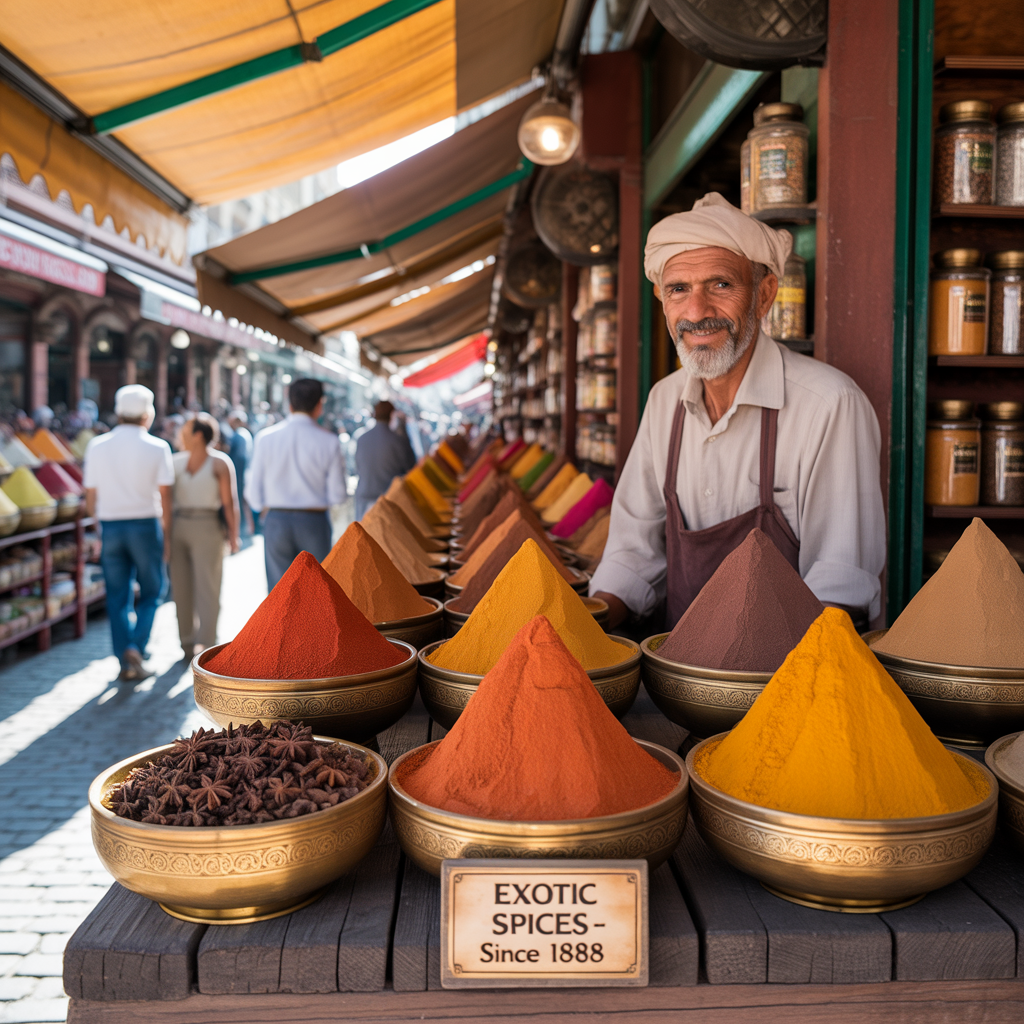
Traditional recipes function as historical documents, encoding information about agricultural practices, trade relationships, and cultural exchanges that shaped entire civilizations. When we examine Indian cuisine’s complex spice profiles, we’re looking at evidence of India’s position as a crossroads of ancient commerce. The sophisticated use of cardamom, cloves, and cinnamon reflects not just local cultivation but also India’s role in the global spice trade that connected Southeast Asia, the Middle East, and eventually Europe.
Native American contributions to global cuisine tell equally compelling historical stories. The Three Sisters—corn, beans, and squash—represent sophisticated agricultural knowledge developed over millennia. These crops were so successful that they now feed billions worldwide. Corn became the foundation of cuisines from Mexico to Eastern Europe, while beans provided crucial protein across cultures that developed limited access to meat.
8000 BCE – Agricultural Revolution
Domestication of grains, legumes, and livestock creates the foundation for settled civilizations and distinct regional cuisines.
3000 BCE – Spice Trade Begins
Early trade routes establish spice as valuable commodities, beginning the cultural exchange that shapes global cuisine.
1492 CE – Columbian Exchange
European exploration introduces New World ingredients globally, revolutionizing traditional cuisines across continents.
1800s – Industrial Revolution
Mass production, preservation techniques, and transportation networks democratize exotic ingredients and create modern food culture.
Culinary evolution mirrors broader societal changes, migrations, and cultural adaptations. The evolution of bread-making techniques reflects technological advancement—from unleavened flatbreads to complex sourdough cultures that required sophisticated timing and knowledge. The development of fermentation techniques for preserving vegetables, dairy, and proteins reveals how societies adapted to seasonal changes and food scarcity.
Modern genetic analysis of heritage grains and livestock breeds confirms what food historians have long suspected: our ancestors were sophisticated plant and animal breeders who created the diversity of ingredients we enjoy today. Each heirloom variety tells a story of careful selection, climate adaptation, and cultural preference that connects us directly to agricultural societies thousands of years old.
Geography on a Plate: How Environment Shapes Food Traditions
The relationship between geography and cuisine is one of the most fundamental forces shaping food culture. Climate, topography, soil composition, and proximity to water bodies don’t just influence what grows where—they determine the entire culinary identity of regions and nations. This geographical imperative created distinct food traditions that remain recognizable today, even in our globalized food system.
Mediterranean Basin
The warm, dry climate and rocky coastal terrain of the Mediterranean created a cuisine centered on olives, grapes, and seafood. The famous Mediterranean diet—rich in olive oil, fresh vegetables, fish, and moderate wine consumption—directly reflects the region’s geography and the crops that thrive in its specific conditions.
East Asian River Valleys
The fertile floodplains of the Yellow and Yangtze Rivers in China, along with similar conditions in Japan and Southeast Asia, made rice cultivation the cornerstone of East Asian civilization. The labor-intensive nature of rice farming influenced social structures, while the grain’s nutritional profile shaped dietary customs and cooking methods.
Arctic Regions
The harsh climate and short growing seasons of Arctic regions created cuisines heavily dependent on preserved meats, fish, and foraged items. Inuit and Sami food traditions showcase remarkable adaptation to extreme environments, with techniques for utilizing every part of animals and preserving food through long winters.
Geography influences not just ingredients but also cooking methods and food preservation techniques. In humid tropical climates, cuisines developed elaborate spice blends that had antimicrobial properties—think of the complex curry pastes of Thailand or the pepper-heavy dishes of coastal India. These weren’t just flavor preferences; they were survival strategies in environments where food spoilage was a constant threat.
Mountain cuisines worldwide share remarkable similarities despite being geographically isolated. The hearty, fat-rich dishes of the Alps, the Himalayas, and the Andes all reflect the high-calorie needs of populations living at altitude, where the human body burns more energy and the climate demands warming foods. Dairy products, preserved meats, and root vegetables dominate these cuisines because they’re well-suited to both the growing conditions and storage needs of mountain environments.
Coastal Influence
Proximity to oceans, seas, and large lakes fundamentally shapes cuisine. Japanese food culture’s emphasis on fresh, minimally processed seafood reflects the island nation’s abundant marine resources. Similarly, the pickle-heavy cuisines of coastal Eastern Europe developed as ways to preserve the abundant fish catches during peak seasons.
Coastal cuisines also show the influence of maritime trade. Port cities worldwide developed more cosmopolitan food traditions, incorporating ingredients and techniques from trading partners. The complex, multicultural cuisines of places like Istanbul, New Orleans, and Singapore reflect their roles as major trading hubs.

Seasonal eating patterns, largely determined by geography, created food cultures with distinct rhythms and celebrations. The harvest festivals found in agricultural societies worldwide—from Thanksgiving in North America to Mid-Autumn Festival in East Asia—reflect the crucial importance of successful crop cycles. These celebrations often feature specific foods that showcase the region’s primary agricultural products.
Understanding geographical influences on cuisine also reveals why certain flavor profiles developed in specific regions. The preference for sour flavors in many African cuisines reflects the use of tamarind, baobab, and fermented grains that grow well in tropical climates. The umami-rich quality of East Asian cuisines comes from the extensive use of fermented soy products and seafood, ingredients that were abundant and well-suited to the region’s climate and preservation needs.
Social Structures and Food: Class, Gender, and Rituals
Elite Cuisine
Rare ingredients and elaborate preparation
Middle Class
Refined techniques with accessible ingredients
Working Class
Hearty, economical dishes maximizing nutrition
Subsistence Level
Simple preparations focused on survival and sustenance
Food has always been one of the most visible markers of social status and cultural hierarchy. Throughout history, societies have used cuisine to define and reinforce class distinctions, gender roles, and social rituals. The ways people cook, eat, and share food reveal the underlying power structures and values that organize their communities.
In feudal European societies, white bread was a luxury that only the wealthy could afford, while the poor ate dark, coarse grains. This wasn’t just about economics—it was about social signaling. The whiter the bread, the higher the social status. Similar patterns existed worldwide: in ancient China, white rice was reserved for the emperor and nobility, while commoners ate millet and other coarser grains. These food hierarchies persisted for centuries and continue to influence cultural attitudes toward certain ingredients today.
Gender roles have been deeply embedded in food traditions across cultures. In many societies, cooking was considered women’s domain, but the gender lines around food were often more complex than they first appear. While daily meal preparation might be women’s work, ceremonial cooking or certain specialized techniques were often reserved for men. Japanese sushi masters, French chefs in fine dining, and barbecue pitmasters in the American South all represent male-dominated food traditions that carried prestige and professional recognition.
Wedding Feasts
Elaborate celebrations featuring special dishes that symbolize fertility, prosperity, and community blessing. From Chinese tea ceremonies to Italian multi-course receptions, wedding foods mark the transition from individual to family unit.
Coming of Age
Ritual foods mark the transition from childhood to adulthood across cultures. Bar mitzvah celebrations, quinceañera cakes, and Japanese ceremonial meals all use specific dishes to acknowledge major life transitions.
Seasonal Celebrations
Harvest festivals, religious holidays, and seasonal transitions are marked by specific foods that connect communities to natural cycles and shared traditions.
Religious and ceremonial food practices reveal some of the deepest cultural values. Kosher and halal dietary laws aren’t just religious requirements—they’re systems that maintain community identity and create social boundaries. The complex rules around food preparation, consumption, and sharing reinforce religious identity and create bonds within faith communities while establishing distinctions from others.
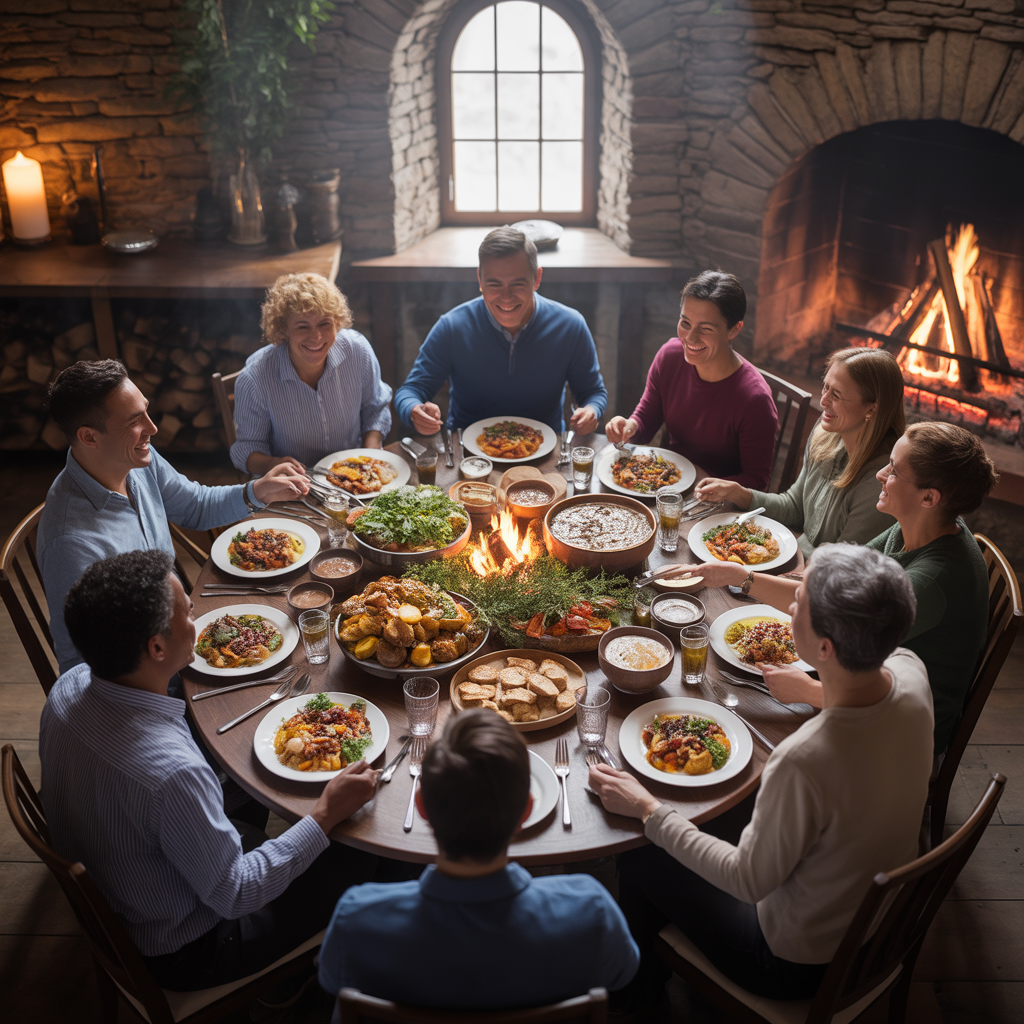
Communal eating practices reveal how societies understand relationships and social bonds. The Ethiopian coffee ceremony, Japanese tea ceremony, and Arabic hospitality traditions all use food and drink as vehicles for social connection, conflict resolution, and community building. These rituals often have specific roles for participants, prescribed behaviors, and symbolic meanings that reinforce social harmony and cultural continuity.
Community Building
Shared meals have historically served as mechanisms for conflict resolution, alliance building, and community cohesion. The tradition of “breaking bread” together appears across cultures as a way to establish trust and mutual obligation.
Potluck traditions, community feasts, and religious meal sharing all demonstrate how food creates social bonds that extend beyond family units. These practices often include elaborate etiquette systems that teach social roles and reinforce community values.
The social aspects of food preparation and consumption continue to evolve, but the fundamental role of cuisine in marking social boundaries and creating community identity remains constant. Modern food movements—from organic farming to slow food—represent contemporary ways that societies use food choices to express values and create group identity, continuing ancient patterns of using cuisine as a marker of social belonging and cultural values.
Language and Attitudes: The Cultural Vocabulary of Food
The language we use to describe food reveals profound insights into cultural priorities, values, and ways of understanding the world. Every culture develops a unique vocabulary for food experiences, and these linguistic patterns reflect what societies consider important, meaningful, and worthy of detailed attention.
Consider the famous example of Italian pasta vocabulary—there are over 300 different pasta shapes, each with specific names that describe not just form but also the intended sauce pairings and regional origins. This isn’t culinary obsessiveness; it’s evidence of a culture that has elevated wheat-based cooking to an art form and considers the subtle differences between pasta shapes to be meaningful and important. In contrast, cultures with less pasta tradition might use just a few generic terms, reflecting different culinary priorities.
Precision in Tradition
Japanese has dozens of specific terms for different types of rice preparation, tea ceremony procedures, and seasonal food presentations. This linguistic precision reflects cultural values of attention to detail, respect for tradition, and the belief that subtle distinctions matter in creating meaningful experiences.
Artisanal Excellence
French cheese vocabulary includes hundreds of specific terms for textures, aging processes, and regional variations. This reflects a culture that values artisanal expertise and terroir—the idea that place and traditional methods create unique, irreplaceable flavors.
Sensory Sophistication
Arabic culinary language includes elaborate terminology for spice combinations, cooking techniques, and hospitality rituals. This vocabulary reflects cultural values of generosity, sensory appreciation, and the social importance of meal preparation and sharing.
Food-related attitudes reveal cultural values in ways that might not be immediately apparent. American portion sizes and the concept of “doggy bags” reflect cultural values of abundance, individual choice, and practical efficiency. In contrast, French attitudes toward meal timing and the cultural resistance to snacking between meals reflect different values about food’s role in daily life—seeing meals as structured, social events rather than individual fuel stops.
The concept of “comfort food” varies dramatically across cultures, revealing different ideas about what provides emotional satisfaction and security. American comfort foods tend to be rich, simple preparations often associated with childhood—mac and cheese, meatloaf, apple pie. These reflect cultural values of simplicity, abundance, and nostalgic family connections. In contrast, Japanese comfort food might emphasize subtle flavors and careful presentation, reflecting different ideas about what creates emotional satisfaction.
Waste and Respect
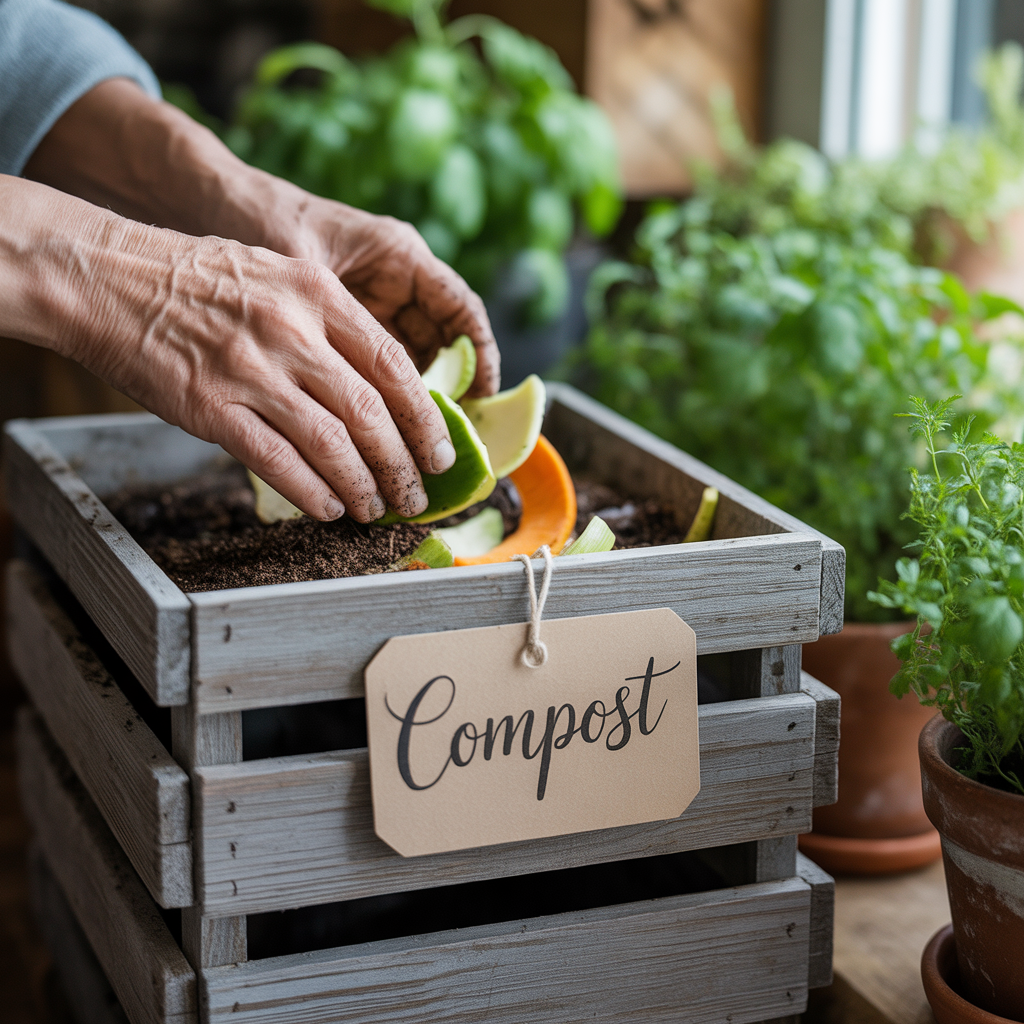
Cultural attitudes toward food waste reveal deep values about resource use and respect for labor. In societies that have experienced food scarcity, elaborate systems exist for using every part of ingredients and transforming leftovers into new dishes. Korean banchan traditions, Chinese congee preparation from leftover rice, and European stock-making from vegetable scraps all reflect cultures that view food waste as morally problematic.
Indigenous food traditions worldwide often include thanksgiving rituals and ceremonies that acknowledge the sacrifice of plants and animals for human nourishment. These practices reflect worldviews that see humans as participants in natural cycles rather than consumers of resources.
- Honoring the source of ingredients through ceremony
- Utilizing every part of plant and animal ingredients
- Transforming scraps into valuable dishes
- Teaching children respect for food resources
Dining etiquette systems reveal cultural concepts of respect, hierarchy, and social harmony. The complex rules around Chinese banquet seating, the precise choreography of formal Western dining, and the communal sharing protocols of Middle Eastern meals all teach participants about social roles and cultural values. These aren’t arbitrary rules—they’re cultural technologies for managing social relationships and expressing respect.
The language of food criticism and appreciation also varies culturally. Wine tasting vocabulary in French culture includes hundreds of specific terms for describing subtle flavor notes and production methods. This reflects a culture that sees wine as art worthy of serious intellectual engagement. Similarly, the elaborate vocabulary around coffee preparation in Italian culture reflects the elevation of coffee-making to a skill requiring knowledge, precision, and cultural transmission.
Food as Identity and Memory: Connecting Generations
The Memory Kitchen
Proust’s famous madeleine moment—where a simple cake dipped in tea unlocked a flood of childhood memories—captures something universal about food’s power to connect us to our past. The aromas, flavors, and textures of particular dishes can instantly transport us across decades, reconnecting us to specific moments, people, and emotions with startling clarity.
This isn’t just poetic metaphor; it’s neurological reality. Our olfactory system connects directly to brain regions involved in emotion and memory, making food-based memories some of our most vivid and enduring. The smell of bread baking, coffee brewing, or spices sautéing can trigger complex emotional responses and detailed recollections that remain remarkably consistent throughout our lives.
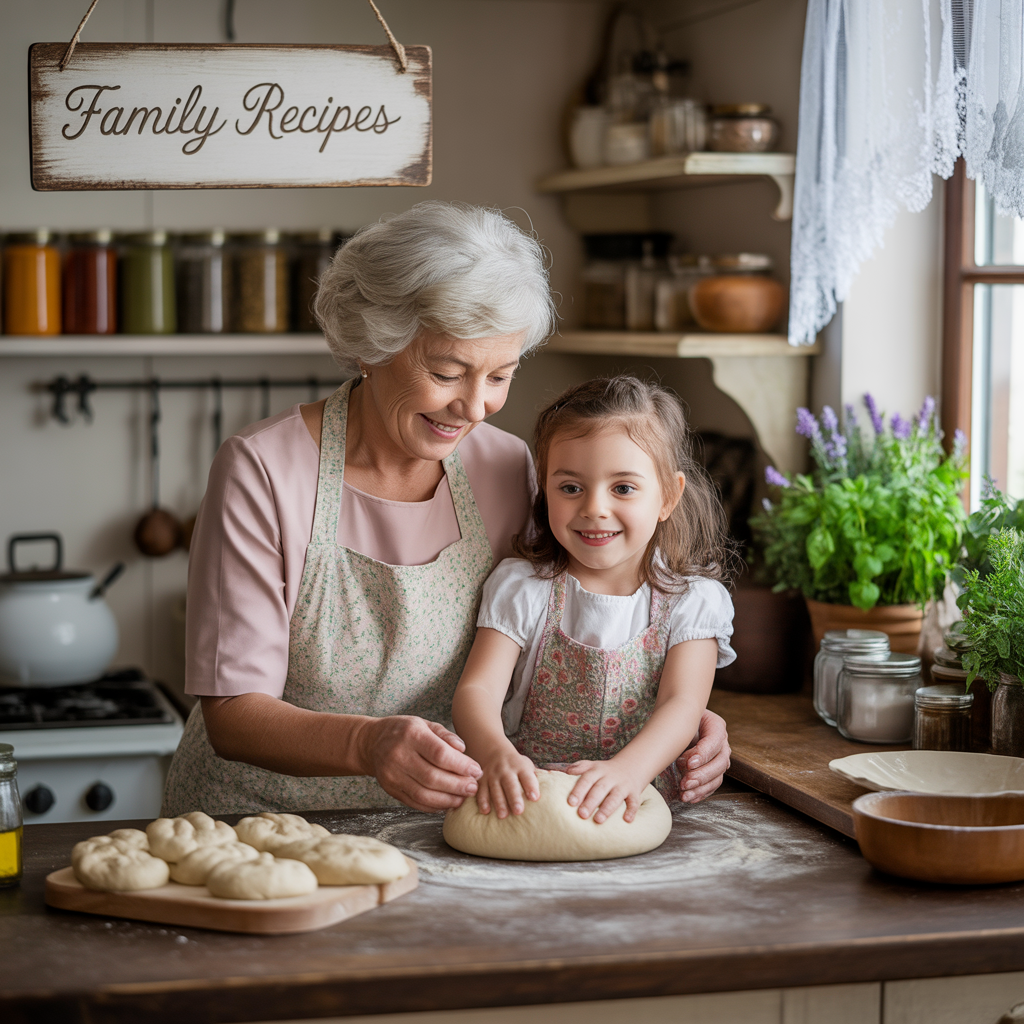
Recipes function as cultural DNA, carrying forward not just instructions for food preparation but entire worldviews, values, and ways of understanding family relationships. When a grandmother teaches her granddaughter to make traditional dumplings, she’s transmitting far more than cooking technique. She’s passing along stories about resilience during difficult times, maintaining connections to ancestral homelands, and reinforcing family identity across generations.
These culinary inheritances often carry the weight of cultural survival. For families displaced by war, immigration, or cultural suppression, maintaining traditional food practices becomes an act of cultural resistance and identity preservation. The recipes become precious cargo, carried across oceans and borders as tangible connections to homeland and heritage.
Ancestral Connection
Traditional recipes link us to ancestors we may never have met, creating a sense of continuity across generations and reinforcing family identity through shared culinary practices.
Emotional Anchoring
Familiar foods provide emotional stability and comfort, especially during times of stress, change, or displacement, serving as edible touchstones of security and belonging.
Cultural Homeland
For immigrant communities, traditional cooking creates portable homelands, allowing people to maintain cultural connections regardless of geographic location.
Narrative Transmission
Cooking and sharing traditional foods provides natural opportunities for storytelling, allowing families to transmit history, values, and cultural knowledge through informal, intimate settings.
Migrant communities worldwide use food as a primary tool for cultural maintenance and community building. Chinese communities establish restaurants and markets that serve as cultural centers; Indian families maintain elaborate spice grinding and preservation traditions; Mexican communities create networks around traditional celebration foods. These aren’t just commercial or practical activities—they’re cultural preservation efforts that maintain community identity in new environments.
The power of food to create and maintain cultural identity explains why culinary traditions often survive even when other cultural practices disappear. Languages may be lost, traditional clothing abandoned, and religious practices modified, but food traditions often persist because they’re embedded in daily life and emotional memory. Irish-Americans might not speak Gaelic, but they maintain potato-based dishes that connect them to ancestral experiences of famine and resilience.
Second and third-generation immigrants often experience complex relationships with ancestral foods. They may simultaneously crave the comfort of familiar flavors while feeling embarrassed by the “ethnic” foods that mark them as different from mainstream culture. This tension reflects broader struggles around assimilation, cultural preservation, and identity formation that play out in kitchens and dinner tables across immigrant communities.
blockquote>
“Food is the thread that weaves through the fabric of our cultural identity, connecting us to our roots while allowing us to grow and adapt. In every shared meal, we participate in an ancient ritual of belonging that transcends time and place.”
The revival of heritage cooking among younger generations represents a growing recognition of food’s role in cultural identity. Young people are increasingly seeking out ancestral recipes, learning traditional techniques, and adapting historical foods for contemporary life. This movement reflects a desire to reconnect with cultural roots while creating new traditions that honor the past while embracing the present.
Modern technology has transformed how culinary memories and traditions are preserved and transmitted. Digital recipe collections, cooking videos, and virtual family cooking sessions allow families separated by geography to maintain culinary connections. Yet the fundamental human need to connect with ancestors and community through food remains unchanged, adapting to new circumstances while preserving ancient purposes.
Globalization and Fusion: The Dynamic Nature of Culinary Culture
Globalization has transformed the culinary landscape in unprecedented ways, creating opportunities for cultural exchange while raising important questions about authenticity, cultural appropriation, and the preservation of traditional foodways. The modern food world is characterized by fusion cuisines that tell complex stories of migration, adaptation, and creative synthesis.
Nikkei cuisine—the fusion of Japanese and Peruvian culinary traditions—provides a fascinating case study in how migration creates new food cultures. When Japanese immigrants arrived in Peru in the late 19th and early 20th centuries, they brought soy sauce, miso, and precise knife skills. These techniques combined with Peru’s incredible biodiversity of ingredients, including hundreds of potato varieties, unique chilies, and abundant seafood, creating an entirely new cuisine that honors both traditions while being distinctly its own.
Migration Patterns
Large-scale human migration creates fusion cuisines as immigrants adapt traditional techniques to local ingredients and local tastes influence immigrant cooking.
Ingredient Exchange
Global trade networks make previously exotic ingredients accessible worldwide, enabling chefs to experiment with flavor combinations impossible in traditional settings.
Creative Innovation
Professional chefs and home cooks use global ingredient access to create new dishes that reflect multicultural experiences and creative experimentation.
Commercial Success
Fusion cuisines often achieve commercial success by offering familiar flavors in new combinations, appealing to adventurous diners while remaining accessible.
The global food system has democratized access to ingredients that were once rare and expensive, enabling home cooks worldwide to experiment with international flavors. A typical American supermarket now stocks ingredients from dozens of countries, while online retailers make even more specialized items accessible. This ingredient accessibility has spawned countless fusion experiments—Korean-Mexican tacos, Indian-Italian curry pizzas, Japanese-French pastries—that reflect the multicultural experiences of contemporary urban life.
Preservation Challenges
While fusion cuisine celebrates creativity and cultural exchange, it also raises concerns about the preservation of traditional foodways. When global flavors become trendy, there’s a risk that authentic traditions might be diluted or commodified beyond recognition.
Indigenous and traditional food systems face particular pressure from globalization. Traditional ingredients might be replaced by cheaper industrial substitutes, time-intensive techniques abandoned for faster methods, and cultural context lost as dishes become divorced from their original ceremonial or social functions.
- Loss of traditional knowledge and techniques
- Replacement of heritage ingredients with industrial alternatives
- Commodification of sacred or ceremonial foods
- Erosion of cultural context around food practices

The concept of “authenticity” in food becomes increasingly complex in a globalized world. Is a Korean taco inauthentic because it combines Korean and Mexican elements? Or is it authentically representative of the Korean-American experience in Los Angeles? These questions reflect broader debates about cultural ownership, creative expression, and the right to adapt and reinterpret culinary traditions.
Social media has accelerated culinary globalization by making food trends instantly visible worldwide. A dish that goes viral in one city can appear in restaurants across the globe within months. This rapid transmission of food ideas creates unprecedented opportunities for creative exchange but also raises concerns about the commercialization and superficial adoption of food traditions without understanding their cultural significance.
Cultural Exchange Benefits
Fusion cuisine promotes cultural understanding by introducing people to new flavors and traditions. It creates opportunities for cross-cultural dialogue and celebrates the creativity that emerges when different traditions meet.
Economic Opportunities
Fusion restaurants and food businesses create economic opportunities for immigrant communities while introducing mainstream audiences to diverse culinary traditions, potentially building markets for authentic ingredients and techniques.
Innovation Catalyst
The creative tension between traditional techniques and new ingredients drives culinary innovation, producing new dishes and cooking methods that expand the global repertoire of food possibilities.
The challenge for contemporary food culture is finding ways to embrace the creative possibilities of globalization while respecting and preserving traditional foodways. This requires thoughtful approaches that celebrate innovation while acknowledging the cultural significance of food traditions and supporting the communities that created and maintain them.
Successful fusion cuisine often emerges from authentic multicultural experiences rather than superficial trend-following. The most compelling fusion dishes tell genuine stories about cultural encounters, adaptation, and creative synthesis, honoring both traditions while creating something genuinely new and meaningful.
Food as a Bridge: Promoting Cultural Understanding and Inclusivity
In an increasingly divided world, food serves as one of humanity’s most powerful tools for building bridges across cultural, ethnic, and social divides. The act of sharing a meal creates intimate connections that transcend language barriers, political differences, and cultural misunderstandings. When we eat together, we engage in one of humanity’s most fundamental bonding rituals, creating opportunities for empathy, understanding, and genuine human connection.
The power of food diplomacy extends from intimate dinner tables to international relations. Countries use cuisine as a form of “soft power,” sharing their food cultures to build positive associations and cultural understanding. South Korea’s promotion of Korean cuisine worldwide, Thailand’s “Global Thai” program, and Peru’s elevation of its culinary scene all represent strategic uses of food to build international goodwill and cultural pride.
Breaking Down Barriers
Sharing food creates immediate common ground between strangers. The vulnerability of eating together—literally nourishing ourselves in each other’s presence—builds trust and opens possibilities for deeper connection. Food experiences bypass intellectual defenses and create emotional bonds that can bridge even significant cultural or political differences.
Cultural Education
Experiencing authentic cuisine provides immersive cultural education that goes beyond textbook learning. When we taste the complex spice blends of Ethiopian cuisine or experience the ceremonial aspects of Japanese tea service, we gain embodied understanding of different cultural values, priorities, and ways of life.
Community Building
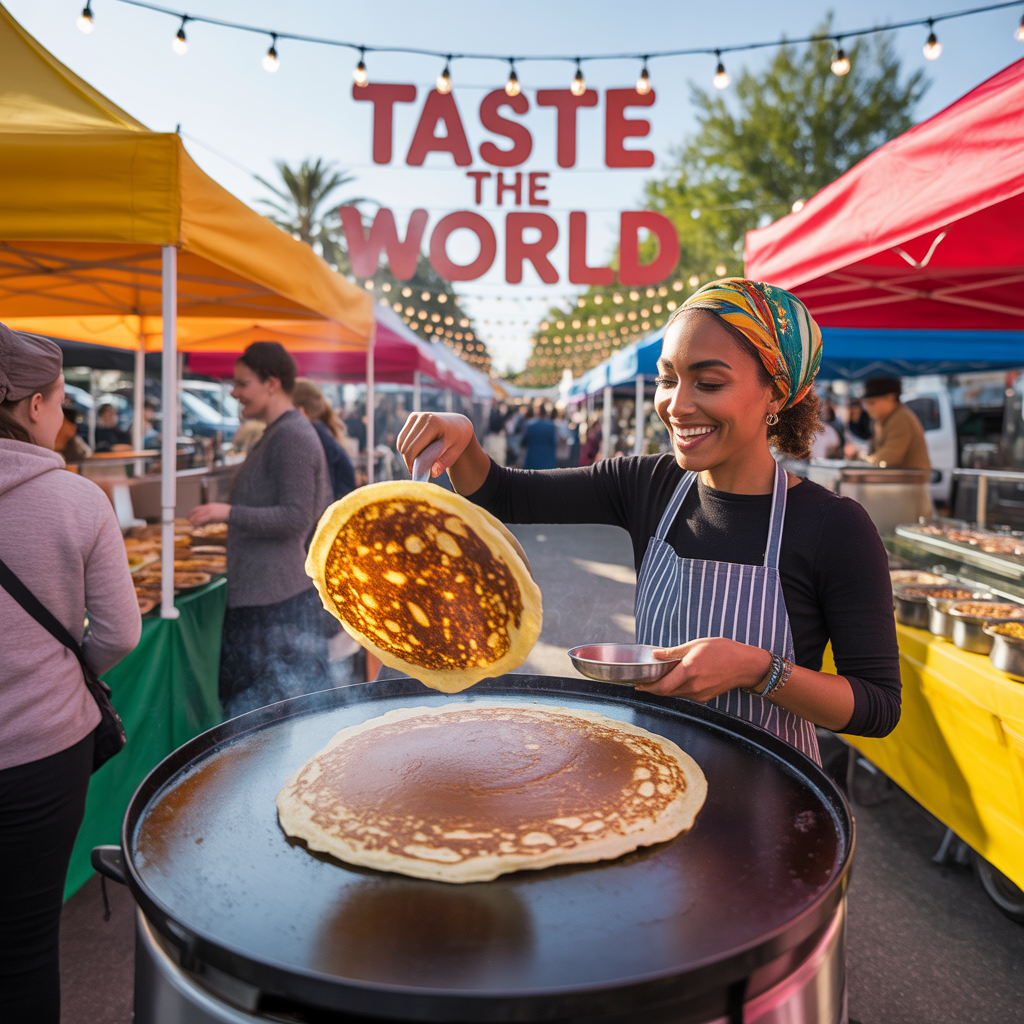
Food-centered events create natural opportunities for community formation. Potluck dinners, cultural festivals, and cooking classes bring together people who might otherwise never meet, creating social networks based on curiosity, sharing, and mutual appreciation rather than existing social categories.
Urban food scenes in multicultural cities like Vancouver, London, Toronto, and New York showcase how cuisine can celebrate diversity while building inclusive communities. These cities’ food landscapes reflect their immigrant populations, creating opportunities for cultural exchange that benefit both newcomers and established residents. Ethiopian restaurants become community centers for East African immigrants while introducing mainstream diners to new flavors. Sikh community kitchens (langars) demonstrate religious values of service and equality while feeding anyone regardless of background.
Celebration of Diversity
Food festivals and cultural events create celebratory contexts for experiencing cultural diversity. Rather than treating cultural differences as problems to be managed, these events frame diversity as richness to be celebrated and enjoyed.
School programs that incorporate diverse food traditions help children develop cultural competency and appreciation from an early age. When children learn to make dumplings from Chinese families, prepare Mexican tamales, or participate in Thanksgiving traditions from various cultures, they develop natural comfort with cultural diversity.
Community gardens and cooperative cooking projects bring together neighbors across ethnic and economic lines, creating shared projects that build social capital while producing tangible benefits for participants.
Food activism and social justice movements increasingly recognize cuisine’s power to address inequality and build more inclusive communities. Community-supported agriculture projects connect urban consumers with rural producers across racial and economic lines. Cooking programs in schools and community centers teach practical skills while building cultural bridges. Fair trade movements use food purchasing to support social justice goals in producer communities worldwide.
The sharing economy has created new platforms for cultural exchange through food. Home dining experiences, cooking classes with immigrant families, and cultural food tours create intimate opportunities for cross-cultural connection while providing economic opportunities for communities that might otherwise be marginalized.
Restaurant workers and food industry professionals often serve as cultural ambassadors, introducing mainstream diners to new flavors while explaining the cultural context of dishes. These everyday interactions—conversations about ingredients, cooking methods, and food traditions—create countless small moments of cultural education and connection.
Food media and cooking shows have democratized cultural education by bringing diverse culinary traditions into homes worldwide. Programs featuring immigrant cooks, traditional techniques, and authentic cultural contexts help audiences develop appreciation for cultural diversity while learning about history, geography, and social customs through engaging, accessible formats.
The inclusive potential of food culture requires intentional effort to ensure that cultural sharing doesn’t become cultural appropriation. This means supporting authentic restaurants owned by people from the cultures being represented, learning about cultural context rather than just consuming flavors, and recognizing food traditions as valuable cultural heritage deserving respect and appropriate credit.
Conclusion: Savoring Culture Through Cuisine
As we conclude our exploration of food as a cultural gateway, it becomes clear that cuisine offers one of the most intimate and accessible ways to understand the complexity of human civilization. Every dish tells a story of geography and history, social structures and individual creativity, tradition and innovation. When we approach food with curiosity and respect, we gain entry into the hearts and minds of cultures around the world.
Historical Witness
Traditional recipes serve as edible archives, preserving knowledge about agricultural practices, trade relationships, and cultural exchanges that shaped civilizations across millennia. Each dish carries DNA from the past while adapting to present realities.
Geographic Storyteller
Local ingredients and climate-adapted cooking methods reveal the intimate relationship between people and place, showing how human creativity transforms environmental challenges into culinary innovations that define regional identity.
Social Mirror
Food customs reflect and reinforce social structures, from hierarchies of class and gender to rituals that mark life transitions and strengthen community bonds. Understanding these patterns illuminates how societies organize themselves and express values.
The cultural vocabulary of food—the languages, attitudes, and practices that surround eating—reveals what societies consider important, meaningful, and worthy of careful attention. Whether it’s the precise terminology of Italian pasta shapes, the elaborate etiquette of formal dining, or the reverent approach to ingredient sourcing in indigenous traditions, food language reflects cultural priorities and values.
Perhaps most powerfully, food serves as a vehicle for cultural memory and identity transmission. In every shared meal, families and communities participate in ancient rituals of belonging that connect individuals to their heritage while creating space for innovation and adaptation. The recipes passed down through generations carry far more than cooking instructions—they transmit worldviews, survival strategies, and profound connections to ancestral wisdom.
Global Connections
In our interconnected world, cuisine serves as both bridge and boundary, creating opportunities for cultural exchange while raising important questions about authenticity, appropriation, and preservation. The challenge for contemporary food culture is embracing creative possibilities while respecting traditional foodways and supporting the communities that created them.
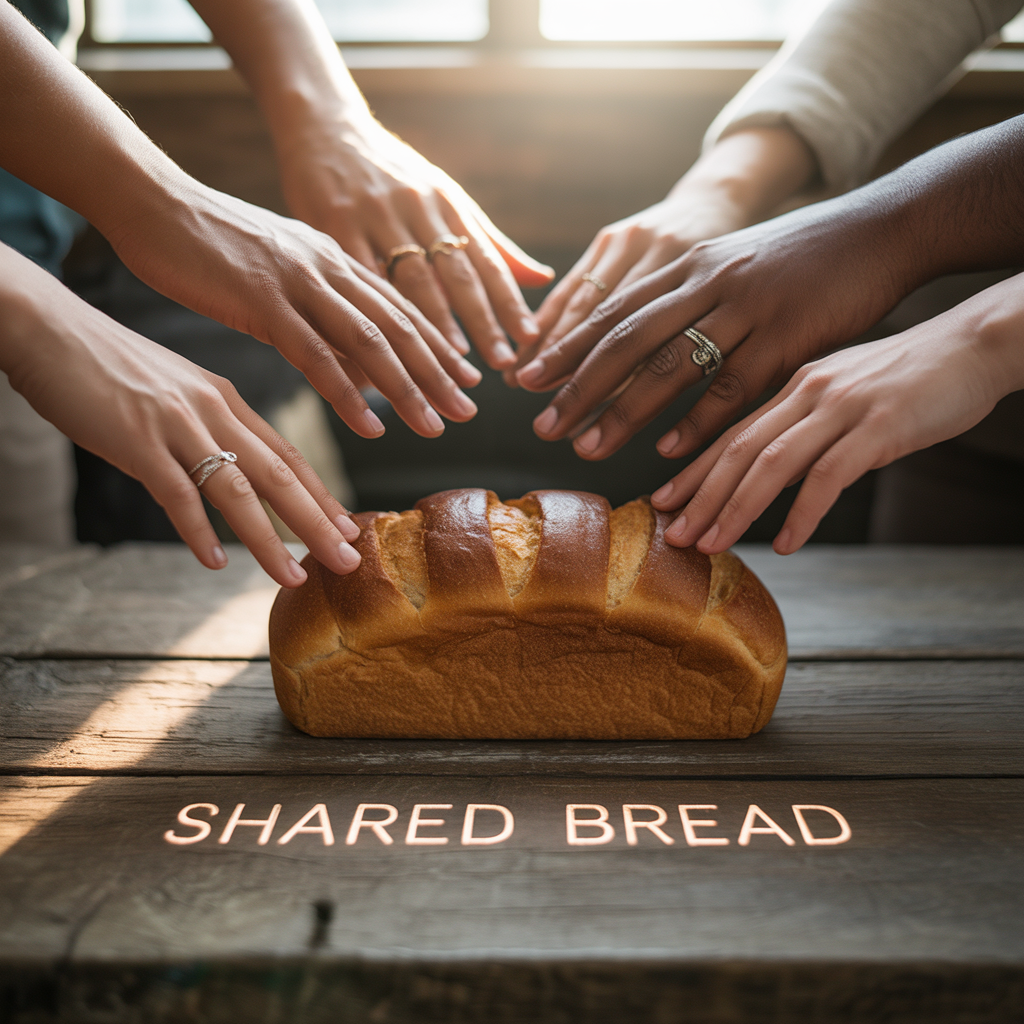
Food’s power to build bridges across cultural divides offers hope for a more connected and empathetic world. When we share meals with people from different backgrounds, we engage in humanity’s oldest form of diplomacy, creating understanding through the simple act of nourishing ourselves together.
The lessons learned from exploring cuisine as cultural gateway extend far beyond food itself. This approach to understanding culture through material practices—looking at how societies meet basic human needs while expressing creativity, values, and identity—can be applied to other aspects of human experience. Architecture, clothing, music, and art all offer similar opportunities for cultural understanding when approached with curiosity and respect.
As we move forward in an increasingly global yet fragmented world, food offers a path toward greater cultural competency and human connection. By approaching cuisine with appreciation for its complexity and respect for its cultural significance, we can develop deeper understanding of human diversity while celebrating the creativity and resilience that characterize cultures worldwide.
“To eat is a necessity, but to eat intelligently is an art.” This ancient wisdom reminds us that food offers endless opportunities for learning, connection, and appreciation of human creativity across cultures and throughout history.
By savoring culture through cuisine, we participate in one of humanity’s most enduring and meaningful traditions—the sharing of food as an expression of hospitality, creativity, and cultural pride. In every meal, we have the opportunity to honor cultural heritage, build new connections, and contribute to the ongoing story of human civilization, one dish at a time.
 NellyWorld
Leave a comment