Respectfully Participating in Cultural Ceremonies
Across the globe, sacred rituals serve as bridges between the physical and spiritual worlds, connecting communities to their ancestors, their beliefs, and their deepest sense of identity. These powerful ceremonies, whether they unfold in ancient temples, natural sacred sites, or community gathering spaces, represent thousands of years of cultural wisdom and spiritual practice. From the smoke-filled lodges of Native American sweat ceremonies to the vibrant celebrations of Hindu festivals, from the quiet meditation retreats of Buddhist monasteries to the rhythmic drumming circles of African traditions, sacred rituals offer profound experiences of transformation, healing, and connection.

Understanding the Significance of Sacred Rituals
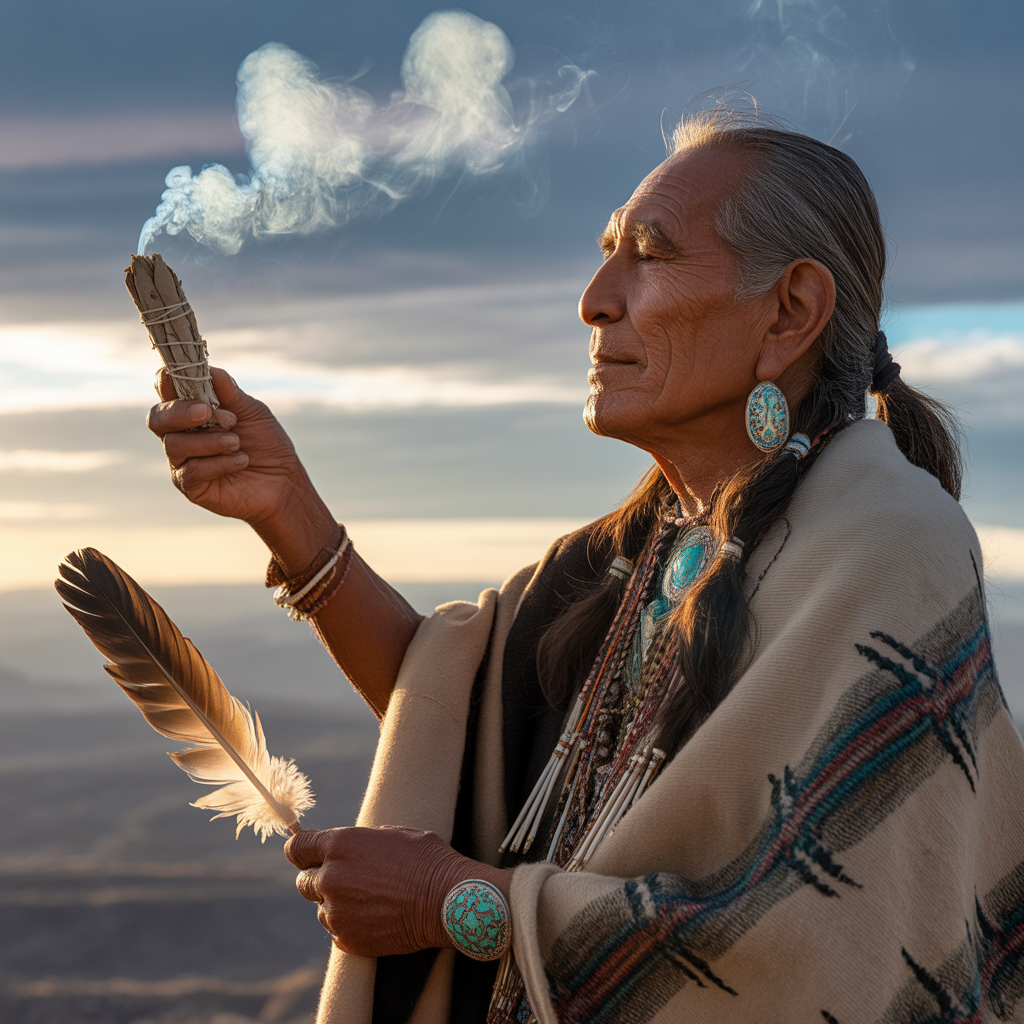
Sacred rituals are far more than mere traditions or cultural performances—they are living expressions of humanity’s deepest spiritual yearnings and community bonds. These ceremonies serve as transformative gateways that connect participants with their ancestors, the natural world, and the divine forces that many believe guide and protect us. The power of these rituals lies not just in their symbolic meanings, but in their ability to create profound shifts in consciousness, healing, and community connection.
Each ritual carries within it the accumulated wisdom of generations, encoded in every gesture, word, and sacred object used. Native American sweat lodge ceremonies, for example, represent a return to the womb of Mother Earth, where participants undergo purification through heat, steam, and prayer. Hindu thread ceremonies mark spiritual initiation and coming-of-age, connecting young people to their dharma and community responsibilities. Mayan cacao ceremonies honor the sacred plant medicine that opens the heart and facilitates deep spiritual communion with nature and ancestors.

Spiritual Transformation
Rituals create sacred containers for profound personal and collective transformation, allowing participants to access deeper states of consciousness and spiritual awareness.
Community Bonding
These ceremonies strengthen social bonds, create shared meaning, and reinforce cultural identity through collective participation in sacred traditions.
Ancestral Connection
Rituals serve as bridges between the living and the ancestors, honoring those who came before and maintaining continuity of wisdom across generations.
Understanding the profound significance of these ceremonies is the foundation for respectful participation. When we recognize that sacred rituals are not entertainment or exotic experiences to be consumed, but rather sacred technologies for transformation and community healing, we begin to approach them with the reverence and humility they deserve. This recognition opens our hearts to receive the true gifts these ceremonies offer while ensuring we honor the cultures and communities that have preserved them.
The Importance of Ethical Participation
In our interconnected world, the line between cultural appreciation and cultural appropriation has become increasingly important to navigate with wisdom and sensitivity. Ethical participation in sacred rituals requires a deep commitment to approaching these ceremonies with genuine respect, understanding, and humility rather than as spiritual tourists seeking exotic experiences or Instagram-worthy moments.

Preserving Sacred Integrity
Ethical participation ensures that ceremonies maintain their sacred power and authentic meaning, protecting them from commercialization and misrepresentation that can dilute their spiritual essence.
Preventing Cultural Harm
Respectful engagement helps prevent the exploitation of indigenous and traditional communities, ensuring that sacred practices are not commodified or stripped of their cultural context.
Honoring Community Boundaries
Many ceremonies are restricted to community members or require specific levels of initiation, and respecting these boundaries demonstrates genuine reverence for the tradition.
The foundation of ethical participation lies in seeking explicit permission and guidance from recognized cultural custodians, ceremony leaders, or community elders before attempting to join any sacred ritual. This process often involves building genuine relationships, demonstrating sincere interest in learning rather than simply experiencing, and sometimes undergoing preparation or purification processes that may take months or even years.
It’s crucial to understand that some ceremonies are completely closed to outsiders, and this boundary must be respected without question or resentment. These restrictions often exist to protect sacred knowledge, maintain spiritual power, or preserve practices that have survived centuries of persecution and cultural suppression. Attempting to access closed ceremonies or pressuring communities to open restricted rituals demonstrates a fundamental misunderstanding of respect and consent.
True ethical participation also means committing to ongoing relationship and reciprocity with the communities whose ceremonies you’re privileged to join. This might involve contributing to community needs, supporting indigenous rights, or using your experiences to educate others about respectful cultural engagement rather than appropriation.
Preparation: Research and Personal Readiness
Deep Cultural Research
Study the historical context, spiritual significance, and cultural protocols of the specific ceremony through authentic sources, books by indigenous authors, and consultations with cultural experts.
Mental and Spiritual Preparation
Engage in meditation, reflection, or prayer to prepare your mind and heart for the sacred experience, setting clear intentions for your participation.
Physical Purification
Many traditions require abstaining from alcohol, drugs, or certain foods before ceremonies to ensure clarity of consciousness and respect for the sacred space.
Appropriate Attire
Research and prepare culturally appropriate clothing that shows respect, such as modest coverings, traditional colors, or removing shoes in sacred spaces.

Proper preparation for sacred ritual participation extends far beyond simply showing up with good intentions. It requires dedicated time and effort to understand the ceremony’s deeper meanings, historical context, and spiritual significance within its cultural framework. This preparation demonstrates respect and ensures you can participate meaningfully rather than as a passive observer.
Begin your preparation weeks or even months before the ceremony by researching authentic sources about the tradition. Seek out books written by practitioners from within the culture, documentaries created with community input, and academic sources that present the tradition accurately and respectfully. Avoid sensationalized or appropriative sources that present ceremonies as mystical experiences divorced from their cultural context.
Mental and spiritual preparation is equally important. Many ceremony leaders recommend establishing a regular practice of meditation, prayer, or contemplation in the weeks leading up to participation. This helps cultivate the inner stillness and receptivity necessary to fully engage with the ceremony’s transformative potential. Consider journaling about your motivations, fears, and hopes for the experience.
Physical Preparation Guidelines
- Abstain from alcohol for 24-72 hours prior
- Avoid recreational drugs for several days
- Eat lightly and avoid heavy foods
- Stay hydrated but don’t overhydrate
- Get adequate rest the night before
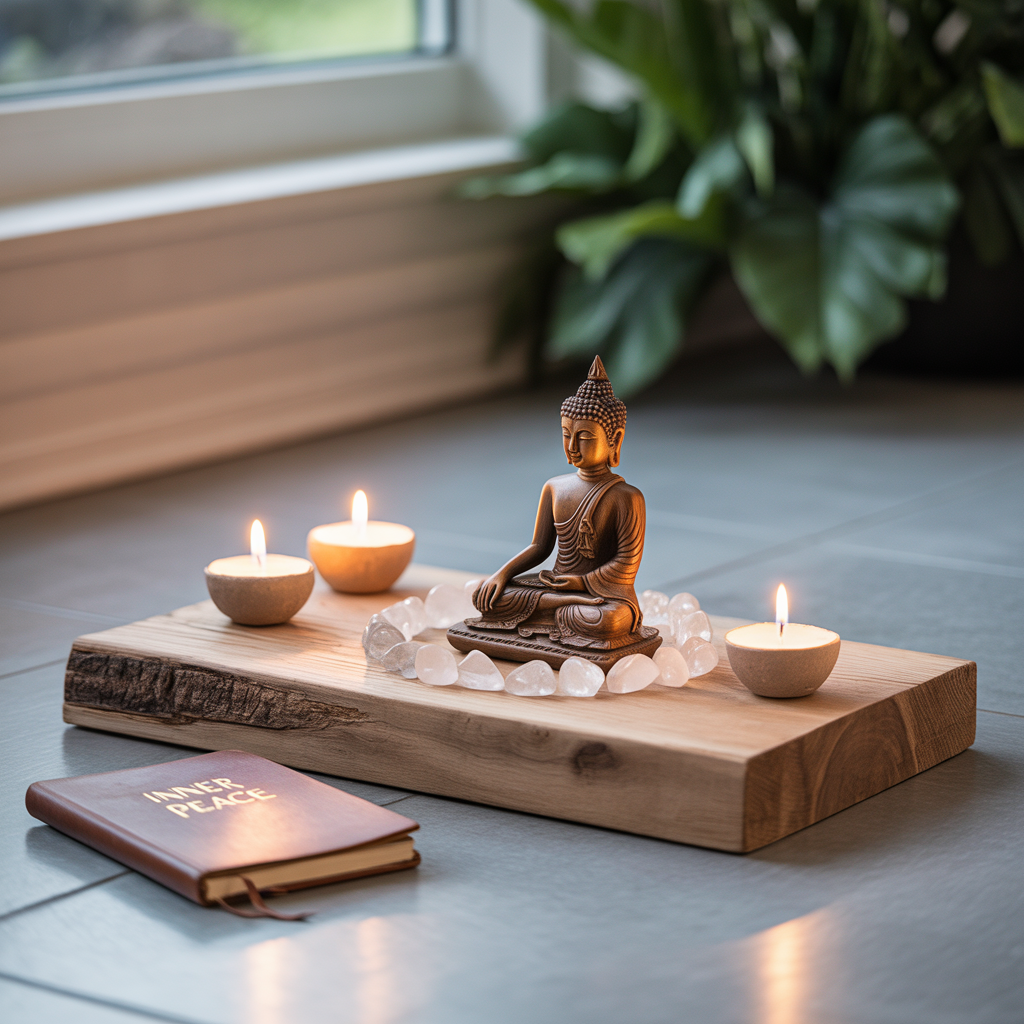
Dress codes vary significantly between different traditions and ceremonies. Some require specific colors, modest coverings, or traditional garments, while others may ask participants to remove shoes, jewelry, or electronic devices. When in doubt, err on the side of conservatism and modesty, and always ask ceremony organizers for specific guidance about appropriate attire.
Creating and Respecting Sacred Space
The concept of sacred space is fundamental to understanding how spiritual ceremonies create containers for transformation and divine connection. Sacred space is not simply a physical location, but rather an energetically prepared environment where the ordinary world gives way to the sacred, where healing, prayer, and spiritual communion can occur with greater power and clarity.
Cleansing
Spaces are purified using sage, incense, water, or sound to clear negative energies
Boundary Setting
Sacred boundaries are established through physical markers or energetic intention
Altar Creation
Sacred objects are arranged to invite spiritual presence and focus intention
Invitation of Presence
Spirits, ancestors, or divine energies are invited to bless and guide the ceremony

The creation of sacred space often begins with cleansing rituals that remove unwanted energies and prepare the area for spiritual work. This might involve burning sage, cedar, or other sacred plants; sprinkling blessed water around the perimeter; or using sound such as bells, drums, or chanting to clear the space. Different traditions have specific protocols for these cleansing rituals, and participants should observe quietly unless specifically invited to participate.
Physical and energetic boundaries are typically established to separate the sacred space from the ordinary world. These might be marked by stones arranged in circles, prayer flags, rope or cloth boundaries, or simply by the understanding that certain areas are not to be crossed without permission. Some traditions create elaborate sand paintings, medicine wheels, or altars that serve both as focal points and as boundaries for the sacred work.
Sacred Objects and Their Significance
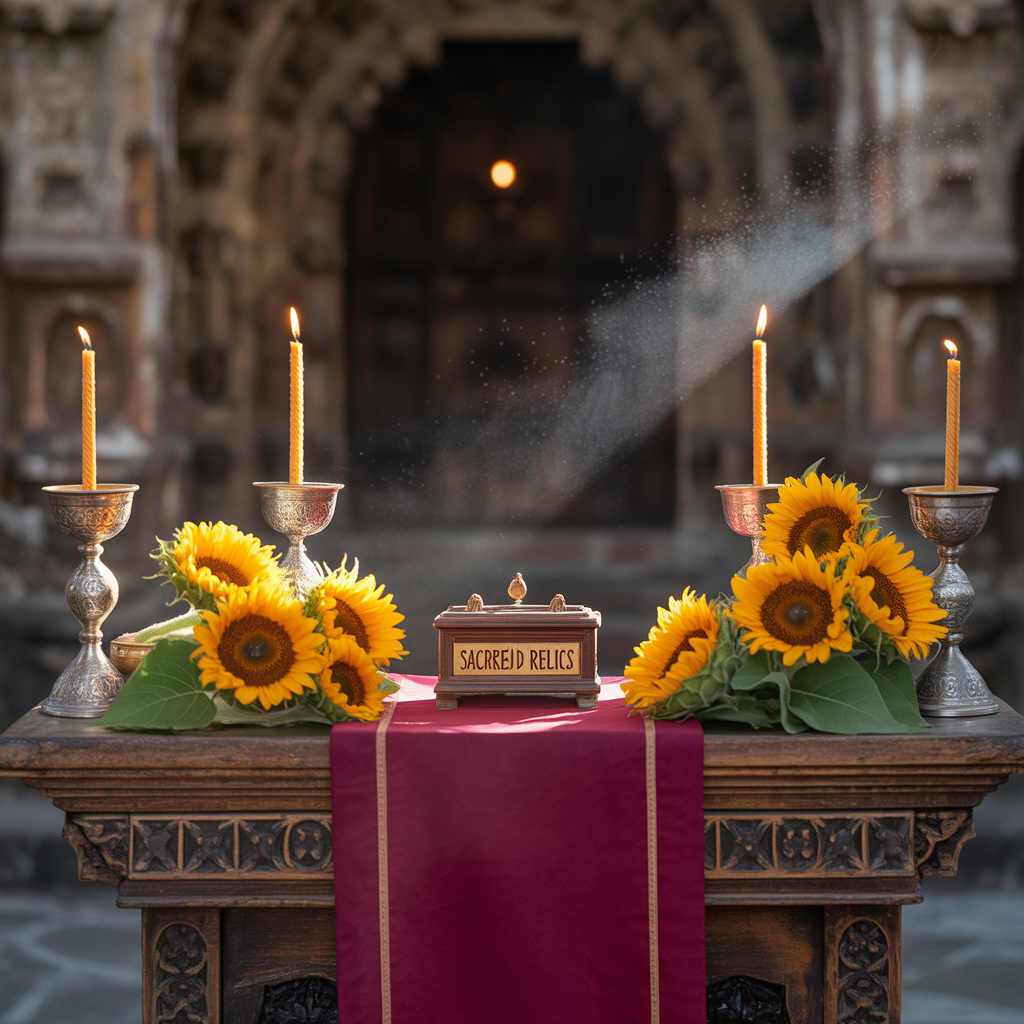
Sacred objects used in ceremonies often carry deep spiritual significance and may include ancestral items, blessed tools, or natural elements that represent different aspects of creation. These objects are not decorations but living spiritual technologies that have been consecrated for sacred use.
Participants should never touch sacred objects unless explicitly invited to do so. Many objects require specific protocols for handling and may only be touched by certain people or at particular times in the ceremony. Observing from a respectful distance and maintaining reverence for these sacred tools is essential.
Maintaining the integrity of sacred space requires continuous mindfulness from all participants. This means moving slowly and deliberately, speaking softly or maintaining silence when appropriate, and keeping attention focused on the ceremonial work rather than personal distractions. Electronic devices should be turned off or left outside the sacred space unless specifically permitted by ceremony leaders.
Setting Intention and Engaging Mindfully
The power of sacred ceremonies is amplified exponentially when participants engage with clear, heartfelt intention and mindful presence. Intention setting is not merely a mental exercise but a spiritual practice that aligns individual consciousness with the collective purpose of the ceremony and opens channels for transformation and healing.
Most ceremonies begin with an opportunity for participants to clarify and share their intentions, either silently, with a partner, or with the entire group. These intentions might focus on personal healing, community support, environmental healing, honoring ancestors, or seeking guidance for life decisions. The key is that intentions come from an authentic place of seeking rather than ego-driven desires for power, status, or spiritual experiences to collect.
Heart-Centered Intention
Connect with your deepest truth and authentic desires for healing, growth, or service to others and the world.
Collective Alignment
Align your personal intentions with the ceremony’s purpose and the wellbeing of all participants and the broader community.
Surrendered Openness
Release attachment to specific outcomes and remain open to whatever healing, insight, or transformation wants to emerge.
Mindful engagement throughout the ceremony means maintaining present-moment awareness and sensitivity to the subtle energies and dynamics occurring in the sacred space. This includes being attuned to the emotional and spiritual needs of other participants, responding appropriately to guidance from ceremony leaders, and staying connected to your original intention while remaining flexible to how it might evolve during the ceremony.
Practices for Mindful Engagement
- Maintain steady, conscious breathing
- Keep attention focused on the present moment
- Listen deeply to spoken guidance and teachings
- Observe without judgment when emotions arise
- Participate fully when invited, rest when appropriate
- Honor both silence and active participation

Different phases of ceremonies may call for different types of engagement—sometimes active participation through chanting, dancing, or ritual actions, and sometimes quiet witnessing or deep inner reflection. Following the lead of ceremony facilitators and observing the energy of the group helps participants know when to engage actively and when to receive quietly.
Remember that the transformative power of ceremonies often lies not in dramatic experiences but in subtle shifts of consciousness, heart opening, and the cultivation of deeper compassion and wisdom. Approaching the ceremony with beginner’s mind and genuine curiosity rather than expectations for specific experiences allows the ceremony to work its healing magic in the way most appropriate for each individual.
Navigating Gender and Cultural Sensitivities
Sacred ceremonies often reflect the deep cultural values and spiritual understandings of the communities that created and maintain them. These traditions may include specific roles, restrictions, or protocols based on gender, age, life stage, or spiritual status that can seem unfamiliar or even challenging to those from different cultural backgrounds. Approaching these sensitively requires humility, open-mindedness, and a willingness to respect traditions that may differ significantly from contemporary secular values.

Women’s Sacred Roles
Many traditions honor women’s unique spiritual gifts and life cycles, with specific ceremonies for menstruation, pregnancy, or menopause. These roles are sacred, not restrictive.
Elder Wisdom Holders
Age often determines ceremonial responsibilities, with elders holding specific knowledge and authority that younger participants are expected to honor and learn from.
Initiation Levels
Spiritual maturity and initiation status may determine what aspects of ceremonies individuals can participate in or witness, protecting sacred knowledge.
Gender-specific protocols in sacred ceremonies often stem from deeply held beliefs about the different energetic qualities and spiritual gifts that masculine and feminine consciousness bring to ritual space. For example, some Native American sweat lodge traditions may ask menstruating women to participate in alternative ways, not as a form of discrimination but because menstruation is viewed as a time when women’s spiritual power is particularly strong and may interfere with or overwhelm the specific healing energies the ceremony is designed to cultivate.
Similarly, certain African and South American traditions may have men’s and women’s mysteries that are kept separate to honor the unique spiritual paths and responsibilities of each gender. These separations are often based on ancient wisdom about complementary energies and the belief that certain teachings are most effectively transmitted within same-gender groups.
Communicating with Cultural Sensitivity
When encountering gender or cultural protocols that feel unfamiliar, approach ceremony leaders with respectful questions rather than assumptions or challenges. Express your desire to honor the tradition properly and ask for guidance about how to participate appropriately given your specific circumstances.
Be prepared for the possibility that some aspects of ceremonies may not be accessible to you based on gender, cultural background, or spiritual preparation level. Receiving this guidance gracefully and without argument demonstrates respect for the tradition and may open doors for alternative forms of participation or future opportunities after appropriate preparation.
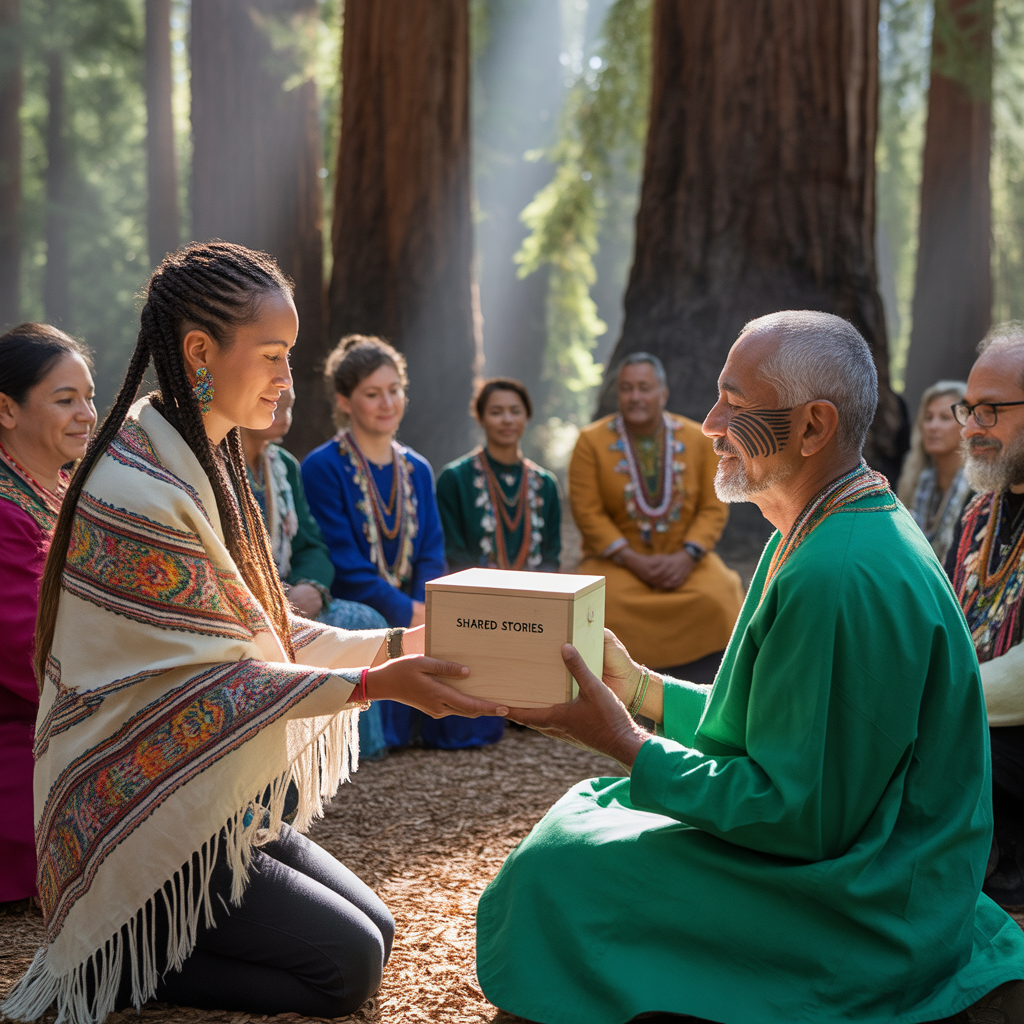
Remember that cultural protocols around gender and participation have often evolved over thousands of years and carry wisdom about maintaining spiritual balance and protecting sacred teachings. While these traditions may sometimes conflict with contemporary views of equality, approaching them as opportunities to expand your understanding rather than obstacles to overcome helps preserve the ceremonies’ integrity while allowing for meaningful cross-cultural exchange.
Common Types of Sacred Ceremonies and Their Protocols

Sweat Lodge Ceremonies
These Native American purification rituals involve entering a dome-shaped structure heated by sacred stones. Participants endure intense heat while praying and singing, representing a return to the Earth’s womb. Proper preparation includes fasting, prayer, and bringing tobacco offerings. Physical readiness is essential as temperatures can exceed 120°F.
Sacred Fire Ceremonies
Found in many traditions worldwide, fire ceremonies use flames for purification, prayer, and transformation. Participants may offer herbs, written prayers, or personal items to the fire. Protocols include maintaining respectful distance, never turning your back on the fire, and following specific procedures for adding offerings under guidance.
Cacao Ceremonies
Originating from Mayan and Aztec traditions, these heart-opening rituals involve drinking ceremonial cacao while engaging in meditation, chanting, or sharing circles. Participants should avoid antidepressants and stimulants before ceremony, prepare through fasting, and approach with reverence for the plant medicine’s spiritual properties.
Hindu Thread Ceremonies
The Upanayana or sacred thread ceremony marks spiritual initiation, traditionally for young men entering the student stage of life. The ceremony involves receiving a sacred thread worn across the chest, learning specific mantras, and taking vows of spiritual discipline. Observers must dress modestly and maintain silence during sacred moments.
Each sacred ceremony carries unique protocols developed over centuries to maintain spiritual efficacy and cultural integrity. Understanding these specific requirements helps participants engage appropriately and receive the full benefits these powerful traditions offer. The key principle across all ceremonies is to observe first, ask questions respectfully, and never assume that protocols from one tradition apply to another.
Universal Protocol Guidelines
- Arrive early and prepared mentally and physically
- Dress modestly and appropriately for the tradition
- Bring appropriate offerings as guided by ceremony leaders
- Maintain silence or speak softly as appropriate
- Follow the lead of experienced participants
- Stay for the entire ceremony unless urgent circumstances arise
- Participate in closing protocols and cleanup as requested
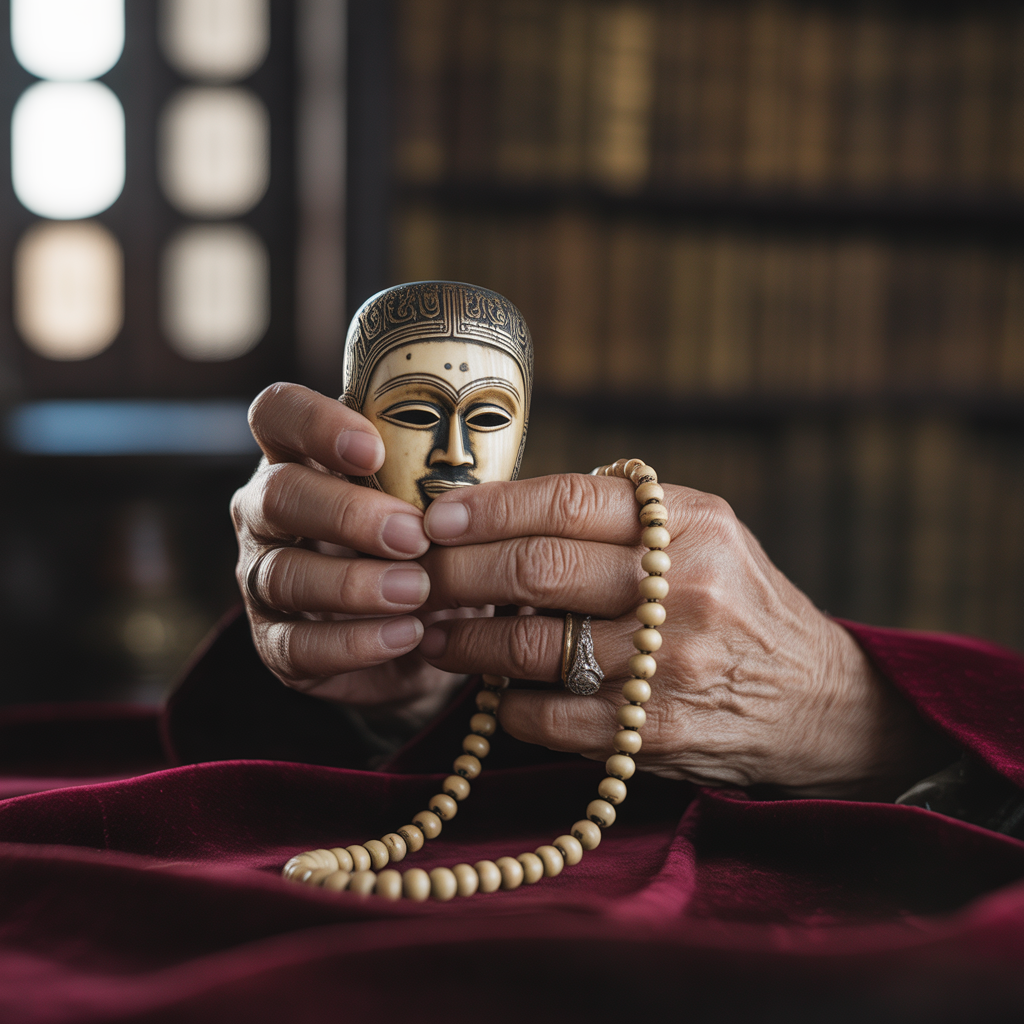
Many ceremonies also have specific dietary requirements, preparation periods, or post-ceremony integration practices that are essential for safety and spiritual effectiveness. For example, ayahuasca ceremonies require strict dietary protocols for weeks before and after the ceremony, while some Buddhist meditation retreats involve periods of noble silence that must be maintained even outside formal sitting sessions.
Always remember that these protocols exist not as arbitrary rules but as wisdom-tested methods for creating the optimal conditions for spiritual transformation and community healing. Approaching each ceremony with fresh eyes and genuine respect for its unique requirements ensures both personal benefit and preservation of these precious traditions.
The Role of Ceremony Leaders and Community Custodians

Ceremony leaders and cultural custodians hold profound responsibility as guardians of sacred knowledge, facilitators of spiritual transformation, and protectors of cultural heritage that has been passed down through countless generations. These individuals have typically undergone extensive training, initiation processes, and life experiences that qualify them to hold sacred space and guide others through powerful spiritual experiences.
The authority of ceremony leaders extends far beyond simple event coordination—they serve as bridges between the physical and spiritual worlds, channels for ancestral wisdom, and protectors of participants’ wellbeing throughout potentially intense transformational processes. Their guidance should be received with the same respect one would show a master teacher, recognizing that their instructions come from deep wells of cultural knowledge and spiritual experience.
Wisdom Keepers
Ceremony leaders carry traditional knowledge passed down through generations, including the proper protocols, prayers, and procedures that maintain the ceremony’s spiritual power.
Space Holders
They create and maintain safe spiritual containers where participants can undergo transformation while being protected from spiritual or psychological harm.
Guides and Healers
Many ceremony leaders also serve as spiritual counselors, helping participants integrate their experiences and navigate any challenges that arise during or after ceremonies.
Community custodians, who may be different from ceremony leaders, serve as guardians of the broader cultural context within which ceremonies exist. These individuals ensure that sacred practices are not exploited, commercialized, or stripped of their cultural meaning. They may screen potential participants, establish guidelines for appropriate participation, and make decisions about when and how to share certain practices with outsiders.
Showing Proper Respect
Demonstrating respect for ceremony leaders involves following their instructions without question, approaching them with humility and openness, and recognizing their authority within the ceremonial context. This doesn’t mean abandoning critical thinking, but rather understanding that your role as a participant is to receive guidance rather than to challenge or modify traditional practices.
When questions or concerns arise, address them privately and respectfully, preferably after the ceremony has concluded. Express genuine interest in learning rather than skepticism or criticism, and accept that some aspects of the tradition may not be fully explained to newcomers.
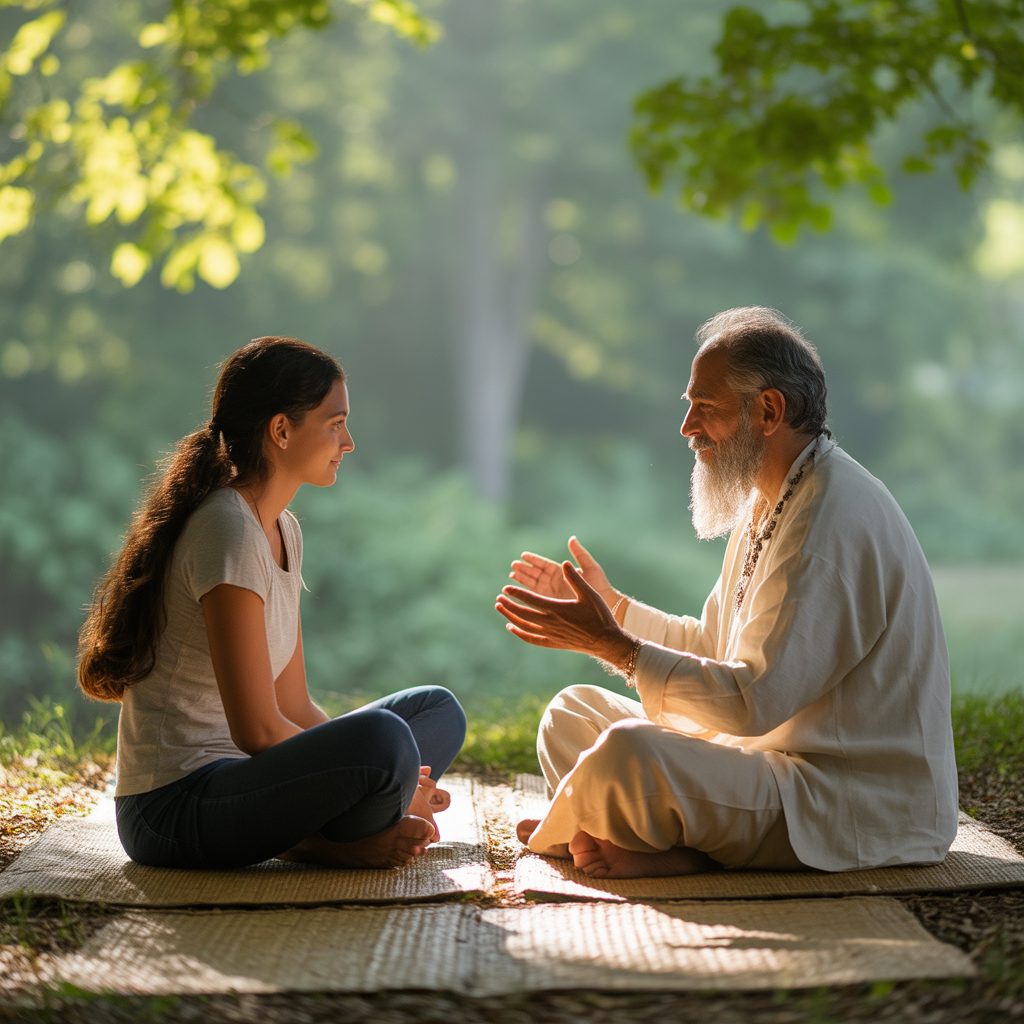
Building genuine relationships with ceremony leaders and community custodians often requires time, consistency, and demonstrated commitment to the tradition’s wellbeing rather than personal spiritual gratification. This might involve participating in community service, supporting cultural preservation efforts, or simply showing up consistently with genuine interest in learning and serving rather than consuming spiritual experiences.
Remember that ceremony leaders are human beings with their own struggles, limitations, and areas of growth. While maintaining appropriate respect for their role and knowledge, it’s also important to maintain healthy boundaries and trust your intuition if something feels genuinely unsafe or inappropriate. Authentic spiritual leadership should enhance your connection to your own inner wisdom rather than demanding blind obedience or dependency.
Conclusion: Embracing Respectful Participation to Honor Cultural Heritage

The opportunity to participate in sacred rituals from cultures beyond our own represents one of humanity’s most precious gifts—the sharing of wisdom, healing practices, and spiritual technologies that have sustained communities for millennia. However, with this privilege comes the profound responsibility to approach these experiences with the reverence, preparation, and cultural sensitivity they deserve.
Throughout this exploration, we have discovered that respectful participation in sacred ceremonies requires far more than good intentions or spiritual curiosity. It demands dedicated preparation, cultural research, personal purification, and most importantly, a willingness to surrender our own expectations and assumptions in service of honoring the traditions as they exist within their authentic cultural contexts.
Education
Continuous learning about cultural contexts and sacred meanings
Permission
Seeking explicit consent from cultural custodians and ceremony leaders
Protocol
Following traditional guidelines with precision and reverence
Reciprocity
Contributing to communities and supporting cultural preservation
Humility
Approaching as a student and guest rather than spiritual consumer
Respect
Honoring boundaries, restrictions, and community values without question
The path of ethical participation in sacred rituals ultimately transforms not only our individual spiritual lives but also our understanding of cultural diversity, indigenous wisdom, and the interconnectedness of human spiritual experience. When we approach these ceremonies with genuine respect and commitment to cultural preservation, we become allies in protecting and honoring traditions that offer healing not just to individuals but to our entire human family.
As we move forward in our spiritual journeys, may we carry the responsibility of being bridge-builders between cultures, students of ancient wisdom, and guardians of the sacred trust that communities extend when they welcome us into their most precious traditions. In doing so, we contribute to a world where cultural diversity is celebrated, indigenous wisdom is honored, and sacred practices continue to offer their transformative gifts to future generations.
Remember that participating in sacred rituals is not about collecting spiritual experiences or enhancing our personal spiritual résumé. Rather, it is about contributing to the preservation and honoring of humanity’s diverse spiritual heritage while allowing these powerful traditions to transform us in service of our highest good and the wellbeing of all beings. May every ceremony we are privileged to attend deepen our compassion, expand our understanding, and strengthen our commitment to building a more respectful and spiritually connected world.
 NellyWorld
Leave a comment