Discover the creative minds shaping the soundscape of 2025 and learn what drives today’s most innovative music producers to push boundaries and redefine genres.

Introduction: The Unsung Architects of Modern Music

The Hidden Creators
In the glittering world of popular music, where artists command spotlights and headlines, there exists a cadre of creative visionaries working tirelessly behind the scenes. These are the music producers—the unsung architects of modern sound who shape every beat, craft every texture, and sculpt the sonic landscapes that define our musical era. In 2025, these producers have evolved far beyond their traditional roles as technical facilitators; they’ve become cultural tastemakers, technological innovators, and emotional storytellers who wield unprecedented influence over the global music conversation.
The Modern Producer’s Evolution
Today’s music producers operate at the intersection of artistry and technology, seamlessly blending cutting-edge digital tools with timeless musical sensibilities. They’re not just button-pushers or knob-turners—they’re creative partners who help artists discover their unique voices while pushing the boundaries of what’s sonically possible. From bedroom studios to world-class facilities, these producers are democratizing music creation while simultaneously raising the bar for artistic excellence and innovation.
This comprehensive exploration delves deep into the minds and methodologies of today’s most innovative music producers. We’ll uncover their creative processes, examine the cutting-edge techniques they employ, and reveal how they’re shaping not just individual songs, but entire musical movements. From Grammy-winning veterans to emerging bedroom producers who’ve conquered streaming platforms, these are the stories of the people who make the music that moves the world.
Through intimate conversations and behind-the-scenes insights, we’ll discover how these producers influence global hits, pioneer new genres, and predict the future directions of music production. Their stories reveal a fascinating world where technical expertise meets boundless creativity, where traditional musical knowledge intersects with revolutionary technology, and where the pursuit of the perfect sound drives endless innovation. This is the world behind the beats—the hidden universe where tomorrow’s soundscape is being crafted today.
Spotlight on Rising Stars: Joey Hamhock and Paige Blue

Joey Hamhock (Spencer Golanka)
Grammy-winning producer behind Doechii’s breakout hit “Boiled Peanuts”
- Berklee College of Music graduate
- Blends raw street credibility with formal musical training
- Known for creating authentic, emotionally resonant hip-hop productions
- Specializes in trap-influenced beats with melodic sophistication
Paige Blue
Multi-instrumentalist with over 100 million streams across platforms
- Versatile across pop, hip hop, and alternative genres
- Major brand campaign placements (Apple, Starbucks)
- Self-taught producer with exceptional business acumen
- Pioneers genre-blending approaches to modern production
The new generation of music producers is characterized by an unprecedented blend of artistic vision and entrepreneurial savvy. Joey Hamhock and Paige Blue represent this evolution perfectly—they’re not just skilled technicians but complete creative architects who understand both the art and business of modern music production. Their success stories illuminate how today’s producers must be multifaceted professionals capable of navigating complex creative partnerships while maintaining their unique artistic signatures.
Joey Hamhock’s journey from Berklee classrooms to Grammy recognition exemplifies the modern producer’s path. His work on Doechii’s “Boiled Peanuts” showcases how formal training can enhance rather than constrain raw creative instincts. Hamhock’s production style masterfully balances the grittiness of contemporary trap with sophisticated harmonic progressions and unexpected sonic textures, creating music that resonates with both street culture and mainstream audiences.
Meanwhile, Paige Blue’s remarkable streaming numbers and high-profile brand placements demonstrate how independent producers can build sustainable careers outside traditional industry structures. Their multi-instrumental background allows for a holistic approach to production, where every element—from bass lines to vocal arrangements—serves the larger artistic vision.
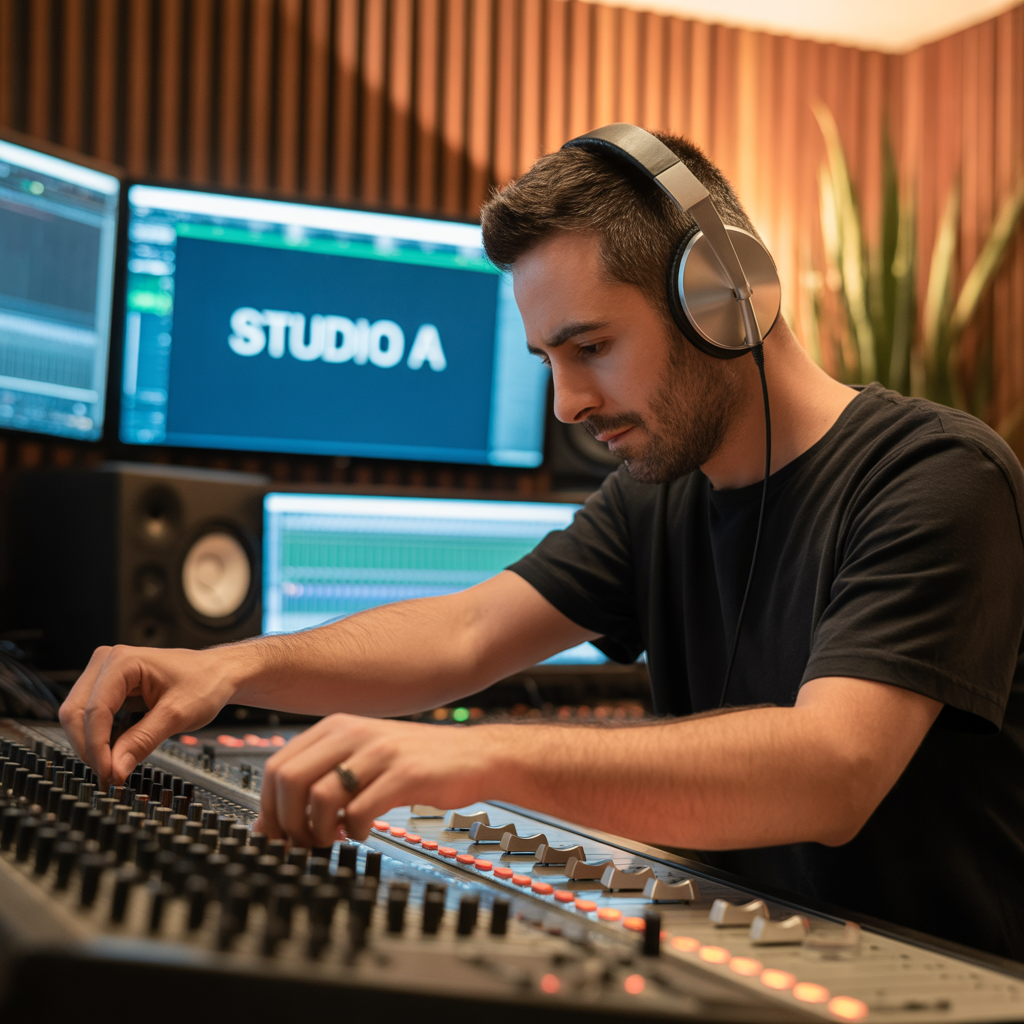
What sets both producers apart is their understanding that modern music production extends far beyond the technical aspects of recording and mixing. They’ve embraced roles as creative directors, brand strategists, and cultural commentators, recognizing that today’s most successful producers must be storytellers who understand how music fits into broader cultural conversations. Their success represents a new paradigm where producers are not just service providers but equal creative partners in the artistic process, bringing their own vision and voice to every collaboration while amplifying their artists’ unique qualities.
Industry Giants Shaping 2025: Jack Antonoff, Metro Boomin, and A. G. Cook

Jack Antonoff
The architect of pop’s emotional revolution, Antonoff has redefined mainstream music through his collaborations with Taylor Swift, Lana Del Rey, and countless other artists. His production philosophy centers on creating textured soundscapes that amplify raw emotion while maintaining infectious accessibility. Antonoff’s signature approach involves layering vintage synthesizers with modern production techniques, creating a nostalgic yet contemporary sound that has become synonymous with 2020s pop excellence.
Metro Boomin
The trap genre’s most influential architect, Metro Boomin has revolutionized hip-hop production with his sparse yet atmospheric approach. His collaborations with Travis Scott, Future, and 21 Savage have defined the sound of contemporary rap, while his expansion into soundtrack work—including Spider-Man: Across the Spider-Verse—demonstrates his versatility beyond traditional hip-hop boundaries. Metro’s minimalist philosophy proves that sometimes the most powerful productions come from knowing what to leave out.
A. G. Cook
The mastermind behind hyperpop’s maximalist aesthetic, A. G. Cook has shattered conventional production boundaries through his work with Charli XCX and the late SOPHIE. His fearless experimentation with digital distortion, pitch manipulation, and genre deconstruction has inspired a generation of producers to abandon traditional constraints. Cook’s influence extends far beyond hyperpop, encouraging producers across all genres to embrace chaos and unpredictability as creative tools.
These three titans of modern production represent distinctly different approaches to the craft, yet all share a common thread: the ability to create signature sounds that transcend individual projects and influence entire genres. Their impact on 2025’s musical landscape cannot be overstated—each has developed a production language so distinctive that their involvement in a project immediately signals certain aesthetic and emotional expectations to audiences worldwide.
2020-2021
Antonoff’s folklore/evermore era establishes new template for introspective pop production
2022-2023
Metro Boomin expands into film scoring, bringing trap aesthetics to mainstream cinema
2024-2025
A. G. Cook’s hyperpop influence spreads across pop, electronic, and experimental genres
What distinguishes these producers from their peers is their ability to maintain artistic integrity while achieving massive commercial success. They’ve each carved out unique sonic territories that feel both innovative and inevitable, creating production templates that inspire countless imitators while remaining impossible to truly replicate. Their success demonstrates that in an era of democratized music production, the most successful producers are those who develop unmistakable artistic voices rather than simply following trends or employing the latest technology.
The Creative Process: Insights from David Baron’s Sun Mountain Studio
The Environment Effect
Nestled in New York’s scenic Hudson Valley, Sun Mountain Studio represents more than just a recording facility—it’s a creative sanctuary designed to foster deep artistic exploration. Baron’s intentional choice to locate his studio away from urban distractions reflects a growing trend among producers who recognize that environment profoundly impacts creativity. The studio’s analog-rich setup, surrounded by natural beauty, creates an atmosphere where artists can disconnect from external pressures and reconnect with their artistic essence.
The Analog Advantage
Baron’s commitment to analog equipment in an increasingly digital world isn’t mere nostalgia—it’s a deliberate creative choice that shapes his production aesthetic. The warmth and unpredictability of analog gear adds character and soul to recordings that purely digital productions often lack. This approach has attracted artists seeking authentic, emotionally resonant sounds, from Meghan Trainor’s pop anthems to Lana Del Rey’s atmospheric ballads and The Lumineers’ folk-inspired arrangements.
David Baron’s production philosophy centers on intentionality and personal connection—principles that have guided his work across diverse genres and with artists of varying experience levels. His approach to production extends far beyond technical execution; it’s about creating an emotional and creative container where authentic artistic expression can flourish. Baron’s success with projects ranging from mainstream pop hits to intimate folk recordings demonstrates how a producer’s role as creative facilitator often matters more than their technical prowess.
The producer’s emphasis on building genuine relationships with artists has become a defining characteristic of his work. Rather than imposing his own artistic vision, Baron focuses on understanding each artist’s unique voice and helping them articulate it more clearly. This collaborative approach has resulted in productions that feel authentic to each artist while bearing Baron’s subtle but unmistakable sonic signature—a testament to his ability to enhance without overwhelming.
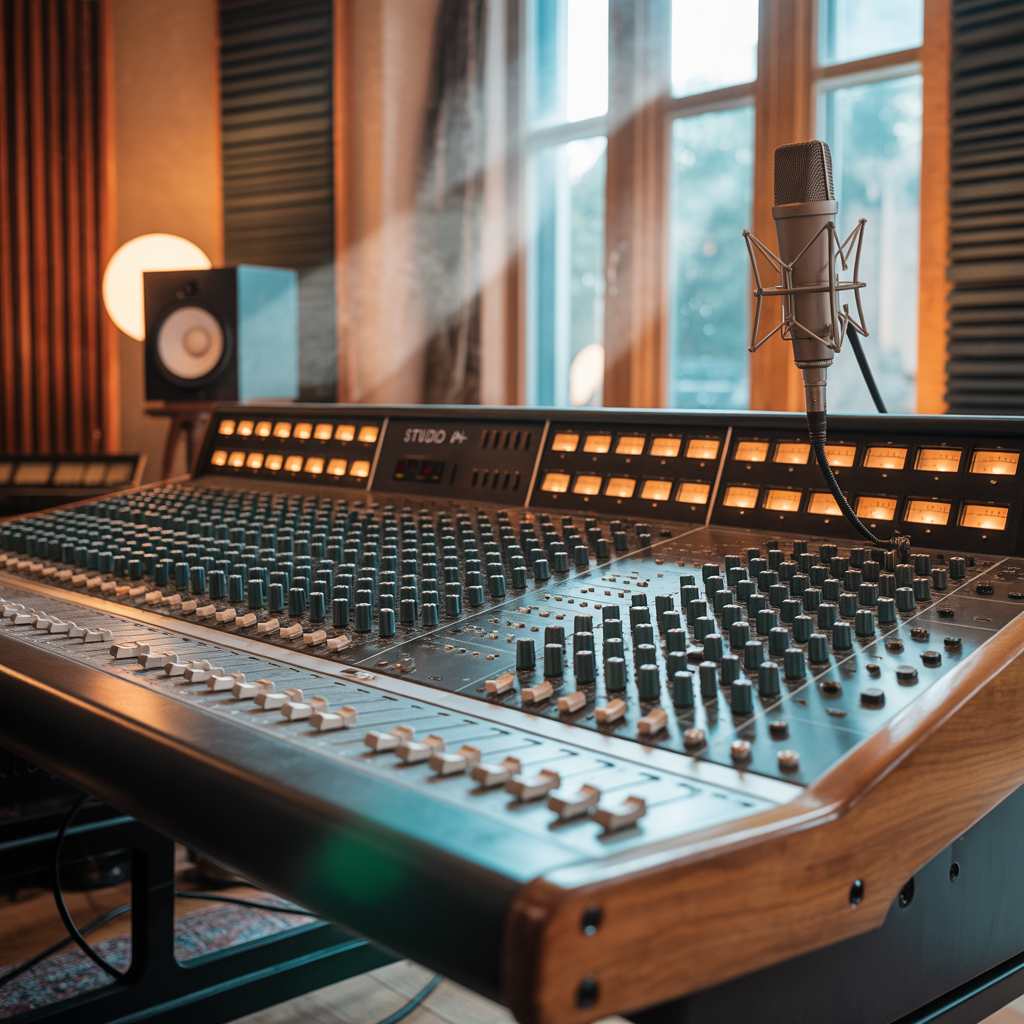
Baron’s work process typically begins long before any recording takes place. He invests significant time in understanding not just the songs themselves, but the emotional and conceptual frameworks that drive them. This preparation allows him to make production choices that serve the larger artistic vision rather than simply showcasing technical capability. His success stories—from “All About That Bass” becoming a cultural phenomenon to his nuanced work with critically acclaimed artists—demonstrate how thoughtful, artist-centered production can achieve both commercial success and artistic integrity.
The lessons from Sun Mountain Studio extend beyond any single production technique or piece of equipment. Baron’s approach illustrates how the most impactful producers create environments—both physical and emotional—where artists feel safe to be vulnerable, experimental, and authentic. In an era where technology offers infinite possibilities, Baron’s focus on human connection and intentional creativity provides a compelling blueprint for producers seeking to create meaningful, lasting music rather than simply following fleeting trends.
Emerging Trends in Music Production for 2025
Genre-Defying Fusion
The rigid boundaries between musical genres continue to dissolve in 2025, with producers embracing radical combinations that would have seemed impossible just years ago. Latin Afrobeats merge with electronic elements, Electro Corridos blend traditional Mexican sounds with futuristic production techniques, and country-trap crossovers create entirely new sonic territories. Producers are no longer constrained by genre expectations, instead focusing on emotional impact and cultural resonance that transcends traditional categorization.
Independent Artist Dominance
The democratization of music production tools and distribution platforms has fundamentally shifted the industry landscape. Independent artists now regularly achieve hundreds of millions of streams without major label support, often building massive audiences through social media platforms and direct fan engagement. Producers working with indie artists must understand not just music creation but also digital marketing, social media strategy, and direct-to-fan relationship building.
Sonic Branding Revolution
As attention spans fragment across digital platforms, unique sonic signatures have become essential for artist recognition and brand building. Producers are increasingly creating distinctive audio logos, signature sounds, and recurring musical motifs that function as auditory trademarks. This trend extends beyond individual artists to brands, podcasts, and content creators who recognize the power of consistent sonic identity in building audience loyalty and recognition.
Authenticity Over Perfection
Counter to decades of increasingly polished production, 2025 sees a growing appreciation for imperfect, raw aesthetics that prioritize emotional authenticity over technical perfection. Producers are intentionally incorporating elements like tape hiss, room tone, vocal imperfections, and analog quirks that add character and humanity to digital productions. This shift reflects audience desire for genuine emotional connection in an increasingly artificial digital landscape.

The convergence of these trends reflects a broader cultural moment where authenticity, accessibility, and innovation intersect in unprecedented ways. Producers who succeed in 2025 are those who can navigate this complex landscape while maintaining their unique artistic voice. The most significant shift is perhaps the recognition that technical perfection is no longer the ultimate goal—instead, emotional resonance, cultural relevance, and genuine human connection have become the metrics by which productions are judged and remembered.
These emerging trends also highlight how global connectivity has transformed music production from a localized craft to an international collaborative art form. Producers routinely work with artists from different continents, incorporating cultural elements from around the world, and creating music that speaks to increasingly diverse, globally connected audiences. This globalization of production aesthetics has led to richer, more diverse musical landscapes while simultaneously challenging producers to remain culturally sensitive and authentic in their approach to cross-cultural collaboration.
Electronic Music Evolution: Jacob Colon’s Perspective

Cultural Fusion
Jacob Colon’s approach to electronic music production exemplifies the genre’s experimental direction in 2025. His seamless blending of Latin rhythms with tech house foundations creates a sound that’s both globally accessible and culturally specific. This fusion isn’t superficial genre-hopping but rather deep cultural integration that respects traditional elements while pushing them into futuristic contexts. Colon’s work demonstrates how electronic producers can honor their cultural heritage while contributing to the genre’s evolution.
Technological Innovation
The producer’s embrace of cutting-edge virtual instruments and production tools reflects electronic music’s constant technological evolution. Colon consistently experiments with new software, hardware, and production techniques, but always in service of musical expression rather than technological showmanship. His studio setup combines traditional hardware synthesizers with the latest AI-powered plugins, creating a hybrid environment that maximizes both creative possibilities and workflow efficiency.
Community Connection
Miami Music Week remains a cornerstone event in Colon’s creative calendar, representing more than just a business networking opportunity. The festival serves as a creative catalyst where producers, DJs, and fans converge to share ideas, test new music, and push artistic boundaries. Colon views these gatherings as essential to electronic music’s collaborative nature, where innovations spread rapidly through personal connections and shared experiences on dance floors worldwide.
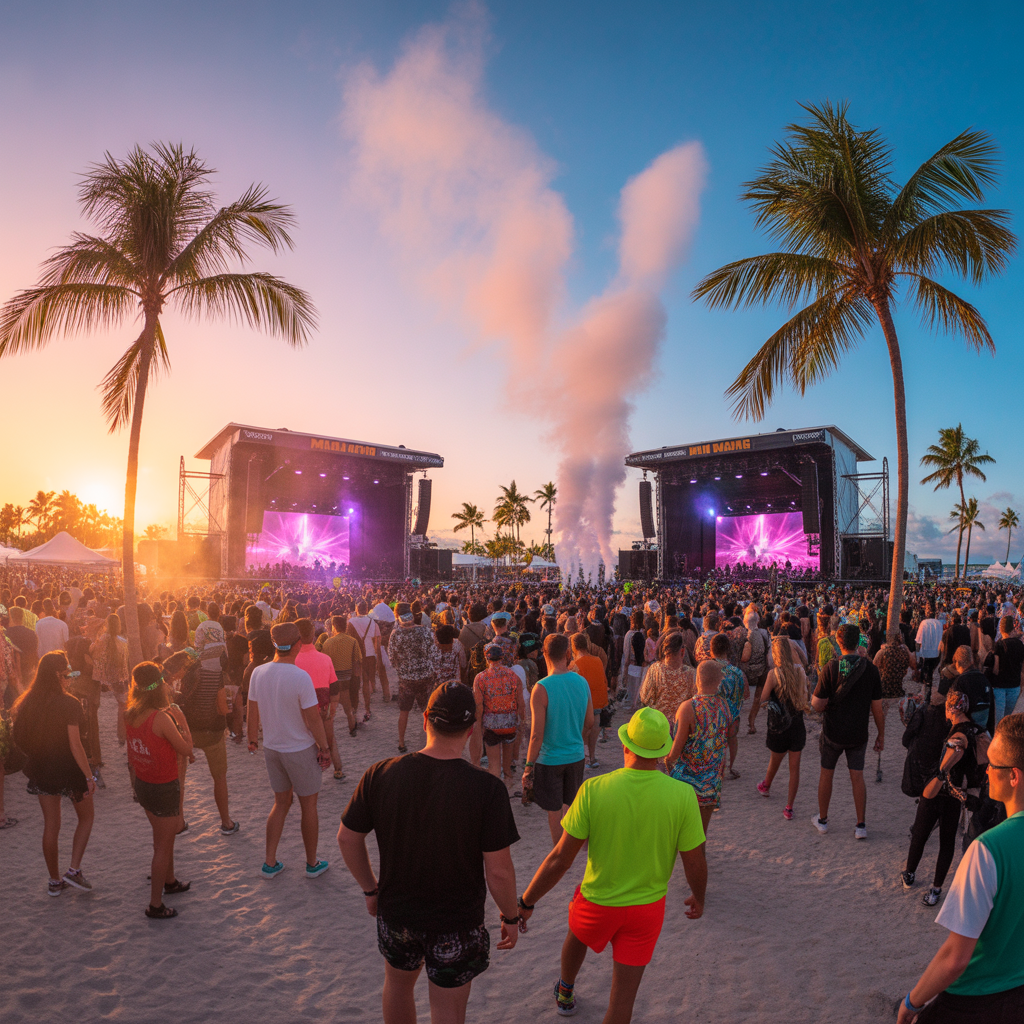
Colon’s philosophy regarding originality versus trend-chasing offers crucial guidance for emerging electronic producers. In a genre where viral moments can launch careers overnight, the temptation to follow fleeting trends is enormous. However, Colon advocates for a longer-term approach focused on developing unique artistic voice and creating genuinely innovative music rather than simply reacting to whatever’s currently popular on streaming platforms.
This perspective has served him well in navigating electronic music’s rapidly evolving landscape. While staying aware of current trends and technological developments, Colon maintains focus on crafting music that reflects his authentic artistic vision. This approach has resulted in a distinctive sound that stands out in an oversaturated market while building a dedicated fanbase that trusts his creative direction.
The electronic music scene’s global nature presents both opportunities and challenges for producers like Colon. While digital distribution and social media allow unprecedented access to worldwide audiences, the sheer volume of content makes it increasingly difficult to capture and maintain listener attention. Colon addresses this challenge by focusing on live performance and community building, recognizing that electronic music’s power lies not just in recorded tracks but in shared experiences that create lasting emotional connections.
Looking toward the future, Colon sees electronic music continuing to fragment into increasingly specific subgenres while simultaneously borrowing elements from other musical traditions. This paradox—increasing specialization alongside growing eclecticism—defines electronic music’s current evolution. Producers who thrive in this environment are those who can navigate between deep genre knowledge and broad musical curiosity, creating music that satisfies both dedicated electronic music fans and casual listeners discovering the genre for the first time.
The Role of Technology: AI and Smart Tools Transforming Production

AI-Powered Mastering & Mixing
Revolutionary AI mastering plugins now offer real-time adjustments, personalized mix profiles based on genre and artist preferences, and intelligent error detection that identifies problems human ears might miss. These tools don’t replace human creativity but augment it, providing suggestions and automating technical tasks so producers can focus on artistic decisions.
Adaptive Audio Processing
Smart EQ systems automatically adjust frequency responses based on musical content, while advanced noise removal tools clean up recordings without destroying natural ambience. These adaptive technologies learn from user preferences and song contexts, becoming more accurate and personalized over time.
Cloud Collaboration Platforms
Seamless remote session capabilities enable global collaboration with integrated communication tools and automatic version control. Producers can work with artists across continents as if they’re in the same room, sharing not just audio files but entire project states with complex routing and effects processing intact.
Intelligent Style Templates
AI generates genre-specific arrangement templates and mood-based starting points, dramatically accelerating initial creative phases. These aren’t rigid formulas but flexible frameworks that adapt to user input while maintaining stylistic coherence, helping producers overcome creative blocks and explore new directions.
The integration of artificial intelligence and smart tools in music production represents one of the most significant technological shifts since the transition from analog to digital recording. However, contrary to fears that AI might replace human creativity, the reality in 2025 is far more nuanced and collaborative. These technologies function as sophisticated creative partners, handling routine technical tasks while amplifying human artistic vision and enabling new forms of musical expression that were previously impossible or prohibitively time-consuming.
Pre-Production Phase
AI analyzes reference tracks to suggest chord progressions, generate melody ideas, and recommend instrumentation that matches desired emotional qualities and genre characteristics.
Recording Process
Intelligent noise gates, real-time pitch correction, and adaptive compression respond to performance nuances while maintaining natural feel and artist authenticity.
Mixing Stage
AI assistants suggest optimal EQ curves, detect frequency conflicts, and recommend spatial positioning while learning from producer preferences and musical context.
Mastering Finalization
Automated mastering chains adapt to streaming platform requirements while preserving artistic intent, ensuring optimal playback across all delivery formats.
The democratization of professional-quality production tools through AI integration has profound implications for the music industry. Bedroom producers now have access to mixing and mastering capabilities that previously required expensive studios and years of training. This accessibility hasn’t diminished the value of experienced producers—instead, it’s elevated the importance of artistic vision, emotional intelligence, and creative problem-solving skills that no algorithm can replicate.
Perhaps most significantly, AI tools are enabling entirely new workflows and creative approaches. Producers can rapidly prototype ideas, explore multiple arrangement possibilities, and experiment with sonic textures that would take hours or days to achieve manually. This acceleration of the creative process allows for more iterative, exploratory approaches to music-making, where producers and artists can focus on the emotional and artistic aspects of their work rather than getting bogged down in technical implementation details.
Lessons from the Top: What Makes a Producer Stand Out in 2025?

Vision
Artistic leadership and cultural insight
Innovation
Sound design mastery and genre fluidity
Storytelling
Emotional connection through musical narrative
Technical Balance
Technology integration with authentic expression
Continuous Evolution
Adaptation to trends while maintaining personal artistic integrity
The producers who rise to the top in 2025 share several key characteristics that distinguish them from their peers. First and foremost is their commitment to innovation in sound design and genre fluidity. These producers don’t just follow trends—they create them by fearlessly blending traditional instruments with cutting-edge digital tools, developing signature techniques that become their calling cards, and approaching each project as an opportunity to push creative boundaries while serving the artist’s vision.
The Storyteller’s Approach
Emotional storytelling through music remains the most powerful way to connect with listeners in an oversaturated market. Top producers understand that technical perfection means nothing without emotional resonance. They approach each song as a narrative opportunity, using production techniques not just for sonic interest but to enhance the emotional arc of the music. Whether it’s the subtle build of tension through layered percussion or the strategic use of space to create intimacy, every production choice serves the larger story being told.
This narrative approach extends beyond individual songs to album concepts, artist development, and even career trajectory planning. The most successful producers think like film directors, understanding how each element contributes to a larger vision while ensuring that every moment serves both immediate impact and long-term artistic goals.
Beyond the Booth
Modern producers must be more than just technical experts—they’re brand strategists, cultural commentators, and creative directors who understand how music fits into broader cultural conversations. They maintain awareness of social media trends, understand streaming platform algorithms, and recognize how different demographics consume music across various platforms and contexts.
This expanded role requires continuous learning and adaptation. Successful producers invest time in understanding new technologies, studying emerging artists and genres, and maintaining networks across the industry. They balance technological mastery with authentic artistic vision, never letting tools overshadow creativity but always remaining open to how new technologies can enhance their artistic expression.
Perhaps most importantly, standout producers in 2025 maintain a delicate balance between artistic integrity and commercial awareness. They understand that lasting success comes from developing a distinctive voice rather than simply following market demands, yet they remain aware of industry trends and audience preferences. This balance requires confidence in one’s artistic vision combined with humility about the collaborative nature of music creation and the importance of serving the artist’s needs above personal ego.
The longevity factor cannot be understated. Producers who build lasting careers are those who view each project as part of a larger artistic journey rather than just individual transactions. They invest in relationships, continuously refine their craft, and remain genuinely passionate about music discovery and creation. In an industry where overnight success stories capture headlines, the most enduring producers are those who commit to lifelong learning and authentic artistic development, understanding that true mastery is a continuous process rather than a destination.
Conclusion: The Future Soundscape is in Their Hands

Visionary Creators
Not just technicians but cultural architects shaping sound
Emotional Storytellers
Crafting narratives through innovative sonic landscapes
Innovation Drivers
Pushing technological and artistic boundaries forward
Cultural Influencers
Shaping global conversations through musical expression
Resilient Artists
Balancing passion with professional adaptability
As we’ve explored throughout this comprehensive examination of today’s music production landscape, the role of the modern producer has evolved far beyond its traditional boundaries. These creative professionals have emerged as the primary architects of our contemporary soundscape, wielding influence that extends from intimate bedroom recordings to global cultural movements. Their stories reveal a fascinating intersection of technological innovation, artistic vision, and cultural commentary that defines not just individual songs but entire musical eras.
The New Creative Paradigm
Today’s producers operate in a radically democratized environment where bedroom studios can compete with major-label facilities, where AI tools augment human creativity rather than replace it, and where global collaboration happens as naturally as local partnerships. This transformation has liberated creative potential while simultaneously raising expectations for artistic innovation and emotional authenticity.
Cultural Impact and Responsibility
The producers featured in our exploration—from Grammy winners to streaming sensations—understand that their work carries cultural weight beyond entertainment. They’re shaping how young people understand emotions, how communities express identity, and how global audiences connect across cultural and linguistic barriers. This responsibility drives many to approach their craft with increased thoughtfulness and intentionality.
For aspiring producers and music lovers alike, these stories offer both inspiration and practical guidance. The path to production excellence in 2025 requires more than technical proficiency—it demands emotional intelligence, cultural awareness, collaborative skills, and the courage to maintain artistic vision while remaining open to continuous learning and adaptation. The most successful producers demonstrate that authentic creativity, combined with professional dedication and genuine respect for the collaborative process, remains the foundation of lasting impact in the music industry.
The future soundscape being crafted by today’s innovative producers promises to be more diverse, more emotionally resonant, and more technologically sophisticated than anything we’ve experienced before. As these creative visionaries continue to push boundaries, experiment with new technologies, and explore uncharted artistic territories, they’re not just making music—they’re defining the cultural and emotional vocabulary through which future generations will express themselves, connect with one another, and understand their place in an increasingly complex world.
Hashtags

#MusicProducers
#MusicProduction2025
#InnovativeProducers
#BehindTheBeats
#MusicIndustry
#MusicTrends2025
#ElectronicMusic
#ProducerInterviews
#SoundDesign
#MusicTechnology
These hashtags represent the key themes and topics covered in our comprehensive exploration of today’s most innovative music producers. Use them to connect with communities passionate about music production, discover emerging trends, and engage with the broader conversation about the future of music creation.
Share this content across social media platforms to join the conversation about the creative minds shaping tomorrow’s soundscape and inspiring the next generation of music producers worldwide.
 NellyWorld
Leave a comment