Discover the fascinating neuroscience behind why certain melodies can instantly transport us back in time, triggering vivid memories and powerful emotions that seem to emerge from nowhere.
Introduction: The Timeless Bond Between Music and Memory

Music is one of humanity’s most universal experiences, transcending cultural boundaries and connecting us across generations. From the gentle lullabies that soothed us as infants to the anthems that defined our teenage years, songs possess an extraordinary ability to unlock the vaults of our memory with startling precision and emotional intensity.
Consider the last time you heard a song from your past—perhaps playing unexpectedly in a store or restaurant. Within seconds, you were likely transported back to a specific moment, complete with vivid sensory details: the smell of your childhood bedroom, the feeling of summer air on your skin, or the face of someone you hadn’t thought about in years. This phenomenon isn’t mere coincidence; it’s the result of intricate neural processes that make music one of the most powerful memory triggers known to science.
The relationship between music and memory operates on multiple levels, from the basic neural mechanisms that process sound to the complex emotional networks that give our memories their profound personal meaning. Unlike other forms of sensory input, music engages nearly our entire brain simultaneously, creating rich, multi-layered memories that remain remarkably stable over time. This unique characteristic has made music an invaluable tool not only for understanding how memory works but also for developing innovative therapeutic approaches to memory-related disorders.
As we embark on this exploration of music and memory, we’ll discover how melodies become intertwined with our personal histories, why certain songs can make us cry or fill us with joy decades after we first heard them, and how scientists are harnessing music’s memory-enhancing properties to help those struggling with cognitive decline. The science behind these phenomena reveals that our brains are, in many ways, sophisticated musical instruments themselves—constantly composing the soundtrack to our lives and preserving it for future recall.

“Music is the soundtrack to our lives, and our brains are the most sophisticated recording devices ever created.”
How Music Engages the Brain: A Symphony of Neural Activity

When we listen to music, our brains transform into bustling neural highways with activity spanning virtually every region. This remarkable phenomenon sets music apart from almost any other stimulus we encounter in daily life. According to Harvard Medicine research, listening to music simultaneously activates the auditory cortex for sound processing, the motor cortex for rhythm and beat, the limbic system for emotion, and the hippocampus and amygdala—the brain’s primary memory and emotional centers.
Hippocampus Activation
The brain’s memory center processes musical patterns and links them to autobiographical experiences, creating lasting associations between songs and life events.
Amygdala Response
The emotional brain center amplifies memory formation by attaching feelings to musical experiences, making them more vivid and memorable.
Limbic System
This network connects music to pleasure, motivation, and reward pathways, explaining why we find certain songs so compelling and memorable.
The complexity of musical processing requires our brains to perform sophisticated computational tasks. Unlike simple sounds, music demands that we integrate sequential auditory information into coherent patterns, recognize recurring themes, and predict upcoming musical phrases. This process engages our working memory systems in ways remarkably similar to language processing, as documented in the Journal of Biology research from 2008.
What makes music particularly powerful for memory formation is its temporal nature—it unfolds over time, creating narrative structures that our brains are evolutionarily wired to remember. As we follow a melody’s journey from beginning to end, our neural networks are simultaneously encoding the sequence of sounds, the emotional trajectory, and any personal associations that arise. This multi-layered encoding creates what neuroscientists call “elaborative memories”—rich, interconnected memory traces that are far more resilient and retrievable than simple factual information.
The brain’s response to music also involves prediction and pattern recognition. Our neural networks constantly anticipate the next note, chord progression, or rhythmic pattern based on musical conventions we’ve learned throughout our lives. When these predictions are confirmed or pleasantly violated, the brain releases dopamine—the same neurotransmitter associated with reward and pleasure. This biochemical response not only makes music enjoyable but also strengthens the memory traces associated with musical experiences, creating a positive feedback loop that enhances both the emotional impact and memorability of songs.
The Emotional Power of Music Enhances Memory Formation

Music Triggers Emotion
Songs activate emotional centers in the brain, creating powerful feelings that range from joy to nostalgia.
Emotion Amplifies Encoding
Strong emotions signal the brain that an experience is important, leading to enhanced memory formation.
Enhanced Recall
Emotionally-charged musical memories become more vivid and accessible for future retrieval.
Reinforced Connection
Each recall strengthens the bond between music and memory, creating lasting associations.
The relationship between emotion and memory formation represents one of neuroscience’s most fascinating discoveries, and music provides a perfect window into this phenomenon. Research by Jäncke in 2008 demonstrated that emotions triggered by music don’t merely accompany memory formation—they actively amplify it. When we experience emotional responses to music, our brains interpret these feelings as signals that the current experience is significant and worth preserving in long-term memory.
Groundbreaking research from Rice University in 2025 has revealed the nuanced ways emotional arousal affects musical memory. The study found that moderate emotional arousal from music creates optimal conditions for remembering specific details—the exact lyrics, the particular instrumental arrangement, or the precise moment when we first heard a song. However, when emotional arousal becomes very high or very low, our brains shift to encoding the general gist of the musical experience rather than fine details.
This finding has profound implications for understanding why some musical memories remain crystal clear while others fade into general impressions. A song that moves us to tears or fills us with overwhelming joy might be remembered more for its emotional impact than for its specific musical characteristics. Conversely, a song that creates a pleasant but moderate emotional response is more likely to be encoded with all its intricate details intact, from the opening guitar riff to the final fade-out.
Perhaps most intriguingly, the Rice University research also highlighted the highly personal nature of musical emotional responses. The same song that creates optimal memory-enhancing arousal in one person might generate completely different emotional and memorial outcomes in another. This individual variation suggests that personalized music selection could be key to maximizing music’s memory-enhancing potential, whether for educational purposes, therapeutic interventions, or simply for preserving our most cherished life experiences.
The emotional enhancement of musical memory also explains why songs often serve as powerful cues for autobiographical memories. When a particular song becomes associated with a significant life event—a first dance, a graduation ceremony, or a moment of personal triumph—the emotional context creates multiple retrieval pathways. Years later, hearing that song doesn’t just activate auditory memories; it reactivates the entire emotional and contextual network associated with that pivotal moment, bringing the past flooding back with remarkable vividness and accuracy.
Nostalgia and Autobiographical Memory: Songs as Time Machines
Few phenomena in neuroscience are as immediately recognizable as the nostalgic power of music. We’ve all experienced that sudden, overwhelming rush of memories triggered by hearing a song from our past—a sensation so vivid that it feels like genuine time travel. Recent groundbreaking research from USC Dornsife in 2025 has finally begun to unravel the neural mechanisms behind this remarkable phenomenon, revealing why music serves as such an effective portal to our personal histories.

The USC study utilized advanced neuroimaging techniques to observe brain activity while participants listened to music from different periods of their lives. The results were striking: nostalgic music uniquely activated two critical brain networks simultaneously—the default mode network and the reward circuits. The default mode network, active during rest and introspection, is heavily involved in self-referential thinking and autobiographical memory retrieval. When this network synchronizes with reward circuits during musical listening, it creates optimal conditions for accessing and vividly re-experiencing personal memories.
Childhood (Ages 0-12)
Musical memories from this period often involve family songs, lullabies, and early musical experiences that become deeply embedded in our emotional foundations.
Adolescence (Ages 13-19)
The “reminiscence bump” period when musical preferences solidify and become most strongly associated with identity formation and peer relationships.
Early Adulthood (Ages 20-30)
Songs from this era often trigger memories of major life transitions, relationships, and the establishment of independence.
Later Life (30+)
Musical memories become more selective, often focusing on songs associated with significant life events or periods of particular meaning.
This neural activation pattern explains why nostalgic music doesn’t just remind us of the past—it allows us to mentally revisit it with remarkable sensory and emotional fidelity. Unlike other forms of memory cues, music seems to reactivate not just the cognitive aspects of autobiographical memories but also their full sensory and emotional context. Research participants consistently reported that nostalgic music triggered memories with unusual clarity, complete with vivid details about locations, weather, clothing, conversations, and emotions they experienced decades earlier.
The implications of this research extend far beyond mere curiosity about nostalgia. The findings have sparked intense interest in therapeutic applications, particularly for individuals with memory impairments such as Alzheimer’s disease. If nostalgic music can so reliably access autobiographical memories in healthy individuals, it might serve as a powerful tool for helping those with dementia reconnect with their personal histories and sense of identity.
The research also reveals why the period between ages 15 and 25—often called the “reminiscence bump”—produces such enduring musical memories. During these formative years, our brains are simultaneously developing adult neural structures while encoding experiences that help establish our identity and values. Music encountered during this critical period becomes neurologically intertwined with our developing sense of self, creating particularly robust and emotionally significant memory traces that remain accessible throughout life.
Understanding music as a “time machine” for autobiographical memory also helps explain its cultural significance. Shared musical experiences—from generation-defining anthems to communal celebrations—create collective memory banks that bind communities together across time. The songs that define historical moments become neural time capsules, preserving not just individual memories but the shared emotional experiences of entire generations.
Music’s Role in Memory Preservation and Neuroplasticity

Brain Enhancement Through Musical Training
Landmark research by Sluming and colleagues in 2007 revealed that musical training literally reshapes our brains in ways that benefit memory and cognitive function. Using sophisticated brain imaging techniques, they discovered that individuals with musical training showed significantly increased gray matter in brain regions crucial for working memory, verbal skills, and cognitive flexibility.
These structural brain changes aren’t merely correlational—they represent genuine neuroplasticity in action. The complex cognitive demands of learning to read music, coordinate motor movements, and process auditory feedback simultaneously create an intensive “workout” for multiple brain systems. This musical cross-training strengthens neural networks in ways that transfer to non-musical cognitive tasks, particularly those involving memory, attention, and executive function.
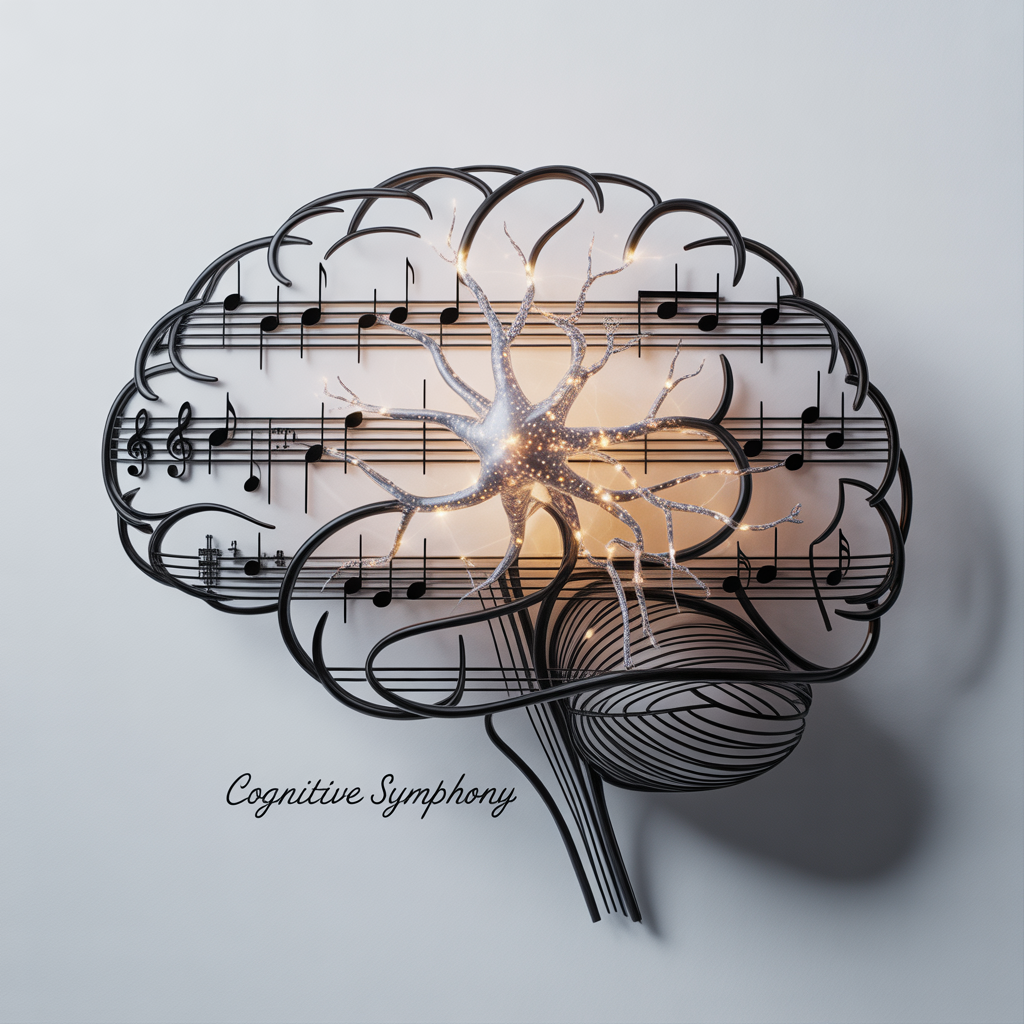
Musical Input
Sound waves stimulate auditory processing centers and activate multiple brain regions simultaneously.
Neural Activation
Complex musical patterns challenge the brain to form new neural connections and strengthen existing pathways.
Neuroplastic Changes
Regular musical engagement literally grows gray matter and enhances cognitive capacity.
Memory Enhancement
Strengthened neural networks improve both musical and non-musical memory performance.
The therapeutic potential of music’s neuroplastic effects has gained significant attention in medical settings. Research from Pfizer in 2024 demonstrated that music listening after brain injury or stroke can dramatically promote cognitive recovery and improve verbal memory function. Patients who engaged in structured musical activities showed faster and more complete recovery of memory abilities compared to those receiving standard rehabilitation alone.
These findings suggest that music doesn’t just passively trigger existing memories—it actively promotes the brain’s capacity to form, maintain, and retrieve memories. The neuroplastic changes induced by musical engagement appear to create more resilient memory systems that are better able to withstand age-related decline, injury, or disease. This discovery has revolutionary implications for preventive cognitive health strategies and rehabilitation medicine.
Music’s role in neuroplasticity extends beyond structural brain changes to include functional improvements in memory processing. Regular musical engagement enhances the brain’s ability to encode new information more efficiently, organize memories more effectively, and retrieve stored information more reliably. These improvements appear to result from music’s unique ability to exercise multiple memory systems simultaneously—working memory during active listening, episodic memory through musical experiences, and procedural memory through rhythmic patterns.
The preservation aspect of music’s effects on memory is particularly significant for aging populations. While many cognitive abilities decline with age, musical memories often remain remarkably intact, even in cases of severe dementia. This preservation suggests that musical neural networks may be inherently more resistant to age-related deterioration, possibly due to their distributed nature across multiple brain regions and their deep integration with emotional and autobiographical memory systems.
Current research is exploring whether early and consistent musical exposure throughout life might serve as a form of “cognitive insurance,” building stronger, more resilient memory networks that can better withstand future challenges. The concept of musical engagement as a preventive health measure represents an exciting frontier in neuroscience, offering hope for maintaining cognitive vitality throughout the lifespan.
Therapeutic Applications: Music as Medicine for Memory Disorders
The transformation of scientific understanding about music and memory has catalyzed a remarkable evolution in therapeutic applications, particularly for individuals facing memory-related challenges. A comprehensive analysis by Navarro and colleagues in 2023 reviewed over 200 neuroscience studies and found that more than 93% reported beneficial effects of music interventions for patients with Alzheimer’s disease and other neurodegenerative conditions. These benefits extended across multiple domains: improved cognition, enhanced mood regulation, reduced behavioral symptoms, and increased social engagement.
Studies Show Benefits
Overwhelming research consensus demonstrates music’s positive effects on neurodegenerative disease symptoms and quality of life.
Anxiety Reduction
Personalized music interventions significantly decrease anxiety levels in dementia patients during daily activities.
Improved Recall
Patients demonstrate enhanced autobiographical memory access when listening to familiar songs from their youth.
Social Engagement
Group music activities increase social interaction and reduce isolation among memory care residents.
The key to effective music therapy lies in personalization—selecting music that resonates with each individual’s unique history, preferences, and emotional associations. Generic playlists rarely achieve the profound effects seen when music is carefully chosen to match a person’s cultural background, generational preferences, and significant life experiences. This personalized approach can dramatically reduce agitation and depression while enhancing cognitive function and overall quality of life.
One of the most remarkable aspects of music therapy is its ability to reach individuals even in advanced stages of memory loss. Patients who can no longer recognize family members or perform basic daily tasks often retain the ability to sing along with familiar songs, complete lyrics, or even play instruments they learned decades earlier. This preservation suggests that musical memories are stored in brain networks that remain relatively intact despite widespread neurodegeneration elsewhere.
Recent genetic research has opened entirely new avenues for understanding and treating memory disorders through music. Scientists have identified specific genes associated with musical ability and preference that also link to neurodegenerative disease pathways. This discovery suggests that individual genetic profiles might predict which types of musical interventions will be most effective for each person, paving the way for truly precision medicine approaches to music therapy.
The clinical applications extend beyond traditional therapy settings into everyday care environments. Many memory care facilities now incorporate continuous background music programs, carefully curated to match the historical preferences of their residents. Staff training increasingly includes education about music’s therapeutic potential, enabling caregivers to use songs as tools for communication, behavior management, and emotional support.
Assessment and History
Gathering detailed information about the patient’s musical preferences, cultural background, and significant life events associated with music.
Personalized Playlist Creation
Selecting specific songs that match the patient’s historical preferences and are likely to trigger positive memories and emotions.
Structured Intervention
Implementing regular music sessions with careful observation of responses, behaviors, and cognitive improvements.
Continuous Optimization
Adjusting music selections based on patient responses and changing needs throughout the progression of their condition.
The future of music as medicine for memory disorders appears increasingly promising as technology advances enable more sophisticated interventions. Researchers are developing AI-powered systems that can analyze individual responses to different musical elements and automatically adjust playlists for optimal therapeutic effect. Virtual reality applications combine immersive visual environments with personalized music to create even more powerful memory-triggering experiences for therapeutic purposes.
The Double-Edged Sword: When Music Interferes with Cognitive Tasks

While music’s memory-enhancing properties are well-documented, recent research has revealed a more complex relationship between musical listening and cognitive performance. A comprehensive study by Souza and Barbosa in 2023 demonstrated that music’s impact on memory and cognition isn’t universally positive—under certain circumstances, it can actually impair cognitive performance, particularly when the musical content conflicts with the cognitive demands of a task.
The researchers found that music containing lyrics presents the most significant interference with verbal memory tasks, reading comprehension, and visual memory processes. This interference occurs because lyrical content competes with verbal cognitive processes for the same neural resources. When we attempt to read, write, or engage in complex verbal reasoning while listening to songs with words, our brains must continuously switch attention between processing the song lyrics and the task-relevant verbal information.
Lyrical Music Interference
Songs with words compete directly with verbal processing tasks, reducing reading comprehension by up to 30% and impairing verbal memory formation in academic settings.
Instrumental Music Benefits
Music without lyrics generally shows neutral to slightly positive effects on concentration, with some studies reporting enhanced focus for repetitive or familiar tasks.
Individual Variation
Personal familiarity with music and individual cognitive styles significantly influence whether musical listening helps or hinders task performance and memory formation.
Instrumental music, by contrast, tends to have more neutral effects on cognitive performance, and in some cases can even enhance concentration and memory formation. The absence of competing verbal content allows instrumental music to provide background stimulation that can improve mood and motivation without directly interfering with cognitive processing. However, even instrumental music can become disruptive if it’s too complex, unfamiliar, or emotionally engaging, as these characteristics can capture attention and divert cognitive resources from the primary task.
The implications of this research are particularly relevant for educational environments and workplace productivity. Students who habitually study while listening to music with lyrics may unknowingly be undermining their learning efficiency and memory consolidation. The research suggests that optimal study environments might incorporate carefully selected instrumental music or periods of silence, depending on the specific cognitive demands of the learning task.
Understanding these interference effects doesn’t diminish music’s overall value for memory and cognition—rather, it highlights the importance of strategic musical listening. The key lies in matching musical characteristics to cognitive demands: using lyrical music during physical tasks or breaks, selecting instrumental music for cognitive work, and employing silence for the most demanding verbal processing tasks.
Optimal Music for Different Activities
- Studying/Reading: Instrumental music with simple, repetitive patterns
- Physical Exercise: Upbeat music with lyrics to enhance motivation
- Creative Work: Ambient or familiar instrumental music
- Memory Tasks: Silence or very quiet instrumental background
- Relaxation: Slow, harmonious music with or without lyrics
This nuanced understanding of music’s cognitive effects empowers individuals to make more informed choices about when, how, and what type of music to incorporate into their daily activities. By recognizing music as a powerful cognitive tool that requires strategic application rather than indiscriminate use, we can harness its memory-enhancing benefits while avoiding its potential interference effects. The goal isn’t to eliminate music from cognitively demanding activities, but rather to optimize musical choices for specific cognitive outcomes.
Future Directions: Personalized Music for Memory Enhancement
The frontier of music and memory research is rapidly evolving toward highly personalized interventions that could revolutionize how we approach memory enhancement, learning optimization, and therapeutic care. The groundbreaking Rice University research from 2025 has illuminated a crucial insight: the effectiveness of music for memory enhancement depends heavily on individual emotional responses rather than universal musical characteristics. This discovery is reshaping the entire field toward precision-based musical interventions.
Emerging research methodologies are incorporating sophisticated physiological monitoring to understand individual responses to music in real-time. Scientists are now measuring heart rate variability, pupil dilation, skin conductance, and even brain wave patterns to identify the optimal musical stimuli for each person’s unique neurological and emotional profile. This data-driven approach promises to replace one-size-fits-all musical interventions with precisely calibrated personal soundtracks designed to maximize memory benefits.
AI Integration
Machine learning algorithms analyze individual responses
Physiological Monitoring
Real-time biometric feedback guides music selection
Genetic Profiling
DNA analysis predicts musical preferences and therapeutic responses
Personal History Analysis
Life experiences and cultural background inform musical choices
Individual Response Database
Comprehensive personal profile of musical-cognitive interactions
The potential applications for personalized music extend far beyond clinical settings into educational and professional environments. Imagine adaptive learning systems that adjust background music in real-time based on a student’s cognitive load and emotional state, or workplace environments that optimize acoustic conditions to enhance memory consolidation and creative problem-solving. These applications could transform how we approach cognitive enhancement in healthy populations.
Technology companies are already developing sophisticated apps and devices that learn individual musical preferences and physiological responses to create personalized memory-enhancement programs. These systems track which musical elements—tempo, key, instrumental combinations, or emotional content—produce optimal cognitive outcomes for each user, continuously refining recommendations based on performance feedback and biometric data.
The aging population represents perhaps the most promising application area for personalized musical memory enhancement. As the global demographic shifts toward older adults, the demand for effective, non-pharmacological interventions for age-related memory decline is increasing exponentially. Personalized music systems could provide scalable, cost-effective solutions for maintaining cognitive health and quality of life throughout the lifespan.
Genetic research is also opening new frontiers in personalized music therapy. Scientists have identified specific gene variants that influence musical preference, emotional response to music, and susceptibility to music’s therapeutic effects. In the future, genetic testing might inform the development of personalized musical interventions from birth, potentially preventing or delaying the onset of memory-related disorders through lifelong exposure to optimally configured musical environments.
Genetic Optimization
Tailoring musical interventions based on individual genetic profiles that influence music perception, emotional response, and therapeutic potential.
Neural Interface Technology
Direct brain-computer interfaces that monitor neural activity and adjust musical parameters in real-time for optimal cognitive enhancement.
Collective Intelligence
Large-scale databases that aggregate individual responses to identify patterns and improve personalized recommendations across populations.
The ethical considerations of personalized musical interventions are also gaining attention as the technology advances. Questions about privacy, consent, and the potential for manipulation through precisely targeted musical stimuli require careful consideration as these powerful tools become more widely available. The future of personalized music for memory enhancement will need to balance therapeutic potential with respect for individual autonomy and cognitive liberty.
Conclusion: The Enduring Melody of Memory and Music
As we reach the crescendo of our exploration into music and memory, the profound interconnection between these two fundamental aspects of human experience becomes undeniably clear. Music’s unique ability to engage our emotions, enhance our memories, and preserve our most precious experiences represents far more than mere entertainment—it constitutes a powerful tool for understanding and improving the human condition.
The scientific journey we’ve undertaken reveals music as a master key that unlocks multiple dimensions of memory simultaneously. From the immediate neural activation that occurs when we hear our first favorite song to the long-term neuroplastic changes that result from lifelong musical engagement, music shapes our brains in ways that extend far beyond the auditory system. The research demonstrates that musical experiences don’t simply occupy space in our memory banks—they actively enhance our capacity to form, maintain, and retrieve memories across all domains of life.
Neural Enhancement
Music strengthens memory networks and promotes beneficial brain plasticity throughout the lifespan.
Emotional Connection
Musical memories carry deep emotional significance that enriches our autobiographical narratives.
Therapeutic Power
Music serves as medicine for memory disorders, offering hope and healing to individuals and families.
Temporal Bridge
Songs transport us across time, connecting our past, present, and future selves through shared melodies.
Social Binding
Shared musical experiences create collective memories that unite communities and cultures.
Personal Growth
Musical engagement promotes cognitive development and resilience against age-related decline.
The therapeutic applications emerging from this research offer unprecedented hope for individuals facing memory-related challenges. The discovery that over 93% of studies demonstrate beneficial effects of music for neurodegenerative diseases represents a paradigm shift in how we approach cognitive health and aging. No longer relegated to the realm of complementary therapy, music is taking its place as a legitimate, evidence-based intervention with the potential to improve quality of life for millions of people worldwide.
Perhaps most remarkably, the research reveals that music’s memory-enhancing effects are not limited to clinical populations or exceptional circumstances. The neuroplasticity and cognitive benefits associated with musical engagement are available to everyone, regardless of age, musical training, or cultural background. This universality suggests that incorporating strategic musical experiences into daily life could serve as a powerful preventive health measure, building cognitive reserves that protect against future memory challenges.
The future directions in personalized music therapy represent an exciting convergence of neuroscience, technology, and individualized care. As we move toward precision medicine approaches that tailor interventions to individual genetic, physiological, and psychological profiles, music stands poised to play an increasingly central role in maintaining and enhancing cognitive health throughout the human lifespan.
Yet beyond the clinical applications and technological innovations, the enduring significance of music and memory lies in their fundamental role in making us human. Our ability to be moved by a melody, to have our memories triggered by a song, and to find comfort and connection through shared musical experiences reflects something profound about our nature as emotional, social, and remembering beings.
As we face an aging global population and increasing rates of memory-related disorders, embracing music’s role in our lives becomes not just personally enriching but collectively essential. The songs that define our individual journeys, the melodies that unite our communities, and the therapeutic rhythms that heal our minds all contribute to a larger symphony of human experience—one in which memory and music dance together in eternal harmony, helping us hold onto the moments and people that matter most.
The melody of memory plays on, an endless song that connects us to our past, enriches our present, and offers hope for our future. In music, we find not just entertainment, but the very soundtrack to human consciousness itself.
Hashtags

#MusicAndMemory
#Neuroscience
#EmotionalMemory
#MusicTherapy
#AlzheimersSupport
#BrainPlasticity
#Nostalgia
#CognitiveScience
#MemoryEnhancement
#MusicPsychology
These hashtags represent the key themes and concepts explored throughout our journey into the fascinating science of music and memory. Use them to connect with others interested in this remarkable field of research and to share insights about the powerful relationship between melodies and memories.
 NellyWorld
Leave a comment