Welcome to the complete guide that will transform your podcasting dreams into reality. In today’s digital landscape, podcasting has emerged as one of the most powerful mediums for storytelling, education, and building meaningful connections with audiences worldwide. Whether you’re an entrepreneur looking to establish thought leadership, a creative seeking a new outlet for expression, or someone with a passion to share, this comprehensive roadmap will guide you through every essential step of the podcasting journey.

The podcasting industry has experienced explosive growth, with over 464 million podcast listeners globally and more than 5 million active shows. This presents both an incredible opportunity and a unique challenge—how do you stand out in this crowded yet thriving marketplace? The answer lies in strategic planning, quality execution, and understanding the fundamental principles that separate successful podcasts from the countless shows that fade into obscurity.
Step 1: Develop a Clear Podcast Concept

Define Your “Why”
Understanding your core purpose is the foundation of every successful podcast. Are you seeking to educate your audience with expert knowledge? Do you want to entertain through engaging storytelling? Perhaps you’re building a community around shared interests, or growing your personal brand and business. Your “why” will guide every decision from content creation to marketing strategies.
Narrow Your Niche
The biggest mistake new podcasters make is trying to appeal to everyone. Instead, focus on a specific topic or audience segment. This targeted approach helps you attract highly engaged listeners who are genuinely interested in your content, making it easier to stand out in crowded podcast directories and build a loyal following.
Before committing to your concept, conduct a crucial test: brainstorm at least 10 episode ideas. This exercise reveals whether you have enough passion and content depth to sustain your show long-term. If you struggle to generate ideas, consider broadening your scope slightly or exploring different angles within your chosen niche.
Your podcast name deserves special attention as it’s often the first impression potential listeners have of your show. Choose something concise and memorable that incorporates relevant keywords to boost discoverability on platforms like Apple Podcasts and Google Podcasts. Avoid overly clever wordplay that might confuse your audience—clarity trumps creativity when it comes to searchability.
Pro Tip: Research your competition by listening to similar podcasts. Identify gaps in content or presentation style that you can uniquely fill.
Step 2: Choose Your Podcast Format and Structure

Select Your Format Strategically
Your format choice significantly impacts both production complexity and audience engagement. Solo narrative formats offer complete creative control and simplified scheduling, perfect for storytelling or educational content. Co-hosted conversations create natural chemistry and diverse perspectives but require coordination. Interview formats provide fresh content and networking opportunities, while scripted fiction demands more production time but can create deeply immersive experiences.
Keep Co-hosting Manageable
If choosing a co-hosted format, limit participants to two or three people maximum. More hosts create scheduling nightmares and audio challenges, with overlapping conversations that confuse listeners. Establish clear roles for each co-host—perhaps one focuses on research while another handles guest interviews. This division prevents stepping on each other’s content and creates smoother episodes.
Optimize Episode Length
Episode duration should align with your audience’s listening habits. Short 8-12 minute episodes work perfectly for commuters or busy professionals who want quick insights. Longer 30-60 minute deep-dives suit dedicated listeners seeking comprehensive coverage of complex topics. Research shows that maintaining consistent length builds listener expectations and loyalty.
Recurring Elements That Work
- Opening rituals that create familiarity
- Listener Q&A segments
- Expert spotlight features
- Behind-the-scenes moments
- Call-to-action conclusions
Format Flexibility Benefits
While consistency is crucial, don’t box yourself into rigid structures. Successful podcasters often blend formats—perhaps featuring solo episodes mixed with interviews, or incorporating seasonal series within their regular programming. This variety keeps content fresh while maintaining your core identity.
Consider your production bandwidth realistically. Solo formats require less coordination but demand stronger individual presentation skills. Interview formats need guest booking, research, and coordination but provide built-in content variety. Choose the format that aligns with your strengths, available time, and long-term sustainability goals.
Step 3: Establish Your Podcast Brand
Your podcast brand extends far beyond just a logo—it’s the complete experience listeners associate with your show. Every visual element, tone choice, and marketing message should work together to create a cohesive identity that resonates with your target audience and differentiates you from competitors.

Design Compelling Cover Art
Your cover art is your podcast’s billboard, often displayed at thumbnail size in crowded directory listings. Create artwork at 3000×3000 pixels with high contrast and minimal text for maximum visibility on small screens. Bold, simple designs with clear imagery outperform cluttered, text-heavy covers. Consider how your art looks at various sizes, from full-screen displays to tiny mobile thumbnails.
- Use contrasting colors that stand out in feeds
- Limit text to your podcast name and tagline
- Ensure readability at 300×300 pixel size
- Avoid copyright issues with original imagery
Craft Your Description
Your podcast description serves dual purposes: attracting potential listeners and improving search rankings. Write a compelling, keyword-rich description that clearly communicates your unique value proposition within the first 120 characters—this is what appears in most directory previews. Include relevant keywords naturally while maintaining engaging, conversational language that reflects your show’s personality.
Secure Your Digital Real Estate
Before launching, claim social media handles and domain names matching your podcast title across all major platforms. Consistency in naming creates a professional appearance and makes it easier for listeners to find and follow you. If your exact title isn’t available, consider slight variations that maintain brand recognition.
Develop Your Voice
Your podcast’s tone and style should authentically reflect your personality while appealing to your target audience. Are you conversational and casual, or professional and authoritative? This voice should remain consistent across episodes, social media, and all marketing materials to build trust and recognition.
Branding Tip: Create a simple brand guide documenting your color palette, fonts, and tone guidelines. This ensures consistency as your podcast grows and you potentially work with others.
Step 4: Set Up Your Podcast Equipment
Quality audio is non-negotiable in podcasting—listeners will forgive visual imperfections but will quickly abandon shows with poor sound quality. Fortunately, you don’t need a recording studio to achieve professional results. Smart equipment choices and proper setup can deliver broadcast-quality audio from your home.
Essential Microphones
Start with a quality USB or XLR microphone designed for podcasting. The Samson Q2U offers both USB and XLR connectivity, providing upgrade flexibility. The Rode PodMic delivers exceptional broadcast sound for dedicated podcasters. Avoid computer built-in mics or basic headset microphones—the audio quality difference is immediately noticeable to listeners.
Monitoring Equipment
Closed-back headphones are essential for monitoring your recording quality in real-time. They prevent audio bleed and allow you to catch issues before they ruin entire episodes. Popular choices include Sony MDR-7506 or Audio-Technica ATH-M40x for their accurate sound reproduction and comfort during long recording sessions.
Audio Accessories
A pop filter reduces plosive sounds (P and B sounds) that can create audio spikes. Boom arms position microphones optimally while reducing handling noise. Acoustic treatment doesn’t require expensive foam—heavy curtains, bookshelves, and soft furnishings significantly improve room acoustics.
Optimize Your Recording Space
Your recording environment dramatically impacts audio quality. Choose a room with soft furnishings like carpets, curtains, and upholstered furniture that absorb sound reflections. Close windows to minimize outside noise, and record during quieter times of day. A walk-in closet filled with clothes often provides excellent natural acoustic treatment.
- Record in rooms with carpet and soft furnishings
- Minimize hard surfaces that create echoes
- Use blankets or moving pads for temporary treatment
- Test different room locations for best sound
Future-Proofing Your Setup
While starting simple is wise, consider equipment that can grow with your podcast. XLR microphones with audio interfaces offer more professional control than USB-only options. If you plan video content, factor in lighting and camera equipment early. Many successful podcasters started with basic setups and gradually upgraded based on their specific needs and budget.
Step 5: Choose Recording and Editing Software

Selecting the right software can make the difference between efficient, enjoyable production and frustrating technical obstacles. Modern podcasting tools range from beginner-friendly all-in-one platforms to professional-grade software that offers complete creative control. Your choice should balance ease of use with the features you need to achieve your production goals.
All-in-One Platforms
Services like Riverside and Descript revolutionize podcast production by combining recording, editing, and AI-powered features in cloud-based platforms. Riverside provides studio-quality remote recording with automatic backup, while Descript offers text-based editing that lets you edit audio by editing a transcript—perfect for beginners who find traditional waveform editing intimidating.
Traditional Editing Software
For podcasters wanting more control, dedicated audio editing software provides professional capabilities. Audacity offers powerful free editing with a steeper learning curve, while Adobe Audition includes advanced noise reduction and multitrack editing. These tools require more time to master but offer unlimited creative possibilities.
Mobile Solutions
Mobile apps like Anchor and Podigee enable recording and publishing directly from smartphones, perfect for podcasters who travel frequently or prefer spontaneous recording. While audio quality may not match desktop setups, these solutions offer unmatched convenience and quick publishing workflows.
Essential Editing Skills
Regardless of software choice, master these fundamental editing techniques to create polished episodes:
- Trimming and cutting: Remove unwanted sections, long pauses, and verbal fillers
- Noise reduction: Eliminate background hum, air conditioning, and ambient noise
- Level adjustment: Ensure consistent volume throughout your episode
- Music integration: Add intro/outro music and transition effects
- Export optimization: Save files in appropriate formats with proper metadata
Start with basic cuts and gradually incorporate advanced techniques like compression and EQ as your skills develop. Many software options include presets that handle complex audio processing automatically.
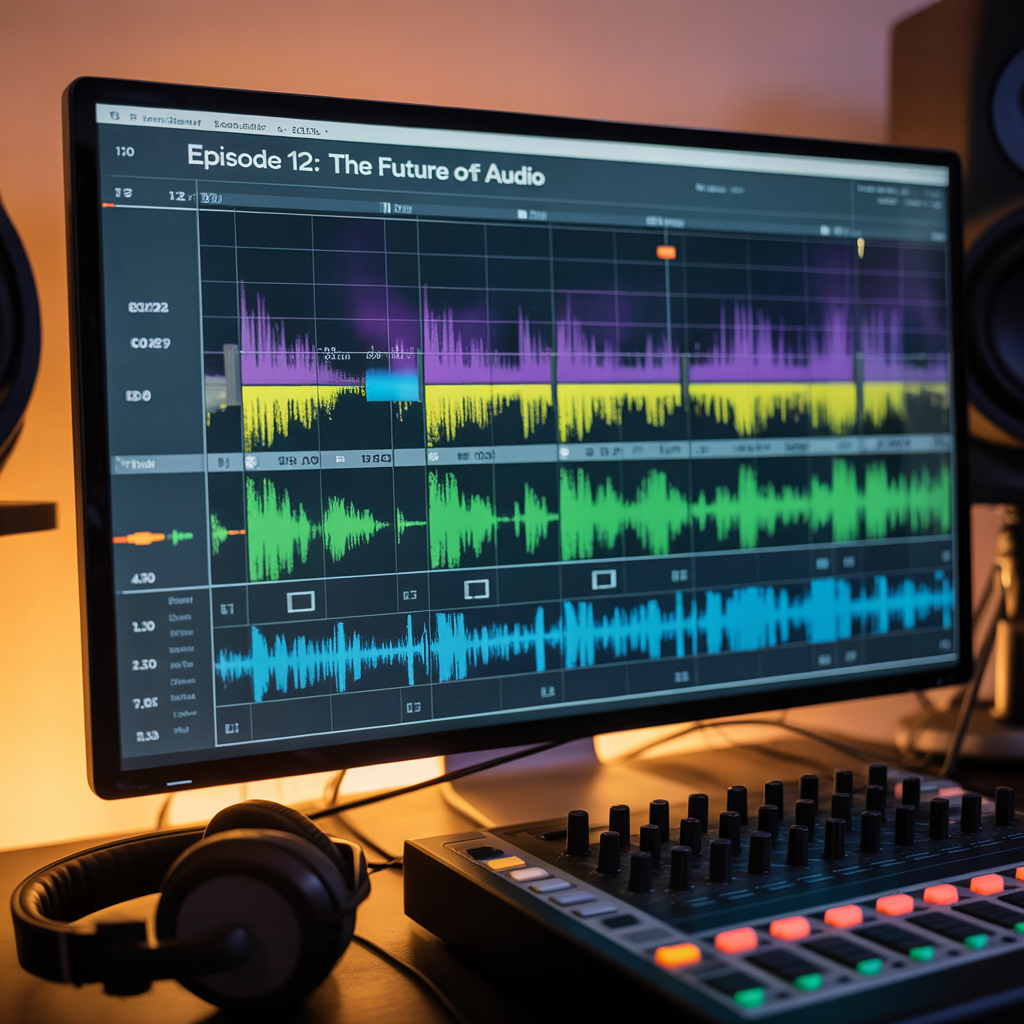
Software Recommendation: Begin with user-friendly options like Descript or Riverside. You can always upgrade to more complex software as your needs and skills evolve.
Step 6: Record Your First Episode
Recording your first episode marks the transition from planning to creation—an exciting yet potentially nerve-wracking milestone. The key to success lies in thorough preparation combined with the understanding that perfection isn’t the goal; authentic connection with your audience is what matters most.
Prepare Your Content
Create a detailed script or outline that keeps you focused while maintaining natural delivery. Include key points, transitions, and any calls-to-action you want to include. Having structure prevents rambling while leaving room for spontaneous moments that often create the most engaging content. Practice reading your outline aloud to identify areas that need adjustment.
Conduct Sound Checks
Before recording your full episode, record a 30-second test to adjust levels and identify potential issues. Aim for peak levels around -12 dB to prevent distortion while maintaining good signal strength. Check for background noise, microphone positioning, and room acoustics. This small investment of time prevents discovering audio problems after recording your entire episode.
Set Your Environment
Choose your quietest recording time—typically early morning or late evening when ambient noise is minimized. Turn off air conditioning, close windows, and silence phones and notifications. Inform household members about your recording schedule to prevent interruptions. Consistency in your recording environment helps maintain audio quality across episodes.
Embrace Authenticity
Remember that listeners connect with genuine personalities, not perfect performances. Minor verbal stumbles and natural conversational patterns often enhance rather than detract from listener engagement. Focus on delivering value and connecting with your audience rather than achieving technical perfection.
Recording Best Practices
- Maintain consistent distance from microphone
- Speak clearly and at a moderate pace
- Stay hydrated but avoid noisy beverages
- Take breaks during long recording sessions
- Save backup copies during recording
Remote Recording Tips
If interviewing guests remotely, use platforms like Riverside or SquadCast that record separate audio tracks for each participant. This prevents one person’s poor connection from affecting the entire recording quality. Always record a backup using built-in computer software as a safety measure.
“The first episode doesn’t have to be perfect—it just has to be done. Every successful podcaster started with episode one, and most will tell you their early episodes were far from their best work.”
Step 7: Edit Your Audio for Quality and Flow
Audio editing transforms raw recordings into polished, professional episodes that keep listeners engaged from start to finish. This crucial step allows you to craft the perfect listening experience by removing distractions, enhancing clarity, and adding elements that support your storytelling.

Clean Up Your Audio
Begin by removing obvious issues: background noise, extended pauses, excessive “ums” and “ahs,” and any content that doesn’t serve your episode’s purpose. Be judicious—some natural speech patterns add authenticity, while others distract from your message. Use noise reduction tools to eliminate consistent background sounds like air conditioning or computer fans.
Enhance with Music and Effects
Strategic use of music and sound effects elevates your production value and guides listener emotions. Add intro and outro music that reflects your brand personality, use transition sounds between segments, and consider subtle background music during narrative portions. Ensure all audio elements are royalty-free to avoid copyright issues.
Normalize Audio Levels
Consistent volume across your entire episode prevents listeners from constantly adjusting their playback volume. Use compression to even out volume differences and normalization to achieve optimal overall levels. If featuring multiple speakers, ensure their voices are balanced and equally audible.
Professional Editing Workflow
- First Pass: Remove obvious mistakes and long pauses
- Content Edit: Restructure for better flow and clarity
- Audio Enhancement: Apply noise reduction and EQ
- Music Integration: Add intro, outro, and transition elements
- Final Polish: Normalize levels and export optimization
Each pass focuses on specific aspects, preventing overwhelm and ensuring thorough attention to detail.
Export Settings
Export your final episode as an MP3 file with these specifications:
- Bitrate: 128 kbps (good quality, reasonable file size)
- Sample Rate: 44.1 kHz
- Channels: Stereo or mono depending on content
- Metadata: Include title, episode number, description
Proper metadata helps podcast platforms organize and display your content correctly.
Editing Tip: Listen to your episode on different devices (headphones, car speakers, phone speakers) to ensure it sounds good across various playback scenarios.
Step 8: Set Up Podcast Hosting and Distribution
Podcast hosting serves as the foundation of your distribution strategy, providing the technical infrastructure that delivers your content to listeners worldwide. Unlike uploading videos to YouTube, podcasts require specialized hosting that generates RSS feeds and integrates with major podcast directories.
Choose Reliable Hosting
Select a podcast host that offers unlimited bandwidth, detailed analytics, and RSS feed generation. Popular options like Buzzsprout provide user-friendly interfaces perfect for beginners, while Libsyn offers advanced features for experienced podcasters. Consider factors like storage limits, monthly costs, and customer support quality when making your decision.
Upload and Optimize
When uploading episodes, create detailed show notes that include keywords relevant to your content. These notes improve SEO and help listeners understand episode value before clicking play. Include timestamps for different topics, guest information, and links to resources mentioned during the episode.
Submit to Directories
Submit your podcast RSS feed to all major directories: Apple Podcasts, Spotify, Google Podcasts, Amazon Music, and Stitcher. Each platform has specific submission requirements and approval processes, typically taking 24-72 hours. This step is crucial for discoverability since most listeners find new podcasts through these platforms.
Monitor Performance
Use hosting analytics to understand your audience demographics, listening patterns, and episode performance. Track metrics like downloads, completion rates, and subscriber growth to identify successful content types and optimal publishing schedules. This data guides future content decisions and marketing strategies.
Essential Hosting Features
- Automatic RSS feed generation and management
- Detailed download and listener analytics
- Easy episode scheduling and publishing
- Mobile app for remote episode management
- Integration with major podcast directories
- Reliable customer support and uptime
Directory Optimization Tips
Each podcast directory has unique algorithms and features. Optimize your presence by:
- Using consistent branding across all platforms
- Writing platform-specific descriptions when possible
- Encouraging reviews on Apple Podcasts
- Creating video versions for Spotify and YouTube
- Monitoring platform-specific analytics
Pro Tip: Don’t forget emerging platforms like Amazon Music and newer apps. Early adoption can provide competitive advantages as these platforms grow.
Step 9: Plan and Execute Your Launch Strategy
A strategic launch creates momentum that can determine your podcast’s long-term success. Rather than simply publishing and hoping for the best, successful podcasters orchestrate coordinated campaigns that maximize initial visibility and encourage early subscriber growth.
Pre-Launch Preparation
Prepare at least 3-5 episodes before your official launch to give new listeners substantial content and demonstrate your commitment to regular publishing. This batch approach also allows you to refine your format and quality based on early feedback without the pressure of weekly deadlines.
Create Your Trailer
Produce a compelling 60-90 second trailer that introduces your show’s theme, format, and unique value proposition. This trailer should hook potential listeners while clearly communicating what they can expect from your podcast. Many successful trailers include brief clips from upcoming episodes to build anticipation.
Launch Week Blitz
Coordinate your promotional efforts during launch week to maximize impact. Announce your podcast across all social media platforms, send announcements to your email list, and reach out to relevant online communities. Consider asking friends and family for early reviews to boost your directory rankings.
Gather Feedback
Actively seek feedback from early listeners through social media, email, or direct messages. Early audience insights help you refine your content, identify popular episode types, and address any technical issues before they impact larger audiences.
Social Media Strategy
Create a content calendar that builds excitement leading up to your launch. Share behind-the-scenes content, introduce yourself and any co-hosts, and provide sneak peeks of upcoming episodes. Use relevant hashtags and engage with potential listeners in your niche community.
- Countdown posts building to launch day
- Audio snippets from upcoming episodes
- Behind-the-scenes recording content
- Collaborative posts with guests or industry peers
Network Leverage
Utilize your existing professional and personal networks to amplify your launch. Ask colleagues, friends, and industry contacts to share your announcement. Consider guest swapping with other podcasters in related niches to cross-pollinate audiences and build valuable relationships in the podcasting community.
“A successful podcast launch isn’t about going viral—it’s about connecting with the right people who will become your loyal, engaged audience.”
Step 10: Grow and Monetize Your Podcast
Building a sustainable podcast requires balancing audience growth with monetization strategies that align with your goals and audience expectations. The most successful podcasters focus on providing consistent value while gradually introducing revenue streams that enhance rather than detract from the listener experience.

Consistent Publishing
Maintain a regular publishing schedule that your audience can depend on. Whether weekly, bi-weekly, or monthly, consistency builds trust and keeps your podcast top-of-mind for subscribers. Use scheduling tools and batch recording when possible to maintain consistency even during busy periods.
Strategic Networking
Build relationships with other podcasters, potential guests, and industry influencers. These connections lead to cross-promotional opportunities, guest appearances, and collaborative projects that expand your reach organically. Attend podcasting conferences and join online communities to stay connected with the broader podcasting ecosystem.
Revenue Diversification
Explore multiple monetization streams including sponsorships, affiliate marketing, premium content subscriptions, merchandise sales, and live events. Diversification reduces dependence on single revenue sources and provides multiple ways to serve different audience segments.
Data-Driven Decisions
Regularly analyze your podcast analytics to understand what content resonates most with your audience. Track metrics like completion rates, subscriber growth, and engagement across different episode types to inform future content strategy and identify opportunities for improvement.
Community Building
Create spaces for your audience to connect with each other and engage with your content beyond just listening. Consider private Facebook groups, Discord servers, or regular live Q&A sessions that foster community and increase listener loyalty.
Monetization Timeline
Most successful podcasters follow a gradual monetization approach:
- Months 1-6: Focus purely on content quality and audience building
- Months 6-12: Introduce affiliate marketing and listener donations
- Year 2+: Pursue sponsorships, premium content, and merchandise
- Established Phase: Develop courses, consulting, or live events
This timeline allows you to build trust and understand your audience before introducing revenue streams.
Downloads Needed
For basic sponsor interest
Monthly Downloads
For premium sponsorship rates
Average CPM
Per 1000 downloads for ads
10 Hashtags to Boost Your Podcasting Journey
Strategic hashtag usage amplifies your podcast’s discoverability across social media platforms and connects you with podcasting communities worldwide. These carefully selected hashtags cover every aspect of your podcasting journey, from initial setup through growth and monetization phases.
#PodcastingTips
Essential for sharing and discovering practical advice about podcast production, marketing, and growth strategies. This hashtag connects beginners with experienced podcasters sharing valuable insights.
#StartAPodcast
Perfect for beginners documenting their podcasting journey and connecting with others taking their first steps. Creates a supportive community of new podcasters sharing experiences and challenges.
#PodcastLaunch
Use when announcing new episodes, seasons, or your entire podcast launch. Helps generate excitement and attracts listeners looking for fresh content in your niche.
#PodcastingForBeginners
Targets content specifically designed for newcomers to podcasting. Excellent for educational content, tutorials, and beginner-friendly resources.
#PodcastGrowth
Focuses on strategies for building audience, increasing downloads, and expanding reach. Appeals to podcasters ready to scale their shows beyond initial launch phases.
#PodcastEquipment
Essential for sharing gear recommendations, reviews, and setup photos. Connects with audiences researching equipment purchases and showcases your professional setup.
#PodcastEditing
Targets content about audio editing techniques, software reviews, and post-production workflows. Valuable for podcasters looking to improve their technical skills.
#PodcastMarketing
Covers promotional strategies, social media tactics, and audience building techniques. Essential for podcasters focused on growing their listener base and brand awareness.
#PodcastMonetization
Discusses revenue strategies, sponsorship opportunities, and business development. Appeals to established podcasters ready to generate income from their content.
#PodcastSEO
Focuses on optimizing podcast discoverability through strategic titles, descriptions, and keyword usage. Critical for improving search rankings and organic growth.
Hashtag Best Practices
- Use 3-5 relevant hashtags per post for optimal engagement
- Mix popular and niche hashtags to balance reach and targeting
- Research trending hashtags in your podcast’s subject area
- Create a branded hashtag unique to your show
- Monitor hashtag performance and adjust strategy accordingly
Platform-Specific Usage
Twitter: Use 1-2 hashtags for better engagement rates
Instagram: Utilize up to 30 hashtags in comments or stories
LinkedIn: Keep to 3-5 professional, industry-specific tags
TikTok: Mix trending and niche hashtags for maximum reach
Final Tip: Consistency in hashtag usage helps build your podcast brand and makes it easier for your audience to find and share your content across all platforms.
 NellyWorld
Leave a comment