Discover the most extraordinary cultural celebrations that transform destinations into unforgettable experiences, where tradition meets spectacle in the most magnificent ways imaginable.
Introduction: Why Festival Tourism Transforms Travel Experiences
Cultural Immersion
Festivals offer immersive cultural insights that go far beyond typical tourist attractions. While museums and monuments provide historical context, festivals allow you to experience living culture in its most vibrant form. You witness traditions passed down through generations, participate in age-old rituals, and connect with local communities on a profoundly personal level.
Authentic Connections
Participating in local celebrations creates genuine connections with traditions, history, and communities. These experiences break down barriers between visitors and locals, fostering understanding and appreciation that transcends language and cultural differences. Festivals reveal the heart and soul of a destination in ways that conventional tourism simply cannot match.
Comprehensive Guide
This comprehensive guide explores ten iconic global festivals, complete with insider tips to help you join in authentically and respectfully. From Thailand’s water-soaked streets during Songkran to Mongolia’s ancient sporting traditions at Naadam, we’ll show you how to become more than just a spectator.
Festival tourism represents a revolutionary approach to travel that prioritizes cultural exchange over passive observation. When you plan a trip around a major celebration, you’re not just visiting a place – you’re stepping into a living, breathing cultural experience that has the power to transform your understanding of the world. These celebrations offer windows into the collective soul of communities, revealing values, beliefs, and traditions that define entire nations.
The magic of festival tourism lies in its ability to create shared experiences between travelers and locals. Whether you’re dancing in the streets of Rio during Carnival, throwing colors during Holi in India, or participating in water blessings during Ethiopia’s Timkat festival, you become part of something larger than yourself. These moments of cultural participation create lasting memories and deeper appreciation for human diversity.
Songkran Festival – Thailand: The World’s Largest Water Fight

The Ultimate Water Celebration
Celebrated every April, Songkran marks the Thai New Year with a nationwide water splashing extravaganza that transforms Thailand into the world’s largest water park. This three-day festival sees locals and tourists alike drenching each other in the streets of major cities like Chiang Mai and Bangkok, creating an atmosphere of pure joy and celebration.
The festival’s timing coincides with Thailand’s hottest season, making the water fights not just culturally significant but also a welcome relief from the sweltering heat. Streets become rivers of laughter as people armed with water guns, buckets, and hoses engage in friendly battles that know no boundaries of age, nationality, or social status.
Essential Preparation Tips
Use waterproof bags for all valuables including phones, cameras, and documents. Consider leaving expensive items at your hotel entirely.
Morning Temple Rituals
Join temple ceremonies early morning for traditional blessings and merit-making before the water festivities begin.
Respectful Participation
Ask permission before splashing elderly people or monks, and avoid ice-cold water which can be harmful.

Beyond the exuberant water fights, Songkran symbolizes cleansing and renewal, deeply rooted in Buddhist traditions. The water represents purification – washing away sins and bad luck from the previous year while blessing the new year with good fortune. Traditional elements include visiting temples, making merit, honoring elders, and performing water pouring ceremonies over Buddha statues and the hands of respected family members.
The festival’s spiritual dimension adds profound meaning to what might appear as simple water play. Families gather to honor ancestors, young people seek blessings from elders, and communities come together in celebration of renewal and hope. This blend of sacred and secular elements makes Songkran a uniquely powerful cultural experience that resonates with participants long after they’ve dried off.
Day of the Dead (Día de los Muertos) – Mexico: Honoring Ancestors with Color and Spirit

Altar Creation
Families build elaborate altars (ofrendas) with photos, favorite foods, and personal belongings of deceased loved ones
Marigold Pathways
Orange marigold petals create paths to guide spirits home, while their fragrance helps souls find their way
Cemetery Vigils
Candlelit vigils in cemeteries transform graveyards into celebratory gathering places for families and communities
Musical Celebration
Traditional music, dancing, and storytelling keep the memory of ancestors alive through joyful expression
Held November 1-2, this vibrant festival celebrates deceased loved ones with an extraordinary display of color, creativity, and spiritual devotion. Unlike somber mourning traditions found elsewhere, Day of the Dead transforms death into a celebration of life, memory, and continuing connection with those who have passed. In cities like Oaxaca and Mexico City, parades and family gatherings create an atmosphere of joyful remembrance that welcomes both locals and visitors into this profound cultural experience.
Oaxaca: The Heart of Tradition
Oaxaca offers the most authentic Día de los Muertos experience, where indigenous Zapotec traditions blend seamlessly with Catholic customs. The city’s markets overflow with special foods like pan de muerto (bread of the dead), mole coloradito, and sugar skulls crafted by local artisans. Families spend days preparing elaborate offerings, creating some of the most beautiful altars in all of Mexico.
Insider tip: Visit cemeteries at night to witness candlelit vigils and traditional music that continue until dawn, creating an otherworldly atmosphere of celebration and remembrance.
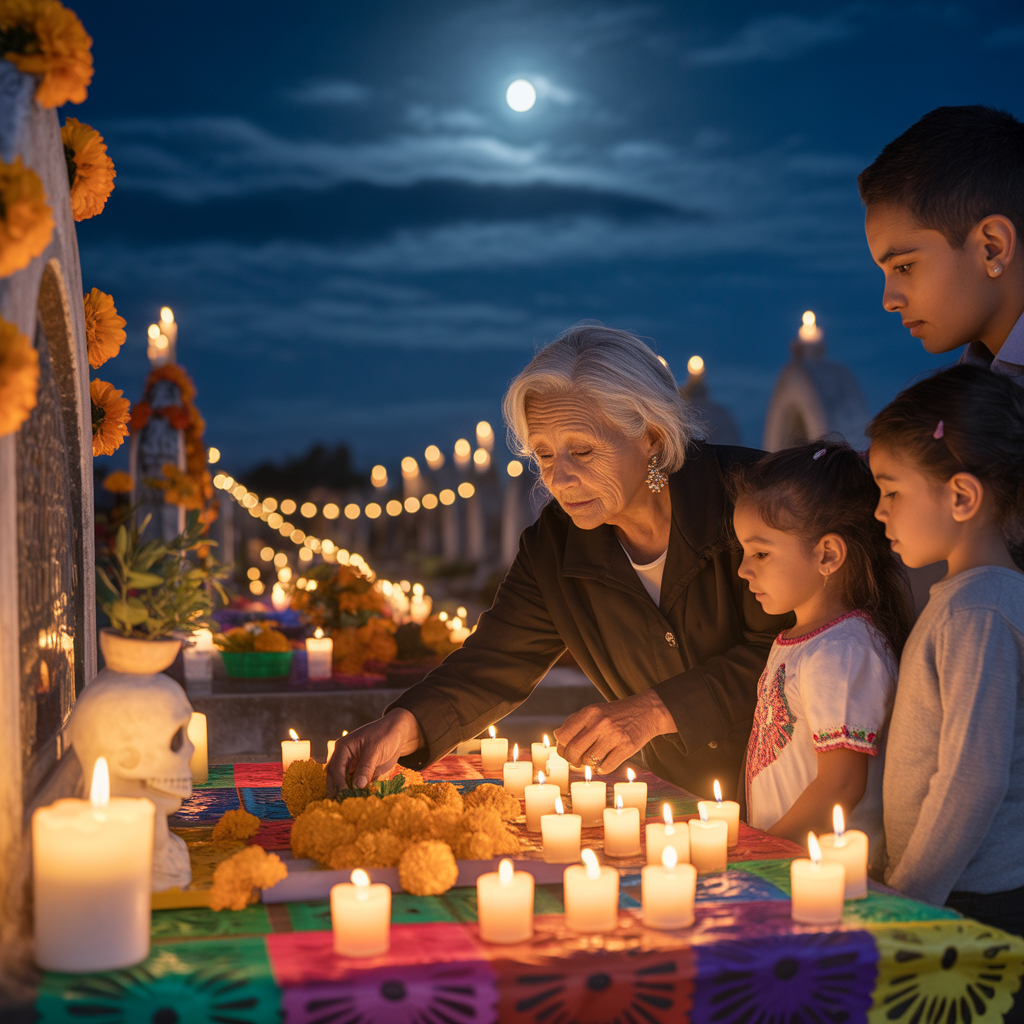
The festival’s unique cultural fusion represents one of humanity’s most beautiful approaches to mortality and memory. This celebration blends indigenous beliefs with Catholic customs, creating a tradition that honors both pre-Columbian spirituality and colonial influences. The result is a festival that transcends religious boundaries, offering universal themes of love, memory, and the continuation of human connection beyond death.
For visitors, participating in Day of the Dead offers profound insights into Mexican culture’s relationship with mortality, family, and community. The festival teaches that death is not an ending but a transformation, and that love and memory can transcend physical existence. This perspective creates a celebration that is simultaneously deeply moving and joyfully uplifting, making it one of the world’s most meaningful cultural experiences.
Rio Carnival – Brazil: The Ultimate Samba Spectacle
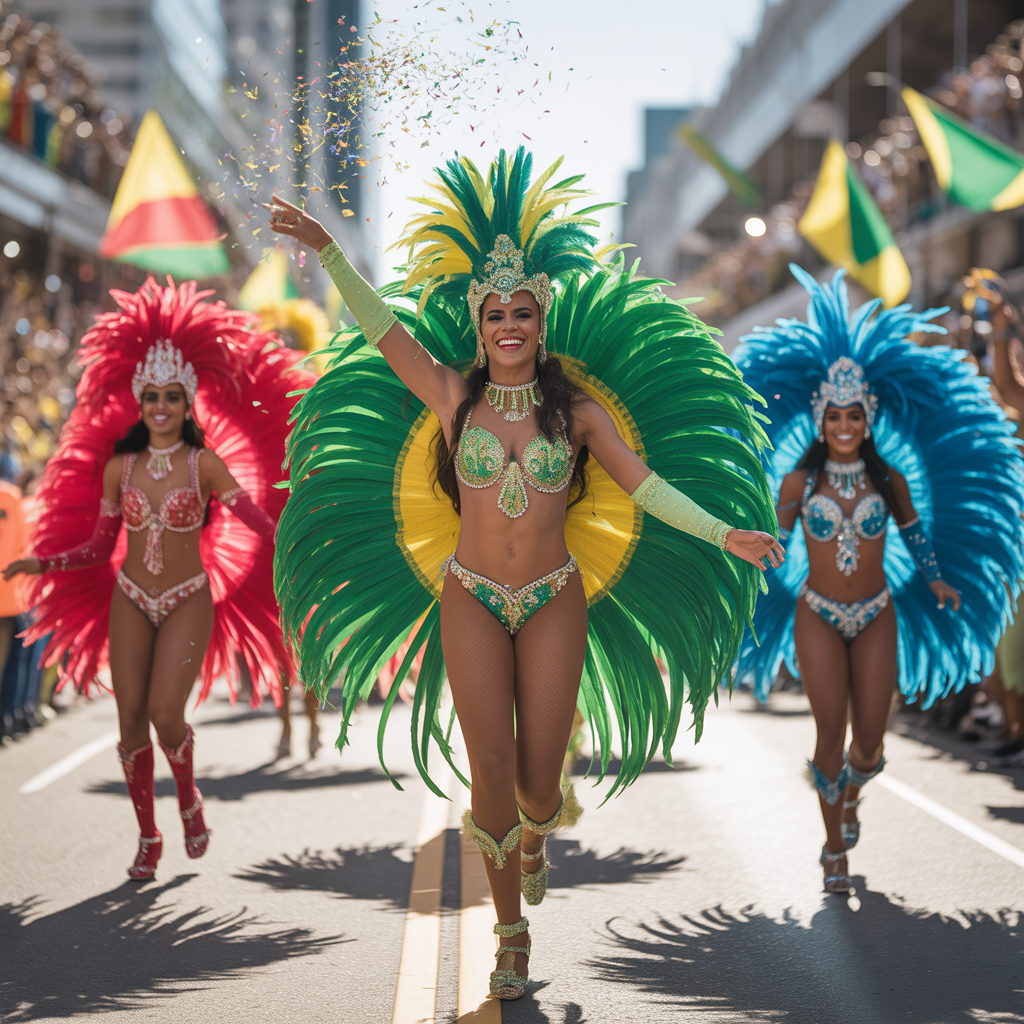
Taking place before Lent, Rio’s Carnival is a five-day explosion of samba parades, extravagant costumes, and infectious street parties that transforms the entire city into the world’s most spectacular celebration. This legendary festival represents the pinnacle of Brazilian culture, combining African rhythms, Portuguese traditions, and contemporary creativity into an unparalleled display of human joy and artistic expression.
Sambadrome Magic
The Sambadrome hosts competitive samba school parades with elaborate floats and thousands of dancers performing choreographed routines that tell complex stories through movement, music, and visual spectacle.
Street Blocos
Free street parties (blocos) throughout the city offer accessible fun for everyone, with neighborhood bands leading impromptu parades through Rio’s streets and beaches.
Costume Culture
Participants don elaborate costumes ranging from simple masks to feathered masterpieces, with many spending months preparing their Carnival attire.
Planning Your Carnival Experience
Insider tip: Book parade tickets well in advance for guaranteed Sambadrome seats, as the most popular sections sell out months ahead. Different seating areas offer varying perspectives – grandstands provide excellent views of the entire spectacle, while ground-level seats put you closer to the action.
For a more authentic experience, seek out the neighborhood blocos that represent Carnival’s grassroots spirit. These street parties are free, welcoming to visitors, and offer the chance to dance alongside locals in an atmosphere of pure celebration. Popular blocos like Cordão da Bola Preta and Banda de Ipanema attract hundreds of thousands of revelers.
Carnival’s historical roots trace back to Portuguese colonial traditions, but the festival has evolved far beyond its origins to become a global cultural icon. The celebration incorporates elements from African slave traditions, indigenous Brazilian culture, and European carnival customs, creating a uniquely Brazilian synthesis that celebrates diversity, creativity, and human resilience.
The festival’s deeper significance lies in its role as a great equalizer – during Carnival, social hierarchies temporarily dissolve as people from all backgrounds come together in celebration. This democratic spirit, combined with the sheer scale and artistry of the event, makes Rio Carnival not just entertainment but a powerful expression of Brazilian identity and values. The months of preparation, community involvement, and collective creativity that go into each year’s celebration demonstrate the festival’s importance as a cornerstone of Brazilian culture.
Holi Festival – India & Nepal: The Festival of Colors and New Beginnings
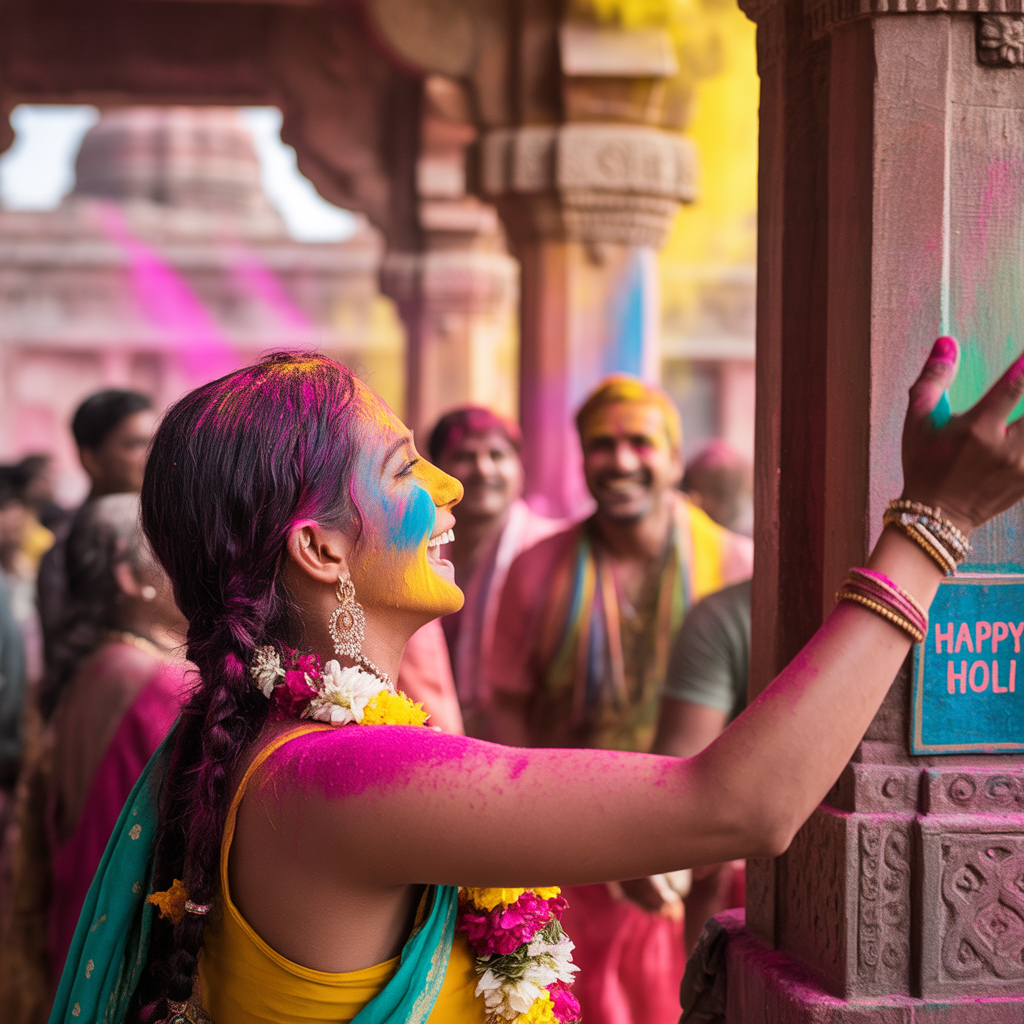
Celebrated in March, Holi involves throwing vibrant colored powders to welcome spring and celebrate the victory of good over evil. This ancient Hindu festival transforms cities like Jaipur and Mathura into kaleidoscopes of color, where thousands gather for massive public celebrations filled with music, dance, and traditional sweets. The festival represents one of humanity’s most joyful expressions of renewal, community, and spiritual transformation.
Color Significance
Each color carries spiritual meaning: red for love and fertility, blue for Krishna, green for new beginnings, yellow for turmeric’s healing properties
Water Traditions
Colored water spraying from water guns and balloons adds another dimension to the celebration, creating rainbow showers throughout communities
Holika Bonfire
The night before main celebrations, communities gather around bonfires representing the burning away of negativity and evil
Traditional Foods
Special sweets like gujiya, mathri, and thandai (spiced milk drink) are shared among families and offered to guests
Musical Joy
Traditional folk songs, dhol drums, and dancing create an atmosphere of pure celebration that lasts from dawn to dusk
Participation Guidelines
Insider tip: Wear old white clothes that you don’t mind staining permanently, protect electronics with waterproof covers, and join community events for the most authentic experiences.
The key to enjoying Holi lies in embracing the chaos and surrendering to the festival’s infectious energy. Start early in the morning when celebrations begin, and be prepared for a completely immersive experience where you’ll be covered head-to-toe in brilliant colors by day’s end.
Holi’s mythological origins center on Lord Krishna’s playful pranks and the concept of spiritual renewal through joy and community celebration. The festival commemorates the love between Krishna and Radha, while also celebrating the defeat of the demoness Holika, symbolizing the triumph of good over evil. These ancient stories provide deep spiritual context to what appears as playful color throwing.
The festival’s broader significance extends beyond religious boundaries, representing universal themes of forgiveness, renewal, and community bonding. During Holi, social barriers temporarily dissolve as people of all ages, castes, and backgrounds come together in celebration. The act of applying colors to others represents blessing and acceptance, creating moments of human connection that transcend everyday divisions. This spirit of unity and joy makes Holi one of the world’s most emotionally powerful festivals, offering visitors profound insights into Indian philosophy and community values.
Oktoberfest – Munich, Germany: A Bavarian Celebration of Beer and Tradition
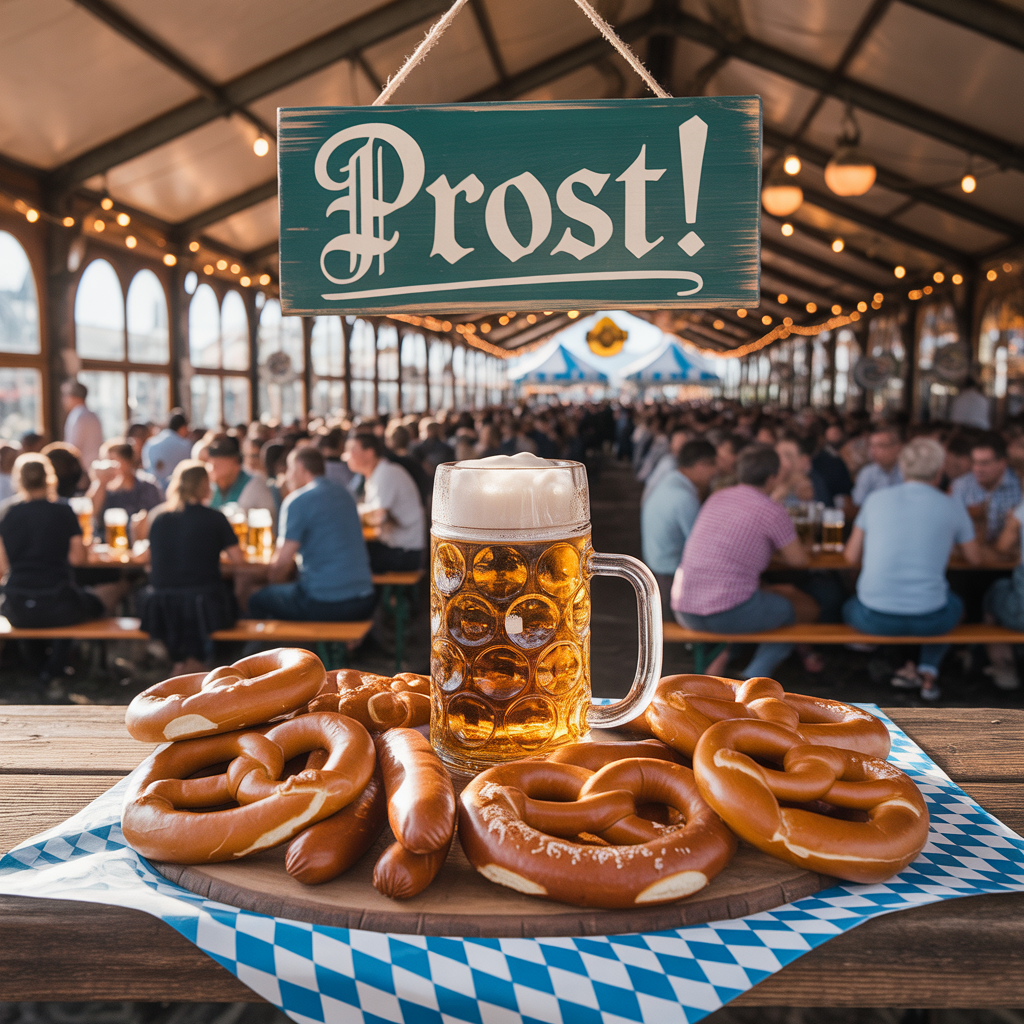
Running late September to early October, Oktoberfest is the world’s largest beer festival attracting over 6 million visitors annually to Munich’s iconic celebration of Bavarian culture, hospitality, and brewing tradition. This legendary festival combines centuries-old customs with modern celebration, creating an atmosphere where traditional music, authentic costumes, and world-famous beer create an unforgettable cultural experience.

Traditional Music
Authentic Bavarian bands perform traditional folk music, polka, and popular songs in massive beer tents, creating an atmosphere of infectious celebration that gets everyone singing and swaying together.
Cultural Dress
Lederhosen for men and dirndls for women aren’t just costumes – they’re authentic traditional Bavarian clothing that locals wear with pride, connecting the festival to centuries of regional heritage.
Beer Garden Community
Giant beer tents become temporary communities where strangers share tables, stories, and toasts, embodying the Bavarian concept of Gemütlichkeit (cozy togetherness).
Essential Oktoberfest Experience
Insider tip: Reserve tables well in advance, especially for weekend visits, as the most popular tents fill up quickly. Each tent offers a unique atmosphere – Hofbräu-Festzelt attracts international visitors, while Augustiner-Festhalle maintains a more local feel.
Don’t miss traditional Bavarian specialties like massive soft pretzels, weisswurst (white sausage), schweinebraten (roast pork), and sauerkraut. These authentic dishes pair perfectly with Munich’s world-renowned beer and provide insight into regional culinary traditions that have remained largely unchanged for generations.
The festival’s origins trace back to 1810 when it began as a celebration of Crown Prince Ludwig’s marriage to Princess Therese of Saxony-Hildburghausen. What started as a royal wedding celebration has evolved into a symbol of Bavarian culture that attracts visitors from around the world while maintaining its authentic local character.
Modern Oktoberfest represents far more than just beer consumption – it’s a celebration of community, tradition, and regional pride that offers visitors genuine insights into Bavarian culture. The festival’s emphasis on quality (only beer brewed within Munich city limits can be served), traditional music, and authentic food creates an experience that honors the past while celebrating the present. This combination of authenticity and accessibility makes Oktoberfest a perfect introduction to German culture and hospitality.
La Tomatina – Buñol, Spain: The World’s Biggest Tomato Fight
9:00 AM
Festival begins with traditional ham climbing competition on a greased pole
11:00 AM
Tomato trucks arrive and the great tomato battle commences with water cannons signaling the start
12:00 PM
Peak chaos as over 100 tons of overripe tomatoes fill the streets in friendly food fight mayhem
1:00 PM
Battle ends with another cannon shot, followed by community cleanup and celebration

Held on the last Wednesday of August, thousands gather to throw over 100 tons of tomatoes in what has become the world’s most famous food fight. This quirky Spanish festival transforms the small town of Buñol into a red-soaked battlefield where participants engage in harmless combat using only overripe tomatoes as ammunition. The event that started in the 1940s has grown into a must-see cultural tradition that attracts visitors from around the globe.
The Origins and Evolution
La Tomatina’s exact origins remain somewhat mysterious, but most accounts trace it back to a spontaneous food fight during a local festival in 1945. What began as a playful altercation between young locals has evolved into an internationally recognized celebration that embodies the Spanish spirit of fun and community.
The festival reflects Spain’s ability to turn simple concepts into extraordinary celebrations. Despite its playful nature, La Tomatina represents local community spirit and the Spanish love for festive gatherings that bring people together regardless of background or nationality.
Essential Gear
Wear protective goggles and completely disposable clothing you can throw away afterward
Early Arrival
Arrive early to secure good positioning near the main square before crowds gather
Follow Rules
Crush tomatoes before throwing and avoid bringing hard objects into the battle zone
The festival’s appeal lies in its pure, unadulterated fun – there are no complex cultural protocols to navigate, no religious significance to understand, just the simple joy of engaging in the world’s largest food fight. This accessibility makes La Tomatina particularly appealing to international visitors seeking a unique, lighthearted cultural experience.
Beyond the tomato-throwing chaos, the festival showcases Spanish hospitality and community spirit. Local residents open their homes for visitors to shower off, businesses adapt to accommodate the annual influx of participants, and the entire town comes together to make the event possible. This community cooperation demonstrates how a simple, playful idea can become a source of local pride and international recognition, proving that cultural celebrations don’t always need ancient origins to become meaningful traditions.
Naadam Festival – Mongolia: The “Three Manly Games” of Tradition and Sport
Celebrated mid-July, Naadam features wrestling, horse racing, and archery, showcasing Mongolia’s rich nomadic heritage through competitions that have remained virtually unchanged for centuries. This national holiday represents more than athletic competition – it’s a celebration of Mongolian identity, strength, and the enduring connection between people and the vast steppes that define their homeland.

Wrestling (Böökh)
Competitors wear traditional costumes and engage in matches with no time limits or weight classes, testing strength, technique, and endurance in Mongolia’s most revered sport
Horse Racing
Child jockeys aged 5-13 race semi-wild horses across 15-30 kilometers of open steppe, demonstrating the deep bond between Mongolians and their horses
Archery (Sur Kharvaakh)
Men and women compete separately using traditional composite bows to hit small targets, continuing skills essential for nomadic hunting and warfare
Cultural Immersion in Ulaanbaatar
The capital city’s National Sports Stadium hosts the main Naadam ceremonies, featuring grand opening performances with traditional music, dancing, and displays of Mongolian military heritage. The ceremony includes elaborate parades showcasing regional costumes and cultural diversity from across Mongolia’s 21 provinces.
Insider tip: Attend the opening ceremony for spectacular cultural performances, then explore local food vendors offering traditional dishes like buuz dumplings, airag (fermented mare’s milk), and roasted mutton.
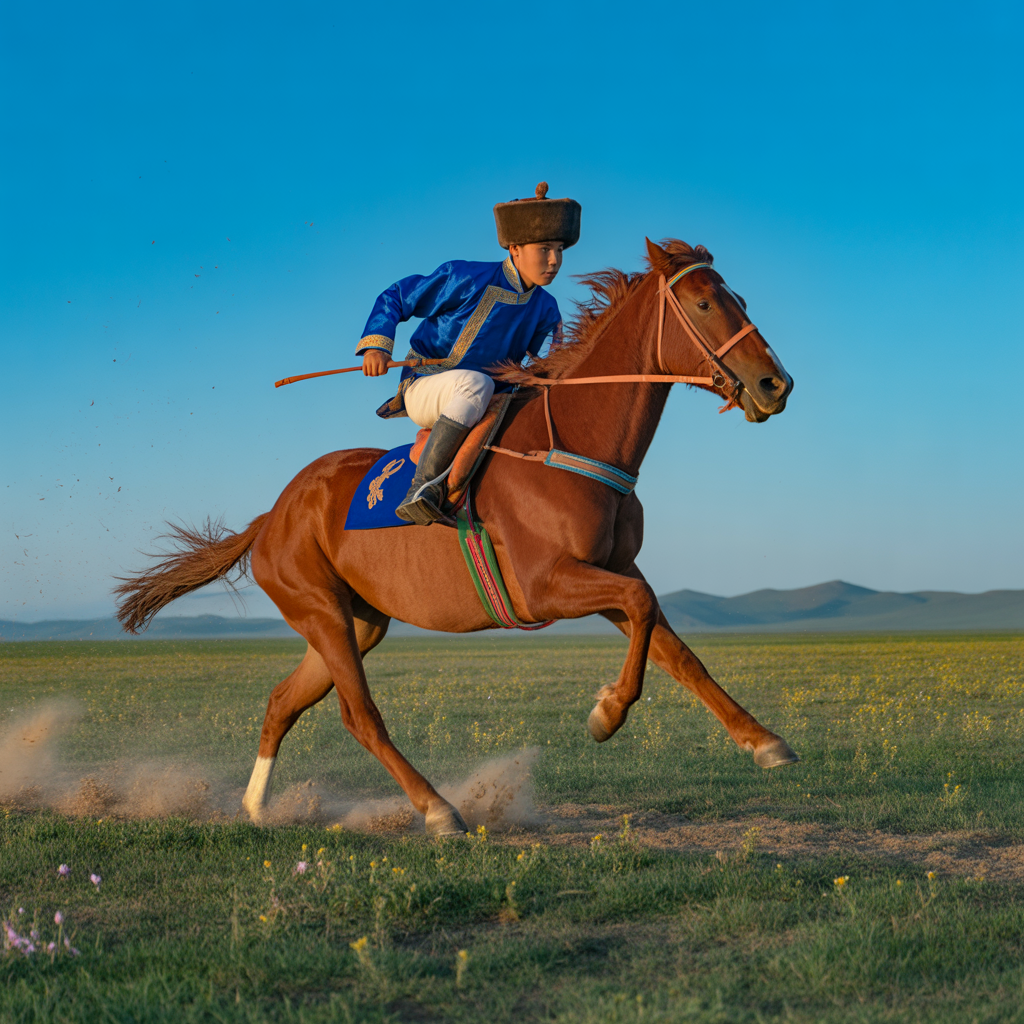
Naadam is a national holiday symbolizing strength, unity, and nomadic culture that connects modern Mongolia with its ancient traditions. The festival dates back over 800 years to the time of Genghis Khan, when these competitions were used to select the strongest warriors and maintain military readiness. Today, they serve as a celebration of national identity and cultural continuity.
The festival’s deeper significance lies in its representation of core Mongolian values – respect for nature, physical prowess, and community solidarity. The vast steppes serve as the backdrop for competitions that test the same skills Mongolian ancestors needed for survival. Watching children expertly handle horses that are barely domesticated, witnessing wrestlers perform ancient rituals before matches, and seeing archers maintain traditions passed down through generations provides visitors with profound insights into a culture that has successfully preserved its identity despite centuries of external pressures.
For international visitors, Naadam offers a rare glimpse into nomadic life and values that have remained largely unchanged despite modernization. The festival demonstrates how traditional cultures can maintain their essence while adapting to contemporary realities, making it both an athletic competition and a living museum of human heritage.
Fasnacht Carnival – Basel, Switzerland: A Night of Masks and Lanterns

Starting the Monday after Ash Wednesday, Basel’s Fasnacht is a three-day festival with illuminated lantern parades and masked musicians that creates one of Europe’s most mysterious and artistically sophisticated carnival celebrations. This UNESCO-recognized cultural treasure transforms Switzerland’s oldest university city into a dreamscape of light, music, and social commentary that reflects centuries of Swiss cultural evolution.
Morgestraich (4 AM Monday)
The festival begins in complete darkness as thousands of participants parade through medieval streets carrying intricate hand-painted lanterns, creating an otherworldly atmosphere unique in Europe
Masked Performances
Participants wear elaborate masks and costumes while playing piccolos and drums, maintaining anonymity that allows for social and political satire
Artistic Expression
Each lantern is a unique work of art, often featuring satirical commentary on current events, politics, and social issues through intricate artistic detail
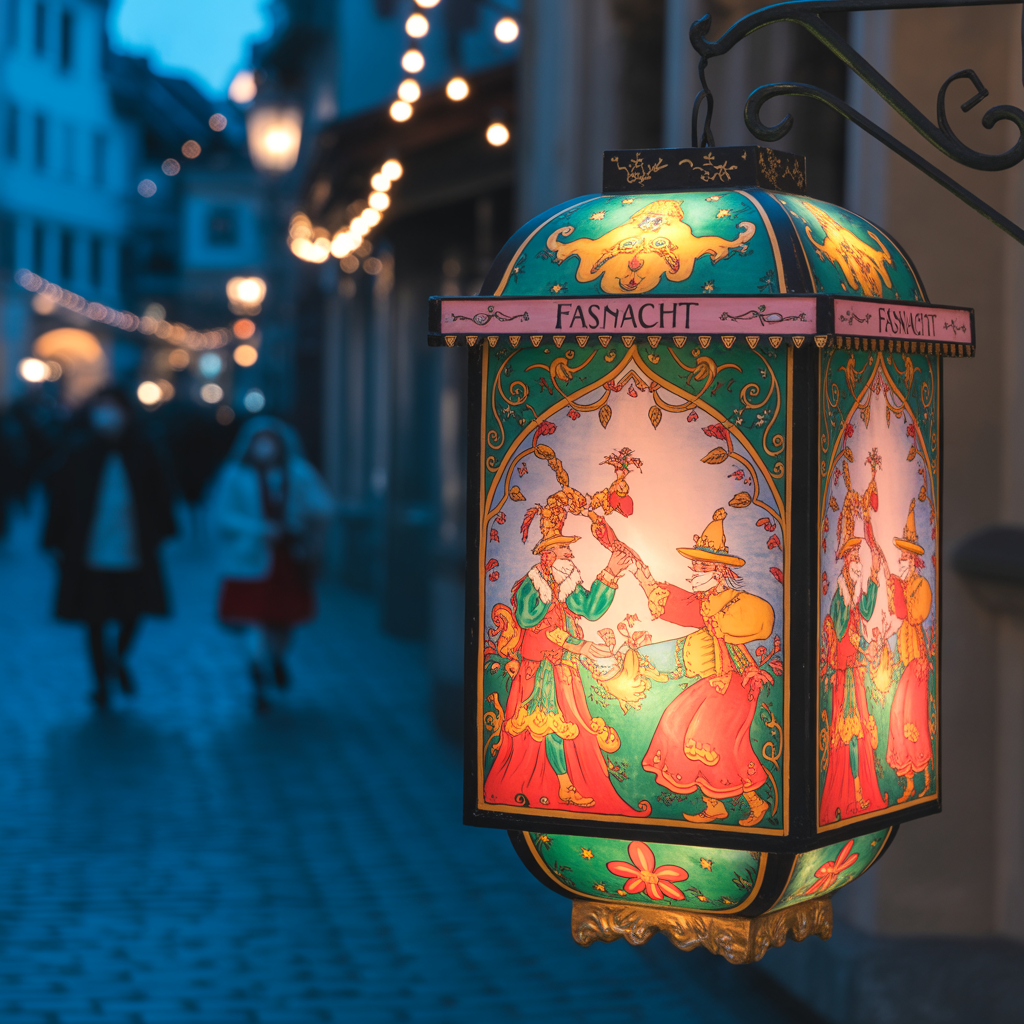
Understanding the Symbolism
Insider tip: Join guided tours specifically designed to help visitors understand the symbolism behind the lanterns and costumes, as much of the artistic meaning relates to local politics, current events, and Swiss cultural references that might not be immediately apparent to outsiders.
The festival’s masks serve multiple purposes – they preserve anonymity, allowing participants to engage in social critique without personal consequences, while also connecting the celebration to ancient traditions of temporary social inversion during carnival season.
Fasnacht represents a unique blend of medieval traditions with modern artistic expression, creating a carnival unlike any other in Europe. While most carnivals emphasize exuberance and color, Basel’s celebration focuses on artistic sophistication, musical precision, and intellectual commentary. The festival’s restraint and artistic focus reflect distinctly Swiss values while maintaining carnival’s traditional role as a space for social commentary and temporary freedom.
The three-day celebration follows strict traditions that have evolved over 600 years. Guggenmusik bands (masked musicians) perform throughout the old city, their music echoing off medieval buildings while their lanterns cast dancing shadows on ancient walls. The combination of musical performance, visual art, and social commentary creates a multi-layered cultural experience that engages visitors on intellectual, artistic, and emotional levels.
For visitors, Basel’s Fasnacht offers insights into Swiss culture’s sophisticated approach to tradition, art, and social expression. The festival demonstrates how carnival traditions can evolve to reflect contemporary values while maintaining historical continuity. This balance between innovation and tradition, combined with the festival’s emphasis on artistic quality and intellectual content, makes Fasnacht a uniquely enriching cultural experience that rewards careful observation and cultural curiosity.
Timkat Festival – Ethiopia: A Spiritual Epiphany Celebration
Held January 19-20, Timkat commemorates the baptism of Jesus with colorful processions and water blessings that transform Ethiopia into a spiritual wonderland of devotion and celebration. This most important religious festival in the Ethiopian Orthodox calendar combines ancient Christian traditions with uniquely Ethiopian cultural elements, creating a celebration that offers profound insights into one of Christianity’s oldest continuous traditions.
Tabot Procession
Ornate replicas of the Ark of the Covenant (tabots) are carried from churches to water bodies in elaborate processions featuring chanting, incense, and traditional music
Night Vigil
Faithful maintain all-night vigils beside the water, praying and chanting in preparation for the morning blessing ceremony
Water Blessing
Priests bless the water at dawn, then sprinkle blessed water on participants who believe it provides spiritual cleansing and renewal
Return Procession
The tabots are ceremonially returned to their churches, completing the religious cycle and concluding the festival
Participation and Observation
Participants wear traditional white cotton garments called netela, creating seas of white fabric that contrast beautifully with the colorful ceremonial umbrellas and religious artifacts carried by clergy. The visual impact of thousands of people dressed in pristine white creates an atmosphere of purity and spiritual devotion.
Insider tip: Witness the early morning mass at the baptismal site, then join communal feasts where families share traditional foods with visitors, embodying Ethiopian hospitality and community spirit.
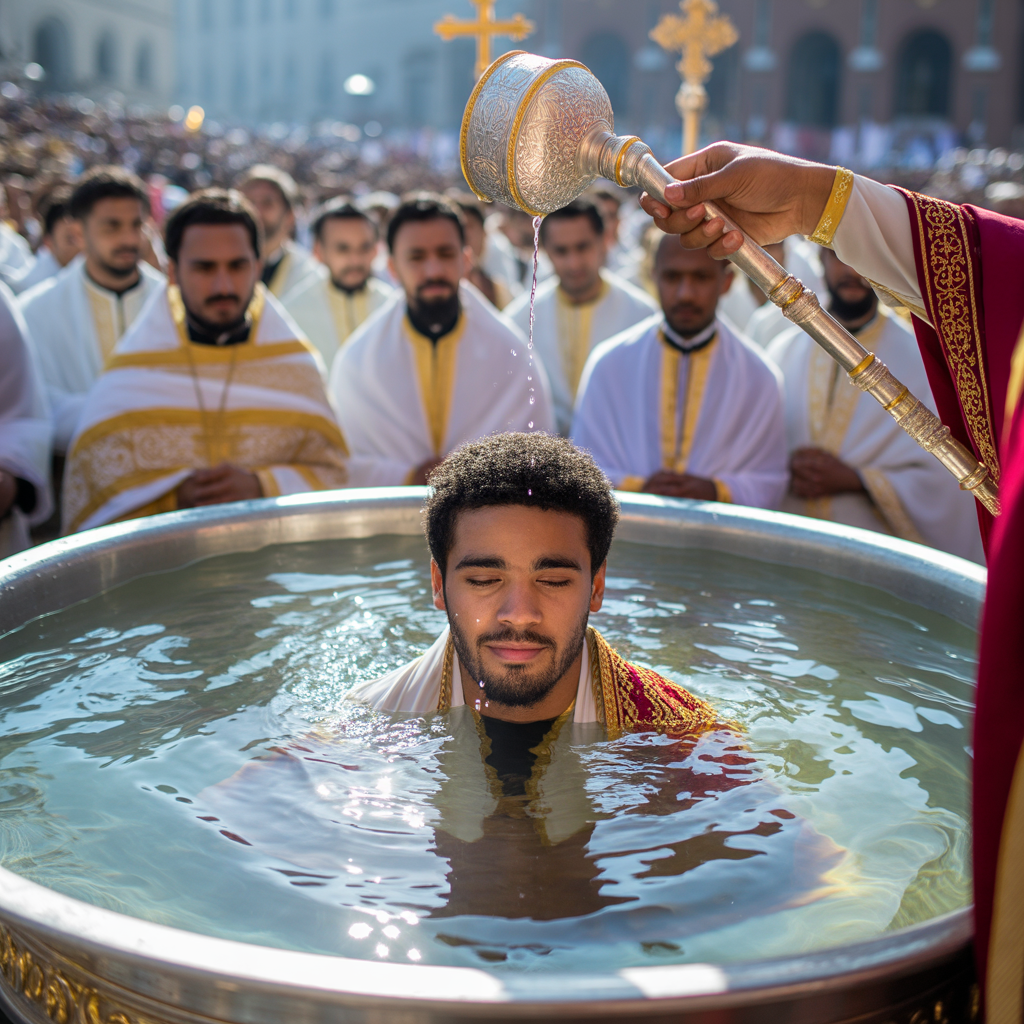
Timkat is one of Ethiopia’s most important religious festivals, blending faith and cultural identity in ways that reveal the deep connections between spirituality and daily life in Ethiopian society. The festival represents the Ethiopian Orthodox Church’s unique interpretation of Christian traditions, incorporating elements that have developed over 1,600 years of continuous practice in isolation from other Christian communities.
The celebration’s significance extends beyond religious observance to encompass cultural identity, community solidarity, and historical continuity. Ethiopia’s claim to house the original Ark of the Covenant adds profound meaning to the tabot processions, while the festival’s emphasis on water blessing connects participants to both Christian baptismal traditions and ancient Ethiopian beliefs about water’s purifying power.
For international visitors, Timkat offers rare insights into African Christianity and Ethiopian culture’s sophisticated synthesis of religious devotion, artistic expression, and community celebration. The festival demonstrates how ancient traditions can remain vibrant and meaningful in contemporary contexts, while the warmth and inclusiveness shown to visitors reveals Ethiopian values of hospitality and spiritual openness that have characterized the culture for millennia.
Conclusion: Planning Your Festival Journey

Advanced Research
Research festival dates and local customs well in advance to maximize your experience and avoid disappointment. Many festivals have specific timing that varies year to year, while others require advance ticket purchases or accommodation bookings that fill up months ahead.
Cultural Sensitivity
Respect cultural sensitivities and participate with an open heart, remembering that you’re a guest in someone else’s celebration. Learn basic etiquette, dress codes, and appropriate behavior to ensure your participation enhances rather than disrupts the authentic cultural experience.
Meaningful Memories
Festivals offer unforgettable memories and deeper understanding of the world’s rich cultural tapestry. These experiences create lasting connections with places and people that extend far beyond typical tourist encounters, often inspiring return visits and lifelong cultural interests.
Essential Planning Strategies
Successful festival tourism requires careful preparation that goes beyond booking flights and hotels. Consider factors like weather conditions, crowd management, local transportation during festival periods, and cultural preparation through reading, language learning, or cultural orientation programs.
Budget considerations should include not just travel costs but also festival-specific expenses like costumes, special foods, entrance fees, and unique souvenirs that commemorate your participation. Many festivals also offer volunteer opportunities that can provide deeper cultural immersion while reducing costs.
Physical preparation may be necessary for certain festivals – Holi requires stamina for day-long celebrations, La Tomatina demands physical readiness for crowded conditions, and Mongolia’s Naadam involves outdoor activities at high altitude. Research these requirements to ensure you can fully participate in your chosen celebration.
Book Early
Secure accommodations and tickets months in advance, especially for popular festivals
Learn Basics
Study cultural context, appropriate behavior, and basic local language phrases
Pack Appropriately
Research specific clothing, gear, or supplies needed for authentic participation
Stay Flexible
Embrace unexpected moments and be open to experiences beyond your planned itinerary
Start planning your next trip around one of these spectacular celebrations and embrace the joy of cultural immersion that transforms ordinary travel into extraordinary personal growth experiences. Festival tourism offers the opportunity to step outside your comfort zone, challenge preconceptions, and develop a more nuanced understanding of human diversity and creativity.
The memories created during festival participation often become the most treasured aspects of travel experiences, providing stories, connections, and insights that enrich your life long after returning home. Whether you choose the spiritual depth of Ethiopia’s Timkat, the artistic sophistication of Basel’s Fasnacht, or the pure joy of Thailand’s Songkran, festival tourism offers pathways to authentic cultural exchange that conventional tourism simply cannot match.
Hashtags to Share Your Festival Adventure
#FestivalTourism
Connect with fellow festival travelers and discover new celebrations worldwide
#CulturalCelebrations
Share authentic cultural experiences and traditional festival moments
#TravelTheWorld
Inspire others to explore global destinations through cultural festivals

#SongkranFestival
Thailand’s incredible water celebration that brings joy to millions of participants annually

#DayOfTheDead
Mexico’s beautiful tribute to ancestors with colorful altars and spiritual remembrance

#RioCarnival
Brazil’s ultimate samba spectacle featuring elaborate parades and street celebrations

#HoliFestival
India’s vibrant festival of colors celebrating spring, renewal, and community unity

#Oktoberfest
Germany’s legendary beer festival showcasing Bavarian culture and hospitality

#LaTomatina
Spain’s playful tomato fight bringing communities together through joyful chaos

#NaadamFestival
Mongolia’s traditional sports celebration honoring nomadic heritage and strength

Use these hashtags to connect with fellow festival enthusiasts, share your incredible experiences, and inspire others to embark on their own cultural celebration adventures. Festival tourism creates communities of travelers who appreciate authentic cultural experiences and meaningful connections with local traditions.
When sharing your festival experiences online, remember to be respectful of local customs and people’s privacy. Focus on capturing the joy, beauty, and cultural significance of these celebrations while being mindful of sacred or sensitive moments that might be better experienced than photographed. Your posts can serve as inspiration for others while contributing to respectful cultural exchange and understanding.
 NellyWorld
Leave a comment