Discover immersive experiences that connect you directly with master craftspeople, where ancient techniques come alive through your own hands and cultural heritage finds its future guardians.

Introduction: The Living Legacy of Traditional Craftsmanship
Traditional craftsmanship represents far more than mere manual skills—it embodies the accumulated wisdom, cultural values, and artistic vision of countless generations. According to UNESCO, these practices form a vital component of intangible cultural heritage, serving as living bridges between our ancestors and future generations. Each technique, tool, and creative process carries within it the stories, beliefs, and innovations of entire communities.
In our rapidly modernizing world, hands-on workshops have emerged as essential sanctuaries where these ancestral techniques can be learned, practiced, and preserved. These immersive experiences offer participants the rare opportunity to step into the shoes of master artisans, learning directly from those who have dedicated their lives to perfecting their craft. Through the intimate act of creation—feeling clay respond to touch, watching metal bend under hammer blows, or seeing patterns emerge in woven fabric—participants develop a deep appreciation for the complexity and beauty of traditional craftsmanship.
Beyond individual learning, these workshops serve a broader mission of cultural preservation and community empowerment. They provide sustainable economic opportunities for local artisans while ensuring that invaluable skills and knowledge are not lost to the forces of globalization and mass production. By supporting and participating in these programs, we become active participants in preserving humanity’s diverse creative heritage.

UNESCO Recognition: Traditional craftsmanship is officially recognized as intangible cultural heritage, emphasizing its importance to human cultural diversity and creativity.
The Importance of Preserving Ancestral Techniques
Woodcarving & Sculpture
From intricate Japanese joinery to elaborate European baroque carvings, woodworking traditions reflect unique relationships between communities and their natural environments. Each culture has developed distinct tools, techniques, and aesthetic principles.
Textile & Weaving
Weaving patterns often encode cultural symbols, historical events, and social hierarchies. Traditional looms and dyeing techniques using local plants create textiles that are both functional art and cultural documents.
Pottery & Ceramics
Clay working techniques vary dramatically across cultures, from Japanese raku firing to Native American coil building. Each method reflects local clay properties, available fuels, and cultural aesthetics.
Metalwork & Jewelry
Blacksmithing, silver smithing, and bronze casting require intimate knowledge of materials and fire. Traditional techniques often incorporate spiritual or ceremonial elements alongside practical applications.
The urgency of preservation becomes clear when we consider the mounting threats these traditions face. Globalization has created markets flooded with mass-produced alternatives that, while cheaper and more readily available, lack the soul, uniqueness, and cultural significance of handcrafted items. Young people increasingly migrate to urban centers seeking modern careers, leaving fewer apprentices to learn from aging masters.
Workshops serve as crucial intervention points in this narrative of cultural loss. They create structured environments where knowledge transfer can occur systematically, where the subtle nuances of technique can be properly transmitted, and where the cultural context surrounding each craft can be shared alongside the practical skills. UNESCO’s Convention for Safeguarding Intangible Cultural Heritage specifically recognizes the importance of such transmission mechanisms in maintaining cultural diversity.
“When an old craftsman dies, a library burns down.” This African proverb captures the devastating loss that occurs when traditional knowledge is not passed on. Workshops ensure these living libraries continue to enrich our world.
Immersive Artisan Experiences Around the World
Across the globe, innovative programs are connecting traditional artisans with eager learners, creating bridges between cultures while preserving invaluable skills. These initiatives demonstrate how modern organizational approaches can support ancient crafts.
Smithsonian Artisan Initiative
This groundbreaking program fosters cross-cultural exchanges and skill-building workshops that connect artisans internationally. The Kazakhstan Artisan Initiative exemplifies this approach, where American and Kazakhstani craftspeople collaborate on traditional felt-making and metalwork techniques. Participants learn not just technical skills but gain deep cultural insights through shared creative experiences.
- International collaboration and knowledge sharing
- Focus on both technical and cultural transmission
- Support for artisan economic development
My Handmade Armenia
This remarkable initiative has revitalized regional crafts including traditional wood carving, carpet weaving, and ceramic production. By combining ancestral techniques with contemporary product design and modern marketing strategies, the program has created sustainable livelihoods for rural artisans while preserving cultural heritage.
- Integration of traditional skills with modern business practices
- Focus on rural economic development
- Emphasis on authentic cultural expression
Royal Textile Academy, Bhutan
Partnering with international experts, this academy sustains Bhutan’s traditional weaving heritage through comprehensive education programs, cultural research, and youth engagement initiatives. Students learn complex techniques like supplementary weft weaving while understanding the spiritual and social significance of textiles in Bhutanese culture.
- Formal educational structure supporting traditional crafts
- Research and documentation of techniques
- Strong youth engagement programs
These programs demonstrate that successful craft preservation requires more than just teaching techniques—it demands holistic approaches that address economic sustainability, cultural context, and community needs. By creating networks of artisans and learners across cultural boundaries, these initiatives ensure that traditional knowledge remains vibrant and relevant in our interconnected world.
Case Study: Peters Valley School of Craft – A Hub for Hands-On Learning

Nestled in the scenic Delaware Water Gap National Recreation Area, Peters Valley School of Craft stands as a beacon for traditional craftsmanship education. Since its founding in 1970, this unique institution has created a vibrant ecosystem where emerging and established artists come together to explore, learn, and preserve time-honored techniques while fostering contemporary innovation.
Workshop Offerings
- Blacksmithing: Traditional forge work and tool making
- Ceramics: Hand-building and wheel throwing techniques
- Fiber Arts: Weaving, dyeing, and textile creation
- Jewelry Making: Metalsmithing and stone setting
- Woodworking: Fine furniture and sculptural techniques
- Photography: Alternative processes and darkroom work
Immersive Learning Environment
Students work in dedicated studios equipped with professional-grade tools and equipment, learning in the same spaces where master craftspeople have perfected their skills. The residential nature of many workshops creates intensive learning experiences where participants can focus entirely on their craft.
Master Artist Instruction
Workshops are led by renowned artisans who bring decades of experience and unique perspectives to their teaching. These masters share not only technical knowledge but also the philosophy, history, and cultural significance behind their crafts.
Community Building
The school fosters a supportive community where artists of all levels can connect, collaborate, and inspire one another. Evening critiques, shared meals, and informal discussions create networks that extend far beyond the workshop experience.
Accessibility and Inclusion
Peters Valley welcomes participants regardless of skill level, from complete beginners to advanced practitioners seeking to refine their techniques. Scholarship programs ensure that financial barriers don’t prevent passionate learners from participating.
What sets Peters Valley apart is its commitment to maintaining the highest standards of craftsmanship education while remaining accessible and welcoming. The school’s approach recognizes that traditional techniques must evolve and adapt to remain relevant, encouraging students to find their own voices within established traditions. This balance between preservation and innovation has made Peters Valley a model for craft education worldwide.
The impact extends far beyond individual learning experiences. Many graduates go on to establish their own studios, teach workshops, or become advocates for traditional crafts in their communities. This ripple effect multiplies the school’s influence, creating a network of craftspeople committed to preserving and advancing traditional techniques for future generations.
The Role of Workshops Supporting Local Communities
Traditional craft workshops serve as powerful catalysts for community development, creating sustainable economic opportunities while preserving cultural identity. These programs recognize that craftsmanship is not merely about creating objects—it’s about maintaining the social fabric that gives communities their unique character and resilience.

Economic Empowerment
Workshops provide artisans with direct access to broader markets, helping them move beyond selling simple souvenirs to creating valued artistic works. Training in business skills, product photography, and online marketing enables craftspeople to reach international customers and command fair prices for their expertise.
- Market access and value chain development
- Business skills training and mentorship
- Direct trade relationships with consumers
Cultural Recognition
The African American Craft Initiative exemplifies how workshops can amplify marginalized artisan voices, ensuring equitable access to resources and platforms for cultural expression. These programs validate traditional knowledge systems and provide space for communities to share their stories on their own terms.
- Platform for underrepresented voices
- Validation of traditional knowledge systems
- Cultural storytelling and narrative control
Youth Engagement
Specialized programs address the challenge of attracting young people to traditional crafts by offering modern incentives, abbreviated learning paths, and connections to contemporary applications. Mentorship programs pair experienced artisans with youth, creating supportive relationships that extend beyond technical training.
- Modern learning approaches and incentives
- Mentorship and community support
- Career pathway development
Breaking Down Barriers
Traditional apprenticeship systems, while valuable, often present barriers to broader participation:
- Lengthy time commitments
- Trade secrecy and exclusivity
- Gender or social restrictions
- Geographic limitations
Modern workshops address these challenges by creating more accessible entry points while maintaining the depth and authenticity of traditional learning. They democratize access to specialized knowledge while respecting the cultural protocols surrounding these crafts.
Success stories from around the world demonstrate the transformative power of community-focused craft workshops. In rural Guatemala, weaving cooperatives have enabled indigenous women to maintain their textile traditions while achieving economic independence. In Morocco, pottery workshops have revitalized ancient techniques while creating employment for urban youth. These examples show that when workshops are designed with community needs at their center, they become powerful tools for cultural preservation and social development.
Community Impact: Well-designed craft workshops don’t just preserve techniques—they strengthen communities by creating economic opportunities, fostering intergenerational knowledge transfer, and building cultural pride.
Hands-On Learning: Techniques and Tools in Traditional Craftsmanship
The power of experiential learning in traditional crafts cannot be overstated. When participants engage directly with authentic materials and tools, using methods refined over generations, they develop an intimate understanding that goes far beyond what any book or video could provide. This tactile learning experience creates lasting connections between maker, material, and cultural tradition.
Material Connection
Learning begins with understanding materials—feeling the grain of wood, sensing clay’s plasticity, or understanding metal’s response to heat. This sensory knowledge forms the foundation of all craft expertise.
Tool Mastery
Traditional tools often embody generations of refinement. Learning to use a drawknife, pottery wheel, or weaving loom connects makers to the accumulated wisdom of countless craftspeople.
Technique Transmission
Master craftspeople demonstrate subtle techniques that can only be learned through observation and practice. The angle of a chisel, the rhythm of weaving, or the timing of kiln firing require hands-on experience.
Cultural Context
Workshops include storytelling, historical background, and cultural significance, enriching the technical learning with deeper understanding of the craft’s role in community life.
The Winterthur Museum’s Craft and Conservation workshop exemplifies this comprehensive approach to hands-on learning. Participants work with historic materials and replicate period techniques, gaining insights that benefit makers, conservators, and cultural historians alike. This type of experiential education creates advocates who understand the true value and complexity of traditional craftsmanship.
Learning Outcomes
- Technical Proficiency: Hands-on practice develops muscle memory and intuitive understanding of craft processes
- Problem-Solving Skills: Working with natural materials teaches adaptation and creative problem-solving
- Cultural Appreciation: Direct experience fosters respect for the complexity and beauty of traditional knowledge
- Quality Discernment: Makers develop the ability to distinguish quality craftsmanship from mass-produced alternatives
Research Finding: Studies show that hands-on learning in traditional crafts improves spatial reasoning, fine motor skills, and creative problem-solving abilities while building cultural knowledge and appreciation.
This experiential approach also bridges important gaps between different types of learners and cultural backgrounds. When participants from diverse backgrounds work side by side, sharing tools and techniques, they develop mutual understanding and respect. The workshop environment becomes a space for cultural exchange where differences are celebrated rather than barriers to overcome.
The storytelling component of these workshops deserves special attention. Master craftspeople often share not just technical knowledge but also the legends, beliefs, and historical events associated with their crafts. These narratives transform the learning experience from simple skill acquisition into cultural transmission, helping participants understand their place in a continuing tradition that spans generations.
Challenges and Innovations in Craft Preservation
While traditional craft workshops represent hope for cultural preservation, they operate within a complex landscape of challenges that require innovative solutions. Understanding these obstacles and the creative responses they have inspired is crucial for anyone seeking to support or participate in craft preservation efforts.

Environmental Pressures
Climate change and resource depletion threaten the raw materials essential to many traditional crafts. Deforestation eliminates specific wood species used for carving, while pollution affects natural dyestuffs and clay deposits. Workshops are responding by developing sustainable sourcing practices, teaching material conservation techniques, and exploring eco-friendly alternatives that maintain traditional aesthetics.
- Sustainable sourcing and conservation practices
- Development of eco-friendly material alternatives
- Education about environmental stewardship
Urbanization and Cultural Shift
As populations move to cities and lifestyles modernize, demand for traditional crafts often declines. Young people may view these skills as outdated or economically unviable. Innovative workshops address this by highlighting contemporary applications, integrating traditional techniques with modern design, and demonstrating the therapeutic and creative benefits of handcraft in our digital age.
- Integration of traditional and contemporary design
- Emphasis on wellness and creative fulfillment
- Modern marketing and presentation approaches
Digital Disruption and Opportunity
While digital technology initially seemed to threaten traditional crafts, innovative programs now leverage technology for preservation and transmission. Virtual reality workshops allow global access to traditional techniques, while digital documentation preserves detailed knowledge for future generations. Social media platforms help artisans reach wider audiences and build communities of practice.
- Virtual and hybrid workshop formats
- Digital documentation and knowledge preservation
- Online communities and marketing platforms
Perhaps the most significant innovation in craft preservation has been the development of adaptive teaching methods that maintain authenticity while meeting contemporary learning preferences. Programs now offer intensive weekend workshops for busy professionals, online components that extend in-person learning, and modular approaches that allow participants to build skills progressively over time.
Collaborative networks have also emerged as powerful preservation tools. The World Crafts Council, for example, connects artisans globally, facilitating knowledge exchange and mutual support. These networks help individual craftspeople overcome isolation while creating opportunities for cross-cultural learning and innovation within traditional frameworks.

Innovation Examples
- Micro-credentials for traditional skills
- Pop-up workshops in urban spaces
- Artisan residency programs
- Craft-based therapy programs
Financial sustainability remains a critical challenge, but innovative funding models are emerging. Social enterprises combine craft preservation with sustainable development goals, attracting impact investors. Crowdfunding platforms enable artisans to launch workshops and preserve techniques while building communities of supporters. Corporate partnerships provide funding while giving companies authentic cultural connections for their brands.
“Innovation in tradition doesn’t mean abandoning authenticity—it means finding new ways to ensure these invaluable cultural treasures remain alive and accessible for future generations.”
How to Find and Participate in Traditional Craft Workshops
Discovering authentic traditional craft workshops requires knowing where to look and what to look for. The best programs combine technical skill transmission with cultural education, community support, and genuine respect for traditional knowledge systems. Here’s your comprehensive guide to finding and choosing meaningful workshop experiences.
Research Cultural Heritage Organizations
Start with established institutions like the Smithsonian Artisan Initiative, UNESCO Creative Cities Network, and regional cultural centers. These organizations maintain databases of authentic programs and can connect you with reputable artisans and workshops worldwide.
Connect with Craft Schools and Institutions
Specialized institutions like Peters Valley School of Craft, Penland School of Craft, and Anderson Ranch Arts Center offer structured programs with master artisans. International options include craft schools in Scandinavia, artisan cooperatives in South America, and traditional academies in Asia.
Explore Cultural Travel Programs
Educational travel companies increasingly offer craft-focused tours that combine cultural immersion with hands-on learning. Peters Valley’s Arts & Craft Tour of Japan, for example, provides access to master craftspeople and authentic workshop experiences within cultural context.
Engage with Local Artisan Networks
Many communities have guilds, cooperatives, or informal networks of traditional craftspeople. Local museums, cultural centers, and community colleges often host or can recommend authentic workshop experiences with local artisans.
What to Look For in Quality Programs
Authentic skill transmission: Workshops should be led by recognized masters or experienced practitioners with verifiable expertise in their craft traditions.
Cultural context: Quality programs include historical background, cultural significance, and storytelling alongside technical instruction.
Community connection: Look for workshops that support local artisan communities and provide fair compensation to instructors.
Red Flags to Avoid
Cultural appropriation: Avoid programs that trivialize sacred or ceremonial aspects of traditional crafts or lack proper cultural protocols.
Inauthentic experiences: Be wary of workshops that prioritize entertainment over genuine skill transmission or use mass-produced materials instead of traditional ones.
Exploitative practices: Ensure that programs fairly compensate local artisans and contribute positively to their communities.
Preparation Tips
- Skill Level Honesty: Be realistic about your experience level and choose appropriate workshops
- Physical Requirements: Consider the physical demands of different crafts and your own abilities
- Time Commitment: Understand the time required for meaningful skill development
- Cultural Sensitivity: Research cultural protocols and show respect for traditions

Pro Tip: Many workshops offer beginner-friendly introductory sessions that let you explore different crafts before committing to intensive programs.
Consider starting with local opportunities before traveling internationally. Many communities have hidden gems—local artisans who are happy to share their knowledge with respectful students. Community colleges, senior centers, and cultural organizations often host workshops or can connect you with local craftspeople.
For international experiences, research visa requirements, language barriers, and cultural expectations well in advance. Some of the most rewarding workshops occur in remote locations where traditional crafts remain integral to daily life, but these require more planning and cultural preparation.
Remember that participating in traditional craft workshops is about more than acquiring new skills—it’s about becoming part of a living tradition and supporting its continuation. Approach these experiences with humility, respect, and genuine curiosity about the cultural heritage you’re helping to preserve.
Conclusion: Crafting a Future Rooted in Heritage
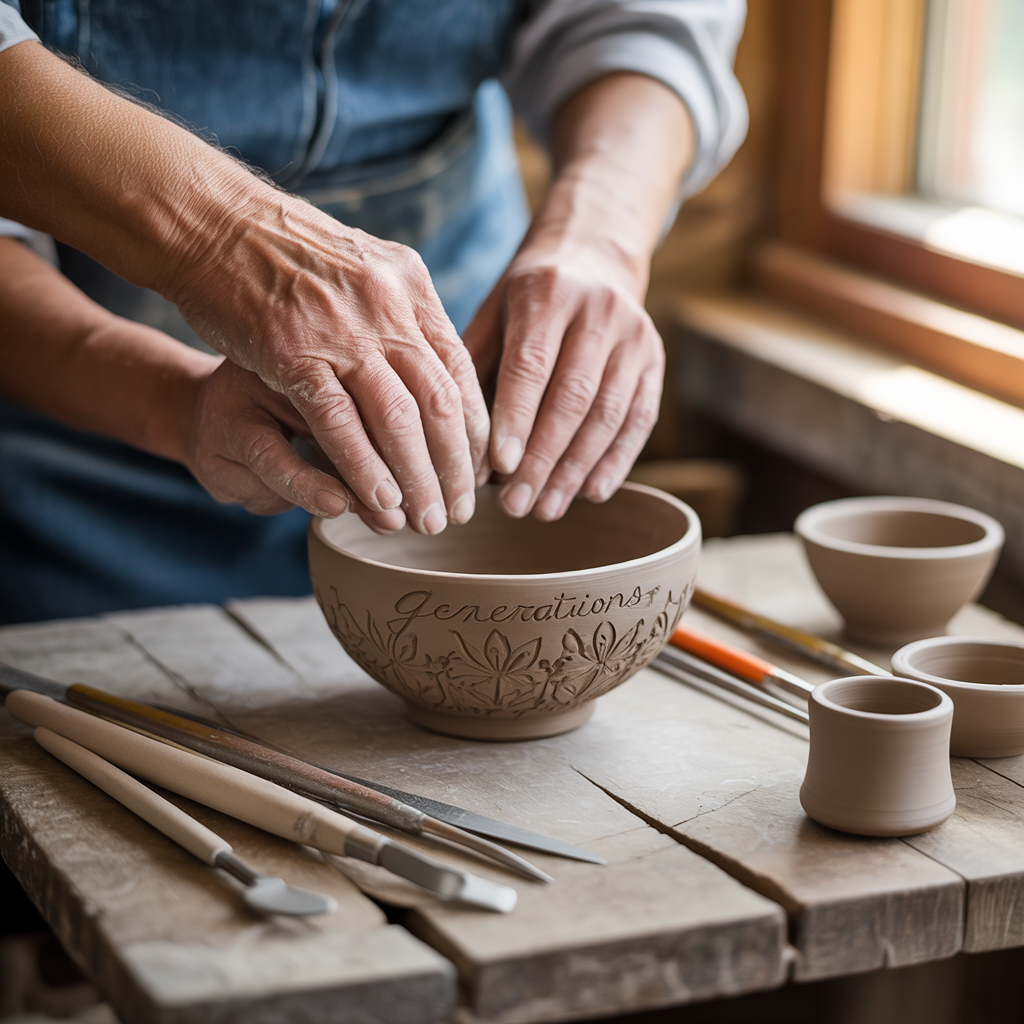
As we stand at the crossroads of rapid technological advancement and cultural preservation, hands-on traditional craft workshops emerge as vital bridges connecting our heritage with our future. These immersive experiences represent far more than educational opportunities—they are acts of cultural stewardship that ensure the wisdom of generations continues to enrich our world.
Throughout this exploration, we’ve seen how workshops serve multiple crucial functions in our global community. They provide sustainable economic opportunities for artisans while preserving irreplaceable cultural knowledge. They create spaces for intergenerational learning where master craftspeople can pass on not just techniques but also the stories, values, and worldviews embedded within their traditions. They foster cross-cultural understanding as participants from diverse backgrounds come together in shared creative endeavors.
Community Impact
Supporting local artisans and cultural preservation
Educational Value
Deep learning through hands-on experience

Cultural Heritage
Preserving traditions for future generations

Creative Growth
Developing artistic skills and cultural appreciation
Global Connection
Building bridges across cultures and communities
The future of traditional craftsmanship depends on our collective commitment to valuing and supporting these practices. Every person who participates in a workshop, every organization that funds preservation programs, and every community that welcomes cultural learners contributes to a global effort to maintain humanity’s creative diversity.
As participants in these workshops, we become more than students—we become guardians of living traditions. The skills we learn, the relationships we build, and the appreciation we develop create ripple effects that extend far beyond our individual experiences. We carry these traditions into our communities, share them with others, and help ensure their survival in an ever-changing world.
A Call to Action: The preservation of traditional craftsmanship is not just about maintaining old techniques—it’s about enriching our collective human heritage and ensuring that future generations inherit a world rich in cultural diversity and creative wisdom.
The workshops profiled in this exploration—from Peters Valley’s comprehensive programs to community-based initiatives worldwide—demonstrate that when we invest in traditional craftsmanship, we invest in cultural resilience, economic sustainability, and human connection. They prove that in our digital age, the ancient human impulse to create with our hands remains not only relevant but essential.
By embracing and promoting these experiences, we participate in one of humanity’s most enduring traditions: the passing of knowledge, skill, and wisdom from one generation to the next. In doing so, we craft not just objects of beauty and utility, but a future rooted in the rich heritage of our collective past.
Hashtags to Connect and Amplify
Join the global conversation about traditional craftsmanship and help amplify these important preservation efforts by using these hashtags in your social media posts, workshop photos, and craft-related content.

#TraditionalCraftsmanship
Connect with the broader community of craft enthusiasts and preservationists
#CulturalHeritage
Highlight the cultural significance and historical importance of traditional crafts
#ArtisanWorkshops
Share your workshop experiences and discover new learning opportunities
#HandmadeSkills
Celebrate the value of manual dexterity and traditional techniques
#CraftPreservation
Support efforts to maintain and document traditional craft knowledge
#AncestralTechniques
Honor the wisdom and methods passed down through generations
#SupportLocalArtisans
Promote fair trade and sustainable support for craft communities
#CraftEducation
Advocate for traditional craft learning opportunities and programs
#SustainableCrafts
Emphasize environmentally conscious approaches to traditional making
#LivingTraditions
Celebrate crafts as dynamic, evolving cultural practices
These hashtags serve as digital gathering points for a global community passionate about preserving traditional craftsmanship. By using them consistently, you help create visibility for artisan workshops, connect with like-minded individuals, and contribute to a growing movement that values cultural heritage and hands-on learning.
Share Your Story: When posting about your craft workshop experiences, include photos of your work, insights about the techniques you learned, and appreciation for the artisans who shared their knowledge. Your posts can inspire others to seek out similar experiences and support traditional craft preservation efforts.
Remember to always ask permission before photographing artisans or their work, and respect any cultural protocols around sharing images of traditional crafts or sacred techniques.
 NellyWorld
Leave a comment