Creative ways to transform fabric remnants into useful and beautiful items.
Introduction: The Hidden Potential of Fabric Scraps

Every year, mountains of textile waste pile up in landfills across America, representing not just environmental harm but also missed creative opportunities. According to the Environmental Protection Agency, over 16 million tons of textiles were produced in the United States alone in 2017, yet only approximately 13.6% of these materials were recycled. The remaining fabric ends up in landfills, where it contributes to pollution, releases greenhouse gases, and wastes the precious resources invested in its creation.
The fabric production industry is notoriously resource-intensive, consuming vast quantities of water, energy, and chemicals throughout the manufacturing process. Cotton production alone requires thousands of gallons of water per garment, while synthetic fabrics rely on petroleum-based materials and energy-intensive processes. When we discard textile scraps and remnants without a second thought, we’re essentially throwing away not just the fabric itself, but all the environmental costs embedded in its creation.
But here’s the exciting news: those fabric scraps sitting in your craft drawer, the remnants from sewing projects, and even worn-out clothing have incredible potential for transformation. This comprehensive guide will reveal creative, practical, and inspiring ways to breathe new life into leftover textiles, turning what might have been waste into beautiful, useful items that enhance your home, wardrobe, and lifestyle.
Tons of Textiles
Produced annually in the US
Recycling Rate
Only a fraction gets recycled
Landfill Waste
Textiles ending up as trash
Whether you’re a seasoned crafter or someone who’s never picked up a needle and thread, this guide offers solutions for every skill level. From no-sew projects that take just minutes to complete, to more involved sewing endeavors that create treasured keepsakes, you’ll discover how repurposing fabric scraps can be both environmentally responsible and deeply satisfying. Join the growing community of makers who are reducing waste, inspiring sustainable living, and proving that one person’s scraps can become another’s treasure—or better yet, transform your own discarded materials into something wonderful.
Why Upcycle Fabric Scraps? Environmental and Economic Benefits
The decision to upcycle fabric scraps extends far beyond personal creativity—it represents a powerful statement about environmental stewardship and economic wisdom. When we choose to repurpose textiles instead of discarding them, we participate in a solution to one of the fashion industry’s most pressing problems: waste. The practice of upcycling directly reduces landfill burden while simultaneously decreasing demand for new fabric production, which in turn cuts down on water consumption and chemical pollution associated with textile manufacturing.
Environmental Impact
Diverts textiles from landfills and reduces methane emissions from decomposing fabrics
- Decreases water pollution from dyeing processes
- Lowers carbon footprint of textile production
- Prevents microplastic release from synthetic fabrics
Economic Savings
Saves money on new materials and reduces household expenses
- No cost for stuffing materials in pillows and toys
- Free craft supplies for countless projects
- Reduces need to purchase synthetic fillers
Circular Economy
Supports sustainable consumption patterns and mindful living
- Extends product lifecycle indefinitely
- Challenges fast fashion culture
- Promotes creative problem-solving
One of the most practical and immediate benefits of fabric scrap upcycling is the ability to use these materials as stuffing for various projects. According to Talu Earth, fabric scraps make excellent filling for pillows, stuffed toys, pet beds, and even home insulation projects. This application alone saves considerable money while avoiding the purchase of synthetic polyester fiberfill, which is derived from petroleum products and contributes to microplastic pollution. By cutting larger scraps into smaller pieces or using them as-is, you create soft, moldable stuffing that’s free, sustainable, and often superior to commercial alternatives.
The economic advantages of fabric upcycling extend beyond direct cost savings. When you develop skills in repurposing textiles, you essentially create a personal resource library that reduces dependence on retail purchases. Need a gift? Create a lavender sachet from scraps. Want to refresh your home décor? Fashion fabric-covered accessories or wall art. This self-sufficiency not only saves money but also develops valuable skills and fosters creativity.
Perhaps most importantly, repurposing fabric scraps supports the concept of a circular economy—a system where materials are continuously cycled through use and reuse rather than following a linear path from production to disposal. In an era dominated by fast fashion, where clothing is often worn just a handful of times before being discarded, upcycling represents a radical act of resistance. It challenges the throwaway culture by demonstrating that materials have value beyond their initial purpose, and that with creativity and effort, we can extend the life of textiles indefinitely while reducing our environmental footprint and inspiring others to do the same.
Quick and Easy No-Sew Projects for Beginners

Not everyone has access to a sewing machine or feels confident with needle and thread, but that shouldn’t stop you from creating beautiful, functional items from fabric scraps. The world of no-sew fabric crafts is surprisingly vast and offers projects that range from whimsical to practical, all achievable with basic supplies like scissors, glue, and a bit of creativity. These projects are perfect for beginners, children, and anyone looking for quick satisfaction from their crafting endeavors.
Braided Fabric Bracelets
Transform vintage handkerchiefs or lightweight fabric prints into charming accessories. According to Sadie Seasongoods, these bracelets require only fabric strips, scissors, and basic braiding skills. Simply cut three equal strips, braid them together, and secure the ends with a knot or decorative button. Perfect for kids and adults alike, these bracelets make thoughtful handmade gifts.
Fabric Sun Catchers
Brighten your windows while protecting birds from collisions using colorful scarf remnants or translucent fabrics. These decorative pieces catch and filter sunlight, creating beautiful patterns in your home. Cut fabric into interesting shapes, attach them to embroidery hoops or wire frames, and hang them where morning light streams through. The movement and color provide visual interest while serving a practical purpose.
Magnetic Memo Boards
Repurpose old cookie sheets into stylish organization tools with fabric and decoupage techniques. Simply wrap your chosen fabric around the metal surface, securing it on the back with strong adhesive or magnets. Add ribbons for extra flair. These boards add charm to kitchens or offices, holding notes, recipes, and photos without requiring any sewing skills whatsoever.
The beauty of no-sew projects lies in their accessibility and immediacy. You can complete most of these crafts in under an hour, making them ideal for spontaneous creative sessions or last-minute gift needs. They also serve as excellent introduction points for children learning about sustainability and creativity, demonstrating that making beautiful things doesn’t require expensive tools or advanced skills—just imagination and willingness to experiment.
Additional No-Sew Ideas
- Fabric-wrapped bangles using thin strips wound around plastic bracelets
- No-sew pillow covers with fabric glue or iron-on hem tape
- Decorative fabric garlands for parties or room décor
- Fabric-covered picture frames personalized with meaningful textiles
- Coiled fabric baskets made by wrapping clothesline with fabric strips
Essential No-Sew Supplies
- Fabric scissors or rotary cutter
- Fabric glue or hot glue gun
- Double-sided tape for temporary holds
- Iron-on hem tape for stronger bonds
- Embellishments like buttons, beads, or ribbon
These beginner-friendly projects prove that sustainability and creativity don’t require advanced skills or expensive equipment. By starting with simple no-sew crafts, you’ll build confidence in working with fabric while developing an eye for color, texture, and design possibilities. Many crafters who begin with these easy projects eventually progress to more complex endeavors, but there’s absolutely nothing wrong with staying in the no-sew realm—these projects are valuable and beautiful in their own right, offering endless opportunities for self-expression and waste reduction.
Sewing Projects That Transform Scraps Into Treasured Items

For those comfortable with needle and thread or eager to develop sewing skills, fabric scraps become the raw material for truly special creations. Sewing projects allow for greater durability, more complex designs, and items that can be treasured for years or even passed down through generations. The investment in learning basic sewing techniques pays dividends in creative possibilities and the satisfaction of creating something entirely by hand.
Lavender Sachets
These simple sewn pouches make thoughtful gifts and naturally freshen closets, drawers, and cars. According to Sadie Seasongoods, cut two small squares of fabric (approximately 4×4 inches), place them right sides together, sew around three sides, turn right-side out, fill with dried lavender, and stitch the opening closed. Embellish with ribbons or embroidery for added charm.
Patchwork Quilts and Rugs
Combine multiple fabric scraps into cozy, colorful home décor with deeply personal meaning. Patchwork projects allow you to preserve memories by incorporating fabrics from meaningful clothing or special occasions. Even small scraps find purpose in these projects, and the imperfect nature of scrap quilts adds to their charm and character.
Visible Mending
Repair holes and worn areas in clothing with decorative patches that extend garment life while adding unique style. As highlighted by Upcycle My Stuff, visible mending transforms repairs from hidden fixes into design features. Use contrasting fabrics and decorative stitching to turn damage into artistic embellishment.
Essential Sewing Techniques
- Running stitch for basic seams
- Backstitch for strength and durability
- Whip stitch for edge finishing
- Appliqué for decorative elements
- French seams for professional finish
Beginner Tip: Start with hand sewing before investing in a machine. Many beautiful projects require only basic stitches and patience.
Popular Sewn Scrap Projects
- Zipper pouches and cosmetic bags
- Fabric bookmarks with ribbon
- Quilted pot holders and trivets
- Stuffed animals and dolls
- Fabric bunting and pennants
- Reversible tote bags
- Pin cushions in decorative shapes
- Fabric-covered journals and notebooks
The magic of sewing with fabric scraps lies in the uniqueness of each creation. Unlike mass-produced items, your sewn pieces carry the distinct character of the fabrics you’ve chosen, the combinations you’ve created, and the imperfections that prove they’re handmade with care. A patchwork quilt might incorporate fabric from a baby’s first outfit, a grandmother’s dress, and remnants from childhood curtains, creating a tangible family history wrapped in warmth and love.
Visible mending deserves special attention as it represents a philosophical shift in how we view clothing repair. Rather than hiding patches or darning inconspicuously, visible mending celebrates the repair itself, using contrasting colors, decorative stitches, and artistic patches to transform damaged garments into unique pieces with added visual interest. This Japanese-inspired technique (similar to boro and sashiko traditions) not only extends the life of beloved clothing but also creates conversation pieces that tell stories of use, care, and creativity. Each mended garment becomes a wearable testament to sustainability and the beauty of imperfection.
Creative Home Décor Ideas Using Fabric Remnants
Your home provides the perfect canvas for fabric scrap creativity, offering countless surfaces and spaces that can be enhanced with textile touches. Home décor projects using fabric remnants allow you to personalize your living space while reducing waste, all while creating a cohesive aesthetic that reflects your unique style. The best part? These projects can be adapted to any design preference, from bohemian to minimalist, vintage to contemporary.

Fabric-Covered Planters
Transform plain terracotta pots or recycled containers into stunning planters using fabric scraps and decoupage medium. According to Sadie Seasongoods, wrap fabric around the exterior, securing with mod podge or fabric glue, and seal with a waterproof coating. These personalized planters add texture and color while coordinating with your interior design.
Boho Serving Trays
Create eye-catching serving pieces by covering wooden or plastic trays with vibrant fabric patterns. Line the tray bottom with fabric, seal the edges, and add handles if desired. These trays serve double duty as functional serving pieces and decorative displays when not in use, adding personality to coffee tables or kitchen counters.
Hoop Wall Art
Embroidery hoops become instant art frames when you stretch beautiful fabric scraps within them. Choose contrasting patterns or complementary colors, and hang multiple hoops in a gallery wall arrangement. This project works especially well with vintage fabrics, showcasing their patterns and colors in a modern, minimalist presentation.
Textile art has experienced a renaissance in recent years, with fabric taking center stage in gallery-worthy installations. You can capture this trend at home using your fabric scraps to create dimensional wall pieces that add warmth and softness to rooms dominated by hard surfaces. As demonstrated on YouTube by Creartive by Nature, fabric scrap butterflies offer a whimsical example—cut butterfly shapes from colorful remnants, layer them for dimension, and arrange them on canvas or directly on walls for a playful, nature-inspired display.
More Fabric Décor Projects
- Fabric tassels and pom-poms for curtains and cushions
- No-sew fabric lampshade covers
- Wrapped and decorated picture frames
- Fabric-covered storage boxes and bins
- Textile collages on stretched canvas
- Fabric-wrapped candles (exterior only)
- Decorative fabric bunting for parties
- Table runners from patchwork strips
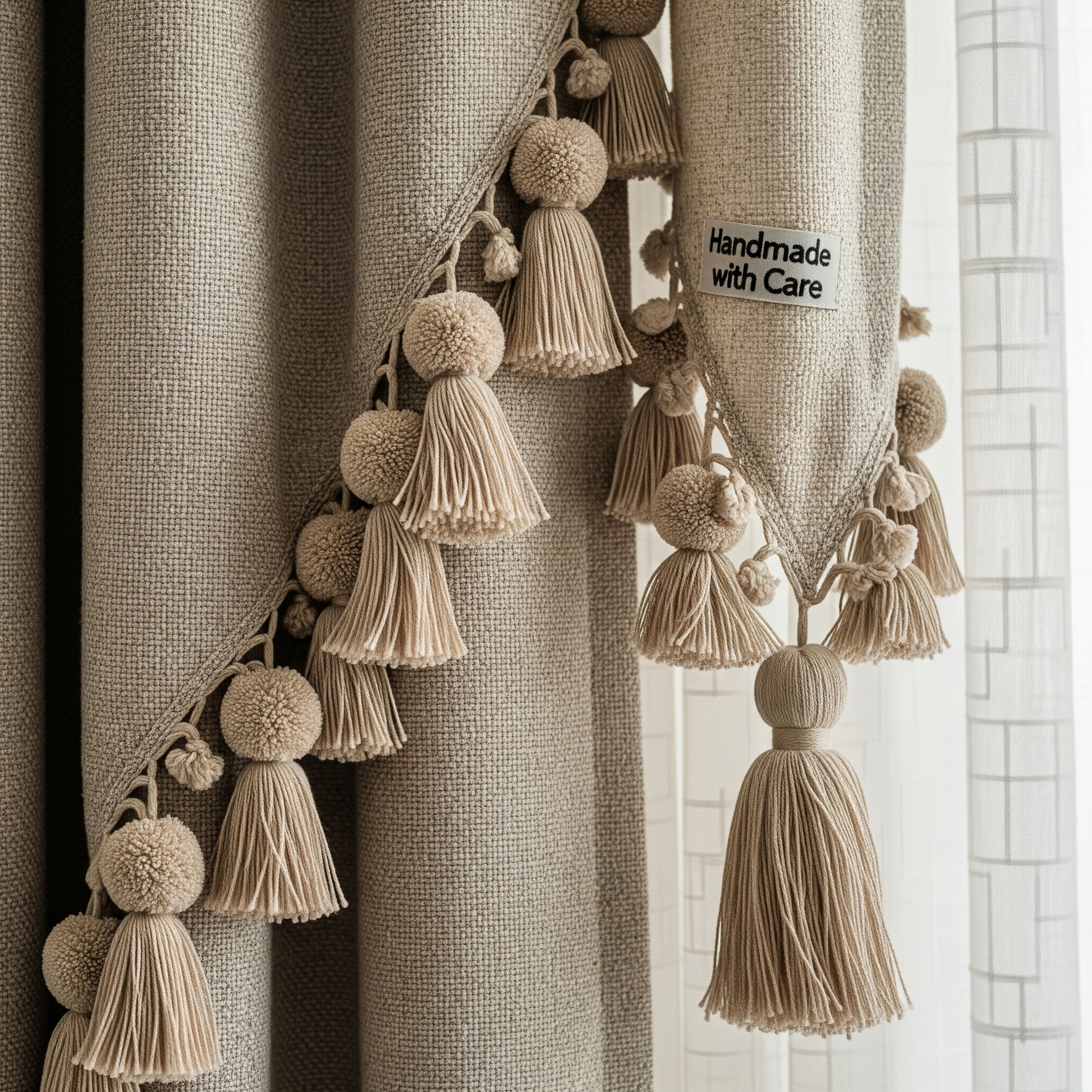
The addition of fabric tassels and pom-poms brings playful accents to everything from curtain tiebacks to cushion corners, gift wrap to party decorations. These embellishments are surprisingly simple to make—tassels require wrapping fabric strips around a small piece of cardboard and tying at the top, while pom-poms use the same principle with fluffier fabrics or multiple layers. Both add movement, texture, and visual interest to otherwise plain items, and they’re an excellent way to use up the smallest scraps that might otherwise be too small for other projects.
When incorporating fabric scraps into home décor, consider how different textures and patterns interact with your existing furnishings. Mix prints boldly for an eclectic, collected-over-time look, or stick to a consistent color palette with varied patterns for cohesion. The beauty of working with scraps is that you can experiment freely—if something doesn’t work, simply recover it with different fabric. This freedom to play and adjust makes fabric scrap décor projects particularly satisfying, allowing your home to evolve with your tastes and available materials.
Functional Items From Fabric Scraps: Practical and Stylish
While decorative projects celebrate beauty and creativity, functional items made from fabric scraps demonstrate that sustainability can be utterly practical. These everyday objects prove that reducing waste doesn’t require sacrifice—instead, handmade functional items often outperform their mass-produced counterparts in durability, personality, and satisfaction. By creating useful items from scraps, you simultaneously solve practical problems and divert textiles from landfills.

Reusable Shopping Bags
Sturdy fabric scraps, particularly from denim, canvas, or heavy cotton, make excellent reusable shopping bags that reduce plastic use while adding personality to errands. According to Earth911, these bags can be sewn to any size, reinforced at stress points, and customized with pockets or closures. Unlike thin plastic bags, fabric bags hold heavy items, fold compactly when not in use, and withstand years of regular washing.
Kitchen Aprons
Transform larger fabric remnants into practical kitchen aprons that protect clothing during cooking and crafting. Combine multiple fabrics for a patchwork effect, or use a single large piece for a cohesive look. Add pockets for convenience and adjustable ties for comfort. These handmade aprons make thoughtful gifts for home cooks and demonstrate craftsmanship that mass-produced versions cannot match.
Fabric Bookmarks
Small, quick projects that make great gifts while keeping tiny scraps out of the trash. Layer fabric strips, add interfacing for stiffness if desired, and embellish with ribbons, beads, or embroidery. These personalized bookmarks serve as perfect small gifts for teachers, book club members, or anyone who enjoys reading—practical items that carry sentimental value.
The category of functional fabric crafts extends far beyond bags and bookmarks. Consider creating no-sew fabric bowls using rope and fabric strips—these clever containers organize everything from keys to craft supplies, requiring only fabric-wrapped rope coiled and glued into bowl shapes. Similarly, fabric envelopes provide attractive storage for important papers, gift cards, or small items, fashioned from a single piece of fabric folded and secured with buttons or ties.
Essential Functional Projects
| Project | Best Fabric Types |
| Shopping bags | Denim, canvas, heavy cotton |
| Aprons | Cotton, linen, durable blends |
| Pot holders | Cotton (never synthetics) |
| Reusable napkins | Cotton, linen, flannel |
| Produce bags | Mesh, lightweight cotton, tulle |
| Coffee sleeves | Quilted cotton, felt |
Quick Functional Makes
- Fabric-covered notebooks
- Coasters from quilted fabric
- Eyeglass cases
- Keychains and lanyards
- Reusable snack bags
- Travel tissue holders
- Cable organizers
- Plant ties and markers
Creating functional items from fabric scraps represents a practical application of sustainable living principles. Each reusable shopping bag replaces hundreds of plastic bags over its lifetime. Every cloth napkin saves paper products from entering the waste stream. Handmade produce bags eliminate the need for plastic bags in the grocery store, while fabric snack bags reduce plastic wrap and zipper bag consumption. These aren’t just craft projects—they’re daily tools for reducing environmental impact while adding handmade beauty to routine activities. The cumulative effect of these small changes creates significant positive impact over time, demonstrating that sustainability can be both practical and aesthetically pleasing.
Upcycling Old Clothes Into New Fashion Pieces
Old clothing represents perhaps the most abundant source of fabric scraps, yet many people struggle with the emotional difficulty of cutting up garments. However, when clothing is damaged, outdated, or simply unworn, transformation through upcycling honors the original garment while creating something fresh and wearable. Fashion upcycling requires creativity and sometimes advanced sewing skills, but the results can be stunning—unique pieces that reflect your personal style while embodying sustainable fashion principles.

Men’s Shirts → Women’s Blouses
Transform oversized men’s dress shirts into fitted, feminine blouses or casual aprons. According to Upcycle My Stuff, this transformation involves taking in side seams, shortening sleeves, and sometimes adding darts for shape. The result is a custom-fit garment with interesting details like button-up backs or contrasting plackets.
T-Shirts → Dresses & Wraps
Old t-shirts have remarkable versatility—they can become summer dresses, head wraps, infinity scarves, or even beach cover-ups. The stretch of knit fabric makes these transformations forgiving for beginners, while the casual nature of t-shirt material suits relaxed, bohemian styles perfectly.
Jeans → Bags & Accessories
Denim’s durability makes it ideal for bags, pouches, and accessories. Pockets can be preserved as functional elements, belt loops become handles, and seams add interesting structural details. Denim scraps also work beautifully for patches, appliqués, and mixed-media textile art.
Beyond complete garment transformations, smaller modifications and additions can refresh wardrobe staples without extensive reconstruction. Adding pockets to dresses or skirts increases functionality while providing a place to showcase beautiful fabric scraps. Adjusting fit through simple sewing hacks—taking in waists, shortening hems, or tapering legs—extends the life of ill-fitting clothes. Even adding decorative elements like fabric-covered buttons, contrasting cuffs, or appliquéd patches transforms ordinary garments into customized pieces.
Clothing Transformation Ideas
- Sweaters → pillow covers or mittens
- Scarves → kimono jackets or skirts
- Button-up shirts → tote bags
- Maxi dresses → two-piece sets
- Wool coats → winter accessories
- Neckties → headbands or belts
- Leather jackets → wallets or pouches
- Wedding dresses → christening gowns
Essential Alteration Techniques
- Taking in or letting out seams
- Shortening or lengthening hems
- Adding or removing sleeves
- Installing zippers and closures
- Creating and inserting pockets
- Appliqué and decorative stitching
- Fabric dyeing and bleaching
- Distressing and embellishing
Technology has expanded creative possibilities for clothing upcycling. A Cricut machine or similar cutting tool allows precise cutting of intricate designs from fabric for iron-on appliqués or sewn embellishments. Fabric stamps and screen printing techniques personalize plain garments with custom designs. Heat transfer vinyl creates professional-looking text and graphics on clothing. These tools, combined with traditional sewing techniques, enable truly custom fashion pieces that rival designer originals in uniqueness and quality.
The philosophy behind fashion upcycling extends beyond mere thrift or environmental concern—it represents a rejection of fast fashion’s disposability and homogeneity. When you upcycle clothing, you become both designer and maker, exercising creative control over your wardrobe while developing valuable skills. Each transformed garment carries a story: the original piece’s history, your creative vision, and the hours invested in transformation. These narratives make upcycled fashion deeply personal and meaningful, creating a wardrobe that reflects your values, creativity, and individuality rather than mass-market trends.
Where to Donate or Recycle Excess Fabric and Textiles
Even the most dedicated fabric crafter eventually accumulates more scraps than can be reasonably used. When your stash overflows or you encounter fabrics unsuitable for your projects, responsible disposal becomes crucial. Fortunately, numerous organizations and programs accept textile donations, ensuring that your excess materials benefit others or get properly recycled rather than ending up in landfills. Understanding these options empowers you to make informed decisions about textile disposal.

Brand Take-Back Programs
Many clothing retailers now offer textile recycling programs in their stores. Patagonia accepts worn-out outdoor gear for recycling or repair. H&M’s garment collection program takes any textiles in any condition, offering a discount voucher in return. The North Face operates a “Clothes the Loop” program accepting any brand’s clothing and shoes for recycling or resale.
Animal Shelters
Local animal shelters often welcome donations of old towels, sheets, and blankets for bedding in kennels and cages. These textiles provide comfort to animals while awaiting adoption and are regularly replaced, so shelters constantly need fresh supplies. Contact your local shelter to confirm their specific needs and drop-off procedures.
Quilting and Craft Groups
Quilting clubs, church groups, and crafting organizations frequently accept fabric donations for community projects. These groups create quilts for hospitals, homeless shelters, and disaster relief efforts. Your unused fabrics become comfort items for people in need, giving scraps meaningful purpose beyond personal use.
Specialized textile recycling centers and programs like For Days’ Take Back Bag offer comprehensive solutions for fabric disposal. According to Talu Earth, these services accept textiles in any condition—even damaged or stained items unsuitable for donation. Materials are sorted by type and condition, with wearable items sent to secondhand markets, damaged textiles processed into industrial rags or insulation, and unsuitable materials recycled into fiber for new products. This multi-stream approach ensures maximum diversion from landfills.
Donation Guidelines
What Organizations Accept:
- Clean, gently used clothing
- Linens and towels (even worn)
- Fabric scraps (bundled by type)
- Curtains and household textiles
- Shoes and accessories
What to Avoid Donating:
- Moldy or mildewed items
- Textiles contaminated with hazardous materials
- Items with broken zippers or hardware (remove first)
Finding Textile Recycling
Search Resources:
- Earth911’s recycling locator (search “textiles”)
- Planet Aid drop-off locations
- American Textile Recycling Service bins
- Local municipal recycling programs
- TerraCycle’s fabric brigades
Before Donating:
- Wash items when possible
- Remove non-fabric elements (buttons, zippers)
- Bundle small scraps by fabric type
- Call ahead to confirm acceptance
Some creative solutions exist for specific textile types. Theater companies and school drama departments often welcome costume fabrics and vintage clothing. Art teachers and university art departments use fabric scraps for mixed-media projects and textile courses. Textile artists on platforms like Craigslist or Facebook Marketplace’s “free” sections eagerly claim fabric donations. Even small scraps find purpose—composting natural fiber scraps (100% cotton, linen, wool, or silk) returns these materials to the earth, though this should be a last resort after exhausting reuse options.
When considering textile disposal, remember the waste hierarchy: reduce, reuse, recycle, with landfill disposal as the absolute last option. By exploring donation and recycling opportunities, you ensure that textiles continue serving useful purposes even after they’ve exceeded your personal needs. This comprehensive approach to textile lifecycle management completes the circle of sustainable fabric use, demonstrating that responsibility extends beyond creation and use to thoughtful end-of-life planning.
Conclusion: Embrace Creativity and Sustainability with Fabric Scraps
The journey through fabric scrap repurposing reveals a world where creativity and sustainability intersect beautifully. From no-sew projects that take minutes to complete, to elaborate sewn creations that become family heirlooms, the possibilities for transforming textile remnants are truly limitless. Each project—whether a simple fabric bookmark or an ambitious patchwork quilt—represents a choice to value resources, exercise creativity, and participate in solutions to our environmental challenges.

Cost-Effective Creativity
Fabric scraps cost nothing yet unlock countless possibilities for gifts, décor, and practical goods. The investment is time and imagination, not money, making crafting accessible to everyone regardless of budget constraints.
Environmental Impact
Every repurposed scrap diverts textiles from landfills, reduces demand for new fabric production, and demonstrates that waste is often just misplaced resources. Small actions accumulate into significant environmental benefits over time.
Personal Expression
Handmade items carry meaning that mass-produced goods cannot match. Each creation reflects your choices, skills, and creativity, resulting in truly unique pieces that tell your personal story.
Whether you sew or not, there are endless possibilities to upcycle textiles into meaningful creations. No-sew projects welcome absolute beginners and children, offering immediate satisfaction and visible results. Sewing projects build skills progressively, from simple straight seams to complex garment alterations. Home décor applications transform living spaces with personalized touches. Functional items make sustainability practical and visible in daily life. Clothing upcycling creates custom fashion while rejecting throwaway culture.
Getting Started: Your Action Plan
- Audit your materials: Gather fabric scraps, old clothing, and linens you no longer use
- Start small: Choose a simple project matching your skill level—success builds confidence and enthusiasm
- Invest minimally: Begin with supplies you already own; add specialized tools as needs arise
- Join communities: Connect with crafters online or locally for inspiration, advice, and encouragement
- Document progress: Photograph projects to track your growth and inspire others
- Share knowledge: Teach children, friends, and family, multiplying the positive impact
Unique
Every handmade creation is one-of-a-kind
Waste
When you repurpose everything
The growing community of makers committed to sustainable crafting and mindful consumption proves that individual actions matter. When you share your creations on social media, gift handmade items, or simply use reusable fabric bags at the grocery store, you inspire others to question disposability and consider alternatives. This ripple effect extends far beyond personal projects, contributing to cultural shifts toward valuing durability, craftsmanship, and environmental stewardship.
Start today with whatever scraps you have available. That drawer full of mystery fabrics? Potential projects waiting to happen. The shirt with the permanent stain? Future fabric for a tote bag or pillow cover. The worn-out sheets? Tomorrow’s reusable produce bags. By viewing textiles through the lens of possibility rather than waste, you join a global movement of crafters, makers, and sustainability advocates who understand that the most beautiful creations often come from the most humble materials. Your fabric scraps aren’t trash—they’re treasure waiting to be discovered.
Discover More Sustainable Crafting Ideas
Hashtags for Social Sharing:
#FabricUpcycling #TextileScraps #SustainableCrafts #EcoFriendlyDIY #RepurposedFabric #ZeroWasteLiving #DIYHomeDecor #UpcycledClothing #FabricScrapProjects #CreativeReuse
 NellyWorld
Leave a comment