Innovative DIY planters and growing solutions for apartments and tiny yards.
Introduction: Growing Green in the City
Urban gardening has revolutionized the way city dwellers connect with nature, transforming even the smallest outdoor spaces into vibrant, productive green sanctuaries. Whether you have a compact balcony, a modest patio, or just a sunny windowsill, container gardening opens up a world of possibilities for growing fresh herbs, vegetables, and beautiful flowers right where you live.
The beauty of container gardening lies in its remarkable flexibility and accessibility. Unlike traditional in-ground gardens that require dedicated yard space, container gardens can thrive anywhere with adequate sunlight. This adaptability makes them perfect for apartment residents, renters who can’t modify landscapes, and anyone looking to maximize limited outdoor areas.
This comprehensive guide explores innovative DIY planters and creative growing solutions specifically designed for small urban spaces. We’ll walk you through everything from selecting the perfect containers to implementing vertical growing techniques that multiply your growing area without expanding your footprint.
Container gardening isn’t just about making do with less space—it’s about discovering new ways to cultivate abundance in unexpected places. With the right approach, your urban garden can be just as productive and beautiful as any sprawling suburban plot, all while fitting seamlessly into your city lifestyle.
Why Container Gardening Works for Small Spaces

Garden Anywhere
Containers unlock gardening potential in unexpected places—rooftops, balconies, windowsills, fire escapes, and patios all become viable growing spaces. You’re no longer limited by the availability of ground soil.
Portable & Flexible
Perfect for renters and apartment dwellers, container gardens move with you. Rearrange plants to follow the sun, protect them from harsh weather, or take them when you relocate to a new home.
Complete Control
Manage every aspect of your growing environment—soil quality, drainage, nutrient levels, and plant spacing. This precision control often results in healthier plants and better yields than traditional gardens.
Diverse Growing
Cultivate an impressive variety in minimal space—herbs for cooking, vegetables for fresh meals, flowers for beauty, and even dwarf fruit trees for year-round harvests, all thriving side by side.
Container gardening represents a fundamental shift in how we think about urban agriculture. It democratizes gardening, making it accessible to millions of city residents who previously thought fresh, homegrown produce was beyond their reach. The space efficiency is remarkable—a 4×8 foot balcony can accommodate 15-20 containers, producing enough herbs and vegetables to significantly supplement your kitchen needs throughout the growing season.
Beyond practicality, container gardens offer therapeutic benefits in urban environments where green space is scarce. The act of nurturing plants, watching seeds germinate, and harvesting your own food creates a meaningful connection to natural cycles that city life often obscures. Studies show that even small-scale gardening activities reduce stress, improve mood, and provide a sense of accomplishment that enhances overall well-being.
Choosing the Right Containers: Materials and Sizes

Selecting appropriate containers is the foundation of successful urban gardening. The right choice depends on your plants’ needs, your space constraints, weight considerations, and aesthetic preferences. Understanding the pros and cons of different materials helps you make informed decisions that set your garden up for long-term success.
Terra Cotta & Clay
Classic, breathable material that allows air and moisture to pass through walls. Excellent for preventing overwatering but requires more frequent irrigation. Affordable and widely available, though fragile and heavy. Best for herbs and plants preferring drier soil conditions.
Wood & Crates
Natural aesthetic with good insulation properties. Cedar and redwood resist rot naturally. Wooden containers provide excellent drainage and can be custom-built to fit specific spaces. Line with landscape fabric to extend lifespan and prevent soil loss.
Fabric Grow Bags
Lightweight, affordable, and promote exceptional root health through air pruning. Excellent drainage and aeration prevent root circling. Fold flat for storage. Ideal for renters and rooftop gardens where weight is a concern. Available in sizes from 1 to 30+ gallons.
Recycled Materials
Buckets, storage bins, and food-grade containers offer free or low-cost options. Drill drainage holes in the bottom. Paint or wrap for improved aesthetics. Perfect for budget-conscious gardeners and creative DIY projects.
Essential Drainage
Every container must have adequate drainage holes to prevent waterlogging and root rot. Drill holes 1/2 to 3/4 inch in diameter, spacing them every 4-6 inches across the bottom. Place a small piece of screen or landscape fabric over holes to retain soil while allowing water to escape.
Size Guidelines
- Small (1-3 gallons): Herbs, lettuce, radishes, small flowers
- Medium (5-7 gallons): Peppers, dwarf tomatoes, bush beans
- Large (10-20 gallons): Full-size tomatoes, cucumbers, squash
- Extra Large (20+ gallons): Fruit trees, root vegetables, perennials
Innovative DIY Planter Ideas for Urban Gardeners
Creativity transforms ordinary objects into extraordinary planters, adding personality to your urban garden while maximizing every inch of available space. DIY projects not only save money but also allow you to customize containers to perfectly fit your unique space constraints and aesthetic vision. Here are innovative ideas that push the boundaries of traditional container gardening.
Vertical Pallet Gardens
Transform wooden shipping pallets into stunning vertical gardens. Stand them upright, line the back with landscape fabric, and fill compartments with soil. Mount securely to walls to create living green walls that grow upward, not outward.
Hanging & Suspended Systems
Utilize ceiling hooks, railing mounts, and macramé hangers to suspend containers at varying heights. Cascading arrangements add dimension while keeping floor space clear for seating or additional containers below.
Stacked Crate Towers
Stack wooden crates or milk crates in pyramid configurations to create multi-level growing zones. Secure with zip ties or screws, then place containers in each compartment for an organized, space-efficient display.
Recycled Material Planters
Soda Bottle Towers: Cut 2-liter bottles in half, invert the top section into the bottom to create self-watering planters. String multiple bottles vertically for compact herb gardens.
Tin Can Gardens: Clean food cans, paint or wrap with twine, drill drainage holes, and mount to fences or walls. Perfect for small herbs and succulents.
Shopping Bag Planters: Sturdy reusable shopping bags work surprisingly well as temporary planters for leafy greens and herbs. Fold down edges for a decorative look.
Mini Greenhouse Projects
Clear Storage Bin Greenhouses: Convert transparent plastic storage containers into mini greenhouses by drilling ventilation holes in the lid. Perfect for seed starting and extending seasons.
Cold Frame Conversions: Build simple wooden frames with old windows or clear plastic sheeting to protect tender plants from wind and cold on exposed balconies.
Cloche Systems: Repurpose large clear bottles or jars as individual plant cloches for frost protection and humidity control.
The key to successful DIY planters is ensuring structural stability and proper drainage. Before filling any repurposed container with soil, test its weight capacity and confirm drainage holes are adequate. Lightweight potting mix works better than garden soil in DIY containers, especially for hanging or wall-mounted projects where weight is a critical factor.
Best Plants for Container Gardens in Small Spaces
Success in container gardening begins with choosing plants naturally suited to confined root spaces and consistent care schedules. The right plant selection ensures abundant harvests and beautiful displays without constant struggle. Here are proven performers that thrive in containers while delivering maximum impact in minimal square footage.
Culinary Herbs
The ultimate container plants—fast-growing, compact, and endlessly useful in the kitchen. Basil, parsley, cilantro, thyme, oregano, mint, and chives flourish in small pots on sunny windowsills or balconies.
Compact Vegetables
Dwarf and determinate varieties bred specifically for containers. Cherry tomatoes, bush beans, lettuce, spinach, radishes, peppers, and compact cucumber varieties produce impressive yields in limited space.
Colorful Flowers
Petunias, marigolds, geraniums, pansies, and begonias add vibrant color while attracting beneficial pollinators. Many bloom continuously from spring through fall with minimal care beyond regular watering.
Dwarf Fruit Trees
Miniature varieties of citrus, apple, cherry, and fig trees grow successfully in large containers. Provide year-round interest, beautiful spring blossoms, and actual fruit harvests from your balcony or patio.
Quick-Growing Favorites
For immediate gratification and continuous harvests, focus on these fast producers:
- Lettuce & Salad Greens: Harvest in 30-45 days, grow year-round in mild climates
- Radishes: Ready in just 25-30 days, perfect for succession planting
- Green Onions: Regrow from grocery store scraps in water or soil
- Basil: Explosive growth in warm weather, pinch frequently for bushier plants
- Cherry Tomatoes: Prolific producers from mid-summer through first frost
Long-Term Investments
These plants require patience but reward with years of production:
- Strawberries: Perennial producers perfect for hanging baskets
- Blueberries: Acidic soil lovers that provide spring flowers and summer fruit
- Rosemary: Woody perennial herb, drought-tolerant and aromatic
- Lavender: Fragrant flowers attract bees, excellent for sunny spots
- Dwarf Fruit Trees: 3-5 years to first significant harvest, decades of production
When planning your container garden, consider staggering plantings for continuous harvests. Plant lettuce every two weeks, succession plant quick-growing crops, and combine long-season plants with fast-growing companions to maximize productivity. Match plant sun requirements to your available light—most vegetables need 6-8 hours of direct sun, while leafy greens and herbs can tolerate partial shade.
Maximizing Growth: Vertical and Space-Saving Techniques
When horizontal space is limited, the solution is simple: grow upward. Vertical gardening techniques can triple or quadruple your growing area without expanding your footprint, transforming walls, railings, and unused vertical surfaces into productive growing zones. These strategies are essential for serious urban gardeners working within tight space constraints.
Install Support Structures
Trellises, lattices, bamboo teepees, and garden obelisks provide climbing plants with vertical growing space. Secure structures firmly to walls or containers to support the weight of mature plants laden with fruit. Ideal for cucumbers, pole beans, peas, and small melons.
Create Tiered Growing Zones
Ladder shelves, étagères, and stacked platforms arrange containers at multiple heights, creating planting zones that maximize light exposure for all plants. Position taller plants on lower shelves, shorter plants above. This approach works brilliantly in corners and along walls.
Utilize Hanging Systems
Ceiling hooks, wall-mounted brackets, and over-the-rail hangers suspend containers at eye level and above, leaving floor space completely open. Hanging baskets work perfectly for trailing plants, herbs, and strawberries while adding vertical interest.
Practice Companion Planting
Combine compatible plants in single large containers to maximize space and improve plant health. Pair deep-rooted plants with shallow-rooted companions, tall sun-lovers with shade-tolerant understory plants. Classic combinations include tomatoes with basil, carrots with lettuce, and beans with corn.
Railing-Mounted Planters
Specialized brackets allow containers to hang from balcony railings without consuming floor space. Position planters on both interior and exterior sides for double the growing area. Perfect for herbs, lettuce, and trailing flowers that cascade beautifully.
Pocket Gardens & Wall Planters
Fabric or plastic pocket systems mount directly to walls, creating dozens of individual planting pockets. Excellent for herbs, small flowers, and succulents. Lightweight and removable, ideal for renters who can’t install permanent fixtures.
Bamboo Teepee Structures
Create simple support structures by tying together three to four bamboo poles at the top. Place in large containers and plant climbing vegetables around the base. As plants grow upward, they create living green sculptures while producing abundant harvests.
Vertical growing isn’t just about saving space—it also improves air circulation around plants, reduces disease pressure, makes harvesting easier, and creates visually stunning displays. When implementing vertical techniques, ensure support structures are robust enough for mature plants and consider wind exposure in high locations. Plants at different heights may have varying water needs, so check soil moisture at each level individually rather than watering on a single schedule.
Care and Maintenance Tips for Thriving Container Gardens
Container gardens require more attentive care than in-ground gardens due to their confined root space and limited soil volume. However, with consistent attention to a few key factors, your containers will produce abundantly throughout the growing season. Master these fundamental care practices to ensure your urban garden flourishes.
Water Consistently and Appropriately
Containers dry out much faster than ground soil, especially during hot weather. Check soil moisture daily by inserting your finger two inches deep—if dry, water thoroughly until it drains from bottom holes. Morning watering prevents fungal issues and ensures plants have moisture for the hot afternoon.
Use Quality Potting Mix
Never use garden soil in containers—it compacts, drains poorly, and may contain diseases. Invest in high-quality potting mix formulated specifically for containers. Look for mixes containing peat moss or coir, vermiculite or perlite for drainage, and compost for nutrients.
Fertilize Regularly Throughout Season
Frequent watering leaches nutrients from containers faster than from ground soil. Apply slow-release granular fertilizer at planting, then supplement with liquid organic fertilizer every two to three weeks during active growth. Reduce feeding as plants mature and slow growth in fall.
Monitor and Optimize Sunlight
Most vegetables and flowers need six to eight hours of direct sunlight daily. Track sun patterns across your balcony or patio throughout the day. Rotate containers periodically so all sides receive equal light, promoting balanced growth and preventing lopsided plants.
Practice Crop Rotation and Soil Renewal
Don’t plant the same crops in the same containers year after year. Rotate plant families to prevent disease buildup and nutrient depletion. Each spring, remove the top several inches of old potting mix and replace with fresh compost-enriched mix to revitalize soil.
Seasonal Maintenance Calendar
Spring: Refresh soil in all containers, clean pots thoroughly, apply slow-release fertilizer, begin planting warm-season crops after last frost.
Summer: Water daily during heat waves, deadhead flowers regularly, begin liquid fertilizing, harvest continuously to encourage more production, provide shade cloth during extreme heat.
Fall: Plant cool-season crops, reduce fertilizing, prepare tender perennials for overwintering, clean up spent summer plants, store empty containers.
Winter: Protect perennial containers from freeze-thaw cycles, plan next season’s garden, maintain herb gardens indoors, clean and repair containers.
Common Care Mistakes
- Overwatering shade plants or underwatering sun-exposed containers
- Using containers without drainage holes
- Forgetting to fertilize as nutrients wash away
- Planting overcrowded containers
- Ignoring early pest problems
- Using old, depleted potting soil
Successful container gardening requires developing a consistent care routine. Set daily reminders to check water needs, establish a weekly fertilizing schedule, and make time for regular observation. Often, simply spending a few minutes each day examining your plants helps you catch problems early—before minor issues become major setbacks.

Overcoming Challenges: Common Container Gardening Issues
Every urban gardener encounters obstacles specific to container cultivation and small-space growing. Understanding these challenges and implementing proactive solutions prevents frustration and ensures long-term success. Here’s how to address the most common issues facing balcony and patio gardeners.
Limited Root Space Restrictions
Confined containers restrict root growth, limiting plant size and productivity. Solution: Choose compact, dwarf, or bush varieties specifically bred for container growing. Ensure containers are adequately sized for mature plants—when in doubt, go one size larger. Prune roots of perennials every few years to encourage fresh growth.
Wind and Heat Exposure Stress
Balconies and rooftops experience intense wind and sun exposure that can quickly stress plants. Solution: Install windbreaks using lattice panels or bamboo screens. Deploy shade cloth during peak summer heat (50% shade works for most plants). Group containers together to create microclimates with higher humidity. Choose wind-tolerant plants for exposed locations.
Water Runoff Concerns
Excess water draining from elevated containers can damage property or disturb neighbors below. Solution: Place waterproof saucers or trays under all containers to catch runoff. Empty saucers regularly to prevent mosquito breeding. Use self-watering containers for plants prone to overwatering. Consider water catchment systems to recycle runoff.
Pest Management Challenges
Aphids, spider mites, and fungus gnats find container gardens just as appetizing as traditional gardens. Solution: Practice organic pest control using companion planting (marigolds repel aphids), neem oil sprays, insecticidal soap, and beneficial insects. Isolate new plants for two weeks before introducing to your garden. Remove affected leaves promptly.
Temperature Fluctuations
Container soil heats and cools faster than ground soil, stressing plant roots during temperature extremes. Dark-colored pots absorb more heat, while small containers fluctuate more dramatically.
Solutions:
- Choose light-colored containers for hot climates
- Mulch soil surface to insulate roots
- Group containers together for thermal mass
- Move containers to protected areas during extreme weather
- Wrap pots with bubble wrap or burlap in winter
Nutrient Depletion
Plants in containers exhaust available nutrients much faster than those in expansive garden beds, leading to yellowing leaves, stunted growth, and poor yields.
Solutions:
- Feed regularly with balanced organic fertilizers
- Top-dress containers with compost monthly
- Use slow-release fertilizer pellets for steady nutrition
- Refresh potting mix annually or biannually
- Monitor plants for deficiency symptoms and respond quickly
Most container gardening challenges have straightforward solutions requiring minimal time or expense. The key is staying observant—regular inspection helps you identify problems while they’re still manageable. Don’t be discouraged by occasional setbacks; even experienced gardeners face challenges. Each growing season teaches valuable lessons that make you a more skilled urban gardener.
Conclusion: Start Your Urban Garden Today
Urban container gardening represents far more than a practical way to grow food in limited spaces—it’s a transformative practice that reconnects city dwellers with the natural world, provides fresh organic produce steps from your kitchen, and creates peaceful green sanctuaries amid concrete landscapes. Whether you’re working with a spacious patio or a modest window box, the principles remain the same: choose appropriate containers, select plants suited to your conditions, provide consistent care, and embrace creativity in maximizing your growing area.
The beauty of container gardening lies in its accessibility. You don’t need years of experience, expensive equipment, or extensive space to begin. Start small with a few herb pots on a sunny windowsill, then expand as your confidence and passion grow. Every tomato you harvest, every sprig of basil you add to dinner, and every morning you spend tending your plants reinforces the profound satisfaction of growing your own food.
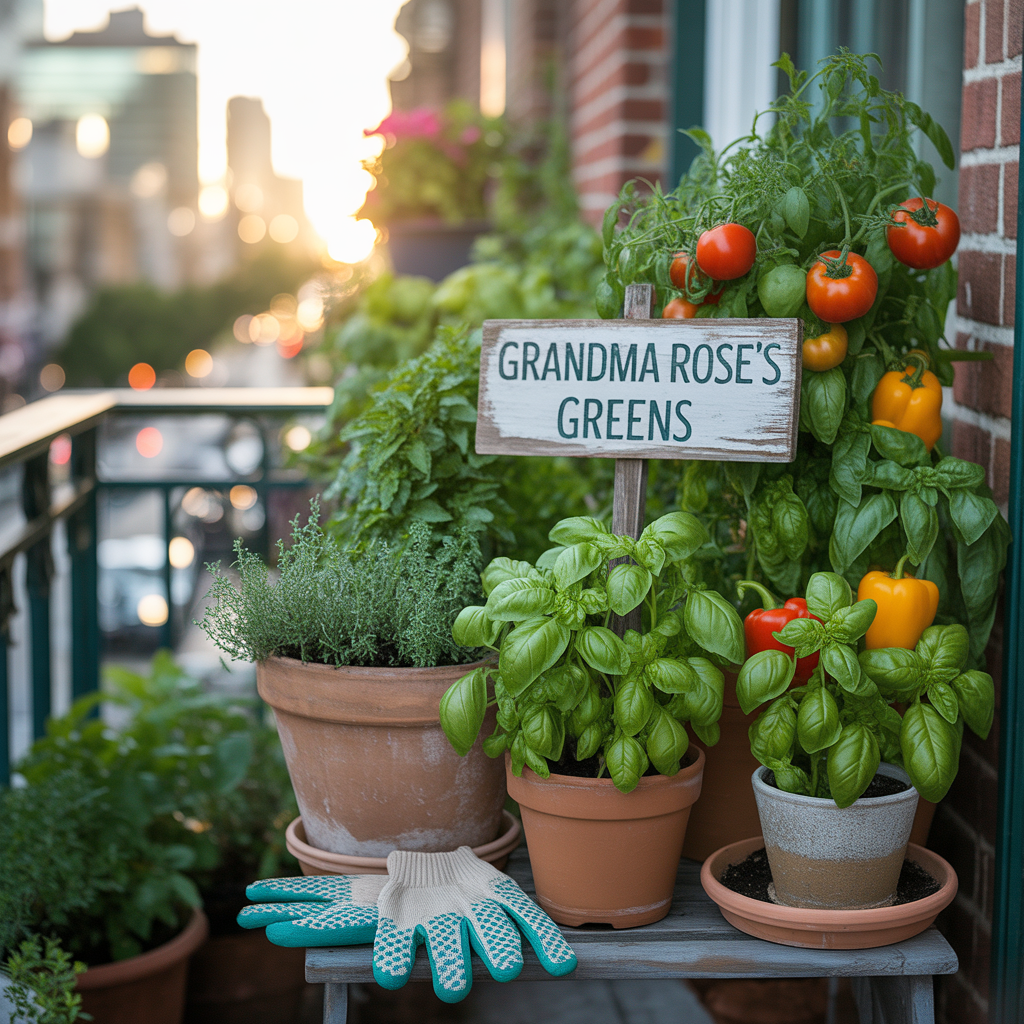
Take Action This Week
- Assess your available space and sunlight
- Gather or purchase 2-3 containers with drainage
- Buy quality potting mix and starter plants or seeds
- Plant your first herbs or vegetables
- Establish a daily watering routine
Embrace the Journey
Remember that gardening is a learning process. Some plants will thrive, others may struggle, and that’s perfectly normal. Each season teaches valuable lessons that make you a more skilled gardener. Celebrate successes, learn from challenges, and never stop experimenting with new plants and techniques.
Join the Community
Connect with fellow urban gardeners through online forums, social media groups, and local gardening clubs. Share your successes, ask questions, and learn from others’ experiences. The urban gardening community is welcoming, supportive, and always eager to help newcomers succeed.
With creativity, the right techniques, and consistent care, even the tiniest balcony can transform into a productive green oasis. Vertical growing systems, innovative DIY planters, and space-maximizing strategies allow you to grow an impressive variety of herbs, vegetables, and flowers regardless of square footage. The joy of harvesting sun-warmed tomatoes, snipping fresh herbs for dinner, or watching pollinators visit your flowers makes every bit of effort worthwhile.
Your urban garden awaits—start today, grow abundantly, and discover the profound satisfaction of cultivating life in the heart of the city. Transform your small space into a thriving green sanctuary that nourishes both body and soul. The journey from tiny seed to abundant harvest begins with a single container and the courage to try.
Connect and Share Your Urban Garden Journey
Join the thriving community of urban gardeners transforming small spaces into productive green havens. Share your container garden successes, creative DIY planter projects, and harvest photos using these hashtags to inspire others and connect with fellow city gardeners around the world.
#UrbanGardening
#ContainerGardening
#SmallSpaceGarden
#DIYPlanters
#BalconyGarden
#VerticalGarden
#UrbanFarming
#CityGardening
#GrowYourOwnFood
#TinyYardGardening
These hashtags help you discover inspiration, troubleshoot challenges, and celebrate harvests with thousands of urban gardeners worldwide. Whether you’re documenting your first seedlings or showcasing an abundant balcony harvest, your journey can inspire others to start their own container gardens.
Tag your posts to contribute to the growing movement of urban agriculture, sustainable living, and reconnecting with nature in city environments. Every shared photo and success story encourages another city dweller to transform their small space into a thriving garden.
Ready to grow? Start your urban container garden today and join millions of city gardeners cultivating fresh food, beautiful flowers, and green spaces one container at a time. Your small space has unlimited potential—discover it now!
 NellyWorld
Leave a comment