Designing meaningful practices that nurture the soul amid technological distractions.
Introduction: The Quest for Sacredness Amid Digital Distraction

In an era dominated by screens and constant connectivity, finding moments of spiritual depth can feel increasingly elusive. Our smartphones buzz with notifications, our calendars overflow with virtual meetings, and our attention fragments across countless digital platforms. Yet within this technological maelstrom, the human soul still yearns for connection, meaning, and transcendence—the very essence of what sacred spaces have always provided.
Throughout history, sacred spaces have offered refuge from the mundane world, serving as portals to deeper meaning and spiritual renewal. Ancient temples, quiet forest groves, mountain sanctuaries, and cathedral alcoves all provided physical boundaries that separated the ordinary from the extraordinary. These were places where people could step away from daily concerns and commune with something greater than themselves, whether through prayer, meditation, ritual, or simple contemplative silence.
Today, technology both challenges and reshapes these traditional concepts of sacred space. The digital revolution has democratized access to spiritual teachings, connected global communities of seekers, and made wisdom traditions available at our fingertips. Yet this same technology threatens to erode the very boundaries that made sacred spaces powerful—the quiet, the solitude, the freedom from distraction that allows for genuine spiritual encounter.
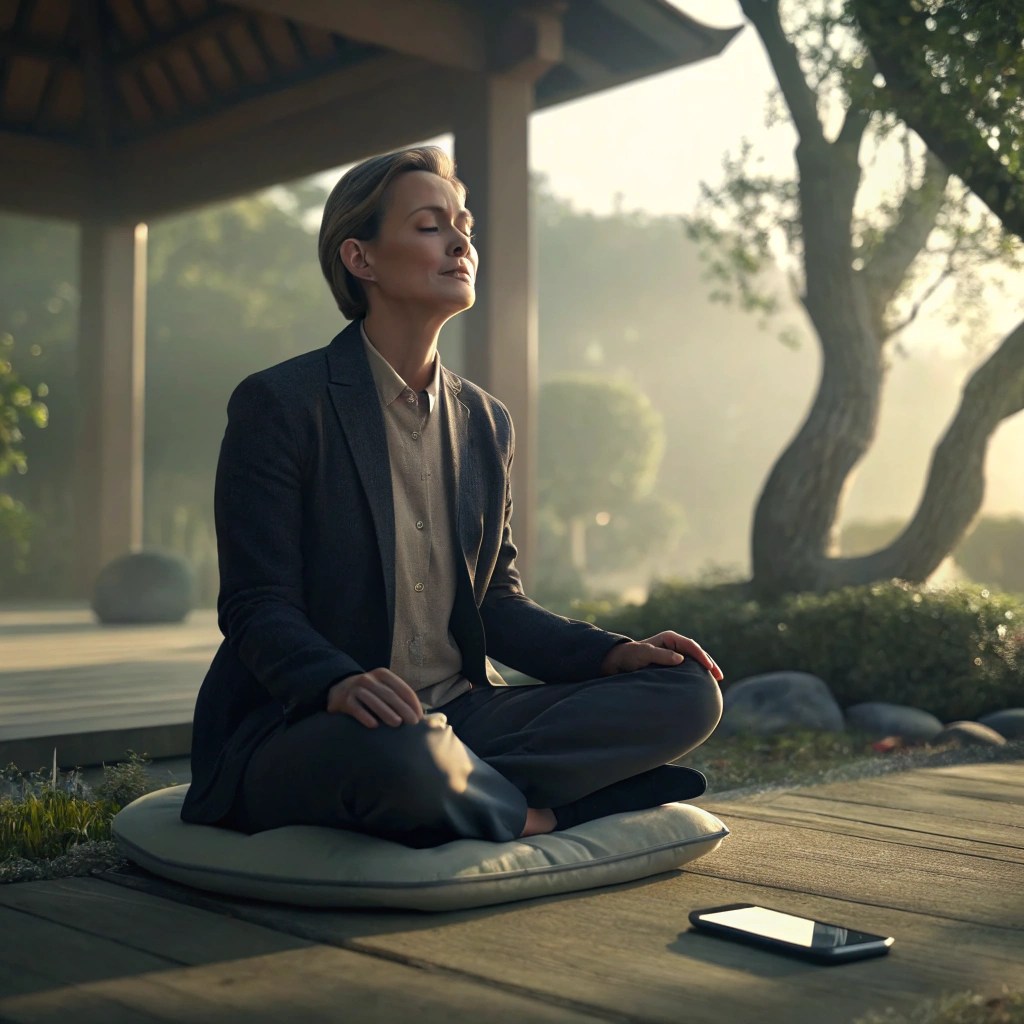
This tension between technological progress and spiritual depth isn’t insurmountable. Rather, it invites us to reimagine what sacredness means in the modern world and to design intentional practices that honor both our connected lives and our need for transcendent experience. This article explores how to create meaningful personal rituals and sacred spaces that nurture the soul not despite digital distractions, but in thoughtful relationship with them. We’ll discover that the sacred isn’t lost in our digital age—it simply requires more conscious cultivation, more deliberate boundaries, and more creative integration of ancient wisdom with contemporary life.
The Challenge
Constant digital connectivity fragments our attention and makes sustained spiritual practice difficult
The Opportunity
Technology offers unprecedented access to spiritual resources and global communities of practice
The Path Forward
Intentional design of personal rituals that honor both connection and contemplation
What Is a Sacred Space? Tradition Meets Modernity
Understanding what makes a space “sacred” requires examining both historical traditions and contemporary interpretations. Traditionally, sacred spaces were physical locations set apart from ordinary life—places specifically designated for worship, meditation, pilgrimage, or communion with the divine. These included magnificent structures like cathedrals and mosques, natural settings like holy mountains and sacred groves, and simple designated areas like home shrines or prayer corners. What united these diverse spaces was their intentional separation from the profane world of daily activity.
The French sociologist Émile Durkheim, in his foundational work on religion, argued that sacred spaces are fundamentally distinguished by the rituals performed within them and the collective sense of holiness they inspire. According to Durkheim, societies create sacred spaces by establishing clear boundaries between the ordinary and the divine—boundaries maintained through specific behaviors, prohibitions, and ceremonial practices. A church becomes sacred not merely through its architectural beauty but through the repeated acts of worship, the reverent behavior of congregants, and the shared belief in its spiritual significance.
In our contemporary context, however, the definition of sacred space has evolved and expanded. While physical location remains important, sacredness is increasingly understood as something created through personal experience, emotional attachment, and intentional practice rather than institutional designation alone. A corner of your bedroom can become profoundly sacred if you consistently use it for meditation and imbue it with personal meaning. A walking path through your neighborhood can transform into sacred ground if you walk it with mindful intention and spiritual openness.

Traditional Sacred Spaces
Physically designated locations like temples, churches, mosques, and natural holy sites
Ritual Boundaries
Spaces defined by repeated ceremonial practices and collective reverence
Personal Sacredness
Modern understanding emphasizes individual meaning-making and intentional practice
Elements That Create Sacredness
- Physical boundaries that separate sacred from ordinary space
- Symbolic objects that carry spiritual meaning and memory
- Repeated rituals that sanctify the space through consistent use
- Sensory elements like light, scent, or sound that signal transition
- Intentionality in approaching and using the space
- Personal or collective meaning invested through experience

This democratization of sacred space carries profound implications. It means you don’t need permission from religious authorities to create a sacred space—you can design one yourself, drawing on whatever traditions, symbols, and practices resonate with your spiritual journey. A home altar adorned with photographs of ancestors, natural objects collected on meaningful walks, and candles lit during meditation can become as spiritually powerful as any institutional sacred site. The key lies not in the grandeur of the space but in the consistency of your practice and the depth of meaning you bring to it.
The Digital Transformation of Sacred Spaces
The digital revolution has fundamentally reshaped how we experience and create sacred spaces, blurring the traditional boundaries between the sacred and the profane in ways both liberating and challenging. Where once sacred spaces were defined by physical removal from daily life—the monastery walls, the temple courtyard, the quiet sanctuary—digital technology has brought spiritual practices directly into our homes, pockets, and daily routines. This transformation represents one of the most significant shifts in religious and spiritual life since the printing press.

The Democratization of Spiritual Access
Online worship services have exploded in popularity, accelerated by the COVID-19 pandemic but extending far beyond it. Virtual congregations now gather across continents, transcending geographical limitations that once confined spiritual communities. Meditation apps like Headspace, Calm, and Insight Timer offer guided practices from master teachers to millions of users worldwide, making techniques once available only to dedicated practitioners accessible to anyone with a smartphone.
Perhaps most intriguingly, artificial intelligence has entered the spiritual arena. AI chatbots now serve as spiritual conversation partners, offering biblical interpretations, answering theological questions, and even providing personalized guidance. While no substitute for human wisdom and relationship, these tools provide immediate access to spiritual resources in moments of questioning or need.
The Challenge to Authenticity
Yet this digital transformation comes with significant challenges. Research on digital religious practices reveals concerns about authenticity, depth of participation, and the quality of ritual experience in virtual settings. Can a Zoom prayer circle carry the same sacred power as gathering in person? Does liking a spiritual Instagram post constitute genuine engagement or merely spiritual consumerism?
The instantaneous nature of digital spirituality can dilute the patience and persistence that deeper spiritual growth requires. When wisdom is available at a click, do we lose the formative power of seeking, questioning, and wrestling with difficult truths over time?
Pre-Digital Era
Sacred spaces clearly separated from daily life through physical boundaries and institutional structures
Early Digital Integration
Religious institutions begin offering online resources, broadcasts, and digital versions of texts
Mobile Revolution
Smartphones bring spiritual practices into constant availability through apps and social media
AI Era
Artificial intelligence offers personalized spiritual guidance and conversation
Hybrid Future
Emerging integration of physical and digital practices in new forms of sacred space
Research on digital religion reveals a more nuanced picture than simple decline or progress narratives suggest. Studies show that virtual sacred spaces can indeed foster genuine community, meaningful ritual, and spiritual growth—but they require intentional design and active participation. A teleconference meditation session becomes sacred not simply by happening online but through shared intention, ritual structure, consistent practice, and authentic connection among participants.
“Digital spaces can form new kinds of sacred communities that transcend physical boundaries, yet they challenge us to be more intentional about authenticity, participation, and ritual depth than ever before.”
The key insight emerging from this digital transformation is that technology itself is neither sacred nor profane—it’s a tool that amplifies our intentions. Used mindfully, digital platforms can extend and enhance spiritual practice. Used carelessly, they can fragment attention and substitute superficial engagement for genuine transformation. The question isn’t whether to embrace or reject digital spirituality, but how to design practices that leverage technology’s benefits while maintaining the depth, authenticity, and relational connection that characterize meaningful spiritual life.
Designing Personal Rituals in a Tech-Saturated World
Rituals are the lifeblood of sacred spaces—they’re what transform ordinary locations into vessels of meaning and spiritual power. In a world saturated with technology and characterized by constant interruption, deliberately designed personal rituals become even more essential. They create islands of intentionality in an ocean of distraction, anchoring us in practices that engage body, mind, and spirit in integrated wholeness.

What makes a practice a ritual rather than merely a habit? Rituals carry symbolic meaning beyond their functional purpose. While a habit might be brushing your teeth efficiently before bed, a ritual involves conscious intention, sensory engagement, and emotional or spiritual significance. Lighting a candle before meditation isn’t just about illumination—it’s a symbolic act of awakening inner light, marking the transition from ordinary to sacred time. The gesture carries meaning that accumulates with repetition, becoming a gateway to deeper states of awareness.
Physical Boundaries
Create clear spatial markers that signal entry into sacred time and space—a special cushion, a designated corner, a particular chair. Your nervous system learns to recognize these cues and shifts accordingly.
Sensory Engagement
Involve multiple senses to deepen presence: the scent of incense or essential oils, the texture of prayer beads or smooth stones, the sound of a bell or gentle music, the play of candlelight or natural illumination.
Personal Meaning
Incorporate objects, words, or gestures that connect to your unique spiritual journey—photographs of loved ones or teachers, heirlooms with history, natural items collected from meaningful places, texts that speak to your soul.
Simple Rituals for Daily Practice
The beauty of personal rituals lies in their simplicity and repeatability. You don’t need elaborate ceremonies or expensive materials to create meaningful sacred practice. Consider these accessible approaches:
- Morning intention setting: Light a candle and spend three minutes setting an intention for your day
- Mindful breathing breaks: Set phone alarms for three daily pauses where you take five conscious breaths
- Gratitude journaling: Write three specific things you’re grateful for before bed
- Digital sunset: Create a ritual for ending screen time each evening—perhaps with gentle stretching or tea
- Weekend nature connection: Walk the same path weekly, noting seasonal changes with reverent attention
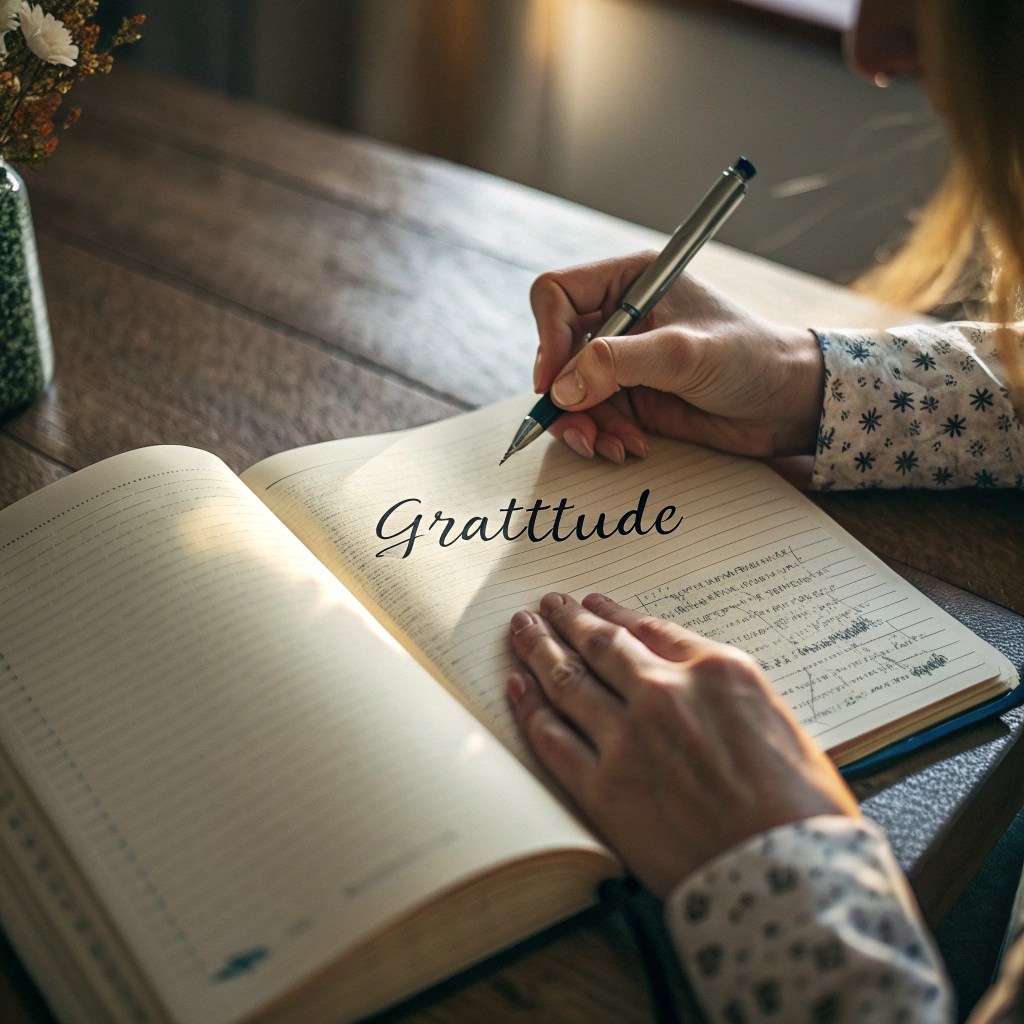
Environmental psychology confirms what spiritual traditions have long known: designated sacred spaces significantly improve mental well-being, emotional processing, and stress reduction. Research shows that having a consistent place for contemplative practice creates powerful associations in the brain. Over time, simply entering your sacred space begins triggering the psychological and physiological benefits of the practice itself—your breathing naturally deepens, your mind begins to quiet, your body relaxes into receptive awareness.
Choose Your Space
Select a specific, consistent location—even just a corner or chair
Gather Meaningful Objects
Collect items that carry personal or spiritual significance
Engage the Senses
Add elements of light, scent, texture, or sound
Establish Timing
Practice at consistent times to build neural pathways
Repeat Consistently
Allow the ritual to deepen through regular practice
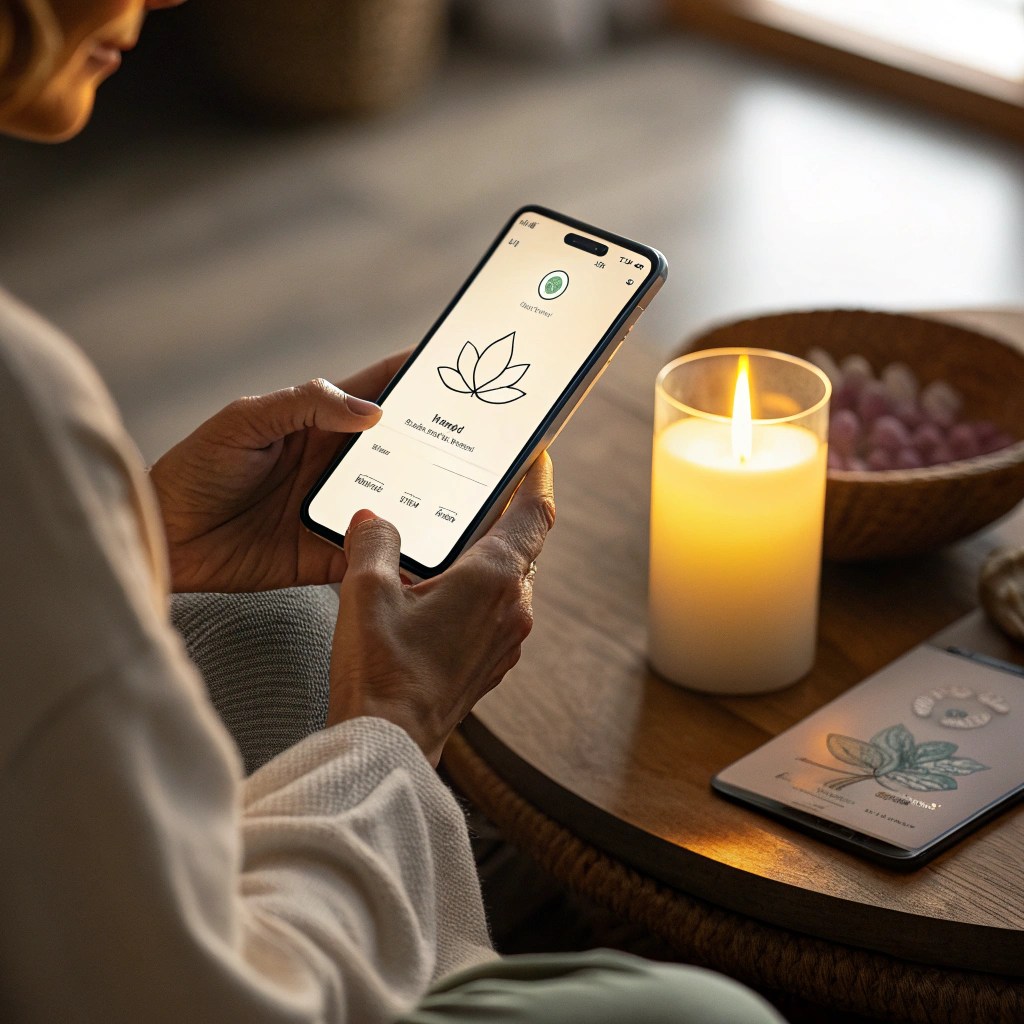
The relationship between ritual and technology deserves special attention. Rather than viewing technology as antithetical to sacred practice, consider how it might be integrated mindfully. A meditation app can serve as a gentle bell to begin practice. A digital journal can become a sacred text of your spiritual journey. A phone timer can help maintain discipline without constant clock-watching. The key is intentionality—using technology as a tool that serves your ritual rather than allowing it to dominate or interrupt the sacred space you’re creating.
Remember that rituals need not be elaborate to be powerful. Start small, be consistent, and trust the process of repetition. A single candle lit daily with full presence becomes infinitely more meaningful than an elaborate ceremony performed sporadically. The sacred grows in the fertile soil of regular attention, simple gestures repeated with love, and the gradual deepening that comes only through showing up again and again to the practice you’ve chosen.
Balancing Technology and Spiritual Depth: Challenges and Opportunities
The Double-Edged Sword of Digital Spirituality
Technology presents a paradox for spiritual seekers: it offers unprecedented access to teachings, teachers, and communities while simultaneously threatening the sustained attention and contemplative depth that spiritual growth requires. Understanding this tension is essential for anyone seeking to cultivate meaningful sacred practice in the digital age.
On one hand, technology democratizes spiritual access in remarkable ways. A person living in a remote area can now join a live meditation session led by a renowned teacher thousands of miles away. Someone questioning their faith can explore diverse theological perspectives through podcasts, online courses, and virtual discussion groups. Apps provide structure and guidance for those just beginning contemplative practice, offering the kind of instruction that once required finding a local teacher or joining an established community.
Yet these same tools can foster spiritual isolation if used without conscious attention to community and reflection. The algorithms that surface spiritual content prioritize engagement over depth, potentially creating echo chambers that reinforce existing beliefs rather than challenging us to grow. The ease of clicking to the next teacher or teaching can prevent the sustained engagement with a single tradition or practice that allows for genuine transformation. As one spiritual director noted, “You can’t download enlightenment, and you can’t shortcut the patient work of spiritual formation.”
Accessibility Challenge
Technology makes spiritual resources widely available but can overwhelm seekers with too many options and competing approaches, leading to spiritual consumerism rather than committed practice.
Community Challenge
Digital platforms enable global spiritual communities but often lack the depth of embodied, face-to-face relationships that provide accountability, nuanced guidance, and genuine belonging.
Depth Challenge
AI can answer spiritual questions instantly but lacks the dialogic depth, lived wisdom, and earned trust found in relationships with human teachers and long-term practice.
The emergence of AI as a spiritual conversation partner deserves particular attention. Tools like ChatGPT can provide thoughtful responses to theological questions, suggest personalized spiritual practices, and even offer empathetic listening in moments of crisis. These capabilities are genuinely valuable, particularly for those without access to human spiritual guidance. However, they cannot replace the relational dimension that lies at the heart of most spiritual traditions. As religious studies scholar Kate Bowler observed, “Wisdom isn’t just information—it’s earned through lived experience, refined through community testing, and transmitted through trusted relationships.”
Best Practices for Tech-Enabled Spirituality
- Use apps for structure and timing, not as substitutes for presence
- Join online groups that prioritize interaction over passive consumption
- Balance digital exploration with commitment to one or two core practices
- Seek human mentorship alongside AI resources
- Create technology-free zones within your sacred practice
- Use social media to inspire rather than replace actual practice
“The goal is not to reject technology but to use it intentionally—as a tool that serves your spiritual deepening rather than distracts from it. Let technology be the vehicle, not the destination.”
Research on religious community emphasizes the irreplaceable value of embodied, committed relationships for spiritual formation. Spiritual leaders across traditions stress the importance of community dialogue, shared practice, and critical reflection that deepens over time through trust and mutual accountability.
Perhaps the most powerful approach is to view technology as an amplifier of intention. When used to support committed practice, connect with authentic community, and provide structure for discipline, digital tools can genuinely enhance spiritual growth. The key lies in maintaining what contemplative traditions call “discernment”—the ability to distinguish between what truly serves your spiritual deepening and what merely provides the illusion of progress. This requires regular honest reflection: Am I using this app to deepen my practice or to avoid the discomfort of unstructured meditation? Is this online community challenging me to grow or simply confirming what I already believe? Does this AI conversation prompt genuine insight or just satisfy intellectual curiosity?
By asking these questions regularly and adjusting our practices accordingly, we can harness technology’s benefits while preserving the depth, authenticity, and relational connection that characterize transformative spiritual life.
Case Studies: Sacred Spaces and Rituals in Contemporary Life
Understanding how sacred spaces and rituals function in contemporary life is best approached through concrete examples. The following case studies illustrate diverse approaches to creating meaningful spiritual practice amid digital-age challenges. Each demonstrates how individuals and communities are innovatively blending tradition with technology, physical with virtual, and personal with communal dimensions of sacred experience.

Home Altars: Personal Sanctuaries
Maria, a software engineer, created a sacred corner in her apartment using a small shelf adorned with smooth river stones collected during meaningful walks, a plant that requires daily tending, family photographs, and a candle lit each morning during a brief meditation. This physical anchor grounds her amid demanding digital work, providing a tangible reminder of what matters beyond screens.
Digital Meditation Groups
The “Global Morning Sangha” meets daily at 6 AM via Zoom, connecting practitioners across time zones for 30 minutes of silent meditation followed by brief sharing. Participants report that the accountability and connection transform solitary practice into genuine community, demonstrating that virtual spaces can indeed cultivate authentic sacredness through shared intention and consistent structure.
Hybrid Rituals
After the pandemic, St. Mark’s Church developed “threshold rituals” where congregants light candles at home before joining live-streamed services. This simple practice creates embodied connection between physical and virtual worship, helping participants feel present and engaged rather than merely passive viewers of religious content.
AI-Enhanced Spiritual Exploration: A Balanced Approach
James, a theology student, uses ChatGPT to explore comparative religious perspectives on questions he’s wrestling with, then brings those insights to discussions with his human mentor. He’s discovered that AI excels at providing comprehensive information and diverse viewpoints quickly, while his mentor offers the lived wisdom, personal guidance, and relational depth that AI cannot replicate.
His approach illustrates an emerging best practice: using AI as a research and reflection tool while maintaining human relationships as the primary container for spiritual formation. The AI serves as a catalyst for deeper questions rather than a replacement for the patient, relational work of spiritual direction.
Similarly, the “Digital Dharma” Buddhist community uses AI-generated discussion prompts for their weekly virtual gatherings, but emphasizes that the real spiritual work happens in the authentic sharing and reflection among human participants. Technology structures the conversation; humanity provides its substance.
Physical Anchors
Tangible objects and spaces that ground spiritual practice in embodied reality
Digital Extensions
Technology that amplifies, connects, or structures practice without replacing it
Human Relationships
Authentic community and mentorship that provides depth, accountability, and wisdom
Consistent Ritual
Regular practices that sanctify space and time through repetition and intention
Walking Meditation in Urban Spaces
A particularly inspiring example comes from an urban walking meditation group that meets weekly in a busy city park. Participants silence their phones, place them in pockets, and walk slowly for 45 minutes in mindful awareness of their surroundings. The practice transforms a public park into sacred space through the quality of attention brought to it. One participant described the experience: “We’re not escaping the city—we’re learning to find the sacred within it, to bring contemplative awareness into the everyday world rather than retreating from it.”
This approach demonstrates a crucial insight: sacred space isn’t primarily about location but about the intentionality and awareness we bring to any location. The group’s practice sanctifies ordinary urban space through ritual attention, proving that the sacred and the mundane can coexist when we cultivate the capacity to perceive differently.
“These case studies reveal a common pattern: the most successful contemporary sacred spaces and rituals honor tradition while embracing innovation, balance technology with embodiment, and combine personal practice with authentic community.”
Creating Sacred Spaces for Different Life Stages and Needs
Sacred spaces and rituals aren’t one-size-fits-all—they need to evolve with us through different life stages, circumstances, and spiritual needs. What nourishes the soul of a new parent differs markedly from what serves a young adult establishing independence or an older adult reflecting on a life’s journey. Understanding how to adapt sacred practice to life’s changing rhythms is essential for sustaining spiritual vitality across the lifespan.

New Parents: Honoring Transformation
New parents often struggle to maintain previous spiritual practices amid the demands of infant care. Sacred spaces for this stage might include: a nursing chair designated for gratitude meditation, bedtime rituals that combine baby’s sleep routine with brief prayers, or a “blessing corner” where daily challenges are offered up. The key is integrating spirituality into caregiving rather than viewing them as competing demands.
Young Adults: Intention and Exploration
Young adults navigating career, relationships, and identity often need sacred practices focused on discernment and possibility. Digital vision boards, journaling apps that prompt reflection on values and goals, morning intention-setting rituals before beginning work, and community gatherings that blend social connection with spiritual exploration all serve this demographic’s particular needs and native comfort with technology.
Midlife: Integration and Depth
Middle years often bring questions of meaning, legacy, and authenticity. Sacred spaces might emphasize contemplative depth—longer meditation sessions, retreats (physical or virtual), spiritual direction relationships, creative expression through art or writing, and practices that integrate the shadow aspects of personality that can no longer be ignored.
Older Adults: Reflection and Legacy
Later life naturally turns toward reflection, gratitude, and generativity. Sacred practices might include photo altars honoring life’s journey, storytelling rituals that pass wisdom to younger generations, forgiveness practices, gratitude journaling focused on life’s gifts, and contemplation of mortality that brings peace rather than fear.
Adapting to Circumstances
Beyond developmental stages, life circumstances require flexibility in sacred practice:
- Chronic illness or disability: Practices that work with physical limitations, perhaps emphasizing visualization, prayer, or abbreviated rituals
- Grief and loss: Sacred spaces that honor memory and provide containers for sorrow
- Career transitions: Rituals that mark endings and beginnings with intentionality
- Geographic moves: Portable sacred practices and objects that provide continuity
- Spiritual crisis: Simplified practices that provide stability when belief wavers
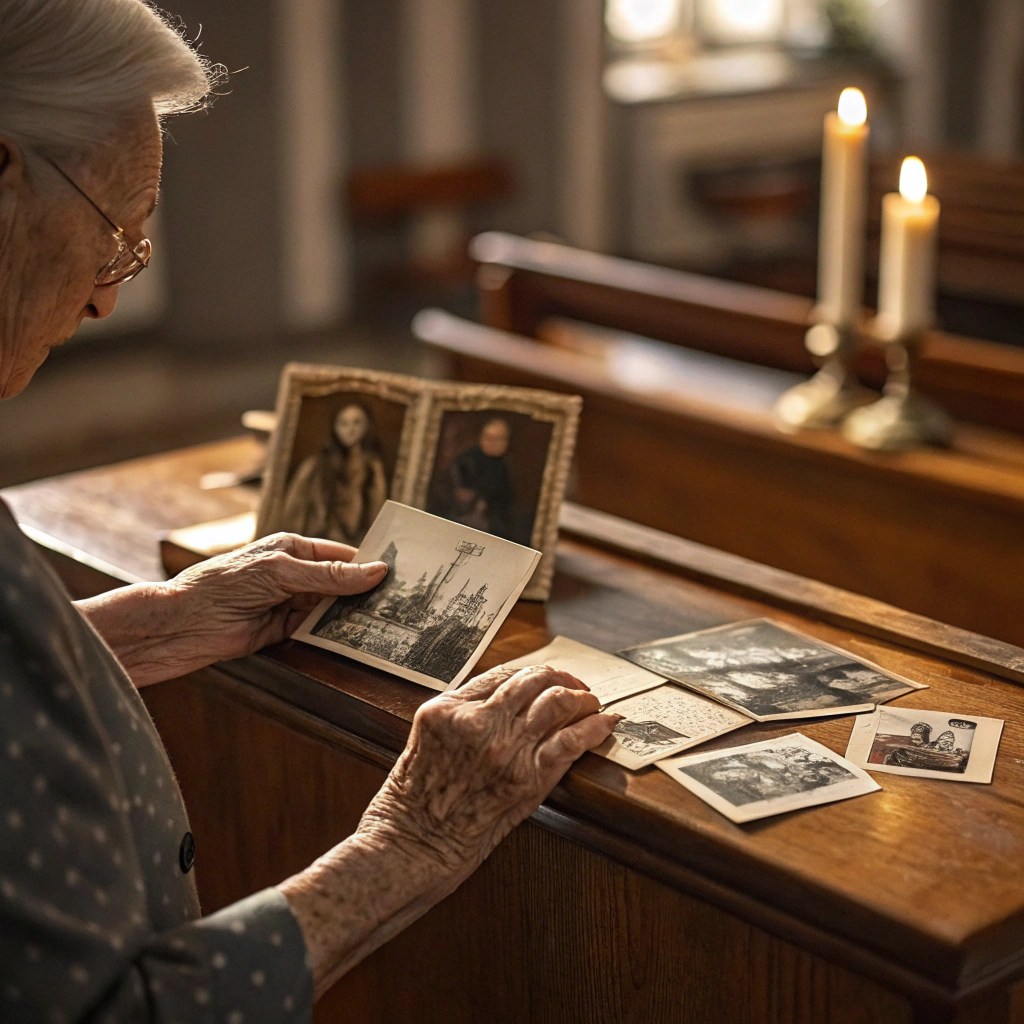
The common thread across all life stages is the need for flexibility and self-compassion. Spiritual practice shouldn’t feel like another obligation to induce guilt when life becomes overwhelming. Instead, sacred spaces and rituals should be refuges that adapt to meet us where we are. This might mean a five-minute practice when you once spent an hour, or a brief prayer when elaborate ritual feels impossible. The sacred responds to sincere intention regardless of duration or elaborateness.
Principle: Flexibility
Your sacred practice should bend with life’s demands rather than break under them
Principle: Self-Compassion
Spiritual practice serves your wellbeing; it’s not another source of should or guilt
Principle: Evolution
What served you in one season may need revision in another—this is natural and healthy
Principle: Core Elements
Identify 1-2 non-negotiable practices that anchor you even when life is chaotic
Consider creating what might be called a “tiered practice”—identifying three levels of engagement with your sacred space. In ideal circumstances, you engage the full practice. When time or energy is limited, you have a streamlined version. In crisis moments, you have a minimal practice that takes just one minute but maintains the thread of connection. This approach honors both your commitment to spiritual growth and the reality that life’s demands fluctuate.
“Sacred spaces mature and evolve just as we do. The goal isn’t rigid consistency but living, breathing practice that grows alongside your own spiritual journey through all of life’s seasons.”
Practical Steps to Build Your Own Sacred Space and Rituals Today
Understanding sacred spaces theoretically is valuable, but the transformative power comes from actually creating and using them. This section provides concrete, actionable steps you can take today to establish your own sacred space and develop meaningful rituals—regardless of your living situation, spiritual tradition, or previous experience with contemplative practice.

Choose a Consistent, Quiet Spot
Begin by identifying a specific location in your home that can become your sacred space. This doesn’t need to be an entire room—a corner, a chair by a window, even a cushion in your closet can work. The key is consistency: using the same space repeatedly builds powerful psychological and spiritual associations. If you live in a small space or share quarters, consider a portable sacred space using a special cloth that you lay out for practice, or even a specific cushion you place in different locations.
Define the Space with Physical Markers
Create clear boundaries that signal “this is sacred space.” This might include: a special cloth or mat, a small table or shelf for meaningful objects, a cushion or chair used only for practice, or even a simple boundary marker like a plant or candle. These physical elements tell your nervous system “we’re entering sacred time” and help your mind transition from ordinary consciousness to contemplative awareness.
Engage Your Senses
Incorporate sensory elements that support presence and signal the sacred. Light a candle or turn on a soft lamp to mark the beginning of practice. Use incense, essential oils, or natural scents that you associate with contemplation. Add texture through smooth stones, soft fabrics, or natural wood. Consider gentle sounds—a singing bowl, soft music, or even silence emphasized by noise-canceling. The more senses involved, the deeper your presence.
Develop Simple, Repeatable Rituals
Create a consistent opening and closing sequence for your sacred time. This might be: three deep breaths while lighting a candle, reading a brief inspirational text, stating an intention aloud, a physical gesture like placing hands over heart, or a simple phrase or prayer. Consistency matters more than complexity. Your ritual might last just 60 seconds before beginning meditation, journaling, or prayer, but it becomes the psychological doorway to sacred space.
Use Technology Mindfully
Determine how technology will serve rather than dominate your sacred practice. Set your phone to “Do Not Disturb” during sacred time, or place it in another room entirely. If using apps for meditation timers or guided practices, choose ones with minimal visual stimulation and no advertisements. Consider using technology for structure and community while keeping the core practice tech-free. For example, join a virtual meditation group but silence notifications and maintain full presence during the actual session.
Reflect and Adjust Regularly
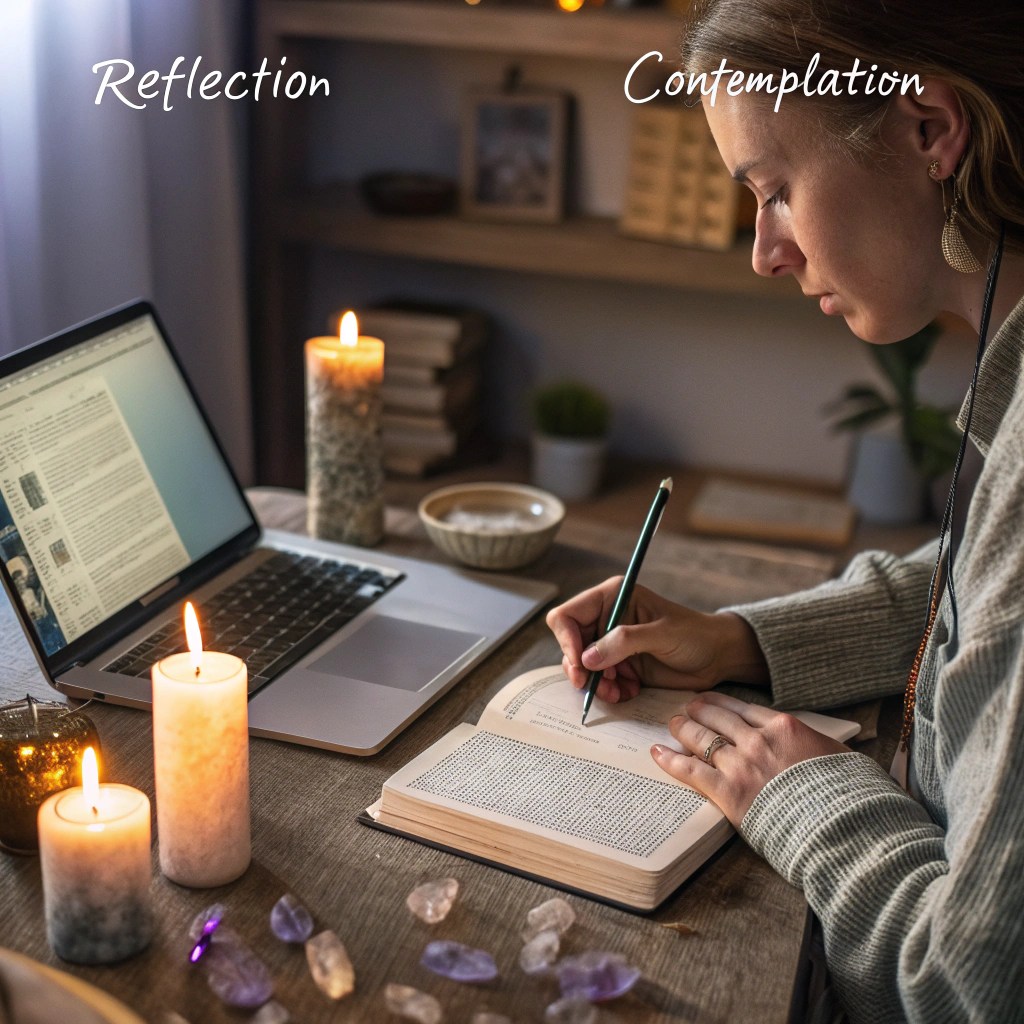
Every few weeks, spend time reflecting on your sacred space and rituals. What’s working? What feels forced or inauthentic? How might you deepen or simplify? Keep a brief journal noting what elements of your practice feel most alive and meaningful. Be willing to experiment and evolve—spiritual practice is a living relationship, not a rigid formula. Notice patterns over time: Do you feel more centered? More connected? More present in daily life? Let these fruits guide your ongoing refinement.
Sample Rituals to Adapt
Morning Intention
- Light a candle
- Take 3 deep breaths
- Read brief inspiration
- Set intention for the day
- Sit in silence 5-10 min
- Blow out candle with gratitude
Evening Release
- Turn off all devices
- Light candle or dim lights
- Journal about the day
- List 3 gratitudes
- Release worries symbolically
- Read poetry or scripture
- Brief meditation
Midday Pause
- Set phone alarm for midday
- Step away from screens
- Go to sacred space (or breathe where you are)
- 5 minutes conscious breathing
- Reset intention
- Return to activity refreshed
Common Pitfall
Waiting for the “perfect” setup or ideal circumstances before beginning—start simple and evolve
Success Factor
Consistency over intensity—five minutes daily beats an hour once a month
Key Insight
Your sacred space reflects your inner landscape—let it be authentic, not Pinterest-perfect
Remember that creating sacred space is both an art and a practice. Be patient with yourself as you discover what works for your unique personality, circumstances, and spiritual orientation. The most important step is simply beginning—choosing a spot, lighting that first candle, sitting in intentional silence. The sacred responds to sincere intention and consistent presence, not to perfection or elaborate preparation. Your willingness to show up, again and again, is what transforms ordinary space into holy ground and simple actions into meaningful ritual.
Start today. Your future self—more grounded, more present, more connected to what truly matters—will thank you for taking this first step toward cultivating sacred space in your digital-age life.
Conclusion: Embracing Sacredness in a Digital World
We stand at a unique moment in human spiritual history—a time when ancient wisdom traditions encounter unprecedented technological change, when sacred practices must evolve without losing their essence, and when the hunger for transcendence remains constant despite radically shifting contexts. The journey explored throughout this article reveals a hopeful truth: sacred spaces and rituals remain not only possible but vital for spiritual growth in our digital age.
Far from being incompatible with technology, authentic spiritual practice can actually help us navigate our tech-saturated world with greater wisdom, intentionality, and balance. By creating designated sacred spaces—whether physical corners in our homes, virtual communities of committed practice, or portable rituals we carry into daily life—we establish refuges of meaning amid the constant noise and distraction of modern existence. These spaces aren’t escapes from reality but anchors that help us engage reality more fully, with greater presence and deeper purpose.

Reclaim Depth
Intentional sacred practices counter the fragmentation of digital life, training attention and cultivating presence that enriches all aspects of living
Restore Connection
Rituals and sacred spaces reconnect us to ourselves, to others, to nature, and to transcendent meaning—relationships technology alone cannot provide
Renew Purpose
Regular engagement with the sacred reminds us what truly matters, providing perspective and priorities that guide choices in an overwhelming world
The Path Forward: Integration, Not Separation
The future of spirituality lies neither in rejecting technology wholesale nor in uncritically embracing every digital innovation. Instead, it requires what we might call “spiritual discernment in the digital age”—the wisdom to distinguish between tools that genuinely serve our spiritual deepening and distractions that merely simulate it.
This integration honors both the timeless human need for sacred encounter and the unprecedented opportunities of our connected world. We can use apps to structure meditation, virtual platforms to access teachers and communities, and AI to explore spiritual questions—while maintaining the depth of embodied practice, authentic relationships, and patient inner work that technology cannot replicate or replace.
“By intentionally designing personal sacred spaces and rituals, we reclaim depth, presence, and connection amid digital noise. We become not victims of technology’s fragmenting effects but conscious creators of lives that honor both innovation and the eternal human hunger for meaning.”
Throughout this exploration, we’ve seen that sacred spaces are defined not primarily by physical grandeur or institutional authority but by the quality of attention, intention, and consistency we bring to them. A corner of your bedroom becomes sacred through repeated ritual. A digital gathering becomes holy through shared commitment and authentic presence. A simple candle-lighting becomes transformative through the symbolic meaning you invest in it over time.
Begin Where You Are
No perfect conditions required—start today with what you have
Practice Consistently
Regular practice beats elaborate but sporadic efforts every time
Seek Community
Balance personal practice with authentic connection to others on the path
Reflect and Evolve
Let your practice grow and change as you do across life’s seasons
Be Gentle
Spiritual practice serves your wellbeing—approach it with self-compassion
Your Invitation: Start Today
This isn’t merely theoretical knowledge to file away—it’s an invitation to immediate action. Today, right now, you can begin creating your sacred space. Choose a corner. Light a candle. Take three conscious breaths. Speak an intention. Sit in silence for just five minutes. These simple acts, repeated with consistency, will gradually transform both your space and your life.
The sacred hasn’t disappeared from our digital world—it’s simply waiting for us to carve out space for it, to approach it with intention, to honor it with regular attention. Technology may be ubiquitous, but it cannot satisfy the soul’s deepest hungers. Only the sacred can do that—the sacred we create through deliberate practice, authentic community, and patient cultivation of presence.
Your sacred space awaits. Your ritual is ready to be born. Your spiritual growth is calling. The only question is: Will you answer that call today? Will you claim this moment to begin—not perfectly, not with all the answers, but with sincere intention and the willingness to show up?
The sacred responds to such sincerity. It always has. It always will.
Begin now. Your soul is waiting.
Hashtags for Social Sharing and SEO
#SacredSpaces #DigitalSpirituality #PersonalRituals #SpiritualGrowth #MindfulLiving #HomeAltar #DigitalReligion #SpiritualPractice #TechAndSpirituality #SacredInTheModernWorld
 NellyWorld
Leave a comment