An insider’s look at the planning, shooting, and editing process of music video production.
Introduction: The Art and Impact of Music Videos
Music videos have evolved from simple promotional tools into sophisticated works of art that define cultural moments and launch careers. In today’s digital landscape, a compelling music video can transform an unknown artist into a global sensation overnight, generating millions of views and creating lasting visual memories that amplify the emotional power of music. These visual narratives serve as powerful storytelling and marketing instruments, allowing artists to express their creative vision while connecting deeply with audiences across multiple platforms.
The journey from initial concept to final cut is a complex, collaborative process involving dozens of talented professionals working in harmony. Understanding this intricate production workflow matters not only for aspiring filmmakers and musicians but also for fans who want to appreciate the artistry and technical mastery behind their favorite videos. Each phase of production—from the spark of creative inspiration through meticulous planning, intense shooting schedules, and detailed post-production work—contributes essential elements to the final masterpiece.
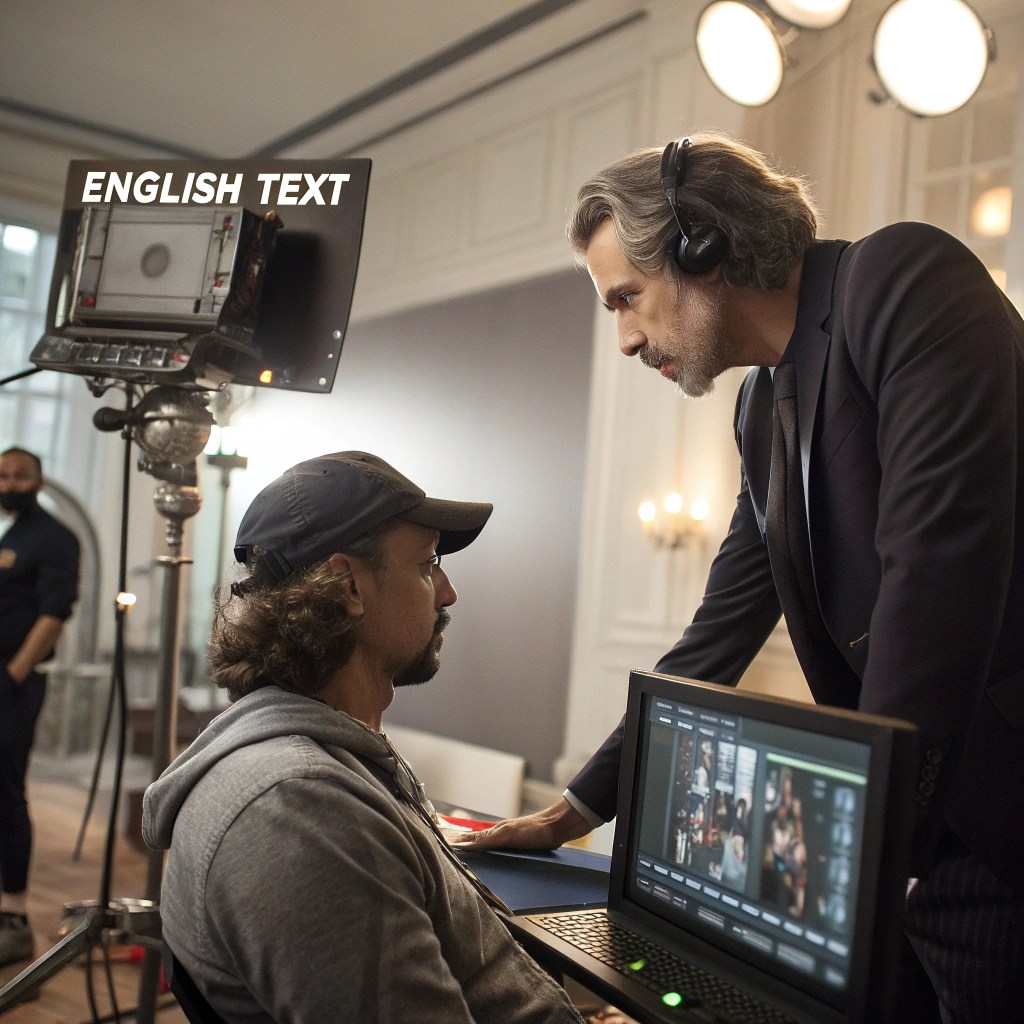
This comprehensive guide pulls back the curtain on professional music video production, revealing the dedication, innovation, and problem-solving required to create visual content that resonates with millions. Whether you’re dreaming of directing your first music video, an artist seeking to understand the process better, or simply curious about how your favorite visuals come to life, this exploration will illuminate every stage of the creative journey. From initial brainstorming sessions where concepts take shape to the final color-corrected frame that millions will watch, we’ll examine the artistry, technology, and human collaboration that makes modern music videos possible.
Section 1: Concept Development and Creative Vision
Initial Collaboration
Directors meet with artists to understand their artistic vision, the song’s emotional core, and desired audience impact
Treatment Development
Creating detailed visual proposals that outline narrative structure, aesthetic style, and shot-by-shot sequences
Vision Refinement
Iterative feedback sessions that shape the final creative direction and ensure alignment with artist branding
The concept development phase represents the creative foundation upon which every successful music video is built. During this critical stage, directors collaborate intensively with artists to define the video’s overarching theme, narrative structure, and visual message. These early conversations explore the song’s lyrical content, the emotions it evokes, and the story the artist wants to tell. A skilled director listens carefully to understand not just what the artist says, but what they feel—translating musical energy into visual concepts that amplify the song’s impact.
The music video treatment serves as the project’s creative blueprint, a detailed document that brings abstract ideas into concrete visual form. This comprehensive proposal typically includes narrative synopsis, scene-by-scene descriptions, visual references, mood boards, and stylistic notes that communicate the director’s vision to the entire production team. A compelling treatment balances artistic ambition with practical feasibility, demonstrating how creative concepts can be executed within budget and timeline constraints. Directors often include reference images from films, photography, or other music videos to help stakeholders visualize the proposed aesthetic.
Industry veterans like Alfredo Flores have mastered the art of translating artist vision into iconic visual experiences. Flores, who has directed numerous videos for superstars including Ariana Grande and Justin Bieber, exemplifies how directors serve as visual storytellers who understand both the technical aspects of filmmaking and the emotional nuances of musical performance. His work demonstrates the importance of building trust with artists, creating safe creative spaces where experimentation flourishes, and maintaining a clear vision throughout the production process. Directors like Flores shape not just individual videos but entire visual identities that define how audiences perceive and connect with artists.
The concept phase also involves crucial decisions about tone, pacing, and symbolism. Will the video feature a linear narrative, abstract imagery, or performance footage? Should it embrace realism or venture into surreal, dreamlike territories? These foundational choices influence every subsequent production decision, from location selection to wardrobe styling. The most memorable music videos emerge when directors and artists achieve true creative synergy, crafting visual experiences that feel authentic to the music while offering fresh, unexpected perspectives that surprise and delight viewers.
Section 2: Pre-Production Planning Essentials
Pre-production represents the logistical backbone of music video creation, where creative vision transforms into actionable plans. This intensive planning phase determines whether ambitious concepts remain fantasies or become stunning realities. Successful pre-production requires meticulous attention to detail, proactive problem-solving, and the ability to coordinate numerous moving parts simultaneously. Directors and producers who excel during this phase set their projects up for smoother shoots and higher-quality final products.
Team Assembly
Recruiting experienced professionals including director, producer, director of photography, production designer, wardrobe stylist, and specialized crew members whose skills match the project’s specific needs
Casting and Location Scouting
Selecting talent that embodies the video’s characters and finding locations that enhance storytelling while fitting budget constraints
Visual Planning
Creating detailed storyboards and comprehensive shot lists that map every scene, camera angle, and visual moment
Budget Management
Allocating resources across equipment, locations, talent, crew, and post-production while maintaining creative quality
Logistics Coordination
Securing permits, scheduling shoot days, renting equipment, arranging transportation, and confirming all technical requirements
Assembling the right team is paramount to production success. The director provides creative leadership, but relies heavily on the producer to manage budgets, schedules, and logistics. The cinematographer (or director of photography) translates visual concepts into technical camera work, lighting schemes, and shot compositions. Production designers create the physical environments, while wardrobe stylists ensure talent looks camera-ready and aligned with the video’s aesthetic. Each crew member brings specialized expertise, and their collaborative chemistry often determines production quality.
Casting talent and scouting locations involves balancing artistic vision with practical realities. Casting directors seek performers who can embody characters authentically while taking direction well under pressure. Location scouts search for spaces that visually enhance the narrative—whether urban rooftops, desert landscapes, ornate mansions, or industrial warehouses. Each location presents unique challenges regarding permits, accessibility, power sources, and environmental factors like weather and noise that must be carefully evaluated.
Budgeting considerations fundamentally shape what’s possible during production. Professional music video budgets typically range from $20,000 for emerging artists to over $300,000 for major label productions, with costs allocated across equipment rentals, location fees, talent payments, crew wages, catering, insurance, and post-production services. Experienced producers maximize production value by strategically allocating resources, negotiating favorable rates, and identifying creative solutions that achieve high-end looks without premium price tags.
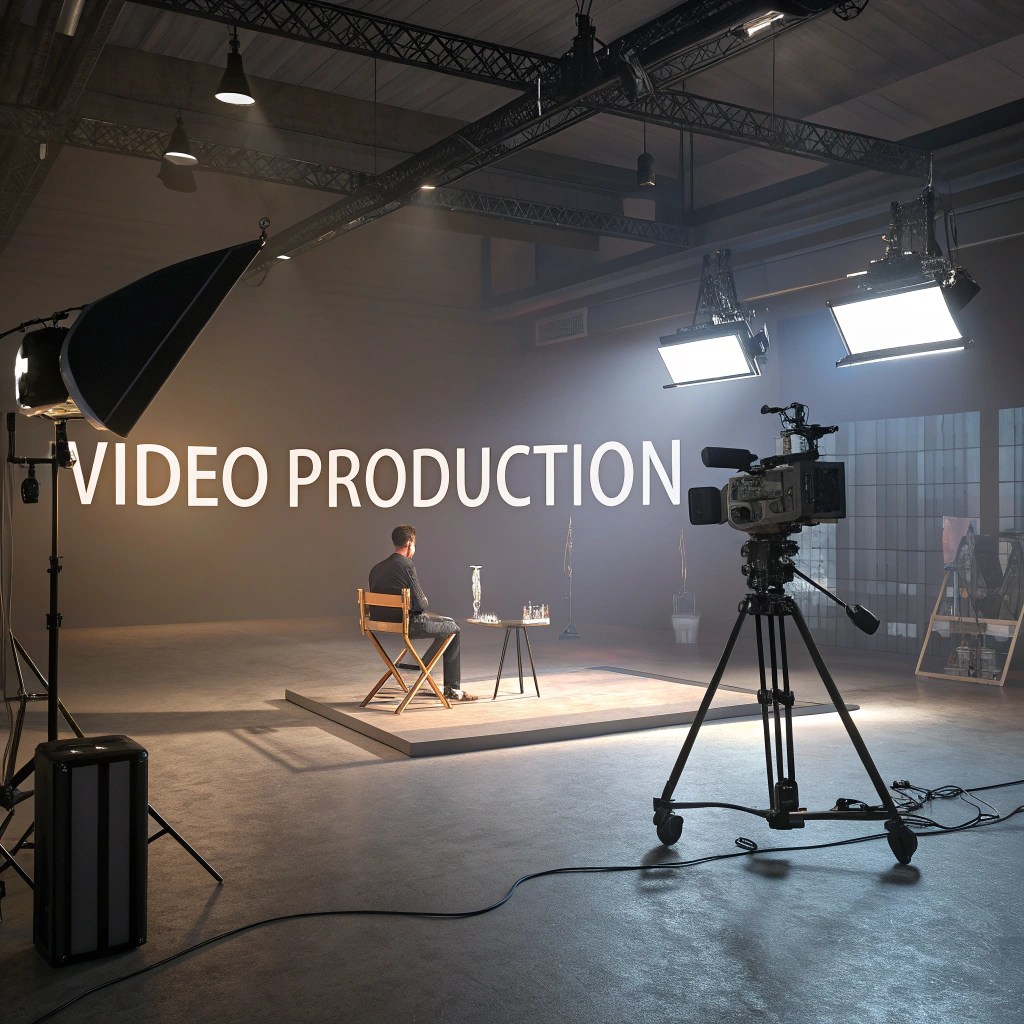
Storyboards and shot lists serve as visual roadmaps that guide the entire production team. Storyboards illustrate key frames showing camera angles, subject positioning, and compositional elements for each scene. Shot lists provide detailed inventories of every required shot, including technical specifications like lens choices, camera movements, and lighting setups. These planning documents ensure nothing gets forgotten during the hectic pace of shooting, help crew members prepare appropriately, and provide backup plans when improvisation becomes necessary. Thorough pre-production planning transforms chaotic potential into organized execution, laying groundwork for creative magic to flourish on set.
Section 3: The Production Phase – Shooting the Video
The production phase transforms months of planning into captured footage, representing the most intense and exhilarating period of music video creation. On-set dynamics require seamless coordination between dozens of professionals working under time pressure to execute the director’s vision. Production days are meticulously orchestrated events where creativity, technical precision, and logistical management converge. Every minute counts, as rental equipment, location permits, and crew availability operate on strict schedules that make efficiency essential.
Call Time
Crew arrives early to set up equipment, test lighting, and prepare locations before talent arrives
First Setup
Initial scene blocking, camera positioning, and lighting adjustments for the day’s opening shots
Principal Photography
Multiple takes capturing performances, coverage angles, and backup shots throughout the day
Meal Break
Scheduled rest period ensuring crew energy and compliance with labor regulations
Wrap
Final shots completed, equipment packed, locations restored, and footage secured
Coordinating on-set logistics demands exceptional organizational skills and clear communication. The first assistant director manages call sheets—detailed schedules specifying when each crew member, actor, and piece of equipment must be ready. These documents outline the day’s shooting order, typically organized by location rather than narrative sequence to maximize efficiency. Meal breaks are strategically scheduled to maintain energy levels while complying with union regulations. Time management becomes crucial as delays cascade, potentially forcing difficult choices about which shots to prioritize or sacrifice.
Capturing dynamic footage requires technical expertise and artistic sensibility. Directors of photography employ multiple camera angles to provide editing flexibility—wide establishing shots convey spatial relationships, medium shots focus on performance and emotion, while close-ups capture intimate details and facial expressions. Lighting setups dramatically influence mood, with soft, diffused light creating gentle, romantic atmospheres while harsh, directional lighting adds drama and tension. Coverage shots—additional angles and takes of each scene—ensure editors have abundant material for constructing compelling sequences.
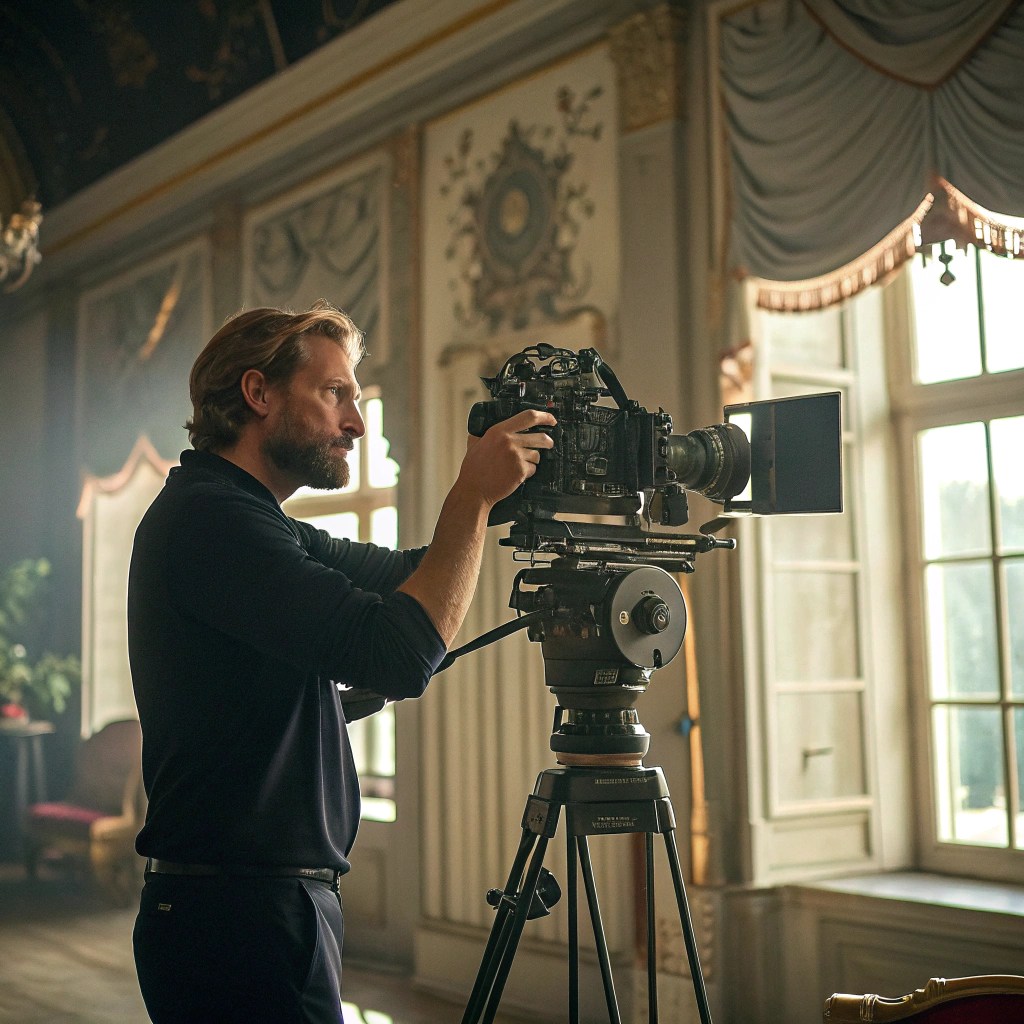
The importance of shooting extra takes cannot be overstated. Even when a take appears perfect, experienced directors capture additional versions with subtle performance variations, different emotional intensities, or alternative camera movements. This abundance provides creative options during editing when initial choices may not flow as smoothly as anticipated. Professional sets embrace the philosophy that you can’t fix what you didn’t capture, making thorough coverage essential insurance against post-production limitations.
Real-world production demands balancing creative ambition with practical constraints. Directors constantly navigate competing pressures—the artist’s performance energy may peak early, requiring schedule adjustments; weather conditions might force rapid location changes; equipment malfunctions can derail carefully planned sequences. Successful directors cultivate adaptability, maintaining creative vision while problem-solving in real-time. They understand that perfect plans rarely survive contact with reality, so flexibility and decisive leadership become as important as technical skills. The ability to inspire crews through long days, coax authentic performances from nervous talent, and make confident creative decisions under pressure separates competent directors from exceptional ones who consistently deliver outstanding results despite inevitable challenges.
Section 4: Post-Production – Editing and Effects
Footage Selection
Reviewing hours of raw footage to identify the strongest performances and most compelling shots
Rough Cut Assembly
Syncing footage to music and creating initial edit structure
Fine Cut Refinement
Polishing transitions, pacing, and performance selections
Visual Enhancement
Color grading and effects integration
Final Delivery
Exporting masters for distribution
Post-production represents where music videos truly come alive, transforming raw footage into polished visual narratives that captivate audiences. This phase demands patience, technical mastery, and artistic sensibility as editors sift through hours of material to construct sequences that enhance the music’s emotional impact. The editing process is both technical and deeply creative, requiring decisions about pacing, rhythm, and visual storytelling that fundamentally shape how viewers experience the final product.
Selecting the best footage requires critical evaluation of countless factors—performance quality, technical execution, emotional authenticity, and visual consistency. Editors review every take, marking favorite moments and identifying potential issues like focus problems, unwanted shadows, or performance inconsistencies. Syncing footage perfectly with the music track is crucial, ensuring lip movements match lyrics precisely and physical movements align with musical beats. Modern editing software provides frame-by-frame precision, but achieving seamless synchronization still requires skilled human judgment and musical sensitivity.
Color grading transforms the video’s mood and visual cohesion, adjusting colors, contrast, and luminance to create specific atmospheric effects. Colorists can make footage appear warm and nostalgic, cool and futuristic, or dramatically stylized. This process ensures visual consistency across shots filmed under different lighting conditions and creates the distinctive “look” that defines a video’s aesthetic identity. Professional color grading elevates production values significantly, making even modestly budgeted videos appear cinematic and polished.
Adding special effects, graphics, and animations expands creative possibilities beyond what cameras captured on set. Visual effects artists can remove unwanted objects, create impossible scenarios, or add fantastical elements that enhance storytelling. Motion graphics overlay text, animated elements, or abstract designs that complement the music’s energy. Modern software enables sophisticated effects once requiring Hollywood budgets, democratizing access to professional-quality visual enhancements for independent creators.
The collaborative review process involves incorporating feedback from multiple stakeholders—artists want to ensure their vision is realized, producers focus on commercial viability, and record labels consider branding and marketing implications. This feedback loop requires diplomatic navigation, as creative opinions often conflict. Skilled editors address concerns while protecting the video’s artistic integrity, finding compromises that satisfy stakeholders without compromising quality. Multiple revision rounds are standard, with each iteration refining details until everyone approves the final cut.
Finalizing the video for distribution involves technical preparation for various platforms. YouTube requires specific file formats and resolutions, while social media platforms like TikTok, Instagram, and Facebook each have unique technical specifications and aspect ratio requirements. Editors create multiple versions—standard horizontal formats for YouTube, vertical formats for mobile-first platforms, and square formats for Instagram feeds. Each version maintains visual quality while optimizing for its intended viewing environment. The final master files undergo quality control checks ensuring audio levels meet broadcast standards, color values don’t exceed technical limits, and the video plays flawlessly across devices and platforms where millions of fans will ultimately experience the completed work.
Section 5: Marketing and Distribution Strategies
Creating a stunning music video represents only half the equation—strategic marketing and distribution determine whether the video reaches its target audience and achieves commercial success. In today’s fragmented media landscape, simply uploading a video to YouTube no longer guarantees visibility. Sophisticated marketing campaigns coordinate across multiple platforms, leverage influencer partnerships, and create anticipation through carefully timed content releases that maximize engagement and viral potential.
Platform Optimization
Tailoring content and release strategies for YouTube, TikTok, Instagram, and emerging platforms where target audiences spend time
Influencer Partnerships
Collaborating with content creators who amplify reach through authentic endorsements and creative integration
Teaser Content
Building anticipation through behind-the-scenes footage, countdown posts, and strategic preview clips
Leveraging music videos to boost song popularity and artist branding requires integrated strategies that extend beyond the video itself. Smart marketing teams create content ecosystems around video releases—behind-the-scenes documentaries that humanize the creative process, lyric videos that maintain momentum between official releases, and user-generated content challenges that encourage fan participation. These complementary assets keep audiences engaged, drive repeated views, and create multiple entry points for discovering the artist’s work.
Social media teasers generate crucial pre-release buzz that primes audiences for the video’s premiere. Short clips showcasing visually striking moments, cryptic images hinting at the video’s theme, or countdown graphics build anticipation and encourage fans to mark premiere dates. Instagram Stories, TikTok snippets, and Twitter threads create conversational momentum as fans speculate about the video’s content. The most effective campaigns treat the release not as a single event but as an unfolding narrative that keeps audiences engaged across multiple touchpoints.
Case Study: Viral Success
Lil Nas X’s “Montero (Call Me By Your Name)” exemplifies how bold creative choices combined with strategic marketing create cultural phenomena. The video’s provocative imagery generated massive conversation, while the artist’s savvy social media engagement transformed controversy into marketing gold. By releasing limited edition products tied to the video, creating making-of content, and directly engaging with online discussions, the campaign achieved over 400 million views within months while significantly boosting song streaming numbers and solidifying the artist’s brand identity as fearlessly authentic.
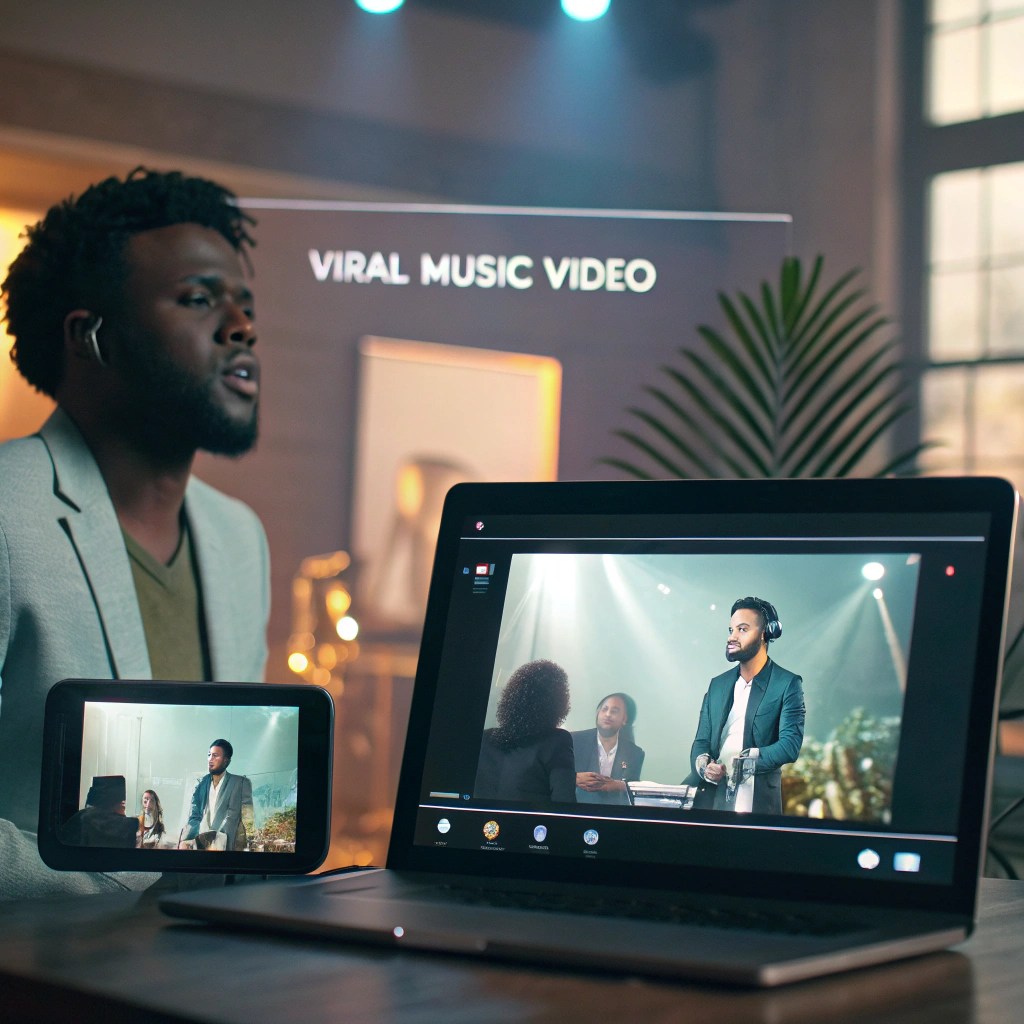
Influencer partnerships extend reach beyond an artist’s existing fanbase by tapping into established communities. Micro-influencers with highly engaged niche audiences often deliver better conversion rates than mega-celebrities. Strategic partnerships might involve influencers creating reaction videos, choreographing dances to the song, or incorporating the music into their content. These collaborations feel organic rather than promotional, making audiences more receptive to discovering new music through trusted sources.
Distribution timing significantly impacts success. Releasing videos during optimal windows when target audiences are most active online—typically midweek mornings in major markets—maximizes initial engagement that algorithms reward with increased visibility. Coordinating releases with touring announcements, album drops, or cultural moments creates synergistic momentum. The modern music video succeeds not through production quality alone, but through strategic distribution that transforms creative content into cultural conversations that propel artists toward greater recognition and commercial success.
Section 6: Challenges and Solutions in Music Video Production
Budget Constraints
Challenge: Limited funds restricting creative ambitions and forcing difficult compromises on production quality
Solution: Maximize production value through resourcefulness—negotiate equipment rentals, utilize talented student crews, find free locations, and focus resources on hero shots that define the video’s visual identity
Location Issues
Challenge: Permits denied, weather disruptions, or locations appearing different than expected on camera
Solution: Scout multiple backup locations, maintain flexible shooting schedules, develop contingency plans for indoor alternatives, and cultivate relationships with location owners who accommodate last-minute changes
Tight Deadlines
Challenge: Compressed production timelines leaving insufficient time for proper planning, shooting, or post-production refinement
Solution: Prioritize essential shots through ruthless shot list editing, employ efficient multi-camera setups, and leverage existing assets like stock footage or pre-built effects to accelerate post-production workflows
Music video production inevitably encounters obstacles that test creativity, resilience, and problem-solving abilities. Even meticulously planned projects face unexpected challenges—equipment failures during critical shots, talent arriving late disrupting carefully scheduled sequences, or weather conditions rendering outdoor locations unusable. The difference between abandoned projects and successful completions often lies not in avoiding problems but in responding to them with resourceful solutions and maintaining forward momentum despite setbacks.
Budget constraints represent perhaps the most common and persistent challenge facing music video creators, particularly independent artists and emerging directors. Financial limitations can feel creatively stifling, forcing producers to scale back ambitious concepts or compromise on production quality. However, experienced professionals view budget constraints as creative catalysts rather than insurmountable barriers. Some of the most memorable music videos achieved iconic status through innovative solutions to financial limitations, proving that compelling storytelling and distinctive visual styles matter more than expensive production values.
Location issues can derail even well-planned productions. Permits get denied due to bureaucratic complications, property owners withdraw permission at the last moment, or locations that appeared perfect during scouting present unexpected challenges during actual filming. Weather remains an uncontrollable variable—rain, extreme heat, or harsh winds can make outdoor shooting miserable or technically impossible. Smart producers anticipate these possibilities by maintaining extensive backup location lists, building weather contingencies into shooting schedules, and developing flexible mindsets that embrace improvisation when original plans become unfeasible.
Tight deadlines compress already demanding workflows, forcing difficult prioritization decisions. Record labels often demand quick turnarounds to capitalize on promotional windows, leaving insufficient time for thorough pre-production or thoughtful post-production refinement. Directors must identify which elements are non-negotiable versus which can be simplified without compromising the video’s core vision. Efficient workflow strategies—like shooting with multiple cameras simultaneously to capture more coverage faster, or employing proven templates for effects rather than creating custom solutions—help maintain quality despite time pressures.
Breaking into the competitive music video industry presents its own challenges for emerging directors. The field is crowded with talented creators competing for limited opportunities, and established artists naturally gravitate toward directors with proven track records. Aspiring directors overcome these barriers through persistent networking, creating spec videos that demonstrate their capabilities, and cultivating relationships with emerging artists whose careers can grow alongside theirs. Attending industry events, engaging genuinely on social media, and consistently producing quality work even without compensation builds reputations and opens doors. Success in music video production demands equal parts creative talent, business acumen, and unwavering persistence through inevitable rejections and setbacks. Those who persevere, continuously improve their craft, and maintain professional relationships eventually create opportunities that transform aspirations into sustainable careers.
Section 7: The Future of Music Videos – Trends and Innovations
The music video industry stands at a technological and creative crossroads, with emerging innovations fundamentally reshaping how visual content gets conceived, produced, and consumed. Traditional production methods are rapidly evolving as creators embrace cutting-edge tools that expand creative possibilities while often reducing costs and complexity. Understanding these trends helps aspiring directors position themselves at the forefront of the medium’s evolution, while established professionals must adapt to remain relevant in an increasingly competitive and technologically sophisticated landscape.
Virtual Production Revolution
LED wall technology and real-time rendering engines allow filmmakers to create elaborate digital environments in-studio, eliminating expensive location shoots while providing unprecedented creative control over backgrounds, lighting, and atmospheric effects
AI-Enhanced Creativity
Artificial intelligence tools assist with everything from automated editing suggestions and intelligent color matching to generating visual effects and even creating entirely synthetic footage that seamlessly integrates with live-action elements
Mobile-First Formats
Vertical video formats optimized for smartphone viewing dominate social platforms, requiring directors to reimagine composition, framing, and storytelling for portrait-oriented screens where most audiences now consume content
Interactive Experiences
Emerging platforms enable viewers to influence video narratives, explore 360-degree environments, or engage with augmented reality elements that blur boundaries between passive viewing and active participation
Virtual production represents perhaps the most transformative technological advancement in recent years. This approach, popularized by shows like “The Mandalorian,” uses massive LED walls displaying photorealistic digital environments instead of traditional green screens. The technology offers numerous advantages—actors perform in visually complete environments rather than imagining surroundings, lighting naturally reflects off LED surfaces creating realistic illumination, and directors see final compositions in real-time rather than waiting for post-production. While initial setup costs remain substantial, the technology eliminates expensive location fees, travel expenses, and weather-related delays, making ambitious visual concepts more accessible.
Integration of CGI and special effects continues becoming more sophisticated and affordable. Cloud-based rendering services allow independent creators to access computational power once available only to major studios. Pre-built asset libraries provide ready-made 3D models, particle effects, and animation tools that accelerate production timelines. As these technologies mature, the visual distinction between multi-million dollar productions and ambitious independent projects continues narrowing, democratizing high-end visual storytelling.

Artificial intelligence is transforming multiple aspects of production and post-production workflows. AI-powered tools can automatically sync footage to music beats, suggest optimal edit points based on visual and audio analysis, perform initial color grading passes, and even remove unwanted objects from scenes. More controversially, AI can generate realistic faces, create synthetic performances, or produce entire music videos from text prompts. While these capabilities raise important ethical questions about authenticity and artistic authorship, they also provide powerful creative tools when used thoughtfully.
The rise of short-form videos tailored for mobile audiences fundamentally challenges traditional music video conventions. TikTok’s explosive growth demonstrated audiences’ appetite for bite-sized content optimized for quick consumption and easy sharing. Directors now create multiple versions of videos—full-length horizontal formats for YouTube alongside shorter vertical cuts emphasizing key moments for mobile platforms. This shift demands new creative approaches to composition, pacing, and storytelling that capture attention within seconds and deliver impact in compressed timeframes.
Interactive elements and immersive technologies represent the frontier of music video innovation. Some artists experiment with branching narratives where viewers choose story paths, creating personalized experiences. Virtual reality music videos transport audiences into three-dimensional environments they can explore freely. Augmented reality filters allow fans to insert themselves into video scenes or interact with virtual elements overlaid on their physical surroundings. These innovations transform passive viewing into active participation, deepening emotional connections and creating shareable experiences that drive organic promotion. As technology continues advancing and audiences increasingly expect interactive media experiences, music videos will likely evolve beyond traditional linear formats into hybrid experiences that blend multiple media forms, creating entirely new categories of visual storytelling that we’re only beginning to imagine.
Conclusion: Crafting Visual Stories That Resonate
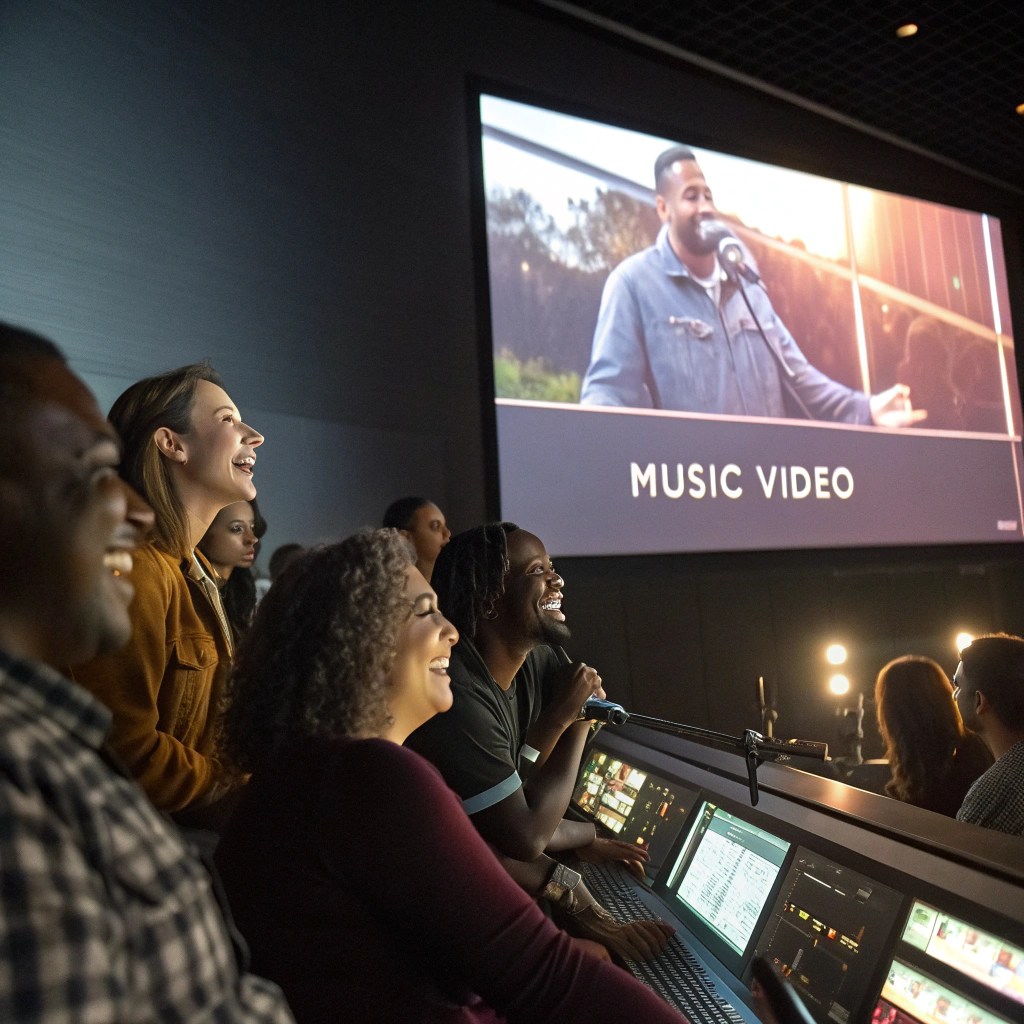
Professional music video production represents a remarkable synthesis of artistic vision, technical expertise, and collaborative excellence. From initial concept development through meticulous pre-production planning, intense production days, and detailed post-production refinement, every phase demands dedication, creativity, and problem-solving that transforms musical sounds into unforgettable visual experiences. This comprehensive journey reveals the extraordinary effort behind videos that audiences consume in minutes but teams labor over for weeks or months.
The meticulous process behind every professional music video—involving dozens of talented professionals, sophisticated equipment, and countless creative decisions—deserves recognition and appreciation. Understanding this workflow illuminates why great music videos captivate us, move us emotionally, and remain embedded in cultural memory long after their release. These productions represent collaborative artistry at its finest, where directors, cinematographers, editors, artists, and entire crews unite around shared creative visions.
“A great music video doesn’t just accompany a song—it becomes inseparable from the music itself, creating a complete artistic statement that amplifies emotional impact and cultural relevance. The best videos transcend promotion to become art that defines moments, movements, and generations.”
For aspiring creators dreaming of directing their own music videos, the path forward requires commitment to continuous learning, enthusiastic collaboration, and fearless innovation. Study the work of directors you admire, analyze what makes certain videos resonate while others fade into obscurity, and practice constantly with whatever equipment you can access. The democratization of filmmaking technology means the primary barriers to entry are no longer financial but creative—your vision, storytelling abilities, and willingness to persist through inevitable challenges.
Learn Constantly
Study cinematography, editing techniques, color theory, and storytelling principles through online courses, tutorials, and critical analysis of professional work
Collaborate Generously
Build relationships with musicians, fellow filmmakers, and creative professionals who share your passion and push your artistic growth
Innovate Fearlessly
Experiment with new techniques, embrace emerging technologies, and develop distinctive visual styles that set your work apart
The enduring power of music videos to connect artists with fans worldwide remains undiminished despite evolving technologies and changing consumption patterns. These visual narratives create shared cultural experiences, launch careers, define artistic identities, and provide soundtracks for personal moments that audiences treasure throughout their lives. Whether you’re a director crafting the next viral sensation, an artist developing your visual identity, or a fan gaining deeper appreciation for the medium, understanding the production process enriches the experience of these remarkable works.
As we look toward the future, music videos will continue evolving alongside technological innovation and cultural shifts. Virtual production, artificial intelligence, interactive formats, and yet-unimagined technologies will provide new creative tools. However, the fundamental purpose remains constant—telling compelling visual stories that enhance musical experiences and forge emotional connections between artists and audiences. The craft of music video production celebrates human creativity, technical artistry, and the universal power of combining sound and vision into something greater than either element alone. For those willing to embrace the challenges and joys of this dynamic medium, the opportunity to create visual stories that resonate across cultures and generations awaits.
Hashtags to Boost Your Music Video Content Reach
Maximize your music video’s visibility and engagement across social media platforms by incorporating these strategically selected hashtags into your posts, descriptions, and promotional content. These tags connect your work with audiences actively searching for music video content, behind-the-scenes insights, and industry knowledge.
#MusicVideoProduction
#BehindTheScenes
#VideoEditing
#MusicVideoDirector
#FilmMaking
#MusicMarketing
#VideoShoot
#CreativeProcess
#MusicIndustry
#VideoProductionTips
Hashtag Strategy Tips
- Mix broad and niche tags: Combine popular general hashtags like #MusicIndustry with specific ones like #MusicVideoDirector to reach both wide and targeted audiences
- Platform optimization: Instagram allows up to 30 hashtags, while Twitter works best with 1-2 focused tags. Adapt your strategy accordingly
- Engagement tracking: Monitor which hashtags drive the most views, likes, and shares, then refine your approach based on performance data
- Community building: Engage with posts using these hashtags to build relationships within music video production communities

Effective hashtag usage extends beyond simply copying tags into captions. Research trending conversations within each hashtag community, participate authentically in discussions, and use these tags to discover collaboration opportunities with other creators. Strategic hashtag implementation transforms your content from isolated posts into connected nodes within broader conversations, increasing discoverability and building your presence within the music video production ecosystem. Combine these industry-specific hashtags with location tags, artist-specific tags, and campaign-unique hashtags to create comprehensive social media strategies that maximize reach while maintaining authentic engagement with your target audience.
 NellyWorld
Leave a comment