Navigating the ethical considerations when documenting people and sensitive subjects.
Introduction: The Power and Responsibility of Documentary Photography
Documentary photography stands as one of the most powerful forms of visual communication in our modern world. Through the lens of a camera, photographers have the unique ability to freeze moments in time, preserve cultural histories, and bring distant realities into the living rooms and minds of people across the globe. From the haunting images of war-torn regions to the intimate portraits of marginalized communities, documentary photographs shape our understanding of the human experience and influence how we perceive complex social issues.
This extraordinary power comes with profound responsibility. Unlike other forms of photography that prioritize aesthetic beauty or commercial appeal, documentary photography carries the weight of truth-telling. When a photographer points their camera at real people living real lives, they become a mediator between subject and audience, holding the power to elevate voices or perpetuate harm. The ethical implications of this role cannot be overstated—each click of the shutter represents a choice that can dignify or diminish, illuminate or distort, empower or exploit.
The relationship between photographer and subject exists within inherent power dynamics that demand careful navigation. Photographers often approach from positions of relative privilege, documenting communities experiencing hardship, marginalization, or vulnerability. This disparity requires deep ethical awareness and a commitment to practices that honor human dignity above all else. The most impactful documentary work emerges not from extractive relationships but from genuine connection, mutual respect, and shared understanding between photographer and subject.
Shape Perception
Documentary images influence how audiences understand complex social realities
Balance Truth
Ethical practice requires truthful storytelling while respecting subject dignity
Explore Principles
Understanding key ethical frameworks and challenges photographers navigate
This comprehensive guide explores the essential ethical principles that should guide every documentary photographer’s practice. We will examine the foundations of responsible image-making, from obtaining informed consent to maintaining authenticity in an age of digital manipulation. Through case studies, practical frameworks, and critical analysis, we will investigate how photographers can create powerful, truthful narratives while upholding the fundamental rights and dignity of the people they document. Whether you are a seasoned photojournalist, an emerging documentary artist, or simply interested in visual ethics, this exploration will provide valuable insights into the moral dimensions of capturing and sharing real human stories through photography.
The Core Ethical Principles in Documentary Photography
Documentary photography rests upon a foundation of core ethical principles that guide responsible practice and ensure that visual storytelling serves humanity rather than exploits it. These principles form the bedrock of integrity in the field, providing photographers with a moral compass when navigating complex situations and making split-second decisions in the field. Understanding and internalizing these values is essential for anyone committed to ethical documentary work.
Honesty
Presenting events, people, and situations truthfully without manipulation, staging, or misrepresentation. Documentary photographers commit to showing reality as they encounter it, resisting the temptation to alter scenes or fabricate moments for dramatic effect. This principle requires transparency about photographic processes and any editorial decisions that might affect interpretation.
Respect
Safeguarding the dignity, privacy, and humanity of individuals and communities being photographed. Respect means recognizing subjects as full human beings with complex lives, not merely visual elements in a composition. It involves considering the potential impact of images on subjects’ lives, relationships, and communities long after the photographer has departed.
Consent
Ensuring subjects understand how their images will be used and genuinely agree to participate in the documentation process. Meaningful consent goes beyond a quick nod or signed form—it requires clear communication, cultural sensitivity, and ongoing dialogue throughout the photographic relationship. Photographers must verify that subjects comprehend the scope and potential reach of publication.
Fair Representation
Avoiding stereotypes, reductive narratives, and one-dimensional portrayals that fail to capture human complexity. Fair representation means showing the fullness of people’s lives—their strength and struggle, joy and hardship, agency and vulnerability. It requires actively resisting simplistic or sensationalized depictions that serve existing prejudices or misconceptions.
These four pillars—honesty, respect, consent, and fair representation—work in concert to create an ethical framework for documentary photography. They are not abstract ideals but practical guidelines that inform every aspect of photographic practice, from initial approach and relationship-building to image capture, editing, and distribution. When photographers commit to these principles, they create work that honors subjects, serves audiences, and contributes meaningfully to public discourse.
However, upholding these principles is rarely straightforward. Documentary photographers constantly encounter situations where ethical values may appear to conflict, where cultural contexts complicate standard practices, or where the urgency of documenting important stories creates pressure to compromise. The strength of these core principles lies not in providing simple answers but in offering a foundation for thoughtful decision-making and ongoing ethical reflection throughout a photographer’s career.
Visual Ethics: What It Means to Capture and Share Images Responsibly
Visual ethics extends beyond abstract principles into the concrete choices photographers make when composing, capturing, and sharing images. Every decision about framing, timing, context, and presentation carries ethical weight. The camera’s ability to isolate moments from their broader context means photographers must exercise exceptional care to ensure their images reflect truth rather than create distortion through selective vision.
Context matters profoundly in documentary photography. A photograph extracted from its surrounding circumstances can tell a radically different story than the reality it depicts. Photographers must ask themselves whether their framing choices accurately represent the situation or whether they manipulate viewer perception through selective inclusion or exclusion of visual information. The ethical photographer considers not just what appears within the frame but what remains outside it, ensuring that compositional choices serve clarity rather than sensationalism.

Authentic Context
Images must reflect the true situation without misleading framing, cropping, or juxtaposition. Consider how spatial and temporal context affect meaning. A photograph of a person holding an object might suggest one narrative when the wider scene would reveal something entirely different. Ethical photographers ensure their images provide viewers with accurate understanding of documented situations.
Editorial Transparency
Disclose any staging, direction, or post-processing to maintain audience trust and credibility. When photographers arrange elements, ask subjects to repeat actions, or apply significant editing, viewers deserve to know. This transparency doesn’t necessarily invalidate an image but allows audiences to properly assess its evidentiary value and interpret it appropriately within the continuum between purely observational and partially constructed documentary work.
Avoiding Exploitation
Do not sensationalize suffering, hardship, or vulnerable moments for dramatic impact or emotional manipulation. The line between powerful documentation and exploitative imagery lies in the photographer’s intent and the image’s treatment of human dignity. Ethical photographers ask whether an image illuminates important truths or merely traffics in suffering for visual impact, whether it empowers or diminishes subjects.
Case Study: Dorothea Lange’s “Migrant Mother”
Dorothea Lange’s iconic 1936 photograph “Migrant Mother” exemplifies dignified documentary representation. Lange captured Florence Owens Thompson and her children during the Great Depression, creating an image that humanized economic suffering without sensationalizing or demeaning her subject. The photograph’s power lies in Thompson’s visible strength and determination despite hardship. Lange’s approach—spending time with her subject, capturing multiple frames, and focusing on human resilience—demonstrates how photographers can document difficult realities while honoring subject dignity. However, the image also raises ethical questions about consent and long-term impact, as Thompson later expressed discomfort with how the photograph was used without her control or compensation, reminding us that ethical considerations extend beyond the moment of capture.
The responsibility of visual ethics continues beyond the moment of capture into how images are edited, titled, captioned, and circulated. Photographers must ensure that contextual information accompanies images, providing audiences with the background necessary for proper understanding. They must resist pressures from editors, publications, or social media algorithms that push toward sensationalism or oversimplification. Ultimately, visual ethics demands that photographers serve as responsible intermediaries between the realities they witness and the audiences who will encounter those realities through their images.
Informed Consent: Navigating Consent in Public and Private Spaces
Informed consent stands as one of the most critical and complex ethical challenges in documentary photography. While the principle seems straightforward—obtain permission before photographing people—the reality involves nuanced considerations of legal rights, cultural norms, power dynamics, and genuine understanding. True informed consent goes far beyond a quick agreement or signed release form; it requires meaningful communication that ensures subjects comprehend how their images will be used, where they might appear, and what potential consequences might follow from publication.
Forms of Consent
- Explicit Written Consent: Formal agreements documenting permission, particularly important for commercial use or sensitive subjects
- Verbal Consent: Spoken agreements appropriate for many documentary situations, though less legally protective
- Implied Consent: When subjects acknowledge the camera and choose to remain in public view, though this raises significant ethical questions
- Ongoing Consent: Continuous dialogue throughout the photographic relationship, recognizing that consent is not a one-time transaction
Challenges in Obtaining Consent
- Language barriers that complicate clear communication
- Cultural contexts where direct requests may be inappropriate
- Power imbalances between photographer and subject
- Vulnerable populations who may not fully understand implications
- Public spaces where photography is legal but consent remains ethically important
- Breaking news situations where obtaining consent may be impossible
The distinction between public and private spaces creates particular ethical complexity. In many jurisdictions, photographers have legal rights to capture images in public spaces without consent, but legal permission does not equal ethical practice. The ethical photographer asks not “Can I legally take this photograph?” but rather “Should I take this photograph? Could this image cause harm or misrepresentation?” This distinction becomes especially important when photographing vulnerable populations—homeless individuals, people in distress, children, or communities already subject to marginalization or stereotyping.
Initial Approach
Introduce yourself, explain your project, and build rapport before requesting to photograph
Clear Communication
Describe how images will be used, where they might appear, and potential reach or consequences
Verify Understanding
Ensure subjects genuinely comprehend the scope of consent they are providing
Maintain Dialogue
Keep communication open throughout the relationship and respect if subjects withdraw consent
Practical Tip for Ethical Consent
Develop consent forms in multiple languages relevant to your work, but remember that forms alone do not constitute informed consent. Use them as starting points for conversation, explaining terms in plain language and verifying understanding. Consider providing subjects with copies of images and maintaining contact information so they can reach you with concerns. When working with vulnerable populations, consider involving community leaders or advocates who can help ensure consent is truly informed and freely given.
Technology has introduced new dimensions to consent considerations. In an age of instant global distribution through social media, subjects must understand that an image might reach far beyond its original intended audience. Photographers have an obligation to explain these realities, particularly when working with people who may have limited experience with digital media. Additionally, consent given for one purpose or context does not automatically extend to all uses—ethical photographers return to subjects when contemplating new applications of existing images, ensuring ongoing consent rather than treating initial permission as blanket authorization.
Authenticity and Truthfulness: Maintaining Integrity in Image Capture and Editing
Authenticity forms the cornerstone of documentary photography’s credibility and power. When viewers engage with documentary images, they enter an implicit contract with the photographer—they trust that what they see represents genuine reality rather than fabricated or significantly manipulated scenes. This trust, once broken, is nearly impossible to rebuild, both for individual photographers and for the field as a whole. Maintaining authenticity requires constant vigilance about the line between documentation and construction, between capturing reality and creating fiction.
Capture
Avoid staging or directing scenes that distort the natural flow of events and authentic moments
Processing
Basic adjustments are acceptable, but editing must never alter the fundamental meaning or context
Presentation
Captions, sequencing, and framing should provide accurate context without misleading implications
The debate over what constitutes acceptable intervention in documentary photography has evolved throughout the medium’s history. While early documentary photographers often staged scenes that were accepted as standard practice, contemporary ethical standards demand greater transparency and authenticity. Modern documentary photography generally accepts basic technical adjustments—exposure correction, color balance, dust removal—while prohibiting alterations that change the content or meaning of an image. Removing objects, adding elements, significantly altering colors, or combining multiple images crosses the line from documentation into illustration or art photography.
Acceptable Editing
- Exposure and contrast adjustment
- Color correction for accurate reproduction
- Cropping that maintains context
- Dust and sensor spot removal
- Global adjustments that affect entire image equally
Problematic Manipulation
- Adding or removing significant elements
- Changing colors to alter mood or meaning
- Composite images presented as single captures
- Selective local adjustments that create false emphasis
- Cropping that removes critical context
- Heavy HDR or effects that create unrealistic appearance
However, the technical line between acceptable and unacceptable editing is less important than the ethical question: Does this alteration change what the image communicates? Small technical changes can shift interpretation and damage credibility if they mislead viewers about what actually occurred. A photographer who darkens a background to emphasize a subject might seem to be making a minor adjustment, but if that darkening obscures relevant context or creates a mood that didn’t exist in the original scene, it crosses into manipulation. The ethical standard is not about specific techniques but about maintaining truthfulness to the documented reality.
Technology’s Double-Edged Sword: While digital manipulation tools raise concerns about authenticity, technology also creates new ethical considerations around metadata, GPS data, and facial recognition. Photographers must now consider whether embedded location data could endanger subjects, whether cloud storage compromises privacy, and how artificial intelligence might be used to identify and track photographed individuals. These technological realities demand new forms of ethical awareness beyond traditional concerns about staging and editing.
Authenticity extends to the photographer’s presence and influence on documented situations. While the observer effect—the reality that being photographed changes behavior—is unavoidable, photographers should minimize their impact on events and resist the temptation to direct subjects for better compositions or more dramatic moments. The most authentic documentary work emerges from patience, immersion, and the willingness to capture what unfolds naturally rather than what the photographer wishes would occur. This commitment to authenticity sometimes means accepting less visually striking images in service of greater truthfulness, recognizing that documentary photography’s primary obligation is to accuracy rather than aesthetic perfection.
Ethical Challenges and Dilemmas Photographers Face
Documentary photographers routinely encounter ethical dilemmas that resist simple resolution. These challenges arise from the inherent tensions within documentary practice—between bearing witness and respecting privacy, between telling important stories and avoiding exploitation, between artistic vision and documentary responsibility. Understanding common ethical challenges helps photographers develop frameworks for navigating difficult decisions and prepares them to make thoughtful choices under pressure.
Artistic Expression vs. Subject Responsibility
Photographers must balance their creative vision and aesthetic goals with their fundamental obligation to represent subjects fairly and respectfully. The desire to create powerful, compelling images can conflict with the need to avoid sensationalism or exploitation. This tension becomes particularly acute when photographing suffering, poverty, or marginalization—the very subjects that demand documentation but also require the most careful ethical consideration.
Power Dynamics and Privilege
Most documentary photography involves inherent power imbalances, with photographers typically occupying positions of relative privilege compared to their subjects. These dynamics can manifest in numerous ways: economic disparity, educational differences, racial or cultural privilege, or simply the power that comes from controlling image creation and distribution. Ethical photographers must constantly examine these dynamics and work to create more equitable relationships despite structural inequalities.
Sensitive Subject Matter
Documenting poverty, conflict, trauma, illness, or death presents profound ethical challenges. How does one photograph human suffering without reducing subjects to symbols of victimhood? How can photographers document important realities without perpetuating stigma or trauma? These questions have no universal answers but demand careful consideration of context, representation, and the potential impact on both subjects and audiences.
One particularly problematic pattern that has emerged in documentary photography is the phenomenon of “white savior” imagery and poverty tourism. These terms describe photographs that frame privileged outsiders (often white photographers from wealthy nations) as heroes helping passive victims (typically people of color in developing countries). Such imagery perpetuates harmful stereotypes, strips subjects of agency and complexity, and serves the photographer’s narrative rather than accurately representing the documented community’s reality. Ethical photographers actively resist these tropes by highlighting local agency, showing community strength alongside challenges, and examining their own positionality and motivations.
Questions for Ethical Reflection
- Who benefits from this photograph—the subject, the audience, or primarily the photographer?
- Does this image reveal something important or simply exploit vulnerability for visual impact?
- Am I representing this person or community fairly and with full humanity?
- What are my motivations for taking this photograph?
- How would I feel if someone photographed me or my loved ones in this way?
- Does this image perpetuate stereotypes or challenge them?
- Have I spent enough time understanding this situation to represent it accurately?

The pressure to produce dramatic, attention-grabbing images in an oversaturated media environment creates additional ethical challenges. Photographers may face pressure from editors, publications, or the competitive marketplace to deliver increasingly sensational work. Social media algorithms reward emotional intensity and visual drama, potentially incentivizing exploitative imagery. Ethical photographers must resist these pressures, recognizing that their primary obligation is to subjects and truth rather than to audience engagement metrics or professional advancement. This often requires courage to turn down assignments, refuse unethical editorial requests, or accept that some stories cannot be told without causing harm.
Cultural differences add another layer of complexity to ethical practice. What constitutes appropriate photography varies dramatically across cultures, religious traditions, and communities. Some cultures view photography as intrusive or spiritually problematic; others have specific taboos around photographing certain people, places, or activities. Ethical photographers invest time in understanding cultural contexts before beginning work, consulting with community members, and adapting their practices to respect local values rather than imposing external standards. This cultural humility is essential for ethical documentary work in our interconnected but culturally diverse world.
Building Trust: The Photographer-Subject Relationship
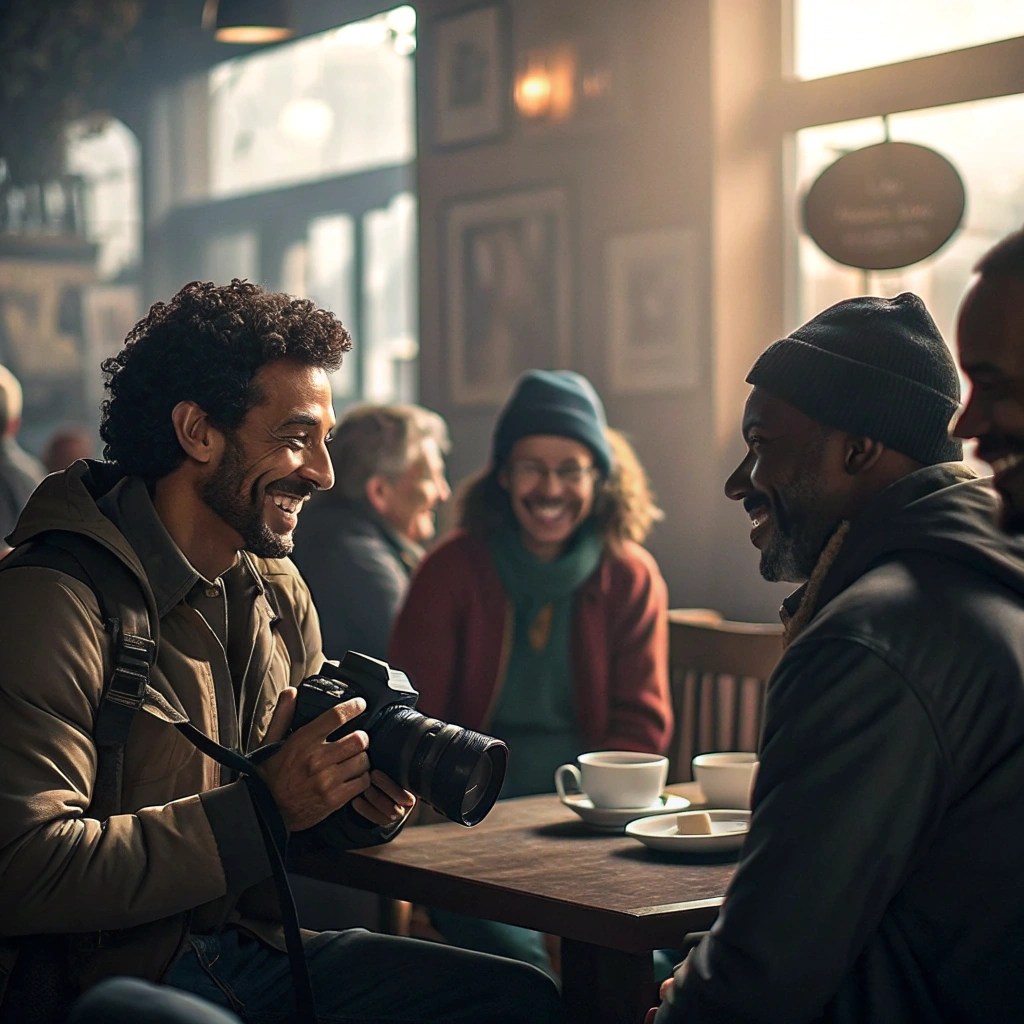
The relationship between photographer and subject forms the ethical and practical foundation of documentary work. Trust cannot be demanded or rushed; it must be earned through consistent, respectful behavior and genuine human connection. The photographers who create the most powerful and ethical documentary work understand that building relationships is not merely a preliminary step before the “real work” of photography begins—relationship-building is itself central to the work.
Spending time with subjects before, during, and after photographing creates multiple benefits. It allows photographers to develop deeper understanding of contexts, complexities, and nuances that improve representation. It helps subjects become comfortable with the camera’s presence, resulting in more natural, authentic images. Perhaps most importantly, it transforms the dynamic from extraction—taking images and leaving—to genuine exchange and mutual respect.
Invest Time
Spend significant time with subjects before intensive photographing begins. Visit multiple times, share meals, participate in daily activities, and demonstrate genuine interest in people’s lives beyond their value as photographic subjects. This investment transforms you from stranger to trusted documenter.
Listen Actively
Practice deep listening to understand subjects’ perspectives, concerns, and how they wish to be represented. Ask questions, invite feedback, and genuinely consider input about what aspects of their lives they want highlighted or protected. Subjects are experts on their own experiences—honor that expertise.
Respect Culture
Learn about and honor cultural norms, religious practices, and community values. What is acceptable in one context may be deeply offensive in another. Research before arrival, ask questions humbly, and adapt your practices to show respect for local traditions and beliefs.
Share Images
When possible, share photographs with subjects during and after the project. This practice serves multiple purposes: it demonstrates respect, allows subjects to provide feedback, helps you understand how your images are received, and provides subjects with tangible benefit from their participation in your work.
The concept of reciprocity—giving back to communities that have allowed you into their lives—is essential to ethical documentary practice. This reciprocity can take many forms: sharing images, teaching photography skills, using your platform to amplify community voices, donating to relevant causes, or simply maintaining relationships beyond the project’s completion. While some argue that paying subjects compromises documentary authenticity, others contend that expecting free access while profiting from others’ stories perpetuates exploitation. The ethical approach depends on context, but photographers should always consider what they are giving back to communities that have shared their lives and stories.
Building Long-Term Relationships
The most impactful documentary projects often span years or even decades, with photographers returning repeatedly to document communities over time. These long-term commitments create deeper understanding, more nuanced representation, and stronger trust. Photographers like Sebastião Salgado, Dorothea Lange, and Mary Ellen Mark built careers on sustained engagement with subjects and communities. This approach contrasts sharply with “parachute journalism”—dropping in briefly, extracting images, and disappearing—which often produces superficial or stereotypical representations.
Trust strengthens not only the ethical foundation of documentary work but also its visual and narrative impact. When subjects trust photographers, they reveal more authentic versions of themselves, allow access to more intimate moments, and participate more genuinely in the documentation process. The resulting images carry a quality of authenticity and emotional truth that cannot be achieved through distant, extractive approaches. Audiences can often sense the presence or absence of genuine relationship in documentary photographs—images created within trusting relationships simply feel different, more honest, more deeply human. Thus, ethical practice and powerful storytelling are not opposing values but complementary goals that reinforce each other when photographers commit to building genuine relationships with their subjects.
The Impact of Ethical Documentary Photography on Audiences and Society
Documentary photography’s power to influence public perception, shape policy, and drive social change depends fundamentally on ethical practice. When photographers honor subjects, maintain truthfulness, and create work grounded in respect and authenticity, they produce images that educate, inspire empathy, and motivate action. Conversely, when photographers prioritize sensationalism over ethics, they risk producing work that perpetuates harm, reinforces stereotypes, and ultimately undermines public trust in documentary media.
Greater Impact
Research shows ethical, contextualized images generate more sustained engagement than sensationalized content
Trust Factor
Audiences report higher trust in photographers and publications committed to transparent ethical standards
Action Response
Dignified representation of social issues correlates with increased audience willingness to take meaningful action
Positive Impacts of Ethical Photography
- Education: Informing audiences about realities they might never witness firsthand
- Empathy: Building emotional connections across cultural and geographic divides
- Advocacy: Providing visual evidence that supports social justice movements
- Preservation: Creating historical records of communities, cultures, and events
- Humanization: Countering dehumanizing stereotypes with complex, dignified representation
- Accountability: Documenting injustice and holding powerful institutions responsible
Harms of Unethical Photography
- Stereotyping: Reinforcing harmful generalizations about communities or groups
- Exploitation: Profiting from others’ suffering without consent or reciprocity
- Trauma: Causing psychological harm to subjects and audiences
- Misrepresentation: Distorting reality through selective or manipulated imagery
- Distrust: Eroding public confidence in documentary media
- Voyeurism: Treating human suffering as spectacle for consumption
The historical impact of documentary photography demonstrates both its potential for positive change and its capacity for harm. Images like Lewis Hine’s child labor photographs contributed to reform legislation, while Nick Ut’s “Napalm Girl” helped shift public opinion about the Vietnam War. These photographs succeeded not through sensationalism but through honest documentation that honored subjects’ humanity while revealing difficult truths. They educated audiences, generated empathy, and motivated concrete action precisely because viewers trusted their authenticity and recognized the dignity with which subjects were portrayed.
However, the history of documentary photography also includes numerous examples of exploitative or harmful imagery that perpetuated stereotypes, violated privacy, or sensationalized suffering. Images of famine, poverty, and disaster have sometimes reduced complex situations to simplistic narratives, stripped subjects of agency and dignity, and satisfied audiences’ voyeuristic impulses without inspiring meaningful engagement. These failures remind us that good intentions are insufficient—photographers must actively work to ensure their images serve subjects and truth rather than merely extracting dramatic visuals from others’ hardship.
Documentary Photography as Historical Record
Documentary photographs become part of the permanent historical record, shaping how future generations understand our time. This archival function carries profound ethical responsibility. Images created today will be studied, republished, and reinterpreted long after photographers and subjects have died. How we choose to document contemporary realities—what we emphasize, what we omit, whose perspectives we center—determines what future historians and communities will understand about our era. This temporal dimension of documentary ethics demands that photographers consider not just immediate impact but lasting legacy.
In our current media environment, characterized by information overload, shortened attention spans, and rampant misinformation, ethical documentary photography serves a crucial function. Audiences increasingly struggle to distinguish authentic documentation from manipulated imagery, staged scenarios, and outright fabrication. Photographers who commit to transparent ethical practices help rebuild trust in visual media, providing audiences with reliable windows into realities they need to understand. This trust is not merely beneficial for individual photographers’ reputations—it is essential for documentary photography’s continued relevance and impact as a form of truthful communication in a skeptical, media-saturated world.
Ultimately, ethical documentary photography recognizes that images are not merely aesthetic objects but interventions in the world that carry real consequences for real people. By honoring subjects, maintaining truthfulness, and creating work grounded in respect and responsibility, photographers can harness the medium’s extraordinary power to educate, inspire, and motivate positive change while minimizing potential harms. This commitment to ethics does not constrain documentary photography’s impact—it amplifies it, creating work that resonates more deeply and endures more meaningfully because audiences trust its authenticity and recognize its fundamental respect for human dignity.
Conclusion: Embracing Ethics to Tell Stories That Matter
Documentary photography stands at a critical juncture in its evolution. In an era of widespread manipulation, algorithmic distortion, and declining trust in media, the field faces both profound challenges and extraordinary opportunities. The path forward requires unwavering commitment to ethical practice—not as an optional addition to photographic skill but as the essential foundation upon which meaningful documentary work must be built.
This comprehensive exploration of documentary photography ethics reveals that ethical practice is neither simple nor static. It requires ongoing reflection, cultural humility, and willingness to prioritize subjects’ dignity over personal ambition or aesthetic preference. The ethical principles we have examined—honesty, respect, consent, fair representation, authenticity, and relationship-building—provide frameworks for navigating complex situations, but they cannot offer formulaic solutions to every dilemma. Each photographic situation demands fresh ethical consideration, informed by these principles but responsive to specific contexts and human relationships.
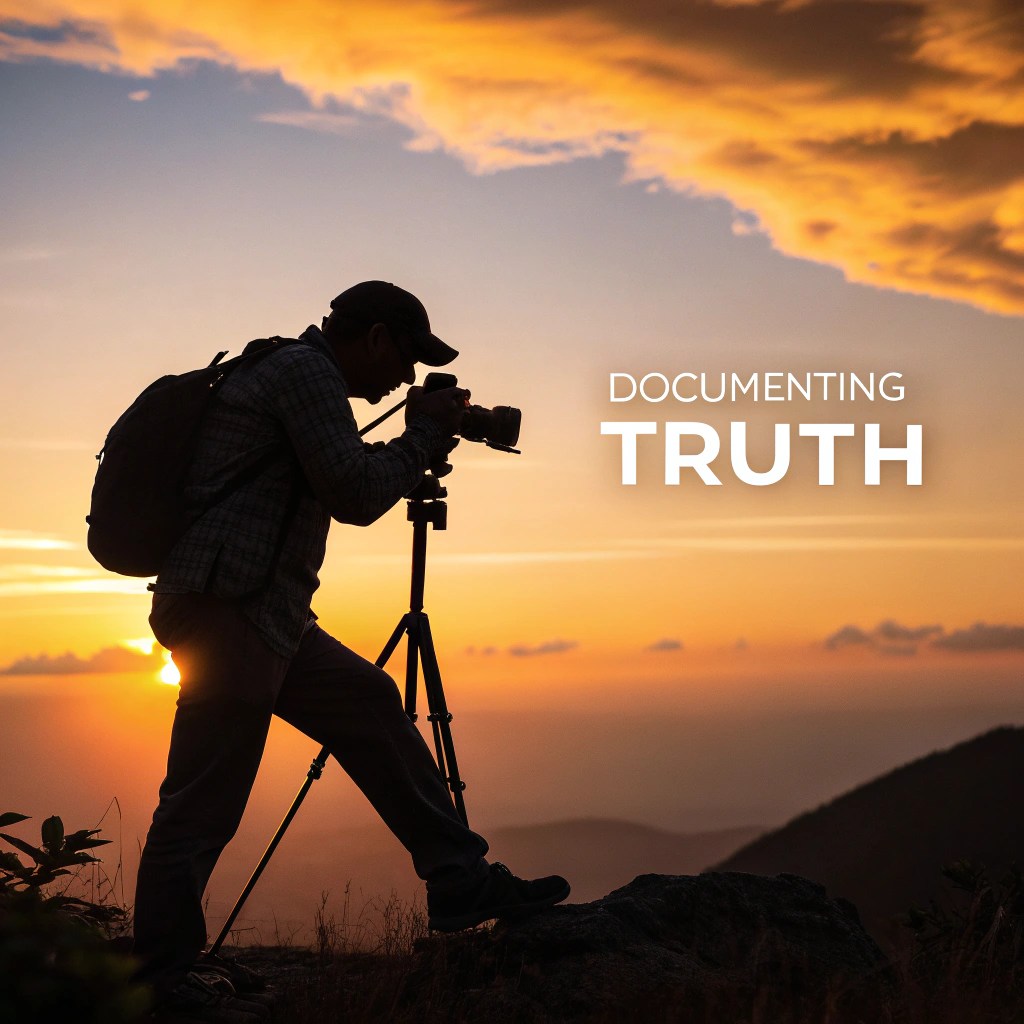
Commit to Reflection
Ethical documentary photography demands continuous self-examination and willingness to question your own practices, motivations, and assumptions throughout your career
Practice Transparency
Be honest with subjects, audiences, and yourself about your methods, limitations, and the inevitable subjectivity of all documentary work
Honor Subjects
Remember that subjects are not merely visual elements but human beings with complex lives, dignity, and rights that must be respected above all other considerations
Serve Truth
Commit to authentic representation even when dramatic falsehoods might be more visually striking or commercially successful
The future of documentary photography depends on the ethical choices photographers make today. Each unethical image erodes public trust not only in the individual photographer but in the entire field. Conversely, each photograph created with genuine respect, careful consent, and commitment to authenticity strengthens documentary photography’s credibility and impact. The stakes extend beyond individual careers or projects—they encompass documentary photography’s continued ability to function as a vital form of truthful communication in democratic societies.
“The camera is an instrument that teaches people how to see without a camera.” — Dorothea Lange
This insight reminds us that documentary photography’s ultimate purpose is not merely to capture images but to help audiences see, understand, and connect with realities beyond their immediate experience. This educational function—teaching people to see with greater empathy, complexity, and awareness—can only succeed when built on a foundation of ethical integrity.
For emerging documentary photographers, embracing ethics from the beginning of your practice establishes habits and values that will guide your entire career. For established photographers, recommitting to ethical principles requires honest assessment of past work, willingness to acknowledge mistakes, and openness to evolving standards as our understanding of ethical practice deepens. The field benefits when experienced photographers model ethical behavior, mentor emerging practitioners, and advocate for ethical standards within professional organizations and publications.
Documentary photography at its best does more than show us what the world looks like—it helps us understand what the world is, challenges our assumptions, and inspires us toward greater compassion and justice. By honoring subjects and committing to truthfulness, photographers create powerful narratives that endure because they ring true, that move audiences because they come from places of genuine human connection, and that inspire action because they respect both subjects and viewers enough to present reality rather than comfortable fictions. This is the promise and the responsibility of ethical documentary photography: to tell stories that matter, in ways that honor all involved, creating lasting impact grounded in integrity and respect. The challenge and the opportunity now belong to each photographer to determine whether they will contribute to this vital tradition or undermine it through expedient compromise. The choice—and the consequences—are profound.
Documentary Photography Ethics: Key Takeaways and Further Engagement
Documentary photography ethics encompasses principles and practices that ensure authentic, respectful storytelling through images. By committing to honesty, obtaining informed consent, maintaining authenticity, and building genuine relationships with subjects, photographers create work that educates, inspires empathy, and drives positive social change while honoring human dignity.
Core Principles
Honesty, respect, consent, and fair representation form the ethical foundation of documentary practice
Visual Responsibility
Context, transparency, and avoiding exploitation ensure images truthfully represent documented realities
Meaningful Consent
True consent requires clear communication, understanding of use, and ongoing dialogue with subjects
Authentic Representation
Maintain integrity in capture and editing to preserve truthfulness and documentary credibility
Trust Building
Invest time developing genuine relationships that strengthen both ethics and photographic impact
Lasting Impact
Ethical photography educates audiences, builds empathy, and creates historical records responsibly
Connect and Continue Learning
Join the conversation about documentary photography ethics and continue exploring these critical issues through the following hashtags and communities. Share your thoughts, learn from other photographers’ experiences, and contribute to ongoing discussions about ethical practice in visual storytelling.
#DocumentaryPhotography
#PhotographyEthics
#VisualStorytelling
#InformedConsent
#AuthenticStories
#RespectInPhotography
#EthicalStorytelling
#Photojournalism
#HumanDignity
#TruthInPhotography
These hashtags connect you with professional photographers, educators, organizations, and audiences engaged in meaningful dialogue about ethical documentary practice. Use them to share your work, ask questions, and learn from the global community of photographers committed to telling authentic stories with respect and integrity.
 NellyWorld
Leave a comment