A realistic assessment of the technological, biological, and psychological hurdles humanity must overcome to settle distant star systems.
Introduction: The Dream and the Reality of Interstellar Settlement
Humanity’s aspiration to become a multiplanetary species is fueled by both survival instincts and an innate curiosity about the cosmos. For millennia, we have gazed at the stars and wondered what lies beyond our terrestrial home. Today, this ancient dream has transformed from mythology into serious scientific inquiry, with space agencies, private companies, and researchers worldwide dedicating resources to making interstellar colonization a reality.
However, unlike Earth’s historical colonization—where explorers could breathe the air, drink the water, and harvest food from new lands—space presents unprecedented hostile environments. The vacuum of space offers no breathable atmosphere, no naturally occurring water sources, and no ecosystems to provide sustenance. Every molecule of oxygen, every drop of water, and every calorie of food must be produced, transported, or synthesized through human ingenuity and technology.
Technological Frontiers
Propulsion systems, life support, and habitat construction face engineering challenges unlike anything attempted before.
Biological Imperatives
Human physiology must adapt to environments never encountered in evolutionary history.
Psychological Realities
Mental health and social cohesion become critical in isolated, confined environments spanning generations.
This document provides a comprehensive assessment of the real hurdles—technological, biological, psychological, and social—that must be overcome to settle distant star systems. Rather than offering optimistic speculation, we examine the sobering realities facing humanity’s grandest ambition. The challenges are immense, but understanding them clearly is the first step toward meaningful solutions. As we explore each dimension of interstellar colonization, we’ll discover that success requires not just technological breakthroughs, but fundamental reimaginings of how human societies can function in the most extreme environments imaginable.
Technological Barriers: From Rockets to Generation Ships
Current spaceflight achievements, while remarkable, reveal how far we have yet to travel. The International Space Station represents humanity’s most advanced orbital habitat, yet it relies heavily on regular resupply missions from Earth. Crew members depend on shipments of food, water, equipment, and even oxygen every few months. This umbilical connection to our home planet demonstrates that true long-term independence in space remains unproven technology.
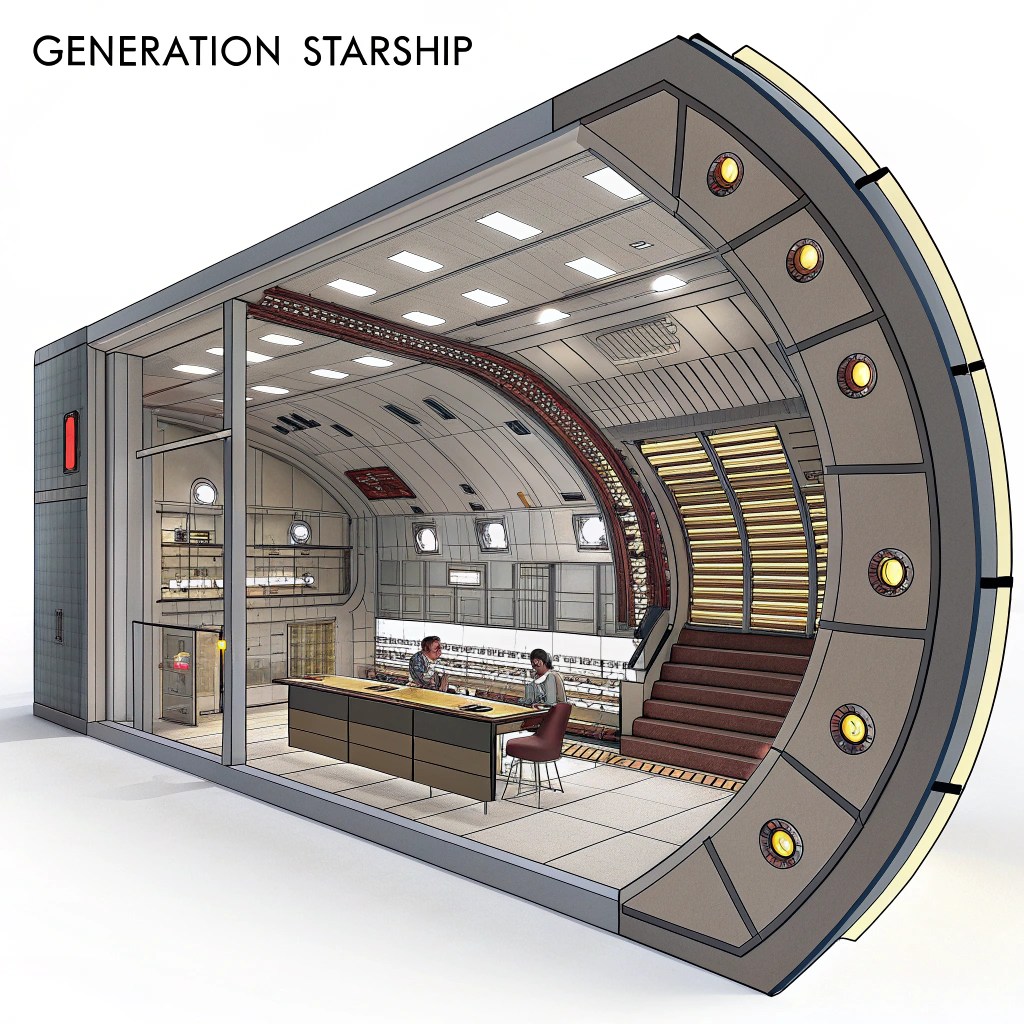
Interstellar travel demands propulsion systems capable of sustaining multi-century journeys across the vast distances between stars. Traditional chemical rockets that powered the Apollo missions are inadequate for such endeavors. Even nuclear propulsion concepts, while more promising, face significant development hurdles. Project Hyperion, a contemporary research initiative, explores the feasibility of 250-year generation ships—massive vessels designed to sustain ten or more generations of humans born, living, and dying in transit to distant star systems.
Current Capability: ISS Operations
Continuous human presence in low Earth orbit with regular resupply missions every 2-3 months.
Near-Term Goal: Lunar Gateway
Extended missions beyond Earth orbit with reduced but still necessary resupply from Earth.
Mid-Term Challenge: Mars Base
Self-sustaining habitats utilizing in-situ resources, minimizing Earth dependency over 6-9 month resupply windows.
Ultimate Vision: Generation Ships
Completely closed ecosystems operating independently for centuries during interstellar transit.
Life support systems represent perhaps the most critical technological challenge. These systems must recycle air, water, and food with near-perfect efficiency—a goal that remains elusive. The ISS currently recycles only approximately 45% of oxygen and 90% of water, with the remainder requiring resupply from Earth. For a generation ship, these percentages must approach 99.9% or higher, as even small losses compound catastrophically over decades and centuries.
Beyond life support, the construction of self-sustaining habitats poses immense engineering challenges. Artificial gravity, likely generated through rotation, must be precisely calibrated to prevent disorientation and health issues. Radiation shielding requires either massive physical barriers or advanced electromagnetic deflection systems to protect inhabitants from cosmic rays and solar radiation that would otherwise prove lethal over extended exposure. Each of these systems must operate reliably for generations with minimal maintenance and no possibility of external assistance—a standard far exceeding any engineering project attempted in human history.
Biological Challenges: Sustaining Life Beyond Earth
The human body evolved over millions of years under Earth’s specific gravitational force, atmospheric composition, and radiation environment. Removing humans from these conditions, even temporarily, triggers a cascade of physiological changes that threaten long-term health and survival. Maintaining human health in microgravity or artificial gravity environments is critical for any permanent space settlement, yet we are only beginning to understand the full scope of these biological challenges.
Musculoskeletal Degradation
Bone density loss occurs at rates of 1-2% per month in microgravity. Astronauts on six-month ISS missions lose bone mass equivalent to decades of aging on Earth. Muscle atrophy follows similar patterns, with leg muscles weakening rapidly without the constant resistance provided by Earth’s gravity. Even with two hours of daily exercise, these effects persist.
Cardiovascular Adaptation
The heart and circulatory system adapt to reduced gravitational stress, becoming less efficient at pumping blood. Body fluids shift toward the head, causing facial swelling and potentially affecting vision through increased intracranial pressure—a condition that has grounded astronauts even after returning to Earth.
Immune System Weakening
Space conditions suppress immune function through mechanisms not yet fully understood. Dormant viruses reactivate in astronauts’ bodies, wound healing slows, and susceptibility to infections increases. In a closed colony environment, any pathogen outbreak could prove catastrophic.
Genetic Diversity Requirements
Beyond individual health, population genetics becomes critical for isolated colonies. Genetic diversity is essential to avoid inbreeding depression—the accumulation of harmful genetic mutations that occurs in small, isolated populations. Mathematical models suggest a minimum initial population of approximately 1,000 individuals to maintain genetic viability over multiple generations, though some estimates place this number even higher for true long-term sustainability.
This requirement creates a paradox: generation ships must be large enough to house thousands, yet remain small enough to be technologically and economically feasible. The social complexities of maintaining such populations add additional layers of difficulty.

Microbiome preservation presents another critical but often overlooked challenge. The human microbiome—the trillions of bacteria, fungi, and other microorganisms living in and on our bodies—plays vital roles in digestion, immunity, and even mental health. These microbial communities evolved alongside humans in Earth’s diverse environments. Closed space ecosystems must support these complex microbial communities without allowing pathogenic species to dominate. The delicate balance maintained on Earth through constant environmental exchange becomes precarious in artificial habitats.
Finally, exposure to cosmic radiation poses perhaps the most intractable biological challenge. Beyond Earth’s protective magnetosphere and atmosphere, space travelers face constant bombardment from high-energy particles. This radiation causes DNA damage, dramatically increases cancer risks, and may cause cognitive impairment. Current shielding technology can reduce but not eliminate exposure. Some researchers explore biological countermeasures—genetic modifications or pharmaceutical interventions that might enhance radiation resistance—but such solutions remain speculative and raise profound ethical questions about altering human biology for space adaptation.
Psychological and Social Hurdles: Life on a Generation Ship or Alien World
The psychological dimensions of interstellar colonization may prove even more challenging than the technological ones. Multi-generational crews face unprecedented isolation, confinement, and permanent loss of contact with Earth’s civilization. These conditions risk severe mental health issues and social instability that could doom a mission regardless of how well-engineered the spacecraft might be.
Isolation Stress
Complete separation from Earth’s diverse human civilization and natural environments.
Confinement Challenges
Living entire lives within limited artificial environments with no escape or privacy.
Social Tensions
Interpersonal conflicts magnified by inability to separate or leave the community.
Cultural Drift
Maintaining mission purpose and cultural identity across generations born in space.
Studies of isolated groups on Earth—from Antarctic research stations to submarine crews—reveal that even carefully selected, trained individuals experience psychological difficulties during extended isolation. Depression, anxiety, interpersonal conflicts, and sleep disorders become common after just months of confinement. Now extrapolate these challenges to lifetimes and generations. Children born on generation ships will never experience Earth’s horizons, seasons, or the feeling of rain. Their entire psychological development occurs within artificial walls, potentially creating mindsets and behaviors we cannot predict.
Cultural continuity and education must be maintained over centuries to ensure mission success and societal cohesion. Each generation must be educated about the mission’s purpose, trained in the technical skills necessary to maintain life support and propulsion systems, and motivated to continue toward a destination they will never see. Historical examples suggest this is extraordinarily difficult—how many projects begun by great-grandparents receive the same dedication from great-grandchildren? The risk that intermediate generations might lose interest, question the mission, or even sabotage it cannot be dismissed.
Governance and Inequality
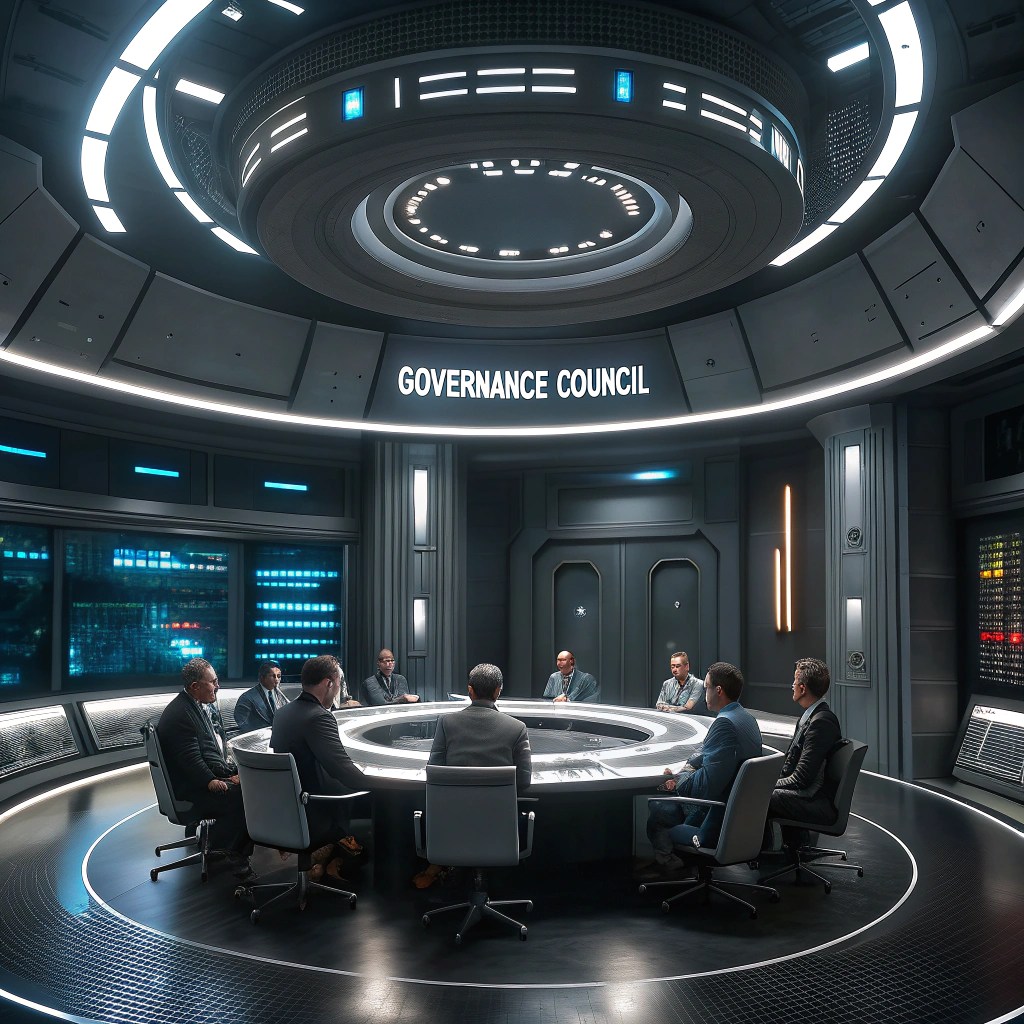
Political and economic structures in space colonies present unique challenges. Resource clustering could create new forms of inequality—those who control access to food production, water recycling, or energy generation might accumulate disproportionate power. On Earth, oppressed populations can sometimes migrate or rebel; on a generation ship or isolated colony, escape is impossible. The potential for tyranny or class stratification may be higher than in any Earth society.
Lessons from Earth’s island colonization provide cautionary insights. Isolated island populations that lost contact with source populations often experienced cultural regression, genetic bottlenecks, and social instability. The most successful island settlements maintained connections with multiple nearby colonies, allowing for trade, genetic exchange, and evacuation if necessary. Space colonies, by definition, lack such safety networks.
Resource Management and Sustainability in Space Colonies
Water
Recycling and extraction from ice or regolith
Oxygen
Electrolysis and biological generation
Food
Hydroponics and closed-loop agriculture
Building Materials
In-situ resource utilization from local materials
Energy
Solar, nuclear, or fusion power generation
Manufacturing
3D printing and automated production
Unlike Earth’s ecosystems, which evolved over billions of years to recycle nutrients and support diverse life through complex interdependencies, extraterrestrial colonies must rely entirely on closed-loop life support systems and in-situ resource utilization (ISRU). These systems must transform raw materials found on other planets or asteroids into everything humans need to survive—water, oxygen, food, building materials, and manufactured goods. The engineering required to achieve this level of self-sufficiency represents one of the most ambitious undertakings in human history.
Water serves as the most critical resource for any space colony. Beyond its obvious necessity for drinking and hygiene, water provides oxygen through electrolysis and hydrogen for various chemical processes. On Mars, water ice exists in polar caps and underground deposits. On the Moon, ice may be trapped in permanently shadowed craters. Mining, purifying, and recycling this water with minimal losses becomes the foundation of colony survival. Even small inefficiencies—a 1% daily loss—compound to catastrophic shortages over years.
Resource distribution within colonies must avoid excessive concentration to prevent social stratification and conflict. If a small group controls water purification facilities or food production, they wield enormous power over the entire population. Democratic governance structures and resource allocation systems must be designed into colony architecture from the beginning. This represents not just an engineering challenge but a social design challenge—creating physical and institutional structures that promote equity and prevent tyranny.
Extraction
Raw materials harvested from planetary surface or asteroids
Processing
Refining materials into usable forms through chemical and physical methods
Manufacturing
Automated systems produce tools, parts, and infrastructure components
Recycling
Waste materials reprocessed to minimize resource depletion
Technologies for automated manufacturing and recycling are critical to reduce dependency on Earth and enable colony growth. Three-dimensional printing using local materials could construct habitat expansions, replacement parts, and tools. However, the range of materials that can be printed remains limited, and complex electronics or specialized equipment might still require imports from Earth—at least initially. The long-term goal must be complete industrial self-sufficiency, where colonies can manufacture anything from computer chips to medical equipment using only local resources and knowledge.
Energy generation provides the foundation for all other activities. Solar power works well near Earth and on Mars, though dust storms and distance from the Sun reduce efficiency. Nuclear fission reactors offer reliable power but require fuel that must either be imported or mined locally. Fusion power, if it becomes practical, could provide abundant energy from readily available hydrogen isotopes. Whatever the source, energy systems must be reliable and scalable, capable of supporting not just basic life support but also energy-intensive activities like agriculture, manufacturing, and computation. Redundancy is essential—a single point of failure in power generation could doom an entire colony.
Ethical and Legal Considerations in Interstellar Colonization
The technical challenges of interstellar colonization, while immense, may ultimately prove simpler to solve than the ethical and legal questions surrounding humanity’s expansion into space. Who has the right to colonize other worlds? What legal frameworks govern behavior in space settlements? How do we protect both human rights and potential extraterrestrial ecosystems? These questions demand answers before large-scale colonization begins, yet international consensus remains elusive.
Territorial Sovereignty
The 1967 Outer Space Treaty prohibits national appropriation of celestial bodies. No country can claim the Moon, Mars, or any other world as sovereign territory. Yet colonization inherently requires some form of territorial control—over habitats, resource extraction sites, and agricultural areas. This fundamental tension between international law and practical colonization needs remains unresolved.
Resource Rights
While nations cannot claim territory, some argue that extracted resources become property once removed from celestial bodies. The 2015 U.S. Commercial Space Launch Competitiveness Act and similar legislation in Luxembourg and other nations assert such rights. However, this interpretation faces international opposition and creates potential for conflict over valuable resources like water ice or rare minerals.
Generational Rights
Children born on generation ships or space colonies never consented to their circumstances. They possess no choice but to remain in artificial environments, potentially facing health risks and limited freedoms. What obligations do mission planners have to future generations? Can we ethically commit people not yet born to lives of confinement and danger?
Environmental Protection
If life exists elsewhere in our solar system or beyond—even microbial life—do we have the right to disturb or destroy it through colonization? Current planetary protection protocols aim to prevent contamination, but these become impractical for large-scale human presence. Mars might harbor extinct or extant life in subsurface aquifers. How do we balance human expansion with protection of potential alien biospheres?
Social Justice in Space
Ethical debates extend to questions of equity and access. Space colonization requires enormous resources, likely to be controlled initially by wealthy nations and corporations. This raises concerns about replicating or amplifying Earth’s inequalities in space. Will space become a refuge for elites while billions remain on an increasingly challenged Earth? Or can space resources benefit all humanity?
The risk of replicating Earth’s environmental degradation in space must be addressed proactively. Short-term thinking and profit maximization have damaged Earth’s ecosystems. Carrying these same attitudes into space could lead to similar outcomes—depleted resources, contaminated environments, and unsustainable practices that doom colonies to failure.
Transparency, international cooperation, and inclusive policy frameworks are essential for responsible colonization efforts. No single nation or corporation should unilaterally decide humanity’s future in space. The United Nations Committee on the Peaceful Uses of Outer Space provides one forum for international dialogue, but its recommendations lack enforcement mechanisms. New international agreements, perhaps modeled on Antarctic treaties that preserve that continent for peaceful scientific use, may be necessary to prevent conflicts and ensure that space colonization benefits rather than harms humanity as a whole.
These ethical considerations cannot be mere afterthoughts appended to engineering plans. They must inform every decision about how, where, and whether to establish space colonies. The choices we make now will shape human civilization for centuries or millennia. Proceeding with wisdom, humility, and genuine concern for both present and future generations represents the greatest challenge of all—one that transcends technology and touches the deepest questions of human values and purpose.
Current Progress and Future Prospects: From Mars to the Stars
SpaceX’s Starship Program
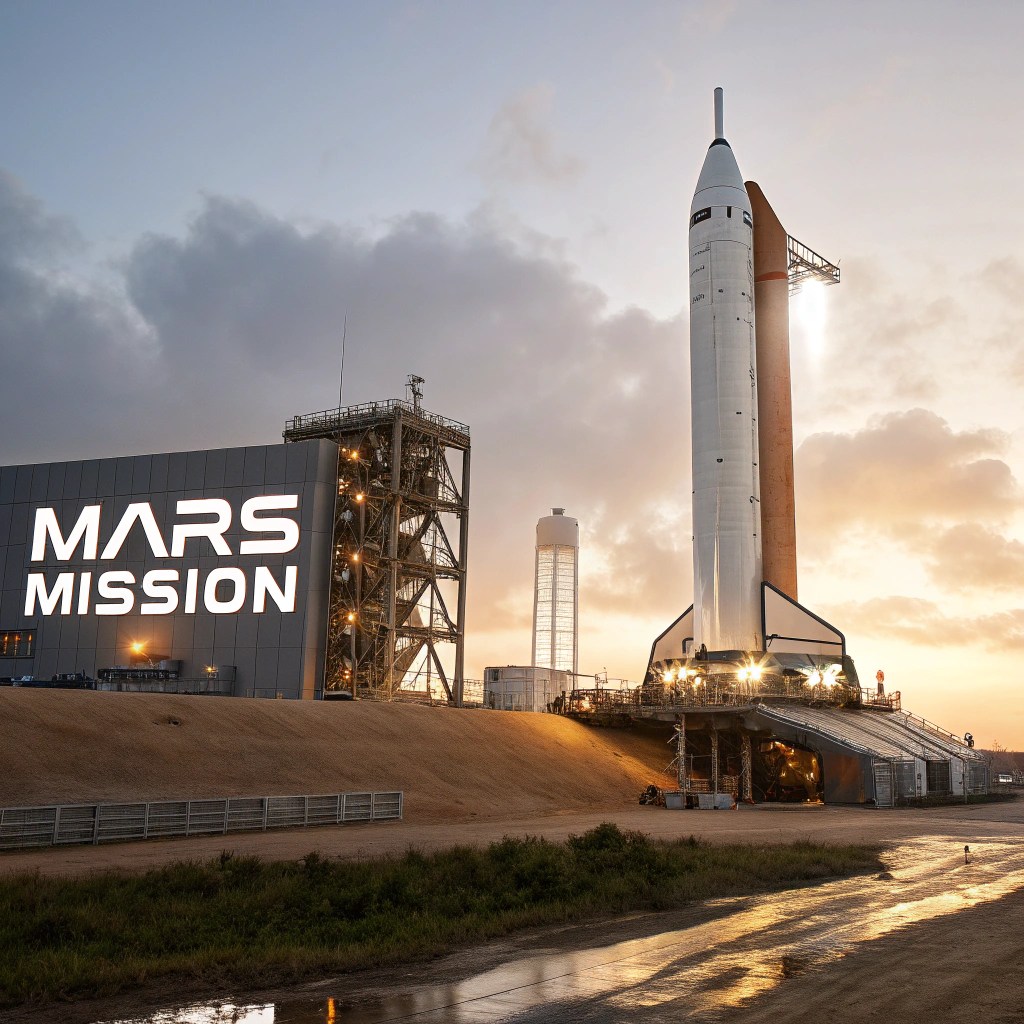
SpaceX’s Starship represents the most ambitious near-term effort toward making humanity multiplanetary. This fully reusable heavy-lift launch vehicle aims to dramatically reduce the cost of space access, making Mars colonization economically feasible. Elon Musk’s stated goal of establishing a self-sustaining city on Mars by the late 2020s or early 2030s, while optimistic, has accelerated serious planning for interplanetary human presence.
Starship’s design emphasizes reusability—both the booster and spacecraft stages return to Earth for rapid relaunch. This contrasts with previous expendable rockets where massive components were discarded after single uses. If successful, Starship could reduce launch costs by orders of magnitude, potentially bringing per-kilogram costs down from thousands to hundreds of dollars. Such cost reduction is essential for transporting the equipment, supplies, and people necessary for establishing Mars bases.
2024-2025
Starship orbital test flights and demonstration missions
2026-2028
Artemis lunar landings establishing Gateway station and surface presence
2030s
First crewed Mars missions and establishment of initial research bases
2040s-2050s
Mars base expansion toward self-sufficiency and permanent settlement
22nd Century+
Interstellar generation ship development and launch preparations
NASA’s Artemis program complements commercial efforts with a focus on sustainable lunar presence. The Lunar Gateway—a small space station orbiting the Moon—will serve as a staging point for surface missions and a testbed for deep space habitation technologies. Unlike Apollo’s brief visits, Artemis aims for continuous human presence, with astronauts spending weeks or months on the lunar surface. Private lunar landers from companies like Astrobotic and Intuitive Machines demonstrate growing commercial capabilities to support this vision.
Generation ship design competitions like Project Hyperion push the boundaries of long-duration mission planning. This initiative brings together architects, engineers, social scientists, and other experts to envision 250-year voyages to nearby star systems. While such missions remain centuries away from realization, this early-stage conceptual work identifies critical challenges and begins developing solutions. Topics explored include governance structures for multi-generational societies, psychological support systems for isolated populations, and closed-loop ecological systems that can operate for centuries without external inputs.
Starship Development Investment
SpaceX’s estimated expenditure on Starship program through 2024
Tons to LEO
Starship’s designed payload capacity to low Earth orbit per launch
Artemis Astronauts
Number of people planned to land on Moon in first Artemis missions
Years Transit Time
Duration of journey for Project Hyperion’s conceptual generation ship
Despite these advances, interstellar colonization remains a centuries-long endeavor requiring breakthroughs in propulsion, life support, and societal design that currently exist only in theory. The gap between landing humans on Mars—itself an enormous achievement—and sending self-sustaining populations to other star systems spans multiple orders of magnitude in difficulty. Mars lies mere months away; the nearest star system, Alpha Centauri, is over four light-years distant—a journey requiring tens of thousands of years with current propulsion. Even speculative technologies like nuclear pulse propulsion or antimatter drives might only reduce this to centuries. The gulf between current capabilities and interstellar requirements humbles even the most optimistic futurists.
Conclusion: The Long Road Ahead for Humanity’s Interstellar Future
Interstellar colonization is not a near-term inevitability but a complex, multidisciplinary challenge demanding realistic planning and sustained commitment across multiple human generations. The romanticized vision of humanity spreading across the galaxy within this century—a staple of science fiction—faces stark contradictions when confronted with current technological capabilities, biological limitations, and social complexities. Yet this sobering assessment should not breed despair but rather clarity of purpose and realistic expectations.
Technological Integration
Propulsion, life support, radiation shielding, and habitat construction must advance simultaneously, each breakthrough depending on others. No single innovation suffices; success requires integrated systems operating at unprecedented reliability levels for unprecedented durations.
Biological Adaptation
Understanding and mitigating the effects of space environments on human health remains incomplete. Genetic diversity requirements, microbiome preservation, and radiation protection all demand further research. We may need to accept biological modifications or enhancements—raising profound ethical questions.
Psychological Resilience
Creating social structures and support systems that maintain mental health and cultural continuity across generations in isolation represents an entirely new challenge in human history. Earth’s island colonization analogies provide limited guidance for the absolute isolation of space.
Ethical Frameworks
Questions of rights, equity, environmental protection, and consent for future generations require international dialogue and agreement before large-scale colonization begins. Proceeding without these frameworks risks catastrophic injustices and conflicts.
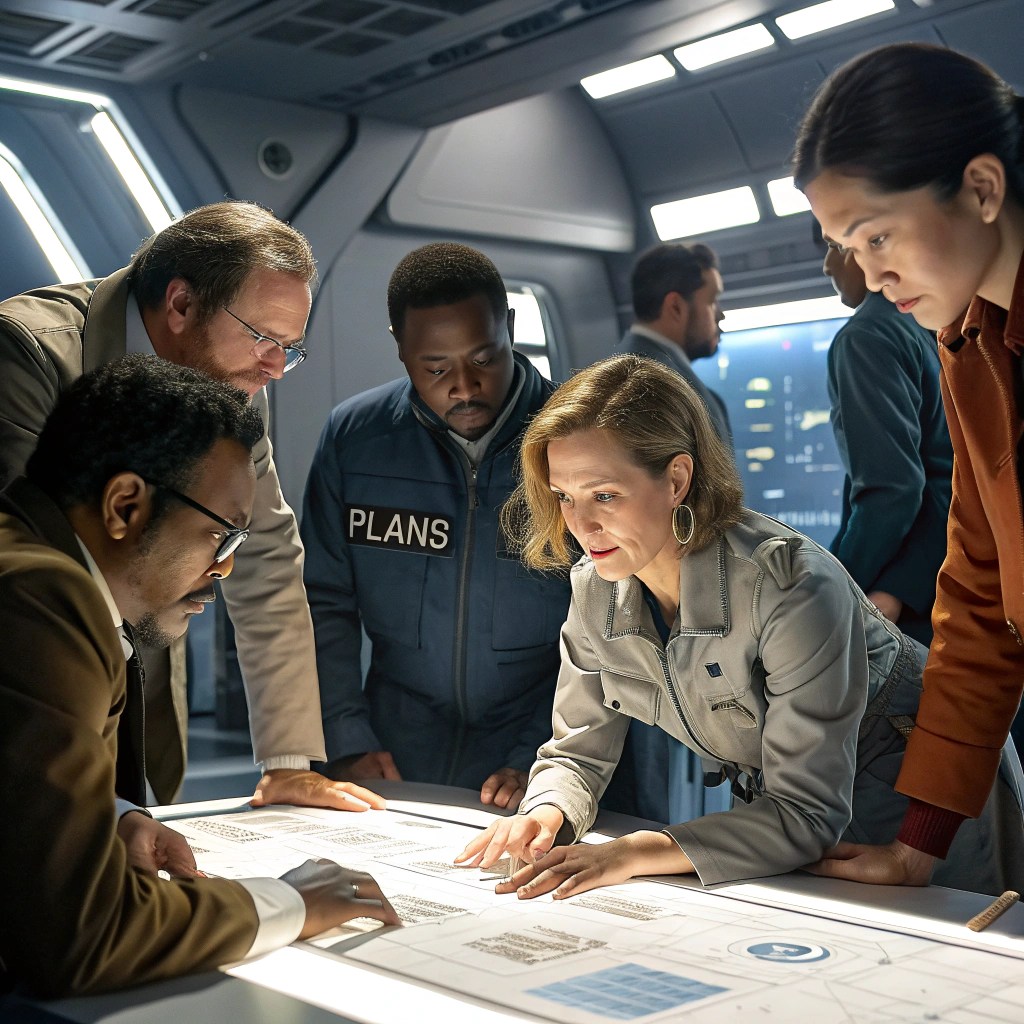
Success depends on integrating technology, biology, psychology, ethics, and governance into cohesive strategies. This integration cannot be achieved through siloed disciplines working in isolation. Engineers must understand biological constraints; biologists must grasp technological possibilities; social scientists must inform both with realistic models of human behavior; ethicists must ensure that technical solutions align with human values; and policymakers must create frameworks allowing innovation while protecting rights and preventing conflicts. This unprecedented level of interdisciplinary cooperation represents a challenge as great as any technical barrier.
The Path Forward
Preparing for this future requires sustained investment in research, international collaboration, and public engagement. Governments, private companies, academic institutions, and civil society must work together across decades and generations. Funding priorities should emphasize fundamental research in areas like closed-loop life support, radiation protection, and long-duration human health. International collaborations should establish shared research facilities, data repositories, and coordinated mission architectures that prevent duplication and accelerate progress.
Public engagement ensures that space colonization reflects broad human values rather than narrow interests. Education programs should foster scientific literacy and critical thinking about space futures. Democratic processes must shape major decisions about resource allocation and mission priorities. The dream of settling the stars belongs to all humanity, not just scientists, engineers, and billionaire entrepreneurs.

Ultimately, the dream of settling the stars reflects humanity’s resilience, creativity, and hope for a future beyond our planetary cradle. Throughout history, humans have ventured into unknown territories, overcome seemingly impossible obstacles, and built new homes in harsh environments. The expansion into space represents the continuation of this ancient pattern—but at a scale and difficulty level without precedent. Success is not guaranteed. Failure is possible, even likely if we proceed with hubris rather than humility, short-term thinking rather than long-term planning, or narrow interests rather than inclusive vision.
Yet the pursuit itself holds value. Technologies developed for space colonization often benefit life on Earth—water purification, renewable energy, sustainable agriculture, and medical innovations all trace roots to space research. The international cooperation required for space projects builds diplomatic relationships and shared purpose among nations. The perspective of seeing Earth from space—the “overview effect”—instills appreciation for our planet’s fragility and interconnectedness, potentially motivating better environmental stewardship.
The dream must be grounded in sober assessment and responsibility. We must acknowledge the immense challenges honestly rather than dismissing them with technological optimism. We must plan for centuries rather than quarters. We must ensure that space colonization serves all humanity’s interests rather than concentrating power and resources among elites. We must protect both human welfare and potential extraterrestrial life. Only with such responsibility can humanity’s expansion into space fulfill its promise as a new chapter in our species’ remarkable story—one written not with reckless abandon but with careful wisdom, balancing ambition with caution, hope with realism, and dreams with duties to current and future generations alike.
Related Topics and Further Exploration
For those interested in learning more about interstellar colonization and related space exploration topics, the following hashtags connect to broader conversations across scientific, technical, ethical, and social dimensions of humanity’s future beyond Earth.
#InterstellarColonization
#SpaceSettlement
#GenerationShips
#SpaceTechnology
#HumanSpaceflight
#LifeSupportSystems
#SpaceEthics
#MarsColonization
#SpacePsychology
#SustainableSpace
These topics represent interconnected threads of the larger tapestry of human space exploration. Each hashtag opens doorways to communities of researchers, enthusiasts, educators, and policymakers working to turn science fiction into eventual reality. Whether your interest lies in engineering challenges, biological adaptations, psychological resilience, ethical frameworks, or policy implications, the conversation about humanity’s future among the stars welcomes diverse perspectives and expertise.
Continue the Conversation: The challenges outlined in this document require collaborative problem-solving across disciplines, nations, and generations. Join the discussion, support space research and education, and help ensure that humanity’s expansion into space reflects our highest values and aspirations.
 NellyWorld
Leave a comment