Discover the ancient art and modern science of growing plants together for maximum health, beauty, and harvest abundance.
Introduction: What Is Companion Planting and Why It Matters
Companion planting is the practice of growing different plants close together to enhance growth, deter pests, and improve soil health. This ancient gardening technique has been used by cultures around the world for centuries, from Native American agricultural systems to medieval European monastery gardens. Today, modern gardeners are rediscovering the wisdom of these traditional methods and validating them with contemporary scientific research.
This time-tested approach maximizes garden space efficiency while supporting biodiversity and creating resilient ecosystems within your growing areas. By strategically pairing plants that naturally benefit one another, you can reduce the need for chemical interventions such as synthetic fertilizers, pesticides, and herbicides. The result is a more sustainable garden that works with nature rather than against it.
Understanding plant relationships helps gardeners create thriving, sustainable gardens with higher yields and fewer problems. When you know which plants support each other through nutrient sharing, pest deterrence, or structural support, you can design garden layouts that practically take care of themselves. The synergistic relationships between companion plants create a balanced micro-ecosystem where each plant contributes to the health and productivity of its neighbors.
Enhanced Growth
Plants support each other’s development
Natural Defense
Pest deterrence without chemicals
Soil Enrichment
Improved fertility and structure
Companion planting offers benefits that extend beyond individual plant health. These strategic pairings attract beneficial insects like pollinators and predatory species that control pest populations naturally. They also create visual diversity and aesthetic appeal in your garden beds, transforming functional vegetable plots into beautiful, productive landscapes. Whether you’re growing in expansive raised beds, small urban containers, or traditional in-ground gardens, companion planting principles can be adapted to maximize your success and enjoyment.
The Science Behind Companion Planting: Root Systems and Soil Health
The foundation of successful companion planting lies beneath the soil surface, where complex root systems interact in ways that optimize resource use and improve overall soil health. Plants with varied root depths, such as shallow-rooted lettuce combined with deep-rooted tomatoes, or taprooted carrots paired with fibrous-rooted onions, work together to access nutrients and water from different soil layers. This vertical stratification means plants aren’t competing for the same resources at the same depth, allowing more plants to thrive in the same space without depleting any single soil layer.
Surface Feeders
Shallow roots access nutrients in top 6-12 inches: lettuce, spinach, herbs
Mid-Level Roots
Medium depth roots reach 12-24 inches: beans, peas, peppers
Deep Taproot Systems
Penetrating 24+ inches to access deep water and minerals: carrots, tomatoes, squash
Legumes like beans and peas play a particularly special role in companion planting through their ability to fix atmospheric nitrogen. These remarkable plants form symbiotic relationships with rhizobia bacteria in root nodules, converting nitrogen gas from air pockets in the soil into plant-available nitrate and ammonium compounds. This natural nitrogen enrichment reduces or eliminates the need for synthetic fertilizers, providing a slow-release source of this essential nutrient for neighboring plants throughout the growing season and leaving residual nitrogen in the soil for subsequent crops.
Nitrogen-Fixing Champions
- Bush beans and pole beans
- Garden peas and sugar snap peas
- Fava beans and soybeans
- Clover and vetch cover crops
- Lupines and alfalfa
Nitrogen-Hungry Partners
- Tomatoes and peppers
- Corn and squash
- Leafy greens and brassicas
- Melons and cucumbers
- Eggplant and okra
Diverse root structures improve soil aeration and reduce compaction, promoting healthier plant growth across the entire garden ecosystem. Taproots act like natural tillers, breaking through compacted layers and creating channels for water infiltration and air circulation. As roots grow, die back, and decompose, they leave behind organic matter that feeds soil microorganisms and creates pore spaces that improve soil structure. The combination of different root architectures working at various depths creates a more resilient, biologically active soil that supports robust plant communities and resists erosion, drought stress, and nutrient depletion.
Classic Companion Planting Examples: The Three Sisters and Beyond
The Three Sisters garden represents perhaps the most famous and time-tested companion planting system in agricultural history. Developed by indigenous peoples across the Americas over thousands of years, this ingenious method combines corn, beans, and squash in a mutually beneficial relationship that demonstrates the power of thoughtful plant partnerships. The corn stalks grow tall and sturdy, providing natural trellises for pole beans to climb. As the beans grow upward, they fix atmospheric nitrogen that enriches the soil for all three crops. Meanwhile, the large, broad leaves of squash plants spread across the ground, creating living mulch that shades the soil to retain moisture, suppress weed growth, and moderate soil temperature fluctuations.
Corn: The Elder Sister
Provides vertical structure and support
Beans: The Giver
Fixes nitrogen to nourish companions
Squash: The Protector
Shades soil and deters pests with prickly vines
Beyond the Three Sisters, countless other classic companion combinations have proven their worth in gardens worldwide. Basil planted near tomatoes is one of the most beloved pairings among home gardeners, and for good reason. The aromatic oils in basil leaves contain compounds that repel whiteflies, aphids, and hornworms while the plants share similar water and sun requirements. Many gardeners also report that basil enhances the flavor of tomatoes, though scientific evidence for this remains anecdotal. Regardless, the pairing creates an aesthetically pleasing combination with practical benefits that make it a staple in kitchen gardens and containers alike.
Tomato + Basil

Aromatic companion that repels pests and may enhance flavor
Carrots + Onions

Onion scent confuses carrot fly while carrots loosen soil
Cabbage + Dill

Dill attracts beneficial wasps that parasitize cabbage worms
Marigolds planted alongside vegetables demonstrate another powerful companion planting strategy through their ability to deter soil nematodes and attract beneficial insects. French marigolds (Tagetes patula) release biochemical compounds from their roots called alpha-terthienyl that are toxic to root-knot nematodes, microscopic roundworms that damage vegetable roots. The bright flowers also attract hoverflies, lacewings, and parasitic wasps that prey on aphids, caterpillars, and other garden pests. Plant marigolds as borders around vegetable beds or intersperse them throughout the garden for maximum protective effect. Their cheerful blooms add vibrant color while working behind the scenes to keep your vegetables healthy and productive throughout the growing season.
How Companion Planting Manages Pests Naturally
Beneficial Insect Recruitment
Companion flowers attract predatory insects that control pest populations
Trap Cropping Strategy
Sacrificial plants lure pests away from valuable crops
Scent Masking & Repulsion
Strong-smelling plants confuse or deter harmful insects
One of the most compelling reasons to embrace companion planting is its effectiveness in managing pest problems through natural, chemical-free methods. Certain herbs and flowers emit volatile organic compounds and essential oils that repel harmful insects or confuse pests trying to locate their preferred host plants. For example, the strong scent of alliums like onions, garlic, and chives can mask the appealing aroma of carrots, making it difficult for carrot flies to find their target. Similarly, the pungent oils in herbs like rosemary, sage, and thyme deter cabbage moths, bean beetles, and carrot flies while adding fragrance and culinary value to the garden.
Trap cropping represents a strategic approach where you deliberately plant something pests love even more than your main crops, essentially using sacrificial plants to protect your harvest. Nasturtiums are classic trap crop plants because aphids find them irresistible and will often colonize nasturtium leaves and stems while leaving nearby vegetables alone. You can then easily remove the heavily infested nasturtium plants or spray them with organic controls, concentrating pest management efforts on a small area rather than treating the entire garden. Other effective trap crops include radishes for flea beetles, blue hubbard squash for squash bugs, and mustard greens for cabbage worms.
Top Pest-Fighting Companion Plants
Dill and fennel: Attract parasitic wasps and hoverflies that control aphids and caterpillars
Alyssum: Brings in lacewings and minute pirate bugs for aphid and thrips control
Yarrow: Hosts predatory wasps and ladybugs while repelling aphids
Calendula: Attracts beneficial insects and acts as trap crop for aphids
Creating habitat for beneficial insects represents perhaps the most powerful pest management strategy in companion planting. Predatory and parasitic insects like ladybugs, lacewings, ground beetles, and parasitic wasps need nectar, pollen, and shelter to survive in your garden. By planting companion flowers such as dill, fennel, alyssum, yarrow, and cilantro allowed to bolt and flower, you provide essential resources that keep populations of these beneficial insects thriving. A single ladybug can consume up to 5,000 aphids in its lifetime, while parasitic wasps lay eggs inside pest caterpillars, effectively eliminating them. This biological pest control operates continuously without requiring intervention once you’ve established the right companion plants to support beneficial insect populations throughout the growing season.
Maximizing Garden Space with Interplanting Strategies
Interplanting fast-growing, small crops between slower-growing, larger plants represents one of the most effective strategies for maximizing garden productivity in limited space. This technique, also called intercropping or succession planting, takes advantage of the different growth rates and maturation times of various vegetables. For example, you can plant quick-maturing lettuce, radishes, or spinach between tomato transplants in early spring. The fast crops will be harvested within 30-45 days, long before the tomatoes grow large enough to shade them out. This approach essentially gives you two harvests from the same garden bed during a single season, dramatically increasing overall yield per square foot.
Early Spring
Plant cool-season greens and radishes between spots for warm-season transplants
Late Spring
Harvest fast crops as tomatoes, peppers, and squash begin growing
Summer
Main crops reach full size and produce; plan for fall succession crops
Fall
Plant cool-season crops again in spaces as summer crops finish
Container Garden Companions
Container gardens benefit tremendously from companion planting by combining compatible herbs, vegetables, and flowers in one pot for higher yield and visual appeal. A single large container can support a “thriller, filler, spiller” combination such as a upright tomato plant, bushy basil filling the middle layer, and trailing nasturtiums spilling over the edges. This maximizes vertical space while each plant contributes different benefits.
- Cherry tomatoes with basil and marigolds
- Peppers with cilantro and petunias
- Bush beans with summer savory and alyssum
- Lettuce with chives and violas
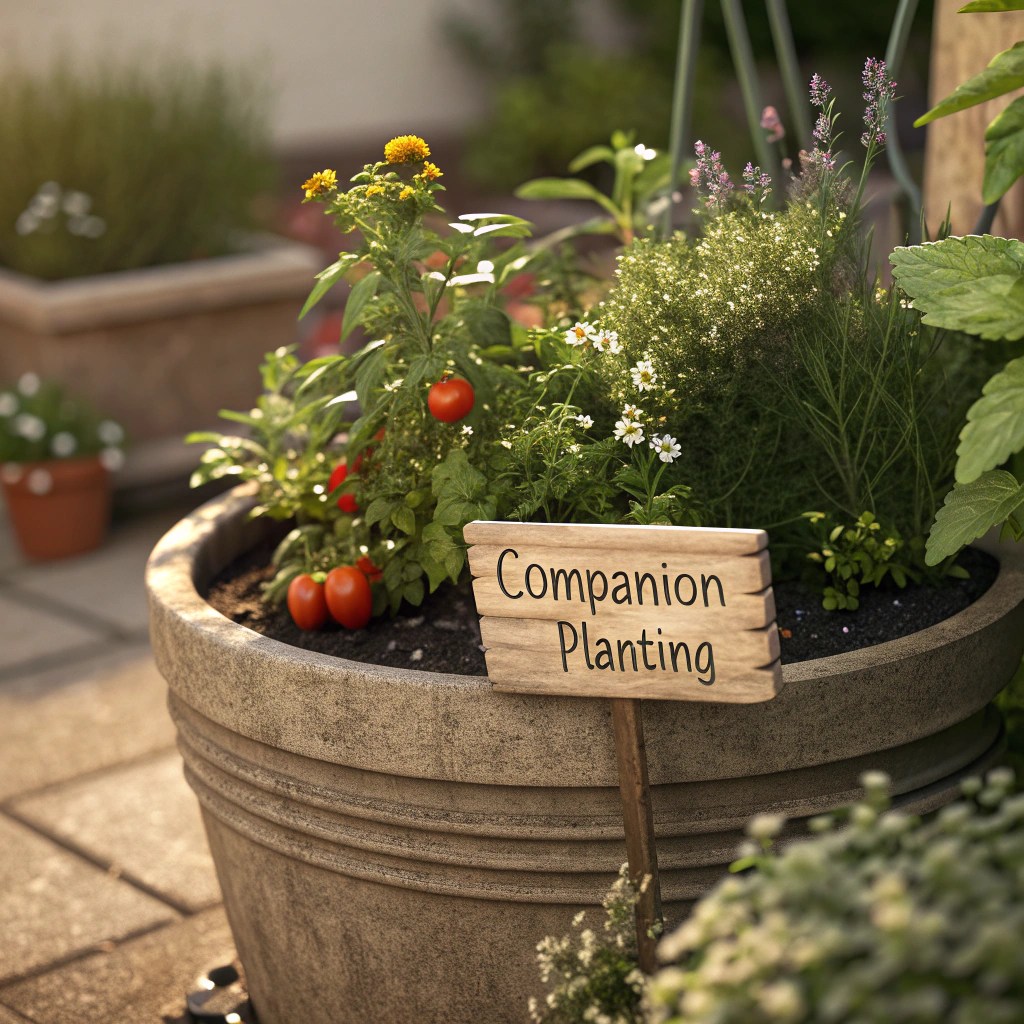
Seasonal planning ensures cool-season and warm-season plants share beds efficiently, extending productive periods throughout the entire growing year. In many climates, you can grow cool-season crops like lettuce, peas, broccoli, and spinach in early spring and late fall, while using the same space for heat-loving tomatoes, peppers, cucumbers, and squash during summer months. This rotation not only maximizes space utilization but also helps break pest and disease cycles since you’re changing crop families. The key is timing your plantings so that as one crop finishes, another is ready to take its place, creating a continuous harvest calendar that keeps your garden productive from the last frost in spring through the first hard freeze in autumn.
Vertical gardening techniques complement interplanting strategies beautifully by adding another dimension to your growing space. Train vining crops like pole beans, cucumbers, and indeterminate tomatoes up trellises, stakes, or cages, freeing up ground space below for shade-tolerant greens or root vegetables. Some gardeners create living archways of climbing beans or squash that provide both harvest and aesthetic structure. You can also use companion plants with different heights strategically: tall corn or sunflowers can provide afternoon shade for heat-sensitive lettuce in summer, while sprawling squash plants can shade the soil around upright brassicas, keeping roots cool and moist during hot weather.
Common Plant Pairings: Friends and Foes to Know
Understanding which plants work well together and which combinations to avoid is essential for companion planting success. Years of observation by gardeners and some scientific research have identified reliable partnerships that consistently produce positive results. Good companions include the classic pairing of tomatoes with basil and onions, where the aromatic herbs help deter pests while the different root depths allow them to coexist without competition. Carrots benefit greatly from companionship with chives and sage, as these alliums and herbs confuse carrot rust flies and other pests with their strong scents. Beans thrive when planted near corn, which provides natural trellising, and cucumbers, which share similar water needs and don’t compete for soil nutrients.
Tomatoes Love
- Basil for pest protection
- Carrots to loosen soil
- Onions and garlic to repel aphids
- Marigolds for nematode control
- Nasturtiums as aphid trap crops
Carrots Love
- Onions and leeks to deter carrot fly
- Sage and rosemary for scent masking
- Tomatoes for shade in hot weather
- Radishes to break up compacted soil
- Chives for pest confusion
Beans Love
- Corn for climbing support
- Squash for soil shade and moisture
- Cucumbers with similar water needs
- Carrots and beets for soil nitrogen
- Summer savory to repel bean beetles
However, it’s equally important to know which combinations to avoid, as some plant pairings can stunt growth, increase pest problems, or result in poor yields for both crops. Never plant onions, garlic, or other alliums near beans or peas, as alliums release compounds that inhibit nitrogen fixation and can stunt legume growth. The combination of potatoes and tomatoes should also be avoided because both are members of the nightshade family and susceptible to the same diseases, particularly early and late blight. Planting them together increases the risk of disease spread and makes crop rotation more difficult in subsequent years.
Onions + Beans
Alliums inhibit nitrogen fixation in legumes
Potatoes + Tomatoes
Same-family diseases spread easily between them
Fennel + Most Plants
Fennel is allelopathic and inhibits many neighbors
Brassicas + Strawberries
Competition leads to poor growth for both crops
For detailed guidance on specific plant combinations, refer to trusted companion planting charts from reputable sources like West Virginia University Extension, Farmers’ Almanac, and university agricultural extension services. These resources compile decades of research and traditional knowledge into easy-to-reference guides that show which vegetables, herbs, and flowers work best together. Many of these charts indicate not just compatible pairings but also explain the mechanism behind each relationship, whether it’s pest deterrence, nutrient sharing, structural support, or growth enhancement. Keep in mind that while these charts provide excellent general guidance, some success depends on your specific climate, soil conditions, and garden ecosystem, so don’t be afraid to experiment and observe what works best in your own growing space.
Designing Your Companion Garden: Practical Steps
Creating a successful companion garden begins with thoughtful planning that categorizes plants by size, growth habit, and seasonal requirements to ensure harmonious groupings. Start by listing all the vegetables, herbs, and flowers you want to grow, then organize them into groups based on their physical characteristics and timing. Tall plants like corn, sunflowers, and trellised tomatoes should be positioned where they won’t shade shorter crops unless that shade is beneficial. Group plants with similar water needs together to make irrigation more efficient. Consider whether crops are cool-season or warm-season, and plan succession planting to maximize bed utilization throughout the growing season.
Inventory and Categorize
List desired plants and group by size, season, water needs, and sun requirements
Map Beneficial Relationships
Identify which plants support each other through pest control, nitrogen fixing, or structure
Create Garden Layout
Sketch beds showing plant placement, considering height, spacing, and succession timing
Integrate Flowers and Herbs
Add borders and interplantings of beneficial flowers and aromatic herbs
Plan Crop Rotation
Design multi-year rotation strategy to maintain soil health and reduce disease
Use herbs and flowers as natural borders around your vegetable beds to protect crops and attract pollinators while creating an aesthetically pleasing garden design. Perennial herbs like lavender, rosemary, sage, and thyme make excellent permanent borders that return year after year, providing structure and fragrance while deterring many pests with their aromatic oils. Annual flowers like alyssum, marigolds, zinnias, and cosmos can be planted as seasonal borders that bring in beneficial insects and add brilliant color. These flowering borders serve multiple purposes: they create physical barriers that make it harder for pests to reach vegetables, provide nectar and pollen for pollinators and beneficial insects, and soften the utilitarian appearance of vegetable gardens into beautiful edible landscapes that are both productive and ornamental.
The Rule of Three in Garden Design
Apply the “rule of three” when grouping plants for both visual balance and ecological benefit. This design principle suggests planting in clusters of three or odd numbers rather than even numbers, creating more natural-looking arrangements while ensuring adequate populations of beneficial plants. For example, instead of planting a single basil plant near tomatoes, plant three or five basil plants in a cluster. This provides enough aromatic coverage to effectively deter pests while creating visual impact. Similarly, group three marigold plants together rather than spacing single plants evenly throughout the bed. These clusters create stronger scent barriers and more concentrated habitat for beneficial insects while looking more intentional and aesthetically pleasing.
Main Crop
Companion Herb
Beneficial Flower
Rotate crops yearly to maintain soil health and reduce disease buildup, ensuring long-term garden productivity and sustainability. Crop rotation prevents the depletion of specific nutrients by varying which plant families occupy each bed from season to season. It also breaks pest and disease cycles, since many problems are specific to plant families and overwinter in soil where those crops grew. A simple rotation moves heavy feeders like tomatoes and corn to beds where nitrogen-fixing beans grew the previous year, follows with light feeders like carrots and onions, then includes soil-building cover crops or compost additions before starting the cycle again. Document your garden layout each year with photos and sketches so you can plan effective rotations that complement your companion planting strategy, creating a system that becomes more productive and resilient with each passing season.
Real-World Success Stories and Benefits
Home gardeners across the globe consistently report increased yields and healthier plants when using companion planting techniques, with many dramatically reducing or eliminating pesticide use entirely. Sarah Martinez, a suburban gardener in California, transformed her struggling vegetable plot by implementing companion planting principles. After interplanting marigolds with her tomatoes and adding basil borders around her beds, she saw her tomato yields increase by nearly forty percent while aphid problems virtually disappeared. “I used to spray every week,” she explains. “Now I haven’t bought pesticides in three years, and my plants are healthier than ever. The key was creating a balanced ecosystem rather than fighting nature.”
Average Yield Increase
Reported by gardeners using companion planting compared to monoculture beds
Reduction in Pest Problems
Home gardeners saw fewer pest issues after implementing companion strategies
Decreased Chemical Use
Gardeners reduced or eliminated synthetic pesticides and fertilizers
Indigenous farming systems like the milpa continue to sustain communities with resilient, diverse crops that have fed populations for thousands of years. The milpa system, still widely practiced in Mexico and Central America, demonstrates companion planting on a agricultural scale. These traditional polyculture farms integrate corn, beans, squash, chilies, tomatoes, and numerous other crops in complex, mutually supportive arrangements. Research shows that milpa systems produce more total food per acre than monoculture farming while maintaining soil fertility indefinitely without synthetic inputs. The biodiversity inherent in these systems provides resilience against climate variability, pest outbreaks, and crop failures that can devastate monoculture farms. UNESCO has recognized milpa agriculture as an Intangible Cultural Heritage of Humanity, acknowledging its importance not just as a farming technique but as a sophisticated ecological knowledge system that offers lessons for modern sustainable agriculture.
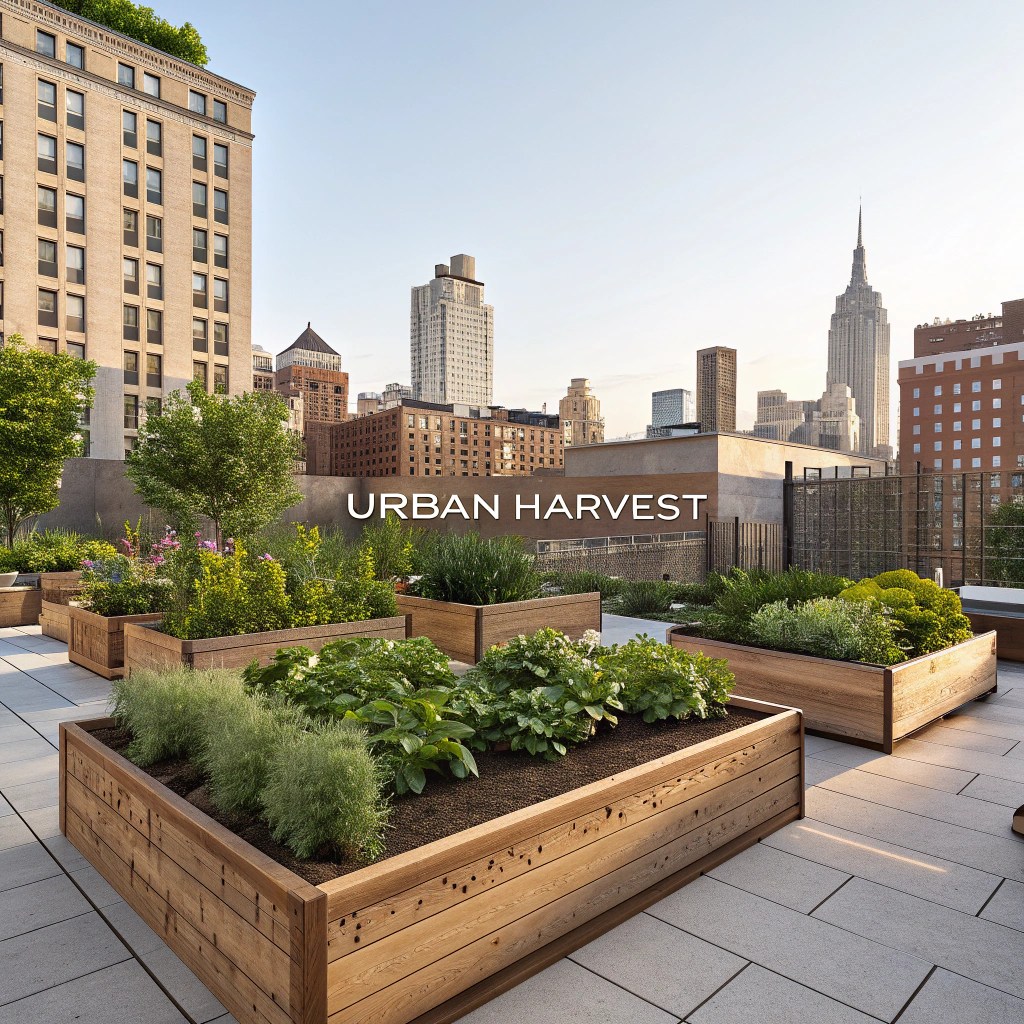
Urban Garden Success
Urban gardeners maximize limited space and improve soil quality by integrating companion planting in raised beds, containers, and vertical gardens. Marcus Johnson transformed his Brooklyn apartment balcony into a productive food garden using intensive companion planting in just 80 square feet of space. By combining cherry tomatoes with basil and nasturtiums in large containers, planting lettuce and radishes between pepper plants in window boxes, and training beans up vertical trellises alongside cucumbers, he harvests over 200 pounds of fresh produce annually from his compact urban space.
Community gardens have become laboratories for companion planting experimentation, with gardeners sharing knowledge and observing results across many plots with varying conditions. The increased biodiversity in gardens using companion planting supports wider ecosystem health, attracting butterflies, bees, and beneficial insects that then pollinate neighborhood trees and gardens. Schools incorporating companion planting into educational gardens report that students gain deeper understanding of ecology, nutrient cycles, and sustainable food production while enjoying fresh vegetables they grew themselves. These real-world applications demonstrate that companion planting succeeds across climates, garden sizes, and skill levels, offering practical benefits that extend beyond individual harvests to support community food security, environmental stewardship, and connection to natural growing systems.
Conclusion: Embrace Companion Planting for a Thriving, Sustainable Garden
Companion planting is a powerful, natural strategy to boost garden health, productivity, and biodiversity that has stood the test of time across cultures and climates. By understanding and applying the principles of beneficial plant relationships, you can create a garden ecosystem that largely takes care of itself, with plants supporting each other through pest deterrence, nutrient sharing, structural support, and habitat creation for beneficial organisms. This approach transforms gardening from a battle against nature into a collaboration with natural systems, reducing work while increasing rewards.
By understanding plant relationships and planning thoughtfully, gardeners can reduce pests, improve soil, and enjoy abundant harvests without relying on synthetic chemicals or intensive interventions. The investment of time spent learning companion combinations and designing your garden layout pays dividends throughout the growing season and in subsequent years as your soil improves and beneficial insect populations establish themselves. Whether you’re working with a small balcony container, a suburban raised bed, or a rural market garden, companion planting principles adapt to your scale and goals.

Start Small
Begin with proven combinations like tomatoes and basil before expanding
Experiment
Try different pairings and observe what works in your specific conditions
Document Results
Keep notes and photos to build your own companion planting knowledge base
Start small with a few proven companion combinations, experiment with new pairings each season, and watch your garden flourish naturally as you build experience and confidence. You don’t need to redesign your entire garden overnight. Simply add a few marigolds to your tomato bed this year, try interplanting lettuce with your peppers, or border your brassicas with aromatic herbs. Observe the results, noting which combinations produced healthier plants, higher yields, or fewer pest problems. Build on these successes gradually, expanding your companion planting practices as you develop intuition for which plants work well together in your specific garden conditions.
The journey into companion planting connects you more deeply with your garden and the natural world. You’ll begin noticing beneficial insects you never saw before, observing how plants interact, and understanding the complex web of relationships that create thriving ecosystems. This knowledge enriches the gardening experience beyond just harvesting vegetables—it becomes an ongoing education in ecology, sustainability, and working with nature. Your garden transforms from rows of isolated crops into a vibrant, interconnected community of plants, insects, and soil organisms all contributing to a resilient, productive, and beautiful growing space that sustains both you and the environment.
Hashtags
#CompanionPlanting #OrganicGardening #SustainableGardening #GardenTips #PestControl #SoilHealth #ThreeSistersGarden #Interplanting #HerbsAndVegetables #UrbanGardening
 NellyWorld
Leave a comment