In a world where stress and anxiety have become constant companions, an ancient remedy is experiencing a powerful renaissance. Garden therapy—the practice of cultivating plants for mental and emotional wellness—offers a bridge between our modern lives and the natural world that has always sustained us.
Introduction: The Growing Power of Garden Therapy
Gardening is more than a hobby; it’s a therapeutic practice with deep historical roots and proven mental health benefits that span centuries and cultures. From ancient monastery gardens to modern urban rooftops, the act of nurturing plants has consistently provided solace, purpose, and healing to those who engage with it.
Today, millions of people around the world turn to plants and gardens to reduce stress, boost mood, and find renewed purpose in their daily lives. Whether it’s tending to a sprawling backyard vegetable patch, caring for houseplants in a small apartment, or participating in community garden initiatives, the therapeutic power of cultivation transcends socioeconomic boundaries and physical limitations.
This comprehensive article explores how cultivating plants nurtures mental wellness, supported by rigorous scientific research, clinical studies, and real-world examples from therapeutic gardening programs worldwide. We’ll examine the biological mechanisms behind gardening’s healing effects, the psychological benefits of plant care, and practical ways anyone can incorporate garden therapy into their wellness routine.

Proven Science
Research-backed mental health improvements
Universal Access
Therapeutic benefits for all ages and abilities
Holistic Healing
Physical, emotional, and social wellness combined
Historical Roots of Therapeutic Gardening in the U.S.
The recognition of gardening as a legitimate therapeutic intervention has deep roots in American medical history. In the late 1700s, Dr. Benjamin Rush, a signer of the Declaration of Independence and one of the founding fathers of American psychiatry, meticulously documented gardening’s profound role in mental illness recovery among his patients at Pennsylvania Hospital. His observations noted that patients who worked in gardens showed marked improvements in mood, cognition, and overall mental stability compared to those confined to indoor wards.
This early insight laid the groundwork for what would eventually become a formalized discipline. The therapeutic use of gardening continued to evolve through the 19th and early 20th centuries, with psychiatric hospitals and veterans’ facilities incorporating garden work into treatment protocols, particularly for soldiers returning from World War I and World War II with what we now recognize as post-traumatic stress disorder.
Late 1700s
Dr. Benjamin Rush documents gardening’s role in mental illness recovery at Pennsylvania Hospital, establishing early foundations for horticultural therapy in America.
1919-1945
Veterans’ hospitals incorporate garden work to rehabilitate soldiers suffering from “shell shock” and war trauma, demonstrating effectiveness in PTSD treatment.
1972
Kansas State University launches the first formal U.S. horticultural therapy curriculum, professionalizing garden therapy as an evidence-based rehabilitation approach.
Present Day
Healing gardens flourish in hospitals, schools, prisons, and care facilities nationwide, designed with therapeutic principles to reduce anxiety and foster hope.
The watershed moment came in 1972 when Kansas State University launched the first comprehensive horticultural therapy curriculum in the United States, formalizing garden therapy as a recognized rehabilitation discipline with standardized training, certification requirements, and evidence-based practices. This academic legitimization opened doors for horticultural therapists to work in clinical settings, collaborating with physicians, psychologists, and occupational therapists.
Today, healing gardens flourish across diverse settings—from cancer treatment centers and psychiatric wards to elementary schools, rehabilitation facilities, and correctional institutions. These spaces are carefully designed with therapeutic principles in mind: accessible pathways for wheelchairs, raised beds for those with mobility limitations, sensory plants chosen for their textures and fragrances, and seating areas that encourage both solitude and social interaction. The gardens serve as living laboratories where anxiety diminishes, hope takes root, and healing unfolds naturally.
How Nature and Gardens Heal the Mind

One of the most compelling pieces of evidence for nature’s healing power comes from landmark research that examined surgical recovery rates. Studies conducted in hospitals revealed that patients recovering from the same surgical procedures experienced dramatically different outcomes based solely on what they could see from their rooms.
Patients with views of trees, gardens, or natural landscapes recovered significantly faster than those facing brick walls or urban architecture. These nature-viewing patients required fewer pain medications, experienced fewer post-surgical complications, and received more positive evaluations from nursing staff regarding their emotional state and cooperation with treatment protocols.
The psychological benefits extend far beyond surgical recovery. Research demonstrates that even brief exposure to gardens and green spaces—whether actively gardening or simply sitting among plants—produces measurable improvements in multiple dimensions of mental health. Regular garden interaction correlates with enhanced mood stability, improved sleep quality and duration, increased concentration and cognitive performance, and significant reductions in depressive symptoms.
Dementia and Alzheimer’s Care
Garden-based interventions significantly ease symptoms, reducing agitation, confusion, and aggressive behaviors while decreasing reliance on psychotropic medications.
Anxiety Reduction
Natural settings activate the parasympathetic nervous system, triggering relaxation responses and lowering physiological markers of stress and anxiety.
Mood Enhancement
Exposure to natural light and greenery increases serotonin production, naturally elevating mood and combating seasonal affective disorder.
For individuals living with dementia and Alzheimer’s disease, time spent in garden settings proves particularly valuable. Therapeutic gardens specifically designed for memory care reduce agitation, wandering behaviors, and aggressive episodes while improving social engagement and reducing the need for sedating medications. The familiar, non-threatening environment of a garden often unlocks memories and emotional connections that remain inaccessible in clinical settings, providing moments of clarity and connection for both patients and their loved ones.
The Psychological Benefits of Caring for Plants
While passive exposure to gardens provides benefits, the act of actively caring for plants amplifies therapeutic effects exponentially. Research focusing on indoor plant care among elderly residents in assisted living facilities revealed remarkable improvements across multiple psychological dimensions. Participants who assumed responsibility for caring for houseplants reported enhanced self-esteem, increased daily happiness, and significantly improved overall quality of life compared to control groups without plant care responsibilities.
Routine and Structure
Regular watering and care schedules provide comforting predictability
Purpose and Responsibility
Being needed by a living thing enhances meaning and agency
Visible Progress
Watching plants grow provides tangible evidence of successful nurturing
Achievement and Pride
Successfully cultivating plants boosts confidence and self-worth
Social Connection
Plants become conversation starters and shared interests
The psychological mechanism behind these improvements relates to several interconnected factors. First, feeling responsible for a living plant enhances personal agency—the sense that one’s actions matter and have meaningful consequences. This is particularly crucial for elderly individuals or those struggling with mental health challenges who may feel powerless or invisible in other aspects of their lives. A plant depends on their care; without their attention, it will not thrive. This dependency relationship restores a sense of purpose and importance.
Second, plant care naturally promotes mindfulness by grounding individuals in the present moment. The tactile experience of touching soil, pruning leaves, or arranging stems requires focused attention on immediate sensory input rather than rumination about past regrets or future anxieties. This present-moment awareness is the cornerstone of mindfulness-based stress reduction techniques that have proven effective in treating depression, anxiety, and trauma-related disorders.
Third, gardening routines provide comforting structure and predictability, which are especially valuable for individuals experiencing the chaos of mental illness or cognitive decline. Knowing that plants need watering on certain days, that seeds must be started at particular times, or that pruning should occur seasonally creates a framework around which other activities can be organized. This structure reduces anxiety by eliminating uncertainty and decision fatigue while simultaneously increasing feelings of competence and mastery.
Finally, successful plant cultivation provides tangible, visible evidence of one’s capability and positive impact on the world. Watching a seed germinate, a cutting develop roots, or a plant produce flowers or fruit offers concrete proof that effort yields results—a powerful antidote to the helplessness and hopelessness that characterize depression. These small victories accumulate, gradually rebuilding self-efficacy and optimism about one’s ability to effect positive change.
Gardening’s Role in Stress Reduction and Emotional Well-being
The Cortisol Connection
Cortisol, often called the “stress hormone,” plays a central role in the body’s response to perceived threats and chronic stress. Elevated cortisol levels over extended periods contribute to anxiety disorders, depression, cardiovascular disease, weakened immune function, and cognitive impairment. Finding effective ways to lower cortisol naturally is therefore crucial for maintaining both mental and physical health.
Groundbreaking research comparing different relaxation activities discovered that gardening lowers cortisol levels more effectively than other commonly recommended stress-reduction techniques, including reading, listening to music, or watching television. Study participants who spent just thirty minutes gardening showed significant decreases in salivary cortisol and reported feeling more restored and energized than those who engaged in indoor leisure activities.
Physical Activity Benefits
Gardening involves moderate exercise that releases dopamine, improving memory function, reducing anxiety levels, and elevating mood naturally without pharmaceutical intervention.
Sensory Engagement
The multi-sensory experience of touching soil, smelling plants, seeing vibrant colors, hearing birdsong, and sometimes tasting fresh produce calms the nervous system comprehensively.
Grounding Effects
Direct contact with soil may provide additional benefits through exposure to beneficial soil microorganisms that influence mood-regulating neurotransmitter production.
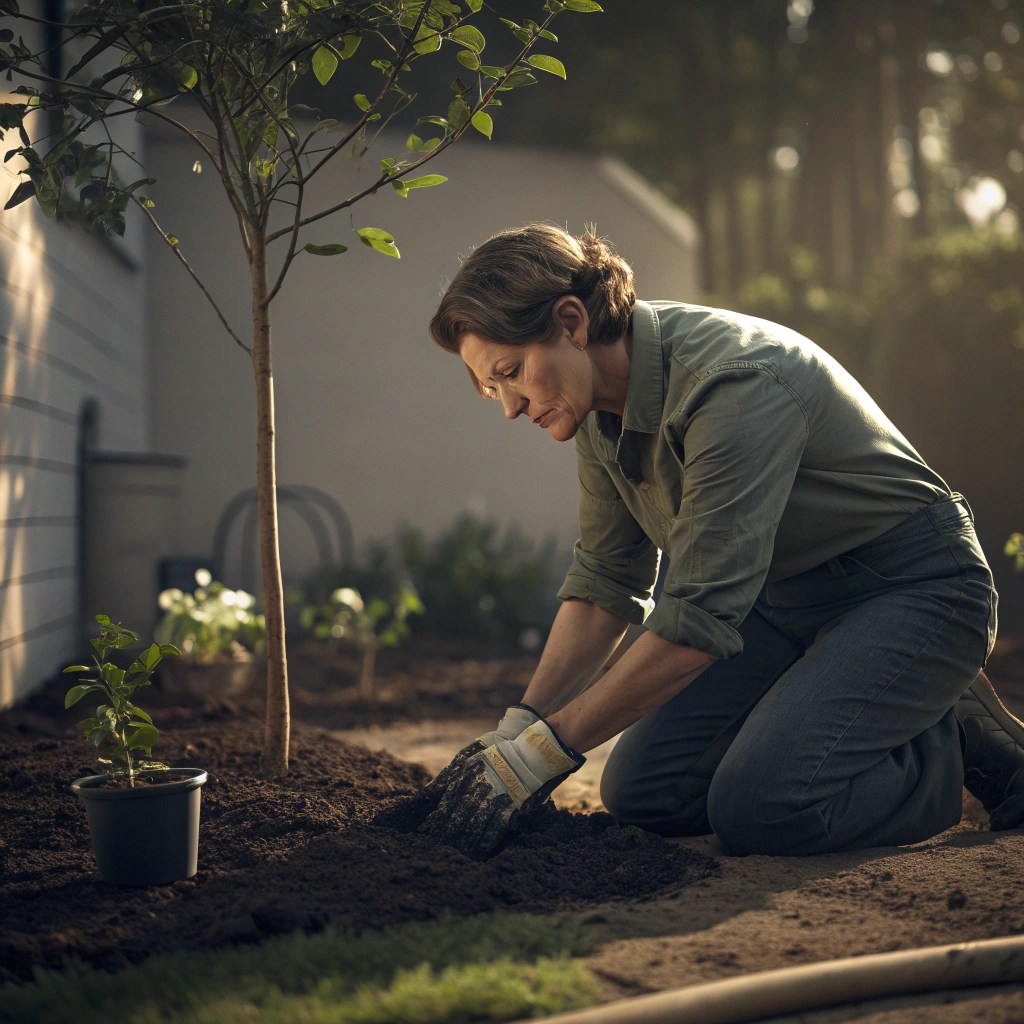
The physical activity inherent in gardening also contributes significantly to emotional well-being. Digging, planting, weeding, watering, and harvesting involve moderate aerobic exercise and resistance training that stimulate the production of dopamine, serotonin, and endorphins—the brain’s natural mood elevators. These neurochemicals improve memory consolidation, reduce anxiety symptoms, enhance motivation, and create feelings of pleasure and accomplishment.
Unlike high-intensity exercise that some find intimidating or inaccessible, gardening provides gentle, sustained physical activity that can be easily modified for different fitness levels and physical abilities. The work feels purposeful rather than obligatory, making it more likely that individuals will maintain the practice consistently over time.
The sensory richness of gardening environments deserves special attention. Gardens engage all five senses simultaneously, creating an immersive experience that crowds out stress and worry. The feel of cool, damp earth between fingers; the fragrance of lavender, mint, or roses; the visual feast of colors, shapes, and movements; the sounds of rustling leaves, buzzing insects, and chirping birds; and occasionally the taste of a sun-warmed tomato or fresh herb—this comprehensive sensory engagement activates the parasympathetic nervous system, which governs rest, digestion, and recovery.
This multi-sensory immersion explains why gardening induces a meditative state for many practitioners. The busy mind, constantly generating thoughts and worries, becomes absorbed in immediate physical sensations. Time seems to slow or disappear entirely. Problems that felt overwhelming before entering the garden often appear more manageable afterward, not because circumstances have changed, but because mental perspective has shifted. This psychological distance allows for clearer thinking and more creative problem-solving once the gardening session concludes.
Community Gardens: Cultivating Connection and Resilience
While solitary gardening offers profound benefits, community gardens add a powerful social dimension that amplifies therapeutic effects. These shared green spaces serve as gathering points where individuals from diverse backgrounds, ages, and circumstances come together around a common purpose. The simple act of tending adjacent plots naturally facilitates conversation, mutual support, and the development of meaningful relationships.
For populations experiencing social isolation—elderly individuals, recent immigrants, people with mental health challenges, or those who have experienced trauma—community gardens provide inclusive environments that reduce loneliness and foster authentic social bonds. Unlike many social situations that feel performative or evaluative, working alongside others in a garden creates natural, low-pressure opportunities for connection. Conversations flow easily when hands are occupied with planting or weeding, reducing the social anxiety that inhibits connection in more formal settings.
Youth Empowerment
Research on vulnerable youth populations, particularly those from broken homes or unstable family situations, demonstrates that participation in community gardening programs significantly improves self-efficacy—the belief in one’s ability to succeed and influence outcomes.
Reduced Stigma
Young people report feeling less judged in garden settings compared to school or clinical environments, allowing them to relax, open up, and engage more authentically with supportive adults and peers.
Skill Development
Learning practical gardening skills provides concrete capabilities that transfer to other life domains, building confidence and demonstrating that effort yields positive results over time.
Mentorship Opportunities
Experienced gardeners naturally mentor newcomers, creating intergenerational relationships that provide guidance, encouragement, and positive role modeling often missing from participants’ other relationships.
Community gardens also serve as therapeutic hubs for mental health support in innovative ways. Some mental health organizations operate gardens specifically as group therapy settings, where participants work together on garden projects while processing emotions, learning coping skills, and supporting one another’s recovery. The garden becomes both metaphor and reality—participants literally plant seeds of hope, nurture growth, and harvest the results of consistent care, paralleling their own healing journeys.
These green spaces often evolve into community anchors that provide food security, environmental education, cultural preservation through heritage plants, and opportunities for civic engagement. The mental health benefits thus extend beyond individual wellness to encompass community resilience, social cohesion, and collective empowerment—particularly vital in underserved neighborhoods where access to green space and mental health resources may be limited.

Gardening and Cognitive Health: Enhancing Memory and Focus
Beyond emotional well-being, gardening produces measurable improvements in cognitive function across multiple domains. Research links regular gardening activity with enhanced attention span, improved memory retention and recall, increased creativity and problem-solving ability, and better executive function—the mental processes that govern planning, organization, and task completion.
These cognitive benefits stem from several mechanisms. First, gardening requires sustained attention and working memory. Remembering which plants were watered, which areas need weeding, when different crops should be harvested, and how various plants respond to different conditions exercises memory systems in practical, meaningful ways. Unlike abstract memory exercises, these tasks have real consequences, which increases engagement and retention.
Focused Attention
Gardening demands concentration on specific tasks, strengthening attention control and reducing distractibility that plagues modern digital life.
Problem-Solving
Diagnosing plant problems, adapting to weather conditions, and optimizing garden layouts stimulate creative thinking and flexible cognition.
Temporal Awareness
Tracking seasonal cycles, growth stages, and timing of planting and harvesting strengthens temporal cognition and planning abilities.
Second, the problem-solving inherent in gardening—troubleshooting why a plant is yellowing, determining optimal placement for different species, adapting to unexpected weather, managing pests organically—engages executive function and creative thinking. These challenges have multiple potential solutions, encouraging flexible thinking rather than rigid, rule-based approaches. This cognitive flexibility is precisely what declines with age and certain mental health conditions, making gardening a valuable protective activity.
Clinical Applications
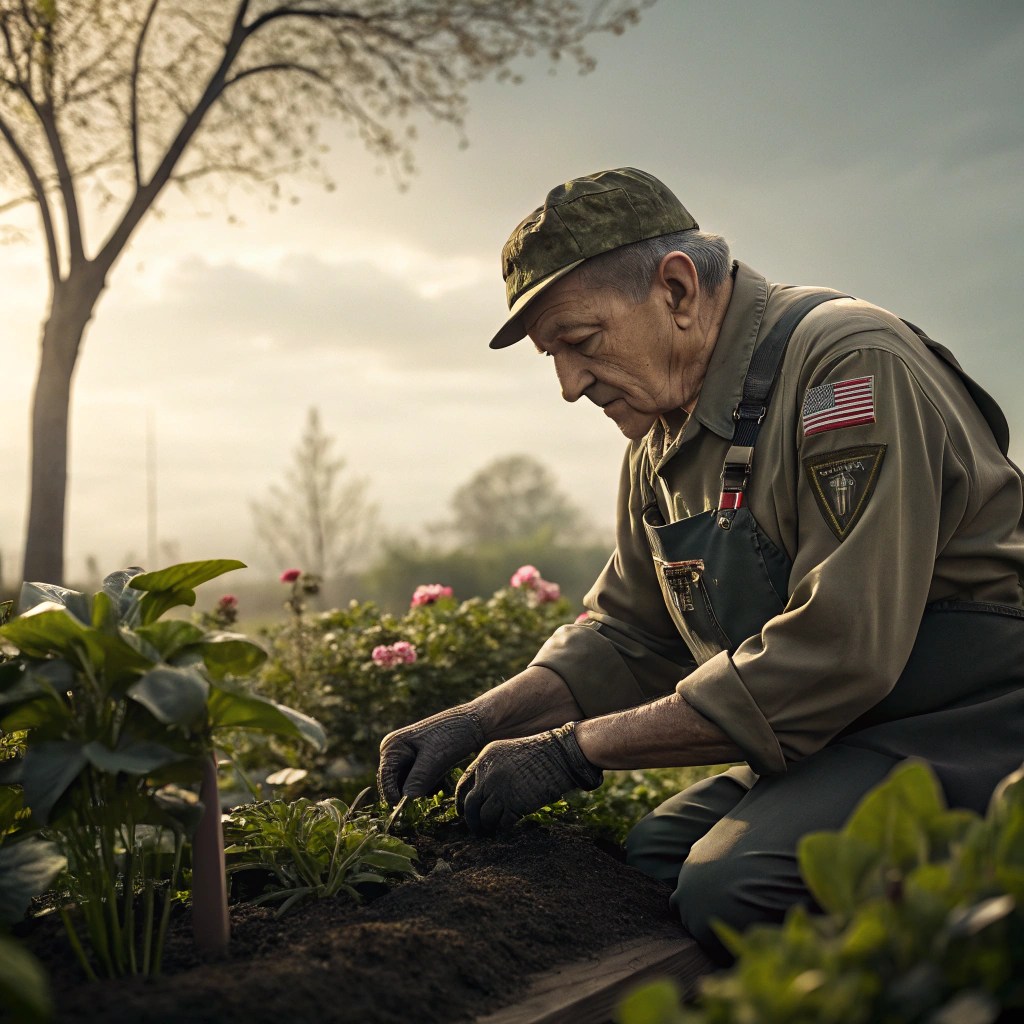
Horticultural therapy has demonstrated particular effectiveness in clinical populations. Veterans with post-traumatic stress disorder who participate in horticultural therapy programs show significant reductions in PTSD symptoms, including intrusive thoughts, hypervigilance, and emotional numbing. The purposeful distraction of gardening quiets the overactive threat-detection systems that characterize PTSD, while successful plant cultivation rebuilds the sense of control and efficacy that trauma destroys.
For individuals experiencing early cognitive decline or diagnosed with mild to moderate dementia, regular gardening engagement has been shown to slow the progression of cognitive impairment. The combination of physical activity, sensory stimulation, and meaningful engagement appears to support neuroplasticity—the brain’s ability to form new neural connections that compensate for age-related changes.
Perhaps most importantly, gardening provides a form of “soft fascination”—engaging the attention gently without demanding intense concentration. This allows the brain’s default mode network, responsible for memory consolidation, self-reflection, and mental restoration, to function optimally. In our hyper-stimulating modern environment characterized by constant notifications and information overload, this type of gentle, restorative attention is increasingly rare and increasingly necessary for cognitive health.
Practical Tips to Start Your Garden Therapy Journey
Beginning a garden therapy practice doesn’t require extensive space, equipment, or expertise. Even those with limited mobility, minimal outdoor access, or no prior gardening experience can cultivate plants and reap mental health benefits. The key is starting small, choosing appropriate plants for your situation, and focusing on the process rather than achieving perfection.
Start with Easy-Care Plants
Build confidence and establish routines with forgiving plants like pothos, snake plants, herbs (basil, mint), succulents, or easy vegetables like lettuce, radishes, and cherry tomatoes that tolerate beginner mistakes.
Accommodate Physical Limitations
Use raised beds, container gardens, or vertical gardens to eliminate bending and kneeling. Ergonomic tools with cushioned handles reduce joint strain. Seated gardening is equally therapeutic.
Maximize Sensory Elements
Include fragrant herbs like lavender, rosemary, and lemon balm. Choose flowers with varied colors and textures. Add plants that attract butterflies and birds for movement and sound.
Join Community Spaces
Connect with local garden clubs, community gardens, or botanical gardens offering classes. These provide expertise, social connection, and often free or low-cost resources.
Create Regular Rituals
Establish consistent gardening times—morning watering, weekend weeding, or evening plant checks—to build stress-reducing routines and structure into your days.
Indoor Gardening Solutions
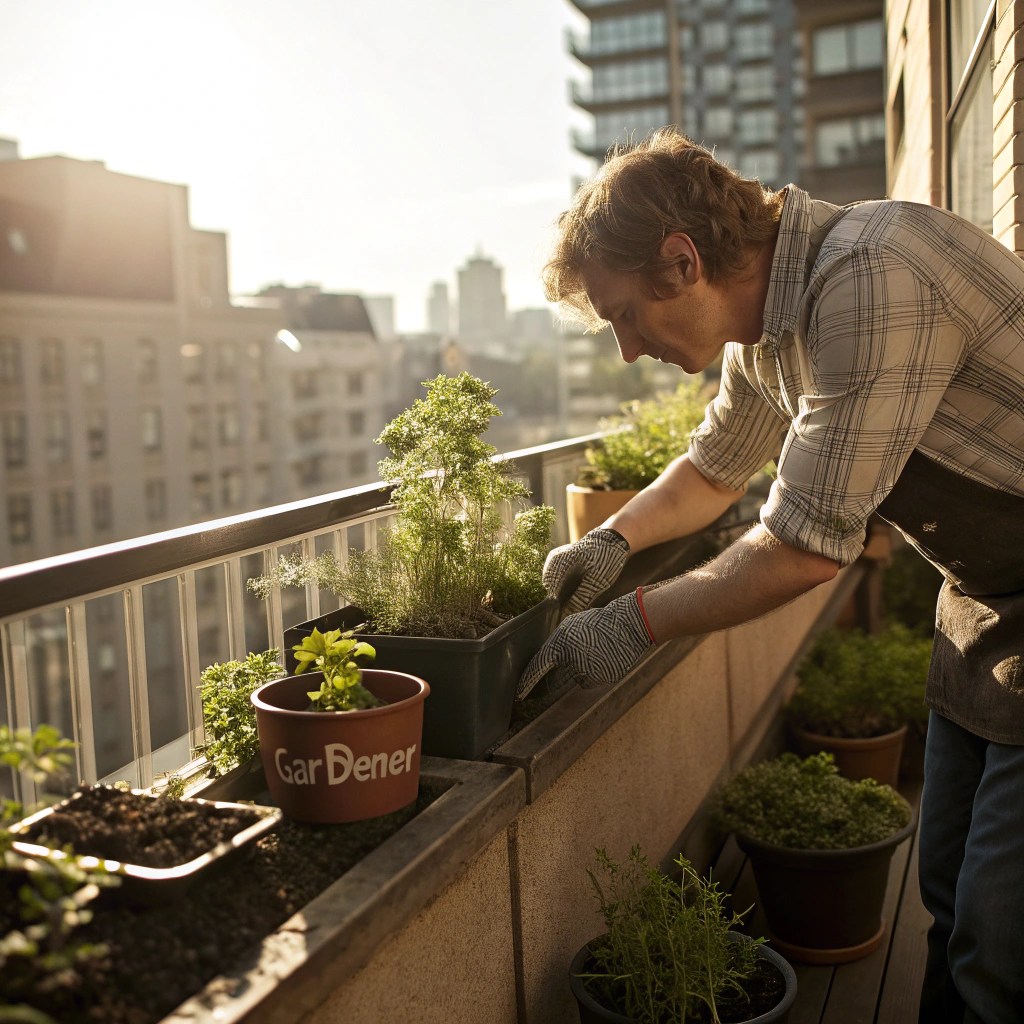
For those without outdoor space, indoor gardens provide equally valuable therapeutic benefits. A sunny windowsill can accommodate herbs or small vegetables. Low-light corners suit pothos, philodendrons, or snake plants. Grow lights expand possibilities for year-round indoor gardening regardless of natural light availability.
Terrariums offer miniature garden ecosystems requiring minimal maintenance while providing maximum visual interest. The process of designing and assembling a terrarium combines creativity with the satisfaction of creating a self-sustaining living system—a perfect metaphor for building mental health resilience.
Keep a Garden Journal
Document what you plant, when you water, observations about growth, and how you feel during and after gardening. This tracks progress and reinforces the mindfulness aspect.
Set Realistic Expectations
Some plants will die. Seeds won’t always germinate. Focus on the therapeutic process rather than perfect results. Imperfection is part of nature’s beauty.
Commit Just 15 Minutes Daily
Brief, consistent engagement provides more benefit than occasional marathon sessions. Even five minutes of plant care can shift mood and reduce stress hormones.
Remember that garden therapy is highly personal—what works for one person may not suit another. Experiment with different plants, gardening styles, and time commitments until you discover what brings you the most joy and peace. The therapeutic benefits emerge from engaging with living plants in whatever form that takes, not from achieving magazine-worthy results.
Conclusion: Cultivating Mental Wellness One Plant at a Time
In an era of increasing mental health challenges, pharmaceutical interventions, and expensive therapy modalities, gardening emerges as a remarkably powerful, accessible, and affordable tool for improving mental wellness. The evidence is overwhelming and multifaceted: gardening reduces stress hormones, elevates mood-regulating neurotransmitters, improves cognitive function, fosters social connection, provides meaningful purpose, and offers hope symbolized in every seed that germinates and every flower that blooms.
What makes garden therapy particularly valuable is its holistic nature—it simultaneously addresses physical health through gentle exercise, mental health through stress reduction and cognitive engagement, emotional health through nurturing relationships with living things, and social health through community connections. This comprehensive approach aligns with our increasing understanding that mental health cannot be separated from overall well-being; all dimensions influence and support each other.
Physical Health
Moderate exercise, fresh air, vitamin D, improved cardiovascular function
Mental Clarity
Enhanced memory, focus, creativity, cognitive resilience
Emotional Balance
Reduced anxiety and depression, elevated mood, emotional regulation
Social Connection
Reduced isolation, meaningful relationships, community belonging
Life Purpose
Meaningful activity, responsibility, accomplishment, hope for the future
Whether through solitary care of houseplants that brighten a small apartment, tending a backyard vegetable garden that provides both food and satisfaction, or participating in a community garden that builds neighborhood connections, the act of cultivating plants nurtures far more than greenery. It cultivates hope in people who have lost it, reduces suffering for those who bear heavy burdens, and enhances life satisfaction for those simply seeking greater peace and joy.
The beautiful truth about garden therapy is that you don’t need to wait for a formal program, a large space, or perfect conditions to begin. A single potted plant on a windowsill can be your gateway to this ancient healing practice. Start where you are, with what you have, and trust that your relationship with plants—like the plants themselves—will grow over time.
As you watch seeds germinate, stems strengthen, leaves unfurl, and flowers bloom, you’re not just witnessing plant growth—you’re participating in a profound metaphor for your own healing journey. You’re learning that growth takes time, that nurturing matters, that setbacks are temporary, and that with consistent care and attention, beautiful transformations are possible.
Embrace garden therapy today. Let your hands touch soil, your eyes rest on green growing things, your mind quiet in the presence of nature’s patient rhythms. In doing so, you’ll grow not only plants but also resilience, joy, peace, and well-being—one seed, one plant, one day at a time.
 NellyWorld
Leave a comment