Transform your outdoor space into a thriving sanctuary for local wildlife while creating a stunning, low-maintenance landscape that celebrates the natural beauty of your region.
Why Native Plants Matter More Than Ever
Native plants are the foundation of healthy ecosystems, evolved over millennia to support local wildlife and biodiversity. These remarkable species have developed intricate relationships with native insects, birds, mammals, and soil organisms, creating a web of life that sustains our natural world. In an era of rapid environmental change, understanding and embracing native plants has never been more critical.
Urbanization and the prevalence of lawn monocultures have dramatically fragmented natural habitats across our landscapes. What were once continuous corridors of diverse plant communities have been reduced to isolated patches, leaving wildlife struggling to find food, shelter, and breeding grounds. Native plant gardens serve as critical refuges—oases of biodiversity in a sea of turf grass and ornamental exotics. Every native garden you create becomes a vital stepping stone for pollinators, birds, and beneficial insects navigating our increasingly developed world.
Gardening with natives offers profound environmental benefits that extend far beyond aesthetics. These plants help combat climate change by sequestering carbon and reducing the need for gas-powered lawn equipment. They conserve precious water resources, often requiring 50-75% less irrigation than traditional landscapes once established. Native gardens eliminate the need for synthetic fertilizers and pesticides, protecting soil health, water quality, and the beneficial organisms that make our ecosystems function.
Biodiversity Support
Creating refuge for wildlife in fragmented habitats
Resource Conservation
Reducing water use and chemical inputs
Climate Action
Building sustainable, resilient landscapes
The movement toward native plant gardening represents more than just a horticultural trend—it’s a crucial response to the biodiversity crisis. As natural habitats continue to disappear, our backyards, parks, and community spaces become increasingly important for conservation. By choosing native plants, gardeners become active participants in ecosystem restoration, creating resilient landscapes that can adapt to changing conditions while supporting the complex web of life that depends on them.
What Are Native Plants? Understanding Their Unique Role
Native plants are species that naturally occur and have evolved in a specific geographic region over thousands or millions of years, developing complex, interdependent relationships with local insects, birds, mammals, and soil microorganisms. These aren’t simply plants that can grow in your area—they’re species that originated there, becoming integral parts of the local ecosystem’s functioning. Understanding this distinction is fundamental to creating gardens that truly support biodiversity.
Evolutionary Adaptation
Plants develop traits suited to local climate, soil, and rainfall patterns over millennia
Ecosystem Integration
Native insects, birds, and wildlife evolve to depend on specific plant species for survival
Complex Relationships
Intricate networks of mutual benefit develop between plants, pollinators, and soil microbes
Habitat Foundation
Native plants become irreplaceable food sources and shelter for entire food webs
The ecological importance of native plants becomes strikingly clear when we examine specific examples. California native oak trees, for instance, support over 500 species of caterpillars—the primary food source for baby birds like chickadees, bluebirds, and warblers. In contrast, commonly planted non-native trees like ginkgos or Bradford pears support fewer than a dozen caterpillar species. This dramatic difference cascades through the food web: fewer caterpillars mean fewer birds, which means reduced predation on garden pests, and ultimately less biodiversity overall.
Native Species Advantages
- Support hundreds of specialized insect species
- Provide optimal nutrition for local wildlife
- Require no synthetic inputs once established
- Adapted to local climate extremes
- Deep roots prevent erosion and filter water
- Support complete life cycles of native fauna
Non-Native Limitations
- Support few or no native insects
- Often lack nutritional value for wildlife
- May require fertilizers and pesticides
- Vulnerable to local weather extremes
- Shallow roots provide limited ecosystem services
- Fail to support reproduction of native species
Choosing native species means understanding your local ecoregion and selecting plants naturally suited to your specific climate, soil type, rainfall patterns, and wildlife needs. A plant native to coastal California won’t necessarily thrive or provide the same ecological benefits in inland desert regions, even within the same state. The key is matching plants to place—consulting local native plant societies, extension services, and resources like Audubon’s native plant database to identify species that truly belong in your specific location. This precision ensures your garden provides maximum benefit to local ecosystems while requiring minimal maintenance and resources.
Ecological Benefits: Building a Thriving Backyard Habitat
Native plant gardens function as miniature ecosystems, providing essential resources that support entire food webs right in your backyard. The ecological benefits extend far beyond simple beauty, creating complex habitats that nurture biodiversity and strengthen the resilience of local wildlife populations.
Essential Food Sources
Native plants provide precisely timed nectar for pollinators including native bees, butterflies, hummingbirds, and moths. Seeds, berries, and fruits nourish birds and small mammals throughout seasons when food is scarce. The leaves themselves support caterpillars and other insects that form the base of the food chain.
Shelter and Breeding Grounds
Dense native shrubs offer protected nesting sites for songbirds and safe corridors for ground-dwelling species. Native plants support the complete life cycle of butterflies and moths, providing host plants for caterpillars and nectar sources for adults, ensuring population continuity.
Soil Health and Water Management
Deep root systems of native plants, often extending 10-15 feet underground, dramatically improve soil structure, reduce erosion, and increase water infiltration. This natural infrastructure manages stormwater runoff, filters pollutants, and recharges groundwater supplies.
The interconnected benefits of native plant gardens create what ecologists call “ecosystem services”—natural processes that would be expensive or impossible to replicate artificially. When you plant a native garden, you’re not just adding pretty flowers; you’re installing a sophisticated biological system that cleans air and water, manages stormwater, builds topsoil, sequesters carbon, and supports biodiversity. These gardens become increasingly valuable over time as plants mature and wildlife populations establish themselves.
Native Plants
Foundation species adapted to local conditions
Insects
Herbivores that feed on plant tissues
Birds
Predators that feed insects to young
Healthy Ecosystem
Complete food web supporting all life
Research shows that native plant gardens support 4-5 times more butterfly species and abundance compared to non-native gardens. Bird populations benefit similarly, with studies documenting significantly higher reproductive success in areas with abundant native plants. The reason is simple: native plants and native wildlife evolved together, creating perfectly synchronized relationships. When caterpillars emerge in spring, they coincide exactly with when parent birds need protein-rich food for nestlings. This timing doesn’t occur with non-native plants, leaving baby birds hungry even in landscaped areas.
Perhaps most importantly, native gardens create resilience in an uncertain future. As climate change brings more extreme weather, pest pressures, and unpredictable conditions, native plants’ deep genetic adaptation to local ecosystems helps them—and the wildlife depending on them—survive and thrive. Your native garden becomes an ark of biodiversity, preserving local species and ecological relationships for future generations.
Environmental Impact: Water Conservation and Climate Resilience
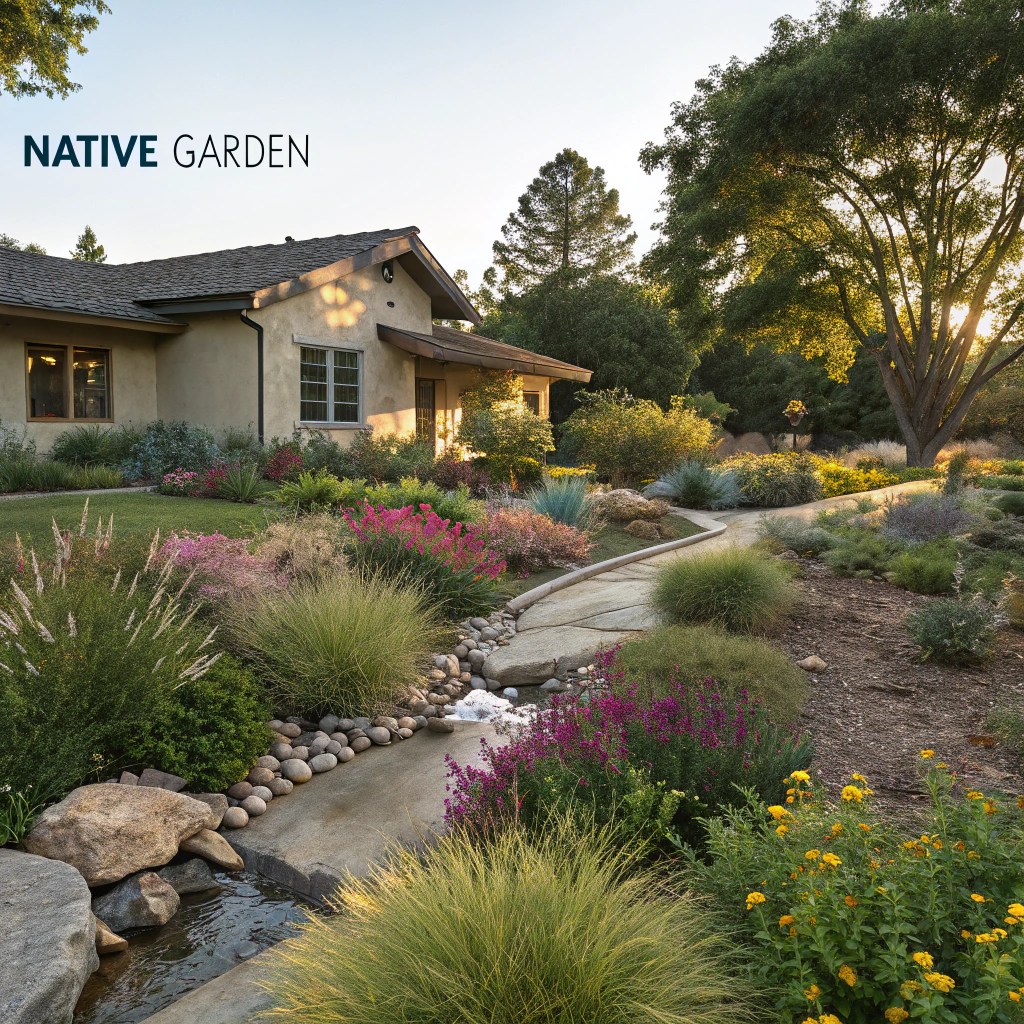
Water Conservation Benefits
Native plants require significantly less irrigation once established, often reducing water consumption by 50-75% compared to traditional lawns and exotic ornamentals. Their deep root systems access moisture unavailable to shallow-rooted turf grass, allowing them to survive extended dry periods without supplemental watering. This drought tolerance translates directly into lower water bills, reduced strain on municipal water supplies, and greater garden resilience during water restrictions or climate-driven droughts.
Water Reduction
Less irrigation needed compared to conventional landscapes
Chemical Elimination
Reduction in synthetic fertilizers and pesticides
Carbon Sequestration
More carbon stored than turf grass landscapes
The environmental advantages of native gardens extend well beyond water savings. Native plants thrive without synthetic fertilizers or pesticides because they’ve evolved natural defenses and nutrient acquisition strategies suited to local soil conditions. Eliminating these chemicals promotes healthier soil biology, protects beneficial insects, and prevents toxic runoff from contaminating streams, rivers, and groundwater. The cascading benefits create cleaner watersheds, healthier aquatic ecosystems, and safer environments for children, pets, and wildlife.
Native gardens make meaningful contributions to climate change mitigation through multiple mechanisms. First, they eliminate or drastically reduce the need for gas-powered lawn mowers, leaf blowers, and string trimmers—equipment that produces surprising amounts of air pollution and carbon emissions. One hour of gas-powered lawn mowing produces emissions equivalent to driving a car over 100 miles. Second, native plants with their extensive root systems sequester significantly more carbon in soil than shallow-rooted turf grass. Deep-rooted prairie plants, for example, can store 3-5 tons of carbon per acre annually in their root biomass and associated soil organic matter.
Reduced Urban Heat Island Effect
Native plant gardens, especially those with trees and dense shrubs, lower ambient temperatures through evapotranspiration and shade, reducing air conditioning needs and improving urban climate resilience.
Stormwater Management
Deep roots and organic-rich soil in native gardens absorb rainfall like a sponge, reducing flooding, preventing erosion, and filtering pollutants before they reach waterways—natural infrastructure that saves municipalities millions.
Habitat Connectivity
As climate shifts force species to migrate, native garden corridors provide essential stepping stones, allowing plants and animals to move toward more suitable habitats and maintain genetic diversity.
Climate resilience—the ability of ecosystems to adapt and persist through changing conditions—may be the most critical benefit native gardens provide. These plants carry millions of years of genetic adaptation to local climate variability, giving them flexibility to cope with temperature extremes, irregular rainfall, and unusual weather events. As we face an uncertain climate future, gardens built on native plant foundations offer the best chance of remaining beautiful, functional, and supportive of biodiversity regardless of what conditions emerge.
Practical Gardening Tips: How to Start Your Native Plant Garden
Creating a successful native plant garden requires thoughtful planning and understanding of your local ecosystem. The following practical steps will guide you from initial research through establishment, helping you create a thriving, low-maintenance landscape that supports local wildlife and reflects the natural beauty of your region.
Research Your Ecoregion
Begin by identifying your USDA hardiness zone and local ecoregion using resources like Audubon’s native plant database, Calscape (for California), or your state’s native plant society. Learn which plants historically grew in your area and understand your soil type, sun exposure, and moisture conditions.
Design with Layers
Mimic natural habitats by incorporating multiple vegetation layers: groundcovers, herbaceous perennials, shrubs, and trees. This vertical diversity provides varied resources for different wildlife species while creating visual interest and year-round structure in your garden.
Choose Appropriate Species
Select natives suited to your specific conditions—sun or shade, wet or dry, clay or sandy soil. Visit local nurseries specializing in natives, attend plant sales hosted by native plant societies, or connect with regional botanical gardens for recommendations.
Eliminate Invasives
Remove invasive species and minimize lawn areas before planting. Sheet mulching or careful use of targeted removal methods can prepare sites without harmful chemicals. Never plant species identified as invasive in your region, even if they’re native elsewhere.
Plant Strategically
Group plants in drifts of 3-7 individuals to create visual impact and attract pollinators more effectively. Ensure continuous bloom throughout the growing season by selecting species with staggered flowering times, providing consistent nectar and pollen resources.
Support Establishment
Apply 2-3 inches of organic mulch to retain moisture, suppress weeds, and build soil health. Water regularly during the first year while roots establish, then gradually reduce irrigation. Avoid fertilizers—native plants thrive in naturally occurring soil nutrients.
Essential Planning Resources
- Audubon Native Plant Database – Enter your zip code to find region-specific recommendations
- Lady Bird Johnson Wildflower Center – Comprehensive native plant information by state
- State Native Plant Societies – Local expertise, plant sales, and garden tours
- iNaturalist – Identify plants growing naturally in your area
- Xerces Society – Pollinator-focused planting guides
Key Design Principles
- Start small with a manageable area, then expand as you gain experience
- Include host plants for butterfly and moth caterpillars, not just nectar sources
- Provide water features like birdbaths or small ponds for wildlife
- Leave seed heads standing through winter for bird food and beneficial insect habitat
- Embrace imperfection—some leaf damage shows your garden supports life
Timing matters when establishing native gardens. Fall planting takes advantage of winter rains and gives roots time to establish before summer heat. Spring planting works well in cold climates where fall-planted perennials might frost-heave. Regardless of season, patience is essential—native perennials often spend their first year establishing root systems, with dramatic above-ground growth appearing in subsequent years. The old adage holds true: first year they sleep, second year they creep, third year they leap.
Don’t feel pressured to convert your entire yard immediately. Start with a small demonstration area—perhaps replacing a high-maintenance flower bed or converting a section of lawn. As you witness the transformation and enjoy reduced maintenance, you’ll likely want to expand. Many successful native gardeners convert their landscapes gradually over several years, learning and adapting their approach as they discover what works best in their specific conditions. The journey itself becomes rewarding as you observe increasing wildlife activity and watch your garden evolve into a thriving ecosystem.
Overcoming Challenges: Common Myths and Solutions
Despite growing enthusiasm for native plant gardening, persistent myths and misconceptions prevent many gardeners from embracing this sustainable approach. Understanding the reality behind these myths empowers you to make informed decisions and confidently create beautiful, ecologically valuable landscapes.
Myth: Native Plants Are Boring or Ugly
Reality: Native plants offer extraordinary diversity in form, color, texture, and seasonal interest. From the brilliant red cardinal flowers and vibrant purple asters to the architectural drama of native yuccas and the delicate beauty of columbines, natives span every aesthetic preference. Many cultivated ornamentals that gardeners love—coneflowers, black-eyed Susans, coral bells—are actually native species. The perception of boringness often comes from seeing poorly maintained roadside plantings rather than thoughtfully designed native gardens.
Myth: Native Gardens Require No Maintenance
Reality: While established native gardens require significantly less maintenance than conventional landscapes—no mowing, reduced watering, minimal fertilizing—they aren’t maintenance-free. Weeding is necessary, especially in the first few years. Periodic pruning, deadheading (optional), and fall cleanup contribute to garden health and appearance. However, this maintenance is less frequent, less physically demanding, and more aligned with natural seasonal rhythms than the intensive weekly upkeep conventional gardens demand.
Myth: Native Gardening Means No Design Flexibility
Reality: Native plants adapt beautifully to any garden style imaginable—formal hedges and parterres, cottage gardens, modern minimalist landscapes, woodland gardens, prairie meadows, or Mediterranean-inspired xeriscape designs. The key is selecting appropriate species and arranging them thoughtfully. Native grasses create elegant modern plantings, native shrubs form perfect hedges, and native perennials fill traditional borders with color and texture. Your aesthetic vision determines the style; native plants simply provide the palette.
Myth: Native Plants Attract Too Many Bugs and Pests
Reality: Healthy native gardens support diverse insect populations, including many beneficial species that control pests naturally. Yes, you’ll see caterpillars on host plants—that’s the point! These caterpillars feed birds and transform into beautiful butterflies and moths. Meanwhile, increased populations of predatory insects like ladybugs, lacewings, and parasitic wasps keep pest species in balance without chemical intervention. The presence of diverse insects indicates a functioning ecosystem, not a pest problem.
Addressing Common Concerns
Concern: Neighbors might complain about a “messy” garden
Solution: Design with intention. Use defined edges, mulched paths, and structured layouts. Include signage explaining your garden’s ecological purpose. Many communities now have “pollinator habitat” or “wildlife garden” signs available. Start with front yard foundation plantings or side yards to demonstrate beauty before converting highly visible spaces.
Concern: Finding native plants to purchase
Solution: Native plant availability has exploded in recent years. Specialized native nurseries, online retailers, botanical garden sales, and native plant society events offer extensive selections. Many mainstream nurseries now stock natives. Seed starting is also economical and rewarding for many species.
Natural Pest Management
Embrace integrated pest management principles in native gardens:
- Accept minor damage – Some leaf chewing indicates your garden supports wildlife
- Encourage predators – Birds, wasps, and predatory beetles control most pests naturally
- Hand-pick major infestations – Remove problematic insects manually rather than spraying
- Avoid pesticides – Even organic options harm beneficial insects and disrupt ecosystem balance
- Choose resistant varieties – Select plants naturally resistant to common local pests
Perhaps the most important mindset shift involves redefining perfection. Conventional gardening idealizes pristine, unblemished foliage and weed-free beds maintained through constant intervention. Native gardening embraces a different aesthetic—one that celebrates life, accepts natural processes, and finds beauty in ecological function. A caterpillar-nibbled leaf represents success, not failure. Seed-eating goldfinches perched on spent coneflowers create more compelling garden scenes than deadheaded sterility. This shift from manicured control to partnership with nature transforms gardening from endless battle into joyful observation and stewardship.
Community and Conservation: Extending Impact Beyond Your Yard
Individual native gardens create valuable habitat, but their impact multiplies exponentially when connected into networks spanning neighborhoods, communities, and regions. By thinking beyond property lines and engaging with broader conservation efforts, gardeners become powerful agents of landscape-scale ecological restoration.
Habitat Corridors
Create continuous pathways for wildlife movement across fragmented landscapes
Collective Action
Amplify conservation impact through coordinated neighborhood efforts
Knowledge Sharing
Educate neighbors and community members about native gardening benefits
Official Recognition
Participate in habitat certification programs to inspire others
Plant Sharing
Divide and distribute native plants to expand local coverage
Cultural Preservation
Protect regional plant species and ecological heritage for future generations
Native plant gardens function as “habitat corridors” or “stepping stones” that connect fragmented natural areas, allowing wildlife to move safely across developed landscapes. When multiple neighboring properties feature native plants, they create continuous habitat patches that support larger, more stable wildlife populations. Pollinators, songbirds, and beneficial insects can travel between gardens, finding food and shelter throughout their territories. This connectivity proves especially critical for species with large home ranges or those that migrate seasonally.
Engaging with local native plant societies, gardening clubs, and conservation organizations amplifies your impact dramatically. These groups offer expertise, resources, plant sales, garden tours, and volunteer opportunities that deepen your knowledge while contributing to larger conservation goals. Many cities now have “homegrown national park” initiatives or pollinator pathway projects that coordinate native plantings along streets and neighborhoods, creating wildlife corridors through urban areas. Participating in these efforts connects your individual garden to regional conservation strategies.
Certified Wildlife Habitat®
National Wildlife Federation program recognizing yards that provide food, water, cover, and places to raise young. Certification includes a sign for your yard, inspiring neighbors and validating your conservation efforts.
Monarch Waystation
Monarch Watch program certifying gardens with milkweed and nectar sources supporting monarch butterfly migration. Contributes to continent-wide monarch conservation efforts.
Bee Campus USA / Bee City USA
Xerces Society program recognizing communities and institutions committed to pollinator conservation through native plantings and education.
Sharing knowledge proves as important as sharing space. Talk with neighbors about your native garden, explaining the ecological benefits and beauty you’ve discovered. Offer garden tours, share divisions of your plants, or organize neighborhood native plant swaps. Many converts to native gardening report that seeing a neighbor’s successful garden provided the inspiration and confidence they needed to begin their own. Your visible example—especially when your garden looks beautiful and attracts fascinating wildlife—serves as powerful advocacy for sustainable landscaping practices.
The cultural dimension of native plant conservation deserves recognition. These plants represent the natural heritage of your region—the vegetation that defined landscapes before development, that sustained indigenous peoples for millennia, and that formed the ecological foundation of your local environment. By growing native plants, you participate in preserving this living cultural and natural history, maintaining genetic diversity of local ecotypes, and ensuring these species remain available for future restoration projects. Your garden becomes a seed bank, a living museum, and a gesture of respect for the place you call home.
Case Studies: Success Stories of Native Plant Gardens
Real-world examples demonstrate the transformative power of native plant gardening across different scales and contexts. These success stories provide inspiration, practical insights, and evidence that native gardens deliver on their promise of beauty, sustainability, and ecological value.
Santa Barbara Botanic Garden Initiative
The Santa Barbara Botanic Garden launched an ambitious initiative to increase native plant coverage to 30% in urban spaces throughout the region. Through partnerships with schools, businesses, and homeowners, the program provides design assistance, plant materials, and ongoing support.
Results: Documented increases in local pollinator populations including native bee species that had been declining. Butterfly diversity increased by 40% in participating neighborhoods. The visible success inspired municipal agencies to adopt native planting standards for public spaces.
California Home Garden Conversions
Residential gardeners across California have converted water-intensive lawns to diverse native gardens featuring buckwheat, sages, monkeyflowers, penstemons, and native grasses. These projects often qualified for water district rebates, offsetting installation costs.
Results: Participants report average water bill reductions of 40%, with some achieving 60% reductions. Maintenance time decreased from weekly lawn mowing to occasional weeding and seasonal pruning. Homeowners describe increased wildlife activity, with hummingbirds, butterflies, and songbirds becoming regular garden visitors.
Certified Wildlife Habitat Neighborhoods
Several urban neighborhoods pursued collective National Wildlife Federation certification, with 75% or more of residents creating certified wildlife habitats featuring predominantly native plants. Community members coordinated plant choices to ensure year-round resources and complementary habitats.
Results: Residents report dramatic increases in wildlife sightings including species not seen previously—hummingbird nesting, increased butterfly species and abundance, and return of native bee populations. Community pride increased alongside property values, with certified status becoming a neighborhood selling point.
School Garden Transformation

An elementary school in Portland, Oregon replaced turf play areas with native plant gardens featuring Oregon grape, red-flowering currant, camas, and native ferns. Students participate in planting, maintenance, and monitoring wildlife.
Impact: The school’s science curriculum now includes direct ecosystem observation. Students document over 50 insect species, 15 bird species, and multiple amphibians using the garden. Test scores in environmental science improved, and students report greater connection to nature and their local environment.
Urban Infill Development

A Chicago developer incorporated native plant landscaping into a new townhouse development, replacing typical ornamental plantings with Midwest prairie species, native shrubs, and understory trees adapted to urban conditions.
Impact: The project requires 70% less irrigation than comparable developments with conventional landscaping. Stormwater runoff decreased by 50%, reducing strain on municipal systems. Units sold faster and commanded premium prices, proving that native landscaping enhances rather than diminishes property marketability.
Species Supported
Average number of insect species in diverse native gardens vs. 20 in non-native landscapes
Water Savings
Typical reduction in irrigation needs after converting to native plants
Wildlife Increase
Bird and butterfly abundance in native gardens compared to conventional yards
These success stories share common themes: initial investment in thoughtful design and appropriate plant selection leads to landscapes that become more beautiful, diverse, and easy to maintain over time. Early skepticism from neighbors typically transforms into admiration and emulation as gardens mature and wildlife activity becomes visible. Financial benefits—reduced water bills, eliminated chemical costs, decreased maintenance labor—accumulate year after year, making native gardens increasingly cost-effective compared to conventional alternatives.
Perhaps most importantly, these case studies demonstrate that native gardening works across diverse contexts—urban and suburban, large properties and small yards, formal and informal styles. Success doesn’t require perfect conditions or expert knowledge, just commitment to choosing appropriate native species, providing establishment care, and embracing ecological gardening principles. The gardeners behind these transformations come from all backgrounds and skill levels, united by curiosity about native plants and willingness to garden in partnership with nature rather than in opposition to it.
Your Backyard as a Beacon for Biodiversity
Every native garden represents a small act of ecological restoration with ripples extending far beyond property boundaries. By choosing native plants, you actively reverse habitat loss, support wildlife populations under pressure from development and climate change, and create resilient, sustainable landscapes that grow more beautiful and functional with each passing year. Your backyard becomes a living testament to the power of individual action in addressing our biodiversity crisis.
Ecological Restoration
Reversing habitat loss and supporting recovering wildlife populations
Climate Solutions
Sequestering carbon, conserving water, and building resilience
Biodiversity Protection
Preserving native species and ecosystem functions
Living Beauty
Creating dynamic, seasonal gardens that inspire and delight
The native plant gardening movement represents something larger than horticulture—it’s a grassroots conservation revolution happening one backyard at a time. As conventional approaches to landscaping prove increasingly unsustainable in our water-scarce, chemically saturated, climate-disrupted world, native gardens offer a viable, beautiful alternative. They demonstrate that environmental responsibility and aesthetic excellence aren’t opposing goals but complementary values. You can have a gorgeous garden while simultaneously supporting ecosystem health, conserving resources, and providing habitat for creatures great and small.
The Power of Starting Small
Don’t let the scope of environmental challenges paralyze you into inaction. Start with a single native plant, one converted flower bed, or a corner of your lawn transformed into a pollinator garden. These modest beginnings teach you about native species suited to your conditions, build your confidence, and demonstrate tangible results. As you observe increased butterfly visits, hear more birdsong, or notice the first caterpillar on a host plant, you’ll understand why native gardening inspires such passionate advocacy.
Success breeds expansion. The native plant gardener who begins tentatively with a few species often becomes an enthusiastic evangelist within a year or two, eagerly expanding their plantings and encouraging neighbors to join the movement. This organic growth mirrors how ecosystems themselves develop—starting small, establishing foundations, then accelerating as conditions improve and components interconnect.
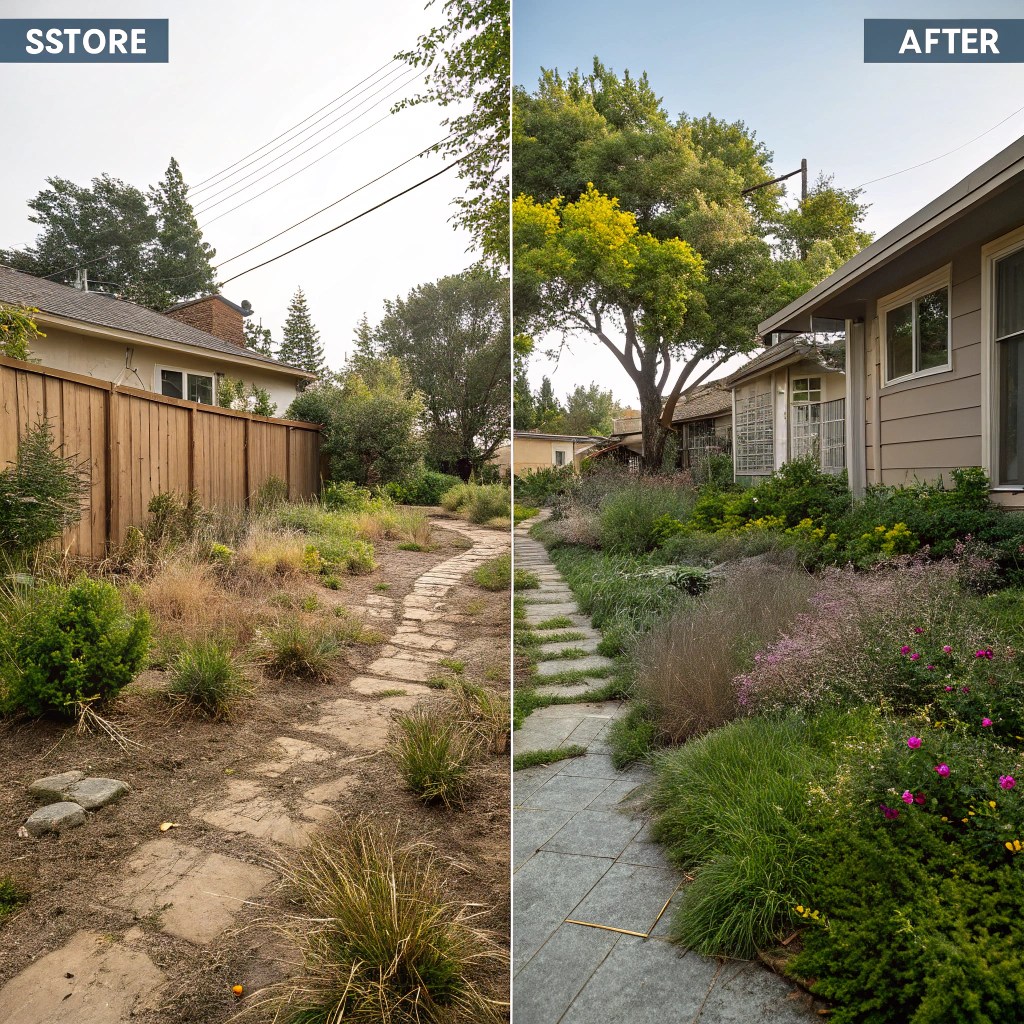
Think locally, act locally. The most successful native gardens focus on the specific plants and wildlife of your immediate region. Rather than planting generic “pollinator gardens” with species from across the continent, choose plants that evolved in your area and support your local native bees, butterflies, moths, and birds. This precision maximizes ecological benefit while ensuring plants thrive with minimal intervention. Your garden becomes a authentic expression of place—a landscape that could only exist where you live, reflecting and celebrating the unique natural heritage of your region.
Learn
Research native plants for your specific ecoregion
Plant
Start your native garden with appropriate species
Observe
Watch as wildlife discovers your habitat
Share
Inspire others through your example and experience
Watch your backyard transform into a thriving ecosystem that benefits all life—including your own. The joy of native gardening extends beyond environmental virtue signaling; these gardens provide profound satisfaction through their dynamic seasonal changes, fascinating wildlife interactions, and deepening connection to the natural world. Mornings begin with bird song, afternoons feature butterfly ballets, and evenings showcase moths visiting night-blooming natives. You become attuned to subtle shifts—the first spring ephemeral emerging, the arrival of migrating hummingbirds, the chrysalis forming on a host plant. Your garden becomes a window into nature’s rhythms, even in suburban or urban settings.
The future of biodiversity conservation depends less on distant wilderness preservation than on our collective choices about the landscapes we create and maintain where we live. Every yard, park, school ground, and public space represents an opportunity to support life or squander it. By embracing native plant gardening, you join millions of people choosing to support life, proving that environmental stewardship and everyday living aren’t separate domains but integrated expressions of how we inhabit our world. Your backyard can become a beacon for biodiversity—a small but significant victory in the larger effort to create a more sustainable, biodiverse, and beautiful world for all species, including our own.
Connect and Share
Join the growing community of native plant gardeners and help spread awareness about the importance of supporting local ecosystems through sustainable gardening practices.
#NativePlantGardening
Share your native garden journey and discover inspiration from gardeners worldwide
#SupportLocalEcosystems
Promote the vital connection between native plants and thriving local wildlife
#PollinatorGarden
Celebrate gardens that provide essential habitat for bees, butterflies, and beneficial insects
#WaterWiseGardening
Highlight the water conservation benefits of native plant landscapes
#Biodiversity
Champion the importance of diverse, interconnected ecosystems in our own backyards
#ClimateResilience
Demonstrate how native gardens contribute to climate change mitigation and adaptation
#SustainableLandscaping
Advocate for environmentally responsible approaches to residential and commercial landscapes
#WildlifeHabitat
Showcase gardens that provide food, shelter, and breeding grounds for native species
#NativePlants
Share information about specific native species and their ecological roles
#EcoFriendlyGardening
Promote gardening practices that work with nature rather than against it
Use these hashtags when sharing photos of your native garden, wildlife visitors, seasonal changes, and gardening tips on social media platforms. Together, we can inspire a movement toward more sustainable, biodiverse, and beautiful landscapes that support all life.
 NellyWorld
Leave a comment