Tracing how cyberpunk fiction has predicted and influenced our relationship with technology, corporate power, and digital existence.
Origins of Cyberpunk: Literary Roots and Early Visionaries
Cyberpunk emerged in the early 1980s as a revolutionary subgenre of science fiction, uniquely blending “high tech and low life” into a potent cultural force. This fusion created narratives where advanced technology coexisted with social decay, where hackers and outcasts navigated sprawling digital landscapes while living in urban squalor. The genre represented a radical departure from the optimistic space-age science fiction of previous decades, offering instead a grittier, more pessimistic vision of humanity’s technological future.
William Gibson’s groundbreaking novel Neuromancer (1984) became the genre’s defining work, coining the term “cyberspace” and establishing the archetype of the console cowboy—a hacker navigating virtual realms while dodging corporate security. Gibson’s prose style, dense with technological neologisms and vivid sensory descriptions, shaped cyberpunk’s distinctive voice. His vision of a global computer network accessed through neural interfaces eerily prefigured the internet age, demonstrating science fiction’s prophetic power.

Philip K. Dick’s Foundation
Do Androids Dream of Electric Sheep? (1968) explored identity and human-machine boundaries, questioning what makes us truly human in a world of artificial beings.
Bruce Sterling’s Expansion
The Mirrorshades anthology solidified cyberpunk as a movement, gathering diverse voices exploring technology’s dark side and punk counterculture.
Bruce Bethke’s Naming
The 1980 short story “Cyberpunk” combined cybernetics and punk rebellion, giving the genre its iconic name and cultural identity.
Pat Cadigan further expanded cyberpunk’s scope with novels like Synners, exploring the psychological and social implications of direct neural interfacing. Her work emphasized the genre’s concern with how technology reshapes human consciousness and relationships. These early visionaries established cyberpunk’s core themes: the fusion of human and machine, the power of information, corporate dominance, and the rebellious spirit of marginalized hackers fighting against oppressive systems. Their literary innovations created a template that would influence decades of science fiction across all media.
Cyberpunk’s Dystopian Vision: Corporate Power and Technological Control
Cyberpunk fiction presents a chilling vision of futures where megacorporations have supplanted governments as the primary centers of power. These fictional entities wield authority that transcends national boundaries, controlling not just markets but entire populations through economic leverage, private security forces, and technological monopolies. In cyberpunk worlds, corporations own everything from water rights to genetic patents, reducing citizens to consumers whose every action generates data and profit for their corporate overlords.
Blade Runner (1982)
Ridley Scott’s seminal film visualized the cyberpunk aesthetic: rain-soaked streets, towering neon advertisements, and a society where synthetic humans called replicants blur the line between product and person. The Tyrell Corporation’s godlike power over artificial life exemplifies corporate dominance.
Neuromancer (1984)
Gibson’s novel depicts zaibatsus—massive Japanese corporations—controlling orbital habitats and wielding military power. Protagonists navigate a world where corporate espionage is warfare and data theft the ultimate crime.
The Matrix Trilogy (1999-2003)
The Wachowskis’ films push cyberpunk’s dystopian vision to its extreme: humanity enslaved in simulated realities while AI farms their bioelectric energy. The trilogy explores free will, consciousness, and rebellion against totalizing technological control.
These cyberpunk societies are characterized by stark inequality, with gleaming corporate towers rising above sprawling slums. Surveillance is omnipresent, with cameras, biometric scanners, and AI monitoring systems tracking every movement. Privacy becomes a luxury only the wealthy can afford, while the poor navigate zones of complete transparency where their bodies, data, and lives are commodified.
Technology in these narratives serves as a double-edged sword. Cybernetic implants can enhance human capabilities but also create dependencies and vulnerabilities to hacking. Neural interfaces enable immersive digital experiences but expose consciousness to manipulation. The internet becomes both a space of liberation—where hackers share information and organize resistance—and a tool of oppression through surveillance and propaganda.
Cyberpunk and Postmodernism: Questioning Reality and Authority
Skepticism of Truth
Cyberpunk rejects grand narratives and objective truth, reflecting postmodern philosophy’s questioning of absolute knowledge and universal meaning.
Fragmented Identities
Characters inhabit multiple personas across physical and virtual realms, challenging coherent selfhood and exploring identity as fluid construction.
Virtual Realities
Simulated worlds question what constitutes “real” experience, blurring boundaries between authentic and artificial, human and machine.
Resistance Culture
Punk ethos drives characters to subvert systems, hack power structures, and create alternative communities outside corporate control.
Cyberpunk’s deep engagement with postmodern philosophy makes it more than escapist fiction—it becomes a critical lens for examining contemporary anxieties about technology, power, and meaning. The genre shares postmodernism’s skepticism toward enlightenment narratives of inevitable progress, instead exposing how technological advancement often concentrates power and deepens social divisions. Cyberpunk narratives deconstruct the myth that innovation inherently improves human life, showing technology’s capacity to oppress as much as liberate.
The genre highlights how identities become fragmented in technological societies. Characters might have legal identities, corporate profiles, online avatars, and neural signatures—each a different facet of selfhood, none completely authentic. This multiplicity reflects postmodern theories about the death of the unified subject and the constructed nature of identity. In cyberpunk worlds, you are what your data says you are, and that data can be hacked, stolen, or falsified.
Virtual realities in cyberpunk fiction challenge epistemological certainty. If consciousness can be uploaded, downloaded, or simulated, what basis do we have for distinguishing “real” from “artificial” experience? The Matrix makes this explicit: characters who’ve lived their entire lives in simulation must confront the possibility that their memories, relationships, and achievements were never materially real.
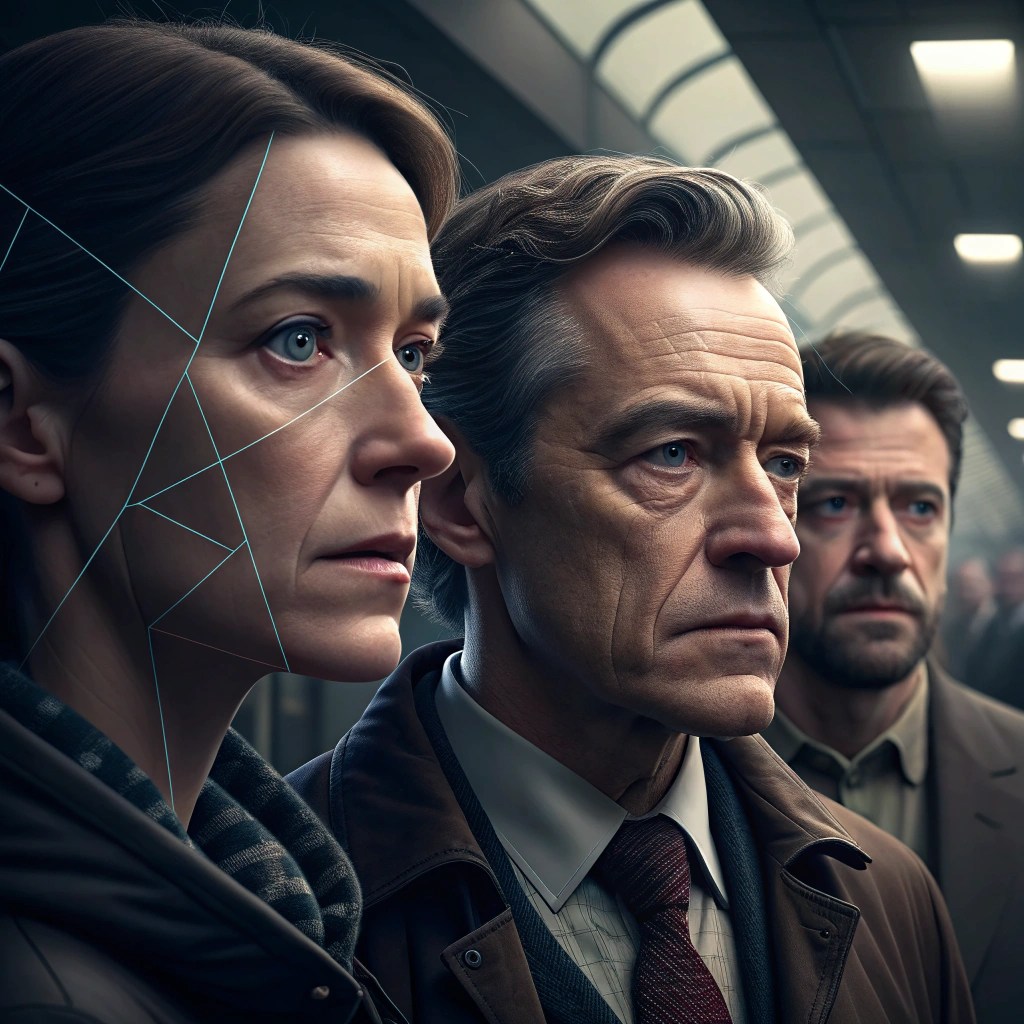
This philosophical underpinning gives cyberpunk its enduring relevance. The genre doesn’t just predict technological developments; it questions the social orders technology creates and maintains. Themes of alienation pervade cyberpunk narratives—characters feel disconnected from their augmented bodies, from communities mediated through screens, from work reduced to data processing. Yet resistance remains possible through subversion: hackers rewrite code, street samurai turn corporate weapons against their makers, and underground networks preserve human connection against algorithmic control. Cyberpunk suggests that even in totalizing technological systems, spaces for agency and rebellion persist.
Visual and Cultural Impact: From Page to Screen and Beyond
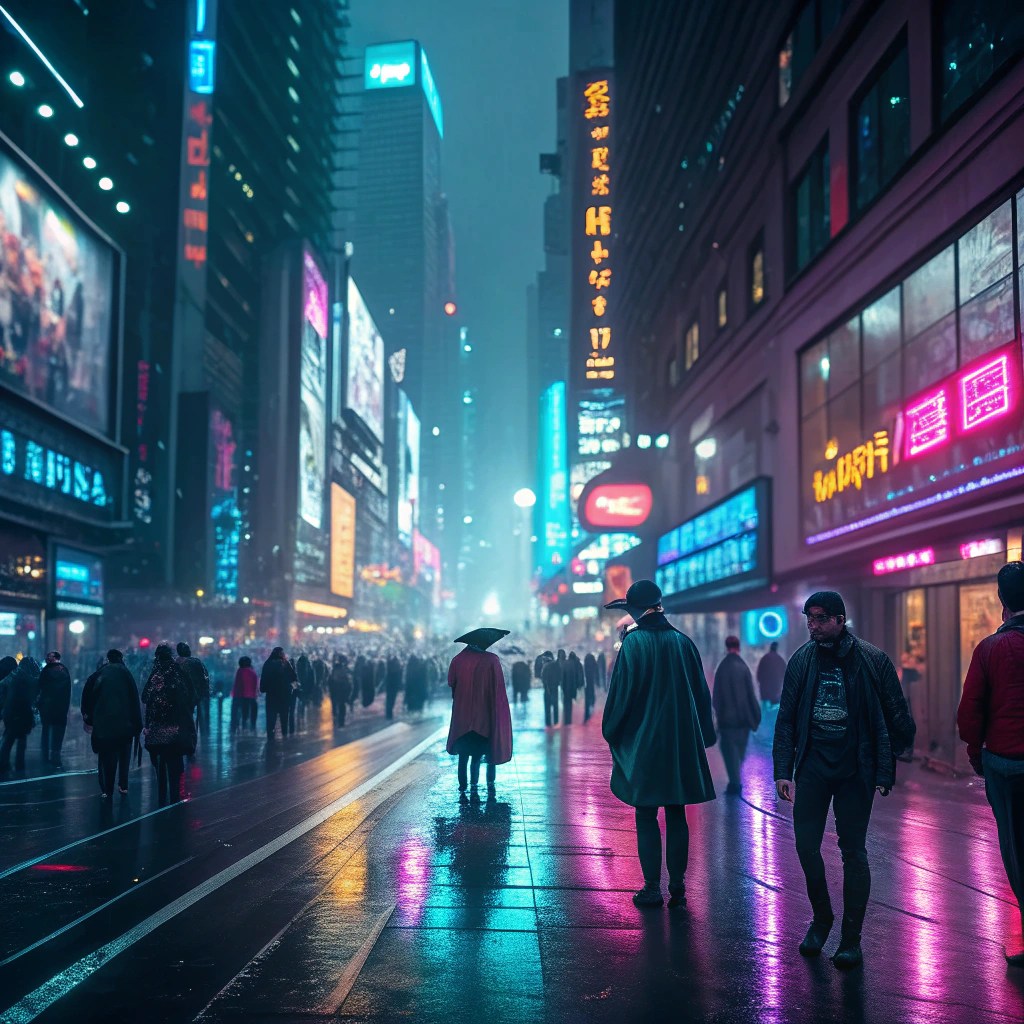
Cyberpunk’s aesthetic influence extends far beyond literature, creating a visual language that has become synonymous with futuristic urban environments. The genre’s signature look—neon lights reflecting off rain-slicked streets, towering skyscrapers adorned with holographic advertisements, characters enhanced with gleaming cybernetic implants—has become instantly recognizable across global popular culture. This visual vocabulary conveys technological saturation, urban density, and the fusion of Eastern and Western influences that characterizes globalized cyberpunk worlds.
Blade Runner’s Foundation
Ridley Scott’s 1982 masterpiece established cyberpunk’s definitive visual style: perpetual night, neon-saturated atmosphere, and architectural gigantism creating claustrophobic urban canyons.
Ghost in the Shell’s Philosophy
Mamoru Oshii’s 1995 anime explored cybernetic identity through stunning visuals, questioning where humanity ends and technology begins.
Interactive Cyberpunk
Games like Deus Ex and Cyberpunk 2077 let players inhabit sprawling cyberpunk cities, making choices about augmentation, corporate loyalty, and resistance.
Blade Runner set the gold standard for cyberpunk cinematography, with its perpetually dark, rain-soaked Los Angeles where massive pyramidal corporate headquarters loom over street-level chaos. The film’s production design, combining film noir aesthetics with futuristic technology, created a template that influenced countless subsequent works. Its vision of multicultural urban density—with Japanese advertisements, Chinese street vendors, and architectural pastiche—anticipated globalization’s cultural hybridization.
Anime embraced and expanded cyberpunk’s visual possibilities. Ghost in the Shell used animation to depict the invisible: data flows, neural connections, and the ghostly presence of consciousness within cybernetic shells. Akira (1988) combined cyberpunk with apocalyptic imagery, showing Neo-Tokyo rebuilt after destruction into a neon-lit megalopolis where teen biker gangs clash amid corporate intrigue and psychic experimentation.
Video games transformed cyberpunk from passive viewing to active participation. Deus Ex (2000) pioneered immersive sim gameplay in cyberpunk settings, letting players choose augmentations and approach missions through combat, stealth, or hacking. Cyberpunk 2077 (2020) created Night City, a fully realized metropolis where players navigate gang territories, corporate zones, and digital netrunning spaces. These games make cyberpunk’s philosophical questions interactive: Should you augment your body? Which factions deserve loyalty? How much humanity will you sacrifice for power?
Fashion & Style
Cyberpunk’s aesthetic influenced streetwear: leather jackets, neon accents, asymmetrical haircuts, and visible tech accessories became markers of subculture identity.
Music Movements
Electronic pioneers like Kraftwerk and Gary Numan created soundscapes matching cyberpunk’s technological alienation. Synthwave later emerged as nostalgic homage to cyberpunk’s 1980s origins.
Digital Art
Artists worldwide create cyberpunk-inspired imagery: augmented figures, dystopian cityscapes, and technological decay rendered in vibrant neon palettes across social media platforms.
Cyberpunk’s Predictions and Reflections on Technology
Cyberpunk’s most remarkable achievement lies in its prescience. Technologies that seemed wildly speculative in 1984—ubiquitous networking, virtual reality, artificial intelligence, corporate surveillance—have become mundane realities. The genre’s writers possessed extraordinary insight into technology’s trajectory, extrapolating from early computers and networking to envision futures that increasingly resemble our present. This predictive power stems from cyberpunk’s focus on technology’s social implications rather than technical specifications alone.
Surveillance Society
Cyberpunk depicted omnipresent monitoring systems decades before smartphones, facial recognition, and data harvesting became everyday realities.
Neural Interfaces
Gibson’s “jacking in” to cyberspace prefigured brain-computer interfaces now emerging from labs, promising direct neural control of devices.
Virtual Worlds
Immersive digital spaces once purely fictional now exist as VR environments, metaverse platforms, and persistent online worlds.
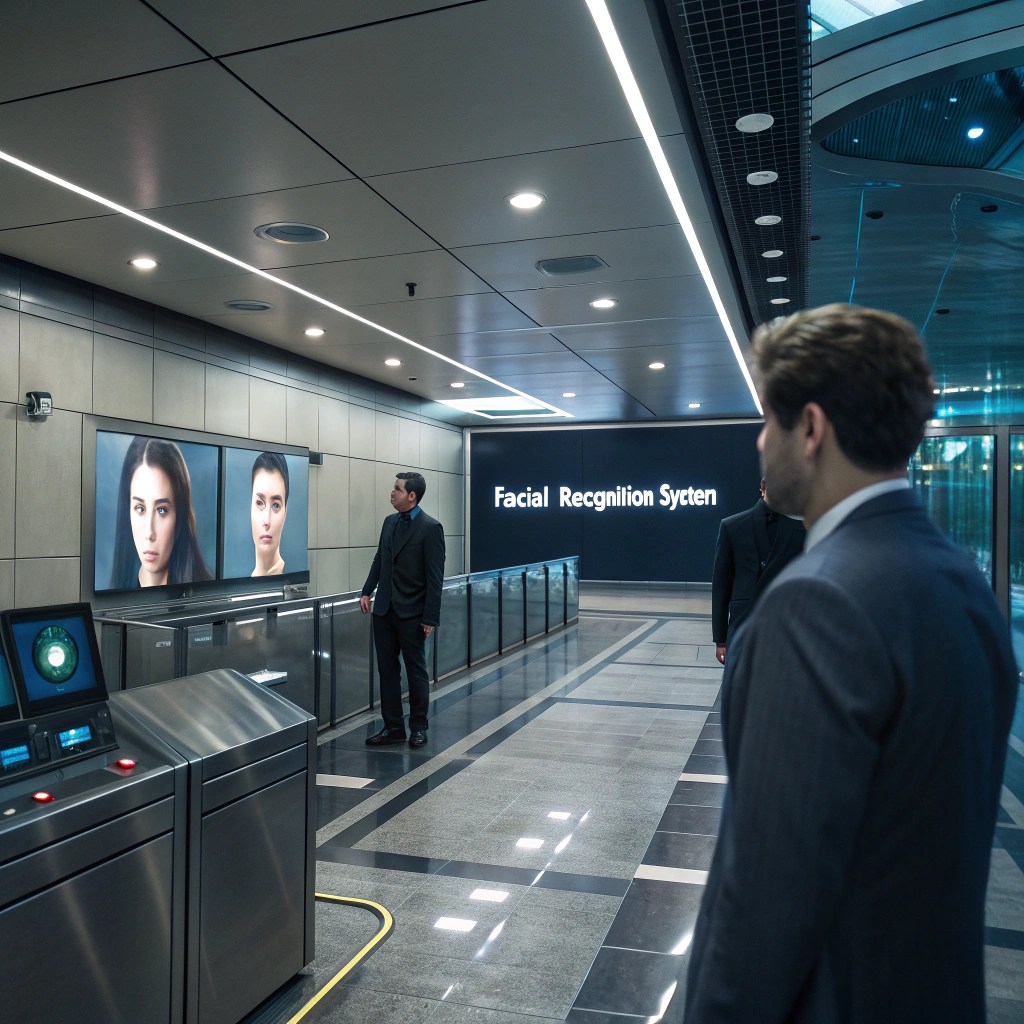
Consider surveillance: cyberpunk narratives featured characters constantly tracked through biometrics, cameras, and data trails. Today, smartphones track location, social media monitors behavior, and algorithms predict desires before users articulate them. China’s social credit system and Western surveillance capitalism realize cyberpunk’s warnings about technological panopticons. The genre anticipated how surveillance would normalize, becoming invisible infrastructure rather than conspicuous oppression.
Brain-computer interfaces remain somewhat speculative but advance rapidly. Companies like Neuralink develop neural implants for medical applications with eventual goals of human-AI integration. Prosthetics controlled by thought, cochlear implants restoring hearing, and experimental memory enhancement all echo cyberpunk’s vision of human augmentation. The ethical questions cyberpunk raised—about identity, authenticity, and inequality in access to enhancement—now face researchers and policymakers.
Artificial Intelligence
Cyberpunk explored AI consciousness, rights, and dangers long before machine learning’s recent explosion. Today’s debates about AI alignment, autonomous weapons, and algorithmic bias replay cyberpunk’s cautionary scenarios. The genre asked: What happens when intelligence escapes human control? As AI capabilities grow, this question becomes urgent rather than hypothetical.
Biotechnology
Cyberpunk 2077 depicts widespread genetic modification and cybernetic enhancement. Current biotechnology—CRISPR gene editing, lab-grown organs, advanced prosthetics—makes these possibilities tangible. Cyberpunk warned that such technologies would deepen inequality: the rich could afford enhancement while the poor fell further behind, creating biological class divisions.
Digital Resistance
Cyberpunk imagined hackers as digital freedom fighters, using code to resist corporate and state power. Anonymous, WikiLeaks, and cryptocurrency movements embody this archetype, employing technology to circumvent control systems. The genre celebrated hackers’ agency while acknowledging technology’s oppressive potential—a duality present in today’s digital activism.
Real-World Parallels: Corporate Power and Digital Existence Today
Contemporary reality increasingly mirrors cyberpunk’s dystopian visions, particularly regarding corporate power and digital existence. Today’s technology giants—Amazon, Google, Facebook, Apple, Microsoft—wield influence comparable to cyberpunk’s fictional megacorporations. They control essential digital infrastructure, shape public discourse through platform governance, and accumulate unprecedented wealth and data. Their market capitalizations exceed many nations’ GDPs, and their decisions affect billions globally, often with minimal democratic accountability.
Facebook Users
Nearly 40% of humanity maintains profiles on a single corporation’s platform, creating unprecedented centralized social power.
Google Search Share
One company controls access to information for most internet users, shaping what knowledge is discoverable.
Apple Market Cap
Tech giants’ valuations exceed most nations’ economic output, demonstrating corporate power rivaling states.
Social media platforms create the virtual identities cyberpunk envisioned. Users curate personas through profiles, carefully managing digital self-presentation. Algorithms analyze behavior to predict desires, manipulate emotions, and shape opinions. The boundary between authentic self and performed identity blurs—are you your posts, your searches, your likes? Cyberpunk explored such questions decades ago; today we live them. Identity theft, doxxing, and deepfakes realize cyberpunk’s warnings about digital identity’s fragility and malleability.
Surveillance capitalism epitomizes cyberpunk’s corporate dystopia. Companies track every click, purchase, and movement, transforming behavior into data commodities. This “behavioral surplus” feeds algorithms predicting and influencing future actions. Google knows your searches, Amazon your purchases, Facebook your relationships. Aggregate this data and corporations possess intimate knowledge of populations. Governments purchase or demand this data, creating public-private surveillance partnerships cyberpunk depicted.
The digital divide perpetuates inequality in patterns cyberpunk foresaw. High-speed internet access, digital literacy, and technological devices correlate strongly with socioeconomic status. Those without digital access face exclusion from education, employment, and civic participation. Meanwhile, the wealthy enhance productivity through technology, widening income gaps. Cyberpunk warned that technology would stratify society; today, digital inequality reinforces existing hierarchies.
Percentage of Americans whose online activity is tracked by companies according to studies.
Global population still without internet access, illustrating the persistent digital divide.
Consumers concerned about data privacy but feeling powerless to protect it.
Cyberpunk’s cautionary tales resonate powerfully as society confronts AI ethics, autonomous weapons, algorithmic bias, and human enhancement. The genre asked: Who controls transformative technologies? Who benefits? Who decides? These remain urgent questions. Cambridge Analytica’s manipulation of democratic elections through social media echoes cyberpunk’s corporate information control. Facial recognition enabling state surveillance realizes cyberpunk’s panopticon. Gig economy platforms treating humans as algorithmic resources mirror cyberpunk’s dehumanizing corporate systems. Reality hasn’t reached cyberpunk’s most extreme scenarios, but current trajectories suggest we’re moving in similar directions.
Cyberpunk’s Role in Shaping Public Perception and Innovation
Science fiction, particularly cyberpunk, profoundly influences how societies imagine and debate emerging technologies. These narratives provide conceptual frameworks for thinking about innovation’s implications, making abstract possibilities concrete through story. When technologists, policymakers, and publics discuss AI or biotechnology, they often reference cyberpunk imagery and scenarios. The genre shapes collective imagination, influencing which futures seem desirable or dystopian, which technologies promise liberation or threaten oppression.
Black Mirror’s Modern Warnings
This anthology series updates cyberpunk for contemporary audiences, exploring social media addiction, digital consciousness, and technological dystopias through stand-alone episodes that provoke ethical reflection.
Interactive Ethics
Cyberpunk 2077 and similar games force players to confront moral choices about enhancement, violence, and loyalty, making technology’s ethical dimensions personally consequential.
Cultural Dialogue
Cyberpunk narratives spark public conversations about privacy, corporate power, and human identity, providing vocabulary and scenarios for debating technology policy.

Cyberpunk media like Black Mirror function as thought experiments, testing technologies’ social consequences before wide deployment. Episodes explore digital afterlives, social credit systems, and memory recording—technologies emerging from research labs. By showing potential futures, these narratives help societies anticipate and potentially avoid dystopian outcomes. They raise questions technologists might overlook: Just because we can build something, should we?
The genre inspires technologists while cautioning them about uncritical innovation. Many developers grew up consuming cyberpunk fiction, absorbing its ambivalence about technology. Some explicitly reference cyberpunk when designing systems meant to resist surveillance or corporate control—encrypted messaging, decentralized networks, open-source software. These tools embody cyberpunk’s hacker ethos: using technology to resist rather than enable oppression. Conversely, cyberpunk’s dystopias warn against building systems that concentrate power or erode privacy.
Imagination
Cyberpunk provides vivid imagery of technological futures, making abstract possibilities concrete and emotionally resonant.
Dialogue
Narratives spark public conversations about technology’s implications, creating shared vocabulary for ethical debates.
Critique
The genre’s dystopian bent encourages critical examination of innovation’s social costs, tempering techno-optimism.
Inspiration
Cyberpunk motivates resistance and alternative designs, inspiring technologies that distribute rather than concentrate power.
Cyberpunk narratives foster critical digital literacy—the capacity to understand technology’s social dimensions beyond surface functionality. When people recognize surveillance capitalism or algorithmic bias, they’re applying analytical frameworks cyberpunk helped popularize. The genre encourages questioning who benefits from technologies, who controls them, and what alternatives might exist. This critical awareness proves essential as technological change accelerates; without it, societies passively accept whatever innovations corporations deploy. Cyberpunk insists we can shape technology rather than merely adapt to it, that digital futures remain contested territory where human values and corporate imperatives clash. The genre’s enduring role lies in keeping these conflicts visible and urgent.
The Future of Cyberpunk: From Fiction to Lived Experience
As artificial intelligence, biotechnology, and virtual realities advance rapidly, cyberpunk’s speculative futures edge ever closer to lived reality. Technologies once confined to science fiction—brain-computer interfaces, augmented humans, immersive virtual worlds, superintelligent AI—transition from research labs to commercial deployment. This convergence raises profound questions about humanity’s transformation: What does it mean to be human when consciousness can upload, bodies can be radically enhanced, and experiences can be completely simulated? Cyberpunk’s relevance intensifies as these questions become practical rather than hypothetical.
Neural Enhancement
Brain-computer interfaces progress from medical applications toward consumer augmentation. Elon Musk’s Neuralink and similar ventures aim to enable direct neural control of devices and eventual cognitive enhancement. This realizes cyberpunk’s “jacking in” literally.
Physical Augmentation
Advanced prosthetics, genetic engineering, and biotech implants push human capabilities beyond natural limits. Olympic committees already debate allowing enhanced athletes. Cyberpunk explored how augmentation creates new inequalities and identities.
Virtual Existence
Metaverse platforms, VR social spaces, and persistent digital worlds enable lives lived primarily online. Cyberpunk asked whether virtual experiences hold equal validity to physical ones—a question increasingly urgent as people invest deeply in digital identities.
AI Autonomy
Machine learning systems gain capacities approaching human intelligence in specific domains. Questions about AI rights, consciousness, and control—central to cyberpunk—transition from philosophy to policy as AI becomes ubiquitous.
Emerging technologies bring cyberpunk’s ethical dilemmas into sharp focus. Brain-computer interfaces promise medical miracles—restoring mobility to paralyzed individuals, sight to the blind—but also enable unprecedented surveillance of thought itself. If neural implants record brain activity, who owns that data? Can employers require cognitive monitoring? Could governments scan for dissent? Cyberpunk explored these scenarios; now we must establish policies before technologies outpace regulation.

Augmented humans force reconsideration of human identity and equality. If some enhance intelligence, strength, or longevity through technology while others cannot afford such upgrades, biological inequality institutionalizes. Cyberpunk depicted worlds where the augmented elite dominated unenhanced masses. Today, as enhancement technologies emerge, societies must decide: Should access be universal? Should any enhancements be prohibited? Who decides acceptable modifications? These questions lack easy answers, but cyberpunk’s cautionary tales warn against allowing pure market logic to govern human enhancement.
Equity
Ensuring technologies benefit humanity broadly rather than concentrating power among elites.
Autonomy
Protecting individual agency and consent against corporate and state control systems.
Identity
Preserving human dignity and selfhood amid radical technological transformation.
Privacy
Maintaining spaces free from surveillance despite technologies enabling total monitoring.
Control
Ensuring democratic governance of technologies rather than corporate or technocratic domination.
Cyberpunk remains vital cultural framework precisely because these transformations intensify. The genre provides language, imagery, and scenarios for navigating technological change critically. It warns against inevitability narratives suggesting we must accept whatever innovations emerge. Instead, cyberpunk insists technology is contestable—shaped by human choices, values, and power struggles. Its enduring appeal lies in blending cautionary warnings with hope for resistance and reinvention. Even in dystopian cyberpunk worlds, hackers find ways to subvert systems, communities create alternative networks, and individuals assert agency against algorithmic control. This tension between technological determinism and human resistance makes cyberpunk essential for imagining ethical technological futures. As we face accelerating change, we need cyberpunk’s critical imagination more than ever.
Conclusion: Cyberpunk’s Enduring Legacy and Relevance
Cyberpunk has evolved from a niche literary subgenre in the 1980s to a pervasive cultural phenomenon fundamentally shaping how contemporary society views technology, corporate power, and digital existence. Its influence extends across media—literature, film, gaming, music, fashion—and into public discourse about technology policy and ethics. The genre’s fusion of dystopian critique, technological speculation, and punk resistance continues to resonate because it addresses enduring tensions in modern life: the promise and peril of innovation, the concentration of corporate power, the fragility of privacy and autonomy in digital societies.
What makes cyberpunk perpetually relevant is its refusal of simplistic narratives. The genre doesn’t categorically reject technology as evil nor celebrate it as salvation. Instead, cyberpunk recognizes technology as ambivalent—a tool that can liberate or oppress depending on who controls it and to what ends. This nuanced perspective proves essential as societies navigate increasingly complex technological transformations. Cyberpunk taught us to ask: Who benefits from this innovation? Who controls it? What are its social costs? These questions remain vital for any emerging technology.
Cultural Impact
Cyberpunk created an enduring aesthetic and set of themes influencing global popular culture, from fashion to architecture to digital art.
Predictive Power
The genre foresaw surveillance capitalism, social media, AI, and biotechnology with remarkable accuracy, validating science fiction’s analytical capacity.
Critical Framework
Cyberpunk provides vocabulary and scenarios for thinking critically about technology’s social implications and power dynamics.
Resistant Spirit
The genre celebrates hackers, rebels, and outsiders using technology against oppressive systems, inspiring real-world digital activism.
By tracing cyberpunk’s journey from William Gibson’s Neuromancer through Blade Runner, The Matrix, and contemporary works like Cyberpunk 2077, we see how the genre has continuously updated its critique to address emerging technologies while maintaining core concerns about corporate power, surveillance, and human autonomy. Cyberpunk’s dystopian visions—once seeming extreme—now appear prescient as tech giants dominate markets, surveillance normalizes, and enhancement technologies emerge. The genre warned us; we didn’t always listen.
As we face accelerating technological change—artificial general intelligence, brain-computer interfaces, genetic engineering, climate crisis requiring technological solutions—cyberpunk’s insights remain crucial for envisioning ethical, equitable futures. The genre insists we can shape technology rather than passively accept whatever corporations deploy. It celebrates resistance: hackers subverting control systems, communities creating alternative networks, individuals asserting humanity against algorithmic reduction. This spirit proves essential as technology increasingly mediates existence.
Embracing cyberpunk’s lessons empowers us to approach technological change critically and creatively. We need not accept corporate platforms’ terms, surveillance systems’ invasions, or enhancement technologies’ unequal distribution. Instead, we can demand democratic governance of transformative technologies, build alternative systems prioritizing human values over profit, and preserve spaces for authentic human connection amid digital saturation. Cyberpunk shows us both dystopias to avoid and resistance strategies to employ. Its enduring legacy lies not in accurate predictions alone, but in teaching us that technological futures remain contested—and therefore changeable through collective action and imagination.
The evolution of cyberpunk from dystopian warnings to cultural touchstone to practical framework demonstrates science fiction’s power to shape how societies understand and navigate technological change. As distinctions between cyberpunk fiction and contemporary reality blur, the genre’s critical imagination becomes ever more essential. We live in cyberpunk’s world now; the question is whether we’ll heed its warnings and embrace its resistant spirit, or sleepwalk into dystopias it depicted decades ago. Cyberpunk challenges us to shape technology as a tool for human liberation and creativity rather than corporate domination and control—a challenge as urgent today as when Gibson first typed “The sky above the port was the color of television, tuned to a dead channel.”
Related Hashtags
Explore these hashtags to discover more content related to cyberpunk’s evolution, dystopian fiction, and the intersection of technology and society. Use them to connect with communities discussing how science fiction shapes our understanding of digital culture, corporate power, and our technological future.
#CyberpunkEvolution
#DystopianFiction
#WilliamGibson
#Neuromancer
#BladeRunner
#Cyberpunk2077
#TechAndSociety
#AIandEthics
#DigitalIdentity
#CorporatePower
These hashtags serve as gateways to ongoing conversations about how cyberpunk’s prophetic visions continue to inform our understanding of technology’s role in shaping human experience, identity, and society. Whether you’re a long-time fan of the genre or newly discovering its relevance to contemporary issues, these tags connect you to a global community exploring the boundaries between science fiction and reality.
 NellyWorld
Leave a comment