Surveying real-world advancements in human augmentation, from neural interfaces to genetic engineering and their implications for our species.
Introduction: The Dawn of Human Augmentation
Transhumanism, a movement popularized by British biologist Julian Huxley in 1957, envisions a future where humanity transcends its biological limitations through the strategic application of advanced technologies. What began as a philosophical exploration has evolved into a tangible, rapidly advancing field that is reshaping the very foundation of what it means to be human. Today’s transhumanist movement is no longer confined to academic debates or science fiction narratives—it is driven by concrete breakthroughs in artificial intelligence, genetic engineering, neural interfaces, and biotechnology that are already being deployed in laboratories, hospitals, and research facilities around the world.
The convergence of these technologies represents a pivotal moment in human history, one that promises to enhance our physical capabilities, extend our cognitive abilities, and potentially redefine the boundaries of human lifespan itself. From brain-computer interfaces that allow paralyzed individuals to control prosthetic limbs with their thoughts, to CRISPR gene-editing technologies that can eliminate hereditary diseases before birth, the tools of human augmentation are becoming increasingly sophisticated and accessible. These innovations are not distant possibilities—they are current realities being tested, refined, and in some cases, already integrated into medical practice and commercial applications.
Neural Technology
Direct brain-computer interfaces enabling thought-controlled devices and cognitive enhancement
Genetic Engineering
CRISPR and gene therapy revolutionizing disease treatment and human enhancement
AI Integration
Machine learning systems augmenting human decision-making and cognitive capabilities
Physical Augmentation
Advanced prosthetics and exoskeletons expanding human physical potential
This document explores how these transformative technologies are reshaping what it means to be human in the 21st century. We will examine their current applications, their potential societal impact, and the profound ethical questions they raise about equality, identity, and the future trajectory of our species. As we stand at this technological crossroads, understanding both the promises and perils of human augmentation has never been more critical. The decisions we make today about how to develop, regulate, and deploy these technologies will determine not just the future of medicine or technology, but the very nature of humanity itself.
The transhumanist horizon is no longer a distant dream—it is unfolding before our eyes, bringing with it unprecedented opportunities for human flourishing alongside equally unprecedented challenges to our established social, ethical, and philosophical frameworks. As we navigate this transformative era, we must ask ourselves: How do we harness these powerful technologies to enhance human potential while preserving what makes us fundamentally human?
Neural Interfaces: Bridging Mind and Machine

The development of brain-computer interfaces (BCIs) represents one of the most ambitious and potentially revolutionary frontiers in transhumanist technology. At the forefront of this field is Neuralink, Elon Musk’s neurotechnology company, which aims to create high-bandwidth connections between the human brain and external computing devices. These interfaces promise to enable direct communication between neural activity and digital systems, bypassing traditional input methods entirely and opening up possibilities that were, until recently, confined to the realm of science fiction.
The immediate applications of BCIs focus on therapeutic interventions for individuals with neurological impairments. Current trials have demonstrated promising results in restoring sensory and motor functions for people with paralysis, spinal cord injuries, and degenerative neurological conditions. Patients equipped with neural interfaces have successfully controlled prosthetic limbs, computer cursors, and communication devices using only their thoughts, effectively restoring capabilities that were previously lost to injury or disease. These medical applications represent not just technological achievements, but profound improvements in quality of life for individuals who have faced significant physical limitations.
2020-2021
Early animal trials demonstrate successful neural signal detection and basic device control
2022-2023
FDA approval granted for human trials focusing on paralysis and motor function restoration
2024
First human implants successfully enable thought-controlled computer interfaces
Future Vision
Cognitive enhancement and direct brain-to-brain communication on the horizon
Beyond therapeutic applications, neural interfaces hold the potential for cognitive enhancement in healthy individuals. Proponents envision a future where BCIs could augment memory, accelerate learning, facilitate rapid access to information, and even enable direct brain-to-brain communication. Such capabilities could fundamentally transform education, professional work, and human interaction. However, these more ambitious applications remain largely experimental, with significant technical, biological, and safety challenges yet to be overcome before widespread cognitive enhancement becomes viable.
“The goal is to achieve a symbiosis with artificial intelligence, and to help secure humanity’s future as a civilization relative to AI.” — Elon Musk on Neuralink’s mission
The ethical landscape surrounding neural interfaces is complex and contested. Privacy concerns loom large: if devices can read neural signals, who controls that data, and how can we prevent unauthorized access to our most intimate thoughts? Questions of consent become particularly thorny when considering applications for individuals with communication impairments or cognitive disabilities. Perhaps most troubling is the potential for neural interfaces to create or exacerbate cognitive inequalities, where access to enhancement technologies becomes a privilege of the wealthy, creating a new form of technological divide that could fundamentally alter social hierarchies and opportunities.
As neural interface technology continues to advance, regulatory frameworks struggle to keep pace. The intersection of neuroscience, engineering, and ethics demands careful consideration of long-term implications, including the potential for neural surveillance, manipulation, and the very definition of mental autonomy. These technologies challenge our understanding of privacy, identity, and free will, raising questions that society must grapple with as the line between biological cognition and technological augmentation continues to blur.
Genetic Engineering: Editing the Blueprint of Life
The development of CRISPR-Cas9 technology in 2012 marked a watershed moment in the history of genetic engineering, providing scientists with an unprecedented ability to edit the human genome with precision, efficiency, and relative affordability. This revolutionary gene-editing tool functions like molecular scissors, allowing researchers to cut DNA at specific locations and either remove problematic genetic sequences or insert beneficial ones. The implications of this technology extend far beyond the laboratory, touching on fundamental questions about human health, evolution, and the very nature of biological identity.
Therapeutic Applications
Targeting and eliminating genetic diseases like sickle cell anemia and cystic fibrosis through precise DNA editing
Enhancement Potential
Theoretical applications for improving human traits, from disease resistance to cognitive capabilities
Current Research
Global laboratories pushing boundaries of what’s possible in human genetic modification
Current applications of CRISPR focus primarily on treating genetic disorders that have plagued humanity for generations. Clinical trials have shown remarkable success in addressing conditions like sickle cell disease, certain forms of inherited blindness, and various forms of cancer through modified immune cells. These therapeutic interventions represent the responsible, medically justified use of gene editing—using technology to alleviate suffering and cure disease. However, the same technology that can eliminate hereditary diseases could theoretically be used to enhance human traits, leading to profound ethical debates about the appropriate boundaries of genetic intervention.
The Longevity Revolution
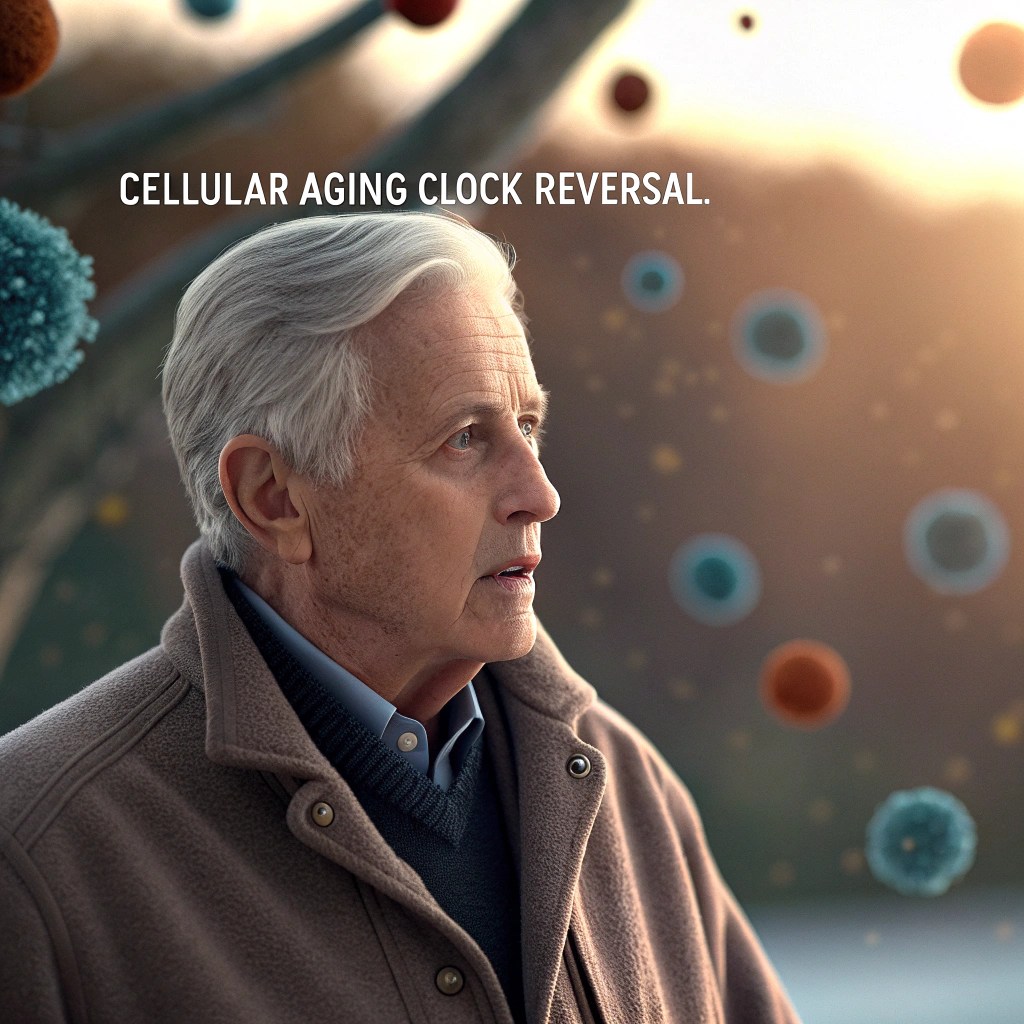
Companies like Altos Labs, backed by billionaire Jeff Bezos and other Silicon Valley luminaries, are pushing the boundaries even further by focusing on cellular reprogramming to reverse aging itself. These ventures are investing billions of dollars into research aimed at understanding and manipulating the biological mechanisms of aging, with the ambitious goal of extending human lifespan significantly or even indefinitely. The underlying science involves reprogramming adult cells into pluripotent states—essentially resetting their biological clocks—and potentially rejuvenating entire organisms.
This research raises profound questions: If aging can be treated as a disease rather than an inevitability, what are the implications for human society? How would dramatically extended lifespans affect population dynamics, resource allocation, social structures, and intergenerational relationships? These are not abstract philosophical questions but practical considerations that may need to be addressed within our lifetimes.
The potential to eradicate hereditary diseases stands in stark contrast to mounting fears about “designer babies” and the emergence of new socio-economic divides. If genetic enhancement becomes available, will it be accessible to all, or only to those who can afford it? The specter of genetic inequality—where the wealthy can purchase superior traits for their offspring—threatens to create biological hierarchies that could persist for generations. Such scenarios evoke dystopian visions of genetic haves and have-nots, where fundamental human equality is undermined not by social or economic structures, but by biology itself.
Medical Promise
Elimination of genetic diseases, cancer treatments, and organ regeneration
Enhancement Concerns
Designer babies, genetic inequality, and unforeseen hereditary consequences
Regulatory Gaps
International laws lag far behind scientific capabilities, creating ethical vacuums
Regulatory frameworks for genetic engineering remain fragmented and inconsistent across international boundaries. While some countries have established strict guidelines prohibiting germline editing (changes that would be inherited by future generations), others have more permissive approaches, creating the possibility of “genetic tourism” where individuals seek procedures unavailable in their home countries. The 2018 controversy surrounding Chinese scientist He Jiankui, who claimed to have created the world’s first gene-edited babies, highlighted the urgent need for global consensus on the ethical boundaries of human genetic modification.
As genetic engineering technologies become more powerful and accessible, the gap between scientific capability and ethical consensus widens. Society must grapple with fundamental questions about human nature, the right to modify our genetic heritage, and the responsibilities we bear toward future generations. The decisions made today about how we regulate and apply genetic engineering will shape not just individual lives, but the evolutionary trajectory of our entire species.
Artificial Intelligence and Cognitive Augmentation
Artificial intelligence has already become deeply integrated into modern life, quietly augmenting human cognitive capabilities in ways that have become nearly invisible through their ubiquity. AI-powered virtual assistants manage our schedules, predictive analytics inform critical decisions in healthcare and finance, and machine learning algorithms process vast datasets far beyond human capacity. These technologies represent the early stages of cognitive augmentation—not through direct neural modification, but through seamless integration of human intelligence with computational power.
In workplace environments, AI systems are transforming decision-making processes across industries. Medical professionals utilize diagnostic AI that can identify patterns in imaging data with superhuman accuracy, financial analysts employ predictive models that process market signals faster than any human team, and researchers leverage AI to accelerate scientific discovery by identifying promising avenues of investigation from massive datasets. These applications demonstrate how AI can serve as a cognitive amplifier, extending human capabilities rather than replacing them entirely.
Enhanced Decision-Making
AI processes complex data patterns to provide insights and recommendations that inform better human choices in medicine, finance, and research
Augmented Memory
Digital systems provide perfect recall and instant access to information, effectively extending human memory capacity infinitely
Accelerated Learning
Adaptive AI tutoring systems personalize education, optimizing learning pathways for individual cognitive styles and needs
More ambitious augmented cognition technologies aim to directly enhance human memory, attention, and problem-solving by creating tighter integration between AI systems and human thought processes. Research initiatives explore interfaces that could allow humans to query AI systems as effortlessly as accessing their own memories, potentially creating a new form of cognition that transcends the limitations of biological neural networks. These technologies promise to address cognitive decline in aging populations, enhance educational outcomes, and potentially unlock new levels of human intellectual achievement.

Government Recognition and Oversight
The establishment of the UK’s AI Security Institute reflects growing governmental awareness of both the potential and risks associated with advanced artificial intelligence. This and similar institutions worldwide recognize that as AI systems become more powerful and more integrated with human cognitive processes, appropriate governance frameworks become essential. The focus extends beyond preventing malicious use to ensuring that AI development aligns with transhumanist goals while preserving human agency, dignity, and autonomy.
Critics of AI-enabled cognitive augmentation raise important concerns about overdependence and cognitive atrophy. If humans routinely offload cognitive tasks to AI systems, do we risk losing the very capabilities we seek to augment? Historical parallels exist: the widespread adoption of GPS navigation has been shown to correlate with reduced spatial reasoning abilities in frequent users. As we delegate more cognitive functions to AI, we may inadvertently erode uniquely human skills—creativity, emotional intelligence, ethical reasoning, and the capacity for novel synthesis of ideas.
“The question is not whether AI will augment human intelligence, but whether we will maintain the wisdom to use that augmentation responsibly and preserve what makes us human in the process.”
The philosophical implications run deeper still. If our thoughts are increasingly shaped by AI-generated suggestions, filtered through algorithmic curation, and mediated by computational systems, where does human cognition end and artificial augmentation begin? The boundaries of self and agency become blurred in ways that challenge fundamental assumptions about consciousness, free will, and personal identity. As AI becomes more sophisticated and more deeply integrated with human thought processes, these questions transition from philosophical abstractions to practical concerns that will shape the future of human consciousness itself.
The path forward requires careful balance—leveraging AI’s extraordinary capabilities to genuinely enhance human potential while maintaining the cognitive diversity, autonomy, and uniquely human qualities that give meaning to our enhanced abilities. The goal should not be to create human-AI hybrids that merely process information faster, but to develop augmentation systems that amplify our capacity for wisdom, creativity, empathy, and understanding.
Advanced Prosthetics and Exoskeletons: Enhancing Physical Capabilities
The field of prosthetics has undergone a remarkable transformation over the past two decades, evolving from relatively simple mechanical replacements to sophisticated robotic systems that restore not just function but nuanced control approaching that of natural limbs. Modern prosthetic devices equipped with neural interfaces can detect electrical signals from residual muscles or nerves, allowing amputees to control artificial limbs through the same neural pathways they would use for biological appendages. This integration of biomechanics, robotics, and neural engineering represents a convergence of technologies that is fundamentally redefining the concept of physical disability.
Neural-Controlled Prosthetics
Modern artificial limbs respond to thought commands, providing amputees with unprecedented precision and natural movement patterns that closely mimic biological limb function
Industrial Exoskeletons
Wearable robotic frameworks amplify human strength and endurance, preventing injury while enabling workers to handle loads far beyond normal human capacity
3D Bioprinting
Revolutionary technology building custom tissues and organs layer by layer, promising future on-demand replacement of damaged body parts
Recent advances have achieved remarkable milestones in sensory feedback, with prosthetic hands capable of transmitting touch sensations back to the user through neural stimulation. Amputees wearing these devices report being able to feel textures, pressure, and even temperature through their artificial limbs—experiences that were considered impossible just a decade ago. This restoration of sensation represents more than functional recovery; it addresses the psychological integration of prosthetics, allowing users to genuinely experience their artificial limbs as part of their body rather than as external tools.
Exoskeleton technology extends human physical capabilities in different directions, focusing on augmentation rather than replacement. In rehabilitation settings, powered exoskeletons enable patients with spinal cord injuries to stand, walk, and engage in therapeutic exercises that would otherwise be impossible. These devices not only improve quality of life but can actually facilitate neurological recovery by maintaining muscle tone and enabling neural pathways to remain active during the healing process.
Industrial Applications
Beyond medical applications, exoskeletons are finding increasing use in industrial and military contexts. Construction workers wear back-support exoskeletons that reduce strain and prevent injury while lifting heavy materials. Warehouse employees use arm-support systems that allow them to perform repetitive overhead tasks without fatigue. Military applications explore full-body exoskeletons that could enable soldiers to carry heavier loads over longer distances, fundamentally changing the logistics of ground operations.
Bioprinting: The Next Frontier
Perhaps the most revolutionary development in physical augmentation is 3D bioprinting—the creation of living tissues and potentially entire organs using biological materials. Researchers have successfully printed skin, cartilage, bone, and simple blood vessels. While complete organ printing remains largely experimental, progress accelerates rapidly. The potential implications are staggering: a future where organ transplant waiting lists become obsolete, where damaged tissues can be replaced with custom-grown alternatives, and where the human body becomes, in some sense, repairable and upgradeable.
These technologies increasingly blur the traditional distinction between therapy and enhancement. When a prosthetic leg allows an amputee not just to walk but to run faster than biological legs permit, or when an exoskeleton enables a worker to lift weights beyond any natural human capacity, we enter ethically ambiguous territory. Should enhanced prosthetics be allowed in competitive sports? Could exoskeleton-augmented workers displace those without enhancement? These questions extend beyond technology into fundamental issues of fairness, equality, and human identity.
Medical Necessity
Restoring lost function to injury victims and disabled individuals
Quality Enhancement
Improving capabilities beyond baseline human performance
Species Transformation
Fundamentally altering what it means to be physically human
As these technologies advance, society must grapple with complex questions about access, fairness, and the nature of human embodiment. The line between medical prosthetics and superhuman enhancement grows increasingly difficult to define, challenging our assumptions about disability, normalcy, and the ethical boundaries of human modification. The technologies themselves are neutral; the choices we make about their development and deployment will determine whether they serve to enhance human flourishing or create new forms of inequality and social division.
Longevity and Anti-Aging Technologies: Challenging Human Mortality
The quest to extend human lifespan and combat the aging process has moved from the realm of mythology into serious scientific investigation, backed by billions of dollars in research funding and increasingly sophisticated biological understanding. Stem cell therapies and regenerative medicine represent the current vanguard of this effort, seeking to rejuvenate organs and tissues by harnessing the body’s own regenerative capabilities. These approaches aim not merely to treat specific age-related diseases but to address aging itself as the underlying pathological process that gives rise to countless degenerative conditions.
Stem cell research focuses on utilizing pluripotent cells—those capable of developing into any cell type—to replace damaged or aged tissues throughout the body. Clinical applications have shown promise in treating conditions ranging from heart disease to macular degeneration, though results remain mixed and long-term efficacy continues to be evaluated. The theoretical potential is enormous: if we can replace or regenerate aging tissues systematically, might we be able to extend not just lifespan but healthspan—the period of life spent in good health and full function?
Cellular Rejuvenation
Potential reduction in biological aging markers through advanced stem cell therapies currently in clinical trials
Expected Years
Projected increase in average human lifespan by 2050 if current anti-aging research trajectories continue
Age-Related Disease
Proportion of deaths in developed nations caused by aging-associated conditions that longevity research aims to prevent
Research hubs in Montenegro, Thailand, and other international locations have emerged as centers for testing experimental anti-aging treatments, often operating in regulatory environments more permissive than those in the United States or European Union. These facilities offer treatments ranging from cellular reprogramming to senolytic drugs (which selectively eliminate aged cells) to experimental hormone therapies. While some treatments show scientific promise, others remain controversial, with limited peer-reviewed evidence supporting their efficacy. The emergence of this global anti-aging industry raises questions about medical ethics, informed consent, and the risks of unregulated experimental interventions.
Stefan Lorenz Sorgner, philosopher and prominent transhumanist thinker, has argued that aging should be reconceptualized as a disease rather than a natural, inevitable process. This philosophical reframing has profound implications: if aging is a disease, then efforts to combat it become not vanity projects but legitimate medical interventions. Death from old age transforms from an accepted endpoint into a preventable medical failure.
This perspective challenges deeply rooted cultural and religious beliefs about human mortality, the meaning of life, and the natural order. If radical life extension becomes possible, it would represent not just a medical achievement but a fundamental disruption to human civilization as currently structured.

The societal implications of dramatically extended lifespans are staggering and potentially destabilizing. Demographic shifts would be seismic: if people routinely lived to 150 or 200 years, population growth could become unsustainable without radical changes to reproduction patterns. Healthcare systems designed around current lifespan expectations would require complete restructuring. Economic models based on retirement ages, intergenerational wealth transfer, and career progression would collapse and need to be rebuilt from first principles.
Elite Access
Wealthy individuals accessing cutting-edge longevity treatments
Medical Priority
Age-extension therapy for those with medical need and resources
Incremental Availability
Gradual expansion to broader population segments over decades
Universal Consideration
Societal debate about longevity treatments as fundamental right vs. privilege
Social equity concerns loom particularly large in discussions of life extension. If longevity treatments become available only to the wealthy, we could see the emergence of a biological aristocracy—a privileged class that not only enjoys better living conditions but literally lives longer lives. Such disparities would make current wealth inequalities pale in comparison, as the fundamental human experience of mortality itself becomes stratified by economic class. The question of whether extended lifespan should be considered a human right or a luxury service remains unresolved and deeply contentious.
Cultural and religious opposition to radical life extension often centers on concerns that unlimited lifespan would undermine the meaning and value of human existence. Many philosophical and theological traditions hold that mortality gives life urgency, purpose, and significance. If death becomes optional or indefinitely postponable, how would that reshape human motivation, creativity, and the search for meaning? Would an immortal or near-immortal humanity retain the same drive to achieve, create, and contribute to society? These questions extend far beyond science into the deepest questions of human purpose and existential meaning.
As longevity research accelerates and its potential becomes more tangible, society faces unprecedented choices about how to approach human mortality, not as an immutable fact but as a solvable problem. The decisions made in coming decades about research priorities, regulatory frameworks, and access to life-extension technologies will shape not just individual lives but the fundamental structure of human civilization for centuries to come.
Ethical, Social, and Political Implications
Transhumanism challenges some of the most fundamental concepts that have structured human society for millennia: human dignity, equality, and identity. Traditional frameworks assume a relatively stable biological baseline—that all humans, despite their differences, share certain fundamental characteristics and limitations that create a common ground for rights, ethics, and social organization. Transhumanist technologies threaten to destabilize these assumptions by creating the possibility of humans with radically different capabilities, potentially fragmenting the species into enhanced and unenhanced populations with divergent interests and abilities.
Equality and Access
If enhancement technologies are expensive, they risk creating biological castes—genetically or technologically privileged individuals versus those limited to natural human capabilities. This could entrench inequality at the most fundamental biological level, making current social inequalities appear trivial by comparison.
Human Identity
At what point do enhancements become so extensive that we must question whether enhanced individuals remain human in a meaningful sense? If consciousness can be uploaded, memories altered, and bodies replaced, what constitutes the persistent self that defines personal identity?
Dignity and Worth
Many ethical frameworks ground human dignity in our shared human nature. If that nature becomes malleable and diverse through enhancement, does dignity remain universal, or does it become conditional on specific attributes or capabilities?
Political debates surrounding transhumanism have begun to crystallize in revealing ways, particularly in the United States where the tension between technological optimism and cultural conservatism has become increasingly pronounced. Figures like Elon Musk and Peter Thiel represent a technocratic optimism that views human enhancement as inevitable and desirable—part of humanity’s natural progression toward greater capabilities and freedom from biological constraints. This perspective tends to emphasize individual choice, innovation, and the breaking of traditional limitations.

Cultural Resistance
In contrast, cultural conservatives including figures like Steve Bannon have expressed deep skepticism about transhumanist ambitions, viewing them as threats to traditional concepts of human nature, family structures, and religious values. This resistance is not merely reactionary but reflects genuine concerns about unintended consequences, the loss of human meaning in a technologically transformed world, and the potential for enhancement technologies to be weaponized for social control or exploitation.
These fractures exist not just within nations but between them, reflecting different cultural values and priorities. Russian and Brazilian leadership, among others, have positioned themselves as opponents of transhumanist ideals, characterizing them as Western decadence or neo-colonial impositions that threaten traditional cultural values and social structures. President Vladimir Putin has spoken of the dangers of “editing” humanity, while Brazilian President Jair Bolsonaro invoked religious objections to human modification. These international tensions suggest that transhumanism may become a new axis of geopolitical division, with different civilizations choosing divergent paths regarding human enhancement.
2020-2025
Early regulatory frameworks emerge, largely focused on therapeutic applications
2025-2035
International conflicts over enhancement standards and ethical boundaries intensify
2035-2050
Divergent paths emerge: some nations embrace enhancement while others restrict or ban technologies
Beyond 2050
Potential fragmentation into enhanced and unenhanced populations with different capabilities and rights
The question of democratic governance becomes particularly acute in the context of human enhancement. How can societies make collective decisions about technologies that could fundamentally alter human nature when those very decisions may affect who gets to participate in future decision-making? If cognitive enhancement becomes widespread, would enhanced individuals dominate political processes, effectively disenfranchising unenhanced citizens? Conversely, might unenhanced majorities use democratic power to restrict or ban enhancements that could benefit some individuals, effectively enforcing biological conformity?
“The development of full artificial intelligence could spell the end of the human race… or its beginning as something far greater. The difference lies entirely in how we choose to govern these transformative technologies.” — Paraphrasing concerns from AI ethics researchers
Inclusive policies and democratic oversight are critical to preventing transhumanism from creating new forms of inequality and social exclusion. This requires transparent public engagement with these technologies, education about their implications, and regulatory frameworks that balance innovation with protection of human rights and social equity. International cooperation becomes essential to prevent a race to the bottom, where competitive pressures lead nations to abandon ethical standards in pursuit of technological advantage.
The path forward requires navigating between techno-optimism that dismisses legitimate concerns and reactionary resistance that would foreclose potentially beneficial innovations. Society must develop sophisticated ethical frameworks capable of distinguishing between enhancements that genuinely serve human flourishing and those that merely concentrate power or create unjust advantages. This work cannot be left solely to technologists, ethicists, or politicians, but must engage diverse voices including those from marginalized communities who often bear disproportionate risks from technological disruption.
The Future of Human-Technology Integration
The boundary between human and machine is becoming increasingly porous, not through dramatic singular transformations but through gradual, incremental integration that has been termed “ambient transhumanism.” This concept recognizes that human augmentation is not solely about dramatic interventions like neural implants or genetic modifications, but includes the countless ways that technology has already become inseparable from daily human experience. Smartphones serve as external memory systems and communication prosthetics; GPS replaces innate navigation abilities; social media platforms mediate and shape human relationships and identity formation.
This ambient technological integration has profound implications that are often overlooked precisely because they have become so normalized. Each individual technology may seem innocuous or beneficial in isolation, but collectively they represent a fundamental transformation in human cognition, social interaction, and even consciousness itself. We are already cyborgs in a meaningful sense—biological beings whose capabilities, behaviors, and identities are inseparable from technological extensions. The question is not whether human-technology integration will occur, but how intentionally and ethically we will shape its trajectory.
Neural Symbiosis
Direct brain-computer interfaces creating seamless human-AI cognitive partnerships
Digital Consciousness
Uploading minds to digital substrates for persistence beyond biological death
Physical Integration
Advanced prosthetics and augmentations becoming seamlessly integrated with bodies
Genetic Optimization
Designer traits and enhanced capabilities through precise gene editing
Space Adaptation
Modifying humans for survival in hostile environments beyond Earth
Philosophers and technologists are increasingly calling for ethical governance frameworks that can keep pace with technological development while remaining flexible enough to accommodate rapid innovation. These frameworks must address multiple dimensions simultaneously: individual autonomy and consent, social equity and access, safety and unintended consequences, and long-term impacts on human nature and society. Traditional regulatory approaches, designed for slower-moving technologies with clearer boundaries, struggle to address the complexity and pace of human enhancement technologies.
AI-Human Symbiosis
One emerging trend is the concept of AI-human symbiosis—moving beyond AI as tool or augmentation toward genuine partnership where human and artificial intelligence collaborate in ways that transcend what either could accomplish independently. This vision imagines AI systems that understand human context, values, and goals deeply enough to function as true collaborators rather than mere assistants. Such partnerships could accelerate scientific discovery, enhance creative work, and solve complex problems that exceed either human or artificial intelligence alone.

Digital immortality concepts represent perhaps the most radical form of human-technology integration. If consciousness could be transferred to digital substrates—a possibility that remains highly speculative and scientifically contentious—it would represent the ultimate transcendence of biological limitation. Advocates argue this could offer genuine immortality, freedom from physical suffering, and existence at computational speeds far exceeding biological thought. Critics question whether such transferred consciousness would genuinely be the same person or merely a copy, raising profound questions about identity, continuity of self, and what makes human existence meaningful.
Current State
Ambient technology integration through ubiquitous devices and connectivity
Near Future
Direct neural interfaces and advanced prosthetics becoming mainstream medical options
Medium Term
Genetic optimization and AI-human cognitive symbiosis reshape human capabilities
Long Term
Potential digital consciousness, space adaptation, and fundamental transformation of human nature
Space colonization represents another frontier for transhumanism, as the hostile environments of other worlds may require or incentivize human modification. Adapting humans for long-duration spaceflight, higher radiation environments, different gravity levels, or even atmospheric conditions on other planets could drive enhancement technologies in new directions. Some transhumanists view space expansion as not merely a possible application of human enhancement but as a driver—the challenges of becoming a multiplanetary species may provide both motivation and justification for modifications that might otherwise face resistance.
Public awareness and transparent debate are essential to shaping a future where technology enhances rather than diminishes humanity. This requires moving beyond polarized positions that either uncritically embrace or reflexively reject enhancement technologies. Instead, society needs nuanced conversations that acknowledge both genuine benefits and real risks, that include diverse perspectives rather than being dominated by technologists and investors, and that prioritize human flourishing in its full complexity rather than narrow metrics of capability or efficiency.
“The future is not something that happens to us—it’s something we create through the choices we make today. The question isn’t whether we will integrate with technology, but whether we’ll do so in ways that preserve and enhance what we value most about being human.”
The trajectory of human-technology integration remains uncertain and contested, with multiple possible futures depending on choices made in coming decades. These choices will determine whether enhancement technologies serve genuine human flourishing or become instruments of control, whether they reduce inequality or exacerbate it, and whether they expand human potential or diminish human meaning. The outcome depends not on technology itself but on the wisdom, foresight, and ethical commitment we bring to navigating this unprecedented transformation.
Conclusion: Embracing the Transhumanist Horizon Responsibly
We stand at a pivotal moment in human history, where the technologies that once existed only in science fiction—neural interfaces that connect minds to machines, genetic tools that can rewrite hereditary code, artificial intelligence that augments human cognition, and regenerative therapies that promise to extend lifespan indefinitely—have transitioned from theoretical possibility to practical reality. Current technologies are rapidly redefining human potential in ways that previous generations could scarcely imagine, offering unprecedented opportunities to eliminate disease, overcome disability, enhance cognitive and physical capabilities, and potentially transcend many of the limitations that have constrained human existence throughout our evolutionary history.
Yet with these extraordinary opportunities come equally profound challenges that extend far beyond technical considerations into the deepest questions of ethics, justice, meaning, and identity. The same technologies that promise to liberate humans from suffering and limitation also threaten to create new forms of inequality, where enhancement becomes the privilege of the wealthy rather than a universal benefit. They risk fragmenting humanity into enhanced and unenhanced populations with divergent capabilities and interests. They challenge our understanding of what it means to be human, what gives life meaning, and what rights and dignity are owed to beings whose nature has been fundamentally transformed.
Scientific Progress
Continued research and development of enhancement technologies with appropriate safety and efficacy standards
Ethical Reflection
Ongoing philosophical and moral consideration of implications, with diverse voices shaping the conversation
Social Justice
Commitment to equitable access and preventing enhancement from becoming a tool of oppression or inequality
Democratic Governance
Transparent, inclusive processes for societal decision-making about human enhancement technologies
Responsible innovation requires balancing scientific progress with ethical reflection, technological capability with human wisdom, and individual freedom with collective welfare. This balance cannot be achieved through simplistic approaches—neither uncritical enthusiasm for every new capability nor reflexive rejection of all enhancement will serve humanity well. Instead, we need sophisticated frameworks that can distinguish between enhancements that genuinely serve human flourishing and those that merely concentrate power or create unjust advantages. We need governance systems that encourage beneficial innovation while establishing clear boundaries and safety measures. We need international cooperation to prevent a race to the bottom where competitive pressures override ethical constraints.
The Path Forward
As transhumanism moves from theoretical philosophy to practical implementation, society must engage openly with both its promises and perils. This engagement cannot be left solely to scientists, technologists, and corporate interests, but must include ethicists, policymakers, diverse cultural and religious perspectives, and most importantly, ordinary citizens whose lives will be affected by these technologies. Democratic societies must develop mechanisms for meaningful public input into decisions about human enhancement, ensuring that these transformative technologies are developed and deployed in ways that reflect broad social values rather than narrow interests.

Social justice must be central to any responsible approach to human enhancement. History provides ample warnings about technologies that promised universal benefit but instead exacerbated existing inequalities. From industrial automation to digital technology, innovations have repeatedly concentrated advantages among those already privileged while disrupting or displacing more vulnerable populations. With human enhancement technologies, the stakes are even higher—inequality could become not just economic or social but biological, creating divisions that persist across generations and become increasingly difficult to remedy.
Establish International Standards
Develop global frameworks for acceptable enhancement research and applications
Ensure Equitable Access
Create policies and funding mechanisms to prevent enhancement from becoming class privilege
Maintain Human Agency
Protect individual autonomy and consent while preventing coercion toward enhancement
Foster Public Dialogue
Enable transparent, inclusive conversations about the future of human enhancement
Monitor Long-Term Impacts
Establish systems for tracking and responding to unintended consequences
The future of humanity may well depend on how we navigate this transformative era of human augmentation. The choices made in coming decades about which enhancements to pursue, how to regulate their development and deployment, who gets access to them, and what safeguards to implement will shape not just individual lives but the trajectory of our entire species. These are not decisions that can be deferred or left to chance—the rapid pace of technological development demands proactive engagement and thoughtful governance.
Yet alongside the challenges and risks, we should not lose sight of the genuine potential for human enhancement technologies to reduce suffering, expand capabilities, and enable forms of human flourishing currently impossible. The prospect of eliminating genetic diseases, restoring function to those with disabilities, extending healthy lifespan, and augmenting human potential should inspire hope alongside caution. The goal is not to resist change or preserve humanity in amber, but to guide transformation in directions that serve genuine human values—dignity, equity, meaning, connection, and the opportunity for all people to flourish.
“We are the first generation with the power to redesign human nature. The question is not whether we will use that power, but whether we will use it wisely, ethically, and for the benefit of all humanity rather than the privileged few.”
As we stand on this transhumanist horizon, we face both unprecedented danger and extraordinary opportunity. The path forward requires courage to embrace beneficial change, wisdom to anticipate and mitigate risks, justice to ensure fair distribution of benefits, and humility to recognize the limits of our understanding. It demands that we be ambitious in pursuing human flourishing while remaining grounded in the values and relationships that give that flourishing meaning. Most fundamentally, it requires that we remain fully human even as we contemplate transcending human limitations—maintaining empathy, preserving dignity, promoting justice, and ensuring that whatever we become, we remain worthy of our own humanity.
Related Hashtags
Explore these topics further through social media and online communities dedicated to the future of human enhancement and transhumanist discourse:
#Transhumanism
#HumanAugmentation
#NeuralInterfaces
#GeneticEngineering
#ArtificialIntelligence
#LongevityTech
#Bioethics
#CognitiveEnhancement
#Prosthetics
#FutureOfHumanity
These hashtags connect to global communities discussing the ethical, scientific, and societal dimensions of human enhancement. Join the conversation to stay informed about emerging technologies, participate in ethical debates, and help shape the future of transhumanism in responsible and inclusive ways.
Share Your Perspective: The future of human enhancement should be shaped by diverse voices and perspectives. Use these hashtags to contribute to ongoing discussions, share research findings, raise ethical concerns, or explore the philosophical implications of becoming more than human. Your voice matters in this crucial conversation about humanity’s future.
 NellyWorld
Leave a comment