Transform your limited space into a thriving green sanctuary by growing upwards instead of outwards.
Introduction: The Urban Gardening Challenge and Vertical Gardening Opportunity
The modern urban landscape presents a unique paradox for gardening enthusiasts: while our desire to connect with nature and grow our own food has never been stronger, the available space to do so continues to shrink. Urbanization has transformed vast expanses of fertile land into concrete jungles, leaving city dwellers with limited options for traditional horizontal gardening. Apartments with small balconies, homes with tiny patios, and even windowsills have become the new frontier for green-thumbed urbanites seeking to cultivate their own piece of nature.
Yet within this challenge lies an extraordinary opportunity that savvy gardeners are embracing worldwide: vertical gardening. This innovative approach to cultivation fundamentally reimagines how we think about growing spaces. Instead of lamenting the lack of ground area, vertical gardening encourages us to look up and recognize the untapped potential of walls, fences, railings, and vertical structures that surround us. Every square foot of vertical surface becomes a canvas for greenery, transforming previously barren spaces into productive, beautiful gardens.
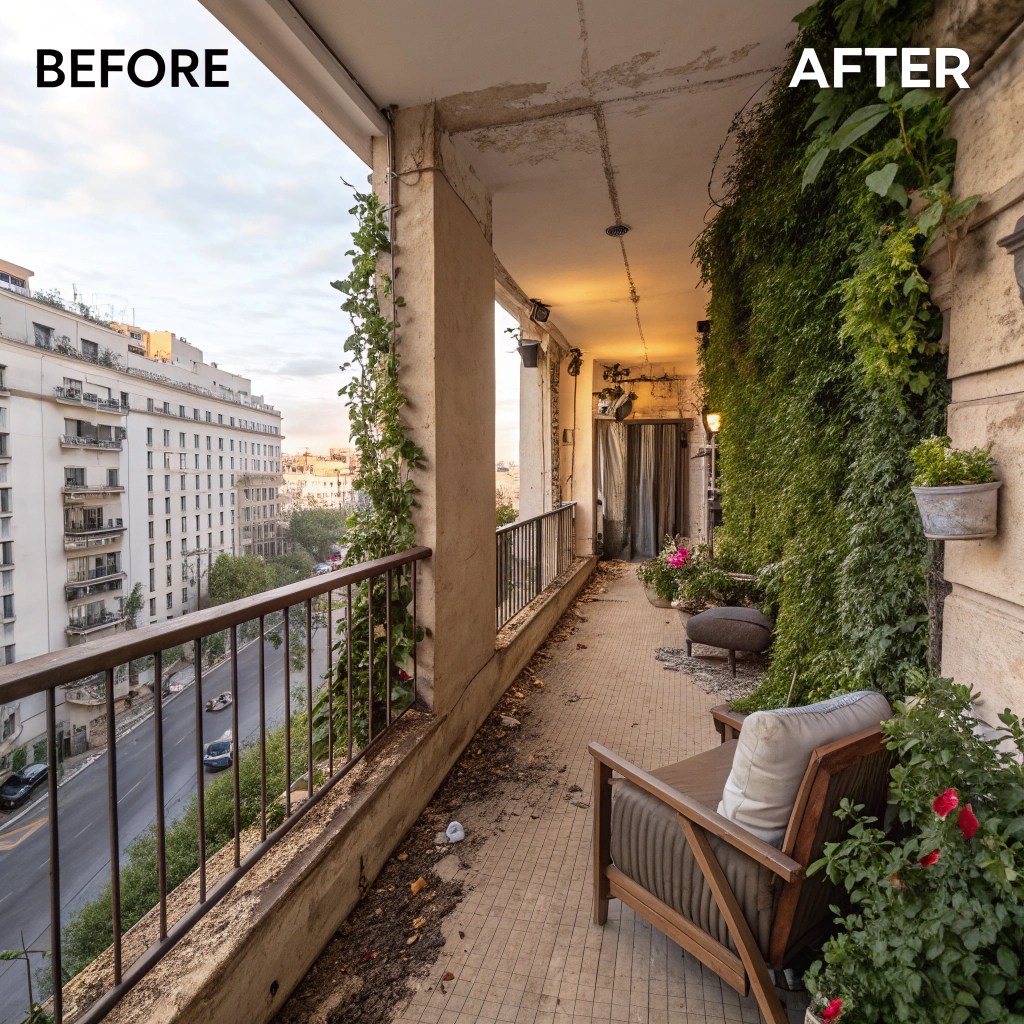
Vertical gardening isn’t just a clever workaround for space limitations—it represents a paradigm shift in how we approach urban agriculture and ornamental gardening. This technique allows apartment dwellers to grow fresh vegetables, herbs, and flowers in spaces once thought impossible for gardening. A bare brick wall can become a living tapestry of cascading tomatoes and vibrant flowers. A narrow balcony railing transforms into a herb garden providing fresh basil, rosemary, and thyme for your kitchen. Even indoor walls can be converted into stunning living artwork that purifies air while producing food.
This comprehensive guide is designed to empower small-space gardeners with the knowledge, techniques, and inspiration needed to maximize their growing potential. Whether you’re working with a tiny apartment balcony, a compact urban patio, or simply a sunny wall, you’ll discover how thinking vertically rather than horizontally can multiply your gardening capacity many times over. We’ll explore the fundamental principles of vertical gardening, showcase practical structures and systems, provide expert plant selection guidance, and share real-world success stories that prove anyone can create an abundant garden by growing upward. Your journey to transforming limited space into a lush, productive garden starts here—all you need to do is look up and imagine the possibilities.
What Is Vertical Gardening? Understanding the Basics
Core Definition
Vertical gardening is the practice of growing plants upward using support structures like trellises, shelves, towers, and living wall systems rather than spreading them horizontally across the ground.
Space Maximization
The key concept is utilizing vertical space to dramatically expand your growing area without increasing your physical footprint—perfect for tiny balconies and patios.
Versatile Applications
Vertical gardens work beautifully in balconies, patios, small yards, fence lines, and even indoor walls where traditional gardening would be impossible.
At its essence, vertical gardening challenges our traditional notions of what a garden should look like. For centuries, gardening has been predominantly a horizontal endeavor—rows of plants spreading across fields or raised beds occupying ground space. Vertical gardening flips this convention on its head, quite literally. By training plants to grow upward along supports or by stacking containers vertically, gardeners can cultivate the same number (or more) plants in a fraction of the ground space. This technique harnesses the often-overlooked dimension of height, transforming walls, fences, and vertical structures into productive growing surfaces.
The beauty of vertical gardening lies in its adaptability to virtually any small space scenario. A sunny balcony railing becomes prime real estate for hanging planters filled with cascading strawberries. A blank wall facing south can support a trellis covered in climbing beans and peas. Even a narrow side yard only two feet wide can accommodate a vertical tower garden producing dozens of plants. The fundamental principle remains constant: use height to your advantage when horizontal space is limited.
Mark Ridsdill Smith, who has cultivated container gardens for over two decades in urban London, exemplifies the potential of vertical gardening. His expertise demonstrates that with creative thinking and proper techniques, even the most space-constrained environments can yield abundant harvests. His experience underscores an important truth: vertical gardening isn’t just for professional gardeners or those with special skills—it’s an accessible, practical solution for anyone wanting to grow more in less space.
Understanding these basics provides the foundation for your vertical gardening success. Whether you’re interested in growing vegetables for your table, herbs for your cooking, or ornamental plants for beauty and air purification, the vertical approach opens doors that traditional gardening methods simply cannot. The question isn’t whether vertical gardening will work in your space—it’s how creatively you can apply these principles to maximize your specific situation.
The Top Benefits of Vertical Gardening for Small Spaces
Vertical gardening offers a remarkable array of advantages that extend far beyond simply fitting more plants into limited space. When you embrace vertical growing techniques, you’re unlocking multiple benefits that improve plant health, increase yields, reduce maintenance challenges, and enhance the aesthetic appeal of your environment. Understanding these benefits helps you appreciate why vertical gardening has become the go-to solution for urban and small-space gardeners worldwide.
Space Efficiency
The most obvious yet transformative benefit is how vertical gardening maximizes limited square footage. By stacking plants vertically, you can grow three to five times more plants in the same footprint. A 2-foot by 2-foot floor area can support a vertical tower with 30+ planting pockets, whereas traditional horizontal planting in that space might accommodate only 4-6 plants.
Increased Sunlight Exposure
When plants grow vertically rather than crowding horizontally, each plant receives better access to sunlight. This improved light exposure translates directly into healthier growth, more vigorous plants, and significantly higher yields for vegetables and fruits. Plants no longer compete with neighbors for precious sun rays.
Improved Air Circulation
Vertical arrangements naturally promote better airflow around plants. This enhanced circulation reduces humidity levels around foliage, which dramatically decreases the risk of fungal diseases like powdery mildew, leaf spot, and blight. Your plants stay healthier with fewer disease interventions needed.
Easier Maintenance
Vertical gardens bring plants to comfortable working heights—at eye level or waist height rather than ground level. This ergonomic advantage means less bending, kneeling, and back strain during planting, watering, pruning, and harvesting. Gardening becomes more accessible and enjoyable, especially for those with mobility limitations.
Natural Pest Control
Elevating plants off the ground provides a natural barrier against many common garden pests. Slugs, snails, and certain beetles that plague ground-level gardens have difficulty reaching vertical plantings. This height advantage reduces pest damage and minimizes the need for pest control interventions.
Aesthetic Appeal
Beyond practical benefits, vertical gardens transform ordinary urban spaces into stunning visual displays. Living walls, climbing vines, and stacked planters add lush greenery, vibrant colors, and natural beauty to balconies, patios, and walls. They create privacy screens, hide unsightly surfaces, and contribute to urban greening initiatives that benefit entire communities.
These interconnected benefits create a synergistic effect where each advantage reinforces the others. Better sunlight and air circulation lead to healthier plants, which in turn require less pest and disease management. Easier maintenance means you’re more likely to provide consistent care, further improving plant health and yields. The aesthetic transformation makes spending time in your garden more enjoyable, encouraging you to engage more frequently with your plants. Together, these benefits make vertical gardening not just a space-saving technique, but a comprehensive approach to more successful, sustainable, and satisfying gardening in small spaces.
Choosing the Right Plants for Your Vertical Garden
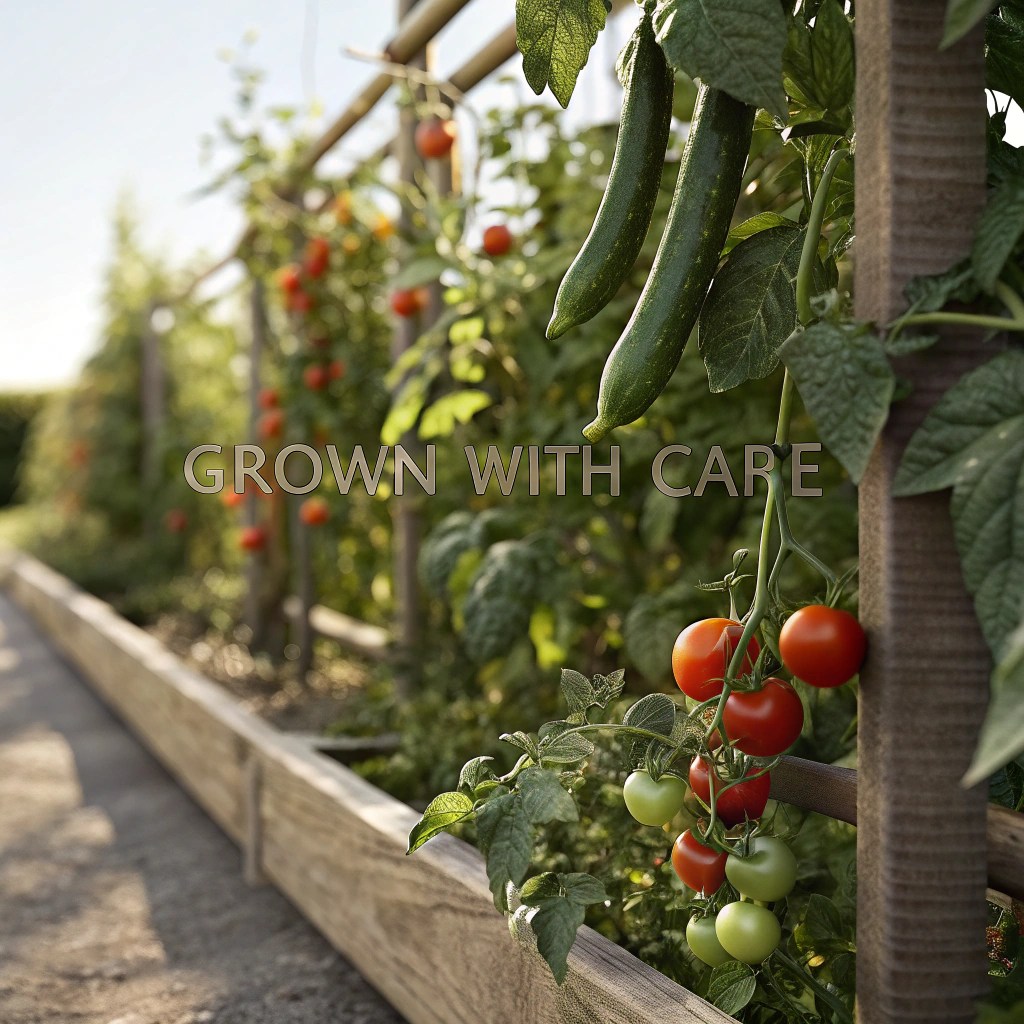
Success in vertical gardening begins with selecting plants naturally suited to upward growth or those that thrive in the container conditions typical of vertical systems. Not every plant adapts well to vertical cultivation, so understanding which species excel in these environments is crucial for achieving abundant harvests and beautiful displays.
Best Plant Candidates for Vertical Gardens
Vining Vegetables
Pole beans, peas, cucumbers, and indeterminate tomatoes are natural climbers that thrive when given vertical support. These plants produce significantly higher yields than their bush counterparts while using less ground space.
Shallow-Rooted Crops
Lettuce, spinach, arugula, and most culinary herbs (mint, parsley, basil, rosemary, thyme) have shallow root systems perfect for container growing. These plants flourish in the stacked or pocket-style vertical planters.
Ornamental Options
Flowering vines like morning glories, clematis, and jasmine add beauty to vertical structures. Succulents create stunning living walls with minimal water requirements, perfect for decorative vertical gardens.
Critical Growing Conditions to Consider
While plant selection is important, matching plants to your specific growing conditions determines ultimate success. Sunlight availability is the most critical factor—most fruiting vegetables like tomatoes, peppers, cucumbers, and beans require 6-8 hours of direct sunlight daily for optimal production. Leafy greens and herbs can tolerate slightly less sun (4-6 hours), making them suitable for partially shaded vertical spaces. Before selecting plants, carefully observe how sunlight moves across your vertical growing area throughout the day and across seasons.
Temperature and microclimate also matter significantly. Vertical gardens on south or west-facing walls receive intense heat and light, perfect for heat-loving crops like tomatoes, peppers, and eggplants. East or north-facing vertical spaces stay cooler and suit crops preferring moderate temperatures like lettuce, peas, and herbs. Balconies and elevated positions may experience stronger winds, so choose sturdier plant varieties or provide windbreaks for delicate species.
Recommended Varieties for Vertical Success
- ‘Sungold’ Cherry Tomatoes: Exceptionally sweet, prolific producer perfect for vertical growing with proper support
- ‘Romano Italian’ Green Beans: Flat, tender pods on vigorous vines that climb enthusiastically
- ‘Sugar Snap’ Peas: Sweet, edible pods on compact vines ideal for trellises and vertical supports
- ‘Spacemaster’ Cucumbers: Compact vines producing full-sized cucumbers in small spaces
- ‘Patio Princess’ Tomatoes: Determinate variety bred specifically for container and vertical growing
- ‘Greek Oregano’: Vigorous herb that cascades beautifully from elevated containers
When starting your vertical garden, begin with proven varieties specifically noted for container or vertical growing. These cultivars have been selected for compact growth habits, strong vine structure, and reliable production in confined spaces. As you gain experience, experiment with different varieties to discover which perform best in your unique microclimate and growing conditions. Remember that vertical gardening allows you to grow a diverse mix of plants in the same footprint, so don’t limit yourself to just one or two types—create a productive, beautiful tapestry of vegetables, herbs, and flowers that maximize both your space and your harvest potential.
Vertical Gardening Structures and DIY Ideas
The infrastructure you choose for your vertical garden determines how effectively you can utilize vertical space and which plants you can grow successfully. From simple DIY projects using recycled materials to sophisticated ready-made systems, the range of vertical gardening structures offers solutions for every budget, skill level, and aesthetic preference. Understanding your options empowers you to select or build the perfect support system for your specific needs.
Traditional and Time-Tested Structures
Trellises and Arbors
Classic lattice-style trellises provide sturdy support for climbing plants. Materials range from wood and bamboo to metal and vinyl. Arbors add architectural interest while supporting heavy vines like grapes or climbing roses.
Wire Cages and Stakes
Tomato cages, wire mesh panels, and sturdy stakes offer simple, effective support for vegetables. These versatile structures can be customized to any height and are easily movable for seasonal adjustments.
Pergolas and Posts
For larger spaces, pergolas create substantial overhead growing areas perfect for grape vines, hops, or flowering climbers. Single posts with horizontal supports work well for runner beans and peas.
Creative DIY Vertical Garden Projects
One of the most exciting aspects of vertical gardening is the opportunity for creative expression through DIY projects. Repurposed materials often make the most interesting and cost-effective vertical gardens. Wooden pallets, once properly cleaned and treated, transform into stunning vertical planters by standing them upright and filling the slats with soil and plants. The pockets between slats accommodate herbs, lettuce, and strawberries perfectly.
Garden arches create dramatic entrances while providing ample support for climbing vegetables or flowering vines. Built from PVC pipe, metal conduit, or wood, these structures add height and visual interest to any garden. Bean teepees—poles arranged in a circle and tied together at the top—are not only functional but also create whimsical focal points that children particularly love. As pole beans climb the structure, they form a living playhouse that produces delicious harvests.
Living walls represent the pinnacle of vertical gardening creativity. These systems use felt pockets, modular containers, or specialized panels to create entire walls of plants. While commercial living wall systems exist, DIY versions can be constructed using shoe organizers, wooden frames with chicken wire backing, or rain gutters mounted vertically. These intensive systems excel at growing herbs, lettuce, and ornamental plants in remarkably small footprints.
Ready-Made Vertical Planter Systems
Circular Towers
Rotating tower gardens like GreenStalk systems stack multiple planting tiers vertically, often with built-in irrigation. These space-efficient structures can grow 30+ plants in just a 2-foot square footprint.
Stacked Planters
Rectangular or square planters that stack securely create tiered growing systems. Each level provides a separate planting area while the entire structure maintains a compact overall footprint.
Felt Pocket Systems
Lightweight felt pockets mounted on frames or hung directly on walls create instant vertical gardens. These work beautifully for herbs, succulents, and shallow-rooted plants.
Innovative Space-Saving Techniques
Beyond traditional structures, innovative gardeners continue discovering new ways to maximize vertical space. Fence-mounted planters utilize existing fences and railings, requiring no additional floor space while transforming barriers into productive gardens. Bamboo trough planters can be attached to walls at various heights, creating cascading displays of flowers or vegetables. Ladder-style planters lean against walls, providing multiple shelving levels for container plants without permanent installation.
Structural Considerations and Safety
Regardless of which structure you choose, ensure it can support the weight of mature plants, soil, and water—which can be considerable. A vertical garden system fully planted and watered may weigh 50-100+ pounds depending on size. Secure all structures firmly to walls, fences, or ground anchors to prevent collapse from wind or plant weight. For wall-mounted systems, locate studs or use appropriate anchors rated for the expected weight. Freestanding structures should have wide, stable bases or be anchored to prevent tipping. Taking time to ensure structural integrity protects both your investment in plants and the safety of anyone near your vertical garden.
Step-by-Step Guide to Setting Up Your Vertical Garden
Creating a successful vertical garden requires thoughtful planning and systematic execution. By following a structured approach from initial assessment through ongoing maintenance, you’ll establish a thriving vertical garden that produces abundant harvests or stunning ornamental displays. This comprehensive guide walks you through each critical phase of vertical garden creation.
Assess Your Space
Begin by carefully measuring all potential vertical growing areas. Document height, width, and depth available. Observe sunlight patterns throughout the day—track where sun hits and for how long. Note environmental factors like wind exposure, proximity to water sources, and weight-bearing capacity of walls or railings.
Select Appropriate Structure
Based on your space assessment and plant choices, select structures that match your needs. Vining vegetables need sturdy trellises or cages. Herbs and lettuce work well in stacked containers or pocket systems. Consider aesthetic preferences and budget when choosing between DIY and ready-made options.
Choose Containers or Planters
Select containers suited for vertical mounting with proper drainage. For wall-mounted systems, use lightweight materials to reduce load. Ensure adequate soil depth—minimum 6 inches for herbs and lettuce, 12+ inches for tomatoes and cucumbers. Consider self-watering containers for easier maintenance.
Prepare Soil and Irrigation
Use high-quality, well-draining container mix—never garden soil which compacts in containers. Incorporate slow-release fertilizer and moisture-retaining amendments. Install drip irrigation or soaker hoses if possible, especially for larger systems. Set up timers to ensure consistent watering.
Plant Your Garden
Start with healthy seedlings or quality seeds. Plant at appropriate depths and spacing. For climbing plants, position them near supports and gently guide initial growth upward. Water thoroughly after planting. Add mulch to container surfaces to retain moisture.
Ongoing Maintenance
Check moisture daily—vertical gardens dry faster than ground gardens. Train climbing plants to supports weekly. Prune regularly to maintain desired shape and encourage production. Monitor for pests and diseases, addressing issues immediately. Fertilize every 2-3 weeks with liquid fertilizer.
Detailed Soil and Watering Considerations
The soil medium you choose fundamentally impacts vertical garden success. Container mixes specifically formulated for pots and planters provide the ideal balance of water retention, drainage, and aeration that vertical gardens require. These mixes typically contain peat moss or coco coir for moisture retention, perlite or vermiculite for drainage and air pockets, and compost for initial nutrition. Avoid using straight garden soil or topsoil in vertical gardens—these materials compact in containers, restricting root growth and creating drainage problems that lead to root rot.
Watering presents unique challenges in vertical gardens because containers dry out significantly faster than ground plantings. The increased air circulation that benefits plant health also accelerates moisture evaporation. Check soil moisture daily by inserting your finger 1-2 inches deep—if it feels dry, water thoroughly until water drains from the bottom. Morning watering is ideal, giving plants moisture for the hot afternoon while allowing foliage to dry before evening, reducing disease risk.
For larger vertical garden systems or if you’re often away from home, automated watering systems become essential rather than optional. Drip irrigation systems deliver water directly to root zones efficiently and consistently. Timer-controlled systems ensure plants receive water even when you’re traveling or busy. Self-watering containers with built-in reservoirs reduce watering frequency while maintaining consistent soil moisture, particularly valuable for plants sensitive to drought stress.
Training and Supporting Plant Growth
Successfully growing plants vertically requires actively guiding and supporting plant growth throughout the season. When plants are young, gently tie main stems to supports using soft garden twine, plant clips, or Velcro ties—avoid wire or string that can cut into tender stems as plants grow. As vining plants develop, continue training new growth upward and outward along supports, encouraging even coverage and preventing tangled masses of foliage. For indeterminate tomatoes and other heavy producers, provide additional support points as fruits develop to prevent branches from breaking under weight. Regular training sessions—just 5-10 minutes weekly—keep vertical gardens neat, manageable, and productive while maximizing your available growing space.
Overcoming Common Challenges in Vertical Gardening
While vertical gardening offers tremendous benefits for small-space cultivation, it also presents unique challenges that differ from traditional ground-level gardening. Understanding these potential obstacles and implementing proactive solutions ensures your vertical garden thrives rather than struggles. The good news is that most vertical gardening challenges have straightforward solutions that become second nature with experience.
Challenge: Rapid Moisture Loss
The Problem: Vertical gardens dry out significantly faster than ground gardens due to increased air circulation, sun exposure on all container sides, and the typically smaller soil volumes in vertical systems. Plants may wilt between waterings or show stress during hot weather.
The Solution: Install drip irrigation or soaker hose systems with timers to ensure consistent moisture delivery. Use self-watering containers with built-in reservoirs when possible. Add moisture-retaining amendments like coconut coir or water-storing crystals to soil mixes. Apply mulch to container surfaces to reduce evaporation. Group plants with similar water needs together for efficient management.
Challenge: Structure Weight and Stability
The Problem: Fully planted vertical gardens become surprisingly heavy. A square foot of wet potting soil weighs 10-15 pounds; multiply that by multiple containers plus plant weight, and structures can easily exceed 100 pounds. Inadequate support leads to collapse, property damage, or injury.
The Solution: Calculate total weight before installation and ensure mounting systems are rated for well above that capacity—use a 2x safety factor. Locate wall studs for wall-mounted systems or use appropriate anchors rated for heavy loads. Choose lightweight container materials (plastic, fiberglass, or fabric) over heavier terra cotta or ceramic. Distribute weight across multiple attachment points rather than relying on single supports. For freestanding structures, use wide, stable bases or anchor to the ground.
Challenge: Limited Sunlight Access
The Problem: Not all vertical surfaces receive adequate sunlight for productive vegetable gardening. Balconies may face north, buildings may cast shadows, or nearby structures may block sun during critical growing hours. Insufficient light leads to leggy, weak plants with poor yields.
The Solution: Position vertical gardens on south or west-facing walls for maximum sunlight exposure—these typically receive 6-8+ hours of direct sun. For partially shaded locations, select shade-tolerant crops like lettuce, spinach, herbs, and certain ornamentals rather than fighting for tomatoes and peppers. Use light-colored walls or reflective materials behind plants to increase available light. Consider supplemental grow lights for indoor vertical gardens or very shaded outdoor spaces.
Challenge: Heat Stress and Timing
The Problem: Vertical gardens in full sun experience intense heat, especially on south and west-facing exposures. Dark containers absorb heat, raising soil temperatures above optimal levels. Working in the garden during peak heat stresses both plants and gardener.
The Solution: Follow the 3-hour gardening rule—avoid working in your garden and handling plants during the three hottest hours of the day (typically 12pm-3pm). Schedule watering, pruning, harvesting, and training for early morning or evening when temperatures are moderate. Choose light-colored containers that reflect rather than absorb heat. Provide afternoon shade for heat-sensitive crops using shade cloth or strategic placement of taller plants.
Pest and Disease Management in Vertical Gardens
One significant advantage of vertical gardening is that elevated plants make pest detection and management considerably easier. When plants grow at eye level rather than at ground level, you naturally observe them more frequently and closely. This increased visibility means you’ll spot aphids, whiteflies, spider mites, or disease symptoms in early stages when intervention is most effective. The height advantage also deters many ground-dwelling pests like slugs, snails, and cutworms that plague traditional gardens.
However, vigilance remains essential. Inspect plants regularly during your daily watering routine—check undersides of leaves where pests often hide. Look for telltale signs like yellowing leaves, stippling, webbing, or distorted growth. Act promptly when you identify problems: spray strong water streams to dislodge aphids, apply insecticidal soap for soft-bodied pests, or use neem oil for broader pest and disease control. Remove and destroy seriously infected plant parts to prevent spread. The compact nature of vertical gardens makes spot treatments easy and targeted, reducing the need for broadcast pesticide applications.
Nutrient Management in Container Systems
Container plants, including those in vertical gardens, require more frequent fertilization than ground-grown plants because nutrients leach out with watering and the limited soil volume gets depleted faster. Begin with a quality container mix containing slow-release fertilizer, then supplement every 2-3 weeks with liquid fertilizer at half strength. Organic options like fish emulsion or seaweed extract provide nutrients while supporting beneficial soil microbes. Watch for nutrient deficiency symptoms—yellowing lower leaves may indicate nitrogen deficiency, while poor flowering or fruiting suggests phosphorus needs. Regular feeding keeps vertical garden plants vigorous, productive, and better able to resist pests and diseases naturally.
Inspiring Success Stories and Real-World Examples
Sometimes the best way to understand vertical gardening’s transformative potential is through real-world examples of gardeners who’ve successfully implemented these techniques in challenging urban environments. These inspiring stories demonstrate that with creativity, persistence, and smart application of vertical gardening principles, anyone can create abundant, beautiful gardens regardless of space limitations.
Mark Ridsdill Smith’s London Balcony Garden
Perhaps one of the most inspiring examples of vertical gardening success comes from Mark Ridsdill Smith, who has cultivated productive container gardens on London balconies for over two decades. His innovative approach combines multiple vertical techniques to maximize limited space spectacularly. Smith’s signature five-layer wall shelving system transforms blank walls into productive growing areas, accommodating dozens of containers at different heights. Each shelf level receives optimal sunlight while remaining easily accessible for maintenance and harvest.
Smith also employs ladder planters—repurposed or purpose-built ladders where each rung holds containers. This simple yet effective technique creates vertical growing tiers using minimal floor space. His balcony garden produces impressive quantities of vegetables, herbs, and edible flowers throughout the growing season, proving that even the smallest urban spaces can achieve genuine food production when vertical dimensions are fully utilized.
What makes Smith’s example particularly valuable is his documentation of techniques, challenges, and solutions over many years. His experience demonstrates that vertical gardening isn’t just theory—it’s a practical, proven approach that works consistently when implemented thoughtfully. His gardens serve as inspiration for thousands of urban gardeners worldwide who previously believed productive gardening was impossible in their limited spaces.
Urban Container Gardens in Unconventional Spaces
Parking Space Gardens
Innovative urban gardeners have transformed unused parking spaces into thriving container gardens. By using portable vertical structures and stacked planters, these gardens can be relocated if needed while producing substantial harvests. This approach demonstrates how vertical thinking can reclaim urban spaces typically considered unsuitable for agriculture.
GreenStalk Tower Success
Gardeners using vertical tower systems like GreenStalk regularly report growing 30+ plants in just a 2-foot by 2-foot footprint. These rotating towers have revolutionized small-space gardening, producing enough vegetables and herbs to significantly supplement household food needs despite minimal space requirements.
Living Wall Transformations
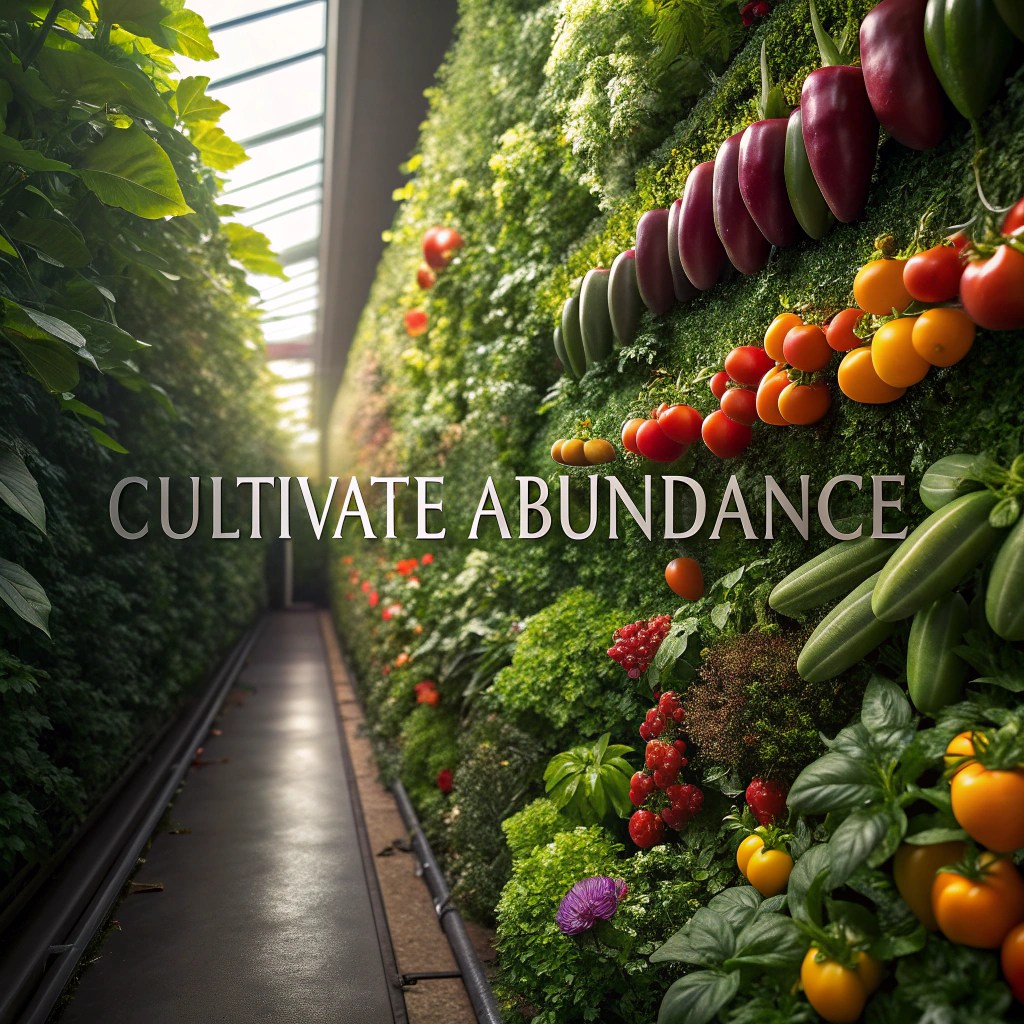
Dull, lifeless urban walls have been transformed into spectacular living ecosystems through vertical gardening techniques. These installations not only produce food and flowers but also improve air quality, reduce urban heat island effects, and provide habitat for beneficial insects and pollinators.
Community Rooftop Gardens
Community gardens in urban areas increasingly incorporate vertical growing techniques to maximize limited rooftop and communal spaces. These shared gardens demonstrate the social and community-building potential of vertical gardening beyond individual benefits. By using trellises, vertical towers, and tiered planting systems, community gardens accommodate more participants while teaching valuable urban agriculture skills. Members learn from each other’s successes and challenges, creating knowledge-sharing networks that strengthen urban food security and community bonds.
Lessons from Successful Vertical Gardeners
Across these diverse examples, common themes emerge that contribute to vertical gardening success. First, successful vertical gardeners embrace experimentation—they try different structures, plant varieties, and techniques to discover what works best in their specific conditions. Second, they view vertical space as valuable as horizontal space, systematically utilizing every available dimension. Third, they prioritize consistent care and observation, knowing that container-based vertical gardens require more frequent attention than traditional gardens but reward that investment with abundant yields. Finally, successful vertical gardeners share their knowledge and enthusiasm, inspiring others to begin their own vertical gardening journeys and contributing to a growing community of urban and small-space gardeners worldwide.
Conclusion: Start Your Vertical Garden Today and Grow Upwards!
The journey through vertical gardening’s possibilities has revealed a transformative approach to cultivation that empowers anyone with limited space to grow abundant, healthy plants. Whether you have a tiny apartment balcony, a narrow urban patio, or simply a sunny wall, vertical gardening unlocks potential that traditional horizontal gardening methods cannot access. By thinking upward rather than outward, you multiply your growing capacity many times over while enjoying the numerous benefits of this innovative technique.
The path to vertical gardening success combines smart plant selection, sturdy structures matched to your space and needs, and proper care practices that address the unique requirements of container-based vertical systems. You’ve learned how climbing vegetables, shallow-rooted herbs, and carefully chosen ornamental plants thrive when given vertical support. You understand the range of structures available—from simple DIY trellises to sophisticated vertical tower systems—and how to choose or build what works for your situation. You’re equipped with knowledge about soil preparation, watering strategies, pest management, and troubleshooting common challenges that vertical gardeners face.
Take Action Now
Don’t wait for perfect conditions or more space. Start small with a single trellis or vertical planter. Experience the joy of harvesting your first vertically-grown tomatoes or herbs. Build confidence and expand gradually.
Embrace Creativity
Let your creativity flourish through DIY projects and unique combinations. Transform mundane spaces into green oases that reflect your personality while producing food and beauty. There’s no single “right” way—only what works for you.
Grow Sustainably
Vertical gardening contributes to urban sustainability by producing local food, improving air quality, supporting pollinators, and reconnecting people with nature. Your garden matters beyond your personal harvest.
Perhaps most importantly, remember that vertical gardening is a journey of continuous learning and adaptation. Your first season may involve trial and error as you discover which plants thrive in your microclimate, which structures work best, and what care routines fit your lifestyle. Embrace this learning process—each season brings new insights, skills, and successes. Join online communities, share your experiences, learn from other vertical gardeners, and don’t be afraid to experiment with new techniques or plant varieties.
Your small space holds tremendous potential waiting to be unlocked. That blank wall, empty balcony railing, or underutilized fence line can become a productive, beautiful garden that provides fresh vegetables and herbs for your kitchen, creates privacy and shade, attracts beneficial wildlife, and brings the healing presence of nature into your daily life. Vertical gardening isn’t just about maximizing space—it’s about maximizing possibility, demonstrating that limitations can inspire innovation and that even the smallest urban footprints can support vibrant, thriving ecosystems.
The time to start is now. Choose one vertical gardening project to begin with—perhaps a simple trellis for tomatoes, a tower planter for herbs, or a DIY pallet garden for lettuce and greens. Gather your materials, select your plants, and take that first step upward. As your vertical garden grows and flourishes, you’ll discover the profound satisfaction of nurturing life in small spaces, harvesting food you’ve grown yourself, and creating beauty where none existed before. Your vertical garden journey begins with a single seed, a sturdy support, and the vision to grow upward. Welcome to the vertical gardening community—your green oasis awaits, one vertical foot at a time.
Essential Hashtags for Sharing Your Vertical Garden Journey
Connect with the global vertical gardening community and inspire others by sharing your journey with these popular hashtags:
#VerticalGardening #SmallSpaceGardening #UrbanGardening #ContainerGardening #GrowUpwards #VerticalVeg #BalconyGarden #UrbanFarming #GardenHacks #SustainableLiving
 NellyWorld
Leave a comment