Football tactics sound complicated—but they don’t have to be. Whether you’re watching from the stands or coaching your first youth team, understanding the chess match happening on the pitch transforms the beautiful game into something even more captivating. This quick guide breaks down everything you need to know in simple, practical terms that’ll have you reading the game like a seasoned analyst.
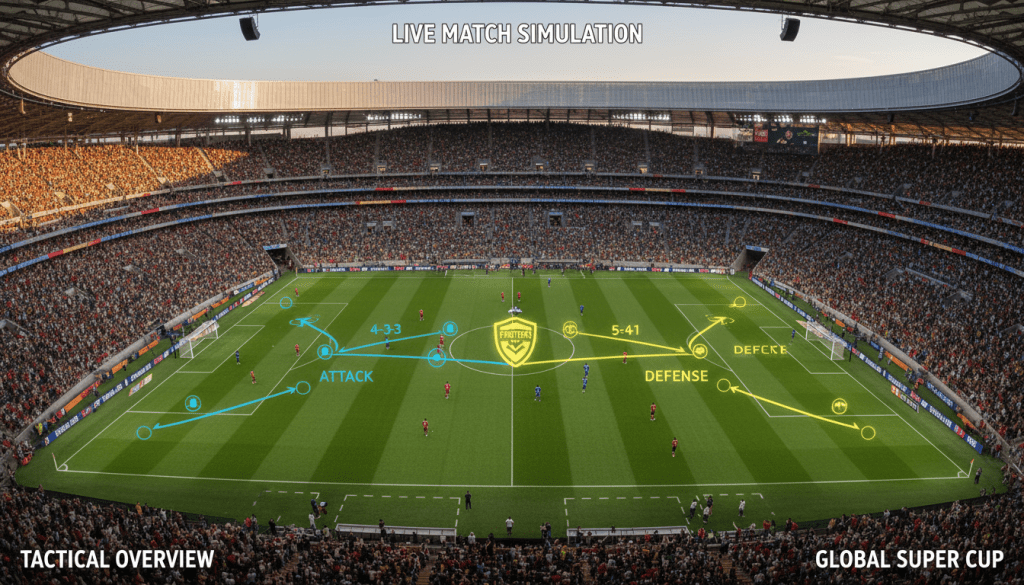
Why Tactics Actually Matter

Think tactics are just for coaches? Think again. Understanding tactical concepts unlocks a whole new dimension of football appreciation. When you grasp the “why” behind player movements, every match becomes a fascinating strategic battle where positioning, timing, and decision-making create moments of brilliance or costly mistakes.
Structure creates control on the pitch. Without a tactical framework, eleven talented players become a disorganized crowd chasing leather. Smart tactics help players find space, exploit weaknesses, and coordinate movements that break down defenses or shut down attacks.
Structure Creates Control
Organized positioning prevents chaos and creates predictable passing lanes that teammates can exploit
Finding Space
Tactical awareness helps players identify and create pockets of space where magic happens
Transition Moments
The seconds after possession changes are when games are won—tactics shape these critical moments
Dominance Factor
Superior tactics can make an average team dominate while poor tactics leave talented squads struggling
Basic Formations Decoded
Formations are the foundation of tactical systems—the blueprint that determines how players spread across the pitch. Think of them as the skeleton that supports all the creative muscle and movement that follows. Each formation has strengths, weaknesses, and specific situations where it shines brightest.
4-4-2: The Classic
Four defenders, four midfielders, two strikers. This balanced formation is football’s comfort food—reliable, straightforward, and effective. It’s perfect for teams that value solidity and simplicity, offering natural width and defensive security. Great for beginners because every position has clear responsibilities.
4-3-3: The Aggressor
Four defenders, three midfielders, three forwards. This attacking setup pushes wingers high and wide, stretching defenses thin. It’s aggressive, exciting, and demands technical players comfortable in tight spaces. Teams using this formation commit to attacking football and accept some defensive risk.
3-5-2: Midfield Domination
Three defenders, five midfielders, two strikers. This formation floods the middle of the park, giving you numerical superiority where most battles are won. The five-man midfield can morph into different shapes, making it incredibly adaptable for both defensive solidity and creative play.
4-2-3-1: Modern Flexibility
Four defenders, two holding midfielders, three attacking midfielders, one striker. This is today’s most popular formation because it adapts beautifully to different game situations. The double pivot provides defensive security while the attacking trio creates overloads in dangerous areas.
Essential Tactical Concepts
Beyond formations, several key tactical concepts separate tactical novices from savvy observers. These ideas appear in every match at every level, and recognizing them in real-time gives you genuine insight into what coaches are trying to accomplish. Master these concepts and you’ll never watch football the same way again.
Pressing vs. Counter-Pressing
Pressing means hunting the ball immediately when you lose it, aiming to win it back within seconds. Counter-pressing (gegenpressing) is even more aggressive—teams squeeze space instantly after losing possession, catching opponents before they organize. It’s exhausting but devastatingly effective.
Defensive Line Height
How high or deep a defensive line sits dramatically changes a team’s whole approach. A high line compresses space, enables pressing, but risks getting caught by through balls. A deep line offers security but surrenders territory and invites pressure.
Overlaps & Underlaps
Overlaps happen when a player runs outside a teammate to create width and confusion. Underlaps involve inside runs that exploit interior spaces. Both movements stretch defenses, create numerical advantages, and generate dangerous crossing opportunities or cutback passes.
Switching Play
When one side gets congested, smart teams switch the ball quickly to the opposite flank where space opens up. This diagonal movement forces defenses to shift rapidly, creating gaps and exploiting tired legs as opponents scramble across the pitch.
Reading the Game Like a Pro
Real matches constantly demonstrate tactical principles in action. The magic happens when you start recognizing patterns, anticipating movements, and understanding why certain moments unfold the way they do. These observations transform casual viewing into educated analysis that deepens your appreciation for the sport’s complexity.
Why Teams Suddenly Lose Control
One misplaced pass or positional mistake can cascade into total chaos. When midfielders get bypassed or defenders push too high without cover, opponents exploit the space ruthlessly. Control evaporates when tactical discipline breaks down—watch for players abandoning their positions.
How Spacing Changes Everything
Teams that maintain proper distance between players create passing triangles and options everywhere. Conversely, when players bunch together, defenses easily mark multiple threats simultaneously. Elite teams obsess over spacing because it determines whether attacks flow smoothly or stall awkwardly.
When Substitutions Shift Tactics
A single substitution can completely transform a team’s approach. Bringing on a speedy winger signals intent to exploit tired defenders. Adding a defensive midfielder indicates protecting a lead. Watch how formations morph and strategies pivot after substitutions—it’s tactical chess in real time.
Reading Transitions Like an Expert
The moment possession changes is football’s most critical phase. Successful teams transition instantly—defenders become attackers or vice versa within seconds. Poor transitions leave teams vulnerable, exposed, and scrambling. Focus on these moments to understand which teams have truly elite tactical coaching.
Beginner’s Guide to Tactical Watching
Ready to level up your football viewing experience? These simple tips will help you spot tactical patterns that most casual fans miss completely. You don’t need coaching badges or years of experience—just focused observation and an understanding of what to look for during those 90 minutes of action.
Watch Player Movement, Not the Ball
The ball is obvious—everyone watches it. The real game happens off-ball where players create space, make decoy runs, and position themselves for the next phase. Train yourself to track player movement for 10-15 seconds without following the ball. You’ll be amazed what you discover.
Look for Passing Triangles
Elite teams constantly form triangular passing options that give ball carriers multiple safe outlets. Three players positioned correctly create angles, escape routes, and progression opportunities. Poor teams have players in straight lines with limited options. Count the triangles you see—more triangles equals better possession play.
Notice Spacing Patterns
Watch how much distance separates teammates. Too close and they’re easily marked together. Too far and passes become risky or impossible. Professional teams maintain optimal spacing—close enough to connect passes, far enough to stretch defenses. Notice when spacing collapses and how it impacts play quality.
Predict the Next Pass
Before a player receives the ball, guess where they’ll pass it next. Consider defensive pressure, teammate positioning, and space availability. This mental exercise trains your tactical brain and helps you appreciate split-second decision-making that separates good players from great ones.

“Once you start seeing the patterns, you can’t unsee them. Football becomes a beautiful puzzle you’re solving in real-time.”
Tactical Formations Comparison
Different formations suit different playing styles, personnel, and opponents. Understanding the trade-offs helps you appreciate why coaches make specific tactical choices. Here’s a quick comparison of how common formations stack up across key dimensions that determine their effectiveness in various situations.
The 4-2-3-1 formation scores highest overall because it adapts seamlessly to different game situations. The 4-3-3 maximizes attacking potential but sacrifices some defensive security. Meanwhile, the classic 4-4-2 offers reliable defensive stability but less tactical flexibility. The 3-5-2 provides excellent midfield control and adaptability but requires specific personnel—particularly athletic wing-backs who can cover enormous ground up and down the flanks throughout the match.
Common Tactical Mistakes
Even professional teams make tactical errors that cost them points. Recognizing these mistakes helps you understand when teams are struggling tactically versus simply being outplayed individually. Here are the most frequent tactical blunders that plague teams at every level from amateur to elite.
Losing Compactness
When the distance between defensive lines stretches too far, massive gaps appear that opponents exploit mercilessly. Teams get stretched vertically when defenders drop deep while midfielders push high, creating highways for opposition attackers to run through.
Poor Transition Speed
Slow transitions are tactical killers. Teams that don’t switch mentally from attack to defense quickly enough get caught in terrible positions. The best teams snap into defensive shape within 3-4 seconds of losing possession.
Neglecting Width
Teams that play too narrow make life easy for compact defenses. Without width, defenses can stay tight centrally and snuff out attacks easily. Stretching play wide forces defenders to cover more ground and creates gaps.
Ignoring Opponent Strengths
Playing your normal game without adjusting to opponents’ weapons is tactical suicide. If opponents have lightning-quick wingers, playing a high defensive line invites disaster. Smart tactics neutralize opponent strengths while exploiting weaknesses.
Pro Tip: Watch for these mistakes in the first 15 minutes of matches. Coaches often adjust tactics after seeing what’s not working, making early substitutions or formation tweaks to address glaring issues before they cost goals.
Tactical Evolution in Modern Football
Football tactics have evolved dramatically over the past two decades. What worked brilliantly in 2000 looks outdated today. Modern football demands more physicality, technical skill, and tactical intelligence from every player on the pitch. Understanding this evolution helps you appreciate why today’s game looks so different from what older generations remember.
Traditional Approach
- Fixed positions and rigid roles
- Specialists for each position
- Long ball directness
- Physical dominance priority
Transition Period
- Positional rotation emerging
- Technical skills emphasized
- Pressing systems developing
- Tactical flexibility valued
Modern Game
- Total fluidity and rotation
- Every player technically skilled
- Data-driven decision making
- Hyper-intense pressing systems
Today’s elite players aren’t just specialists—they’re complete footballers comfortable in multiple positions and roles. Full-backs join attacks like wingers. Midfielders drop into defense. Strikers press like defensive midfielders. This tactical fluidity creates unpredictability that makes modern football simultaneously more complex and more thrilling than ever before. The teams that master this positional flexibility while maintaining tactical discipline dominate the contemporary game.
Your Tactical Journey Starts Now

Tactics aren’t scary—they make football even more enjoyable once you see the patterns. What initially looks like 22 players chasing a ball transforms into an intricate chess match where every movement, every run, and every positional adjustment carries purpose and meaning.
You now have the foundational knowledge to watch matches with tactical awareness. Start simple: pick one concept from this guide and focus on it for an entire match. Watch for passing triangles in one game, defensive line height in another, and transition moments in a third. Gradually, you’ll develop an intuitive understanding that makes every match infinitely more engaging.
The beautiful game becomes even more beautiful when you understand the tactical masterpieces unfolding before your eyes. Whether you’re coaching beginners or simply want to appreciate professional football more deeply, tactical knowledge unlocks a richer, more rewarding viewing experience that connects you to the sport’s deepest strategic dimensions.
Keep Learning
Watch tactical analysis videos, read coaching articles, and discuss matches with knowledgeable fans to deepen your understanding continuously
Practice Observation
Focus on one tactical element per match until pattern recognition becomes second nature and automatic
Share Your Knowledge
Teach others what you’ve learned—explaining tactics to friends reinforces your own understanding remarkably
“Understanding tactics doesn’t diminish the magic of football—it reveals the genius behind it.”
 NellyWorld
Leave a comment