NellyWorld

Economy, Education, Stocks, Information, History

  • Transform your outdoor space into a thriving sanctuary for local wildlife while creating a stunning, low-maintenance landscape that celebrates the natural beauty of your region.

    Why Native Plants Matter More Than Ever

    Native plants are the foundation of healthy ecosystems, evolved over millennia to support local wildlife and biodiversity. These remarkable species have developed intricate relationships with native insects, birds, mammals, and soil organisms, creating a web of life that sustains our natural world. In an era of rapid environmental change, understanding and embracing native plants has never been more critical.

    Urbanization and the prevalence of lawn monocultures have dramatically fragmented natural habitats across our landscapes. What were once continuous corridors of diverse plant communities have been reduced to isolated patches, leaving wildlife struggling to find food, shelter, and breeding grounds. Native plant gardens serve as critical refuges—oases of biodiversity in a sea of turf grass and ornamental exotics. Every native garden you create becomes a vital stepping stone for pollinators, birds, and beneficial insects navigating our increasingly developed world.

    Gardening with natives offers profound environmental benefits that extend far beyond aesthetics. These plants help combat climate change by sequestering carbon and reducing the need for gas-powered lawn equipment. They conserve precious water resources, often requiring 50-75% less irrigation than traditional landscapes once established. Native gardens eliminate the need for synthetic fertilizers and pesticides, protecting soil health, water quality, and the beneficial organisms that make our ecosystems function.

    Biodiversity Support

    Creating refuge for wildlife in fragmented habitats

    Resource Conservation

    Reducing water use and chemical inputs

    Climate Action

    Building sustainable, resilient landscapes

    The movement toward native plant gardening represents more than just a horticultural trend—it’s a crucial response to the biodiversity crisis. As natural habitats continue to disappear, our backyards, parks, and community spaces become increasingly important for conservation. By choosing native plants, gardeners become active participants in ecosystem restoration, creating resilient landscapes that can adapt to changing conditions while supporting the complex web of life that depends on them.

    What Are Native Plants? Understanding Their Unique Role

    Native plants are species that naturally occur and have evolved in a specific geographic region over thousands or millions of years, developing complex, interdependent relationships with local insects, birds, mammals, and soil microorganisms. These aren’t simply plants that can grow in your area—they’re species that originated there, becoming integral parts of the local ecosystem’s functioning. Understanding this distinction is fundamental to creating gardens that truly support biodiversity.

    Evolutionary Adaptation

    Plants develop traits suited to local climate, soil, and rainfall patterns over millennia

    Ecosystem Integration

    Native insects, birds, and wildlife evolve to depend on specific plant species for survival

    Complex Relationships

    Intricate networks of mutual benefit develop between plants, pollinators, and soil microbes

    Habitat Foundation

    Native plants become irreplaceable food sources and shelter for entire food webs

    The ecological importance of native plants becomes strikingly clear when we examine specific examples. California native oak trees, for instance, support over 500 species of caterpillars—the primary food source for baby birds like chickadees, bluebirds, and warblers. In contrast, commonly planted non-native trees like ginkgos or Bradford pears support fewer than a dozen caterpillar species. This dramatic difference cascades through the food web: fewer caterpillars mean fewer birds, which means reduced predation on garden pests, and ultimately less biodiversity overall.

    Native Species Advantages

    • Support hundreds of specialized insect species
    • Provide optimal nutrition for local wildlife
    • Require no synthetic inputs once established
    • Adapted to local climate extremes
    • Deep roots prevent erosion and filter water
    • Support complete life cycles of native fauna

    Non-Native Limitations

    • Support few or no native insects
    • Often lack nutritional value for wildlife
    • May require fertilizers and pesticides
    • Vulnerable to local weather extremes
    • Shallow roots provide limited ecosystem services
    • Fail to support reproduction of native species

    Choosing native species means understanding your local ecoregion and selecting plants naturally suited to your specific climate, soil type, rainfall patterns, and wildlife needs. A plant native to coastal California won’t necessarily thrive or provide the same ecological benefits in inland desert regions, even within the same state. The key is matching plants to place—consulting local native plant societies, extension services, and resources like Audubon’s native plant database to identify species that truly belong in your specific location. This precision ensures your garden provides maximum benefit to local ecosystems while requiring minimal maintenance and resources.

    Ecological Benefits: Building a Thriving Backyard Habitat

    Native plant gardens function as miniature ecosystems, providing essential resources that support entire food webs right in your backyard. The ecological benefits extend far beyond simple beauty, creating complex habitats that nurture biodiversity and strengthen the resilience of local wildlife populations.

    Essential Food Sources

    Native plants provide precisely timed nectar for pollinators including native bees, butterflies, hummingbirds, and moths. Seeds, berries, and fruits nourish birds and small mammals throughout seasons when food is scarce. The leaves themselves support caterpillars and other insects that form the base of the food chain.

    Shelter and Breeding Grounds

    Dense native shrubs offer protected nesting sites for songbirds and safe corridors for ground-dwelling species. Native plants support the complete life cycle of butterflies and moths, providing host plants for caterpillars and nectar sources for adults, ensuring population continuity.

    Soil Health and Water Management

    Deep root systems of native plants, often extending 10-15 feet underground, dramatically improve soil structure, reduce erosion, and increase water infiltration. This natural infrastructure manages stormwater runoff, filters pollutants, and recharges groundwater supplies.

    The interconnected benefits of native plant gardens create what ecologists call “ecosystem services”—natural processes that would be expensive or impossible to replicate artificially. When you plant a native garden, you’re not just adding pretty flowers; you’re installing a sophisticated biological system that cleans air and water, manages stormwater, builds topsoil, sequesters carbon, and supports biodiversity. These gardens become increasingly valuable over time as plants mature and wildlife populations establish themselves.

    Native Plants

    Foundation species adapted to local conditions

    Insects

    Herbivores that feed on plant tissues

    Birds

    Predators that feed insects to young

    Healthy Ecosystem

    Complete food web supporting all life

    Research shows that native plant gardens support 4-5 times more butterfly species and abundance compared to non-native gardens. Bird populations benefit similarly, with studies documenting significantly higher reproductive success in areas with abundant native plants. The reason is simple: native plants and native wildlife evolved together, creating perfectly synchronized relationships. When caterpillars emerge in spring, they coincide exactly with when parent birds need protein-rich food for nestlings. This timing doesn’t occur with non-native plants, leaving baby birds hungry even in landscaped areas.

    Perhaps most importantly, native gardens create resilience in an uncertain future. As climate change brings more extreme weather, pest pressures, and unpredictable conditions, native plants’ deep genetic adaptation to local ecosystems helps them—and the wildlife depending on them—survive and thrive. Your native garden becomes an ark of biodiversity, preserving local species and ecological relationships for future generations.

    Environmental Impact: Water Conservation and Climate Resilience

    Water Conservation Benefits

    Native plants require significantly less irrigation once established, often reducing water consumption by 50-75% compared to traditional lawns and exotic ornamentals. Their deep root systems access moisture unavailable to shallow-rooted turf grass, allowing them to survive extended dry periods without supplemental watering. This drought tolerance translates directly into lower water bills, reduced strain on municipal water supplies, and greater garden resilience during water restrictions or climate-driven droughts.

    Water Reduction

    Less irrigation needed compared to conventional landscapes

    Chemical Elimination

    Reduction in synthetic fertilizers and pesticides

    Carbon Sequestration

    More carbon stored than turf grass landscapes

    The environmental advantages of native gardens extend well beyond water savings. Native plants thrive without synthetic fertilizers or pesticides because they’ve evolved natural defenses and nutrient acquisition strategies suited to local soil conditions. Eliminating these chemicals promotes healthier soil biology, protects beneficial insects, and prevents toxic runoff from contaminating streams, rivers, and groundwater. The cascading benefits create cleaner watersheds, healthier aquatic ecosystems, and safer environments for children, pets, and wildlife.

    Native gardens make meaningful contributions to climate change mitigation through multiple mechanisms. First, they eliminate or drastically reduce the need for gas-powered lawn mowers, leaf blowers, and string trimmers—equipment that produces surprising amounts of air pollution and carbon emissions. One hour of gas-powered lawn mowing produces emissions equivalent to driving a car over 100 miles. Second, native plants with their extensive root systems sequester significantly more carbon in soil than shallow-rooted turf grass. Deep-rooted prairie plants, for example, can store 3-5 tons of carbon per acre annually in their root biomass and associated soil organic matter.

    Reduced Urban Heat Island Effect

    Native plant gardens, especially those with trees and dense shrubs, lower ambient temperatures through evapotranspiration and shade, reducing air conditioning needs and improving urban climate resilience.

    Stormwater Management

    Deep roots and organic-rich soil in native gardens absorb rainfall like a sponge, reducing flooding, preventing erosion, and filtering pollutants before they reach waterways—natural infrastructure that saves municipalities millions.

    Habitat Connectivity

    As climate shifts force species to migrate, native garden corridors provide essential stepping stones, allowing plants and animals to move toward more suitable habitats and maintain genetic diversity.

    Climate resilience—the ability of ecosystems to adapt and persist through changing conditions—may be the most critical benefit native gardens provide. These plants carry millions of years of genetic adaptation to local climate variability, giving them flexibility to cope with temperature extremes, irregular rainfall, and unusual weather events. As we face an uncertain climate future, gardens built on native plant foundations offer the best chance of remaining beautiful, functional, and supportive of biodiversity regardless of what conditions emerge.

    Practical Gardening Tips: How to Start Your Native Plant Garden

    Creating a successful native plant garden requires thoughtful planning and understanding of your local ecosystem. The following practical steps will guide you from initial research through establishment, helping you create a thriving, low-maintenance landscape that supports local wildlife and reflects the natural beauty of your region.

    Research Your Ecoregion

    Begin by identifying your USDA hardiness zone and local ecoregion using resources like Audubon’s native plant database, Calscape (for California), or your state’s native plant society. Learn which plants historically grew in your area and understand your soil type, sun exposure, and moisture conditions.

    Design with Layers

    Mimic natural habitats by incorporating multiple vegetation layers: groundcovers, herbaceous perennials, shrubs, and trees. This vertical diversity provides varied resources for different wildlife species while creating visual interest and year-round structure in your garden.

    Choose Appropriate Species

    Select natives suited to your specific conditions—sun or shade, wet or dry, clay or sandy soil. Visit local nurseries specializing in natives, attend plant sales hosted by native plant societies, or connect with regional botanical gardens for recommendations.

    Eliminate Invasives

    Remove invasive species and minimize lawn areas before planting. Sheet mulching or careful use of targeted removal methods can prepare sites without harmful chemicals. Never plant species identified as invasive in your region, even if they’re native elsewhere.

    Plant Strategically

    Group plants in drifts of 3-7 individuals to create visual impact and attract pollinators more effectively. Ensure continuous bloom throughout the growing season by selecting species with staggered flowering times, providing consistent nectar and pollen resources.

    Support Establishment

    Apply 2-3 inches of organic mulch to retain moisture, suppress weeds, and build soil health. Water regularly during the first year while roots establish, then gradually reduce irrigation. Avoid fertilizers—native plants thrive in naturally occurring soil nutrients.

    Essential Planning Resources

    • Audubon Native Plant Database – Enter your zip code to find region-specific recommendations
    • Lady Bird Johnson Wildflower Center – Comprehensive native plant information by state
    • State Native Plant Societies – Local expertise, plant sales, and garden tours
    • iNaturalist – Identify plants growing naturally in your area
    • Xerces Society – Pollinator-focused planting guides

    Key Design Principles

    • Start small with a manageable area, then expand as you gain experience
    • Include host plants for butterfly and moth caterpillars, not just nectar sources
    • Provide water features like birdbaths or small ponds for wildlife
    • Leave seed heads standing through winter for bird food and beneficial insect habitat
    • Embrace imperfection—some leaf damage shows your garden supports life

    Timing matters when establishing native gardens. Fall planting takes advantage of winter rains and gives roots time to establish before summer heat. Spring planting works well in cold climates where fall-planted perennials might frost-heave. Regardless of season, patience is essential—native perennials often spend their first year establishing root systems, with dramatic above-ground growth appearing in subsequent years. The old adage holds true: first year they sleep, second year they creep, third year they leap.

    Don’t feel pressured to convert your entire yard immediately. Start with a small demonstration area—perhaps replacing a high-maintenance flower bed or converting a section of lawn. As you witness the transformation and enjoy reduced maintenance, you’ll likely want to expand. Many successful native gardeners convert their landscapes gradually over several years, learning and adapting their approach as they discover what works best in their specific conditions. The journey itself becomes rewarding as you observe increasing wildlife activity and watch your garden evolve into a thriving ecosystem.

    Overcoming Challenges: Common Myths and Solutions

    Despite growing enthusiasm for native plant gardening, persistent myths and misconceptions prevent many gardeners from embracing this sustainable approach. Understanding the reality behind these myths empowers you to make informed decisions and confidently create beautiful, ecologically valuable landscapes.

    Myth: Native Plants Are Boring or Ugly

    Reality: Native plants offer extraordinary diversity in form, color, texture, and seasonal interest. From the brilliant red cardinal flowers and vibrant purple asters to the architectural drama of native yuccas and the delicate beauty of columbines, natives span every aesthetic preference. Many cultivated ornamentals that gardeners love—coneflowers, black-eyed Susans, coral bells—are actually native species. The perception of boringness often comes from seeing poorly maintained roadside plantings rather than thoughtfully designed native gardens.

    Myth: Native Gardens Require No Maintenance

    Reality: While established native gardens require significantly less maintenance than conventional landscapes—no mowing, reduced watering, minimal fertilizing—they aren’t maintenance-free. Weeding is necessary, especially in the first few years. Periodic pruning, deadheading (optional), and fall cleanup contribute to garden health and appearance. However, this maintenance is less frequent, less physically demanding, and more aligned with natural seasonal rhythms than the intensive weekly upkeep conventional gardens demand.

    Myth: Native Gardening Means No Design Flexibility

    Reality: Native plants adapt beautifully to any garden style imaginable—formal hedges and parterres, cottage gardens, modern minimalist landscapes, woodland gardens, prairie meadows, or Mediterranean-inspired xeriscape designs. The key is selecting appropriate species and arranging them thoughtfully. Native grasses create elegant modern plantings, native shrubs form perfect hedges, and native perennials fill traditional borders with color and texture. Your aesthetic vision determines the style; native plants simply provide the palette.

    Myth: Native Plants Attract Too Many Bugs and Pests

    Reality: Healthy native gardens support diverse insect populations, including many beneficial species that control pests naturally. Yes, you’ll see caterpillars on host plants—that’s the point! These caterpillars feed birds and transform into beautiful butterflies and moths. Meanwhile, increased populations of predatory insects like ladybugs, lacewings, and parasitic wasps keep pest species in balance without chemical intervention. The presence of diverse insects indicates a functioning ecosystem, not a pest problem.

    Addressing Common Concerns

    Concern: Neighbors might complain about a “messy” garden

    Solution: Design with intention. Use defined edges, mulched paths, and structured layouts. Include signage explaining your garden’s ecological purpose. Many communities now have “pollinator habitat” or “wildlife garden” signs available. Start with front yard foundation plantings or side yards to demonstrate beauty before converting highly visible spaces.

    Concern: Finding native plants to purchase

    Solution: Native plant availability has exploded in recent years. Specialized native nurseries, online retailers, botanical garden sales, and native plant society events offer extensive selections. Many mainstream nurseries now stock natives. Seed starting is also economical and rewarding for many species.

    Natural Pest Management

    Embrace integrated pest management principles in native gardens:

    • Accept minor damage – Some leaf chewing indicates your garden supports wildlife
    • Encourage predators – Birds, wasps, and predatory beetles control most pests naturally
    • Hand-pick major infestations – Remove problematic insects manually rather than spraying
    • Avoid pesticides – Even organic options harm beneficial insects and disrupt ecosystem balance
    • Choose resistant varieties – Select plants naturally resistant to common local pests

    Perhaps the most important mindset shift involves redefining perfection. Conventional gardening idealizes pristine, unblemished foliage and weed-free beds maintained through constant intervention. Native gardening embraces a different aesthetic—one that celebrates life, accepts natural processes, and finds beauty in ecological function. A caterpillar-nibbled leaf represents success, not failure. Seed-eating goldfinches perched on spent coneflowers create more compelling garden scenes than deadheaded sterility. This shift from manicured control to partnership with nature transforms gardening from endless battle into joyful observation and stewardship.

    Community and Conservation: Extending Impact Beyond Your Yard

    Individual native gardens create valuable habitat, but their impact multiplies exponentially when connected into networks spanning neighborhoods, communities, and regions. By thinking beyond property lines and engaging with broader conservation efforts, gardeners become powerful agents of landscape-scale ecological restoration.

    Habitat Corridors

    Create continuous pathways for wildlife movement across fragmented landscapes

    Collective Action

    Amplify conservation impact through coordinated neighborhood efforts

    Knowledge Sharing

    Educate neighbors and community members about native gardening benefits

    Official Recognition

    Participate in habitat certification programs to inspire others

    Plant Sharing

    Divide and distribute native plants to expand local coverage

    Cultural Preservation

    Protect regional plant species and ecological heritage for future generations

    Native plant gardens function as “habitat corridors” or “stepping stones” that connect fragmented natural areas, allowing wildlife to move safely across developed landscapes. When multiple neighboring properties feature native plants, they create continuous habitat patches that support larger, more stable wildlife populations. Pollinators, songbirds, and beneficial insects can travel between gardens, finding food and shelter throughout their territories. This connectivity proves especially critical for species with large home ranges or those that migrate seasonally.

    Engaging with local native plant societies, gardening clubs, and conservation organizations amplifies your impact dramatically. These groups offer expertise, resources, plant sales, garden tours, and volunteer opportunities that deepen your knowledge while contributing to larger conservation goals. Many cities now have “homegrown national park” initiatives or pollinator pathway projects that coordinate native plantings along streets and neighborhoods, creating wildlife corridors through urban areas. Participating in these efforts connects your individual garden to regional conservation strategies.

    Certified Wildlife Habitat®

    National Wildlife Federation program recognizing yards that provide food, water, cover, and places to raise young. Certification includes a sign for your yard, inspiring neighbors and validating your conservation efforts.

    Monarch Waystation

    Monarch Watch program certifying gardens with milkweed and nectar sources supporting monarch butterfly migration. Contributes to continent-wide monarch conservation efforts.

    Bee Campus USA / Bee City USA

    Xerces Society program recognizing communities and institutions committed to pollinator conservation through native plantings and education.

    Sharing knowledge proves as important as sharing space. Talk with neighbors about your native garden, explaining the ecological benefits and beauty you’ve discovered. Offer garden tours, share divisions of your plants, or organize neighborhood native plant swaps. Many converts to native gardening report that seeing a neighbor’s successful garden provided the inspiration and confidence they needed to begin their own. Your visible example—especially when your garden looks beautiful and attracts fascinating wildlife—serves as powerful advocacy for sustainable landscaping practices.

    The cultural dimension of native plant conservation deserves recognition. These plants represent the natural heritage of your region—the vegetation that defined landscapes before development, that sustained indigenous peoples for millennia, and that formed the ecological foundation of your local environment. By growing native plants, you participate in preserving this living cultural and natural history, maintaining genetic diversity of local ecotypes, and ensuring these species remain available for future restoration projects. Your garden becomes a seed bank, a living museum, and a gesture of respect for the place you call home.

    Case Studies: Success Stories of Native Plant Gardens

    Real-world examples demonstrate the transformative power of native plant gardening across different scales and contexts. These success stories provide inspiration, practical insights, and evidence that native gardens deliver on their promise of beauty, sustainability, and ecological value.

    Santa Barbara Botanic Garden Initiative

    The Santa Barbara Botanic Garden launched an ambitious initiative to increase native plant coverage to 30% in urban spaces throughout the region. Through partnerships with schools, businesses, and homeowners, the program provides design assistance, plant materials, and ongoing support.

    Results: Documented increases in local pollinator populations including native bee species that had been declining. Butterfly diversity increased by 40% in participating neighborhoods. The visible success inspired municipal agencies to adopt native planting standards for public spaces.

    California Home Garden Conversions

    Residential gardeners across California have converted water-intensive lawns to diverse native gardens featuring buckwheat, sages, monkeyflowers, penstemons, and native grasses. These projects often qualified for water district rebates, offsetting installation costs.

    Results: Participants report average water bill reductions of 40%, with some achieving 60% reductions. Maintenance time decreased from weekly lawn mowing to occasional weeding and seasonal pruning. Homeowners describe increased wildlife activity, with hummingbirds, butterflies, and songbirds becoming regular garden visitors.

    Certified Wildlife Habitat Neighborhoods

    Several urban neighborhoods pursued collective National Wildlife Federation certification, with 75% or more of residents creating certified wildlife habitats featuring predominantly native plants. Community members coordinated plant choices to ensure year-round resources and complementary habitats.

    Results: Residents report dramatic increases in wildlife sightings including species not seen previously—hummingbird nesting, increased butterfly species and abundance, and return of native bee populations. Community pride increased alongside property values, with certified status becoming a neighborhood selling point.

    School Garden Transformation

    An elementary school in Portland, Oregon replaced turf play areas with native plant gardens featuring Oregon grape, red-flowering currant, camas, and native ferns. Students participate in planting, maintenance, and monitoring wildlife.

    Impact: The school’s science curriculum now includes direct ecosystem observation. Students document over 50 insect species, 15 bird species, and multiple amphibians using the garden. Test scores in environmental science improved, and students report greater connection to nature and their local environment.

    Urban Infill Development

    A Chicago developer incorporated native plant landscaping into a new townhouse development, replacing typical ornamental plantings with Midwest prairie species, native shrubs, and understory trees adapted to urban conditions.

    Impact: The project requires 70% less irrigation than comparable developments with conventional landscaping. Stormwater runoff decreased by 50%, reducing strain on municipal systems. Units sold faster and commanded premium prices, proving that native landscaping enhances rather than diminishes property marketability.

    Species Supported

    Average number of insect species in diverse native gardens vs. 20 in non-native landscapes

    Water Savings

    Typical reduction in irrigation needs after converting to native plants

    Wildlife Increase

    Bird and butterfly abundance in native gardens compared to conventional yards

    These success stories share common themes: initial investment in thoughtful design and appropriate plant selection leads to landscapes that become more beautiful, diverse, and easy to maintain over time. Early skepticism from neighbors typically transforms into admiration and emulation as gardens mature and wildlife activity becomes visible. Financial benefits—reduced water bills, eliminated chemical costs, decreased maintenance labor—accumulate year after year, making native gardens increasingly cost-effective compared to conventional alternatives.

    Perhaps most importantly, these case studies demonstrate that native gardening works across diverse contexts—urban and suburban, large properties and small yards, formal and informal styles. Success doesn’t require perfect conditions or expert knowledge, just commitment to choosing appropriate native species, providing establishment care, and embracing ecological gardening principles. The gardeners behind these transformations come from all backgrounds and skill levels, united by curiosity about native plants and willingness to garden in partnership with nature rather than in opposition to it.

    Your Backyard as a Beacon for Biodiversity

    Every native garden represents a small act of ecological restoration with ripples extending far beyond property boundaries. By choosing native plants, you actively reverse habitat loss, support wildlife populations under pressure from development and climate change, and create resilient, sustainable landscapes that grow more beautiful and functional with each passing year. Your backyard becomes a living testament to the power of individual action in addressing our biodiversity crisis.

    Ecological Restoration

    Reversing habitat loss and supporting recovering wildlife populations

    Climate Solutions

    Sequestering carbon, conserving water, and building resilience

    Biodiversity Protection

    Preserving native species and ecosystem functions

    Living Beauty

    Creating dynamic, seasonal gardens that inspire and delight

    The native plant gardening movement represents something larger than horticulture—it’s a grassroots conservation revolution happening one backyard at a time. As conventional approaches to landscaping prove increasingly unsustainable in our water-scarce, chemically saturated, climate-disrupted world, native gardens offer a viable, beautiful alternative. They demonstrate that environmental responsibility and aesthetic excellence aren’t opposing goals but complementary values. You can have a gorgeous garden while simultaneously supporting ecosystem health, conserving resources, and providing habitat for creatures great and small.

    The Power of Starting Small

    Don’t let the scope of environmental challenges paralyze you into inaction. Start with a single native plant, one converted flower bed, or a corner of your lawn transformed into a pollinator garden. These modest beginnings teach you about native species suited to your conditions, build your confidence, and demonstrate tangible results. As you observe increased butterfly visits, hear more birdsong, or notice the first caterpillar on a host plant, you’ll understand why native gardening inspires such passionate advocacy.

    Success breeds expansion. The native plant gardener who begins tentatively with a few species often becomes an enthusiastic evangelist within a year or two, eagerly expanding their plantings and encouraging neighbors to join the movement. This organic growth mirrors how ecosystems themselves develop—starting small, establishing foundations, then accelerating as conditions improve and components interconnect.
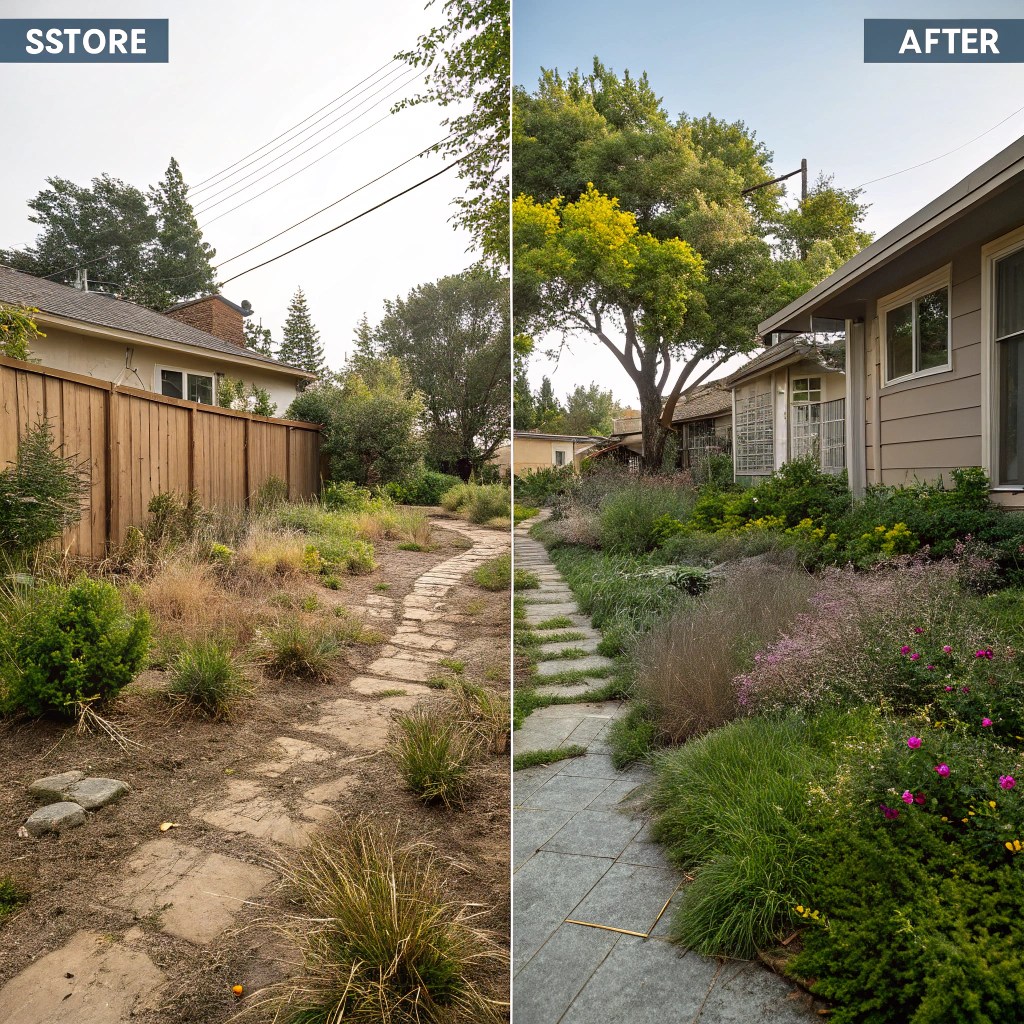
    Think locally, act locally. The most successful native gardens focus on the specific plants and wildlife of your immediate region. Rather than planting generic “pollinator gardens” with species from across the continent, choose plants that evolved in your area and support your local native bees, butterflies, moths, and birds. This precision maximizes ecological benefit while ensuring plants thrive with minimal intervention. Your garden becomes a authentic expression of place—a landscape that could only exist where you live, reflecting and celebrating the unique natural heritage of your region.

    Learn

    Research native plants for your specific ecoregion

    Plant

    Start your native garden with appropriate species

    Observe

    Watch as wildlife discovers your habitat

    Share

    Inspire others through your example and experience

    Watch your backyard transform into a thriving ecosystem that benefits all life—including your own. The joy of native gardening extends beyond environmental virtue signaling; these gardens provide profound satisfaction through their dynamic seasonal changes, fascinating wildlife interactions, and deepening connection to the natural world. Mornings begin with bird song, afternoons feature butterfly ballets, and evenings showcase moths visiting night-blooming natives. You become attuned to subtle shifts—the first spring ephemeral emerging, the arrival of migrating hummingbirds, the chrysalis forming on a host plant. Your garden becomes a window into nature’s rhythms, even in suburban or urban settings.

    The future of biodiversity conservation depends less on distant wilderness preservation than on our collective choices about the landscapes we create and maintain where we live. Every yard, park, school ground, and public space represents an opportunity to support life or squander it. By embracing native plant gardening, you join millions of people choosing to support life, proving that environmental stewardship and everyday living aren’t separate domains but integrated expressions of how we inhabit our world. Your backyard can become a beacon for biodiversity—a small but significant victory in the larger effort to create a more sustainable, biodiverse, and beautiful world for all species, including our own.

    Connect and Share

    Join the growing community of native plant gardeners and help spread awareness about the importance of supporting local ecosystems through sustainable gardening practices.

    #NativePlantGardening

    Share your native garden journey and discover inspiration from gardeners worldwide

    #SupportLocalEcosystems

    Promote the vital connection between native plants and thriving local wildlife

    #PollinatorGarden

    Celebrate gardens that provide essential habitat for bees, butterflies, and beneficial insects

    #WaterWiseGardening

    Highlight the water conservation benefits of native plant landscapes

    #Biodiversity

    Champion the importance of diverse, interconnected ecosystems in our own backyards

    #ClimateResilience

    Demonstrate how native gardens contribute to climate change mitigation and adaptation

    #SustainableLandscaping

    Advocate for environmentally responsible approaches to residential and commercial landscapes

    #WildlifeHabitat

    Showcase gardens that provide food, shelter, and breeding grounds for native species

    #NativePlants

    Share information about specific native species and their ecological roles

    #EcoFriendlyGardening

    Promote gardening practices that work with nature rather than against it

    Use these hashtags when sharing photos of your native garden, wildlife visitors, seasonal changes, and gardening tips on social media platforms. Together, we can inspire a movement toward more sustainable, biodiverse, and beautiful landscapes that support all life.

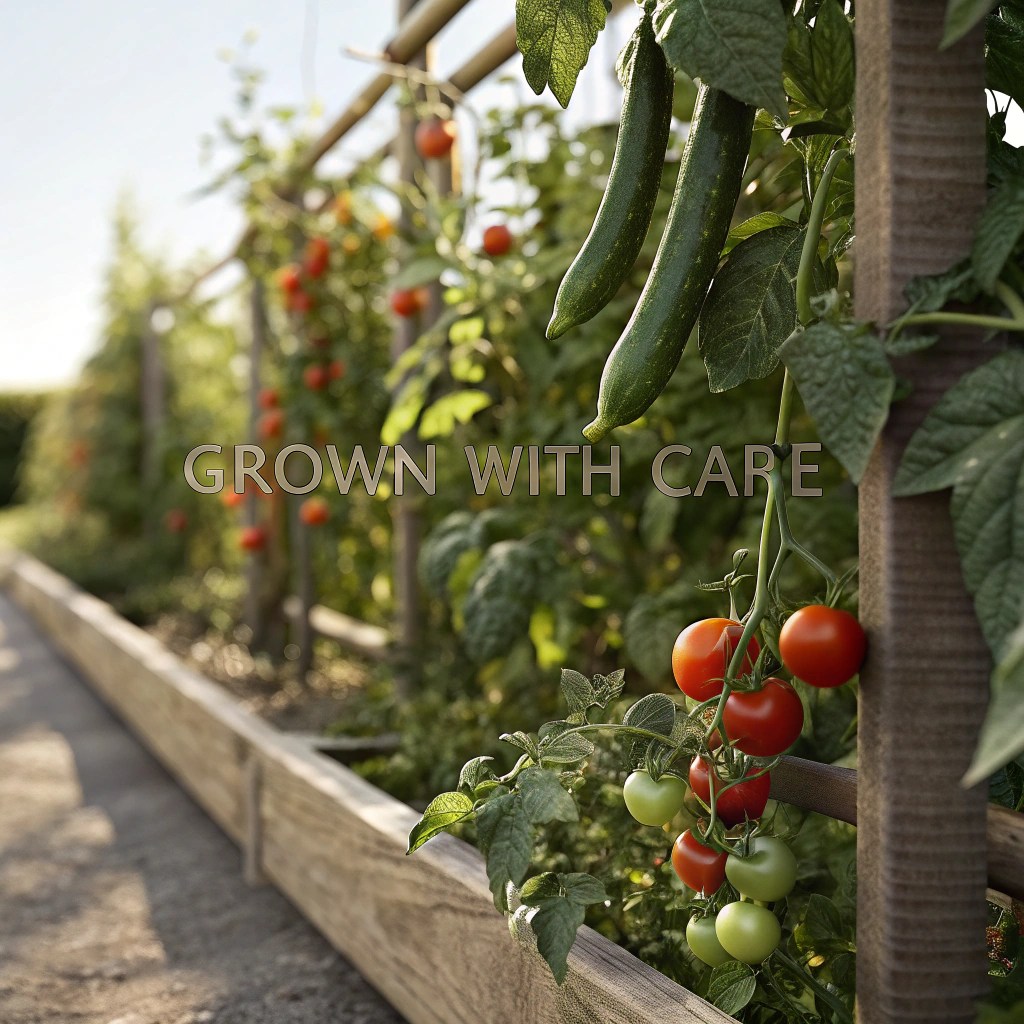
  • Transform your limited space into a thriving green sanctuary by growing upwards instead of outwards.

    Introduction: The Urban Gardening Challenge and Vertical Gardening Opportunity

    The modern urban landscape presents a unique paradox for gardening enthusiasts: while our desire to connect with nature and grow our own food has never been stronger, the available space to do so continues to shrink. Urbanization has transformed vast expanses of fertile land into concrete jungles, leaving city dwellers with limited options for traditional horizontal gardening. Apartments with small balconies, homes with tiny patios, and even windowsills have become the new frontier for green-thumbed urbanites seeking to cultivate their own piece of nature.

    Yet within this challenge lies an extraordinary opportunity that savvy gardeners are embracing worldwide: vertical gardening. This innovative approach to cultivation fundamentally reimagines how we think about growing spaces. Instead of lamenting the lack of ground area, vertical gardening encourages us to look up and recognize the untapped potential of walls, fences, railings, and vertical structures that surround us. Every square foot of vertical surface becomes a canvas for greenery, transforming previously barren spaces into productive, beautiful gardens.

    Vertical gardening isn’t just a clever workaround for space limitations—it represents a paradigm shift in how we approach urban agriculture and ornamental gardening. This technique allows apartment dwellers to grow fresh vegetables, herbs, and flowers in spaces once thought impossible for gardening. A bare brick wall can become a living tapestry of cascading tomatoes and vibrant flowers. A narrow balcony railing transforms into a herb garden providing fresh basil, rosemary, and thyme for your kitchen. Even indoor walls can be converted into stunning living artwork that purifies air while producing food.

    This comprehensive guide is designed to empower small-space gardeners with the knowledge, techniques, and inspiration needed to maximize their growing potential. Whether you’re working with a tiny apartment balcony, a compact urban patio, or simply a sunny wall, you’ll discover how thinking vertically rather than horizontally can multiply your gardening capacity many times over. We’ll explore the fundamental principles of vertical gardening, showcase practical structures and systems, provide expert plant selection guidance, and share real-world success stories that prove anyone can create an abundant garden by growing upward. Your journey to transforming limited space into a lush, productive garden starts here—all you need to do is look up and imagine the possibilities.

    What Is Vertical Gardening? Understanding the Basics

    Core Definition

    Vertical gardening is the practice of growing plants upward using support structures like trellises, shelves, towers, and living wall systems rather than spreading them horizontally across the ground.

    Space Maximization

    The key concept is utilizing vertical space to dramatically expand your growing area without increasing your physical footprint—perfect for tiny balconies and patios.

    Versatile Applications

    Vertical gardens work beautifully in balconies, patios, small yards, fence lines, and even indoor walls where traditional gardening would be impossible.

    At its essence, vertical gardening challenges our traditional notions of what a garden should look like. For centuries, gardening has been predominantly a horizontal endeavor—rows of plants spreading across fields or raised beds occupying ground space. Vertical gardening flips this convention on its head, quite literally. By training plants to grow upward along supports or by stacking containers vertically, gardeners can cultivate the same number (or more) plants in a fraction of the ground space. This technique harnesses the often-overlooked dimension of height, transforming walls, fences, and vertical structures into productive growing surfaces.

    The beauty of vertical gardening lies in its adaptability to virtually any small space scenario. A sunny balcony railing becomes prime real estate for hanging planters filled with cascading strawberries. A blank wall facing south can support a trellis covered in climbing beans and peas. Even a narrow side yard only two feet wide can accommodate a vertical tower garden producing dozens of plants. The fundamental principle remains constant: use height to your advantage when horizontal space is limited.

    Mark Ridsdill Smith, who has cultivated container gardens for over two decades in urban London, exemplifies the potential of vertical gardening. His expertise demonstrates that with creative thinking and proper techniques, even the most space-constrained environments can yield abundant harvests. His experience underscores an important truth: vertical gardening isn’t just for professional gardeners or those with special skills—it’s an accessible, practical solution for anyone wanting to grow more in less space.

    Understanding these basics provides the foundation for your vertical gardening success. Whether you’re interested in growing vegetables for your table, herbs for your cooking, or ornamental plants for beauty and air purification, the vertical approach opens doors that traditional gardening methods simply cannot. The question isn’t whether vertical gardening will work in your space—it’s how creatively you can apply these principles to maximize your specific situation.

    The Top Benefits of Vertical Gardening for Small Spaces

    Vertical gardening offers a remarkable array of advantages that extend far beyond simply fitting more plants into limited space. When you embrace vertical growing techniques, you’re unlocking multiple benefits that improve plant health, increase yields, reduce maintenance challenges, and enhance the aesthetic appeal of your environment. Understanding these benefits helps you appreciate why vertical gardening has become the go-to solution for urban and small-space gardeners worldwide.

    Space Efficiency

    The most obvious yet transformative benefit is how vertical gardening maximizes limited square footage. By stacking plants vertically, you can grow three to five times more plants in the same footprint. A 2-foot by 2-foot floor area can support a vertical tower with 30+ planting pockets, whereas traditional horizontal planting in that space might accommodate only 4-6 plants.

    Increased Sunlight Exposure

    When plants grow vertically rather than crowding horizontally, each plant receives better access to sunlight. This improved light exposure translates directly into healthier growth, more vigorous plants, and significantly higher yields for vegetables and fruits. Plants no longer compete with neighbors for precious sun rays.

    Improved Air Circulation

    Vertical arrangements naturally promote better airflow around plants. This enhanced circulation reduces humidity levels around foliage, which dramatically decreases the risk of fungal diseases like powdery mildew, leaf spot, and blight. Your plants stay healthier with fewer disease interventions needed.

    Easier Maintenance

    Vertical gardens bring plants to comfortable working heights—at eye level or waist height rather than ground level. This ergonomic advantage means less bending, kneeling, and back strain during planting, watering, pruning, and harvesting. Gardening becomes more accessible and enjoyable, especially for those with mobility limitations.

    Natural Pest Control

    Elevating plants off the ground provides a natural barrier against many common garden pests. Slugs, snails, and certain beetles that plague ground-level gardens have difficulty reaching vertical plantings. This height advantage reduces pest damage and minimizes the need for pest control interventions.

    Aesthetic Appeal

    Beyond practical benefits, vertical gardens transform ordinary urban spaces into stunning visual displays. Living walls, climbing vines, and stacked planters add lush greenery, vibrant colors, and natural beauty to balconies, patios, and walls. They create privacy screens, hide unsightly surfaces, and contribute to urban greening initiatives that benefit entire communities.

    These interconnected benefits create a synergistic effect where each advantage reinforces the others. Better sunlight and air circulation lead to healthier plants, which in turn require less pest and disease management. Easier maintenance means you’re more likely to provide consistent care, further improving plant health and yields. The aesthetic transformation makes spending time in your garden more enjoyable, encouraging you to engage more frequently with your plants. Together, these benefits make vertical gardening not just a space-saving technique, but a comprehensive approach to more successful, sustainable, and satisfying gardening in small spaces.

    Choosing the Right Plants for Your Vertical Garden

    Success in vertical gardening begins with selecting plants naturally suited to upward growth or those that thrive in the container conditions typical of vertical systems. Not every plant adapts well to vertical cultivation, so understanding which species excel in these environments is crucial for achieving abundant harvests and beautiful displays.

    Best Plant Candidates for Vertical Gardens

    Vining Vegetables

    Pole beans, peas, cucumbers, and indeterminate tomatoes are natural climbers that thrive when given vertical support. These plants produce significantly higher yields than their bush counterparts while using less ground space.

    Shallow-Rooted Crops

    Lettuce, spinach, arugula, and most culinary herbs (mint, parsley, basil, rosemary, thyme) have shallow root systems perfect for container growing. These plants flourish in the stacked or pocket-style vertical planters.

    Ornamental Options

    Flowering vines like morning glories, clematis, and jasmine add beauty to vertical structures. Succulents create stunning living walls with minimal water requirements, perfect for decorative vertical gardens.

    Critical Growing Conditions to Consider

    While plant selection is important, matching plants to your specific growing conditions determines ultimate success. Sunlight availability is the most critical factor—most fruiting vegetables like tomatoes, peppers, cucumbers, and beans require 6-8 hours of direct sunlight daily for optimal production. Leafy greens and herbs can tolerate slightly less sun (4-6 hours), making them suitable for partially shaded vertical spaces. Before selecting plants, carefully observe how sunlight moves across your vertical growing area throughout the day and across seasons.

    Temperature and microclimate also matter significantly. Vertical gardens on south or west-facing walls receive intense heat and light, perfect for heat-loving crops like tomatoes, peppers, and eggplants. East or north-facing vertical spaces stay cooler and suit crops preferring moderate temperatures like lettuce, peas, and herbs. Balconies and elevated positions may experience stronger winds, so choose sturdier plant varieties or provide windbreaks for delicate species.

    Recommended Varieties for Vertical Success

    • ‘Sungold’ Cherry Tomatoes: Exceptionally sweet, prolific producer perfect for vertical growing with proper support
    • ‘Romano Italian’ Green Beans: Flat, tender pods on vigorous vines that climb enthusiastically
    • ‘Sugar Snap’ Peas: Sweet, edible pods on compact vines ideal for trellises and vertical supports
    • ‘Spacemaster’ Cucumbers: Compact vines producing full-sized cucumbers in small spaces
    • ‘Patio Princess’ Tomatoes: Determinate variety bred specifically for container and vertical growing
    • ‘Greek Oregano’: Vigorous herb that cascades beautifully from elevated containers

    When starting your vertical garden, begin with proven varieties specifically noted for container or vertical growing. These cultivars have been selected for compact growth habits, strong vine structure, and reliable production in confined spaces. As you gain experience, experiment with different varieties to discover which perform best in your unique microclimate and growing conditions. Remember that vertical gardening allows you to grow a diverse mix of plants in the same footprint, so don’t limit yourself to just one or two types—create a productive, beautiful tapestry of vegetables, herbs, and flowers that maximize both your space and your harvest potential.

    Vertical Gardening Structures and DIY Ideas

    The infrastructure you choose for your vertical garden determines how effectively you can utilize vertical space and which plants you can grow successfully. From simple DIY projects using recycled materials to sophisticated ready-made systems, the range of vertical gardening structures offers solutions for every budget, skill level, and aesthetic preference. Understanding your options empowers you to select or build the perfect support system for your specific needs.

    Traditional and Time-Tested Structures

    Trellises and Arbors

    Classic lattice-style trellises provide sturdy support for climbing plants. Materials range from wood and bamboo to metal and vinyl. Arbors add architectural interest while supporting heavy vines like grapes or climbing roses.

    Wire Cages and Stakes

    Tomato cages, wire mesh panels, and sturdy stakes offer simple, effective support for vegetables. These versatile structures can be customized to any height and are easily movable for seasonal adjustments.

    Pergolas and Posts

    For larger spaces, pergolas create substantial overhead growing areas perfect for grape vines, hops, or flowering climbers. Single posts with horizontal supports work well for runner beans and peas.

    Creative DIY Vertical Garden Projects

    One of the most exciting aspects of vertical gardening is the opportunity for creative expression through DIY projects. Repurposed materials often make the most interesting and cost-effective vertical gardens. Wooden pallets, once properly cleaned and treated, transform into stunning vertical planters by standing them upright and filling the slats with soil and plants. The pockets between slats accommodate herbs, lettuce, and strawberries perfectly.

    Garden arches create dramatic entrances while providing ample support for climbing vegetables or flowering vines. Built from PVC pipe, metal conduit, or wood, these structures add height and visual interest to any garden. Bean teepees—poles arranged in a circle and tied together at the top—are not only functional but also create whimsical focal points that children particularly love. As pole beans climb the structure, they form a living playhouse that produces delicious harvests.

    Living walls represent the pinnacle of vertical gardening creativity. These systems use felt pockets, modular containers, or specialized panels to create entire walls of plants. While commercial living wall systems exist, DIY versions can be constructed using shoe organizers, wooden frames with chicken wire backing, or rain gutters mounted vertically. These intensive systems excel at growing herbs, lettuce, and ornamental plants in remarkably small footprints.

    Ready-Made Vertical Planter Systems

    Circular Towers

    Rotating tower gardens like GreenStalk systems stack multiple planting tiers vertically, often with built-in irrigation. These space-efficient structures can grow 30+ plants in just a 2-foot square footprint.

    Stacked Planters

    Rectangular or square planters that stack securely create tiered growing systems. Each level provides a separate planting area while the entire structure maintains a compact overall footprint.

    Felt Pocket Systems

    Lightweight felt pockets mounted on frames or hung directly on walls create instant vertical gardens. These work beautifully for herbs, succulents, and shallow-rooted plants.

    Innovative Space-Saving Techniques

    Beyond traditional structures, innovative gardeners continue discovering new ways to maximize vertical space. Fence-mounted planters utilize existing fences and railings, requiring no additional floor space while transforming barriers into productive gardens. Bamboo trough planters can be attached to walls at various heights, creating cascading displays of flowers or vegetables. Ladder-style planters lean against walls, providing multiple shelving levels for container plants without permanent installation.

    Structural Considerations and Safety

    Regardless of which structure you choose, ensure it can support the weight of mature plants, soil, and water—which can be considerable. A vertical garden system fully planted and watered may weigh 50-100+ pounds depending on size. Secure all structures firmly to walls, fences, or ground anchors to prevent collapse from wind or plant weight. For wall-mounted systems, locate studs or use appropriate anchors rated for the expected weight. Freestanding structures should have wide, stable bases or be anchored to prevent tipping. Taking time to ensure structural integrity protects both your investment in plants and the safety of anyone near your vertical garden.

    Step-by-Step Guide to Setting Up Your Vertical Garden

    Creating a successful vertical garden requires thoughtful planning and systematic execution. By following a structured approach from initial assessment through ongoing maintenance, you’ll establish a thriving vertical garden that produces abundant harvests or stunning ornamental displays. This comprehensive guide walks you through each critical phase of vertical garden creation.

    Assess Your Space

    Begin by carefully measuring all potential vertical growing areas. Document height, width, and depth available. Observe sunlight patterns throughout the day—track where sun hits and for how long. Note environmental factors like wind exposure, proximity to water sources, and weight-bearing capacity of walls or railings.

    Select Appropriate Structure

    Based on your space assessment and plant choices, select structures that match your needs. Vining vegetables need sturdy trellises or cages. Herbs and lettuce work well in stacked containers or pocket systems. Consider aesthetic preferences and budget when choosing between DIY and ready-made options.

    Choose Containers or Planters

    Select containers suited for vertical mounting with proper drainage. For wall-mounted systems, use lightweight materials to reduce load. Ensure adequate soil depth—minimum 6 inches for herbs and lettuce, 12+ inches for tomatoes and cucumbers. Consider self-watering containers for easier maintenance.

    Prepare Soil and Irrigation

    Use high-quality, well-draining container mix—never garden soil which compacts in containers. Incorporate slow-release fertilizer and moisture-retaining amendments. Install drip irrigation or soaker hoses if possible, especially for larger systems. Set up timers to ensure consistent watering.

    Plant Your Garden

    Start with healthy seedlings or quality seeds. Plant at appropriate depths and spacing. For climbing plants, position them near supports and gently guide initial growth upward. Water thoroughly after planting. Add mulch to container surfaces to retain moisture.

    Ongoing Maintenance

    Check moisture daily—vertical gardens dry faster than ground gardens. Train climbing plants to supports weekly. Prune regularly to maintain desired shape and encourage production. Monitor for pests and diseases, addressing issues immediately. Fertilize every 2-3 weeks with liquid fertilizer.

    Detailed Soil and Watering Considerations

    The soil medium you choose fundamentally impacts vertical garden success. Container mixes specifically formulated for pots and planters provide the ideal balance of water retention, drainage, and aeration that vertical gardens require. These mixes typically contain peat moss or coco coir for moisture retention, perlite or vermiculite for drainage and air pockets, and compost for initial nutrition. Avoid using straight garden soil or topsoil in vertical gardens—these materials compact in containers, restricting root growth and creating drainage problems that lead to root rot.

    Watering presents unique challenges in vertical gardens because containers dry out significantly faster than ground plantings. The increased air circulation that benefits plant health also accelerates moisture evaporation. Check soil moisture daily by inserting your finger 1-2 inches deep—if it feels dry, water thoroughly until water drains from the bottom. Morning watering is ideal, giving plants moisture for the hot afternoon while allowing foliage to dry before evening, reducing disease risk.

    For larger vertical garden systems or if you’re often away from home, automated watering systems become essential rather than optional. Drip irrigation systems deliver water directly to root zones efficiently and consistently. Timer-controlled systems ensure plants receive water even when you’re traveling or busy. Self-watering containers with built-in reservoirs reduce watering frequency while maintaining consistent soil moisture, particularly valuable for plants sensitive to drought stress.

    Training and Supporting Plant Growth

    Successfully growing plants vertically requires actively guiding and supporting plant growth throughout the season. When plants are young, gently tie main stems to supports using soft garden twine, plant clips, or Velcro ties—avoid wire or string that can cut into tender stems as plants grow. As vining plants develop, continue training new growth upward and outward along supports, encouraging even coverage and preventing tangled masses of foliage. For indeterminate tomatoes and other heavy producers, provide additional support points as fruits develop to prevent branches from breaking under weight. Regular training sessions—just 5-10 minutes weekly—keep vertical gardens neat, manageable, and productive while maximizing your available growing space.

    Overcoming Common Challenges in Vertical Gardening

    While vertical gardening offers tremendous benefits for small-space cultivation, it also presents unique challenges that differ from traditional ground-level gardening. Understanding these potential obstacles and implementing proactive solutions ensures your vertical garden thrives rather than struggles. The good news is that most vertical gardening challenges have straightforward solutions that become second nature with experience.

    Challenge: Rapid Moisture Loss

    The Problem: Vertical gardens dry out significantly faster than ground gardens due to increased air circulation, sun exposure on all container sides, and the typically smaller soil volumes in vertical systems. Plants may wilt between waterings or show stress during hot weather.

    The Solution: Install drip irrigation or soaker hose systems with timers to ensure consistent moisture delivery. Use self-watering containers with built-in reservoirs when possible. Add moisture-retaining amendments like coconut coir or water-storing crystals to soil mixes. Apply mulch to container surfaces to reduce evaporation. Group plants with similar water needs together for efficient management.

    Challenge: Structure Weight and Stability

    The Problem: Fully planted vertical gardens become surprisingly heavy. A square foot of wet potting soil weighs 10-15 pounds; multiply that by multiple containers plus plant weight, and structures can easily exceed 100 pounds. Inadequate support leads to collapse, property damage, or injury.

    The Solution: Calculate total weight before installation and ensure mounting systems are rated for well above that capacity—use a 2x safety factor. Locate wall studs for wall-mounted systems or use appropriate anchors rated for heavy loads. Choose lightweight container materials (plastic, fiberglass, or fabric) over heavier terra cotta or ceramic. Distribute weight across multiple attachment points rather than relying on single supports. For freestanding structures, use wide, stable bases or anchor to the ground.

    Challenge: Limited Sunlight Access

    The Problem: Not all vertical surfaces receive adequate sunlight for productive vegetable gardening. Balconies may face north, buildings may cast shadows, or nearby structures may block sun during critical growing hours. Insufficient light leads to leggy, weak plants with poor yields.

    The Solution: Position vertical gardens on south or west-facing walls for maximum sunlight exposure—these typically receive 6-8+ hours of direct sun. For partially shaded locations, select shade-tolerant crops like lettuce, spinach, herbs, and certain ornamentals rather than fighting for tomatoes and peppers. Use light-colored walls or reflective materials behind plants to increase available light. Consider supplemental grow lights for indoor vertical gardens or very shaded outdoor spaces.

    Challenge: Heat Stress and Timing

    The Problem: Vertical gardens in full sun experience intense heat, especially on south and west-facing exposures. Dark containers absorb heat, raising soil temperatures above optimal levels. Working in the garden during peak heat stresses both plants and gardener.

    The Solution: Follow the 3-hour gardening rule—avoid working in your garden and handling plants during the three hottest hours of the day (typically 12pm-3pm). Schedule watering, pruning, harvesting, and training for early morning or evening when temperatures are moderate. Choose light-colored containers that reflect rather than absorb heat. Provide afternoon shade for heat-sensitive crops using shade cloth or strategic placement of taller plants.

    Pest and Disease Management in Vertical Gardens

    One significant advantage of vertical gardening is that elevated plants make pest detection and management considerably easier. When plants grow at eye level rather than at ground level, you naturally observe them more frequently and closely. This increased visibility means you’ll spot aphids, whiteflies, spider mites, or disease symptoms in early stages when intervention is most effective. The height advantage also deters many ground-dwelling pests like slugs, snails, and cutworms that plague traditional gardens.

    However, vigilance remains essential. Inspect plants regularly during your daily watering routine—check undersides of leaves where pests often hide. Look for telltale signs like yellowing leaves, stippling, webbing, or distorted growth. Act promptly when you identify problems: spray strong water streams to dislodge aphids, apply insecticidal soap for soft-bodied pests, or use neem oil for broader pest and disease control. Remove and destroy seriously infected plant parts to prevent spread. The compact nature of vertical gardens makes spot treatments easy and targeted, reducing the need for broadcast pesticide applications.

    Nutrient Management in Container Systems

    Container plants, including those in vertical gardens, require more frequent fertilization than ground-grown plants because nutrients leach out with watering and the limited soil volume gets depleted faster. Begin with a quality container mix containing slow-release fertilizer, then supplement every 2-3 weeks with liquid fertilizer at half strength. Organic options like fish emulsion or seaweed extract provide nutrients while supporting beneficial soil microbes. Watch for nutrient deficiency symptoms—yellowing lower leaves may indicate nitrogen deficiency, while poor flowering or fruiting suggests phosphorus needs. Regular feeding keeps vertical garden plants vigorous, productive, and better able to resist pests and diseases naturally.

    Inspiring Success Stories and Real-World Examples

    Sometimes the best way to understand vertical gardening’s transformative potential is through real-world examples of gardeners who’ve successfully implemented these techniques in challenging urban environments. These inspiring stories demonstrate that with creativity, persistence, and smart application of vertical gardening principles, anyone can create abundant, beautiful gardens regardless of space limitations.

    Mark Ridsdill Smith’s London Balcony Garden

    Perhaps one of the most inspiring examples of vertical gardening success comes from Mark Ridsdill Smith, who has cultivated productive container gardens on London balconies for over two decades. His innovative approach combines multiple vertical techniques to maximize limited space spectacularly. Smith’s signature five-layer wall shelving system transforms blank walls into productive growing areas, accommodating dozens of containers at different heights. Each shelf level receives optimal sunlight while remaining easily accessible for maintenance and harvest.

    Smith also employs ladder planters—repurposed or purpose-built ladders where each rung holds containers. This simple yet effective technique creates vertical growing tiers using minimal floor space. His balcony garden produces impressive quantities of vegetables, herbs, and edible flowers throughout the growing season, proving that even the smallest urban spaces can achieve genuine food production when vertical dimensions are fully utilized.

    What makes Smith’s example particularly valuable is his documentation of techniques, challenges, and solutions over many years. His experience demonstrates that vertical gardening isn’t just theory—it’s a practical, proven approach that works consistently when implemented thoughtfully. His gardens serve as inspiration for thousands of urban gardeners worldwide who previously believed productive gardening was impossible in their limited spaces.

    Urban Container Gardens in Unconventional Spaces

    Parking Space Gardens

    Innovative urban gardeners have transformed unused parking spaces into thriving container gardens. By using portable vertical structures and stacked planters, these gardens can be relocated if needed while producing substantial harvests. This approach demonstrates how vertical thinking can reclaim urban spaces typically considered unsuitable for agriculture.

    GreenStalk Tower Success

    Gardeners using vertical tower systems like GreenStalk regularly report growing 30+ plants in just a 2-foot by 2-foot footprint. These rotating towers have revolutionized small-space gardening, producing enough vegetables and herbs to significantly supplement household food needs despite minimal space requirements.

    Living Wall Transformations

    Dull, lifeless urban walls have been transformed into spectacular living ecosystems through vertical gardening techniques. These installations not only produce food and flowers but also improve air quality, reduce urban heat island effects, and provide habitat for beneficial insects and pollinators.

    Community Rooftop Gardens

    Community gardens in urban areas increasingly incorporate vertical growing techniques to maximize limited rooftop and communal spaces. These shared gardens demonstrate the social and community-building potential of vertical gardening beyond individual benefits. By using trellises, vertical towers, and tiered planting systems, community gardens accommodate more participants while teaching valuable urban agriculture skills. Members learn from each other’s successes and challenges, creating knowledge-sharing networks that strengthen urban food security and community bonds.

    Lessons from Successful Vertical Gardeners

    Across these diverse examples, common themes emerge that contribute to vertical gardening success. First, successful vertical gardeners embrace experimentation—they try different structures, plant varieties, and techniques to discover what works best in their specific conditions. Second, they view vertical space as valuable as horizontal space, systematically utilizing every available dimension. Third, they prioritize consistent care and observation, knowing that container-based vertical gardens require more frequent attention than traditional gardens but reward that investment with abundant yields. Finally, successful vertical gardeners share their knowledge and enthusiasm, inspiring others to begin their own vertical gardening journeys and contributing to a growing community of urban and small-space gardeners worldwide.

    Conclusion: Start Your Vertical Garden Today and Grow Upwards!

    The journey through vertical gardening’s possibilities has revealed a transformative approach to cultivation that empowers anyone with limited space to grow abundant, healthy plants. Whether you have a tiny apartment balcony, a narrow urban patio, or simply a sunny wall, vertical gardening unlocks potential that traditional horizontal gardening methods cannot access. By thinking upward rather than outward, you multiply your growing capacity many times over while enjoying the numerous benefits of this innovative technique.

    The path to vertical gardening success combines smart plant selection, sturdy structures matched to your space and needs, and proper care practices that address the unique requirements of container-based vertical systems. You’ve learned how climbing vegetables, shallow-rooted herbs, and carefully chosen ornamental plants thrive when given vertical support. You understand the range of structures available—from simple DIY trellises to sophisticated vertical tower systems—and how to choose or build what works for your situation. You’re equipped with knowledge about soil preparation, watering strategies, pest management, and troubleshooting common challenges that vertical gardeners face.

    Take Action Now

    Don’t wait for perfect conditions or more space. Start small with a single trellis or vertical planter. Experience the joy of harvesting your first vertically-grown tomatoes or herbs. Build confidence and expand gradually.

    Embrace Creativity

    Let your creativity flourish through DIY projects and unique combinations. Transform mundane spaces into green oases that reflect your personality while producing food and beauty. There’s no single “right” way—only what works for you.

    Grow Sustainably

    Vertical gardening contributes to urban sustainability by producing local food, improving air quality, supporting pollinators, and reconnecting people with nature. Your garden matters beyond your personal harvest.

    Perhaps most importantly, remember that vertical gardening is a journey of continuous learning and adaptation. Your first season may involve trial and error as you discover which plants thrive in your microclimate, which structures work best, and what care routines fit your lifestyle. Embrace this learning process—each season brings new insights, skills, and successes. Join online communities, share your experiences, learn from other vertical gardeners, and don’t be afraid to experiment with new techniques or plant varieties.

    Your small space holds tremendous potential waiting to be unlocked. That blank wall, empty balcony railing, or underutilized fence line can become a productive, beautiful garden that provides fresh vegetables and herbs for your kitchen, creates privacy and shade, attracts beneficial wildlife, and brings the healing presence of nature into your daily life. Vertical gardening isn’t just about maximizing space—it’s about maximizing possibility, demonstrating that limitations can inspire innovation and that even the smallest urban footprints can support vibrant, thriving ecosystems.

    The time to start is now. Choose one vertical gardening project to begin with—perhaps a simple trellis for tomatoes, a tower planter for herbs, or a DIY pallet garden for lettuce and greens. Gather your materials, select your plants, and take that first step upward. As your vertical garden grows and flourishes, you’ll discover the profound satisfaction of nurturing life in small spaces, harvesting food you’ve grown yourself, and creating beauty where none existed before. Your vertical garden journey begins with a single seed, a sturdy support, and the vision to grow upward. Welcome to the vertical gardening community—your green oasis awaits, one vertical foot at a time.

    Essential Hashtags for Sharing Your Vertical Garden Journey

    Connect with the global vertical gardening community and inspire others by sharing your journey with these popular hashtags:

    #VerticalGardening #SmallSpaceGardening #UrbanGardening #ContainerGardening #GrowUpwards #VerticalVeg #BalconyGarden #UrbanFarming #GardenHacks #SustainableLiving

  • Discover the ancient art and modern science of growing plants together for maximum health, beauty, and harvest abundance.

    Introduction: What Is Companion Planting and Why It Matters

    Companion planting is the practice of growing different plants close together to enhance growth, deter pests, and improve soil health. This ancient gardening technique has been used by cultures around the world for centuries, from Native American agricultural systems to medieval European monastery gardens. Today, modern gardeners are rediscovering the wisdom of these traditional methods and validating them with contemporary scientific research.

    This time-tested approach maximizes garden space efficiency while supporting biodiversity and creating resilient ecosystems within your growing areas. By strategically pairing plants that naturally benefit one another, you can reduce the need for chemical interventions such as synthetic fertilizers, pesticides, and herbicides. The result is a more sustainable garden that works with nature rather than against it.

    Understanding plant relationships helps gardeners create thriving, sustainable gardens with higher yields and fewer problems. When you know which plants support each other through nutrient sharing, pest deterrence, or structural support, you can design garden layouts that practically take care of themselves. The synergistic relationships between companion plants create a balanced micro-ecosystem where each plant contributes to the health and productivity of its neighbors.

    Enhanced Growth

    Plants support each other’s development

    Natural Defense

    Pest deterrence without chemicals

    Soil Enrichment

    Improved fertility and structure

    Companion planting offers benefits that extend beyond individual plant health. These strategic pairings attract beneficial insects like pollinators and predatory species that control pest populations naturally. They also create visual diversity and aesthetic appeal in your garden beds, transforming functional vegetable plots into beautiful, productive landscapes. Whether you’re growing in expansive raised beds, small urban containers, or traditional in-ground gardens, companion planting principles can be adapted to maximize your success and enjoyment.

    The Science Behind Companion Planting: Root Systems and Soil Health

    The foundation of successful companion planting lies beneath the soil surface, where complex root systems interact in ways that optimize resource use and improve overall soil health. Plants with varied root depths, such as shallow-rooted lettuce combined with deep-rooted tomatoes, or taprooted carrots paired with fibrous-rooted onions, work together to access nutrients and water from different soil layers. This vertical stratification means plants aren’t competing for the same resources at the same depth, allowing more plants to thrive in the same space without depleting any single soil layer.

    Surface Feeders

    Shallow roots access nutrients in top 6-12 inches: lettuce, spinach, herbs

    Mid-Level Roots

    Medium depth roots reach 12-24 inches: beans, peas, peppers

    Deep Taproot Systems

    Penetrating 24+ inches to access deep water and minerals: carrots, tomatoes, squash

    Legumes like beans and peas play a particularly special role in companion planting through their ability to fix atmospheric nitrogen. These remarkable plants form symbiotic relationships with rhizobia bacteria in root nodules, converting nitrogen gas from air pockets in the soil into plant-available nitrate and ammonium compounds. This natural nitrogen enrichment reduces or eliminates the need for synthetic fertilizers, providing a slow-release source of this essential nutrient for neighboring plants throughout the growing season and leaving residual nitrogen in the soil for subsequent crops.

    Nitrogen-Fixing Champions

    • Bush beans and pole beans
    • Garden peas and sugar snap peas
    • Fava beans and soybeans
    • Clover and vetch cover crops
    • Lupines and alfalfa

    Nitrogen-Hungry Partners

    • Tomatoes and peppers
    • Corn and squash
    • Leafy greens and brassicas
    • Melons and cucumbers
    • Eggplant and okra

    Diverse root structures improve soil aeration and reduce compaction, promoting healthier plant growth across the entire garden ecosystem. Taproots act like natural tillers, breaking through compacted layers and creating channels for water infiltration and air circulation. As roots grow, die back, and decompose, they leave behind organic matter that feeds soil microorganisms and creates pore spaces that improve soil structure. The combination of different root architectures working at various depths creates a more resilient, biologically active soil that supports robust plant communities and resists erosion, drought stress, and nutrient depletion.

    Classic Companion Planting Examples: The Three Sisters and Beyond

    The Three Sisters garden represents perhaps the most famous and time-tested companion planting system in agricultural history. Developed by indigenous peoples across the Americas over thousands of years, this ingenious method combines corn, beans, and squash in a mutually beneficial relationship that demonstrates the power of thoughtful plant partnerships. The corn stalks grow tall and sturdy, providing natural trellises for pole beans to climb. As the beans grow upward, they fix atmospheric nitrogen that enriches the soil for all three crops. Meanwhile, the large, broad leaves of squash plants spread across the ground, creating living mulch that shades the soil to retain moisture, suppress weed growth, and moderate soil temperature fluctuations.

    Corn: The Elder Sister

    Provides vertical structure and support

    Beans: The Giver

    Fixes nitrogen to nourish companions

    Squash: The Protector

    Shades soil and deters pests with prickly vines

    Beyond the Three Sisters, countless other classic companion combinations have proven their worth in gardens worldwide. Basil planted near tomatoes is one of the most beloved pairings among home gardeners, and for good reason. The aromatic oils in basil leaves contain compounds that repel whiteflies, aphids, and hornworms while the plants share similar water and sun requirements. Many gardeners also report that basil enhances the flavor of tomatoes, though scientific evidence for this remains anecdotal. Regardless, the pairing creates an aesthetically pleasing combination with practical benefits that make it a staple in kitchen gardens and containers alike.

    Tomato + Basil

    Aromatic companion that repels pests and may enhance flavor

    Carrots + Onions

    Onion scent confuses carrot fly while carrots loosen soil

    Cabbage + Dill

    Dill attracts beneficial wasps that parasitize cabbage worms

    Marigolds planted alongside vegetables demonstrate another powerful companion planting strategy through their ability to deter soil nematodes and attract beneficial insects. French marigolds (Tagetes patula) release biochemical compounds from their roots called alpha-terthienyl that are toxic to root-knot nematodes, microscopic roundworms that damage vegetable roots. The bright flowers also attract hoverflies, lacewings, and parasitic wasps that prey on aphids, caterpillars, and other garden pests. Plant marigolds as borders around vegetable beds or intersperse them throughout the garden for maximum protective effect. Their cheerful blooms add vibrant color while working behind the scenes to keep your vegetables healthy and productive throughout the growing season.

    How Companion Planting Manages Pests Naturally

    Beneficial Insect Recruitment

    Companion flowers attract predatory insects that control pest populations

    Trap Cropping Strategy

    Sacrificial plants lure pests away from valuable crops

    Scent Masking & Repulsion

    Strong-smelling plants confuse or deter harmful insects

    One of the most compelling reasons to embrace companion planting is its effectiveness in managing pest problems through natural, chemical-free methods. Certain herbs and flowers emit volatile organic compounds and essential oils that repel harmful insects or confuse pests trying to locate their preferred host plants. For example, the strong scent of alliums like onions, garlic, and chives can mask the appealing aroma of carrots, making it difficult for carrot flies to find their target. Similarly, the pungent oils in herbs like rosemary, sage, and thyme deter cabbage moths, bean beetles, and carrot flies while adding fragrance and culinary value to the garden.

    Trap cropping represents a strategic approach where you deliberately plant something pests love even more than your main crops, essentially using sacrificial plants to protect your harvest. Nasturtiums are classic trap crop plants because aphids find them irresistible and will often colonize nasturtium leaves and stems while leaving nearby vegetables alone. You can then easily remove the heavily infested nasturtium plants or spray them with organic controls, concentrating pest management efforts on a small area rather than treating the entire garden. Other effective trap crops include radishes for flea beetles, blue hubbard squash for squash bugs, and mustard greens for cabbage worms.

    Top Pest-Fighting Companion Plants

    Dill and fennel: Attract parasitic wasps and hoverflies that control aphids and caterpillars

    Alyssum: Brings in lacewings and minute pirate bugs for aphid and thrips control

    Yarrow: Hosts predatory wasps and ladybugs while repelling aphids

    Calendula: Attracts beneficial insects and acts as trap crop for aphids

    Creating habitat for beneficial insects represents perhaps the most powerful pest management strategy in companion planting. Predatory and parasitic insects like ladybugs, lacewings, ground beetles, and parasitic wasps need nectar, pollen, and shelter to survive in your garden. By planting companion flowers such as dill, fennel, alyssum, yarrow, and cilantro allowed to bolt and flower, you provide essential resources that keep populations of these beneficial insects thriving. A single ladybug can consume up to 5,000 aphids in its lifetime, while parasitic wasps lay eggs inside pest caterpillars, effectively eliminating them. This biological pest control operates continuously without requiring intervention once you’ve established the right companion plants to support beneficial insect populations throughout the growing season.

    Maximizing Garden Space with Interplanting Strategies

    Interplanting fast-growing, small crops between slower-growing, larger plants represents one of the most effective strategies for maximizing garden productivity in limited space. This technique, also called intercropping or succession planting, takes advantage of the different growth rates and maturation times of various vegetables. For example, you can plant quick-maturing lettuce, radishes, or spinach between tomato transplants in early spring. The fast crops will be harvested within 30-45 days, long before the tomatoes grow large enough to shade them out. This approach essentially gives you two harvests from the same garden bed during a single season, dramatically increasing overall yield per square foot.

    Early Spring

    Plant cool-season greens and radishes between spots for warm-season transplants

    Late Spring

    Harvest fast crops as tomatoes, peppers, and squash begin growing

    Summer

    Main crops reach full size and produce; plan for fall succession crops

    Fall

    Plant cool-season crops again in spaces as summer crops finish

    Container Garden Companions

    Container gardens benefit tremendously from companion planting by combining compatible herbs, vegetables, and flowers in one pot for higher yield and visual appeal. A single large container can support a “thriller, filler, spiller” combination such as a upright tomato plant, bushy basil filling the middle layer, and trailing nasturtiums spilling over the edges. This maximizes vertical space while each plant contributes different benefits.

    • Cherry tomatoes with basil and marigolds
    • Peppers with cilantro and petunias
    • Bush beans with summer savory and alyssum
    • Lettuce with chives and violas

    Seasonal planning ensures cool-season and warm-season plants share beds efficiently, extending productive periods throughout the entire growing year. In many climates, you can grow cool-season crops like lettuce, peas, broccoli, and spinach in early spring and late fall, while using the same space for heat-loving tomatoes, peppers, cucumbers, and squash during summer months. This rotation not only maximizes space utilization but also helps break pest and disease cycles since you’re changing crop families. The key is timing your plantings so that as one crop finishes, another is ready to take its place, creating a continuous harvest calendar that keeps your garden productive from the last frost in spring through the first hard freeze in autumn.

    Vertical gardening techniques complement interplanting strategies beautifully by adding another dimension to your growing space. Train vining crops like pole beans, cucumbers, and indeterminate tomatoes up trellises, stakes, or cages, freeing up ground space below for shade-tolerant greens or root vegetables. Some gardeners create living archways of climbing beans or squash that provide both harvest and aesthetic structure. You can also use companion plants with different heights strategically: tall corn or sunflowers can provide afternoon shade for heat-sensitive lettuce in summer, while sprawling squash plants can shade the soil around upright brassicas, keeping roots cool and moist during hot weather.

    Common Plant Pairings: Friends and Foes to Know

    Understanding which plants work well together and which combinations to avoid is essential for companion planting success. Years of observation by gardeners and some scientific research have identified reliable partnerships that consistently produce positive results. Good companions include the classic pairing of tomatoes with basil and onions, where the aromatic herbs help deter pests while the different root depths allow them to coexist without competition. Carrots benefit greatly from companionship with chives and sage, as these alliums and herbs confuse carrot rust flies and other pests with their strong scents. Beans thrive when planted near corn, which provides natural trellising, and cucumbers, which share similar water needs and don’t compete for soil nutrients.

    Tomatoes Love

    • Basil for pest protection
    • Carrots to loosen soil
    • Onions and garlic to repel aphids
    • Marigolds for nematode control
    • Nasturtiums as aphid trap crops

    Carrots Love

    • Onions and leeks to deter carrot fly
    • Sage and rosemary for scent masking
    • Tomatoes for shade in hot weather
    • Radishes to break up compacted soil
    • Chives for pest confusion

    Beans Love

    • Corn for climbing support
    • Squash for soil shade and moisture
    • Cucumbers with similar water needs
    • Carrots and beets for soil nitrogen
    • Summer savory to repel bean beetles

    However, it’s equally important to know which combinations to avoid, as some plant pairings can stunt growth, increase pest problems, or result in poor yields for both crops. Never plant onions, garlic, or other alliums near beans or peas, as alliums release compounds that inhibit nitrogen fixation and can stunt legume growth. The combination of potatoes and tomatoes should also be avoided because both are members of the nightshade family and susceptible to the same diseases, particularly early and late blight. Planting them together increases the risk of disease spread and makes crop rotation more difficult in subsequent years.

    Onions + Beans

    Alliums inhibit nitrogen fixation in legumes

    Potatoes + Tomatoes

    Same-family diseases spread easily between them

    Fennel + Most Plants

    Fennel is allelopathic and inhibits many neighbors

    Brassicas + Strawberries

    Competition leads to poor growth for both crops

    For detailed guidance on specific plant combinations, refer to trusted companion planting charts from reputable sources like West Virginia University Extension, Farmers’ Almanac, and university agricultural extension services. These resources compile decades of research and traditional knowledge into easy-to-reference guides that show which vegetables, herbs, and flowers work best together. Many of these charts indicate not just compatible pairings but also explain the mechanism behind each relationship, whether it’s pest deterrence, nutrient sharing, structural support, or growth enhancement. Keep in mind that while these charts provide excellent general guidance, some success depends on your specific climate, soil conditions, and garden ecosystem, so don’t be afraid to experiment and observe what works best in your own growing space.

    Designing Your Companion Garden: Practical Steps

    Creating a successful companion garden begins with thoughtful planning that categorizes plants by size, growth habit, and seasonal requirements to ensure harmonious groupings. Start by listing all the vegetables, herbs, and flowers you want to grow, then organize them into groups based on their physical characteristics and timing. Tall plants like corn, sunflowers, and trellised tomatoes should be positioned where they won’t shade shorter crops unless that shade is beneficial. Group plants with similar water needs together to make irrigation more efficient. Consider whether crops are cool-season or warm-season, and plan succession planting to maximize bed utilization throughout the growing season.

    Inventory and Categorize

    List desired plants and group by size, season, water needs, and sun requirements

    Map Beneficial Relationships

    Identify which plants support each other through pest control, nitrogen fixing, or structure

    Create Garden Layout

    Sketch beds showing plant placement, considering height, spacing, and succession timing

    Integrate Flowers and Herbs

    Add borders and interplantings of beneficial flowers and aromatic herbs

    Plan Crop Rotation

    Design multi-year rotation strategy to maintain soil health and reduce disease

    Use herbs and flowers as natural borders around your vegetable beds to protect crops and attract pollinators while creating an aesthetically pleasing garden design. Perennial herbs like lavender, rosemary, sage, and thyme make excellent permanent borders that return year after year, providing structure and fragrance while deterring many pests with their aromatic oils. Annual flowers like alyssum, marigolds, zinnias, and cosmos can be planted as seasonal borders that bring in beneficial insects and add brilliant color. These flowering borders serve multiple purposes: they create physical barriers that make it harder for pests to reach vegetables, provide nectar and pollen for pollinators and beneficial insects, and soften the utilitarian appearance of vegetable gardens into beautiful edible landscapes that are both productive and ornamental.

    The Rule of Three in Garden Design

    Apply the “rule of three” when grouping plants for both visual balance and ecological benefit. This design principle suggests planting in clusters of three or odd numbers rather than even numbers, creating more natural-looking arrangements while ensuring adequate populations of beneficial plants. For example, instead of planting a single basil plant near tomatoes, plant three or five basil plants in a cluster. This provides enough aromatic coverage to effectively deter pests while creating visual impact. Similarly, group three marigold plants together rather than spacing single plants evenly throughout the bed. These clusters create stronger scent barriers and more concentrated habitat for beneficial insects while looking more intentional and aesthetically pleasing.

    Main Crop

    Companion Herb

    Beneficial Flower

    Rotate crops yearly to maintain soil health and reduce disease buildup, ensuring long-term garden productivity and sustainability. Crop rotation prevents the depletion of specific nutrients by varying which plant families occupy each bed from season to season. It also breaks pest and disease cycles, since many problems are specific to plant families and overwinter in soil where those crops grew. A simple rotation moves heavy feeders like tomatoes and corn to beds where nitrogen-fixing beans grew the previous year, follows with light feeders like carrots and onions, then includes soil-building cover crops or compost additions before starting the cycle again. Document your garden layout each year with photos and sketches so you can plan effective rotations that complement your companion planting strategy, creating a system that becomes more productive and resilient with each passing season.

    Real-World Success Stories and Benefits

    Home gardeners across the globe consistently report increased yields and healthier plants when using companion planting techniques, with many dramatically reducing or eliminating pesticide use entirely. Sarah Martinez, a suburban gardener in California, transformed her struggling vegetable plot by implementing companion planting principles. After interplanting marigolds with her tomatoes and adding basil borders around her beds, she saw her tomato yields increase by nearly forty percent while aphid problems virtually disappeared. “I used to spray every week,” she explains. “Now I haven’t bought pesticides in three years, and my plants are healthier than ever. The key was creating a balanced ecosystem rather than fighting nature.”

    Average Yield Increase

    Reported by gardeners using companion planting compared to monoculture beds

    Reduction in Pest Problems

    Home gardeners saw fewer pest issues after implementing companion strategies

    Decreased Chemical Use

    Gardeners reduced or eliminated synthetic pesticides and fertilizers

    Indigenous farming systems like the milpa continue to sustain communities with resilient, diverse crops that have fed populations for thousands of years. The milpa system, still widely practiced in Mexico and Central America, demonstrates companion planting on a agricultural scale. These traditional polyculture farms integrate corn, beans, squash, chilies, tomatoes, and numerous other crops in complex, mutually supportive arrangements. Research shows that milpa systems produce more total food per acre than monoculture farming while maintaining soil fertility indefinitely without synthetic inputs. The biodiversity inherent in these systems provides resilience against climate variability, pest outbreaks, and crop failures that can devastate monoculture farms. UNESCO has recognized milpa agriculture as an Intangible Cultural Heritage of Humanity, acknowledging its importance not just as a farming technique but as a sophisticated ecological knowledge system that offers lessons for modern sustainable agriculture.

    Urban Garden Success

    Urban gardeners maximize limited space and improve soil quality by integrating companion planting in raised beds, containers, and vertical gardens. Marcus Johnson transformed his Brooklyn apartment balcony into a productive food garden using intensive companion planting in just 80 square feet of space. By combining cherry tomatoes with basil and nasturtiums in large containers, planting lettuce and radishes between pepper plants in window boxes, and training beans up vertical trellises alongside cucumbers, he harvests over 200 pounds of fresh produce annually from his compact urban space.

    Community gardens have become laboratories for companion planting experimentation, with gardeners sharing knowledge and observing results across many plots with varying conditions. The increased biodiversity in gardens using companion planting supports wider ecosystem health, attracting butterflies, bees, and beneficial insects that then pollinate neighborhood trees and gardens. Schools incorporating companion planting into educational gardens report that students gain deeper understanding of ecology, nutrient cycles, and sustainable food production while enjoying fresh vegetables they grew themselves. These real-world applications demonstrate that companion planting succeeds across climates, garden sizes, and skill levels, offering practical benefits that extend beyond individual harvests to support community food security, environmental stewardship, and connection to natural growing systems.

    Conclusion: Embrace Companion Planting for a Thriving, Sustainable Garden

    Companion planting is a powerful, natural strategy to boost garden health, productivity, and biodiversity that has stood the test of time across cultures and climates. By understanding and applying the principles of beneficial plant relationships, you can create a garden ecosystem that largely takes care of itself, with plants supporting each other through pest deterrence, nutrient sharing, structural support, and habitat creation for beneficial organisms. This approach transforms gardening from a battle against nature into a collaboration with natural systems, reducing work while increasing rewards.

    By understanding plant relationships and planning thoughtfully, gardeners can reduce pests, improve soil, and enjoy abundant harvests without relying on synthetic chemicals or intensive interventions. The investment of time spent learning companion combinations and designing your garden layout pays dividends throughout the growing season and in subsequent years as your soil improves and beneficial insect populations establish themselves. Whether you’re working with a small balcony container, a suburban raised bed, or a rural market garden, companion planting principles adapt to your scale and goals.

    Start Small

    Begin with proven combinations like tomatoes and basil before expanding

    Experiment

    Try different pairings and observe what works in your specific conditions

    Document Results

    Keep notes and photos to build your own companion planting knowledge base

    Start small with a few proven companion combinations, experiment with new pairings each season, and watch your garden flourish naturally as you build experience and confidence. You don’t need to redesign your entire garden overnight. Simply add a few marigolds to your tomato bed this year, try interplanting lettuce with your peppers, or border your brassicas with aromatic herbs. Observe the results, noting which combinations produced healthier plants, higher yields, or fewer pest problems. Build on these successes gradually, expanding your companion planting practices as you develop intuition for which plants work well together in your specific garden conditions.

    The journey into companion planting connects you more deeply with your garden and the natural world. You’ll begin noticing beneficial insects you never saw before, observing how plants interact, and understanding the complex web of relationships that create thriving ecosystems. This knowledge enriches the gardening experience beyond just harvesting vegetables—it becomes an ongoing education in ecology, sustainability, and working with nature. Your garden transforms from rows of isolated crops into a vibrant, interconnected community of plants, insects, and soil organisms all contributing to a resilient, productive, and beautiful growing space that sustains both you and the environment.


    Hashtags

    #CompanionPlanting #OrganicGardening #SustainableGardening #GardenTips #PestControl #SoilHealth #ThreeSistersGarden #Interplanting #HerbsAndVegetables #UrbanGardening

  • In a world where stress and anxiety have become constant companions, an ancient remedy is experiencing a powerful renaissance. Garden therapy—the practice of cultivating plants for mental and emotional wellness—offers a bridge between our modern lives and the natural world that has always sustained us.

    Introduction: The Growing Power of Garden Therapy

    Gardening is more than a hobby; it’s a therapeutic practice with deep historical roots and proven mental health benefits that span centuries and cultures. From ancient monastery gardens to modern urban rooftops, the act of nurturing plants has consistently provided solace, purpose, and healing to those who engage with it.

    Today, millions of people around the world turn to plants and gardens to reduce stress, boost mood, and find renewed purpose in their daily lives. Whether it’s tending to a sprawling backyard vegetable patch, caring for houseplants in a small apartment, or participating in community garden initiatives, the therapeutic power of cultivation transcends socioeconomic boundaries and physical limitations.

    This comprehensive article explores how cultivating plants nurtures mental wellness, supported by rigorous scientific research, clinical studies, and real-world examples from therapeutic gardening programs worldwide. We’ll examine the biological mechanisms behind gardening’s healing effects, the psychological benefits of plant care, and practical ways anyone can incorporate garden therapy into their wellness routine.

    Proven Science

    Research-backed mental health improvements

    Universal Access

    Therapeutic benefits for all ages and abilities

    Holistic Healing

    Physical, emotional, and social wellness combined

    Historical Roots of Therapeutic Gardening in the U.S.

    The recognition of gardening as a legitimate therapeutic intervention has deep roots in American medical history. In the late 1700s, Dr. Benjamin Rush, a signer of the Declaration of Independence and one of the founding fathers of American psychiatry, meticulously documented gardening’s profound role in mental illness recovery among his patients at Pennsylvania Hospital. His observations noted that patients who worked in gardens showed marked improvements in mood, cognition, and overall mental stability compared to those confined to indoor wards.

    This early insight laid the groundwork for what would eventually become a formalized discipline. The therapeutic use of gardening continued to evolve through the 19th and early 20th centuries, with psychiatric hospitals and veterans’ facilities incorporating garden work into treatment protocols, particularly for soldiers returning from World War I and World War II with what we now recognize as post-traumatic stress disorder.

    Late 1700s

    Dr. Benjamin Rush documents gardening’s role in mental illness recovery at Pennsylvania Hospital, establishing early foundations for horticultural therapy in America.

    1919-1945

    Veterans’ hospitals incorporate garden work to rehabilitate soldiers suffering from “shell shock” and war trauma, demonstrating effectiveness in PTSD treatment.

    1972

    Kansas State University launches the first formal U.S. horticultural therapy curriculum, professionalizing garden therapy as an evidence-based rehabilitation approach.

    Present Day

    Healing gardens flourish in hospitals, schools, prisons, and care facilities nationwide, designed with therapeutic principles to reduce anxiety and foster hope.

    The watershed moment came in 1972 when Kansas State University launched the first comprehensive horticultural therapy curriculum in the United States, formalizing garden therapy as a recognized rehabilitation discipline with standardized training, certification requirements, and evidence-based practices. This academic legitimization opened doors for horticultural therapists to work in clinical settings, collaborating with physicians, psychologists, and occupational therapists.

    Today, healing gardens flourish across diverse settings—from cancer treatment centers and psychiatric wards to elementary schools, rehabilitation facilities, and correctional institutions. These spaces are carefully designed with therapeutic principles in mind: accessible pathways for wheelchairs, raised beds for those with mobility limitations, sensory plants chosen for their textures and fragrances, and seating areas that encourage both solitude and social interaction. The gardens serve as living laboratories where anxiety diminishes, hope takes root, and healing unfolds naturally.

    How Nature and Gardens Heal the Mind

    One of the most compelling pieces of evidence for nature’s healing power comes from landmark research that examined surgical recovery rates. Studies conducted in hospitals revealed that patients recovering from the same surgical procedures experienced dramatically different outcomes based solely on what they could see from their rooms.

    Patients with views of trees, gardens, or natural landscapes recovered significantly faster than those facing brick walls or urban architecture. These nature-viewing patients required fewer pain medications, experienced fewer post-surgical complications, and received more positive evaluations from nursing staff regarding their emotional state and cooperation with treatment protocols.

    The psychological benefits extend far beyond surgical recovery. Research demonstrates that even brief exposure to gardens and green spaces—whether actively gardening or simply sitting among plants—produces measurable improvements in multiple dimensions of mental health. Regular garden interaction correlates with enhanced mood stability, improved sleep quality and duration, increased concentration and cognitive performance, and significant reductions in depressive symptoms.

    Dementia and Alzheimer’s Care

    Garden-based interventions significantly ease symptoms, reducing agitation, confusion, and aggressive behaviors while decreasing reliance on psychotropic medications.

    Anxiety Reduction

    Natural settings activate the parasympathetic nervous system, triggering relaxation responses and lowering physiological markers of stress and anxiety.

    Mood Enhancement

    Exposure to natural light and greenery increases serotonin production, naturally elevating mood and combating seasonal affective disorder.

    For individuals living with dementia and Alzheimer’s disease, time spent in garden settings proves particularly valuable. Therapeutic gardens specifically designed for memory care reduce agitation, wandering behaviors, and aggressive episodes while improving social engagement and reducing the need for sedating medications. The familiar, non-threatening environment of a garden often unlocks memories and emotional connections that remain inaccessible in clinical settings, providing moments of clarity and connection for both patients and their loved ones.

    The Psychological Benefits of Caring for Plants

    While passive exposure to gardens provides benefits, the act of actively caring for plants amplifies therapeutic effects exponentially. Research focusing on indoor plant care among elderly residents in assisted living facilities revealed remarkable improvements across multiple psychological dimensions. Participants who assumed responsibility for caring for houseplants reported enhanced self-esteem, increased daily happiness, and significantly improved overall quality of life compared to control groups without plant care responsibilities.

    Routine and Structure

    Regular watering and care schedules provide comforting predictability

    Purpose and Responsibility

    Being needed by a living thing enhances meaning and agency

    Visible Progress

    Watching plants grow provides tangible evidence of successful nurturing

    Achievement and Pride

    Successfully cultivating plants boosts confidence and self-worth

    Social Connection

    Plants become conversation starters and shared interests

    The psychological mechanism behind these improvements relates to several interconnected factors. First, feeling responsible for a living plant enhances personal agency—the sense that one’s actions matter and have meaningful consequences. This is particularly crucial for elderly individuals or those struggling with mental health challenges who may feel powerless or invisible in other aspects of their lives. A plant depends on their care; without their attention, it will not thrive. This dependency relationship restores a sense of purpose and importance.

    Second, plant care naturally promotes mindfulness by grounding individuals in the present moment. The tactile experience of touching soil, pruning leaves, or arranging stems requires focused attention on immediate sensory input rather than rumination about past regrets or future anxieties. This present-moment awareness is the cornerstone of mindfulness-based stress reduction techniques that have proven effective in treating depression, anxiety, and trauma-related disorders.

    Third, gardening routines provide comforting structure and predictability, which are especially valuable for individuals experiencing the chaos of mental illness or cognitive decline. Knowing that plants need watering on certain days, that seeds must be started at particular times, or that pruning should occur seasonally creates a framework around which other activities can be organized. This structure reduces anxiety by eliminating uncertainty and decision fatigue while simultaneously increasing feelings of competence and mastery.

    Finally, successful plant cultivation provides tangible, visible evidence of one’s capability and positive impact on the world. Watching a seed germinate, a cutting develop roots, or a plant produce flowers or fruit offers concrete proof that effort yields results—a powerful antidote to the helplessness and hopelessness that characterize depression. These small victories accumulate, gradually rebuilding self-efficacy and optimism about one’s ability to effect positive change.

    Gardening’s Role in Stress Reduction and Emotional Well-being

    The Cortisol Connection

    Cortisol, often called the “stress hormone,” plays a central role in the body’s response to perceived threats and chronic stress. Elevated cortisol levels over extended periods contribute to anxiety disorders, depression, cardiovascular disease, weakened immune function, and cognitive impairment. Finding effective ways to lower cortisol naturally is therefore crucial for maintaining both mental and physical health.

    Groundbreaking research comparing different relaxation activities discovered that gardening lowers cortisol levels more effectively than other commonly recommended stress-reduction techniques, including reading, listening to music, or watching television. Study participants who spent just thirty minutes gardening showed significant decreases in salivary cortisol and reported feeling more restored and energized than those who engaged in indoor leisure activities.

    Physical Activity Benefits

    Gardening involves moderate exercise that releases dopamine, improving memory function, reducing anxiety levels, and elevating mood naturally without pharmaceutical intervention.

    Sensory Engagement

    The multi-sensory experience of touching soil, smelling plants, seeing vibrant colors, hearing birdsong, and sometimes tasting fresh produce calms the nervous system comprehensively.

    Grounding Effects

    Direct contact with soil may provide additional benefits through exposure to beneficial soil microorganisms that influence mood-regulating neurotransmitter production.

    The physical activity inherent in gardening also contributes significantly to emotional well-being. Digging, planting, weeding, watering, and harvesting involve moderate aerobic exercise and resistance training that stimulate the production of dopamine, serotonin, and endorphins—the brain’s natural mood elevators. These neurochemicals improve memory consolidation, reduce anxiety symptoms, enhance motivation, and create feelings of pleasure and accomplishment.

    Unlike high-intensity exercise that some find intimidating or inaccessible, gardening provides gentle, sustained physical activity that can be easily modified for different fitness levels and physical abilities. The work feels purposeful rather than obligatory, making it more likely that individuals will maintain the practice consistently over time.

    The sensory richness of gardening environments deserves special attention. Gardens engage all five senses simultaneously, creating an immersive experience that crowds out stress and worry. The feel of cool, damp earth between fingers; the fragrance of lavender, mint, or roses; the visual feast of colors, shapes, and movements; the sounds of rustling leaves, buzzing insects, and chirping birds; and occasionally the taste of a sun-warmed tomato or fresh herb—this comprehensive sensory engagement activates the parasympathetic nervous system, which governs rest, digestion, and recovery.

    This multi-sensory immersion explains why gardening induces a meditative state for many practitioners. The busy mind, constantly generating thoughts and worries, becomes absorbed in immediate physical sensations. Time seems to slow or disappear entirely. Problems that felt overwhelming before entering the garden often appear more manageable afterward, not because circumstances have changed, but because mental perspective has shifted. This psychological distance allows for clearer thinking and more creative problem-solving once the gardening session concludes.

    Community Gardens: Cultivating Connection and Resilience

    While solitary gardening offers profound benefits, community gardens add a powerful social dimension that amplifies therapeutic effects. These shared green spaces serve as gathering points where individuals from diverse backgrounds, ages, and circumstances come together around a common purpose. The simple act of tending adjacent plots naturally facilitates conversation, mutual support, and the development of meaningful relationships.

    For populations experiencing social isolation—elderly individuals, recent immigrants, people with mental health challenges, or those who have experienced trauma—community gardens provide inclusive environments that reduce loneliness and foster authentic social bonds. Unlike many social situations that feel performative or evaluative, working alongside others in a garden creates natural, low-pressure opportunities for connection. Conversations flow easily when hands are occupied with planting or weeding, reducing the social anxiety that inhibits connection in more formal settings.

    Youth Empowerment

    Research on vulnerable youth populations, particularly those from broken homes or unstable family situations, demonstrates that participation in community gardening programs significantly improves self-efficacy—the belief in one’s ability to succeed and influence outcomes.

    Reduced Stigma

    Young people report feeling less judged in garden settings compared to school or clinical environments, allowing them to relax, open up, and engage more authentically with supportive adults and peers.

    Skill Development

    Learning practical gardening skills provides concrete capabilities that transfer to other life domains, building confidence and demonstrating that effort yields positive results over time.

    Mentorship Opportunities

    Experienced gardeners naturally mentor newcomers, creating intergenerational relationships that provide guidance, encouragement, and positive role modeling often missing from participants’ other relationships.

    Community gardens also serve as therapeutic hubs for mental health support in innovative ways. Some mental health organizations operate gardens specifically as group therapy settings, where participants work together on garden projects while processing emotions, learning coping skills, and supporting one another’s recovery. The garden becomes both metaphor and reality—participants literally plant seeds of hope, nurture growth, and harvest the results of consistent care, paralleling their own healing journeys.

    These green spaces often evolve into community anchors that provide food security, environmental education, cultural preservation through heritage plants, and opportunities for civic engagement. The mental health benefits thus extend beyond individual wellness to encompass community resilience, social cohesion, and collective empowerment—particularly vital in underserved neighborhoods where access to green space and mental health resources may be limited.

    Gardening and Cognitive Health: Enhancing Memory and Focus

    Beyond emotional well-being, gardening produces measurable improvements in cognitive function across multiple domains. Research links regular gardening activity with enhanced attention span, improved memory retention and recall, increased creativity and problem-solving ability, and better executive function—the mental processes that govern planning, organization, and task completion.

    These cognitive benefits stem from several mechanisms. First, gardening requires sustained attention and working memory. Remembering which plants were watered, which areas need weeding, when different crops should be harvested, and how various plants respond to different conditions exercises memory systems in practical, meaningful ways. Unlike abstract memory exercises, these tasks have real consequences, which increases engagement and retention.

    Focused Attention

    Gardening demands concentration on specific tasks, strengthening attention control and reducing distractibility that plagues modern digital life.

    Problem-Solving

    Diagnosing plant problems, adapting to weather conditions, and optimizing garden layouts stimulate creative thinking and flexible cognition.

    Temporal Awareness

    Tracking seasonal cycles, growth stages, and timing of planting and harvesting strengthens temporal cognition and planning abilities.

    Second, the problem-solving inherent in gardening—troubleshooting why a plant is yellowing, determining optimal placement for different species, adapting to unexpected weather, managing pests organically—engages executive function and creative thinking. These challenges have multiple potential solutions, encouraging flexible thinking rather than rigid, rule-based approaches. This cognitive flexibility is precisely what declines with age and certain mental health conditions, making gardening a valuable protective activity.

    Clinical Applications

    Horticultural therapy has demonstrated particular effectiveness in clinical populations. Veterans with post-traumatic stress disorder who participate in horticultural therapy programs show significant reductions in PTSD symptoms, including intrusive thoughts, hypervigilance, and emotional numbing. The purposeful distraction of gardening quiets the overactive threat-detection systems that characterize PTSD, while successful plant cultivation rebuilds the sense of control and efficacy that trauma destroys.

    For individuals experiencing early cognitive decline or diagnosed with mild to moderate dementia, regular gardening engagement has been shown to slow the progression of cognitive impairment. The combination of physical activity, sensory stimulation, and meaningful engagement appears to support neuroplasticity—the brain’s ability to form new neural connections that compensate for age-related changes.

    Perhaps most importantly, gardening provides a form of “soft fascination”—engaging the attention gently without demanding intense concentration. This allows the brain’s default mode network, responsible for memory consolidation, self-reflection, and mental restoration, to function optimally. In our hyper-stimulating modern environment characterized by constant notifications and information overload, this type of gentle, restorative attention is increasingly rare and increasingly necessary for cognitive health.

    Practical Tips to Start Your Garden Therapy Journey

    Beginning a garden therapy practice doesn’t require extensive space, equipment, or expertise. Even those with limited mobility, minimal outdoor access, or no prior gardening experience can cultivate plants and reap mental health benefits. The key is starting small, choosing appropriate plants for your situation, and focusing on the process rather than achieving perfection.

    Start with Easy-Care Plants

    Build confidence and establish routines with forgiving plants like pothos, snake plants, herbs (basil, mint), succulents, or easy vegetables like lettuce, radishes, and cherry tomatoes that tolerate beginner mistakes.

    Accommodate Physical Limitations

    Use raised beds, container gardens, or vertical gardens to eliminate bending and kneeling. Ergonomic tools with cushioned handles reduce joint strain. Seated gardening is equally therapeutic.

    Maximize Sensory Elements

    Include fragrant herbs like lavender, rosemary, and lemon balm. Choose flowers with varied colors and textures. Add plants that attract butterflies and birds for movement and sound.

    Join Community Spaces

    Connect with local garden clubs, community gardens, or botanical gardens offering classes. These provide expertise, social connection, and often free or low-cost resources.

    Create Regular Rituals

    Establish consistent gardening times—morning watering, weekend weeding, or evening plant checks—to build stress-reducing routines and structure into your days.

    Indoor Gardening Solutions

    For those without outdoor space, indoor gardens provide equally valuable therapeutic benefits. A sunny windowsill can accommodate herbs or small vegetables. Low-light corners suit pothos, philodendrons, or snake plants. Grow lights expand possibilities for year-round indoor gardening regardless of natural light availability.

    Terrariums offer miniature garden ecosystems requiring minimal maintenance while providing maximum visual interest. The process of designing and assembling a terrarium combines creativity with the satisfaction of creating a self-sustaining living system—a perfect metaphor for building mental health resilience.

    Keep a Garden Journal

    Document what you plant, when you water, observations about growth, and how you feel during and after gardening. This tracks progress and reinforces the mindfulness aspect.

    Set Realistic Expectations

    Some plants will die. Seeds won’t always germinate. Focus on the therapeutic process rather than perfect results. Imperfection is part of nature’s beauty.

    Commit Just 15 Minutes Daily

    Brief, consistent engagement provides more benefit than occasional marathon sessions. Even five minutes of plant care can shift mood and reduce stress hormones.

    Remember that garden therapy is highly personal—what works for one person may not suit another. Experiment with different plants, gardening styles, and time commitments until you discover what brings you the most joy and peace. The therapeutic benefits emerge from engaging with living plants in whatever form that takes, not from achieving magazine-worthy results.

    Conclusion: Cultivating Mental Wellness One Plant at a Time

    In an era of increasing mental health challenges, pharmaceutical interventions, and expensive therapy modalities, gardening emerges as a remarkably powerful, accessible, and affordable tool for improving mental wellness. The evidence is overwhelming and multifaceted: gardening reduces stress hormones, elevates mood-regulating neurotransmitters, improves cognitive function, fosters social connection, provides meaningful purpose, and offers hope symbolized in every seed that germinates and every flower that blooms.

    What makes garden therapy particularly valuable is its holistic nature—it simultaneously addresses physical health through gentle exercise, mental health through stress reduction and cognitive engagement, emotional health through nurturing relationships with living things, and social health through community connections. This comprehensive approach aligns with our increasing understanding that mental health cannot be separated from overall well-being; all dimensions influence and support each other.

    Physical Health

    Moderate exercise, fresh air, vitamin D, improved cardiovascular function

    Mental Clarity

    Enhanced memory, focus, creativity, cognitive resilience

    Emotional Balance

    Reduced anxiety and depression, elevated mood, emotional regulation

    Social Connection

    Reduced isolation, meaningful relationships, community belonging

    Life Purpose

    Meaningful activity, responsibility, accomplishment, hope for the future

    Whether through solitary care of houseplants that brighten a small apartment, tending a backyard vegetable garden that provides both food and satisfaction, or participating in a community garden that builds neighborhood connections, the act of cultivating plants nurtures far more than greenery. It cultivates hope in people who have lost it, reduces suffering for those who bear heavy burdens, and enhances life satisfaction for those simply seeking greater peace and joy.

    The beautiful truth about garden therapy is that you don’t need to wait for a formal program, a large space, or perfect conditions to begin. A single potted plant on a windowsill can be your gateway to this ancient healing practice. Start where you are, with what you have, and trust that your relationship with plants—like the plants themselves—will grow over time.

    As you watch seeds germinate, stems strengthen, leaves unfurl, and flowers bloom, you’re not just witnessing plant growth—you’re participating in a profound metaphor for your own healing journey. You’re learning that growth takes time, that nurturing matters, that setbacks are temporary, and that with consistent care and attention, beautiful transformations are possible.

    Embrace garden therapy today. Let your hands touch soil, your eyes rest on green growing things, your mind quiet in the presence of nature’s patient rhythms. In doing so, you’ll grow not only plants but also resilience, joy, peace, and well-being—one seed, one plant, one day at a time.

  • Discover the art of effortless gardening with plants that flourish naturally, requiring minimal care while delivering maximum beauty and resilience year after year.

    Introduction: The Appeal of a Low-Maintenance Garden

    Why Choose Low-Maintenance?

    Gardening doesn’t have to be a time-consuming burden or a source of weekend stress. Low-maintenance plants offer the perfect solution for modern living, delivering stunning visual appeal with minimal effort. These resilient species have evolved to thrive in challenging conditions, making them ideal companions for gardeners who want beauty without the constant demands of traditional high-maintenance landscapes.

    Whether you’re a busy professional juggling work and family commitments, a beginner taking your first steps into the world of gardening, or an experienced gardener dealing with challenging conditions like poor soil, deep shade, or water restrictions, low-maintenance plants open up new possibilities for creating outdoor spaces that enhance your life rather than complicate it.

    A Garden That Works for You

    The philosophy behind low-maintenance gardening represents a fundamental shift in how we approach our outdoor spaces. Instead of fighting against nature, we work with it, selecting plants that are naturally suited to our specific conditions. This approach not only reduces work but also creates more sustainable, environmentally friendly gardens that support local ecosystems.

    This comprehensive guide explores the most resilient and beautiful plants that flourish with little care, along with proven strategies for establishing and maintaining a thriving garden that practically takes care of itself. You’ll discover how to transform your outdoor space into a peaceful retreat that requires minimal intervention while delivering maximum enjoyment throughout the seasons.

    Understanding Low-Maintenance Gardening Principles

    Right Plant, Right Place

    The cornerstone of successful low-maintenance gardening is matching plants to their ideal conditions. When you select species naturally suited to your garden’s available light, existing soil type, and regional climate, plants establish quickly and require far less intervention to thrive.

    Deep Root Establishment

    The first 1-3 years are critical for developing strong, deep root systems. Proper watering during establishment creates independent plants that can access moisture and nutrients deep in the soil, dramatically reducing long-term maintenance needs.

    Smart Design Choices

    Replacing high-maintenance lawns with drought-tolerant groundcovers or incorporating hardscaping elements like pathways and patios reduces ongoing work while creating visually interesting spaces that require minimal upkeep throughout the year.

    True low-maintenance species require minimal pruning, fertilizing, and deadheading once established. These plants have adapted to thrive without constant human intervention, channeling their energy into natural growth patterns rather than requiring regular shaping or feeding. By understanding and applying these fundamental principles, you create a garden ecosystem that largely manages itself.

    The key is patience during the establishment phase and careful selection upfront. Investing time in proper soil preparation and plant selection pays enormous dividends in reduced maintenance for years to come. Think of it as front-loading your effort so you can enjoy effortless beauty for decades.

    Top Low-Maintenance Shrubs That Thrive on Neglect

    Ninebark (Physocarpus opulifolius)

    This North American native showcases remarkable drought tolerance once established. Its distinctive exfoliating bark provides winter interest, while clusters of white flowers emerge in spring. The foliage transforms into brilliant burgundy shades in fall, creating a four-season display. Thrives in Zones 3-7 and adapts to various soil conditions with virtually no care required.

    Barberry (Berberis spp.)

    Exceptionally tough and disease-resistant, barberry delivers vivid fall colors ranging from orange to deep crimson. Its natural density makes it perfect for hedges without constant trimming, and deer consistently avoid it. Available varieties suit Zones 3-9, making it one of the most adaptable low-maintenance shrubs for North American gardens.

    Spirea (Spiraea spp.)

    These easy-care bloomers produce abundant flowers in spring or summer, depending on variety, and tolerate an impressively wide range of climates. While optional pruning after flowering maintains shape, many gardeners simply let them grow naturally. Hardy in Zones 4-8, spirea offers reliability across diverse growing conditions.

    Oregon Grape (Mahonia spp.)

    This Pacific Northwest native offers evergreen foliage year-round, brightened by clusters of fragrant yellow flowers in early spring. Blue-purple berries follow, attracting birds while providing visual interest. Once established, Oregon grape requires virtually no supplemental water in its native range and tolerates dry shade beautifully.

    Privet (Non-invasive hybrids)

    Modern non-invasive privet varieties thrive with virtually no maintenance once their roots establish. These shrubs tolerate pruning well if you desire a formal hedge, but also grow attractively with no intervention. Always choose certified non-invasive varieties to protect local ecosystems.

    Perennials That Flourish With Little Attention

    Sedum (Stonecrop)

    These remarkable succulents store water in their thick leaves, making them extraordinarily drought-tolerant. Late-season pink to deep red flower spikes attract pollinators when many other plants have finished blooming. Thrives in full sun and poor soil, Zones 4-9.

    Yarrow (Achillea millefolium)

    Feathery, fern-like foliage creates textural interest, while flat-topped flower clusters in white, yellow, pink, or red bloom prolifically. This pollinator magnet withstands drought, heat, and poor soil with equal ease, Zones 3-9.

    Echinacea (Coneflower)

    Bold, daisy-like flowers with prominent central cones create striking garden focal points. Deep taproots access moisture far below the surface, allowing coneflowers to withstand extended drought and extreme heat while supporting wildlife, Zones 3-9.

    Catmint (Nepeta spp.)

    Billowing clouds of purple-blue flowers rise above silvery-gray aromatic foliage from late spring through fall. Deer and rabbits avoid catmint, making it ideal for gardens plagued by wildlife pressure. It thrives in sandy soils and full sun, spreading gently to fill spaces without becoming invasive. Hardy in Zones 3-8, catmint requires no deadheading and often blooms continuously without any intervention.

    Lady’s Mantle (Alchemilla mollis)

    Distinctive rounded, scalloped leaves catch morning dew in magical droplets, while chartreuse flower sprays create a golden-green halo effect in early summer. This shade-loving perennial thrives even in dry soil conditions where many plants struggle, and deer consistently leave it untouched. Perfect for Zones 3-7, lady’s mantle requires virtually no care once established.

    Groundcovers and Foliage Plants for Neglected Spots

    Ajuga

    This shade-loving groundcover forms dense mats of foliage topped with spikes of blue-purple flowers in spring. Once established, ajuga effectively suppresses weeds and returns reliably year after year, spreading to fill bare areas without becoming problematic. Ideal for areas under trees where grass struggles to grow.

    Caladium

    Large, colorful arrowhead-shaped leaves in combinations of pink, red, white, and green create a tropical atmosphere in shaded areas. While treated as annuals in most regions, the tubers can be overwintered indoors for replanting. Caladiums require minimal care during the growing season, just consistent moisture.

    Persian Shield

    Stunning metallic purple foliage with silver iridescence creates dramatic impact in garden beds or containers. Remarkably adaptable to both sun and shade, Persian shield grows vigorously with little attention, though it performs as a tender perennial and needs frost protection in cold climates.

    Japanese Painted Fern

    Elegant fronds in silver, gray, and burgundy tones brighten shaded areas where few plants provide such striking color. This deciduous fern tolerates dry shade remarkably well once established and resists browsing from deer and rabbits. The delicate appearance belies its tough constitution, thriving with neglect in Zones 4-9.

    Sweet Woodruff

    Creating lush carpets of whorled leaves in dry shade, sweet woodruff solves one of gardening’s most challenging problems. Tiny white star-shaped flowers appear in late spring, adding delicate beauty. This deer-resistant groundcover spreads steadily to fill spaces without aggressive invasiveness, requiring only occasional thinning.

    Practical Tips for Establishing a Low-Maintenance Garden

    Prepare Soil Properly

    Mix generous amounts of compost and slow-release organic fertilizer into planting beds before adding plants. This initial investment creates optimal conditions for rapid root establishment.

    Water Deeply and Infrequently

    Encourage deep root growth by watering thoroughly but less often during the establishment period. Shallow frequent watering creates dependent plants with surface roots.

    Mulch Generously

    Apply 1-3 inches of compost or organic mulch annually around plants to retain soil moisture, moderate temperature, and suppress weed growth naturally.

    Select Drought-Tolerant Species

    Choose plants adapted to dry conditions to dramatically reduce watering needs after the first year or two of establishment.

    Space Plants Appropriately

    Avoid overcrowding, which increases disease pressure and maintenance requirements. Proper spacing allows air circulation and reduces competition for resources.

    The establishment phase is your opportunity to set your garden up for long-term success with minimal ongoing effort. While it requires some initial work, proper preparation and care during the first 1-3 years creates independent plants that thrive with little intervention for decades. Think of this investment as your insurance policy against years of high-maintenance garden chores.

    Water new plantings deeply once or twice weekly rather than light daily watering, gradually reducing frequency as roots establish. This trains plants to send roots deep into the soil where moisture remains available even during dry periods. Once established, many drought-tolerant species require no supplemental irrigation except during extreme drought.

    Common Mistakes to Avoid in Low-Maintenance Gardening

    Wrong Plant, Wrong Place

    The most common mistake is selecting species unsuited to your garden’s actual light levels or soil conditions. A shade-loving plant in full sun or a drought-tolerant species in constantly wet soil will struggle regardless of how “low-maintenance” it’s supposed to be. Always match plants to existing conditions rather than trying to modify conditions to suit your plant wishes.

    Improper Watering During Establishment

    Both overwatering and underwatering young plants before their roots fully establish can create long-term problems. Overwatering encourages shallow root systems and fungal diseases, while insufficient water during establishment prevents proper root development. The key is deep, infrequent watering that encourages roots to grow downward.

    Complete Neglect Too Soon

    While these plants thrive on neglect once established, they still benefit from occasional pruning of dead wood or spent flowers. Strategic light maintenance can improve plant health, appearance, and longevity. Complete abandonment isn’t the goal—minimal appropriate care is.

    Ignoring Invasive Species Warnings

    Some extremely low-maintenance plants achieve their toughness through aggressive spreading that can damage local ecosystems. Always research whether a species is considered invasive in your region and choose non-invasive alternatives when available. Butterfly bush, certain privet species, and some ground covers fall into this category in various regions.

    Skipping the Mulch

    Forgetting to apply and maintain a mulch layer dramatically increases both weed growth and moisture loss from soil. This single oversight can transform a low-maintenance garden into a high-maintenance struggle. Annual mulch application is one of the highest-return investments in reduced garden work.

    The Environmental and Lifestyle Benefits of Low-Maintenance Gardens

    Water Conservation

    Drought-tolerant plants significantly reduce water consumption, saving thousands of gallons annually compared to traditional high-maintenance landscapes. This becomes increasingly important as water resources face growing pressure from climate change and population growth.

    Chemical Reduction

    Hardy, well-adapted plants naturally resist pests and diseases, eliminating the need for chemical fertilizers and pesticides. This protects soil health, water quality, and beneficial insects while reducing your exposure to potentially harmful substances.

    Wildlife Support

    Native and pollinator-friendly low-maintenance plants provide essential habitat and food sources for birds, butterflies, and beneficial insects. Your garden becomes part of the ecological solution rather than a green desert of non-native species.

    More Time to Enjoy Life

    Perhaps the most valuable benefit is the gift of time. Low-maintenance gardens free you from endless weekend chores, allowing you to actually enjoy your outdoor space rather than constantly laboring in it. Imagine sipping coffee on your patio, reading in the garden, or playing with children instead of weeding, mowing, and deadheading.

    A well-designed low-maintenance garden can reduce outdoor maintenance time by 70-80% compared to traditional high-maintenance landscapes, returning hours each week to pursuits you actually enjoy.

    Enhanced Property Value

    Attractive, sustainable landscaping significantly enhances curb appeal and property value. Buyers increasingly appreciate water-wise, eco-friendly gardens that won’t burden them with excessive maintenance demands. The mature, established look of low-maintenance gardens also conveys permanence and thoughtful design.

    These gardens demonstrate environmental responsibility and forward-thinking design, qualities that resonate with modern homebuyers seeking sustainable living solutions.

    Conclusion: Embrace the Beauty of Neglect

    Choose Wisely

    Select resilient species naturally suited to your specific growing conditions

    Establish Properly

    Invest effort upfront in soil preparation and proper establishment care

    Enjoy the Results

    Watch your garden thrive with minimal intervention for years to come

    Low-maintenance plants definitively prove that a stunning, vibrant garden doesn’t require constant care, expensive inputs, or weekend-consuming labor. By selecting resilient species adapted to your specific conditions and following smart gardening practices during establishment, anyone can enjoy a flourishing garden with minimal ongoing effort. The key lies in working with nature rather than against it, choosing plants that want to thrive in your specific conditions.

    Start small with a few carefully chosen plants suited to your environment, prepare the soil well, and practice patience during the establishment period. As these plants mature and spread, you’ll discover the profound satisfaction of a garden that largely takes care of itself, requiring only occasional light intervention to look its absolute best. The transformation from high-maintenance burden to low-maintenance beauty often happens gradually, but the long-term rewards are extraordinary.

    Your garden can simultaneously serve as a peaceful personal retreat and a vibrant ecosystem supporting local wildlife, all while fitting seamlessly into your busy lifestyle. This isn’t about abandoning your garden to complete wilderness—it’s about creating a sustainable, beautiful landscape that respects both your time and environmental resources. The plants in this guide offer proven paths to that ideal balance.

    The beauty of neglect isn’t really neglect at all—it’s intelligent design that harnesses natural plant resilience to create outdoor spaces that enhance life rather than burden it. Begin your low-maintenance garden journey today, and discover how liberating gardening becomes when you partner with plants that actually want to thrive in your conditions.


    Related Topics and Keywords

    #LowMaintenanceGarden #EasyGardening #DroughtTolerantPlants #NeglectFriendlyPlants #Perennials #Shrubs #Groundcovers #SustainableGardening #PollinatorFriendly #GardenTips

  • Investigating the scientific, diplomatic, and security considerations behind our real-world preparations for potential extraterrestrial encounters.

    Introduction: The Imminent Reality of Extraterrestrial Contact

    Scientific consensus increasingly accepts the likelihood of extraterrestrial intelligence existing within our galaxy and beyond, with estimates suggesting billions of potentially habitable planets. The Kepler Space Telescope alone identified thousands of exoplanets in habitable zones, revolutionizing our understanding of planetary systems. Astronomers now calculate that nearly every star in our Milky Way galaxy hosts at least one planet, with a significant fraction potentially capable of supporting life as we know it.

    The question has fundamentally shifted from philosophical speculation to practical preparation. No longer do scientists debate if extraterrestrial intelligence exists, but rather when humanity will encounter evidence of alien civilizations. This paradigm shift has profound implications for how we organize our scientific efforts, diplomatic frameworks, and security protocols. The probability of contact within the coming centuries—or even decades—has moved from the realm of science fiction into the domain of serious academic, governmental, and international policy consideration.

    This comprehensive document explores the multifaceted frameworks being developed to manage such a historic event. We examine the scientific methodologies for detection and verification, the diplomatic principles for representing humanity, the security considerations for managing potential risks, and the technological innovations enabling communication across cosmic distances. As we stand on the threshold of potentially transforming our understanding of life in the universe, our preparedness today will determine whether first contact becomes humanity’s greatest achievement or its gravest challenge.

    Scientific Readiness

    Detection and verification protocols established

    Diplomatic Frameworks

    International cooperation principles defined

    Security Protocols

    Risk management strategies developed

    Scientific Foundations: Detecting and Decoding Alien Signals

    The Search for Extraterrestrial Intelligence (SETI) has pioneered comprehensive protocols since 1989, establishing the foundational framework for humanity’s systematic search for cosmic neighbors. These protocols, significantly updated in 2010 to reflect advances in technology and international cooperation, focus on three critical phases: detection of potential signals, rigorous verification to eliminate false positives, and carefully calibrated initial response strategies. The SETI Institute’s approach combines radio astronomy, optical SETI, and increasingly sophisticated signal processing algorithms to scan millions of star systems for technosignatures—the unmistakable fingerprints of advanced technological civilizations.

    1989

    Original SETI protocols established for signal detection and verification

    2010

    Updated protocols incorporating international cooperation frameworks

    2023

    “A Sign in Space” project simulates global decoding collaboration

    2025+

    Next-generation telescopes enhance technosignature detection capabilities

    Recent initiatives like “A Sign in Space” represent groundbreaking efforts to prepare humanity for the complex task of decoding extraterrestrial messages. This innovative project simulates the receipt of an alien transmission, engaging global collaboration among professional scientists, amateur astronomers, artists, cryptographers, and interested citizens. Participants work collectively to interpret encoded information using techniques ranging from mathematical pattern recognition to cultural-linguistic analysis. The exercise reveals both the promise and challenges of interstellar communication, demonstrating that successful decoding requires diverse perspectives and interdisciplinary approaches that transcend traditional scientific boundaries.

    Advanced observatories currently under development or recently deployed will dramatically enhance humanity’s detection capabilities. The Vera C. Rubin Observatory, with its unprecedented survey speed and sensitivity, will photograph the entire visible sky every few nights, enabling systematic searches for optical technosignatures such as powerful laser communications or massive engineering projects. The Nancy Grace Roman Space Telescope will peer deeper into space with infrared capabilities, potentially identifying waste heat from advanced civilizations or atmospheric biosignatures on distant exoplanets.

    NASA’s comprehensive interdisciplinary approach integrates astrobiology, technosignature research, and sophisticated predictive modeling to anticipate and interpret potential contact scenarios. This methodology acknowledges that extraterrestrial intelligence might manifest in unexpected ways—from conventional radio signals to exotic quantum communications or even physical artifacts. By combining expertise from physics, biology, computer science, linguistics, and social sciences, NASA aims to avoid anthropocentric assumptions that could cause humanity to overlook genuine contact opportunities. The agency’s Technosignatures Workshop series brings together leading researchers to identify promising search strategies and develop frameworks for interpreting ambiguous or unprecedented observations.

    Diplomatic and Ethical Considerations: Crafting a Global Response

    International Cooperation

    The International Academy of Astronautics developed the “Declaration of Principles Concerning Activities Following the Detection of Extraterrestrial Intelligence,” a landmark document advocating complete transparency and multilateral cooperation.

    Task Force Formation

    Post-detection policies emphasize immediately forming a Post Detection Task Group comprising scientists, diplomats, ethicists, and cultural representatives to guide interpretation and public communication.

    Cultural Inclusion

    Protocols stress involving diverse cultures, indigenous perspectives, and philosophical traditions to ensure any response authentically represents humanity’s full spectrum.

    Exosociology, an emerging social science field dedicated to studying extraterrestrial societies and the cultural impacts of contact, provides crucial insights into preparing humanity for first contact. This discipline examines historical terrestrial encounters between disparate cultures—from ancient trade routes to colonial contact—extracting lessons about communication breakdowns, power imbalances, and cultural misunderstandings. Exosociologists stress that inclusive global dialogue must begin now, well before any detection, to establish shared values and decision-making processes. Without such preparation, contact could exacerbate existing geopolitical tensions or allow narrow interests to dominate humanity’s response.

    The ethical challenges surrounding first contact are profound and multifaceted. Should humanity respond to a detected signal, or maintain cautious silence until we better understand the sender’s nature and intentions? Who possesses the authority to speak for Earth—individual nations, international bodies, or perhaps a specially constituted committee representing diverse stakeholders? How do we manage the inevitable tension between scientific curiosity and prudent caution?

    These questions become even more complex when considering the potential for cultural misunderstandings that could have catastrophic consequences. An innocuous gesture in one culture might constitute a grave insult or threat in another—a principle that applies exponentially when dealing with truly alien psychology and social structures. The anthropological record demonstrates that even well-intentioned contact between human societies has frequently resulted in unintended harm, cultural disruption, or exploitation. Extraterrestrial contact multiplies these risks by introducing cognitive frameworks, communication modalities, and value systems potentially incomprehensible to human minds. Therefore, ethical frameworks must prioritize humility, recognize our limitations, and establish safeguards against rash actions driven by excitement, fear, or hubris.

    Transparency Principle

    All detection events must be shared promptly with international scientific community and eventually the global public

    Collective Decision-Making

    No single nation or entity should unilaterally determine humanity’s response without consultation

    Ethical Oversight

    Independent ethics committees must evaluate proposed actions against humanitarian principles

    Cultural Representation

    Decision-making bodies must include voices from diverse cultural, religious, and philosophical traditions

    Security and Risk Management: Preparing for the Unknown

    Military and security experts emphasize the critical importance of developing clear protocols to avoid unintended escalation during extraterrestrial encounters. Drawing parallels from Earth’s naval and aerial engagement rules, defense analysts recognize that contact scenarios could rapidly deteriorate if either party misinterprets actions as hostile. Historical military doctrine provides valuable lessons: during the Cold War, clearly defined rules of engagement and communication protocols prevented numerous incidents from escalating into full-scale nuclear conflict. Similarly, first contact requires pre-established “rules of the road” that minimize ambiguity and provide decision-makers with structured response options rather than forcing improvisation during high-stakes moments.

    The possibility of hostile or merely misunderstood intentions necessitates extremely cautious, non-provocative approaches in any direct contact scenario. Security analysts distinguish between several threat categories: intentional aggression, defensive reactions based on misperception, accidental harm from incompatible technologies or biology, and indirect disruption of Earth’s social or economic systems. Each category demands different mitigation strategies. For instance, displaying obvious defensive postures might be prudent against potential aggression but could trigger preemptive action if an alien civilization interprets our precautions as preparation for attack. This paradox—the security dilemma that has plagued international relations throughout human history—becomes exponentially more dangerous when dealing with unknown alien psychology and vastly different technological capabilities.

    Despite increasing public and scientific attention to Unidentified Anomalous Phenomena (UAPs) and congressional hearings examining military encounters with unexplained objects, governments remain disturbingly reticent or unprepared. The United States military, for example, has no publicly known comprehensive first contact plan, despite being the institution most likely to encounter UAPs in controlled airspace. This gap represents a critical vulnerability in humanity’s preparedness infrastructure.

    Non-Provocation

    Minimize actions that could be interpreted as threatening

    Biological Protocols

    Quarantine procedures for potential contamination

    Early Warning

    Rapid detection and assessment systems

    Comprehensive risk assessments must consider worst-case scenarios that extend beyond simplistic invasion narratives. Technological threats might include electromagnetic pulses disrupting Earth’s infrastructure, nanotechnology hazards, or information warfare targeting our digital systems. Biological hazards encompass not just deliberate bioweapons but accidental contamination—alien microorganisms for which Earth life has no immunity, or conversely, terrestrial pathogens devastating to extraterrestrial biology. Perhaps most insidious are psychological impacts: even peaceful contact could trigger widespread existential crisis, religious upheaval, economic panic, or social fragmentation as humanity grapples with its diminished cosmic significance. Studies of previous paradigm shifts, such as the Copernican revolution displacing Earth from the center of the universe, suggest that evidence of alien intelligence will profoundly challenge human identity, purpose, and social cohesion. Preparing populations through education, transparent communication, and gradual acclimation may prove as important as any technical protocol.

    Technological Innovations: Tools for Contact and Communication

    Humanity has made deliberate attempts to announce its presence and capabilities to potential cosmic neighbors. The most famous example remains the 1974 Arecibo message, a three-minute radio transmission directed toward the globular star cluster M13, approximately 25,000 light-years away. Encoded in binary, the message conveyed fundamental scientific information: numbers one through ten, atomic numbers of key elements, DNA structure, human form, Earth’s population, our solar system’s structure, and a representation of the Arecibo telescope itself. While critics noted the message would take 25,000 years to reach its destination and another 25,000 for any reply, the exercise demonstrated humanity’s capacity for interstellar messaging and sparked crucial debates about the content, wisdom, and authorization of such communications.

    Mathematical foundations

    Universal constants and prime numbers as common ground

    Physical principles

    Fundamental physics laws assumed to be universal

    Symbolic representation

    Pictograms and diagrams conveying information visually

    Progressive complexity

    Building from simple concepts to more sophisticated ideas

    Future messaging strategies focus extensively on developing universal languages based on mathematics and physics—disciplines assumed to be consistent throughout the cosmos regardless of biological or cultural evolution. Mathematics provides a foundation of absolute truths: prime numbers, pi, the golden ratio, and fundamental geometric relationships exist independently of any observer. Physics offers another layer of universality through constants like the speed of light, Planck’s constant, and fundamental forces. Messages can build complexity gradually, establishing basic numerical systems before progressing to chemical elements, molecular structures, and eventually more abstract concepts. Researchers explore whether musical patterns, visual fractals, or even game-theoretic frameworks might transcend biological differences to enable communication with truly alien cognition.

    AI Signal Analysis

    Machine learning algorithms identify patterns in vast data streams, detecting anomalies human researchers might overlook

    Decentralized Storage

    IPFS and blockchain technologies ensure extraterrestrial data remains accessible even if centralized systems fail

    Gravitational Sensing

    LIGO-inspired detectors could identify complex technosignatures in spacetime distortions

    Emerging technologies revolutionize both our listening and speaking capabilities. Artificial intelligence, particularly deep learning systems trained on radio astronomy data, can process signals orders of magnitude faster than human analysts while identifying subtle patterns indicative of non-natural origins. Decentralized data storage using technologies like the InterPlanetary File System (IPFS) ensures that if humanity receives an extraterrestrial message, copies will persist across countless nodes worldwide, preventing loss through server failures, natural disasters, or deliberate suppression. This democratization of data access also prevents any single government or institution from monopolizing potentially civilization-altering information. Meanwhile, proposed advancements in sensing technology draw inspiration from gravitational wave detectors like LIGO, which demonstrated the ability to measure incredibly subtle distortions in spacetime. Future iterations might detect intentional gravitational manipulations by advanced civilizations, opening entirely new communication channels beyond the electromagnetic spectrum humans currently monitor.

    Scenario Planning: Preparing for Diverse First Contact Outcomes

    Scientists and social researchers develop extensive scenario planning frameworks encompassing the full spectrum of possible first contact situations. These scenarios range from remote detection of simple microbial life on Mars or Europa—profoundly important but manageable scientifically—to direct encounters with intelligent beings possessing technologies far beyond human capabilities. Between these extremes lie numerous intermediate possibilities: detection of technosignatures from extinct civilizations thousands of light-years away, receipt of deliberate messages from active societies, discovery of autonomous probes in our solar system, or even unexpected face-to-face meetings if extraterrestrials possess faster-than-light travel capabilities. Each scenario presents unique challenges, opportunities, and risks, demanding tailored response protocols that account for variables including distance, apparent technological sophistication, communication modality, and whether the contact appears intentional or accidental.

    Microbial Life Detection

    Biosignatures found on Mars, Europa, or exoplanets trigger scientific verification protocols and planetary protection measures

    Remote Signal Detection

    SETI receives apparent technosignature requiring international verification, careful analysis, and coordinated disclosure

    Artifact Discovery

    Physical probe or structure found in solar system necessitates secure containment, study, and contact attempt decisions

    Direct Encounter

    Face-to-face meeting with extraterrestrial intelligence demands immediate diplomatic engagement and security protocols

    Each scenario demands specific protocols addressing verification rigor appropriate to the claim’s extraordinary nature, public disclosure strategies balancing transparency with preventing panic, scientific study methodologies that maximize learning while minimizing risks, and international coordination mechanisms ensuring collective decision-making. The verification process for a potential signal, for instance, requires multiple independent confirmations, thorough elimination of terrestrial explanations, and peer review before any public announcement—lessons learned from past false alarms that generated sensational headlines before being debunked. Public disclosure protocols must consider cultural sensitivities, timing to prevent information vacuums filled by speculation, and communication strategies that honestly convey uncertainties while avoiding either alarmism or excessive reassurance.

    Scenario planning incorporates extensive psychological preparedness components to mitigate public panic or misinformation. Historical analogs provide cautionary lessons: Orson Welles’ 1938 “War of the Worlds” radio broadcast, though fictional and clearly labeled, triggered genuine panic among listeners who tuned in mid-program. Modern social media amplifies these risks exponentially, enabling misinformation to spread faster than authoritative corrections. Psychological research suggests gradual acclimation through educational programs, science fiction serving as cultural rehearsal, and transparent communication from trusted authorities can build societal resilience. The possibility of “silent” or unrecognized contact events—where extraterrestrial intelligence observes humanity without announcing itself, or where we detect evidence but fail to recognize its significance—requires continuous vigilance, adaptive strategies, and willingness to revisit past observations with fresh analytical frameworks.

    Global Collaboration: Uniting Humanity for a Common Challenge

    First contact transcends national borders, ideological divisions, and cultural differences, presenting humanity with perhaps its greatest opportunity for genuine global unity. The detection of extraterrestrial intelligence would instantly contextualize human conflicts as parochial compared to our shared cosmic context. This realization could catalyze unprecedented cooperation among space agencies, governments, scientific institutions, civil society organizations, and individual citizens worldwide. However, achieving such collaboration requires proactive framework-building rather than hoping it will spontaneously emerge during crisis. Current initiatives demonstrate both the promise and challenges of global coordination in preparing for contact.

    Scientific Networks

    International astronomy collaborations sharing telescope time, data, and analysis

    Governmental Bodies

    United Nations Committee on Peaceful Uses of Outer Space coordinating policy

    Academic Institutions

    Universities worldwide contributing research, training, and interdisciplinary expertise

    Civil Society

    NGOs, citizen scientists, and public engagement ensuring broad participation

    Initiatives like the SETI Post-Detection Hub represent concrete steps toward institutionalizing collaborative preparedness. This hub serves as a central coordination point for information sharing, protocol development, and public communication following any detection. Regular international workshops bring together astronomers, astrobiologists, social scientists, ethicists, diplomats, military strategists, and artists to explore contact scenarios from multiple perspectives. These gatherings foster personal relationships and mutual understanding among potential key players, ensuring that if contact occurs, decision-makers can communicate effectively despite professional or cultural differences. The workshops also produce valuable outputs: refined protocols, educational materials, and policy recommendations that governments and institutions can adopt.

    Public engagement through live events, educational outreach programs, open data sharing, and participatory projects like “A Sign in Space” builds societal resilience and informed discourse. When citizens understand the scientific methods, ethical considerations, and practical challenges of first contact, they’re better equipped to process such news rationally rather than succumbing to panic or falling prey to conspiracy theories. Educational initiatives targeting schools introduce young people to astrobiology and exosociology, preparing the next generation of scientists and policymakers. Open data policies championed by organizations like NASA and the European Space Agency ensure transparency while leveraging global expertise—amateur astronomers and citizen scientists have made significant discoveries precisely because data was freely accessible.

    SETI Institute

    Leading research and protocol development

    Space Agencies

    NASA, ESA, JAXA coordinating missions

    UN COPUOS

    International policy framework

    Academic Networks

    Research and education programs

    Public Engagement

    Citizen science and outreach

    Collaborative frameworks must ensure equitable participation and prevent monopolization of information or decision-making by wealthy nations or powerful institutions. Historical patterns of colonialism and exploitation demonstrate the dangers when contact between unequal parties lacks ethical safeguards. First contact governance should incorporate principles of inclusivity, ensuring that developing nations, indigenous communities, and marginalized voices contribute meaningfully to humanity’s collective response. This equity extends beyond symbolism—diverse perspectives genuinely enhance preparedness by challenging assumptions and identifying blind spots that homogeneous groups might overlook.

    Challenges and Open Questions: The Road Ahead

    Profound uncertainties pervade every aspect of first contact preparation, fundamentally complicating protocol design despite our best efforts. The biological nature of extraterrestrial life remains completely unknown—will they be carbon-based like Earth organisms, or utilize exotic biochemistries incomprehensible to terrestrial biology? Their communication methods might bear no resemblance to human language, relying instead on pheromones, electromagnetic field modulation, quantum entanglement, or modalities we cannot even conceptualize. Most critically, we cannot predict their intentions: are they scientific explorers seeking peaceful knowledge exchange, expansionist civilizations viewing Earth as a resource, or something entirely beyond our moral frameworks? Each unknown variable exponentially multiplies the difficulty of creating robust protocols that remain effective across vastly different scenarios.

    The tension between transparency and security concerns poses ongoing dilemmas for governments and organizations. Democratic principles demand openness—citizens have a right to know about potential contact with alien intelligence. Yet premature disclosure of uncertain information could trigger economic panic, social disorder, or even violence. Military and intelligence agencies argue that certain technical details about detection capabilities or response options should remain classified to prevent adversaries from exploiting vulnerabilities. However, excessive secrecy breeds conspiracy theories, undermines public trust, and prevents the broad collaboration necessary for effective preparation.

    Unknown Biology

    Alien life might operate on fundamentally different biochemical principles

    Communication Barriers

    Establishing mutual comprehension across alien cognition

    Intentionality Questions

    Discerning whether contact is peaceful, hostile, or neutral

    Transparency vs. Security

    Balancing public right to know with potential risks

    The risk of technological or cultural arrogance represents perhaps the most insidious challenge. Human history demonstrates repeated failures to understand other cultures on our own planet—we consistently project our values, motivations, and cognitive patterns onto others who think fundamentally differently. This anthropocentric bias could prove catastrophic when dealing with truly alien intelligence. We might interpret benign scientific observation as threatening surveillance, miss obvious contact attempts because they don’t match our expectations, or respond inappropriately to communications whose meaning we completely misunderstand. Worse, we might assume technological superiority implies moral superiority, or conversely that advanced civilizations must be benevolent—neither assumption has any logical foundation.

    Scientists concerned about communication barriers

    Experts worried about public preparedness

    Governments with formal contact protocols

    Managing these risks requires continuous research pushing the boundaries of multiple disciplines, rigorous scenario testing that exposes weaknesses in current protocols before real contact occurs, and policy refinement adapting to evolving detection technologies and shifting societal contexts. As artificial intelligence advances, quantum computing emerges, and our understanding of physics deepens, the tools available for both detecting and communicating with extraterrestrial intelligence will transform dramatically. Protocols developed today might be obsolete within decades, necessitating built-in flexibility and regular review cycles. Similarly, social attitudes toward authority, scientific expertise, and global cooperation fluctuate—successful frameworks must remain resilient across different political and cultural climates.

    Conclusion: Preparing Today for Humanity’s Greatest Encounter Tomorrow

    The prospect of first contact has definitively transitioned from science fiction speculation to plausible future event demanding proactive, multidisciplinary preparation. Statistical analysis of exoplanet discoveries, advances in astrobiology revealing life’s resilience in extreme environments, and the sheer scale of our galaxy—containing hundreds of billions of stars, most hosting planetary systems—make the existence of extraterrestrial intelligence a matter of probability rather than possibility. Whether contact occurs in ten years or a thousand, our species now possesses both the technological capability to detect cosmic neighbors and the scientific maturity to recognize our preparedness gaps. The question is whether we will rise to this historic responsibility or remain dangerously unprepared for the most profound event in human history.

    Scientific Advances

    Next-generation detection technologies and signal analysis capabilities

    Diplomatic Frameworks

    International protocols for verification, disclosure, and collective response

    Security Protocols

    Risk management strategies balancing caution with scientific opportunity

    Global Cooperation

    Collaborative institutions ensuring inclusive, equitable participation

    Scientific advances, diplomatic frameworks, and security protocols are rapidly converging to create increasingly comprehensive readiness strategies. The SETI community’s decades of experience detecting and analyzing potential signals combines with diplomatic expertise forged through international treaties, arms control negotiations, and climate agreements. Security professionals contribute threat assessment methodologies and crisis management frameworks tested through real-world emergencies. This convergence represents genuine progress—where once first contact preparation existed only in isolated academic papers, today we see institutional commitment, government attention, and public engagement coalescing into actionable preparedness infrastructure.

    However, technology and protocols alone cannot ensure successful navigation of first contact’s profound implications. Global cooperation, ethical foresight, and sustained public engagement will prove equally critical. We must consciously choose inclusive decision-making over nationalistic competition, transparent communication over secretive control, and humble recognition of our limitations over arrogant assumptions about alien nature and intentions. The ethical frameworks we establish today—prioritizing peaceful intentions, respecting unknown forms of consciousness, and distributing both risks and benefits equitably—will shape whether contact becomes humanity’s greatest achievement or deepest regret.

    Humanity stands on the threshold of a genuinely transformative chapter in our species’ story. For the first time in human existence, we possess the capability to know whether we are alone in the cosmos—and potentially to establish communication with intelligences that evolved entirely separately from us. This opportunity carries both exhilarating promise and sobering responsibility. Our preparedness today, the protocols we develop, the collaborative frameworks we build, and the wisdom we demonstrate in anticipating challenges, will directly determine the legacy of our first cosmic conversation. Will future generations look back on first contact as the moment humanity matured into a truly spacefaring civilization, or as a cautionary tale of unpreparedness and missed opportunity? The answer depends entirely on the choices we make now, before that historic moment arrives.

    Stay Connected

    Join the conversation about humanity’s preparation for first contact with extraterrestrial civilizations. Follow these hashtags to explore the latest research, policy developments, and community discussions shaping our cosmic future.

    #FirstContact – The primary hashtag for all discussions about potential encounters with extraterrestrial intelligence

    #ExtraterrestrialLife – Broader conversations about life beyond Earth, from microbes to advanced civilizations

    #SETI – Updates from the Search for Extraterrestrial Intelligence community and affiliated organizations

    #AlienCommunication – Research and discussions about methods for interstellar messaging and decoding

    #Astrobiology – The science of life in the universe, studying origins and distribution of living systems

    #SpaceSecurity – Security considerations, risk management, and defense protocols for contact scenarios

    #Technosignatures – Detection efforts focusing on signs of advanced alien technology and engineering

    #GlobalCollaboration – International cooperation frameworks and inclusive decision-making for humanity’s response

    #PostDetectionProtocol – Specific policies and procedures for verification, disclosure, and response following detection

    #SpaceExploration – Broader context of humanity’s expanding capabilities in space and cosmic discovery


    These hashtags connect researchers, policymakers, educators, and interested citizens worldwide. By engaging with these communities, you contribute to humanity’s collective preparation for one of the most significant events in our species’ history. The conversation about first contact belongs to all of humanity—your voice matters.

  • Examining innovative economic and social systems that might emerge when AI and robotics reshape traditional employment structures.

    Introduction: Automation’s Unstoppable Rise and the Need for New Solutions

    The accelerating pace of artificial intelligence and robotic automation is fundamentally transforming the global economy in ways that few could have imagined even a decade ago. According to McKinsey’s comprehensive research, AI and robotics are driving productivity gains worth trillions of dollars annually, reshaping industries from manufacturing and logistics to healthcare, finance, and creative services. These technologies are no longer confined to experimental laboratories or niche applications—they are becoming integral to how businesses operate, compete, and deliver value to customers worldwide.

    While discussions about Universal Basic Income (UBI) have dominated policy debates as a potential solution to automation-driven unemployment, many economists, sociologists, and workforce experts argue that UBI alone cannot address the full spectrum of challenges posed by widespread automation. Beyond the simple provision of income, society must grapple with questions of purpose, dignity, skill development, social cohesion, and equitable access to opportunities in an increasingly automated world.

    This document embarks on a comprehensive exploration of innovative economic and social systems that are emerging alongside automation. Rather than viewing automation as merely a threat to be mitigated, we examine how thoughtful policy design, creative economic models, and human-centered approaches can transform this technological revolution into an engine for sustainable prosperity, expanded human potential, and enhanced quality of life for all members of society.

    Trillion-Dollar Impact

    AI and robotics are generating unprecedented economic value globally

    Beyond UBI

    New solutions needed for workforce transitions and social equity

    Innovative Systems

    Exploring emerging economic models for shared prosperity

    The Automation Revolution: What’s Changing in Work and Society

    The current wave of automation differs fundamentally from previous industrial revolutions in its scope, speed, and sophistication. Advances in machine learning algorithms, computer vision, natural language processing, and autonomous robotics have enabled machines to perform increasingly complex cognitive and physical tasks that were once thought to be exclusively within the domain of human capability. Modern AI systems can now diagnose diseases with accuracy rivaling expert physicians, compose music and art that moves audiences emotionally, navigate complex urban environments autonomously, and even engage in creative problem-solving that adapts to novel situations.

    Industries across the economic spectrum are experiencing profound transformations that extend far beyond simple task automation. In manufacturing, smart factories equipped with Industrial Internet of Things (IIoT) sensors and AI-driven quality control systems operate with unprecedented efficiency and flexibility. Healthcare facilities are deploying robotic surgical assistants that enhance precision while reducing recovery times, alongside AI diagnostic tools that can detect patterns in medical imaging invisible to the human eye. Financial institutions leverage machine learning algorithms to assess credit risk, detect fraud in real-time, and provide personalized investment advice at scale. Even creative industries are being reshaped as AI tools assist with everything from architectural design to film editing and content generation.

    Collaborative Robotics

    Standard Bots and similar companies have pioneered “cobots” that work safely alongside humans in factories, increasing productivity by up to 85% while reducing workplace injuries through intelligent sensors and adaptive programming.

    Healthcare Transformation

    AI diagnostic systems are revolutionizing medical care, enabling earlier disease detection and personalized treatment plans that improve patient outcomes across diverse populations.

    Transportation Evolution

    Autonomous vehicles and intelligent logistics systems are reshaping supply chains and urban mobility, promising safer roads and more efficient resource allocation.

    The automation revolution is not simply eliminating jobs—it is fundamentally restructuring the nature of work itself. Routine tasks are increasingly handled by machines, while new roles emerge that require uniquely human capabilities such as emotional intelligence, creative problem-solving, ethical judgment, and complex interpersonal collaboration. This transition presents both unprecedented opportunities and significant challenges for workers, employers, and policymakers alike.

    Workforce Displacement and Transition: The Human Challenge

    The most immediate and visible impact of automation is the displacement of workers from jobs that involve repetitive, predictable tasks. Retail cashiers face replacement by self-checkout systems and automated stores like Amazon Go. Assembly line workers in automotive plants are being supplanted by robotic arms capable of working 24/7 with consistent precision. Data entry clerks, telemarketers, and administrative assistants find their roles increasingly automated by software that can process information faster and more accurately than humans.

    However, the picture is more nuanced than simple job elimination. The World Economic Forum’s “Future of Jobs Report 2025” emphasizes that while automation will displace an estimated 85 million jobs globally by 2025, it is also projected to create 97 million new roles—roles that are better suited to the new division of labor between humans, machines, and algorithms. The critical challenge lies not in the net number of jobs, but in the massive transition required to move workers from declining occupations to emerging opportunities.

    Skills Gap Identification

    Workers must recognize which of their current skills remain valuable and which require upgrading or replacement in an automated economy.

    Accessible Reskilling Programs

    Educational institutions and employers must provide affordable, flexible training that fits workers’ schedules and learning styles.

    Career Navigation Support

    Professional guidance and mentorship help workers identify viable career paths and navigate complex transitions with confidence.

    Financial Stability During Transition

    Income support and benefits must bridge the gap between old and new employment, preventing economic hardship during retraining.

    This transition demands a comprehensive approach to lifelong learning and workforce development. Traditional education models that front-load knowledge in youth and expect it to last a lifetime are inadequate for an economy where skills become obsolete within years rather than decades. Workers need continuous access to high-quality training that is responsive to rapidly evolving technology and labor market demands.

    New Roles Emerging from AI Adoption

    AI system trainers who teach machine learning models to recognize patterns and make decisions. AI ethics consultants who ensure algorithms operate fairly and transparently. Human-AI collaboration specialists who design workflows optimizing the partnership between human workers and automated systems. These roles illustrate that automation creates demand for distinctly human skills even as it displaces routine tasks.

    The psychological and social dimensions of workforce displacement are equally important. Work provides not only income but also identity, social connection, daily structure, and a sense of purpose. Effective transition strategies must address these deeper human needs, helping displaced workers maintain dignity and optimism as they navigate uncertain career paths in a rapidly changing economy.

    Beyond UBI: Why Universal Basic Income Alone Isn’t Enough

    Universal Basic Income—the policy proposal to provide all citizens with a regular, unconditional cash payment sufficient to meet basic needs—has gained significant attention as a potential response to automation-driven unemployment. Advocates argue that UBI would provide economic security in an era of job instability, reduce poverty and inequality, eliminate the bureaucratic complexity of existing welfare systems, and give individuals freedom to pursue education, entrepreneurship, or creative work without the pressure of immediate income generation.

    UBI’s Limitations

    • Does not address the human need for purpose and meaningful engagement that work traditionally provides
    • Offers no mechanism for skill development or career progression in evolving labor markets
    • Risks creating economic stagnation if large populations disengage from productive activity
    • May face insurmountable political opposition in societies that highly value work ethic
    • Provides no pathway for social inclusion or community connection beyond income

    Complementary Approaches Needed

    • Education and training systems that enable continuous skill upgrading throughout life
    • Social institutions that provide community, purpose, and structure beyond traditional employment
    • Economic models that distribute automation’s benefits broadly while maintaining work incentives
    • Career services and navigation support to help workers identify opportunities in changing markets
    • Mental health and social support systems that address transition challenges holistically

    The Brookings Institution and other prominent think tanks emphasize that automation’s impact extends beyond simple income replacement. They argue for a fundamental rethinking of the social contract—the implicit agreement between citizens, employers, and government about mutual responsibilities and support. This reimagined social contract must address how societies provide not just income, but education, healthcare, retirement security, and opportunities for meaningful contribution in an economy where traditional full-time employment may no longer be the norm for large segments of the population.

    “The question is not whether we can afford to provide basic income to all citizens, but whether we can afford not to redesign our social systems to ensure that technological progress benefits everyone rather than concentrating wealth and opportunity among a narrow elite.” — Isabel Sawhill, Brookings Institution

    Political feasibility also poses significant challenges to UBI implementation. The cost of providing meaningful income to all citizens—estimated at 10-30% of GDP in most developed nations—would require substantial tax increases or reallocation of existing government spending. Moreover, deeply held cultural values about work, individual responsibility, and deservingness make unconditional cash transfers politically controversial in many societies. These realities suggest that purely income-focused solutions like UBI must be supplemented with policies that address skill development, social participation, and economic dynamism to build the broad political coalitions necessary for implementation.

    Innovative Economic Models Emerging in an Automated Era

    As societies grapple with automation’s challenges, economists, policymakers, and social innovators are experimenting with economic models that go beyond traditional capitalism while avoiding the pitfalls of purely redistributive approaches. These emerging frameworks seek to ensure that productivity gains from automation translate into broad-based prosperity while preserving incentives for innovation, entrepreneurship, and productive contribution.

    Job Guarantee Programs

    Government-backed employment assurance that provides a job to anyone who wants one, typically in public services, environmental restoration, community care, or infrastructure maintenance. Unlike traditional welfare, job guarantees maintain the dignity and social connection of employment while performing socially valuable work. Examples include green energy installation programs, elder care services, public beautification projects, and community health initiatives. These programs establish a wage floor, reduce unemployment-related social costs, and ensure that automation’s benefits support public goods rather than concentrating in private hands.

    Stakeholder Capitalism

    A reconception of corporate purpose that expands fiduciary responsibility beyond shareholder returns to include workers, communities, and environmental sustainability. Companies adopting stakeholder capitalism models implement profit-sharing arrangements, worker representation on corporate boards, and community benefit agreements. This approach ensures that productivity gains from automation are distributed more equitably across all contributors to enterprise success. Leading examples include Patagonia’s environmental commitments, the cooperative structure of Mondragon Corporation in Spain, and benefit corporations that legally codify multi-stakeholder obligations.

    Platform Cooperatives

    Worker-owned digital platforms that leverage automation and network effects while preserving democratic control and equitable income distribution. Unlike Uber or Amazon, where profits flow to distant shareholders, platform cooperatives like Stocksy (photographer-owned stock photo platform), Fairmondo (cooperative e-commerce marketplace), and Resonate (musician-owned streaming service) demonstrate how digital economy benefits can accrue directly to workers. These models combine technological efficiency with cooperative governance, proving that automation and worker empowerment are not mutually exclusive.

    These innovative economic models share common themes: they distribute value more broadly than traditional shareholder capitalism, they maintain the social benefits of work and contribution, they leverage automation for collective benefit rather than private accumulation, and they preserve human agency and democratic participation in economic decisions. While still emerging and relatively small in scale, these approaches offer promising templates for scaling automation’s benefits across entire economies in ways that are both economically sustainable and politically viable.

    Social Systems for an AI-Driven Workforce

    Economic models alone cannot address the full spectrum of challenges automation poses for workers and communities. Complementary social systems must evolve to support human flourishing in an era where traditional employment patterns no longer provide the structure, security, and services they once did. These social innovations focus on education, benefits portability, and community resilience—the building blocks of a society that can adapt dynamically to technological change.

    Continuous Education Ecosystems

    AI-powered personalized learning platforms like Coursera, edX, and LinkedIn Learning enable workers to upskill dynamically throughout their careers. These systems use machine learning to assess individual knowledge gaps, recommend targeted training, adapt difficulty in real-time, and credential micro-competencies that employers value. Governments and employers increasingly subsidize access to these platforms, recognizing that workforce adaptability depends on frictionless, ongoing education rather than episodic formal schooling.

    Portable Benefits Systems

    Decoupling health insurance, retirement savings, unemployment insurance, and paid leave from traditional full-time employment enables workers to move fluidly between jobs, gig work, entrepreneurship, and retraining without losing essential protections. Models include individual security accounts that follow workers across employers, government-administered universal healthcare, and multi-employer benefit funds managed by industry associations or labor organizations.

    Community Resilience Initiatives

    Localized programs that integrate technology adoption with social support, mental health services, and civic engagement. These initiatives recognize that automation’s impact varies dramatically by geography and community, requiring tailored responses. Examples include community technology hubs offering training and entrepreneurship support, peer support networks for displaced workers, and participatory governance processes that give communities voice in how automation is implemented locally.

    Key Features of Effective Social Systems

    1. Accessibility: Services must reach workers regardless of education level, location, or employment status
    2. Affordability: Cost cannot be a barrier to participation, requiring public subsidy or innovative funding models
    3. Adaptability: Programs must evolve continuously as technology and labor markets shift
    4. Dignity: Support should empower rather than stigmatize, treating individuals as capable agents
    5. Integration: Education, economic support, and social services must work together coherently

    These social systems represent a shift from the 20th-century model where employers provided comprehensive benefits and stability, to a 21st-century model where society collectively ensures that all individuals have access to the resources, skills, and support they need to navigate an economy in constant transformation. The transition is complex and politically challenging, but essential for maintaining social cohesion and economic dynamism as automation accelerates.

    Case Studies: Pioneering Approaches Around the World

    While comprehensive solutions to automation’s challenges remain works in progress, various nations and regions have implemented pioneering policies that offer valuable lessons about what works, what doesn’t, and how different cultural and economic contexts shape outcomes. These real-world experiments provide evidence-based insights for policymakers worldwide.

    Finland’s Basic Income Experiment (2017-2018)

    Finland conducted a rigorous two-year experiment providing 2,000 randomly selected unemployed citizens with €560 monthly, unconditionally. Results showed improved psychological well-being and life satisfaction, but no significant employment effects compared to a control group. Participants reported feeling more secure and optimistic, but the modest payment level wasn’t sufficient to enable major life changes. The experiment demonstrated UBI’s potential psychological benefits while highlighting that income alone doesn’t solve labor market participation challenges. Researchers concluded that complementary active labor market policies—job training, placement services, and career counseling—remain essential alongside income support.

    Singapore’s SkillsFuture Initiative

    Since 2015, Singapore has provided all citizens aged 25 and above with government-funded training credits (currently SGD $500, approximately USD $370) to use for approved skills courses. The program has achieved over 630,000 training enrollments annually and is regularly enhanced with additional support for career guidance, industry-relevant certifications, and mid-career transition assistance. SkillsFuture exemplifies how governments can enable continuous learning without mandating specific pathways, empowering individuals to adapt proactively to automation while addressing critical national skills gaps in technology, healthcare, and advanced manufacturing.

    Germany’s Industry 4.0 Strategy

    Germany’s comprehensive approach to industrial automation combines technological advancement with strong worker protections through its co-determination system, where workers have representation on corporate boards. The strategy emphasizes human-robot collaboration rather than wholesale replacement, invests heavily in vocational training and apprenticeship programs, and uses social dialogue between employers, unions, and government to manage transitions. Results include maintained manufacturing competitiveness while preserving high-wage employment, demonstrating that automation and worker welfare can advance together through institutional frameworks that balance competing interests.

    These case studies reveal common success factors: comprehensive approaches that address multiple dimensions of the automation challenge simultaneously, strong institutional capacity and social trust that enable complex policy implementation, willingness to experiment and learn from results rather than assuming predetermined solutions, and cultural contexts that support collective action and long-term thinking over short-term individualism.

    Preparing for the Future: Policy Recommendations and Corporate Strategies

    Successfully navigating the transition to an automated economy requires coordinated action across government, business, education, and civil society. The following evidence-based recommendations synthesize insights from economic research, pilot programs, and successful international examples to provide a roadmap for building an inclusive automated future.

    Government Action

    Invest significantly in education infrastructure and continuous learning systems. Reform tax policy to ensure automation benefits fund social investments. Modernize social safety nets with portable benefits. Support research into human-centered automation. Create public employment programs for displaced workers.

    Business Leadership

    Adopt human-centered automation that augments rather than replaces workers. Invest in employee reskilling and career development. Implement stakeholder governance models. Create transparent communication about automation plans. Partner with educational institutions on curriculum development.

    Cross-Sector Collaboration

    Establish regional transition councils bringing together employers, unions, educators, and government. Create industry-specific training consortia. Develop shared standards for skills credentialing. Build public-private partnerships for innovation and deployment.

    Workers Supporting Automation

    When adequate retraining is provided

    Companies With Reskilling Programs

    Among Fortune 500 firms (2024)

    GDP Growth Potential

    With inclusive automation policies

    Critical Success Factors

    Research consistently identifies several factors that distinguish successful automation transitions from problematic ones:

    • Early Communication: Workers and communities need advance warning and involvement in automation decisions, not fait accompli announcements
    • Adequate Funding: Successful transitions require sustained investment—pilot programs and token efforts predictably fail
    • Worker Agency: Programs that empower workers to drive their own reskilling and career development outperform top-down prescriptive approaches
    • Regional Customization: Solutions must reflect local labor markets, industrial structures, and cultural contexts rather than applying universal templates
    • Long-Term Commitment: Workforce transitions take years or decades, requiring sustained political will and organizational commitment beyond election cycles

    Corporate Automation Responsibility Framework

    Leading companies are adopting principles of “responsible automation” that include: conducting human impact assessments before major automation deployments, providing affected workers with reskilling opportunities and transition support, measuring and reporting on automation’s workforce effects alongside financial metrics, engaging with communities and workers in automation planning processes, and ensuring diversity and inclusion as automation reshapes job requirements and opportunities.

    The transition to an automated economy is not a discrete event but an ongoing process requiring continuous adaptation, learning, and refinement of policies and practices. Success depends on building resilient institutions, fostering social trust, maintaining flexibility to adjust approaches based on evidence, and sustaining political will through multiple cycles of technological change.

    Conclusion: Embracing an Automated Future with Innovation and Inclusion

    Automation and artificial intelligence represent transformative forces that will reshape virtually every aspect of economic and social life in coming decades. The trajectory is clear: machines will become increasingly capable of performing tasks once thought exclusively human, from physical labor to creative and analytical work. The question is not whether this transformation will occur, but how societies choose to manage it.

    History offers both cautionary tales and inspiring examples. Previous industrial revolutions created immense wealth and prosperity, but also generated periods of profound disruption, inequality, and social conflict when societies failed to adapt institutions quickly enough to new economic realities. The Luddite rebellions of the early 19th century, the labor strife of the Gilded Age, and the social upheavals of the Great Depression all stemmed partly from technological change outpacing institutional adaptation.

    Yet history also demonstrates humanity’s capacity for innovation in social and economic organization to match technological innovation. The development of public education systems, labor rights and collective bargaining, social insurance programs, and progressive taxation all represented creative institutional responses to industrialization’s challenges. These innovations didn’t prevent technological progress—they enabled it to proceed in ways that built broad-based prosperity rather than concentrated power and wealth.

    Unprecedented Opportunities

    Automation can eliminate dangerous, degrading, and monotonous work, freeing humans for creative, interpersonal, and fulfilling activities. Productivity gains can support shorter work weeks, earlier retirement, or extended education. AI-assisted healthcare can extend life and improve quality. Automated production can provide abundance while reducing environmental impact.

    Critical Choices Ahead

    These opportunities are not automatic—they depend on deliberate policy choices. Will automation’s benefits flow to all or concentrate among owners of capital and technology? Will displaced workers be supported through transitions or abandoned? Will societies invest in education and adaptability or allow skills gaps to widen? Will communities have voice in automation deployment or face technocratic imposition?

    Path Forward

    Moving beyond Universal Basic Income requires embracing experimentation with diverse economic models, social systems, and governance approaches. It demands cross-sector collaboration, sustained investment, worker empowerment, and willingness to learn from both successes and failures. Most fundamentally, it requires viewing automation as a tool to enhance human flourishing rather than an end in itself.

    “The future is not some place we are going, but one we are creating. The paths are not to be found, but made. And the activity of making them changes both the maker and the destination.” — John Schaar, political theorist

    The future of work in an automated society is ultimately a shared journey—one that demands innovation, empathy, foresight, and proactive adaptation from all sectors of society. By learning from international examples, experimenting boldly with new models, centering worker agency and dignity, and maintaining focus on broadly shared prosperity rather than narrow efficiency, we can build a future where technological progress genuinely serves human flourishing. The tools and knowledge exist; what remains is the collective will to build institutions worthy of our technological capabilities—institutions that ensure the automated future is one of abundance, opportunity, and human dignity for all.

    Hashtags

    Share this exploration of automation’s impact and innovative solutions for the future of work:

    #FutureOfWork

    #Automation

    #ArtificialIntelligence

    #UniversalBasicIncome

    #WorkforceTransition

    #EconomicInnovation

    #LifelongLearning

    #Robotics

    #AIJobs

    #SocialInclusion

    These hashtags connect this content to broader conversations about technology’s impact on society, economic policy, workforce development, and building inclusive futures. Use them to engage with thought leaders, policymakers, educators, and workers navigating the automation revolution together.

  • Demystifying quantum computing’s revolutionary potential to transform everything from medicine and cryptography to our understanding of physics itself.

    Introduction: The Dawn of a Quantum Revolution

    We stand at the threshold of a technological revolution that promises to fundamentally reshape our world. Quantum computing represents far more than incremental progress in computational power—it embodies a complete paradigm shift in how we process information and solve problems. By harnessing the bizarre and counterintuitive laws of quantum mechanics, these revolutionary machines are poised to transform fields as diverse as medicine, cryptography, artificial intelligence, and our very understanding of physics itself.

    Quantum Mechanics Foundation

    Leveraging superposition and entanglement—phenomena where particles exist in multiple states simultaneously and remain mysteriously connected across vast distances

    Revolutionary Qubits

    Unlike classical bits limited to 0 or 1, quantum bits exploit quantum properties to process exponentially more information simultaneously

    Solving the Impossible

    Tackling problems once deemed computationally intractable—from drug discovery to climate modeling to cryptographic challenges

    Traditional computers, no matter how powerful, are fundamentally constrained by classical physics. They process information sequentially, plodding through calculations one step at a time. Quantum computers, by contrast, can explore multiple solutions simultaneously, dramatically accelerating problem-solving for specific types of challenges. This document will guide you through the science driving this revolution, the breakthrough milestones already achieved, the massive investments fueling development, and the real-world applications beginning to emerge. The quantum era isn’t a distant future—it’s arriving now, and understanding its implications is essential for anyone looking to navigate the technological landscape of tomorrow.

    The Science Behind Quantum Computing: From Theory to Reality

    The story of quantum computing begins over a century ago, when physicists like Max Planck, Niels Bohr, and Albert Einstein uncovered the strange rules governing the subatomic world. Quantum mechanics revealed that at the smallest scales, particles don’t behave like tiny billiard balls following predictable paths. Instead, they exhibit wave-particle duality, existing in fuzzy probabilistic states until observed. This revelation, initially met with skepticism even from its pioneers, laid the theoretical groundwork for quantum computing.

    The heart of a quantum computer is the qubit—a quantum bit that can exist in a superposition of both 0 and 1 states simultaneously. While a classical bit must be definitively one or the other, a qubit can be both, exponentially expanding computational possibilities. When you have just two qubits, they can represent four states at once; three qubits represent eight states; and so on, scaling exponentially. This property, combined with entanglement—where qubits become correlated such that measuring one instantly affects others, regardless of distance—creates computational power that grows explosively with each additional qubit.

    Early 20th Century

    Quantum mechanics developed by Planck, Bohr, Einstein, and Heisenberg reveals particle-wave duality and probabilistic nature of reality

    1980s

    Richard Feynman and David Deutsch propose quantum computers could simulate quantum systems classical computers cannot

    1990s-2000s

    Shor’s algorithm (factoring) and Grover’s algorithm (searching) demonstrate quantum computational advantages

    2010s-Present

    Quantum Error Correction breakthroughs enable reliable computation, protecting fragile quantum states from decoherence

    Yet qubits are extraordinarily fragile. Environmental noise—heat, electromagnetic radiation, even cosmic rays—can cause decoherence, destroying quantum states in microseconds. This challenge seemed insurmountable until researchers at institutions like Stanford, IBM, and Google pioneered Quantum Error Correction (QEC). QEC uses redundant qubits to detect and correct errors without directly measuring the qubits, preserving their quantum nature. This breakthrough transformed quantum computing from a theoretical curiosity into an engineering reality, paving the way for the machines operating today and the far more powerful systems on the horizon.

    Breakthrough Milestones: Proofs of Quantum Supremacy

    The journey from theoretical possibility to practical quantum computing has been marked by a series of stunning breakthroughs that have consistently exceeded expectations. These milestones aren’t just incremental improvements—they represent quantum leaps that prove quantum computers can achieve what was previously impossible, cementing their place as transformative technologies rather than laboratory curiosities.

    Google’s Quantum Supremacy (October 2019)

    Google’s Sycamore processor, with 53 qubits, performed a highly specialized calculation in 200 seconds that would take the world’s most powerful classical supercomputers approximately 10,000 years. This historic moment marked the first definitive demonstration of “quantum supremacy”—solving a problem beyond classical reach.

    IBM’s 1,000-Qubit Processor (2025)

    IBM unveiled its groundbreaking Condor processor featuring over 1,000 qubits, dramatically scaling up quantum hardware while improving qubit coherence times. This achievement demonstrated that quantum systems could grow larger while maintaining the delicate quantum states necessary for computation.

    China’s Quantum Teleportation Record

    Chinese scientists successfully demonstrated quantum teleportation across 1,400 kilometers, transmitting quantum information through entangled particles over unprecedented distances. This breakthrough advances the feasibility of global quantum communication networks and unhackable encryption systems.

    Google’s Willow Chip & Quantum Echoes (2025)

    Google’s next-generation Willow chip, combined with the revolutionary Quantum Echoes algorithm, ran simulations 13,000 times faster than top classical supercomputers. This enabled practical breakthroughs in molecular simulation for drug discovery, demonstrating real-world applications beyond benchmark problems.

    “What we’re witnessing isn’t just faster computation—it’s a fundamentally new way of solving problems that were previously intractable. Quantum supremacy experiments prove the theory works; the next phase is making it practical and accessible.”

    These milestones collectively demonstrate that quantum computing has transitioned from “if” to “when” and “how.” The rapid pace of advancement—from tens of qubits to over a thousand in just a few years—suggests the quantum revolution is accelerating faster than many experts predicted. Each breakthrough builds on previous achievements, creating momentum that attracts investment, talent, and attention from governments and industries worldwide.

    The Quantum Investment Boom: A $20 Billion Market by 2030

    Market Trajectory

    The quantum computing sector is experiencing unprecedented growth, signaling investor confidence that this technology is transitioning rapidly from speculative research to commercial viability and transformative applications.

    Money talks, and in quantum computing, it’s shouting. The global quantum computing market was valued at $3.52 billion in 2025 and industry analysts project explosive growth to $20.20 billion by 2030—representing a compound annual growth rate (CAGR) of 41.8%. This isn’t speculative bubble territory; it’s driven by concrete breakthroughs, expanding applications, and strategic positioning by major corporations and governments recognizing quantum computing as a foundational technology for the 21st century.

    Venture Capital Investment

    Total VC funding through September 2025, a 50% increase over 2024, fueling startups and innovation

    JPMorgan Chase Commitment

    Financial sector leader’s multi-year investment in quantum technologies and applications

    Annual Growth Rate

    CAGR demonstrating the sector’s extraordinary expansion trajectory through 2030

    Venture capital has flooded into the sector, with funding reaching $3.77 billion by September 2025—a remarkable 50% increase over the previous year. Major financial institutions like JPMorgan Chase have committed up to $10 billion in quantum-related technologies, recognizing the potential to revolutionize everything from portfolio optimization to fraud detection and cryptographic security.

    Government investment has been equally dramatic. China has established a massive $138 billion national quantum fund, integrating quantum computing into its strategic technological priorities. Japan committed $7.4 billion to quantum research and infrastructure. The United States launched the National Quantum Initiative with $1.2 billion allocated over five years, while the European Union’s Quantum Flagship program deployed $1 billion over a decade to maintain competitive positioning. Australia, Canada, South Korea, Singapore, and other nations have followed suit, recognizing that quantum leadership could determine economic and security dominance in coming decades.

    This capital influx is catalyzing rapid progress—funding hardware development, algorithm research, workforce training, and the ecosystem of startups building quantum applications. The message is clear: quantum computing is no longer a far-future technology but an imminent reality demanding immediate investment and strategic positioning.

    Real-World Applications: Transforming Industries and Science

    Quantum computing’s true promise lies not in abstract computational superiority but in solving real problems that affect human lives, economies, and planetary sustainability. As quantum systems mature, they’re beginning to tackle challenges that have confounded classical computers for decades, delivering breakthroughs across multiple sectors with profound implications.

    Medicine & Drug Discovery

    Quantum simulations can model complex molecular interactions with unprecedented accuracy, dramatically accelerating drug development. Simulating a molecule with just 70 atoms requires more states than there are atoms in the universe for classical computers—but quantum systems handle this naturally. This capability could reduce drug development timelines from 10-15 years to just 2-3 years, slashing costs by billions and bringing life-saving treatments to patients faster.

    Cryptography & Cybersecurity

    Quantum Key Distribution (QKD) leverages quantum entanglement to create theoretically unbreakable encryption. Any attempt to intercept the quantum key disturbs it detectably, ensuring absolute security. Financial institutions, governments, and defense organizations are deploying QKD networks to protect sensitive communications against both current and future quantum-powered attacks that could break today’s encryption standards.

    Artificial Intelligence

    Quantum AI combines quantum computing with machine learning to solve optimization problems classical AI cannot tackle efficiently. Applications include fraud detection analyzing millions of transaction patterns simultaneously, personalized medicine matching treatments to individual genetic profiles, and climate modeling incorporating vastly more variables for accurate predictions.

    Supply Chain & Logistics Optimization

    Quantum algorithms can optimize incredibly complex systems like global supply chains, energy grids, and urban traffic networks. Israel recently piloted a quantum-powered traffic management system that analyzed vehicle flows in real-time across an entire city, reducing congestion by 18% and emissions by 12%. Similar applications could revolutionize shipping logistics, airline routing, and manufacturing supply chains, saving billions while reducing environmental impact.

    Environmental Science & Climate

    Enhanced climate-risk modeling becomes possible when quantum computers simulate atmospheric and oceanic systems with granular detail classical supercomputers cannot achieve. Resource exploration benefits from quantum-enhanced analysis of seismic and geological data, enabling more efficient discovery of critical materials needed for renewable energy technologies.

    These applications aren’t distant possibilities—they’re actively being developed and tested. Early adopters are positioning themselves to gain competitive advantages as quantum computing transitions from experimental to production systems. The next five years will see these use cases mature from proof-of-concept to deployed solutions delivering measurable business and societal value.

    Public Access and the Road Ahead

    Democratization Through Cloud Platforms (2016-Present)

    IBM Quantum Experience pioneered cloud-based quantum computing access, allowing researchers, students, and developers worldwide to program and run experiments on real quantum hardware remotely

    Global Infrastructure Expansion (2025)

    Over 100 quantum systems now operate globally—from industrial-grade machines in corporate labs to educational units in universities and schools, building a quantum-literate workforce

    Near-Term Commercial Applications (2028-2030)

    Experts predict practical commercial quantum applications within five years, with 300-500 qubit machines outperforming classical systems on specific high-value problems

    Large-Scale Quantum Systems (2030s)

    Million-qubit quantum computers may emerge, unlocking transformative applications across all major industries and scientific disciplines

    One of quantum computing’s most remarkable aspects is how quickly it has democratized. Since IBM launched the Quantum Experience platform in 2016, anyone with internet access can write quantum programs and execute them on real quantum processors. This openness has accelerated innovation, enabled educational initiatives, and created a global community of quantum developers experimenting with algorithms and applications.

    As of 2025, over 100 quantum computing systems operate worldwide in various capacities. These range from cutting-edge research machines pushing the boundaries of qubit counts and coherence times, to industrial-grade systems companies use for prototyping quantum applications, to educational units deployed in universities and even some high schools to build the quantum workforce of tomorrow.

    The timeline for practical commercial quantum advantage is compressing. Industry experts now predict that within approximately five years—around 2030—quantum computers with 300-500 qubits will consistently outperform classical computers on economically valuable problems, not just academic benchmarks.

    “We’re approaching the ‘quantum utility’ threshold—where quantum computers deliver practical value for real-world problems. Once crossed, adoption will accelerate rapidly as businesses see measurable returns on quantum investments.”

    Looking further ahead, the 2030s may witness the emergence of large-scale quantum computers with millions of physical qubits supporting thousands of logical qubits after error correction. Such machines would tackle the most complex computational challenges in science and industry—from designing room-temperature superconductors to simulating entire ecosystems to optimizing national energy grids in real-time. The road ahead is not without obstacles, but the trajectory is clear: quantum computing is transitioning from experimental technology to computational infrastructure.

    The Geopolitical Quantum Race: A New Frontier of Global Power

    Quantum computing has sparked what some analysts call a “quantum cold war”—an intense global competition for technological supremacy with profound implications for economic prosperity, national security, and geopolitical power. Unlike previous technology races, quantum leadership isn’t merely about prestige; it represents potential dominance across military capabilities, financial systems, cryptographic security, and strategic industries for decades to come.

    China: Massive State Investment

    Leading with a $138 billion national quantum fund and integrated ecosystems spanning quantum computing, communication networks, and sensing technologies. Demonstrated quantum teleportation record and deployed quantum satellite communications.

    United States: Private-Public Partnership

    $1.2B National Quantum Initiative leverages tech giants like Google, IBM, Microsoft, and Amazon alongside national laboratories. Strong university research programs and venture capital ecosystem driving innovation.

    European Union: Collaborative Framework

    €1 billion Quantum Flagship program coordinates research across member states. Focus on quantum communication infrastructure and creating pan-European quantum ecosystem balancing innovation with ethical considerations.

    China has taken an aggressive leadership position, viewing quantum technology as central to its technological independence and global influence strategy. Beyond the massive $138 billion fund, China has integrated quantum computing into its five-year strategic plans, built world-class research facilities, and demonstrated capabilities like quantum satellite communication that have surprised Western observers. The Chinese government’s ability to coordinate massive resources and align academic, military, and commercial sectors creates a formidable competitive advantage.

    The United States has responded with the National Quantum Initiative and substantial investments through the Department of Energy, Department of Defense, and intelligence agencies. American tech giants—Google, IBM, Microsoft, Amazon, and others—have poured billions into quantum research, creating a dynamic private-sector quantum ecosystem. The U.S. model leverages its traditional strengths: entrepreneurial innovation, top-tier universities, and venture capital willing to fund high-risk, high-reward quantum startups.

    Europe’s approach emphasizes collaboration through the Quantum Flagship program, coordinating research across member states while addressing ethical considerations and societal implications. Japan committed $7.4 billion and focuses on quantum sensing and communication applications. South Korea, Australia, Canada, Singapore, and other nations have launched their own quantum initiatives, recognizing that falling behind could mean exclusion from future technological standards and economic opportunities.

    Economic Dominance

    First-movers gain competitive advantages in quantum-enabled industries worth trillions

    Military Superiority

    Quantum sensors, communications, and computing enhance intelligence and defense capabilities

    Cryptographic Control

    Quantum computers could break current encryption; quantum networks provide absolute security

    The strategic stakes are enormous. Quantum computers powerful enough to break current public-key cryptography could compromise financial systems, government communications, and military secrets. Conversely, quantum-secured networks would provide unhackable channels for sensitive information. Quantum sensors could detect submarines or map underground facilities with unprecedented precision. The nation or bloc that achieves quantum leadership may reshape global power dynamics as profoundly as nuclear weapons or the internet did in previous eras. This reality ensures the quantum race will only intensify in coming years, driving innovation but also raising concerns about quantum divides between technological haves and have-nots.

    Challenges and the Path to Quantum Maturity

    Despite extraordinary progress and breathtaking breakthroughs, quantum computing still faces formidable challenges on its path from experimental technology to mature, reliable computational infrastructure. Understanding these obstacles—and the innovative solutions emerging to overcome them—is essential for realistic expectations about timelines and capabilities.

    Qubit Coherence & Decoherence

    Quantum states are extraordinarily fragile, collapsing due to environmental noise within microseconds or milliseconds. Current systems require cooling to near absolute zero (15 millikelvin—colder than outer space) to maintain coherence. Extending coherence times while operating at higher temperatures remains a critical research frontier.

    Error Rates & Quantum Error Correction

    Quantum gates have error rates orders of magnitude higher than classical transistors. While Quantum Error Correction (QEC) can theoretically overcome this, it requires many physical qubits to encode each logical qubit. Current systems need roughly 1,000 physical qubits per logical qubit; reducing this overhead is crucial for scaling.

    Scalable Hardware Engineering

    Building quantum computers with millions of qubits requires solving immense engineering challenges—from manufacturing consistent high-quality qubits to wiring control systems to managing heat dissipation. No clear winner has emerged among competing qubit technologies (superconducting, trapped ion, photonic, topological, etc.).

    Algorithm Development

    For quantum computers to deliver practical value, we need quantum algorithms that provide significant speedups over classical approaches for problems businesses actually face. Algorithm development lags hardware progress, with relatively few proven quantum algorithms applicable to real-world use cases.

    Breakthroughs are accelerating solutions to these challenges. Researchers are exploring novel materials and qubit designs—like diamond-based nitrogen-vacancy centers that operate at room temperature or topological qubits that are inherently more stable. Improved fabrication techniques are producing more consistent qubits with better coherence properties. Advanced error correction codes require fewer physical qubits per logical qubit, making large-scale quantum computers more feasible.

    Collaboration among academia, industry, and government is essential for overcoming these hurdles. Open-source quantum software frameworks like Qiskit (IBM), Cirq (Google), and others enable global developer communities to experiment with quantum algorithms and applications, accelerating innovation. Universities are expanding quantum computing curricula to build the specialized workforce needed. Industry consortia are establishing standards and best practices to create a mature quantum ecosystem.

    “The next decade will separate quantum computing hype from reality. Success requires not just better hardware, but algorithms that solve valuable problems, software tools that make quantum accessible, and trained professionals who can apply quantum thinking to real challenges.”

    The challenges are significant but not insurmountable. Each year brings tangible progress—longer coherence times, lower error rates, larger qubit counts, and more sophisticated algorithms. The path to quantum maturity is clear, even if the exact timeline remains uncertain. What’s certain is that overcoming these challenges will require sustained investment, international collaboration, and creative problem-solving across multiple disciplines—physics, engineering, computer science, and mathematics.

    Conclusion: Embracing the Quantum Future Today

    Quantum computing represents far more than a technological advancement—it’s a paradigm shift in how we understand and manipulate information itself. By harnessing the bizarre principles of quantum mechanics, these revolutionary machines are unlocking solutions to humanity’s most complex and consequential problems, from discovering life-saving medicines to securing global communications to understanding the fundamental nature of reality.

    Unprecedented Problem-Solving

    Tackling challenges once deemed impossible for any computational system

    Unbreakable Security

    Quantum encryption protecting critical infrastructure and communications

    Scientific Discovery

    Accelerating research in physics, chemistry, materials science, and biology

    Global Transformation

    Reshaping industries, economies, and geopolitical power structures worldwide

    Innovation Catalyst

    Driving breakthroughs across AI, optimization, simulation, and beyond

    The evidence is overwhelming: quantum computing has moved from theoretical speculation to engineering reality. The $20 billion market projection, billion-dollar government investments, breakthrough demonstrations of quantum supremacy, and emerging practical applications all point to the same conclusion—the quantum revolution is here, unfolding now.

    Early adopters in business, science, and government stand to gain unprecedented advantages in innovation, efficiency, and security. Companies exploring quantum applications today are positioning themselves to lead tomorrow’s markets. Researchers leveraging quantum computing are making discoveries impossible with classical systems. Nations investing in quantum infrastructure are securing their technological sovereignty and economic competitiveness for decades to come.

    For leaders and professionals across all sectors, understanding quantum computing’s principles and potential is no longer optional—it’s essential. The quantum era demands quantum literacy. Whether you’re in finance, healthcare, logistics, cybersecurity, or any field touched by computation, quantum technologies will reshape your industry. Those who understand and embrace these changes will thrive; those who ignore them risk obsolescence.

    The quantum future isn’t something to wait for passively—it’s something to engage with actively, starting today. Explore cloud quantum platforms. Follow breakthrough announcements. Consider how quantum computing might transform your field. Invest in quantum education for yourself and your organization. The revolution is here, ready to unravel reality’s source code and reshape our world in ways we’re only beginning to imagine.

    The quantum revolution is here—are you ready?

    Hashtags

    To maximize visibility and engagement for this comprehensive exploration of quantum computing, use these carefully curated hashtags across your digital platforms. Each hashtag connects to specific communities interested in quantum technology, innovation, and its transformative potential across industries.

    #QuantumComputing

    Core technology tag reaching quantum enthusiasts and professionals

    #QuantumRevolution

    Emphasizes transformative societal impact of quantum technology

    #QuantumSupremacy

    Highlights breakthrough milestones and computational advantages

    #QuantumAI

    Connects to artificial intelligence and machine learning communities

    #QuantumCryptography

    Reaches cybersecurity professionals and privacy advocates

    #QuantumInvestment

    Engages investors and business leaders tracking quantum markets

    #QuantumTechnology

    Broad tag covering hardware, software, and applications

    #QuantumPhysics

    Appeals to scientific community interested in foundational principles

    #FutureOfComputing

    Connects to broader technology trends and innovation discussions

    #QuantumInnovation

    Highlights creative applications and breakthrough achievements

    These hashtags are optimized for search engine visibility and social media engagement. Use all ten consistently across LinkedIn, Twitter/X, Medium, industry blogs, and professional networks to maximize reach within quantum computing communities, technology enthusiasts, business leaders, researchers, and policymakers interested in this transformative field. The combination covers technical depth (#QuantumPhysics, #QuantumCryptography), business relevance (#QuantumInvestment, #FutureOfComputing), and inspirational framing (#QuantumRevolution, #QuantumInnovation) to engage diverse audiences interested in quantum computing’s multifaceted impact.

  • Exploring how science fiction narratives centered on climate change help us imagine, prepare for, and potentially prevent environmental catastrophes.

    What Is Climate Fiction and Why Does It Matter?

    Climate fiction, or Cli-Fi, represents a powerful literary movement that emerged as our planet’s environmental crisis intensified. This subgenre of speculative and science fiction transcends traditional disaster narratives to create immersive worlds where climate change isn’t just background noise—it’s the central force shaping every aspect of human existence.

    Unlike apocalyptic fiction that relies on spectacle and shock value, Cli-Fi delves deep into the nuanced human experiences of living through environmental transformation. These stories chronicle how communities adapt, how relationships evolve under resource scarcity, and how societies restructure themselves in response to ecological pressures. They explore migration patterns, new forms of governance, technological innovations, and the psychological toll of witnessing planetary transformation.

    What makes Cli-Fi particularly significant is its ability to bridge the gap between scientific data and human emotion. Climate models and carbon measurements, while crucial, often fail to resonate emotionally with general audiences. Cli-Fi translates these abstract concepts into lived experiences—the sensation of breathing in smoke-filled air, the anxiety of watching water levels rise, the difficult choices families face when resources dwindle.

    By blending rigorous climate science with compelling narrative structures, these stories make environmental issues accessible to diverse audiences. They create emotional entry points into conversations that might otherwise feel too overwhelming, too politicized, or too distant to engage with meaningfully.

    The Neuroscience of Storytelling and Climate Understanding

    Neural Pathways

    Stories activate multiple brain regions simultaneously, creating stronger memory encoding than facts alone

    Systems Thinking

    Narratives help readers grasp cascading effects and interconnected consequences of climate change

    Emotional Resonance

    Character-driven stories foster empathy and personal connection to environmental challenges

    Stanford scientist James Holland Jones and other researchers have demonstrated that the human brain is fundamentally wired to learn and remember through narrative structures. When we encounter information embedded in a story—with characters, conflicts, and resolutions—our brains process it differently than when we read statistical data or scientific reports. Stories activate the sensory cortex, motor cortex, and emotional centers simultaneously, creating a rich, multidimensional learning experience.

    This neurological reality has profound implications for climate communication. Climate change involves incredibly complex systems: atmospheric physics, ocean chemistry, ecological networks, economic structures, and social dynamics all interact in ways that can overwhelm our analytical capacities. Narratives provide a cognitive framework for organizing this complexity. They encode cause-and-effect relationships, temporal sequences, and interconnected consequences in ways our brains naturally understand.

    Perhaps most importantly, fictional worlds allow readers to “live” altered realities without experiencing actual harm. When you read about a character navigating a world transformed by climate change—deciding whether to evacuate, rationing water, adapting to new weather patterns—your brain simulates these experiences. This mental rehearsal builds what psychologists call “emotional preparedness”: a deeper, more visceral understanding of potential futures that purely factual accounts cannot provide.

    The narrative structure also helps overcome psychological barriers like temporal discounting (our tendency to undervalue future consequences) and psychological distance (our difficulty relating to threats that feel abstract or far away). By making climate futures immediate, personal, and emotionally engaging, Cli-Fi transforms how we understand and internalize environmental challenges.

    Humanizing Climate Science Through Characters and Worlds

    One of Cli-Fi’s greatest strengths lies in its ability to transform abstract climate data into deeply personal human stories. Scientific papers discuss atmospheric carbon concentrations and temperature anomalies; Cli-Fi shows us the climatologist who discovers the tipping point, the family deciding whether to leave their coastal home, the engineer designing desperate solutions, and the community organizer building resilience networks.

    Scientists as Heroes

    Cli-Fi portrays researchers not as distant experts but as passionate individuals fighting to understand and communicate urgent truths

    Everyday Resilience

    Stories center ordinary people displaying extraordinary courage, adaptability, and creativity in crisis

    Collective Action

    Characters demonstrate how communities organize, cooperate, and innovate to survive and thrive

    Octavia Butler’s groundbreaking novel The Parable of the Sower exemplifies this humanizing approach. Set in a climate-ravaged California of the 2020s, the story follows Lauren Olamina, a young Black woman with hyperempathy syndrome, as she develops a new belief system called Earthseed while navigating societal collapse. Butler doesn’t just describe environmental devastation—she explores how it amplifies existing inequalities, transforms relationships, and forces philosophical reckonings about survival and meaning.

    Through Lauren’s eyes, readers experience the visceral reality of water scarcity, the constant threat of violence in destabilized communities, and the psychological burden of watching familiar worlds disintegrate. Yet Butler also shows resilience, adaptation, and the human capacity for hope and purpose even in dire circumstances. Lauren’s journey invites readers to imagine not just disaster but also heroism, not just loss but also transformation and renewal.

    This character-centered approach makes climate change relatable in ways that graphs and models cannot. When we care about characters—when we fear for their safety, celebrate their victories, and mourn their losses—we engage emotionally with the environmental contexts that shape their lives. We begin to understand climate change not as a distant abstraction but as something that profoundly affects people we’ve come to know and care about.

    Imagining Possible Futures: From Dystopia to Hopepunk

    The landscape of climate fiction encompasses an extraordinary range of possible futures, from harrowing dystopias to surprisingly optimistic visions of human adaptation and innovation. This diversity reflects both the uncertainty of our environmental trajectory and the genre’s evolving understanding of what kinds of stories most effectively inspire engagement and action.

    Apocalyptic Cli-Fi

    Early works focused on catastrophic collapse, resource wars, and human extinction scenarios

    Realistic Adaptation

    Mid-period stories explored plausible near-future adaptations to gradual environmental change

    Hopepunk & Solarpunk

    Emerging narratives emphasize community resilience, renewable energy, and equitable solutions

    Regenerative Futures

    Newest works imagine not just survival but ecological restoration and renewed planetary health

    Kim Stanley Robinson’s New York 2140 represents a fascinating middle ground in this spectrum. Set in a Manhattan partially submerged by sea level rise, the novel depicts a city that has adapted rather than collapsed. Skyscrapers have become islands connected by boats and sky bridges. The intertidal zone between high and low tide has become valuable real estate. Financial systems have evolved, governance has adapted, and life continues—different, but not destroyed.

    Robinson’s vision blends realism about climate impacts with optimism about human adaptability. He acknowledges the massive disruptions climate change will cause while refusing to accept civilizational collapse as inevitable. This approach offers readers something crucial: a vision of survivable, even livable futures that require radical change but remain recognizably human.

    Hopepunk Principles

    • Community care and mutual aid systems
    • Resistance through joy and connection
    • Technology as tool for equity, not domination
    • Celebration of diversity and difference
    • Active hope as radical act

    Solarpunk Aesthetics

    • Integration of nature and urban spaces
    • Renewable energy infrastructure made beautiful
    • Circular economies and zero waste design
    • Indigenous knowledge systems honored
    • Art and craft valued alongside technology

    The emergence of hopepunk and solarpunk subgenres represents a deliberate evolution in climate storytelling. These movements reject grimdark fatalism without denying climate realities. They ask: What if our climate future includes not just survival but flourishing? What if adaptation involves creating more equitable, joyful, connected communities? What if renewable energy infrastructure is beautiful? What if we imagine futures worth fighting for, not just catastrophes to avoid?

    Climate Fiction’s Role in Motivating Action and Behavior Change

    Beyond emotional engagement and intellectual understanding, Cli-Fi has demonstrated measurable impacts on climate awareness, concern, and motivation to act. Research by communication scholars and psychologists has begun documenting how exposure to climate narratives influences attitudes, beliefs, and behaviors related to environmental issues.

    Increased Concern

    Average increase in climate concern after reading Cli-Fi novels

    Greater Engagement

    More likely to discuss climate issues with others

    Behavioral Intent

    Stronger motivation to take personal climate action

    Studies have found that reading climate fiction significantly increases readers’ concern about climate change, particularly among those who were previously uncertain or moderately concerned. The narrative format appears especially effective at reaching people who might dismiss scientific reports as too political or technical. When climate information comes embedded in a compelling story rather than a policy document, it bypasses some of the psychological defenses people have developed against environmental messaging.

    Crucially, Cli-Fi helps readers envision consequences of inaction in ways that abstract warnings cannot achieve. When you’ve “experienced” water scarcity through a character’s eyes, or “witnessed” mass migration caused by climate disasters, or “felt” the loss of familiar landscapes, these futures become psychologically real. This experiential understanding can break through the cognitive barriers—temporal discounting, psychological distance, confirmation bias—that often prevent climate information from translating into concern or action.

    From Reading to Action

    The pathway from narrative engagement to behavioral change involves several psychological mechanisms:

    • Increased self-efficacy: Stories showing characters successfully addressing climate challenges make readers feel empowered rather than helpless
    • Social modeling: Fictional examples of climate action provide behavioral templates readers can adapt
    • Emotional preparation: Processing climate emotions through fiction reduces paralysis and opens space for proactive response
    • Expanded imagination: Envisioning different futures makes change feel possible rather than impossible

    However, the relationship between Cli-Fi and action isn’t straightforward. Research suggests narratives must strike a delicate balance: realistic enough to feel credible, but hopeful enough to avoid despair. Stories that emphasize only catastrophe and suffering can induce climate anxiety and disengagement. The most effective climate narratives appear to be those that acknowledge serious challenges while also depicting human agency, resilience, community cooperation, and realistic pathways to better futures.

    Additionally, the framing matters enormously. Narratives that focus on individual consumer choices may increase personal recycling or energy conservation, but stories emphasizing collective action, policy change, and systemic transformation appear more likely to motivate civic engagement and political participation—forms of action with potentially greater climate impact.

    Challenges and Critiques: When Cli-Fi Backfires

    Despite its potential, climate fiction faces significant limitations and risks. Understanding these challenges is crucial for both creators and consumers of Cli-Fi, as not all climate narratives effectively advance environmental understanding or justice-oriented action.

    Preaching to the Choir

    Cli-Fi predominantly reaches audiences already concerned about climate change. Climate skeptics rarely pick up climate fiction, limiting its potential for changing minds in communities most resistant to climate science. The genre risks becoming an echo chamber rather than a bridge.

    Doom Fatigue

    Overly bleak narratives can induce hopelessness, anxiety, and disengagement rather than motivation. When futures appear universally catastrophic with no pathways to better outcomes, readers may conclude action is futile—a psychological response called “apocalypse fatigue.”

    Problematic Politics

    Some Cli-Fi reproduces harmful ideologies: ecofascism that blames overpopulation rather than overconsumption, survivalism that glorifies violence and selfishness, or techno-optimism that ignores equity concerns. These framings can undermine justice-oriented climate solutions.

    The “preaching to the choir” problem is particularly vexing. Studies show that people tend to self-select media that aligns with existing worldviews. Climate-concerned individuals gravitate toward Cli-Fi; climate skeptics avoid it. This means the genre’s potential for persuasion and consciousness-raising may be more limited than advocates hope. The people who most need to grapple with climate futures are least likely to engage with climate fiction.

    The balance between realism and hope presents a genuine dilemma for Cli-Fi authors. Scientific honesty about climate trajectories points toward difficult futures involving significant disruption, suffering, and loss. Sugarcoating these realities feels dishonest and potentially dangerous—it could leave readers unprepared for actual climate impacts. Yet narratives focused exclusively on catastrophe risk paralyzing readers with grief and fear rather than galvanizing them to action.

    Warning Signs of Problematic Cli-Fi

    • Heroic lone survivors vs. collective action
    • Violence and competition valorized over cooperation
    • Population control framed as primary solution
    • Technology as silver bullet without social change
    • Marginalized communities erased or stereotyped
    • Climate impacts without addressing causes

    Characteristics of Generative Cli-Fi

    • Community resilience and mutual aid emphasized
    • Structural causes of climate change examined
    • Diverse characters with authentic voices included
    • Multiple pathways to better futures imagined
    • Justice and equity centered in solutions
    • Human agency and possibility maintained

    Perhaps most concerning are climate narratives that reproduce harmful ideologies. Some Cli-Fi implicitly or explicitly suggests that climate catastrophe might be “good” because it culls human population or that authoritarian control is necessary for environmental protection. Others frame climate change as a problem of individual moral failure rather than systemic political and economic structures. Still others imagine futures where wealthy nations or individuals survive through technological prowess while the Global South simply disappears from the story.

    These narrative choices aren’t neutral—they shape how readers imagine possible futures and desirable responses. Authors and creators of Cli-Fi bear responsibility for considering the political implications of their storytelling choices and the kinds of climate futures they’re asking readers to envision and potentially accept.

    Community and Cultural Dimensions of Climate Storytelling

    The most exciting developments in climate fiction involve expanding whose voices tell climate stories and whose futures get imagined. For too long, Cli-Fi was dominated by Western, primarily white, predominantly male authors imagining futures shaped by Western assumptions about technology, progress, and survival. This narrow perspective has begun shifting as initiatives deliberately center marginalized voices and diverse cultural perspectives.

    Indigenous Perspectives

    Indigenous authors bring thousands of years of sustainable living knowledge, deep ecological understanding, and sophisticated frameworks for human-nature relationships that challenge extractive paradigms

    Global South Voices

    Authors from communities already experiencing severe climate impacts offer urgent, grounded perspectives that center the experiences of those most affected yet least responsible

    Feminist & Queer Futures

    These perspectives imagine climate responses rooted in care ethics, community interdependence, and challenging hierarchical power structures that enable exploitation

    Initiatives like Grist’s Imagine 2200 short story contest explicitly invite diverse voices to imagine inclusive, culturally rich climate futures. The contest has published stories featuring Filipina marine biologists, Latinx community organizers, African climate refugees, queer climate activists, and disabled climate survivors—expanding the genre’s imagination far beyond the bunker-dwelling survivalists of earlier Cli-Fi.

    These diverse perspectives enrich climate fiction with intersectional insights that recognize how climate change intersects with existing systems of oppression. An Indigenous author writing about climate change brings understanding of colonialism as ongoing ecological violence. A feminist author might explore how climate adaptation could dismantle rather than reinforce patriarchal structures. A Global South author can center the experiences of communities already adapting to climate impacts while challenging narratives of Western technological salvation.

    “Climate fiction shouldn’t just be about surviving climate change—it should help us imagine the just, equitable, joyful futures worth fighting for.”
    — Ayana Elizabeth Johnson, marine biologist and climate communicator

    Community-based storytelling projects are taking this even further by democratizing who gets to imagine climate futures. Writing workshops in vulnerable communities invite participants to envision their own climate adaptations. Digital storytelling projects help communities document their lived experiences of climate impacts. Youth-centered initiatives empower young people to author the futures they’ll inherit.

    This shift recognizes that climate futures will be shaped by collective imagination and that whose voices dominate climate storytelling has real consequences for which futures seem possible or desirable. By centering diverse, marginalized perspectives, contemporary Cli-Fi moves toward more democratic, just, and generative climate imagination—one that might actually help us build the futures we need rather than simply rehearsing our fears.

    Recommended Climate Fiction Reads and Resources

    For readers wanting to explore climate fiction, the genre offers rich variety spanning different tones, settings, and approaches. Here’s a curated selection of essential Cli-Fi works and resources to begin your journey into imagined climate futures.

    New York 2140

    Kim Stanley Robinson

    A partly submerged Manhattan adapts to sea level rise with remarkable resilience, blending realism with optimism about human ingenuity and social cooperation in the face of environmental transformation.

    The Water Knife

    Paolo Bacigalupi

    A gripping thriller set in a drought-ravaged American Southwest where water rights have become more valuable than gold, exploring resource conflict, climate migration, and survival in scarcity.

    Emergency Skin

    N.K. Jemisin

    A sharp novella examining power structures and environmental collapse, questioning who gets to escape planetary crises and who’s left behind—essential reading on climate justice.

    More Essential Reads

    • The Parable of the Sower — Octavia Butler
    • The Ministry for the Future — Kim Stanley Robinson
    • The Overstory — Richard Powers
    • Flight Behavior — Barbara Kingsolver
    • The Windup Girl — Paolo Bacigalupi
    • Oryx and Crake — Margaret Atwood

    Online Resources

    • Grist Imagine 2200 — Free diverse climate fiction shorts
    • Clifi.org — Climate fiction database and reviews
    • Solarpunk Magazine — Optimistic climate narratives
    • Strange Horizons — Speculative climate fiction
    • Climate Fiction Writers League — Author community

    Visual Media

    • Snowpiercer — Series and film
    • The Expanse — TV series
    • Interstellar — Film
    • Wall-E — Animated film
    • The Day After Tomorrow — Film
    • Years and Years — TV series

    Grist’s Imagine 2200 collections deserve special mention as an exceptional resource for accessible, diverse, hope-filled climate stories. These short fiction collections, free to read online at grist.org/imagine2200, feature voices often excluded from mainstream Cli-Fi: authors of color, Indigenous writers, Global South perspectives, queer narratives, and disabled futures. The stories imagine climate futures that are not only survivable but potentially more just, creative, and joyful than our present.

    For readers new to climate fiction, starting with shorter works or more hopeful narratives can provide entry points without overwhelming anxiety. Conversely, readers seeking rigorous engagement with climate science might appreciate Robinson’s meticulously researched novels or Bacigalupi’s unflinching explorations of resource conflict.

    The genre continues evolving rapidly, with new voices and perspectives emerging constantly. Following climate fiction publishers, joining online reading communities, and exploring literary magazines featuring speculative fiction can help readers discover the cutting edge of climate storytelling.

    Conclusion: Storytelling as a Catalyst for Climate Imagination and Action

    Climate fiction represents far more than entertainment or literary experimentation—it serves as a vital cognitive and emotional tool for processing environmental futures that can feel too vast, too complex, and too frightening to face directly. By translating scientific abstractions into human experiences, Cli-Fi bridges the gap between intellectual understanding and emotional engagement, between data points and lived realities.

    The genre’s power lies in its capacity to make the unimaginable imaginable. Climate change threatens transformations so profound that our minds struggle to grasp them. How do you emotionally process the displacement of hundreds of millions of people? The loss of thousands of species? The transformation of landscapes your ancestors knew? Statistics numb; stories illuminate. Through narrative, we can “live” these futures, develop emotional preparation, and begin the psychological work of grappling with climate realities.

    Witness

    Stories help us see and acknowledge climate realities we might otherwise avoid

    Imagine

    Narrative expands what futures we believe are possible, desirable, and achievable

    Connect

    Shared stories build collective vision and solidarity for climate action

    Act

    Empowered imagination translates into motivation, agency, and concrete engagement

    By engaging readers’ empathy and imagination, Cli-Fi helps us prepare for, adapt to, and potentially shape more sustainable and equitable futures. It offers what scientific reports cannot: emotional rehearsal for climate adaptation, psychological tools for processing eco-anxiety, inspiration for creative solutions, and crucially—hope that human ingenuity, cooperation, and compassion might yet bend our trajectory toward more livable futures.

    The evolution of climate fiction from apocalyptic warnings toward more diverse, justice-oriented, and hopeful narratives reflects growing sophistication in climate communication. We now understand that effective climate storytelling must balance realism with agency, acknowledge loss while celebrating resilience, and center the voices of those most impacted by climate change. The emergence of hopepunk, solarpunk, and Indigenous futurism expands climate imagination beyond survival toward flourishing.

    Ultimately, climate fiction matters because the stories we tell about our future shape the future we create. If we can only imagine climate dystopias, we may unconsciously accept catastrophe as inevitable. But if we can envision diverse, just, joyful climate futures—futures worth fighting for—we open space for the proactive, transformative action climate justice requires. Cli-Fi invites us not just to fear what’s coming, but to actively imagine and build better alternatives.

    As the climate crisis intensifies, embracing diverse narratives and hopeful visions becomes not just an artistic choice but a strategic imperative. The stories we share, the futures we imagine, and the possibilities we make visible through climate fiction can empower global communities to act decisively, courageously, and collectively on climate change. In this sense, every climate story is both a warning and an invitation—an invitation to imagine, together, the worlds we want to inhabit and the actions required to manifest them.


    Related Topics & Keywords

    #CliFi #ClimateFiction #ClimateChange #Storytelling #EnvironmentalFutures #Hopepunk #ClimateAction #Sustainability #Imagine2200 #ClimateJustice

  • Surveying real-world advancements in human augmentation, from neural interfaces to genetic engineering and their implications for our species.

    Introduction: The Dawn of Human Augmentation

    Transhumanism, a movement popularized by British biologist Julian Huxley in 1957, envisions a future where humanity transcends its biological limitations through the strategic application of advanced technologies. What began as a philosophical exploration has evolved into a tangible, rapidly advancing field that is reshaping the very foundation of what it means to be human. Today’s transhumanist movement is no longer confined to academic debates or science fiction narratives—it is driven by concrete breakthroughs in artificial intelligence, genetic engineering, neural interfaces, and biotechnology that are already being deployed in laboratories, hospitals, and research facilities around the world.

    The convergence of these technologies represents a pivotal moment in human history, one that promises to enhance our physical capabilities, extend our cognitive abilities, and potentially redefine the boundaries of human lifespan itself. From brain-computer interfaces that allow paralyzed individuals to control prosthetic limbs with their thoughts, to CRISPR gene-editing technologies that can eliminate hereditary diseases before birth, the tools of human augmentation are becoming increasingly sophisticated and accessible. These innovations are not distant possibilities—they are current realities being tested, refined, and in some cases, already integrated into medical practice and commercial applications.

    Neural Technology

    Direct brain-computer interfaces enabling thought-controlled devices and cognitive enhancement

    Genetic Engineering

    CRISPR and gene therapy revolutionizing disease treatment and human enhancement

    AI Integration

    Machine learning systems augmenting human decision-making and cognitive capabilities

    Physical Augmentation

    Advanced prosthetics and exoskeletons expanding human physical potential

    This document explores how these transformative technologies are reshaping what it means to be human in the 21st century. We will examine their current applications, their potential societal impact, and the profound ethical questions they raise about equality, identity, and the future trajectory of our species. As we stand at this technological crossroads, understanding both the promises and perils of human augmentation has never been more critical. The decisions we make today about how to develop, regulate, and deploy these technologies will determine not just the future of medicine or technology, but the very nature of humanity itself.

    The transhumanist horizon is no longer a distant dream—it is unfolding before our eyes, bringing with it unprecedented opportunities for human flourishing alongside equally unprecedented challenges to our established social, ethical, and philosophical frameworks. As we navigate this transformative era, we must ask ourselves: How do we harness these powerful technologies to enhance human potential while preserving what makes us fundamentally human?

    Neural Interfaces: Bridging Mind and Machine

    The development of brain-computer interfaces (BCIs) represents one of the most ambitious and potentially revolutionary frontiers in transhumanist technology. At the forefront of this field is Neuralink, Elon Musk’s neurotechnology company, which aims to create high-bandwidth connections between the human brain and external computing devices. These interfaces promise to enable direct communication between neural activity and digital systems, bypassing traditional input methods entirely and opening up possibilities that were, until recently, confined to the realm of science fiction.

    The immediate applications of BCIs focus on therapeutic interventions for individuals with neurological impairments. Current trials have demonstrated promising results in restoring sensory and motor functions for people with paralysis, spinal cord injuries, and degenerative neurological conditions. Patients equipped with neural interfaces have successfully controlled prosthetic limbs, computer cursors, and communication devices using only their thoughts, effectively restoring capabilities that were previously lost to injury or disease. These medical applications represent not just technological achievements, but profound improvements in quality of life for individuals who have faced significant physical limitations.

    2020-2021

    Early animal trials demonstrate successful neural signal detection and basic device control

    2022-2023

    FDA approval granted for human trials focusing on paralysis and motor function restoration

    2024

    First human implants successfully enable thought-controlled computer interfaces

    Future Vision

    Cognitive enhancement and direct brain-to-brain communication on the horizon

    Beyond therapeutic applications, neural interfaces hold the potential for cognitive enhancement in healthy individuals. Proponents envision a future where BCIs could augment memory, accelerate learning, facilitate rapid access to information, and even enable direct brain-to-brain communication. Such capabilities could fundamentally transform education, professional work, and human interaction. However, these more ambitious applications remain largely experimental, with significant technical, biological, and safety challenges yet to be overcome before widespread cognitive enhancement becomes viable.

    “The goal is to achieve a symbiosis with artificial intelligence, and to help secure humanity’s future as a civilization relative to AI.” — Elon Musk on Neuralink’s mission

    The ethical landscape surrounding neural interfaces is complex and contested. Privacy concerns loom large: if devices can read neural signals, who controls that data, and how can we prevent unauthorized access to our most intimate thoughts? Questions of consent become particularly thorny when considering applications for individuals with communication impairments or cognitive disabilities. Perhaps most troubling is the potential for neural interfaces to create or exacerbate cognitive inequalities, where access to enhancement technologies becomes a privilege of the wealthy, creating a new form of technological divide that could fundamentally alter social hierarchies and opportunities.

    As neural interface technology continues to advance, regulatory frameworks struggle to keep pace. The intersection of neuroscience, engineering, and ethics demands careful consideration of long-term implications, including the potential for neural surveillance, manipulation, and the very definition of mental autonomy. These technologies challenge our understanding of privacy, identity, and free will, raising questions that society must grapple with as the line between biological cognition and technological augmentation continues to blur.

    Genetic Engineering: Editing the Blueprint of Life

    The development of CRISPR-Cas9 technology in 2012 marked a watershed moment in the history of genetic engineering, providing scientists with an unprecedented ability to edit the human genome with precision, efficiency, and relative affordability. This revolutionary gene-editing tool functions like molecular scissors, allowing researchers to cut DNA at specific locations and either remove problematic genetic sequences or insert beneficial ones. The implications of this technology extend far beyond the laboratory, touching on fundamental questions about human health, evolution, and the very nature of biological identity.

    Therapeutic Applications

    Targeting and eliminating genetic diseases like sickle cell anemia and cystic fibrosis through precise DNA editing

    Enhancement Potential

    Theoretical applications for improving human traits, from disease resistance to cognitive capabilities

    Current Research

    Global laboratories pushing boundaries of what’s possible in human genetic modification

    Current applications of CRISPR focus primarily on treating genetic disorders that have plagued humanity for generations. Clinical trials have shown remarkable success in addressing conditions like sickle cell disease, certain forms of inherited blindness, and various forms of cancer through modified immune cells. These therapeutic interventions represent the responsible, medically justified use of gene editing—using technology to alleviate suffering and cure disease. However, the same technology that can eliminate hereditary diseases could theoretically be used to enhance human traits, leading to profound ethical debates about the appropriate boundaries of genetic intervention.

    The Longevity Revolution

    Companies like Altos Labs, backed by billionaire Jeff Bezos and other Silicon Valley luminaries, are pushing the boundaries even further by focusing on cellular reprogramming to reverse aging itself. These ventures are investing billions of dollars into research aimed at understanding and manipulating the biological mechanisms of aging, with the ambitious goal of extending human lifespan significantly or even indefinitely. The underlying science involves reprogramming adult cells into pluripotent states—essentially resetting their biological clocks—and potentially rejuvenating entire organisms.

    This research raises profound questions: If aging can be treated as a disease rather than an inevitability, what are the implications for human society? How would dramatically extended lifespans affect population dynamics, resource allocation, social structures, and intergenerational relationships? These are not abstract philosophical questions but practical considerations that may need to be addressed within our lifetimes.

    The potential to eradicate hereditary diseases stands in stark contrast to mounting fears about “designer babies” and the emergence of new socio-economic divides. If genetic enhancement becomes available, will it be accessible to all, or only to those who can afford it? The specter of genetic inequality—where the wealthy can purchase superior traits for their offspring—threatens to create biological hierarchies that could persist for generations. Such scenarios evoke dystopian visions of genetic haves and have-nots, where fundamental human equality is undermined not by social or economic structures, but by biology itself.

    Medical Promise

    Elimination of genetic diseases, cancer treatments, and organ regeneration

    Enhancement Concerns

    Designer babies, genetic inequality, and unforeseen hereditary consequences

    Regulatory Gaps

    International laws lag far behind scientific capabilities, creating ethical vacuums

    Regulatory frameworks for genetic engineering remain fragmented and inconsistent across international boundaries. While some countries have established strict guidelines prohibiting germline editing (changes that would be inherited by future generations), others have more permissive approaches, creating the possibility of “genetic tourism” where individuals seek procedures unavailable in their home countries. The 2018 controversy surrounding Chinese scientist He Jiankui, who claimed to have created the world’s first gene-edited babies, highlighted the urgent need for global consensus on the ethical boundaries of human genetic modification.

    As genetic engineering technologies become more powerful and accessible, the gap between scientific capability and ethical consensus widens. Society must grapple with fundamental questions about human nature, the right to modify our genetic heritage, and the responsibilities we bear toward future generations. The decisions made today about how we regulate and apply genetic engineering will shape not just individual lives, but the evolutionary trajectory of our entire species.

    Artificial Intelligence and Cognitive Augmentation

    Artificial intelligence has already become deeply integrated into modern life, quietly augmenting human cognitive capabilities in ways that have become nearly invisible through their ubiquity. AI-powered virtual assistants manage our schedules, predictive analytics inform critical decisions in healthcare and finance, and machine learning algorithms process vast datasets far beyond human capacity. These technologies represent the early stages of cognitive augmentation—not through direct neural modification, but through seamless integration of human intelligence with computational power.

    In workplace environments, AI systems are transforming decision-making processes across industries. Medical professionals utilize diagnostic AI that can identify patterns in imaging data with superhuman accuracy, financial analysts employ predictive models that process market signals faster than any human team, and researchers leverage AI to accelerate scientific discovery by identifying promising avenues of investigation from massive datasets. These applications demonstrate how AI can serve as a cognitive amplifier, extending human capabilities rather than replacing them entirely.

    Enhanced Decision-Making

    AI processes complex data patterns to provide insights and recommendations that inform better human choices in medicine, finance, and research

    Augmented Memory

    Digital systems provide perfect recall and instant access to information, effectively extending human memory capacity infinitely

    Accelerated Learning

    Adaptive AI tutoring systems personalize education, optimizing learning pathways for individual cognitive styles and needs

    More ambitious augmented cognition technologies aim to directly enhance human memory, attention, and problem-solving by creating tighter integration between AI systems and human thought processes. Research initiatives explore interfaces that could allow humans to query AI systems as effortlessly as accessing their own memories, potentially creating a new form of cognition that transcends the limitations of biological neural networks. These technologies promise to address cognitive decline in aging populations, enhance educational outcomes, and potentially unlock new levels of human intellectual achievement.

    Government Recognition and Oversight

    The establishment of the UK’s AI Security Institute reflects growing governmental awareness of both the potential and risks associated with advanced artificial intelligence. This and similar institutions worldwide recognize that as AI systems become more powerful and more integrated with human cognitive processes, appropriate governance frameworks become essential. The focus extends beyond preventing malicious use to ensuring that AI development aligns with transhumanist goals while preserving human agency, dignity, and autonomy.

    Critics of AI-enabled cognitive augmentation raise important concerns about overdependence and cognitive atrophy. If humans routinely offload cognitive tasks to AI systems, do we risk losing the very capabilities we seek to augment? Historical parallels exist: the widespread adoption of GPS navigation has been shown to correlate with reduced spatial reasoning abilities in frequent users. As we delegate more cognitive functions to AI, we may inadvertently erode uniquely human skills—creativity, emotional intelligence, ethical reasoning, and the capacity for novel synthesis of ideas.

    “The question is not whether AI will augment human intelligence, but whether we will maintain the wisdom to use that augmentation responsibly and preserve what makes us human in the process.”

    The philosophical implications run deeper still. If our thoughts are increasingly shaped by AI-generated suggestions, filtered through algorithmic curation, and mediated by computational systems, where does human cognition end and artificial augmentation begin? The boundaries of self and agency become blurred in ways that challenge fundamental assumptions about consciousness, free will, and personal identity. As AI becomes more sophisticated and more deeply integrated with human thought processes, these questions transition from philosophical abstractions to practical concerns that will shape the future of human consciousness itself.

    The path forward requires careful balance—leveraging AI’s extraordinary capabilities to genuinely enhance human potential while maintaining the cognitive diversity, autonomy, and uniquely human qualities that give meaning to our enhanced abilities. The goal should not be to create human-AI hybrids that merely process information faster, but to develop augmentation systems that amplify our capacity for wisdom, creativity, empathy, and understanding.

    Advanced Prosthetics and Exoskeletons: Enhancing Physical Capabilities

    The field of prosthetics has undergone a remarkable transformation over the past two decades, evolving from relatively simple mechanical replacements to sophisticated robotic systems that restore not just function but nuanced control approaching that of natural limbs. Modern prosthetic devices equipped with neural interfaces can detect electrical signals from residual muscles or nerves, allowing amputees to control artificial limbs through the same neural pathways they would use for biological appendages. This integration of biomechanics, robotics, and neural engineering represents a convergence of technologies that is fundamentally redefining the concept of physical disability.

    Neural-Controlled Prosthetics

    Modern artificial limbs respond to thought commands, providing amputees with unprecedented precision and natural movement patterns that closely mimic biological limb function

    Industrial Exoskeletons

    Wearable robotic frameworks amplify human strength and endurance, preventing injury while enabling workers to handle loads far beyond normal human capacity

    3D Bioprinting

    Revolutionary technology building custom tissues and organs layer by layer, promising future on-demand replacement of damaged body parts

    Recent advances have achieved remarkable milestones in sensory feedback, with prosthetic hands capable of transmitting touch sensations back to the user through neural stimulation. Amputees wearing these devices report being able to feel textures, pressure, and even temperature through their artificial limbs—experiences that were considered impossible just a decade ago. This restoration of sensation represents more than functional recovery; it addresses the psychological integration of prosthetics, allowing users to genuinely experience their artificial limbs as part of their body rather than as external tools.

    Exoskeleton technology extends human physical capabilities in different directions, focusing on augmentation rather than replacement. In rehabilitation settings, powered exoskeletons enable patients with spinal cord injuries to stand, walk, and engage in therapeutic exercises that would otherwise be impossible. These devices not only improve quality of life but can actually facilitate neurological recovery by maintaining muscle tone and enabling neural pathways to remain active during the healing process.

    Industrial Applications

    Beyond medical applications, exoskeletons are finding increasing use in industrial and military contexts. Construction workers wear back-support exoskeletons that reduce strain and prevent injury while lifting heavy materials. Warehouse employees use arm-support systems that allow them to perform repetitive overhead tasks without fatigue. Military applications explore full-body exoskeletons that could enable soldiers to carry heavier loads over longer distances, fundamentally changing the logistics of ground operations.

    Bioprinting: The Next Frontier

    Perhaps the most revolutionary development in physical augmentation is 3D bioprinting—the creation of living tissues and potentially entire organs using biological materials. Researchers have successfully printed skin, cartilage, bone, and simple blood vessels. While complete organ printing remains largely experimental, progress accelerates rapidly. The potential implications are staggering: a future where organ transplant waiting lists become obsolete, where damaged tissues can be replaced with custom-grown alternatives, and where the human body becomes, in some sense, repairable and upgradeable.

    These technologies increasingly blur the traditional distinction between therapy and enhancement. When a prosthetic leg allows an amputee not just to walk but to run faster than biological legs permit, or when an exoskeleton enables a worker to lift weights beyond any natural human capacity, we enter ethically ambiguous territory. Should enhanced prosthetics be allowed in competitive sports? Could exoskeleton-augmented workers displace those without enhancement? These questions extend beyond technology into fundamental issues of fairness, equality, and human identity.

    Medical Necessity

    Restoring lost function to injury victims and disabled individuals

    Quality Enhancement

    Improving capabilities beyond baseline human performance

    Species Transformation

    Fundamentally altering what it means to be physically human

    As these technologies advance, society must grapple with complex questions about access, fairness, and the nature of human embodiment. The line between medical prosthetics and superhuman enhancement grows increasingly difficult to define, challenging our assumptions about disability, normalcy, and the ethical boundaries of human modification. The technologies themselves are neutral; the choices we make about their development and deployment will determine whether they serve to enhance human flourishing or create new forms of inequality and social division.

    Longevity and Anti-Aging Technologies: Challenging Human Mortality

    The quest to extend human lifespan and combat the aging process has moved from the realm of mythology into serious scientific investigation, backed by billions of dollars in research funding and increasingly sophisticated biological understanding. Stem cell therapies and regenerative medicine represent the current vanguard of this effort, seeking to rejuvenate organs and tissues by harnessing the body’s own regenerative capabilities. These approaches aim not merely to treat specific age-related diseases but to address aging itself as the underlying pathological process that gives rise to countless degenerative conditions.

    Stem cell research focuses on utilizing pluripotent cells—those capable of developing into any cell type—to replace damaged or aged tissues throughout the body. Clinical applications have shown promise in treating conditions ranging from heart disease to macular degeneration, though results remain mixed and long-term efficacy continues to be evaluated. The theoretical potential is enormous: if we can replace or regenerate aging tissues systematically, might we be able to extend not just lifespan but healthspan—the period of life spent in good health and full function?

    Cellular Rejuvenation

    Potential reduction in biological aging markers through advanced stem cell therapies currently in clinical trials

    Expected Years

    Projected increase in average human lifespan by 2050 if current anti-aging research trajectories continue

    Age-Related Disease

    Proportion of deaths in developed nations caused by aging-associated conditions that longevity research aims to prevent

    Research hubs in Montenegro, Thailand, and other international locations have emerged as centers for testing experimental anti-aging treatments, often operating in regulatory environments more permissive than those in the United States or European Union. These facilities offer treatments ranging from cellular reprogramming to senolytic drugs (which selectively eliminate aged cells) to experimental hormone therapies. While some treatments show scientific promise, others remain controversial, with limited peer-reviewed evidence supporting their efficacy. The emergence of this global anti-aging industry raises questions about medical ethics, informed consent, and the risks of unregulated experimental interventions.

    Stefan Lorenz Sorgner, philosopher and prominent transhumanist thinker, has argued that aging should be reconceptualized as a disease rather than a natural, inevitable process. This philosophical reframing has profound implications: if aging is a disease, then efforts to combat it become not vanity projects but legitimate medical interventions. Death from old age transforms from an accepted endpoint into a preventable medical failure.

    This perspective challenges deeply rooted cultural and religious beliefs about human mortality, the meaning of life, and the natural order. If radical life extension becomes possible, it would represent not just a medical achievement but a fundamental disruption to human civilization as currently structured.

    The societal implications of dramatically extended lifespans are staggering and potentially destabilizing. Demographic shifts would be seismic: if people routinely lived to 150 or 200 years, population growth could become unsustainable without radical changes to reproduction patterns. Healthcare systems designed around current lifespan expectations would require complete restructuring. Economic models based on retirement ages, intergenerational wealth transfer, and career progression would collapse and need to be rebuilt from first principles.

    Elite Access

    Wealthy individuals accessing cutting-edge longevity treatments

    Medical Priority

    Age-extension therapy for those with medical need and resources

    Incremental Availability

    Gradual expansion to broader population segments over decades

    Universal Consideration

    Societal debate about longevity treatments as fundamental right vs. privilege

    Social equity concerns loom particularly large in discussions of life extension. If longevity treatments become available only to the wealthy, we could see the emergence of a biological aristocracy—a privileged class that not only enjoys better living conditions but literally lives longer lives. Such disparities would make current wealth inequalities pale in comparison, as the fundamental human experience of mortality itself becomes stratified by economic class. The question of whether extended lifespan should be considered a human right or a luxury service remains unresolved and deeply contentious.

    Cultural and religious opposition to radical life extension often centers on concerns that unlimited lifespan would undermine the meaning and value of human existence. Many philosophical and theological traditions hold that mortality gives life urgency, purpose, and significance. If death becomes optional or indefinitely postponable, how would that reshape human motivation, creativity, and the search for meaning? Would an immortal or near-immortal humanity retain the same drive to achieve, create, and contribute to society? These questions extend far beyond science into the deepest questions of human purpose and existential meaning.

    As longevity research accelerates and its potential becomes more tangible, society faces unprecedented choices about how to approach human mortality, not as an immutable fact but as a solvable problem. The decisions made in coming decades about research priorities, regulatory frameworks, and access to life-extension technologies will shape not just individual lives but the fundamental structure of human civilization for centuries to come.

    Ethical, Social, and Political Implications

    Transhumanism challenges some of the most fundamental concepts that have structured human society for millennia: human dignity, equality, and identity. Traditional frameworks assume a relatively stable biological baseline—that all humans, despite their differences, share certain fundamental characteristics and limitations that create a common ground for rights, ethics, and social organization. Transhumanist technologies threaten to destabilize these assumptions by creating the possibility of humans with radically different capabilities, potentially fragmenting the species into enhanced and unenhanced populations with divergent interests and abilities.

    Equality and Access

    If enhancement technologies are expensive, they risk creating biological castes—genetically or technologically privileged individuals versus those limited to natural human capabilities. This could entrench inequality at the most fundamental biological level, making current social inequalities appear trivial by comparison.

    Human Identity

    At what point do enhancements become so extensive that we must question whether enhanced individuals remain human in a meaningful sense? If consciousness can be uploaded, memories altered, and bodies replaced, what constitutes the persistent self that defines personal identity?

    Dignity and Worth

    Many ethical frameworks ground human dignity in our shared human nature. If that nature becomes malleable and diverse through enhancement, does dignity remain universal, or does it become conditional on specific attributes or capabilities?

    Political debates surrounding transhumanism have begun to crystallize in revealing ways, particularly in the United States where the tension between technological optimism and cultural conservatism has become increasingly pronounced. Figures like Elon Musk and Peter Thiel represent a technocratic optimism that views human enhancement as inevitable and desirable—part of humanity’s natural progression toward greater capabilities and freedom from biological constraints. This perspective tends to emphasize individual choice, innovation, and the breaking of traditional limitations.

    Cultural Resistance

    In contrast, cultural conservatives including figures like Steve Bannon have expressed deep skepticism about transhumanist ambitions, viewing them as threats to traditional concepts of human nature, family structures, and religious values. This resistance is not merely reactionary but reflects genuine concerns about unintended consequences, the loss of human meaning in a technologically transformed world, and the potential for enhancement technologies to be weaponized for social control or exploitation.

    These fractures exist not just within nations but between them, reflecting different cultural values and priorities. Russian and Brazilian leadership, among others, have positioned themselves as opponents of transhumanist ideals, characterizing them as Western decadence or neo-colonial impositions that threaten traditional cultural values and social structures. President Vladimir Putin has spoken of the dangers of “editing” humanity, while Brazilian President Jair Bolsonaro invoked religious objections to human modification. These international tensions suggest that transhumanism may become a new axis of geopolitical division, with different civilizations choosing divergent paths regarding human enhancement.

    2020-2025

    Early regulatory frameworks emerge, largely focused on therapeutic applications

    2025-2035

    International conflicts over enhancement standards and ethical boundaries intensify

    2035-2050

    Divergent paths emerge: some nations embrace enhancement while others restrict or ban technologies

    Beyond 2050

    Potential fragmentation into enhanced and unenhanced populations with different capabilities and rights

    The question of democratic governance becomes particularly acute in the context of human enhancement. How can societies make collective decisions about technologies that could fundamentally alter human nature when those very decisions may affect who gets to participate in future decision-making? If cognitive enhancement becomes widespread, would enhanced individuals dominate political processes, effectively disenfranchising unenhanced citizens? Conversely, might unenhanced majorities use democratic power to restrict or ban enhancements that could benefit some individuals, effectively enforcing biological conformity?

    “The development of full artificial intelligence could spell the end of the human race… or its beginning as something far greater. The difference lies entirely in how we choose to govern these transformative technologies.” — Paraphrasing concerns from AI ethics researchers

    Inclusive policies and democratic oversight are critical to preventing transhumanism from creating new forms of inequality and social exclusion. This requires transparent public engagement with these technologies, education about their implications, and regulatory frameworks that balance innovation with protection of human rights and social equity. International cooperation becomes essential to prevent a race to the bottom, where competitive pressures lead nations to abandon ethical standards in pursuit of technological advantage.

    The path forward requires navigating between techno-optimism that dismisses legitimate concerns and reactionary resistance that would foreclose potentially beneficial innovations. Society must develop sophisticated ethical frameworks capable of distinguishing between enhancements that genuinely serve human flourishing and those that merely concentrate power or create unjust advantages. This work cannot be left solely to technologists, ethicists, or politicians, but must engage diverse voices including those from marginalized communities who often bear disproportionate risks from technological disruption.

    The Future of Human-Technology Integration

    The boundary between human and machine is becoming increasingly porous, not through dramatic singular transformations but through gradual, incremental integration that has been termed “ambient transhumanism.” This concept recognizes that human augmentation is not solely about dramatic interventions like neural implants or genetic modifications, but includes the countless ways that technology has already become inseparable from daily human experience. Smartphones serve as external memory systems and communication prosthetics; GPS replaces innate navigation abilities; social media platforms mediate and shape human relationships and identity formation.

    This ambient technological integration has profound implications that are often overlooked precisely because they have become so normalized. Each individual technology may seem innocuous or beneficial in isolation, but collectively they represent a fundamental transformation in human cognition, social interaction, and even consciousness itself. We are already cyborgs in a meaningful sense—biological beings whose capabilities, behaviors, and identities are inseparable from technological extensions. The question is not whether human-technology integration will occur, but how intentionally and ethically we will shape its trajectory.

    Neural Symbiosis

    Direct brain-computer interfaces creating seamless human-AI cognitive partnerships

    Digital Consciousness

    Uploading minds to digital substrates for persistence beyond biological death

    Physical Integration

    Advanced prosthetics and augmentations becoming seamlessly integrated with bodies

    Genetic Optimization

    Designer traits and enhanced capabilities through precise gene editing

    Space Adaptation

    Modifying humans for survival in hostile environments beyond Earth

    Philosophers and technologists are increasingly calling for ethical governance frameworks that can keep pace with technological development while remaining flexible enough to accommodate rapid innovation. These frameworks must address multiple dimensions simultaneously: individual autonomy and consent, social equity and access, safety and unintended consequences, and long-term impacts on human nature and society. Traditional regulatory approaches, designed for slower-moving technologies with clearer boundaries, struggle to address the complexity and pace of human enhancement technologies.

    AI-Human Symbiosis

    One emerging trend is the concept of AI-human symbiosis—moving beyond AI as tool or augmentation toward genuine partnership where human and artificial intelligence collaborate in ways that transcend what either could accomplish independently. This vision imagines AI systems that understand human context, values, and goals deeply enough to function as true collaborators rather than mere assistants. Such partnerships could accelerate scientific discovery, enhance creative work, and solve complex problems that exceed either human or artificial intelligence alone.

    Digital immortality concepts represent perhaps the most radical form of human-technology integration. If consciousness could be transferred to digital substrates—a possibility that remains highly speculative and scientifically contentious—it would represent the ultimate transcendence of biological limitation. Advocates argue this could offer genuine immortality, freedom from physical suffering, and existence at computational speeds far exceeding biological thought. Critics question whether such transferred consciousness would genuinely be the same person or merely a copy, raising profound questions about identity, continuity of self, and what makes human existence meaningful.

    Current State

    Ambient technology integration through ubiquitous devices and connectivity

    Near Future

    Direct neural interfaces and advanced prosthetics becoming mainstream medical options

    Medium Term

    Genetic optimization and AI-human cognitive symbiosis reshape human capabilities

    Long Term

    Potential digital consciousness, space adaptation, and fundamental transformation of human nature

    Space colonization represents another frontier for transhumanism, as the hostile environments of other worlds may require or incentivize human modification. Adapting humans for long-duration spaceflight, higher radiation environments, different gravity levels, or even atmospheric conditions on other planets could drive enhancement technologies in new directions. Some transhumanists view space expansion as not merely a possible application of human enhancement but as a driver—the challenges of becoming a multiplanetary species may provide both motivation and justification for modifications that might otherwise face resistance.

    Public awareness and transparent debate are essential to shaping a future where technology enhances rather than diminishes humanity. This requires moving beyond polarized positions that either uncritically embrace or reflexively reject enhancement technologies. Instead, society needs nuanced conversations that acknowledge both genuine benefits and real risks, that include diverse perspectives rather than being dominated by technologists and investors, and that prioritize human flourishing in its full complexity rather than narrow metrics of capability or efficiency.

    “The future is not something that happens to us—it’s something we create through the choices we make today. The question isn’t whether we will integrate with technology, but whether we’ll do so in ways that preserve and enhance what we value most about being human.”

    The trajectory of human-technology integration remains uncertain and contested, with multiple possible futures depending on choices made in coming decades. These choices will determine whether enhancement technologies serve genuine human flourishing or become instruments of control, whether they reduce inequality or exacerbate it, and whether they expand human potential or diminish human meaning. The outcome depends not on technology itself but on the wisdom, foresight, and ethical commitment we bring to navigating this unprecedented transformation.

    Conclusion: Embracing the Transhumanist Horizon Responsibly

    We stand at a pivotal moment in human history, where the technologies that once existed only in science fiction—neural interfaces that connect minds to machines, genetic tools that can rewrite hereditary code, artificial intelligence that augments human cognition, and regenerative therapies that promise to extend lifespan indefinitely—have transitioned from theoretical possibility to practical reality. Current technologies are rapidly redefining human potential in ways that previous generations could scarcely imagine, offering unprecedented opportunities to eliminate disease, overcome disability, enhance cognitive and physical capabilities, and potentially transcend many of the limitations that have constrained human existence throughout our evolutionary history.

    Yet with these extraordinary opportunities come equally profound challenges that extend far beyond technical considerations into the deepest questions of ethics, justice, meaning, and identity. The same technologies that promise to liberate humans from suffering and limitation also threaten to create new forms of inequality, where enhancement becomes the privilege of the wealthy rather than a universal benefit. They risk fragmenting humanity into enhanced and unenhanced populations with divergent capabilities and interests. They challenge our understanding of what it means to be human, what gives life meaning, and what rights and dignity are owed to beings whose nature has been fundamentally transformed.

    Scientific Progress

    Continued research and development of enhancement technologies with appropriate safety and efficacy standards

    Ethical Reflection

    Ongoing philosophical and moral consideration of implications, with diverse voices shaping the conversation

    Social Justice

    Commitment to equitable access and preventing enhancement from becoming a tool of oppression or inequality

    Democratic Governance

    Transparent, inclusive processes for societal decision-making about human enhancement technologies

    Responsible innovation requires balancing scientific progress with ethical reflection, technological capability with human wisdom, and individual freedom with collective welfare. This balance cannot be achieved through simplistic approaches—neither uncritical enthusiasm for every new capability nor reflexive rejection of all enhancement will serve humanity well. Instead, we need sophisticated frameworks that can distinguish between enhancements that genuinely serve human flourishing and those that merely concentrate power or create unjust advantages. We need governance systems that encourage beneficial innovation while establishing clear boundaries and safety measures. We need international cooperation to prevent a race to the bottom where competitive pressures override ethical constraints.

    The Path Forward

    As transhumanism moves from theoretical philosophy to practical implementation, society must engage openly with both its promises and perils. This engagement cannot be left solely to scientists, technologists, and corporate interests, but must include ethicists, policymakers, diverse cultural and religious perspectives, and most importantly, ordinary citizens whose lives will be affected by these technologies. Democratic societies must develop mechanisms for meaningful public input into decisions about human enhancement, ensuring that these transformative technologies are developed and deployed in ways that reflect broad social values rather than narrow interests.

    Social justice must be central to any responsible approach to human enhancement. History provides ample warnings about technologies that promised universal benefit but instead exacerbated existing inequalities. From industrial automation to digital technology, innovations have repeatedly concentrated advantages among those already privileged while disrupting or displacing more vulnerable populations. With human enhancement technologies, the stakes are even higher—inequality could become not just economic or social but biological, creating divisions that persist across generations and become increasingly difficult to remedy.

    Establish International Standards

    Develop global frameworks for acceptable enhancement research and applications

    Ensure Equitable Access

    Create policies and funding mechanisms to prevent enhancement from becoming class privilege

    Maintain Human Agency

    Protect individual autonomy and consent while preventing coercion toward enhancement

    Foster Public Dialogue

    Enable transparent, inclusive conversations about the future of human enhancement

    Monitor Long-Term Impacts

    Establish systems for tracking and responding to unintended consequences

    The future of humanity may well depend on how we navigate this transformative era of human augmentation. The choices made in coming decades about which enhancements to pursue, how to regulate their development and deployment, who gets access to them, and what safeguards to implement will shape not just individual lives but the trajectory of our entire species. These are not decisions that can be deferred or left to chance—the rapid pace of technological development demands proactive engagement and thoughtful governance.

    Yet alongside the challenges and risks, we should not lose sight of the genuine potential for human enhancement technologies to reduce suffering, expand capabilities, and enable forms of human flourishing currently impossible. The prospect of eliminating genetic diseases, restoring function to those with disabilities, extending healthy lifespan, and augmenting human potential should inspire hope alongside caution. The goal is not to resist change or preserve humanity in amber, but to guide transformation in directions that serve genuine human values—dignity, equity, meaning, connection, and the opportunity for all people to flourish.

    “We are the first generation with the power to redesign human nature. The question is not whether we will use that power, but whether we will use it wisely, ethically, and for the benefit of all humanity rather than the privileged few.”

    As we stand on this transhumanist horizon, we face both unprecedented danger and extraordinary opportunity. The path forward requires courage to embrace beneficial change, wisdom to anticipate and mitigate risks, justice to ensure fair distribution of benefits, and humility to recognize the limits of our understanding. It demands that we be ambitious in pursuing human flourishing while remaining grounded in the values and relationships that give that flourishing meaning. Most fundamentally, it requires that we remain fully human even as we contemplate transcending human limitations—maintaining empathy, preserving dignity, promoting justice, and ensuring that whatever we become, we remain worthy of our own humanity.

    Related Hashtags

    Explore these topics further through social media and online communities dedicated to the future of human enhancement and transhumanist discourse:

    #Transhumanism

    #HumanAugmentation

    #NeuralInterfaces

    #GeneticEngineering

    #ArtificialIntelligence

    #LongevityTech

    #Bioethics

    #CognitiveEnhancement

    #Prosthetics

    #FutureOfHumanity

    These hashtags connect to global communities discussing the ethical, scientific, and societal dimensions of human enhancement. Join the conversation to stay informed about emerging technologies, participate in ethical debates, and help shape the future of transhumanism in responsible and inclusive ways.

    Share Your Perspective: The future of human enhancement should be shaped by diverse voices and perspectives. Use these hashtags to contribute to ongoing discussions, share research findings, raise ethical concerns, or explore the philosophical implications of becoming more than human. Your voice matters in this crucial conversation about humanity’s future.