NellyWorld

Economy, Education, Stocks, Information, History

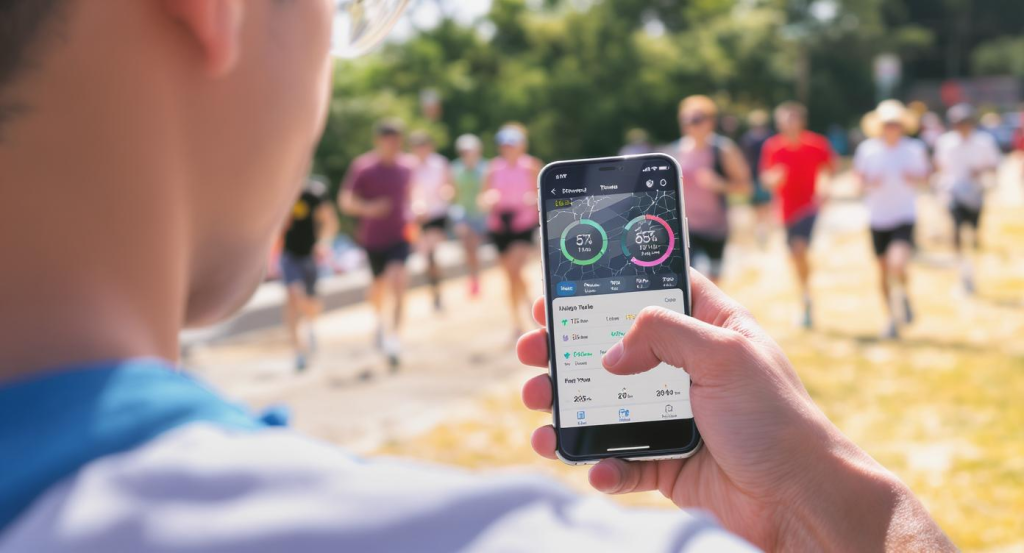
  • Discover how healthcare providers are treating patients with personalized exercise plans instead of just pills. Keep scrolling to see how movement is revolutionizing healthcare in 2025.

    Why Doctors Are Prescribing Movement

    Disease Prevention

    Regular exercise reduces chronic disease risk by up to 40%

    Health Crisis

    Physical inactivity directly linked to heart disease, obesity, and diabetes

    Policy Shift

    New healthcare guidelines prioritize activity screening and promotion

    The Science Backs It Up

    All Ages Benefit

    Personalized exercise plans improve fitness across all demographics

    Multiple Benefits

    Enhanced muscle function, weight management, and preserved mobility

    Proven Results

    Measurable health improvements for teens through seniors

    What’s In Your Exercise Prescription?

    Frequency

    How often to exercise each week

    Intensity

    How hard to push yourself

    Type

    Mix of aerobic and resistance training

    Duration

    How long each session lasts

    Most effective plans include counseling, goal tracking, and nutrition guidance for complete support.

    Real Results in Clinical Settings

    Meeting Guidelines

    More patients achieving recommended activity levels after prescription

    Walking Works

    Simple 5-7 day walking plans significantly boost daily step counts

    Lasting Impact

    Exercise counseling delivers both immediate and long-term health gains

    Healthcare Is Embracing The Movement

    Insurance Coverage

    Of claims for exercise counseling now reimbursed

    Medical Schools

    Now train doctors to prescribe movement as medicine

    Provider Confidence

    Increase in recommending exercise with new decision tools

    What Makes Exercise Prescriptions Stick?

    Personalization

    Tailored to individual abilities and preferences

    Enjoyment

    Fun activities dramatically increase adherence

    Support System

    Provider follow-up, community partnerships, technology

    Start Your Movement Prescription Today!

    Talk to your doctor about creating a personalized activity plan that works for your body and lifestyle. Prevention starts with your very first step.

    Tag someone who needs this health revolution in their life! 💪

    #ExerciseIsMedicine #PhysicalActivity #HealthcareInnovation #PreventiveHealth #ChronicDiseasePrevention #MovementMatters #ActiveLifestyle #FitForLife #WellnessJourney #PersonalizedCare

  • Discover how to experience the breathtaking beauty, rich cultures, and unforgettable adventures of Southeast Asia while keeping your daily expenses under $30. This comprehensive guide shares practical strategies, insider tips, and real experiences to help you plan an affordable yet authentic journey through this incredible region.

    Planning a Low-Cost Southeast Asia Trip

    Successfully exploring Southeast Asia on a tight budget begins with strategic planning. The region offers incredible value for money compared to Western destinations, but costs can vary significantly between countries and seasons. With careful preparation, you can experience the rich tapestry of cultures, landscapes, and cuisines without breaking the bank.

    Identifying Budget-Friendly Countries

    As we look ahead to 2025, several ASEAN countries remain particularly affordable for budget travelers. Vietnam consistently offers exceptional value, with affordable street food, accommodation, and transportation throughout the country. Northern Thailand, particularly Chiang Mai and surrounding areas, provides a perfect balance of infrastructure and affordability. Laos and Cambodia, while slightly less developed, reward travelers with lower prices and fewer tourists. Parts of Indonesia beyond Bali, such as Sumatra and Java, offer authentic experiences at a fraction of the cost of more touristy areas.

    Timing Your Trip Strategically

    Traveling during shoulder seasons (April-June and September-November) can significantly reduce your expenses. During these periods, you’ll find flight prices drop by 20-30%, accommodation rates decrease, and popular attractions become less crowded. While the weather might be slightly less predictable, the trade-off in savings and fewer tourists makes this timing ideal for budget travelers. Avoid major holidays like Chinese New Year and regional festivals unless experiencing these celebrations is a priority, as prices typically surge during these periods.

    Essential Budget Gear

    Lightweight Backpack

    A 40-50L backpack with proper support will save you money on baggage fees and increase mobility when using public transportation.

    Water Purification

    A filtered water bottle or purification tablets can save you hundreds of dollars over a longer trip while reducing plastic waste.

    Tech Essentials

    An unlocked smartphone for local SIMs, a portable battery, and adapters will keep you connected without expensive roaming fees.

    Daily Expenses: Where the Money Goes

    Understanding how your money will be distributed across different expense categories is crucial for maintaining a $30/day budget in Southeast Asia. While costs vary by country and region, having a clear picture of typical expenses helps you plan effectively and identify areas where you can save.

    Breaking Down the Daily Budget

    Across Southeast Asia, you can expect to spend between $25-35 daily, with some regions like rural Laos or less-touristed parts of Indonesia dropping as low as $20. The most significant expense is typically accommodation, ranging from $7-12 per night for decent hostels or basic guesthouses. Food costs average $5-10 daily if you primarily eat street food and local restaurants. Local transportation might cost $3-8 per day, while activities and entrance fees generally run $2-8, depending on the attraction.

    Regional Cost Variations

    Cost differences between countries can be substantial. Vietnam and Laos typically offer the best value, with daily costs potentially as low as $20-25 with careful budgeting. Thailand provides excellent infrastructure but at slightly higher prices, especially in tourist hotspots like Bangkok and the southern islands. Malaysia offers better value in food but higher accommodation costs. Singapore stands as the outlier, where daily expenses can easily triple those of neighboring countries.

    Tracking Expenses Effectively

    Maintaining an accurate record of your spending is essential for staying within budget. Apps like Trail Wallet or Splitwise work well in areas with reliable internet connectivity, allowing you to categorize expenses and track spending patterns. For more remote areas, a simple notebook system works effectively – just note each expense as it occurs and tally your daily total each evening. This practice not only helps you stay under $30 daily but also identifies spending patterns that might need adjustment as your journey progresses.

    Best Budget Destinations and Routes

    The key to stretching your budget in Southeast Asia lies in selecting the right destinations and planning efficient routes. Some regions offer dramatically better value than others, allowing you to experience authentic culture and breathtaking landscapes without the premium prices found in more touristic areas.

    Budget-Friendly Hotspots

    Northern Thailand

    Chiang Mai and surrounding mountain towns like Pai offer cultural richness at a fraction of southern Thailand’s prices. Expect to pay $6-8 for basic accommodation, $1-2 for street meals, and minimal costs for temple visits.

    Central Vietnam

    Hue, Danang, and Hoi An combine history, beaches, and amazing food with exceptional value. $10 daily can cover accommodation and meals, leaving room in your budget for activities.

    Cambodia’s Countryside

    Beyond Siem Reap, explore Battambang, Kampot, and Kep for authentic experiences at $20-25 daily all-inclusive. The slower pace and fewer tourists enhance the cultural immersion.

    Rural Laos

    Luang Prabang might stretch your budget, but smaller towns like Nong Khiaw, Muang Ngoi, and the Bolaven Plateau offer stunning nature and cultural experiences for as little as $18-22 daily.

    Value-Maximizing Itineraries

    The most cost-effective approach combines overland travel through countries with shared borders. A classic northern route might start in Bangkok, head north to Chiang Mai, cross into Laos at Huay Xai, travel down the Mekong to Luang Prabang, continue to Vientiane, and then enter Vietnam, working south to Ho Chi Minh City before entering Cambodia. This route minimizes expensive flights while experiencing diverse landscapes and cultures.

    Alternatively, a southern route could begin in Singapore, travel through Malaysia (Malacca, Kuala Lumpur, Penang), cross into southern Thailand, and explore the Gulf islands before returning to Bangkok. While slightly more expensive overall, this route offers incredible diversity of experiences.

    Balancing Popular and Off-Path Destinations

    The savviest budget travelers alternate between popular destinations and less-visited areas. After splurging slightly in tourist hubs like Bangkok or Hoi An, recover your budget by spending extended time in cheaper locations like Thailand’s Isaan region or Vietnam’s Central Highlands. This approach allows you to experience the must-see attractions while discovering authentic locations where your dollar stretches significantly further and provides more meaningful local interactions.

    Affordable Accommodation and Transportation

    Accommodation and transportation typically consume the largest portion of a traveler’s budget. Mastering strategies to reduce these costs without sacrificing comfort or experiences is essential to maintaining a $30 daily budget in Southeast Asia.

    Budget-Friendly Places to Stay

    Hostels & Guesthouses

    The backbone of budget travel, hostels in Southeast Asia offer tremendous value. For $5-8, expect basic dormitory accommodation with fan cooling. For $10-12, you can often secure a private room in a guesthouse with ensuite bathroom, particularly in less touristy areas. Many include free breakfast and amenities like filtered water, further reducing daily expenses.

    Quality varies tremendously, so always check recent reviews focusing on cleanliness, noise levels, and location. Facilities like communal kitchens, though less common than in Western hostels, can be found in larger cities and provide additional savings for budget travelers willing to prepare simple meals.

    Homestays & Local Accommodations

    For cultural immersion and often better value, consider homestays in rural areas. These family-run operations typically include meals and invaluable local knowledge for $10-15 daily. In Vietnam, Cambodia, and Laos, many farming families have converted portions of their homes to accommodate travelers, offering authentic glimpses into local life while providing income for communities outside the tourist mainstream.

    Booking Strategies That Save Money

    Counter to conventional wisdom, booking accommodation in advance isn’t always the most economical approach in Southeast Asia. In many locations, especially during shoulder seasons, walking in and negotiating directly can secure rates 30-40% below online prices. This approach works best in areas with abundant accommodation options and during non-peak periods.

    For major tourist destinations or during high season, booking 1-2 days in advance through platforms like Booking.com or Agoda can secure reasonable rates while providing peace of mind. Always check multiple platforms, as prices can vary significantly. For longer stays of a week or more, negotiate substantial discounts directly with property owners – discounts of 30-50% are not uncommon for extended bookings.

    Getting Around on a Budget

    Transportation between destinations represents another significant expense. Overnight buses, while not the most comfortable option, effectively save both time and accommodation costs. In Vietnam and Laos, sleeper buses with reclining seats cost $10-20 for journeys of 8-12 hours. In Thailand and Malaysia, slightly more expensive options provide better comfort.

    For shorter distances, local transportation options like songthaews (converted pickup trucks) in Thailand, motorcycle taxis in Vietnam, or tuk-tuks in Cambodia offer authentic experiences at a fraction of tourist-oriented transport costs. Learning to use local transit apps like Grab (Southeast Asia’s equivalent to Uber) can further reduce costs while avoiding common tourist pricing.

    Eating Well for Less: Food & Drink

    One of Southeast Asia’s greatest joys is its incredible food culture, which fortunately for budget travelers is both affordable and accessible. Eating like a local not only saves money but often provides the most authentic and delicious culinary experiences the region has to offer.

    Street Food: The Budget Traveler’s Best Friend

    Street food stands as the cornerstone of budget dining throughout Southeast Asia. For $1-3, you can enjoy satisfying, freshly-prepared meals from roadside vendors and market stalls. In Thailand, dishes like pad thai, som tam (papaya salad), and khao man gai (chicken rice) combine complex flavors at minimal cost. Vietnam offers phenomenal pho (noodle soup), banh mi (Vietnamese sandwiches), and bun cha (grilled pork with noodles) at similar price points. In Indonesia, seek out nasi goreng (fried rice) and mie goreng (fried noodles) for filling, inexpensive meals.

    To identify safe street food options, look for busy stalls frequented by locals, food that’s cooked fresh to order, and vendors who handle money and food separately. Morning markets often offer the freshest ingredients and cleanest preparation, making them ideal for budget breakfast and lunch options.

    Food Courts and Local Restaurants

    For slightly more comfortable dining with minimal price increases, seek out food courts in shopping malls and local “point-and-order” restaurants. These establishments typically offer street food favorites in more hygienic settings for only a slight premium ($3-5 per meal). In Malaysia, food courts present an exceptional value, allowing you to sample diverse dishes from multiple vendors in a single location. Singapore’s hawker centers, while pricier than street food in neighboring countries, still offer excellent meals for $4-6.

    Drinking Strategies for Budget Travelers

    Water Safety

    • Avoid tap water throughout the region
    • Use water purification tablets or filtered bottles
    • Refill at hostels with purified water systems
    • Check that ice is made from purified water

    Coffee & Tea

    • Local coffee shops charge $0.50-1.50
    • Vietnamese coffee offers exceptional value
    • Avoid Western chains charging 3-4x more
    • Thai tea and Malaysian teh tarik are affordable treats

    Alcohol

    • Beer costs $1-2 at local establishments
    • Rice wine/local spirits are cheaper than imports
    • Happy hours offer 2-for-1 specials
    • Avoid imported wines and spirits with high taxes

    Avoiding food-related illness is essential for both health and budget reasons. Beyond selecting busy food stalls, ensure fruits are peeled, avoid raw vegetables in less developed areas, and carry basic medications for stomach issues. Many travelers find that eating vegetarian reduces the risk of foodborne illness while often costing less than meat dishes.

    Free & Low-Cost Activities That Make It Epic

    While accommodation, food, and transportation form the foundation of your budget, it’s the activities and experiences that create lasting memories. Fortunately, Southeast Asia offers countless low-cost and free activities that rival or exceed expensive organized tours and attractions.

    Cultural Immersion Without the Price Tag

    Temple Explorations

    Beyond major sites like Angkor Wat (which justifies its $37 three-day pass), thousands of temples throughout the region charge minimal fees or nothing at all. In Chiang Mai, you can explore over 300 temples with most being free. In Bagan, Myanmar, the $15 archaeological zone fee grants access to over 2,000 temples and pagodas for multiple days. Early morning visits offer cooler temperatures and magical lighting for photography.

    Natural Wonders

    Southeast Asia’s landscapes offer endless free or low-cost exploration opportunities. Beaches from Thailand’s Andaman coast to Vietnam’s central shoreline cost nothing to enjoy. National parks typically charge modest entrance fees ($2-10) for access to stunning waterfalls, hiking trails, and wildlife viewing. In northern Thailand, trek through hill tribe villages for $15-30 per day including food and basic accommodation. In Laos, the karst landscapes around Vang Vieng can be explored independently by bicycle for minimal cost.

    Local Markets & Villages

    Markets provide free cultural immersion opportunities while showcasing local life. Beyond tourist markets, seek out morning fresh markets where locals shop daily. In rural areas, simply wandering through villages often leads to spontaneous interactions and invitations. Morning alms-giving to monks in Luang Prabang costs nothing to respectfully observe, while floating markets in Thailand and Vietnam can be experienced affordably by using public transportation rather than organized tours.

    Community-Led Experiences

    Free walking tours have emerged in major Southeast Asian cities, operating on a tip-based model. In Hanoi, Kuala Lumpur, and Bangkok, these tours provide excellent orientation and local insights for whatever you can afford to contribute. Many hostels organize community dinners, language exchanges, or informal tours led by staff members at minimal cost. In Siem Reap, Cambodia, “free” cycling tours organized by local students looking to practice English provide cultural exchange opportunities while only requiring a modest contribution to their education fund.

    Connecting with Fellow Travelers

    The backpacker community offers numerous advantages for budget-conscious travelers. Sharing transportation costs through ride-sharing apps or splitting private boat tours can reduce expenses by 50-70%. Many hostels have bulletin boards where travelers seek companions for activities, offering significant group discounts. These connections often lead to lasting friendships while creating organic opportunities for shared experiences that enrich your journey beyond simply saving money.

    Pro Tips to Maximize Your Budget & Experience

    Beyond the fundamental strategies of finding affordable accommodation, food, and activities, seasoned budget travelers employ additional techniques to stretch their funds further while enhancing their overall experience. These approaches help maintain the $30 daily budget even in more expensive areas or when splurging on occasional must-do activities.

    Negotiation with Cultural Sensitivity

    Bargaining is an expected part of commerce in many Southeast Asian countries, particularly at markets and for transportation. However, effective negotiation requires understanding local context and practicing cultural sensitivity. Research typical prices beforehand so your expectations are reasonable. Start around 60-70% of the initial asking price, negotiate with a smile, and be prepared to walk away – often the best prices come as you begin to leave. Remember that what seems like a small amount to you might represent significant income for locals, so bargain fairly rather than aggressively.

    For transportation, negotiate and agree on prices before starting your journey. In Thailand, always request that taxi drivers use their meter rather than quoting fixed prices. For tuk-tuks and songthaews, confirm if the price is per person or for the entire vehicle. Learning basic numbers in local languages significantly improves your bargaining position and earns respect from vendors.

    Managing Money Matters

    ATM Strategy

    Withdraw maximum amounts to minimize transaction fees, typically $200-300 at once

    Card Selection

    Use cards without foreign transaction fees and notify banks of travel plans

    Local SIMs

    Purchase local SIM cards ($5-10) for affordable data and avoiding roaming charges

    Cash Management

    Divide cash between day wallet and secure storage; carry small denominations for daily spending

    Staying Flexible for Opportunities

    Perhaps the most valuable budget travel strategy is maintaining flexibility in your itinerary. Last-minute accommodation deals, unexpected transportation options, and spontaneous invitations from locals often present the best value and most authentic experiences. Rather than booking everything in advance, leave room for extending stays in places you love or changing direction based on recommendations from fellow travelers.

    Safety and Insurance on a Budget

    While cutting costs is important, never compromise on safety or travel insurance. Comprehensive travel insurance with medical coverage and evacuation provisions is essential, typically costing $2-3 per day but potentially saving thousands in emergencies. Research safe neighborhoods before booking accommodation, and invest in quality locks for your luggage. Budget travel doesn’t mean taking unnecessary risks – prioritize personal safety even when looking to save money.

    For solo travelers, especially women, sometimes paying slightly more for accommodation in safer areas or transportation that arrives during daylight hours is worth the additional cost. Connect with other travelers through hostel groups or apps like Couchsurfing to share transportation costs while enhancing safety through numbers.

    Conclusion: Southeast Asia on $30 a Day—Yes, You Can!

    After months of traversing the diverse landscapes, vibrant cities, and tranquil villages of Southeast Asia on a tight budget, I can confidently affirm that exploring this magnificent region for under $30 a day isn’t just possible—it’s a rewarding approach that often leads to more authentic and meaningful experiences than high-end tourism could ever provide.

    Recap: The Budget Breakdown

    Throughout this journey, I’ve demonstrated how thoughtful allocation of your daily budget allows for comfortable travel while experiencing the best the region offers. By spending $7-12 on simple but clean accommodation, $8-10 on delicious local food, $5 on transportation, and reserving the remainder for activities and miscellaneous expenses, you can maintain a sustainable travel pattern without constant financial stress. The strategies outlined—from targeting shoulder seasons to embracing street food, from negotiating effectively to connecting with fellow travelers—create a framework for affordable long-term exploration.

    The True Value: Experiences Over Expenses

    What becomes clear after months of budget travel is that the most meaningful experiences rarely correlate with the highest expenses. The spontaneous invitation to a family meal in a Vietnamese village, the sunrise viewed from a temple in Bagan, conversations with monks in Luang Prabang, or the perfect secluded beach discovered through local recommendations—these priceless moments typically cost little or nothing, yet create the richest memories.

    Budget travel necessitates greater engagement with local communities and environments. When you take public transportation instead of private tours, eat at local markets instead of tourist restaurants, and stay in family-run guesthouses instead of chain hotels, you naturally immerse yourself more deeply in the authentic culture of each destination.

    Start Planning Your Journey

    If the idea of exploring Southeast Asia on $30 a day seems intimidating, remember that thousands of travelers from diverse backgrounds successfully navigate these regions on similar budgets every year. The key is preparation, flexibility, and approaching the journey with an open mind. Start by identifying your must-visit destinations, research the most economical times to visit, and begin setting aside funds—even small amounts accumulated over time.

    Most importantly, embrace the mindset that constraints often breed creativity. A limited budget forces you to make thoughtful choices, seek authentic experiences, and connect more deeply with both locals and fellow travelers. These elements ultimately transform a simple vacation into a life-changing adventure that will shape your worldview long after you’ve returned home.

    Top 10 Hashtags for Budget Southeast Asia Travel

    #SoutheastAsiaOnABudget

    Connect with travelers sharing tips specifically for affordable exploration across the ASEAN region.

    #BackpackerAdventures

    Join the global community of backpackers sharing their journeys, challenges, and discoveries.

    #BudgetTravel

    A broader hashtag connecting budget-conscious travelers worldwide with money-saving strategies.

    #BackpackingSEA

    Find specific advice, routes, and experiences from fellow Southeast Asia backpackers.

    #TravelUnder30

    Content focused specifically on maintaining a $30/day budget while traveling extensively.

    #CheapAsiaAdventures

    Discover affordable activities, destinations, and experiences throughout Asia.

    #NomadLife

    Connect with digital nomads and long-term travelers sharing sustainable travel approaches.

    #AsiaBackpacking

    A broader hashtag encompassing budget travel experiences across the Asian continent.

    #TravelMoreSpendLess

    Focus on maximizing travel experiences while minimizing financial expenditure.

    #BudgetBucketList

    Inspiring destination ideas and experiences that are accessible on a limited budget.

    Using these hashtags on social media platforms can connect you with a community of like-minded travelers sharing valuable insights, real-time updates on prices and conditions, and potential travel companions for your Southeast Asia adventure. Many budget travelers also use these tags to arrange meetups, share transportation costs, or exchange tips about newly discovered destinations that offer exceptional value.


  • Discover how to explore the world while minimizing your environmental impact. With tourism contributing approximately 8% of global greenhouse gas emissions, sustainable travel practices have never been more important. This guide provides comprehensive strategies for environmentally conscious adventurers looking to satisfy their wanderlust responsibly, addressing the growing worldwide demand for eco-friendly travel solutions.

    Choose Greener Transportation

    Transportation typically accounts for the largest portion of travel-related carbon emissions, making your choice of how to get from point A to point B perhaps the most significant sustainability decision you’ll make while traveling.

    Rail and Public Transit

    For shorter journeys (under 500 miles), trains and buses generate significantly fewer emissions than airplanes. Electric trains in particular can reduce your carbon footprint by up to 90% compared to flying the same distance. Many European and Asian countries offer extensive, efficient rail networks that make train travel both convenient and environmentally friendly.

    Smart Flying Practices

    When air travel is unavoidable, book non-stop flights whenever possible. The takeoff and landing phases of flights produce the most emissions, so eliminating connecting flights can substantially reduce your carbon footprint. Additionally, flying economy class is more environmentally responsible than business or first class, as it maximizes the number of passengers per plane, resulting in lower per-person emissions.

    • Research airlines with newer, more fuel-efficient fleets
    • Consider carbon offset programs offered by airlines
    • Pack lighter to reduce the plane’s overall weight and fuel consumption

    For local transportation at your destination, prioritize walking, cycling, or using public transit. Many cities worldwide now offer bike-sharing programs and electric scooters as eco-friendly alternatives to taxis or rental cars. When a car is necessary, opt for carpooling or choose hybrid/electric vehicle options from rental companies that increasingly offer green alternatives to traditional gas-powered cars.

    Pick Sustainable Accommodations

    Your choice of accommodation can significantly impact your travel carbon footprint. The hospitality industry is increasingly responding to consumer demand for sustainability, making it easier than ever to find environmentally responsible lodging options worldwide.

    Look for Recognized Certifications

    When booking accommodations, search for properties with credible environmental certifications such as LEED, Green Key, EarthCheck, or Green Globe. These certifications verify that the property meets specific sustainability standards in areas including energy efficiency, water conservation, waste management, and community engagement.

    Research Eco-Friendly Features

    Prioritize properties that implement renewable energy systems like solar panels, geothermal heating/cooling, or wind power. Other green features to look for include rainwater collection systems, greywater recycling, energy-efficient lighting, and natural building materials that reduce environmental impact.

    Support Sustainable Practices

    Choose accommodations that demonstrate commitment to sustainability through comprehensive recycling programs, elimination of single-use plastics, farm-to-table dining options, and partnerships with local conservation initiatives. Many eco-conscious hotels also employ local staff and give back to their communities.

    During your stay, embrace sustainable habits like reusing towels and linens (rather than requesting daily changes), turning off lights and air conditioning when leaving your room, taking shorter showers, and using refillable water bottles instead of disposable plastic bottles. These small actions collectively reduce the environmental footprint of your accommodation.

    Alternative lodging options like homestays, farm stays, or eco-lodges often have lower environmental impacts than conventional hotels while providing more authentic cultural experiences. Many of these smaller establishments are deeply connected to their local communities and natural surroundings, providing travelers with unique insights into sustainable living practices.

    Engage in Low-Impact Activities

    The activities you choose while traveling can dramatically affect your environmental impact. Fortunately, low-impact experiences often provide the most authentic and meaningful connections to a destination’s culture and natural environment.

    Human-Powered Exploration

    Walking and cycling tours represent some of the most environmentally friendly ways to experience a new destination. They produce zero emissions while allowing for intimate exploration of local neighborhoods, hidden gems, and scenic landscapes that might be missed when traveling by car or tour bus. Many cities offer free or affordable walking tours led by knowledgeable local guides who provide cultural and historical context.

    Responsible Wildlife Encounters

    When seeking wildlife experiences, choose observation-only activities that respect animals in their natural habitats. Avoid attractions that exploit animals for entertainment or offer direct contact with wild animals. Research operators thoroughly and look for those affiliated with legitimate conservation organizations that prioritize animal welfare and habitat preservation.

    • Choose wildlife sanctuaries over zoos or animal performance venues
    • Maintain appropriate distances from wildlife to avoid disturbing natural behaviors
    • Never feed wild animals, which can disrupt ecosystems and create dangerous dependencies

    Consider dedicating part of your trip to volunteer tourism (“voluntourism”) with legitimate environmental conservation projects. Options include habitat restoration, beach cleanups, scientific research assistance, or sustainable building projects. These experiences not only minimize your environmental impact but actively contribute to environmental solutions while providing deeply rewarding travel experiences.

    When visiting natural areas, strictly adhere to the principle of “leave no trace.” Stay on designated trails, pack out all trash, avoid removing natural objects (even small stones or shells), and respect all local regulations designed to protect sensitive ecosystems. The collective impact of many visitors can severely damage fragile environments, so individual responsibility is essential.

    Eat Local and Reduce Food Waste

    Your food choices while traveling significantly impact both your carbon footprint and the local economy. The global food system generates roughly one-third of all human-caused greenhouse gas emissions, with transportation, processing, and waste as major contributors.

    Prioritize Locally-Owned Restaurants

    Seek out establishments that source ingredients from nearby farms and producers. These restaurants typically have smaller carbon footprints due to reduced transportation emissions while providing more authentic culinary experiences. Additionally, your spending directly supports the local economy rather than international chains.

    Choose Plant-Forward Options

    Plant-based foods generally require fewer resources to produce and generate fewer greenhouse gas emissions than animal products, especially beef and dairy. Even occasionally choosing vegetarian or vegan options can significantly reduce your travel food footprint while introducing you to diverse local plant-based specialties.

    Minimize Food Waste

    Order only what you’ll eat, request smaller portions when appropriate, and save leftovers for later meals. Food waste in landfills produces methane, a potent greenhouse gas. Some environmentally conscious restaurants participate in composting programs or donate excess food to community organizations.

    Shop at Local Markets

    Farmers’ markets and food halls offer fresh, seasonal produce with minimal packaging and transportation emissions. They provide opportunities to interact directly with local producers while discovering regional specialties and sustainable food practices.

    Reduce single-use plastic waste by carrying reusable items including water bottles, coffee cups, shopping bags, and food containers. Many destinations worldwide now have public water refill stations, and restaurants are increasingly accommodating customers who bring their own containers for takeaway food or leftovers.

    Consider booking accommodations with kitchen facilities, which allows you to prepare some meals using locally sourced ingredients. Cooking your own food provides cultural insights through visits to local markets while reducing restaurant expenses and food packaging waste.

    Pack Light and Smart

    The Environmental Case for Traveling Light

    The weight of luggage directly impacts the fuel consumption of transportation vehicles, particularly aircraft. Studies show that reducing aircraft weight by just a few pounds per passenger can save thousands of gallons of fuel across multiple flights, substantially decreasing carbon emissions. By packing only what’s necessary, travelers collectively contribute to significant environmental benefits.

    Beyond transportation considerations, lighter packing also influences accommodation resource usage. Fewer items mean less laundry, reduced water consumption, and lower energy use for heating water and powering washing machines and dryers. This cumulative effect extends throughout your entire journey.

    Essential Sustainable Packing Items

    • Reusable water bottle (ideally insulated stainless steel)
    • Portable cutlery set to avoid disposable options
    • Cloth shopping bag that folds into a compact pouch
    • Multipurpose natural soap for body, hair, and laundry
    • Digital guides instead of printed books
    • Reef-safe sunscreen if visiting marine environments
    • Solar-powered or hand-cranked charger for devices

    Choose versatile clothing items that can be layered and mixed to create multiple outfits, reducing the total number of garments needed. Quick-drying, wrinkle-resistant fabrics minimize the need for ironing or dry cleaning at your destination. When purchasing new travel gear, look for products made from sustainable materials like organic cotton, recycled polyester, or bamboo, and from companies with transparent supply chains and fair labor practices.

    Consider the complete lifecycle of disposable items before packing them. Single-use products not only create waste at your destination but also required resources to manufacture and transport. Many countries have less developed recycling infrastructure than you might be accustomed to at home, making waste reduction particularly important while traveling internationally. Whenever possible, choose reusable alternatives to disposable products, especially for items like tissues, wipes, and personal care products.

    Remember that truly sustainable packing means not just what you bring, but what you leave behind. The environmental footprint of your journey includes all the waste generated along the way.

    Offset and Advocate for Sustainability

    While reducing your carbon footprint through mindful travel choices is essential, completely eliminating emissions from travel is currently impossible for most journeys. Carbon offsetting provides a way to compensate for unavoidable emissions by funding projects that reduce greenhouse gases elsewhere.

    Understanding Carbon Offsets

    Carbon offsets work by calculating the emissions from your travel activities and investing in projects that reduce an equivalent amount of greenhouse gases. These projects may include renewable energy development, methane capture from landfills, energy efficiency improvements, or reforestation initiatives. The goal is to make your overall travel carbon-neutral by balancing emissions with equivalent reductions.

    Choosing Quality Offset Programs

    Not all offset programs deliver equal environmental benefits. Look for projects certified by recognized standards like Gold Standard, Verified Carbon Standard, or Climate Action Reserve. These certifications ensure that projects provide genuine, measurable emissions reductions that wouldn’t have occurred without offset funding. They also typically verify additional environmental and social benefits to local communities.

    Beyond Offsetting: Advocacy

    While offsetting addresses your personal impact, advocating for systemic change amplifies your influence. Share sustainable travel practices on social media, write reviews highlighting eco-friendly businesses, and provide feedback to companies about their environmental policies. Consider joining organizations that promote responsible tourism or lobby for sustainable transportation infrastructure.

    Several online calculators can help determine your travel carbon footprint based on transportation methods, accommodation choices, and activities. Once you’ve calculated your emissions, you can purchase offsets directly from certified providers or through platforms that curate high-quality offset projects. Some travel companies now include optional carbon offset contributions during the booking process.

    Remember that offsetting shouldn’t be used as justification for unnecessary travel or excessive consumption. The most effective approach combines meaningful emissions reduction strategies with carefully selected offsets for unavoidable impacts. This balanced approach acknowledges the reality that while perfect sustainability may be unattainable, significant improvements are always possible.

    As sustainable travel becomes increasingly mainstream, your choices as a consumer send powerful signals to the travel industry. By consistently selecting eco-friendly options and communicating your sustainability priorities to travel providers, you contribute to market transformation toward more environmentally responsible practices throughout the industry.

    Conclusion and Essential Hashtags

    Sustainable travel represents a thoughtful balance between exploring our magnificent world and preserving it for future generations. As this guide has demonstrated, environmentally conscious travel doesn’t require sacrificing enjoyable experiences—in fact, many sustainable practices enhance the authenticity and meaningfulness of your journeys.

    By making deliberate choices about transportation, accommodation, activities, food, and packing, you can dramatically reduce the environmental impact of your travels. Small actions collectively create significant positive effects: choosing trains over short-haul flights, selecting eco-certified lodging, exploring destinations on foot or bicycle, eating locally sourced foods, and traveling with minimal, reusable gear all contribute to a more sustainable travel footprint.

    The growing global movement toward sustainable tourism is transforming the travel industry, with increasing numbers of businesses responding to consumer demand for environmentally responsible options. Your choices as a traveler not only reduce your personal impact but also support this essential market transformation. When you patronize eco-conscious businesses and share your sustainable travel experiences with others, you amplify your positive influence far beyond your individual journey.

    Remember that sustainable travel is a journey itself, not a destination. No single trip will be perfectly sustainable, but each thoughtful choice moves us collectively toward more responsible global tourism. By approaching travel with awareness, intention, and respect for our planet and its people, we can continue to experience the transformative power of travel while ensuring these opportunities remain available for generations to come.

    #SustainableTravel

    #EcoTourism

    #GreenTravel

    #TravelTips

    #CarbonFootprint

    #ResponsibleTravel

    #TravelSustainably

    #ClimateAction

    #EcoFriendly

    #TravelSmart

  • Discover extraordinary destinations that haven’t yet made it to mainstream travel guides. This comprehensive exploration reveals seven spectacular locations around the world that offer authentic experiences without the crowds, perfect for the discerning traveler seeking unique adventures in 2025.

    Why Hidden Gems Offer Authentic Experiences

    In an era of overtourism and Instagram hotspots, the value of discovering untouched destinations has never been greater. Hidden gems provide travelers with opportunities for deeper cultural immersion that simply isn’t possible at crowded landmarks. When you venture beyond popular tourist routes, you directly support local economies rather than international chains, creating meaningful connections with communities that benefit from sustainable tourism.

    These secret locations often remain undiscovered by mainstream travelers precisely because they require local knowledge. Whether through conversations with residents, recommendations from specialized tour guides, or venturing down unmarked paths, finding these treasures requires curiosity and a willingness to explore. The reward? Experiences that few others will share and memories that stand apart from standard vacation photos.

    The growing trend of experiential travel has led more adventurous tourists to seek authentic experiences over checklist tourism. These travelers understand that the most memorable aspects of a journey often come from unexpected discoveries and genuine interactions, not from standing in line at overcrowded attractions.

    Beyond the enhanced cultural experience, hidden gems typically offer practical advantages: lower prices for accommodations and dining, shorter wait times (if any), and food that’s prepared for locals rather than adjusted for tourist palates. As travelers increasingly prioritize quality experiences over quantity of destinations visited, these secret spots represent the future of meaningful travel.

    1. Al Wathba Salt Lake, Abu Dhabi, UAE

    Just a 45-minute drive from the gleaming skyscrapers of Abu Dhabi lies one of the United Arab Emirates’ most surreal natural wonders. Al Wathba Salt Lake (also known as Al Wathba Fossil Dunes) presents an otherworldly landscape that feels more like walking on another planet than exploring Earth. This hidden gem features a series of crystalline salt pools set against the backdrop of the Arabian desert, creating a striking visual contrast that has remained largely unknown to international visitors.

    The salt formations create geometric patterns across the landscape, with shallow pools reflecting the sky in mirror-like perfection. During sunset, the entire area transforms as the lowering sun casts long shadows across the salt crystals, creating a photographer’s paradise. Local photographers have long kept this location as their secret spot for otherworldly landscape photography, particularly during the golden hour when the light turns the white salt deposits into a canvas of warm hues.

    Despite its proximity to a major urban center, Al Wathba remains uncrowded, allowing visitors to experience the peaceful solitude of the desert. The best time to visit is between November and April when temperatures are more moderate. Visitors should bring plenty of water, sun protection, and appropriate footwear for walking on salt deposits. For the most authentic experience, consider hiring a local guide who can explain the geological processes that created this natural wonder and point out the best photography spots that only residents know about.

    2. Tourrettes-sur-Loup, France

    Perched dramatically on a rocky outcrop in the hills above the French Riviera, Tourrettes-sur-Loup offers all the charm of Provence without the crowds that flood more famous villages like Saint-Paul-de-Vence or Èze. This medieval jewel, nicknamed the “City of Violets” for its signature flower cultivation, provides a refreshing alternative to the bustling coastal resorts of Nice and Cannes just 30 minutes away.

    Dating back to the 11th century, the village retains its medieval character with narrow cobblestone streets winding between ancient stone houses. What makes Tourrettes-sur-Loup special is its thriving artisan community. Unlike some tourist villages that have lost their authenticity, this town remains home to working craftspeople, with dozens of workshops specializing in weaving, pottery, painting, and jewelry making. Visitors can watch artisans at work and purchase unique handcrafted souvenirs directly from their creators.

    Gastronomic delights abound in this hidden gem. The village is famous for its violet production, and visitors can sample unusual violet-flavored specialties including ice cream, candied flowers, and even violet liqueur. Local restaurants serve Provençal cuisine using ingredients from nearby farms, with spectacular views from terraces overlooking the surrounding countryside.

    The annual Violet Festival in February and March showcases the flower that has been cultivated here since the 1880s. Even outside this period, visitors can enjoy the Bastide aux Violettes museum to learn about this unique agricultural tradition. For the most authentic experience, stay in a small guesthouse within the village walls rather than commuting from a coastal resort.

    3. Lake Aydarkul, Uzbekistan

    In the heart of Central Asia’s Kyzylkum Desert lies an unexpected oasis that few international travelers have discovered. Lake Aydarkul, a massive freshwater lake spanning nearly 2,000 square kilometers, represents one of Uzbekistan’s most spectacular natural wonders yet remains virtually unknown compared to the country’s famous Silk Road cities like Samarkand and Bukhara.

    The lake’s existence is itself remarkable—it was accidentally created in the 1970s when Soviet engineers diverted water from the Syr Darya river into a natural depression, creating what locals now call the “sea in the desert.” Today, this vast blue expanse surrounded by sand dunes and distant mountains offers an extraordinary contrast to the arid landscapes typical of Uzbekistan. The lake’s remoteness ensures a peaceful experience unmarred by tourism infrastructure or crowds.

    Bird-watching enthusiasts will find Lake Aydarkul particularly rewarding. The wetland environment attracts numerous migratory species, including herons, eagles, and even flamingos during certain seasons. Local fishermen continue traditional practices on the lake’s waters, and visitors can join them for a day to learn these ancient techniques. For the most immersive experience, travelers can stay in traditional yurt camps along the shoreline, where hosts prepare authentic Uzbek cuisine including freshly caught fish from the lake.

    The night skies above Lake Aydarkul offer some of the clearest stargazing opportunities in Central Asia due to minimal light pollution. Travelers seeking adventure can combine a visit to the lake with camel trekking in the surrounding desert landscapes. The best time to visit is from April to June or September to October, avoiding the extreme desert temperatures of mid-summer. Despite being only a few hours’ drive from Samarkand, Lake Aydarkul feels worlds away from the tourist trail and offers a glimpse into a side of Uzbekistan that few visitors ever experience.

    4. Hermanus, Western Cape, South Africa

    Scenic Cliff Paths

    The 12km Cliff Path offers some of the world’s best land-based whale watching opportunities, with Southern Right whales often coming within meters of the shore. Unlike the more famous Garden Route towns, Hermanus’ path system remains uncrowded even during peak season.

    Secret Beaches

    Beyond popular Grotto Beach lie hidden coves like Voëlklip and Kammabaai that most tourists never discover. These pristine stretches of sand offer sheltered swimming and private picnic spots with stunning mountain backdrops.

    Culinary Treasures

    Local seafood restaurants perched on cliffs serve freshly-caught fish while offering panoramic ocean views. The region’s wines from the Hemel-en-Aarde valley provide perfect pairings for the coastal cuisine.

    Located just a two-hour drive from Cape Town, Hermanus has earned a reputation among wildlife enthusiasts for its incredible whale watching opportunities between June and November. However, few international visitors realize this charming coastal town offers much more than marine mammal sightings. Outside the whale season, Hermanus transforms into a peaceful retreat with a distinctive blend of natural beauty, outdoor activities, and culinary experiences that locals have been reluctant to share.

    Beyond the well-known whale watching spots, Hermanus features a network of lesser-known hiking trails that wind through fynbos vegetation—the unique floral kingdom found only in South Africa’s Western Cape. These paths offer chances to spot rare bird species and small wildlife while enjoying panoramic ocean views without the crowds found at Cape Point or Table Mountain. The town’s art galleries showcase works by local artists inspired by the dramatic coastal landscapes, providing cultural depth that complements the natural attractions.

    For accommodation, skip the larger hotels and opt for one of the small guesthouses in the historic part of town, where local hosts can point you toward hidden gems like secret swimming spots and artisanal food producers. While Hermanus isn’t completely off the international tourist radar, its treasures beyond whale watching remain largely undiscovered, offering visitors an authentic slice of South African coastal life.

    5. Umbria, Italy

    While travelers flock to Tuscany’s rolling hills and Renaissance cities, neighboring Umbria offers equally stunning landscapes, medieval towns, and culinary traditions without the crowds and premium prices. Often called “Italy’s green heart,” this central Italian region provides authentic experiences that have increasingly disappeared from its more famous neighbor.

    Umbria’s medieval hill towns rival anything in Tuscany. Orvieto, perched dramatically atop a volcanic plateau, features one of Italy’s most spectacular Gothic cathedrals, while Assisi’s religious significance attracts pilgrims but remains less touristed than Florence or Siena. However, the real hidden gems lie in smaller towns like Bevagna, Montefalco, and Spello, where visitors can wander ancient streets without encountering tour groups, and where restaurants serve traditional dishes to predominantly local clientele.

    The region’s culinary traditions center around simple, rustic dishes that showcase local ingredients. Black truffles from Norcia, extra virgin olive oil from the hills around Trevi, and distinctive wines like Sagrantino di Montefalco offer gastronomic experiences that rival any in Italy. Unlike Tuscany’s more commercialized food scene, Umbria’s sagre (food festivals) remain authentic local celebrations rather than tourist attractions.

    Outdoor enthusiasts will find Umbria’s natural landscapes equally rewarding. The Monti Sibillini National Park offers hiking through wildflower meadows and mountain scenery without the crowds found in more popular Italian national parks. Lake Trasimeno provides opportunities for swimming, sailing, and cycling along shoreline paths where visitors are more likely to encounter locals than other tourists.

    Accommodations in Umbria typically cost 30-40% less than equivalent options in Tuscany, with many agriturismo (farm stays) offering immersive experiences including cooking classes, truffle hunting excursions, and olive oil tastings. The best time to visit is during the shoulder seasons of May-June and September-October, when the countryside is at its most beautiful and harvest festivals showcase the region’s agricultural bounty. Even during peak summer months, Umbria remains noticeably less crowded than neighboring regions, making it the perfect alternative for travelers seeking Italy’s authentic heart.

    6. Zanzibar’s Secret Beaches, Tanzania

    While Zanzibar has gained popularity as a tropical destination, most visitors confine themselves to the well-known beaches of Nungwi and Kendwa or the historic Stone Town. Beyond these tourist hotspots, the island harbors secluded coastal treasures that remain largely untouched by mass tourism. These hidden beaches offer the pristine white sands and turquoise waters of travel brochures without the crowds that plague more developed areas.

    Mnemba Atoll, accessible only by boat from the northeastern coast, features some of East Africa’s most spectacular coral reefs. While day trips to the atoll have become more common, knowledgeable local guides can time visits to avoid other tourists or suggest alternative snorkeling spots with similar marine diversity. The eastern coast beaches like Matemwe and Pongwe offer stretches of pristine shoreline where visitors might find themselves completely alone except for passing fishermen in traditional dhow boats.

    For true seclusion, the southwestern peninsula near Kizimkazi contains hidden coves accessible only by foot paths through coastal forests. Here, beaches like Muyuni and Kizimkazi Dimbani remain virtually untouched, with no resort development and minimal facilities. What these areas lack in amenities, they make up for in authenticity and natural beauty. Visitors may spot dolphins offshore or witness traditional seaweed farming practiced by local women at low tide.

    The island’s southeastern coast, particularly around Jambiani and Paje, has developed a low-key traveler scene while maintaining its authentic character. Here, smaller locally-owned guesthouses and boutique accommodations offer direct access to stunning beaches without the all-inclusive resort atmosphere found elsewhere. Visitors can arrange fishing trips with local captains, learning traditional methods before enjoying their catch prepared according to Zanzibari recipes.

    For the most rewarding experience, visit during the dry seasons (June-October or December-February) and consider staying in different areas around the island rather than remaining in one location. While Stone Town deserves its place on itineraries, allocating most of your time to these lesser-known coastal areas will provide a more authentic and peaceful Zanzibar experience.

    7. Missoula, Montana, USA

    Mountain Town Charm

    Missoula combines the cultural amenities of a university town with stunning natural surroundings. The Clark Fork River runs directly through downtown, creating unique urban outdoor spaces where locals gather for everything from surfing river waves to evening strolls.

    Hidden Wilderness

    While tourists flock to Glacier National Park, locals escape to lesser-known trails in the Rattlesnake Wilderness and Bitterroot Mountains. These areas offer equally spectacular scenery with a fraction of the visitors.

    Natural Hot Springs

    The surrounding mountains hide numerous hot springs, from developed resorts to primitive pools accessible only by hiking trails. These geothermal wonders provide year-round outdoor relaxation opportunities in spectacular settings.

    While Montana’s Glacier National Park draws millions of visitors annually, the university city of Missoula offers a perfect alternative base for exploring the state’s natural wonders without battling crowds. Nestled at the convergence of five mountain ranges and three rivers, this vibrant small city combines outdoor recreation with a surprisingly sophisticated cultural scene, all while maintaining its authentic western character.

    Missoula’s downtown area centers around a revitalized riverfront where locals fish for trout in the Clark Fork River that flows through the heart of the city. The presence of the University of Montana infuses the town with a youthful energy and cultural amenities unusual for a city of its size. Independent bookstores, farm-to-table restaurants, craft breweries, and a thriving music scene provide urban pleasures between outdoor adventures.

    Unlike more touristy western towns that have become caricatures of themselves, Missoula maintains its working-class roots alongside its recreational opportunities. Visitors can experience authentic western traditions at events like the summer rodeo series, where actual cowboys compete rather than performing for tourists. The city’s farmers markets showcase the bounty of surrounding valleys, with huckleberries, flathead cherries, and other local specialties available seasonally.

    The true hidden gems lie in the surrounding landscapes. While tourists crowd Glacier National Park’s visitor centers, locals enjoy similar alpine scenery in the Bitterroot Mountains just south of town. The Rattlesnake National Recreation Area offers 73,000 acres of wilderness just minutes from downtown, with trails for hiking and mountain biking that see a fraction of the visitors found in national parks. In winter, uncrowded ski areas like Montana Snowbowl provide powder days without lift lines.

    How to Find Hidden Gems on Your Next Trip

    Research Beyond Guidebooks

    While traditional travel guides provide a starting point, they often lead to the same overcrowded spots. Instead, seek out local blogs, regional cookbooks, specialty magazines, and niche social media accounts focused on your destination. These sources often reveal places that mainstream publications overlook but that showcase authentic local culture.

    Connect with Locals

    The most valuable travel information comes directly from residents. Use language exchange apps to connect with locals before your trip, join community-based walking tours led by residents rather than commercial operators, or consider homestays instead of hotels. Ask specific questions about where locals go for meals, recreation, or entertainment.

    Explore Beyond City Centers

    In most destinations, travelers congregate in predictable areas, leaving much of the region unexplored. Consider staying in residential neighborhoods rather than tourist districts. Investigate secondary cities, rural villages, or natural areas just beyond day-trip distance from major attractions. Often, a location just 30 minutes further than most tourists venture will reveal authentic experiences.

    Travel Off-Season or Mid-Week

    Timing dramatically affects your experience. Visit popular regions during shoulder seasons when weather remains favorable but crowds thin substantially. Even in peak season, exploring major attractions on weekdays or early mornings can provide a more authentic experience. Some festivals and cultural events aimed primarily at locals occur outside the main tourist season.

    Finding truly hidden gems requires intentionality and a willingness to step away from conventional travel patterns. While spontaneous discoveries can happen, the most rewarding off-the-beaten-path experiences often come through deliberate strategies and advance planning. Beyond the approaches outlined above, consider investigating special interest communities related to your passions, whether that’s architecture, bird watching, culinary traditions, or local music.

    Technology can be both help and hindrance in discovering hidden gems. While popular review sites and social media platforms have exposed many once-secret locations, specialized apps and digital communities can provide insider information. Look for region-specific apps developed by locals rather than international platforms. Some cities have neighborhood-specific guides created by residents that reveal local favorites that would otherwise remain unknown to visitors.

    Transportation choices significantly impact your ability to discover hidden gems. While rental cars provide flexibility in rural areas, public transportation often takes you along routes frequented by locals rather than tourists. In some regions, bicycles offer the perfect speed and accessibility to explore beyond walking distance while still allowing for spontaneous stops and interactions that would be missed in a car or tour bus.

    Finally, develop the right mindset for discovering hidden gems. Cultivate curiosity about ordinary aspects of local life, be willing to communicate across language barriers, and remain open to experiences that might initially seem mundane but offer authentic cultural insights. Sometimes the most memorable travel experiences come not from visiting unknown places but from experiencing familiar activities through a local perspective.

    Conclusion: Step off the Beaten Path

    The seven hidden gems featured in this guide represent just a fraction of the extraordinary places waiting to be discovered by travelers willing to venture beyond conventional destinations. Each offers a unique combination of natural beauty, cultural richness, and authentic experiences that increasingly distinguish meaningful travel from mass tourism. As global destinations grapple with overtourism, these lesser-known alternatives provide not just solitude but a more sustainable model of travel that benefits both visitors and communities.

    The rewards of seeking out hidden gems extend far beyond avoiding crowds. These destinations often facilitate deeper connections with local cultures, more meaningful personal interactions, and a sense of discovery that has become increasingly rare in an era when most famous sites have been extensively documented online. The memories created in these places tend to be more distinctive and personal than those formed at overcrowded landmarks where thousands of identical photos are taken daily.

    For communities, thoughtful tourism to hidden gems can provide economic benefits without the disruption that mass tourism brings. Your patronage of local businesses, family-run accommodations, and regional guides helps support sustainable livelihoods while preserving the authentic character that makes these places special. This symbiotic relationship between curious travelers and welcoming communities represents the future of responsible tourism.

    As you plan your future travels, consider allocating time for exploration beyond the must-see attractions. Even in well-known destinations, hidden gems await just a few kilometers from tourist centers. The willingness to embrace uncertainty, follow local recommendations, and sometimes abandon the original itinerary often leads to the most treasured travel experiences.

    Share your discoveries respectfully, recognizing that what makes hidden gems special is precisely their lack of crowds and commercial development. Focus on the experiences rather than exact locations in social media posts, or consider waiting until you’ve returned home before sharing details. This mindful approach helps preserve these special places for future travelers and the communities that call them home.

    The journey to discover hidden gems is ultimately not just about finding unspoiled places but about developing a more thoughtful approach to travel itself—one that values authenticity over convenience, depth over breadth, and genuine connection over consumption. In a world where few places remain truly undiscovered, the hidden gems that matter most might be the personal connections and unexpected moments that transform an ordinary trip into an extraordinary journey.

    Top 10 Hashtags for Hidden Gem Travel

    #HiddenGems

    The classic tag for showcasing lesser-known destinations and experiences that deserve more attention. Use this when highlighting places that offer authentic experiences without the crowds of mainstream tourism.

    #BeyondTheTouristTrail

    Perfect for content that takes travelers away from standard itineraries and introduces them to experiences that aren’t featured in typical guidebooks or tour packages.

    #LocalSecrets

    Emphasizes experiences and locations that are primarily known to residents rather than visitors, suggesting insider knowledge and authentic cultural immersion.

    #OffTheBeatenPath

    Highlights destinations and activities that require additional effort to discover but reward travelers with unique experiences away from crowds.

    #UnderratedDestinations

    Showcases places that offer exceptional experiences but receive less attention than they deserve in mainstream travel media and social platforms.

    #TravelLikeALocal

    Focuses on authentic experiences that connect travelers with everyday life in a destination rather than tourist-oriented attractions and activities.

    #SecretSpots

    Perfect for revealing lesser-known locations within popular destinations, such as hidden beaches, overlooked viewpoints, or local favorite restaurants.

    #AuthenticTravel

    Emphasizes genuine cultural experiences and connections rather than commercialized or staged tourist attractions designed for mass consumption.

    #Wanderlust2025

    Connects content to forward-looking travel planning, perfect for inspiring future trips to emerging destinations before they become mainstream.

    #HiddenPlaces

    Highlights physically concealed or difficult-to-find locations that offer unique experiences for travelers willing to seek them out.

    Using these hashtags strategically can help connect your travel content with audiences specifically interested in discovering lesser-known destinations. For maximum engagement, combine broad travel hashtags with these more specific terms to reach both general travel enthusiasts and those specifically seeking hidden gem experiences. When using these tags, focus on providing genuine value through detailed information rather than just showcasing beautiful imagery.

  • Embark on an unforgettable journey through one of the world’s most breathtaking wilderness regions. This comprehensive guide provides everything solo female travelers need to know about navigating Patagonia’s rugged landscapes safely, from essential gear and practical safety tips to transportation advice and accommodation recommendations.

    Whether you’re planning to hike the legendary W Trek or kayak through remote fjords, this guide will help you prepare for the adventure of a lifetime in South America’s pristine frontier.

    Why Patagonia is the Ultimate Off-Grid Destination for Solo Female Travelers

    Spanning the southern regions of both Chile and Argentina, Patagonia stands as one of the last true wilderness frontiers on Earth. This vast territory, characterized by jagged mountain peaks, ancient glaciers, and windswept plains, offers the perfect backdrop for women seeking solitude, adventure, and connection with nature. The region’s remarkable landscapes, including the iconic Torres del Paine, the mesmerizing Perito Moreno Glacier, and the imposing Mount Fitz Roy, provide a canvas for transformative experiences unlike anywhere else on the planet.

    What makes Patagonia particularly appealing for solo female travelers is its unique combination of pristine wilderness and relative accessibility. While you can venture deep into untouched landscapes, the region’s growing popularity means established trails often have other hikers nearby, creating a reassuring environment for those traveling alone. Each year, thousands of solo female adventurers choose Patagonia as their destination, contributing to a supportive community of like-minded explorers who share information, resources, and occasionally companionship on the trails.

    The region offers remarkable versatility in its adventure opportunities throughout the year. During the Southern Hemisphere’s summer (December through February), longer daylight hours and milder temperatures create ideal conditions for multi-day treks and outdoor camping. Autumn (March through May) brings spectacular foliage as the southern beech forests transform into brilliant displays of red, orange, and gold. While winter (June through August) presents challenges with snowfall and shorter days, it also offers unique experiences like winter mountaineering and the chance to see Patagonia’s landscapes transformed by snow. Spring (September through November) brings blooming wildflowers and the return of diverse wildlife, including the chance to spot rare Andean condors soaring overhead.

    Beyond its natural wonders, Patagonia’s unique cultural landscape—blending indigenous heritage with European influences—provides opportunities to connect with local communities and experience authentic gaucho traditions, further enriching the solo travel experience. Whether you’re seeking physical challenges, spiritual renewal, or simply escape from the hyperconnected modern world, Patagonia offers a powerful environment for personal growth and discovery.

    Safety Essentials: Practical Tips for Women Traveling Alone in Patagonia

    While Patagonia is generally considered one of the safer destinations for solo female travelers, practicing common sense safety measures remains essential for an incident-free journey. The region’s most popular hiking trails, including the W Trek and the routes around El Chaltén, typically see steady traffic during peak season, providing an inherent safety net of fellow travelers. However, the remote nature of these locations means preparation and vigilance are still crucial components of your travel strategy.

    Urban Safety

    Most safety concerns in Patagonia occur not on the trails but in the gateway cities. When in Buenos Aires, Santiago, or even smaller towns like Puerto Natales, exercise standard urban precautions. Keep valuables secure and out of sight, use hotel safes when available, and avoid displaying expensive electronics or jewelry. Petty theft can occur in bus stations and crowded tourist areas, so maintain awareness of your surroundings and consider using anti-theft bags with locking zippers and cut-proof straps.

    Trail Safety

    On Patagonian trails, the primary risks are related to weather and terrain rather than human threats. Always check weather forecasts before departing, as conditions can change rapidly. Register with park rangers when entering national parks, and never deviate from established trails. The strong Patagonian winds can be particularly dangerous on exposed ridges, so adjust your pace and route accordingly. Consider joining guided treks for more technical routes, especially if you’re less experienced in wilderness navigation.

    Transportation choices significantly impact your safety in Patagonia. Opt for established coach bus companies like Andesmar or Bus Sur for long-distance travel between cities. These companies maintain reliable schedules and safety standards. When needing local transportation, use registered taxis or rideshare services rather than accepting rides from unmarked vehicles. If renting a car, choose reputable agencies, thoroughly inspect the vehicle before departing, and keep emergency supplies including water, food, and warm clothing in case of breakdowns in remote areas.

    Communication Plan

    Establish a regular check-in schedule with family or friends back home. Provide them with a detailed itinerary including accommodation information and expected trekking routes. Consider using messaging apps that work with minimal signal like Garmin inReach messages or set up automatic location sharing on your smartphone when in coverage areas.

    Trust Your Instincts

    Perhaps the most important safety tool is your intuition. If a situation, accommodation, or guide service doesn’t feel right, don’t hesitate to change your plans. Most towns in Patagonia offer multiple lodging options, and there are usually alternative routes or activities available if your original plan raises concerns.

    Advance Planning

    Remote accommodations in Patagonia, especially during high season (December-February), book up months in advance. Secure your refugios (mountain huts) or campsite reservations early, as having confirmed accommodations prevents potentially dangerous situations where you might be stranded without shelter.

    Remember that while Patagonia’s trails may feel remote, you’re rarely truly alone during the main hiking season. The growing popularity of the region means that help is usually within reach, provided you stay on established routes and inform others of your plans. This balance of wilderness and accessibility is precisely what makes Patagonia an ideal destination for women seeking solo adventure.

    Packing and Gear for Off-Grid Patagonian Adventures

    Patagonia’s notoriously changeable weather and remote conditions demand thoughtful preparation and appropriate equipment. The adage “there’s no such thing as bad weather, only inappropriate clothing” rings especially true in this region, where you might experience four seasons in a single day. A well-planned packing strategy can mean the difference between a challenging but rewarding adventure and a miserable or potentially dangerous experience.

    Clothing Strategy: Layering is Key

    • Base layers: Merino wool or synthetic moisture-wicking fabrics
    • Mid layers: Fleece jackets or wool sweaters for insulation
    • Outer shell: Waterproof and windproof jacket and pants
    • Hat with brim for sun protection and warm beanie for cold
    • Gloves (waterproof for glacier activities)
    • Quick-dry hiking pants (convertible to shorts)
    • Moisture-wicking underwear and sports bras
    • Minimum 3-4 pairs of wool hiking socks

    Essential Gear

    • Sturdy, waterproof hiking boots (broken in before your trip)
    • Backpack with rain cover (30-40L for day hikes, 50-65L for multi-day)
    • Trekking poles for stability on uneven terrain
    • Headlamp with extra batteries
    • Sleeping bag rated for at least 20°F/-6°C (even in summer)
    • Lightweight tent with sturdy stakes if camping
    • Inflatable sleeping pad for insulation and comfort
    • Waterproof stuff sacks to organize and protect gear

    Safety and Navigation Equipment

    • Personal locator beacon (PLB) or satellite messenger device
    • Portable water filter or purification tablets
    • Comprehensive first-aid kit with blister treatment
    • Sunscreen (SPF 50+) and lip balm with SPF
    • Bug repellent (especially for forested areas)
    • Paper maps and compass as backup
    • Portable power bank and solar charger
    • Multi-tool or knife

    Communication tools deserve special attention when preparing for Patagonia. Cell service is extremely limited or non-existent in many of the region’s most spectacular areas. A satellite communication device such as a Garmin inReach Mini or SPOT messenger can be a worthwhile investment, allowing you to send messages, share your location, and signal for emergency help from virtually anywhere. For areas with intermittent coverage, purchasing a local SIM card from providers like Entel (Chile) or Personal (Argentina) can provide better connectivity than international roaming plans.

    When it comes to food and hydration for off-grid adventures, lightweight, high-calorie options are essential. Pack a mix of trail mix, energy bars, dried fruits, and dehydrated meals if you’ll be camping. A durable water bottle with measurement markings and a collapsible reservoir (2-3 liter capacity) will ensure adequate hydration. The compact water purifier is non-negotiable, as even pristine-looking Patagonian streams can contain harmful microorganisms.

    Remember that weight considerations are crucial when packing for Patagonian treks. Every additional pound will impact your energy levels and enjoyment, especially on challenging terrain. Practice packing and carrying your fully-loaded backpack before your trip, and be ruthless about eliminating non-essential items. However, never compromise on safety equipment or appropriate clothing layers, as these are your primary defense against Patagonia’s unpredictable elements.

    Top Off-Grid Experiences for Solo Female Adventurers

    Patagonia offers a remarkable array of wilderness experiences that perfectly balance solitude with safety. For solo female travelers, the region’s established adventure circuits provide opportunities to challenge yourself while maintaining reasonable access to services and fellow trekkers. These iconic experiences represent the essence of Patagonian adventure, combining breathtaking scenery with manageable logistics for independent travelers.

    W Trek in Torres del Paine

    This iconic 4-5 day trek takes you through the heart of Torres del Paine National Park, featuring the three major highlights: the granite towers (Torres), the French Valley, and Grey Glacier. The W Trek’s popularity means you’re likely to encounter other hikers regularly, making it an ideal choice for solo travelers seeking both wilderness and the security of others nearby. The route offers the option to stay in refugios (mountain huts) with beds and meals, eliminating the need to carry camping gear or food supplies. Book these accommodations 3-6 months in advance during high season.

    Laguna de los Tres and Laguna Torre

    Based in the hiker-friendly town of El Chaltén, these two spectacular day hikes offer maximum scenic reward for moderate effort. The trail to Laguna de los Tres provides the classic view of Mount Fitz Roy reflected in a turquoise alpine lake, while the Laguna Torre trek rewards hikers with views of the needle-like Cerro Torre. Both trails are well-marked and frequented by other hikers, allowing for solitude during the hike but safety in numbers. El Chaltén’s small size and concentration of outdoor enthusiasts makes it particularly welcoming for solo travelers.

    Perito Moreno Glacier Trek

    For a truly unique experience, join a guided ice hike on the massive Perito Moreno Glacier near El Calafate. These structured tours provide all necessary specialized equipment and expert guides, making them perfect for solo travelers. The short “mini-trekking” option offers about 1.5 hours on the ice, while the “Big Ice” tour provides a more immersive 3.5-hour glacier experience. Either option allows you to safely explore the otherworldly landscape of ice caves, deep blue crevasses, and sculptural ice formations while in the company of guides and a small group.

    Estancia Experience

    Nibepo Aike Estancia near El Calafate offers authentic gaucho experiences including horseback riding through Patagonian landscapes.

    Wildlife Encounters

    Take a day trip to Isla Magdalena from Punta Arenas to walk among thousands of Magellanic penguins in their natural habitat.

    Kayaking Adventures

    Join guided kayaking excursions in the fjords near Puerto Natales or on Lake Grey for up-close views of floating icebergs and glacier walls.

    For those seeking a deeper immersion in Patagonian culture alongside wilderness experiences, several estancias (traditional ranches) offer stays that combine comfortable accommodations with activities like horseback riding and sheep shearing demonstrations. Estancia Nibepo Aike near El Calafate and Estancia Cerro Guido near Torres del Paine provide structured environments where solo travelers can experience gaucho traditions while enjoying the safety and community of these working ranches.

    Wildlife enthusiasts will find particular joy in Patagonia’s less-visited corners. The penguin colony at Isla Magdalena near Punta Arenas allows visitors to walk among thousands of Magellanic penguins during their breeding season (October through March). Further north in Chubut Province, Argentina, Peninsula Valdés offers opportunities to observe southern right whales, elephant seals, and sea lions in protected marine environments. These wildlife-focused excursions typically operate with small groups, providing both safety and expert guidance for solo travelers.

    While Patagonia’s famous treks deservedly capture much attention, its waterways offer equally stunning perspectives. Kayaking excursions in the fjords near Puerto Natales or on Lake Grey in Torres del Paine provide intimate encounters with towering glacier walls and floating icebergs. For less experienced paddlers, guided tours ensure safety while navigating these pristine but challenging waters. These water-based adventures often reveal aspects of Patagonia’s landscape inaccessible by foot, complementing hiking experiences with a different perspective on the region’s natural wonders.

    Navigating Patagonia: Transportation and Staying Connected

    Patagonia’s vast expanses and limited infrastructure create unique transportation challenges for travelers. The region’s extraordinary natural attractions are scattered across thousands of square miles, often separated by long stretches of sparsely populated terrain. Understanding your transportation options and connectivity limitations is essential for crafting a realistic itinerary that maximizes your wilderness experiences while minimizing logistical frustrations.

    Flying Into Patagonia

    Most international travelers begin their Patagonian adventure by flying into Santiago, Chile or Buenos Aires, Argentina, then connecting to regional airports. For Chilean Patagonia, Punta Arenas serves as the main gateway, while El Calafate is the primary air hub for Argentine Patagonia. Smaller airports in Puerto Natales (Chile) and Bariloche (Argentina) offer more limited service but may provide more convenient access depending on your itinerary. During peak season (December-February), book these regional flights at least 3-4 months in advance to secure reasonable fares.

    Overland Transportation

    Once in Patagonia, long-distance buses become the transportation backbone for most travelers. Companies like Bus-Sur in Chile and Taqsa in Argentina operate modern coaches with comfortable seats and reliable schedules. The journey from Punta Arenas to Puerto Natales takes approximately 3 hours, while the bus from El Calafate to El Chaltén requires about 3.5 hours. These buses traverse remarkable landscapes, turning transit time into a scenic experience in itself. Purchase tickets several days in advance during high season, as popular routes frequently sell out.

    Rental Cars and Local Transport

    For maximum flexibility, particularly when accessing more remote trailheads or accommodations, consider renting a vehicle. International agencies like Hertz and Avis operate in larger Patagonian cities, while local companies sometimes offer better rates. Be aware that one-way rentals between Chile and Argentina typically involve prohibitively high fees due to border restrictions. Within national parks, shuttle services often connect visitor centers with popular trailheads, though schedules may be limited in shoulder seasons.

    Ferry Crossings

    Several key Patagonian routes involve ferry crossings. The spectacular Navimag ferry connects Puerto Montt with Puerto Natales, offering a 3-4 day journey through the Chilean fjords. Smaller ferries provide essential connections across lakes and channels throughout the region, including the crossing from Villa O’Higgins to El Chaltén for those traveling the Carretera Austral. These ferry services operate on limited schedules and require advance booking, particularly during summer months.

    Connectivity presents another significant consideration when traveling through Patagonia. Cell service ranges from sporadic to non-existent in many wilderness areas, including sections of popular trails like the W Trek. Prepare for digital isolation by downloading essential resources before departing major towns. Offline map applications like Maps.me or Gaia GPS allow navigation without cell service, while offline translation apps can help bridge language barriers in remote communities. Physical maps remain invaluable backups, particularly for hiking in national parks.

    For maintaining essential communication during off-grid adventures, several options exist. Many refugios and estancias offer limited WiFi, though connections are often slow and unreliable. For genuine emergency communication in the backcountry, satellite devices provide the only reliable solution. Services like Garmin inReach allow two-way text messaging and emergency signaling from virtually anywhere, with devices available for purchase or rental before your trip.

    Learning basic Spanish phrases significantly enhances your ability to navigate Patagonia independently. While English is widely spoken in tourist hubs and by younger Patagonians, many bus drivers, shopkeepers, and rural residents speak Spanish exclusively. Focus on transportation vocabulary, directions, and food-related phrases. Even limited Spanish demonstrates respect for local culture and often results in warmer interactions and additional assistance when needed. Free applications like Duolingo provide an accessible way to build basic Spanish skills before your journey.

    Accommodation & Solo-Friendly Guesthouse Recommendations

    Finding the right places to stay can significantly enhance your Patagonian experience, providing not only comfort and safety but also opportunities to connect with fellow travelers and local communities. The region offers a diverse range of accommodation options that cater specifically to solo adventurers, from sociable hostels to cozy eco-lodges and traditional estancias. Understanding the unique characteristics of each type of lodging helps you create a balanced itinerary that provides both wilderness immersion and practical amenities.

    Refugios (Mountain Huts)

    These basic but essential shelters form the accommodation backbone of popular multi-day treks like the W in Torres del Paine. Refugios typically offer dormitory-style sleeping arrangements, communal dining, and basic facilities including hot showers and equipment rental. Their community atmosphere makes them particularly welcoming for solo travelers, as shared meals and common areas naturally facilitate connections with like-minded adventurers. Most refugios require advance reservations, with booking windows opening 6-12 months before high season.

    Hostels and Guesthouses

    In gateway towns like Puerto Natales, El Calafate, and El Chaltén, hostels and guesthouses cater specifically to the outdoor adventure community. These establishments often feature communal kitchens, equipment storage, trail information boards, and organized excursions. Many host family-style dinners or happy hours designed to bring solo travelers together. Look for accommodations that specifically mention solo traveler facilities in their descriptions, as these typically foster the most welcoming environments.

    Eco-Lodges and Boutique Hotels

    For those seeking more comfort without sacrificing authenticity, Patagonia’s eco-lodges offer sustainable luxury in spectacular settings. Properties like EcoCamp Patagonia in Torres del Paine and Aguas Arriba Lodge near El Chaltén combine environmental consciousness with upscale amenities. While more expensive than hostels or refugios, these accommodations often include guided excursions and all meals, providing structure and community that can be particularly valuable for solo travelers.

    Puerto Natales Recommendations

    As the gateway to Torres del Paine, this Chilean town offers numerous solo-friendly options. Hostal Last Hope provides a perfect balance of privacy and community with its mixed dormitories and private rooms centered around a cozy common area with a wood-burning stove. The Singing Lamb Backpackers stands out for its hosted community dinners and excellent trek planning assistance. For a more upscale experience, The Singular Patagonia combines historical significance with luxury accommodations in a converted cold storage plant overlooking the Señoret Channel.

    El Chaltén Recommendations

    This Argentine hiking hub features numerous properties designed with solo trekkers in mind. Rancho Grande Hostel offers a central location and spacious common areas that facilitate connections between travelers. Lo de Trivi Hostel provides female-only dormitory options and excellent trail information. Destino Sur Hotel & Spa offers a more luxurious option with spa facilities perfect for post-hike recovery, while still maintaining a community atmosphere through its restaurant and lounge areas frequented by both guests and locals.

    El Calafate Recommendations

    This tourist-friendly town serving as the gateway to Perito Moreno Glacier features America del Sur Hostel, known for its spectacular views and regular social events designed to connect solo travelers. Hostel del Glaciar Libertador offers female-only dormitories and an excellent information desk for booking glacier excursions. For those seeking more privacy without isolation, Kau Yatún Hotel de Campo combines traditional estancia architecture with hotel amenities and organized activities that naturally bring guests together.

    Beyond specific properties, accommodation strategies can significantly enhance your solo journey through Patagonia. Consider alternating between social hostels in towns and more immersive wilderness accommodations during treks. This rhythm provides opportunities to connect with other travelers, potentially finding trekking companions, while also experiencing the solitude that makes Patagonia special. Many accommodations offer package deals that include transportation to trailheads or guided excursions, which can simplify logistics for solo travelers while providing structured opportunities to meet others.

    When evaluating accommodation safety, look beyond basic security measures to consider location and transportation access. Properties within walking distance of bus stations or town centers reduce the need for late-night transportation. Many Patagonian accommodations offer pickup services from bus terminals—a valuable amenity for arrivals after dark. Read recent reviews from solo female travelers specifically, as they often highlight safety considerations that might not be apparent to other guests.

    Inspiration & Hashtags for Your Patagonian Adventure

    The journey to Patagonia represents more than just a travel experience—it’s often a transformative personal adventure that pushes boundaries and creates lasting memories. For many solo female travelers, the region’s wild landscapes provide the perfect backdrop for self-discovery and empowerment. The stories of women who have ventured into Patagonia’s wilderness alone can serve as powerful inspiration for those contemplating their own journey to the end of the world.

    After four flights and two full days of travel, I stood alone at the trailhead to Torres del Paine. I felt small against the immensity of the landscape, but also incredibly powerful. Each step I took on that trek was a reminder of my own capabilities—both physical and mental. Patagonia taught me that I am far stronger than I ever imagined.

    – Marina Sanchez, 34, Solo trekked the O Circuit in 2022

    I went to Patagonia seeking solitude but found unexpected community. The trail connections I made with fellow hikers from across the world evolved into deep friendships that continue today. There’s something about sharing meals in refugios after challenging days on the trail that creates bonds unlike any other form of travel.

    – Emma Williams, 29, Completed the W Trek and Fitz Roy hikes in 2021

    These personal narratives highlight common themes in the solo female travel experience in Patagonia: initial apprehension followed by growing confidence, the balance between solitude and community, and the profound sense of accomplishment that comes from navigating this remarkable wilderness independently. The journey often begins long before arriving in Patagonia, through months of preparation, training, and mental readiness—all of which contribute to the transformative nature of the experience.

    The psychological benefits of solo travel in wild places have been well-documented. Research suggests that wilderness experiences promote mental resilience, enhance problem-solving abilities, and foster a deeper connection with the natural world. For women specifically, successfully navigating the challenges of remote travel can dismantle internalized limitations and build lasting self-confidence that extends far beyond the journey itself. Many return from Patagonia with not only photographs and memories but a fundamentally shifted perspective on their own capabilities.

    For those seeking deeper connections to the solo female travel community before, during, and after their Patagonian adventure, numerous resources exist. Online forums like the Female Travel Community and Women Who Hike provide spaces to ask questions, share experiences, and potentially connect with other travelers heading to the region. Social media groups dedicated to women’s outdoor adventures offer equipment recommendations and recent trail conditions. Local organizations like Chalten Mountain Guides offer women-specific trekking experiences led by female guides who understand the unique perspectives and concerns of women in the wilderness.

    As you plan and document your own Patagonian journey, these hashtags will help you connect with the vibrant community of solo female adventurers and provide inspiration for others following in your footsteps:

    #SoloFemaleTravel

    Connect with the global community of independent women travelers sharing safety tips, destination recommendations, and empowering stories.

    #PatagoniaAdventures

    Showcase your Patagonian experiences among a collection of breathtaking landscapes and outdoor activities from across the region.

    #WomenWhoExplore

    Join a supportive network of outdoor enthusiasts promoting women’s participation in wilderness adventures worldwide.

    Additional relevant hashtags include #OffGridTravel, #PatagoniaChile, #PatagoniaArgentina, #HikingPatagonia, #SoloBackpacking, #AdventureTravel, and #FearlessFemales. By sharing your experiences through these channels, you not only document your journey but also contribute to a growing resource that empowers other women to embark on their own Patagonian adventures. In this way, the ripple effects of your personal journey extend far beyond your own experience, inspiring a continuous cycle of women discovering their strength in one of the world’s most remarkable wilderness regions.

  • Embarking on a journey across cultures often leads to memorable encounters and unexpected lessons. This document explores how navigating cultural misunderstandings can transform ordinary travel experiences into profound opportunities for personal growth and cross-cultural connection.

    Introduction: Why Cultural Misunderstandings Matter

    Travel and cultural exchange offer unrivaled opportunities for personal growth, yet these experiences rarely unfold without moments of confusion. Whether we’re ordering food in a foreign language, navigating social customs, or attempting to build connections across cultural divides, misunderstandings are inevitable companions on our journeys abroad. These moments—sometimes humorous, occasionally stressful, and often profoundly educational—serve as critical waypoints in our evolution as travelers and global citizens.

    Cultural misunderstandings occur when our deeply ingrained assumptions about “normal” behavior collide with different cultural frameworks. What seems obvious or natural to us may appear bizarre or inappropriate to others, and vice versa. These disconnects can manifest in countless ways: through language barriers, differing conceptions of time and space, contrasting communication styles, or divergent social hierarchies and etiquette norms.

    The significance of these cross-cultural friction points extends far beyond momentary awkwardness. When navigated thoughtfully, these misunderstandings often become the most transformative aspects of travel. They challenge our perspectives, reveal our cultural blindspots, and invite us to develop greater flexibility and empathy. What begins as a simple trip can evolve into a journey of self-discovery precisely because of—not despite—these cultural missteps.

    Throughout this document, we’ll explore various dimensions of cultural misunderstandings, from language barriers and etiquette blunders to humorous mishaps and profound learning moments. By embracing these experiences rather than avoiding them, we unlock travel’s greatest gift: the opportunity to see ourselves and our world through entirely new eyes.

    Language Barriers: From Embarrassing to Enlightening

    Perhaps the most common source of cultural misunderstandings arises from language barriers. Even with careful preparation and language study, the nuances of pronunciation, context, and cultural references can create situations ranging from mildly embarrassing to utterly confounding.

    Misheard Words and Pronunciation Pitfalls

    The subtle variations in pronunciation between languages can lead to memorable misunderstandings. In one personal example, a request for “crunchy noodles” at a Chinese restaurant became “Kwan Chi noodles”—a nonsensical phrase that left servers puzzled and eventually amused when the miscommunication was resolved. These phonetic mistakes, while initially embarrassing, often become cherished anecdotes that highlight the beauty of human connection across language divides.

    False Friends and Translation Traps

    “False friends”—words that sound similar across languages but have different meanings—represent particularly treacherous territory for language learners. The classic example of a Spanish speaker intending to say “I’m so embarrassed” but instead declaring “Soy tan embarazada” (I’m so pregnant) illustrates how these linguistic pitfalls can create confusion and unintended humor. Even seemingly simple phrases can carry cultural baggage that transforms their meaning entirely when translated directly.

    Beyond Words: Paralinguistic Misunderstandings

    Communication extends far beyond vocabulary to include tone, volume, and conversational rhythm—elements that vary dramatically across cultures. Questions asked with American directness might seem aggressive in cultures that value indirect communication. Similarly, greetings that appear perfunctory to Western travelers might represent essential social rituals in other contexts. These paralinguistic elements often prove more challenging to navigate than vocabulary itself, as they operate below our conscious awareness until misunderstandings bring them to light.

    Language barriers don’t just separate us from others—they also reveal how much of our identity and worldview is shaped by the languages we speak. Each miscommunication becomes an opportunity to glimpse the world through a different linguistic lens.

    Etiquette Blunders: When Customs Collide

    Beyond language, cultural misunderstandings often stem from differing expectations around etiquette and social norms. What constitutes polite behavior varies dramatically across cultures, creating perfect conditions for well-intentioned travelers to commit unintentional faux pas.

    Home Entry Customs

    Removing shoes before entering homes is required in Japan, Thailand, and many other Asian countries, where the threshold between outside and inside spaces carries spiritual significance. Yet in some Western contexts, offering to remove your shoes might be seen as overly casual or even inappropriate, highlighting how the same action can carry opposite meanings across cultures.

    Eye Contact Expectations

    Direct eye contact signals confidence and trustworthiness in American culture but can be interpreted as disrespectful or challenging in parts of Asia, the Middle East, and some African cultures. These opposing interpretations of the same nonverbal behavior can lead to misreading character and intention across cultural lines.

    Greeting Protocols

    From the Japanese bow to the Middle Eastern cheek kiss to the firm American handshake, greeting rituals embody cultural values around hierarchy, personal space, and gender relations. Misnavigating these rituals can create awkward first impressions that require careful recovery.

    Table Manners Across Borders

    Few areas of etiquette vary as dramatically as dining customs. In some cultures, cleaning your plate signals satisfaction, while in others, it suggests your host didn’t provide enough food. Eating with hands may be proper in India but inappropriate in China. Even seating arrangements can carry significant meaning, with positions of honor varying across cultures. These dining rituals become particularly tricky to navigate because they combine explicit rules with numerous unspoken expectations.

    Gift-Giving Complexities

    The exchange of gifts represents another etiquette minefield. The appropriate timing, value, and presentation of gifts—and even whether gifts are expected at all—differ substantially across cultures. In some traditions, gifts must be opened immediately to show appreciation, while in others, opening a gift in front of the giver would be considered impolite. These contrasting approaches reflect deeper cultural values around gratitude, face-saving, and social reciprocity.

    Navigating these etiquette differences requires both research and real-time adaptability. The most successful cross-cultural travelers balance preparation with humble observation, ready to adjust their behavior when they inevitably encounter unexpected social norms.

    Funny and Unforgettable Moments Abroad

    While cultural misunderstandings can sometimes create tension, they frequently result in moments of unexpected humor and connection. These lighthearted mishaps often become our most treasured travel memories, stories we retell for years after returning home.

    Culinary Confusion

    Food-related misunderstandings rank among the most common and amusing cross-cultural experiences. The anecdote of mistaking tofu for hand soap at a Japanese restaurant exemplifies how unfamiliarity with local customs can lead to comical situations. In this case, what appeared to be a small cake of soap in a wash basin was actually a delicate appetizer meant to be eaten with soy sauce—a realization that came only after attempting to wash hands with the food item. Rather than causing embarrassment, this mistake created a moment of shared laughter between the traveler and restaurant staff, who graciously brought a replacement dish.

    Lost in Translation

    Pronunciation differences can transform ordinary sightseeing into unexpected adventures. The misheard “Temple of Literature” in Vietnam becoming the “Little Richard” temple illustrates how similar-sounding words create delightful confusion. Such linguistic mix-ups often lead travelers off their planned routes, resulting in serendipitous discoveries they might otherwise have missed. These detours—whether to nonexistent landmarks named after American rock stars or to genuinely interesting locations misidentified through language barriers—frequently become the highlights of trips rather than mere inconveniences.

    Transportation Tales

    Public transportation systems present particularly fertile ground for cultural misunderstandings. Insufficient language skills combined with unfamiliar transit norms can transform a simple bus ride into an anxiety-inducing experience. Many travelers recall boarding buses in foreign countries with only a vague idea of their destination, relying on the kindness of fellow passengers and drivers to reach their intended stops. These journeys, while initially intimidating, often evolve into cherished stories that demonstrate the universal human capacity for compassion across language barriers.

    The ability to laugh at oneself when cultural misunderstandings occur transforms potential embarrassment into joyful connection. These moments of vulnerability often create more authentic cross-cultural bonds than any perfectly executed interaction could achieve.

    What unites these humorous cross-cultural encounters is their power to dissolve barriers between people. When we can laugh together at the innocent mistakes that arise from cultural differences, we acknowledge our shared humanity despite the divides of language, custom, and worldview. These lighthearted moments often create more lasting connections than formal cultural exchanges precisely because they emerge organically from authentic interaction.

    Lessons Learned: Personal Growth through Misunderstanding

    Beyond the immediate stories they generate, cultural misunderstandings catalyze profound personal development. The challenges of navigating unfamiliar cultural terrain foster psychological growth and expanded worldviews that continue long after travelers return home.

    Self-Awareness

    Recognizing our cultural assumptions

    Empathy

    Understanding others’ perspectives

    Adaptability

    Adjusting behavior across contexts

    Global Mindset

    Embracing cultural complexity

    Building Resilience

    Each cultural misunderstanding presents a micro-challenge that builds psychological resilience. When travelers successfully navigate these moments—recovering from embarrassment, solving communication problems, or adapting to unexpected situations—they develop greater confidence in their ability to handle ambiguity. This resilience extends beyond travel contexts to enhance problem-solving capabilities in professional and personal life. Many returned travelers report feeling more equipped to handle workplace challenges precisely because they’ve developed the capacity to remain calm and resourceful when facing unfamiliar situations abroad.

    Developing Empathy

    Perhaps the most significant growth comes through expanded empathy. When we experience firsthand the confusion of navigating unfamiliar cultural systems, we gain deeper appreciation for immigrants, international students, and others adjusting to our own culture. This empathetic understanding often inspires travelers to become more patient guides for visitors to their home countries and more compassionate citizens in increasingly multicultural societies. The humility that comes from cultural missteps creates space for genuine curiosity about others’ experiences and perspectives.

    Cultivating Cultural Intelligence

    Beyond specific knowledge about particular cultures, misunderstandings help develop broader cultural intelligence—the ability to recognize patterns, adapt behavior, and function effectively across diverse cultural contexts. This meta-skill involves becoming more attuned to nonverbal cues, contextual factors, and underlying value systems. As travelers accumulate experiences across multiple cultures, they develop increasingly sophisticated frameworks for understanding cultural differences, moving from simplistic stereotypes to nuanced appreciation of both similarities and differences across human societies.

    These growth opportunities emerge not despite cultural misunderstandings but because of them. The very friction points that create momentary discomfort also create the conditions for transformative learning. By embracing rather than avoiding these challenges, travelers unlock the deeper educational potential of cross-cultural experience.

    Tips for Navigating Cultural Gaps

    While cultural misunderstandings provide valuable learning opportunities, thoughtful preparation can help travelers navigate cross-cultural encounters with greater confidence and sensitivity. The following strategies balance necessary preparation with the openness required for authentic cultural exchange.

    Before Your Journey

    1. Research basic customs, taboos, and etiquette norms for your destination, paying particular attention to greetings, dining practices, and religious observances.
    2. Learn essential phrases in the local language, focusing on polite expressions like “please,” “thank you,” and “excuse me” that demonstrate respect for local culture.
    3. Connect with individuals who have lived in or traveled extensively to your destination for personalized insights beyond guidebook recommendations.
    4. Examine your own cultural assumptions and biases to develop awareness of the unexamined norms you carry with you.

    During Cultural Encounters

    • Approach each situation with patience and an open mindset, recognizing that your initial interpretations may be filtered through your cultural lens.
    • Observe local behavior carefully before participating, using locals as models for appropriate conduct in unfamiliar settings.
    • Ask questions respectfully when uncertain, framing inquiries as desire to learn rather than criticism or judgment.
    • Signal your positive intentions through friendly facial expressions and body language when verbal communication proves challenging.

    Recovering from Misunderstandings

    • Maintain a sense of humor about inevitable mistakes, using laughter to diffuse tension when appropriate.
    • Apologize sincerely but briefly when you’ve committed a cultural faux pas, avoiding excessive explanation that might compound the awkwardness.
    • View each misunderstanding as a learning opportunity rather than a failure, mentally cataloging lessons for future cross-cultural interactions.
    • Practice self-compassion during challenging cultural adjustments, recognizing that perfect cultural fluency is an unrealistic expectation.

    The most valuable preparation for cross-cultural encounters isn’t perfect knowledge of customs and language, but rather cultivating an attitude of respectful curiosity and willingness to learn through experience.

    These strategies help travelers find the delicate balance between respecting cultural differences and authentic self-expression. By approaching cross-cultural encounters with both preparation and humility, travelers can minimize harmful misunderstandings while remaining open to the transformative potential of cultural exchange. The goal isn’t perfect cultural performance but rather meaningful connection across difference—a connection that often deepens precisely through the process of navigating and recovering from inevitable misunderstandings.

    Conclusion & Hashtags

    Cultural misunderstandings, far from being mere obstacles to overcome, represent essential components of meaningful travel. These moments—sometimes awkward, often humorous, and occasionally profound—offer windows into both other worldviews and our own cultural conditioning. By engaging openly with these inevitable aspects of cross-cultural exchange, travelers transform ordinary trips into extraordinary journeys of personal growth and human connection.

    Throughout this exploration, we’ve examined how misunderstandings arise through language barriers, contrasting etiquette norms, and differing social expectations. We’ve considered how these moments create opportunities for humor and connection, as well as catalysts for developing resilience, empathy, and cultural intelligence. We’ve also reviewed practical strategies for navigating cultural differences with both preparation and openness.

    Perhaps the most valuable insight from examining cultural misunderstandings is recognizing that perfect cultural fluency is neither possible nor necessarily desirable. The most meaningful cross-cultural connections often emerge not from flawless performance of local customs but from authentic engagement across difference—including the vulnerable moments when we misunderstand or are misunderstood.

    As you embark on your own cross-cultural journeys, consider embracing rather than avoiding the misunderstandings that will inevitably arise. These moments, while temporarily uncomfortable, often become the stories we treasure most and the experiences that most profoundly shape our understanding of both ourselves and our diverse world. Each miscommunication, each awkward interaction, each moment of cultural confusion represents a step toward becoming a more knowledgeable, empathetic, and adaptable global citizen.

    #CulturalMisunderstandings

    #TravelStories

    #CultureShock

    #LostInTranslation

    #LanguageFails

    #EmbraceDifferences

    #TravelTips

    #GlobalJourney

    #LearnFromTravel

    #CrossCulturalCommunication

  • Welcome to your comprehensive guide for optimizing nutrition around your workouts. This resource combines expert recommendations from dietitians and sports nutrition specialists to help athletes, gym enthusiasts, and active individuals maximize their fitness results through strategic eating. Whether you’re looking to build muscle, improve endurance, or enhance recovery, understanding the powerful connection between your kitchen and your workout is essential for achieving your fitness goals.

    The Role of Nutrition in Workout Performance and Recovery

    Proper nutrition serves as the foundation for athletic performance, playing a crucial role in every aspect of your fitness journey. When strategically planned, your food choices can significantly impact your endurance, stamina, muscle development, and recovery process. Think of nutrition as the fuel that powers your exercise machine—your body—allowing it to perform optimally and repair efficiently.

    During intense physical activity, your body draws upon stored glycogen for energy. These carbohydrate reserves, alongside adequate protein intake, determine how effectively you can push through challenging workouts. Without proper nutritional support, performance plateaus, fatigue sets in prematurely, and your ability to maintain intensity diminishes substantially.

    Performance Benefits

    • Enhanced energy levels throughout your workout
    • Improved muscular endurance and strength capacity
    • Increased focus and mental clarity during training
    • Delayed onset of fatigue during high-intensity sessions

    Recovery Advantages

    • Accelerated muscle repair and protein synthesis
    • Reduced inflammation and muscle soreness
    • Replenished glycogen stores for future workouts
    • Strengthened immune function following physical stress

    Research consistently demonstrates that strategic pre-workout nutrition primes your body for performance by topping off glycogen stores and providing readily available amino acids. Post-workout nutrition, equally important, jumpstarts the recovery process by supplying the building blocks needed for tissue repair and adaptation. Together, these nutritional bookends create the optimal environment for fitness progress, regardless of your specific goals.

    Understanding this nutrition-performance connection empowers you to make informed choices about what and when to eat, transforming your diet from a passive aspect of life into an active tool for enhancing your fitness results. The subsequent sections will dive deeper into the specific timing, food choices, and strategies to optimize this powerful relationship.

    Timing Your Nutrition: When to Eat Before and After the Gym

    Strategic meal timing can significantly influence your workout quality and recovery efficiency. Proper timing ensures your body has the necessary fuel during exercise and the required nutrients for recovery afterward. This nutritional choreography optimizes energy availability, muscle synthesis, and overall performance gains.

    Pre-Workout Timing Guidelines

    The ideal pre-workout eating window falls between 1-4 hours before exercise, though this timeframe should be personalized based on your digestive comfort and workout intensity. Larger, complete meals benefit from the longer 3-4 hour pre-exercise window, allowing for digestion while minimizing gastrointestinal discomfort during activity. For those with sensitive stomachs or those participating in high-intensity training, this extended buffer is especially important.

    If you’re unable to eat a complete meal 3-4 hours beforehand, smaller, easily digestible snacks can be consumed 30-60 minutes before your workout. These quick fuel sources should emphasize simple carbohydrates that your body can rapidly convert to energy without causing digestive distress. The closer you get to your workout start time, the simpler and smaller your pre-exercise nutrition should become.

    Post-Workout Timing Strategies

    The post-exercise recovery window is particularly critical, with research highlighting the 30-60 minute period immediately following your workout as optimal for nutrient consumption. During this time, your muscles are especially receptive to glucose uptake, helping replenish depleted glycogen stores more efficiently. Additionally, protein consumption during this window supports the muscle repair process that begins almost immediately after exercise stress.

    Morning Workouts

    If exercising first thing, try a small, easily digestible carbohydrate snack 15-30 minutes before, then have a complete breakfast with protein and carbs immediately after.

    Afternoon Workouts

    Eat a balanced lunch 2-3 hours before your workout, with an optional small snack 30-60 minutes prior if needed. Follow with a substantial snack or early dinner post-exercise.

    Evening Workouts

    Have a moderate-sized snack 1-2 hours before training, then consume a complete dinner with adequate protein and carbohydrates within an hour after finishing.

    While these timing guidelines provide an excellent starting framework, personal experimentation remains vital. Factors such as individual metabolism, workout type, and specific fitness goals all influence optimal timing. Track how different meal timing affects your energy levels, performance, and recovery to fine-tune your personal nutrition schedule for maximum benefits.

    What to Eat Before a Workout: Top Nutrients and Food Ideas

    Pre-workout nutrition serves as the foundation for optimal performance, providing your body with the necessary fuel to power through training sessions effectively. The right combination of nutrients can enhance endurance, strength, and mental focus while minimizing fatigue and supporting sustained energy throughout your workout.

    Key Pre-Workout Nutrients

    • Carbohydrates: Primary energy source for high-intensity exercise
    • Protein: Supports muscle preservation during training
    • Moderate fats: Provides sustained energy for longer sessions
    • Fluids: Essential for maintaining hydration and temperature regulation

    Carbohydrate Strategy

    Carbohydrates should form the cornerstone of your pre-workout nutrition plan, particularly for high-intensity or endurance-focused training. Your muscles and central nervous system rely heavily on glycogen stores during exercise. For optimal performance, aim for 0.5-1g of carbohydrates per pound of body weight in your pre-workout meal, adjusting based on workout intensity and duration.

    When timing your pre-workout meal close to exercise (within 60 minutes), prioritize easily digestible carbohydrates like bananas, white rice, or sports drinks that minimize digestive distress. For meals consumed 2-3 hours before training, incorporate more complex carbohydrates such as oatmeal, sweet potatoes, or whole grain bread that provide sustained energy release.

    Protein Considerations

    Including moderate protein (15-25g) in your pre-workout nutrition helps minimize muscle protein breakdown during exercise and provides amino acids that support performance. Easily digestible sources like whey protein, Greek yogurt, or egg whites are ideal choices that complement your carbohydrate intake without causing gastrointestinal discomfort.

    3-4 Hours Before: Complete Meal

    Grilled chicken breast with brown rice and steamed vegetables; Turkey sandwich on whole grain bread with avocado; Lentil pasta with lean ground turkey and tomato sauce

    1-2 Hours Before: Light Meal

    Oatmeal with banana and honey; Greek yogurt with berries and granola; Smoothie with fruit, protein powder, and milk; Toast with scrambled eggs and spinach

    30-60 Minutes Before: Quick Fuel

    Banana with a tablespoon of almond butter; Apple with a small handful of nuts; Sports drink or electrolyte beverage; Half a protein bar with simple ingredients

    Hydration remains equally important as your food choices. Aim to consume 16-20 ounces of water 1-2 hours before exercise and another 8 ounces about 30 minutes before starting. For sessions lasting longer than 60 minutes, consider including electrolytes in your pre-workout hydration strategy to support optimal muscle function and prevent cramping.

    What to Eat After a Workout: Key Nutrients and Recovery Foods

    Post-workout nutrition plays a critical role in maximizing the benefits of your training session. After exercise, your body enters a heightened state of recovery where it’s particularly receptive to nutrients that support muscle repair, glycogen replenishment, and overall recovery. Strategic food choices during this window can significantly accelerate recovery and enhance your training adaptations over time.

    Essential Recovery Nutrients

    Protein stands as the cornerstone of post-workout nutrition, providing the amino acid building blocks necessary for muscle repair and growth. Research indicates that consuming 20-40g of high-quality protein after exercise optimizes muscle protein synthesis. Complete protein sources containing all essential amino acids—such as animal products, soy, or combinations of complementary plant proteins—are particularly effective for supporting recovery.

    While protein often receives the spotlight, carbohydrates play an equally crucial role in post-workout recovery. Exercise depletes muscle glycogen stores, which serve as your primary energy source during moderate to high-intensity training. Consuming 0.5-0.7g of carbohydrates per pound of body weight after exercise helps rapidly replenish these stores, preparing your body for subsequent training sessions and reducing fatigue. The type of carbohydrates matters less post-workout than pre-workout, as your body’s enhanced insulin sensitivity improves glucose uptake regardless of glycemic index.

    Protein-Rich Foods

    • Chicken breast (26g per 3oz)
    • Greek yogurt (17g per cup)
    • Whey protein (20-25g per scoop)
    • Cottage cheese (24g per cup)

    Quality Carbohydrates

    • Sweet potatoes
    • Quinoa
    • Brown rice
    • Whole grain bread

    Complete Recovery Meals

    • Salmon with roasted vegetables and rice
    • Protein smoothie with fruit and spinach
    • Turkey wrap with avocado and veggies

    Hydration and Electrolytes

    Rehydration deserves equal attention in your post-workout strategy. During exercise, you lose significant fluid through sweat, potentially leading to dehydration that impairs recovery and subsequent performance. Aim to consume 16-24 ounces of fluid for every pound lost during exercise. For particularly intense or prolonged sessions, incorporating electrolytes—especially sodium and potassium—helps restore mineral balance and improves fluid retention.

    Timing remains important, but the traditional emphasis on the “anabolic window” has evolved. While consuming recovery nutrition within 30-60 minutes post-exercise may be optimal, research shows that the benefits extend beyond this narrow timeframe, especially if you’ve consumed protein before training. The most important factor is ensuring adequate total daily nutrient intake, particularly on training days, to support your body’s ongoing recovery processes.

    Hydration Strategies: Pre, During, and Post-Exercise

    Proper hydration significantly impacts exercise performance, recovery, and overall health. Even mild dehydration—as little as 2% of body weight—can diminish strength, endurance, and cognitive function during workouts. Developing a comprehensive hydration strategy that addresses fluid needs before, during, and after exercise is essential for maximizing training results and minimizing recovery time.

    Pre-Exercise Hydration

    Effective hydration begins well before your workout starts. Research suggests consuming 16-20 ounces (500-600ml) of water 2-3 hours before exercise, followed by another 8 ounces (240ml) 20-30 minutes prior to activity. This approach ensures you begin your workout in a euhydrated state, optimizing blood volume and cardiovascular function from the outset.

    For early morning workouts or situations where you suspect you might be starting dehydrated, a simple urine color test can guide your pre-exercise hydration needs. Aim for a pale straw color—darker urine indicates the need for additional fluid intake before beginning your training session. This visual assessment provides a practical, accessible method for monitoring hydration status without specialized equipment.

    Hydration During Exercise

    Your fluid requirements during exercise vary based on workout intensity, duration, environmental conditions, and individual sweat rates. As a general guideline, aim to consume 7-10 ounces (200-300ml) of fluid every 10-20 minutes during exercise, adjusting based on your specific needs. For sessions lasting under 60 minutes in moderate conditions, plain water typically provides adequate hydration.

    For longer or more intense sessions, especially those exceeding 60-90 minutes or conducted in hot environments, incorporating electrolyte-containing sports drinks becomes increasingly important. These beverages help replace sodium, potassium, and other electrolytes lost through sweat while providing carbohydrates that support endurance performance. The ideal concentration for these drinks during exercise is 6-8% carbohydrate solution to maximize absorption without causing gastrointestinal distress.

    Pre-Workout (2-3 hours prior)

    16-20 oz water

    Pre-Workout (30 min prior)

    8 oz water

    During Workout

    7-10 oz every 10-20 minutes

    Post-Workout

    16-24 oz per pound lost

    Post-Exercise Rehydration

    Complete rehydration after exercise requires more than simply drinking water until your thirst subsides. A practical approach involves weighing yourself before and after exercise—each pound lost represents approximately 16-24 ounces (500-700ml) of fluid that needs replacement. Consuming this volume gradually over the post-workout period, rather than all at once, improves retention and minimizes excessive urination.

    The composition of your post-workout fluid matters significantly for effective rehydration. Research indicates that beverages containing sodium (250-500mg per liter) enhance fluid retention compared to plain water. Additionally, incorporating protein and carbohydrates in your post-workout nutrition strategy supports rehydration while simultaneously addressing other recovery needs. For particularly heavy sweat sessions, tart cherry juice, coconut water, or commercial recovery drinks can provide beneficial electrolytes and anti-inflammatory compounds that support comprehensive recovery.

    Common Nutrition Myths and Troubleshooting

    Despite the wealth of scientific research available on sports nutrition, misconceptions and myths continue to influence many athletes’ and fitness enthusiasts’ nutritional practices. Understanding these common myths and learning to troubleshoot nutrition-related performance issues can significantly enhance your training outcomes and overall fitness experience.

    Myth: High Protein Is All You Need Post-Workout

    While protein is essential for muscle repair, consuming it alone neglects the critical role of carbohydrates in replenishing glycogen stores. Research consistently demonstrates that a combination of protein and carbohydrates optimizes recovery, particularly after high-intensity or glycogen-depleting exercise. Aim for a 3:1 or 4:1 ratio of carbohydrates to protein for most effective post-workout recovery nutrition.

    Myth: Fasted Workouts Always Burn More Fat

    Though fasted training may slightly increase fat oxidation during exercise, total daily fat loss depends more on overall caloric balance than workout timing. Moreover, many individuals experience reduced performance intensity when training fasted, potentially lowering total calorie expenditure. For optimal body composition changes, focus on consistent nutrition that supports performance quality rather than arbitrarily restricting pre-workout nutrition.

    Myth: Sports Drinks Are Only for Elite Athletes

    While not necessary for every workout, electrolyte-containing beverages benefit anyone exercising intensely for over 60 minutes or in hot conditions. These drinks replace essential minerals lost through sweat and provide easily accessible carbohydrates that maintain performance when glycogen stores become depleted—benefits that extend beyond elite athletic populations.

    Troubleshooting Common Nutrition Issues

    Gastrointestinal distress during exercise represents one of the most common nutrition-related problems for active individuals. If you experience nausea, cramping, or other digestive issues during workouts, consider reducing fiber and fat intake in pre-exercise meals. Experiment with timing your meals further from your workout start time or shifting to liquid nutrition options that digest more easily. For particularly sensitive individuals, specific carbohydrate sources like fructose may trigger symptoms, necessitating personalized adjustments.

    Energy crashes during longer workouts often indicate inadequate carbohydrate consumption before or during exercise. If you routinely experience significant fatigue before completing planned sessions, incorporate easily digestible carbohydrates 30-60 minutes before exercise and consider intra-workout nutrition for sessions exceeding 60 minutes. Small amounts of caffeine (3-6mg per kg of body weight) consumed 30-60 minutes pre-exercise can also help maintain energy levels and performance intensity for some individuals.

    For those struggling with slow recovery between training sessions, insufficient total caloric intake often represents the underlying issue. Even slight energy deficits can compromise recovery processes, particularly when training volume or intensity is high. Prioritize adequate overall energy consumption, with special attention to carbohydrate intake on training days. Additionally, ensure consistent protein distribution throughout the day (20-40g per meal) rather than concentrating intake in a single post-workout meal.

    Remember that individual responses to nutritional strategies vary significantly based on genetics, training status, and specific fitness goals. Systematic experimentation with different approaches, combined with attention to performance and recovery metrics, remains the most effective way to optimize your personal nutrition plan. When significant challenges persist, consulting with a sports dietitian can provide valuable personalized guidance beyond general recommendations.

    Summary & Top 10 Workout Nutrition Hashtags

    Effective workout nutrition requires a strategic approach tailored to your individual needs, goals, and training schedule. By implementing the principles outlined in this guide, you can significantly enhance your performance, accelerate recovery, and maximize the results of your training efforts. Remember that consistency in your nutritional practices, combined with attention to timing, macronutrient balance, and hydration, creates the foundation for fitness success.

    Prioritize Balanced Nutrition

    Focus on complete meals containing appropriate amounts of carbohydrates, proteins, and fats based on your workout type and timing. Adapt your macronutrient ratios to support your specific training goals while ensuring adequate micronutrient intake through diverse, whole-food choices.

    Master Strategic Timing

    Coordinate your meal timing with your workout schedule to optimize energy availability during training and recovery support afterward. Experiment with different timing strategies to discover what works best for your body and training style.

    Never Neglect Hydration

    Develop comprehensive hydration protocols that address your fluid needs before, during, and after exercise. Recognize that proper hydration extends beyond water to include appropriate electrolyte balance, particularly for intense or prolonged training sessions.

    As you implement these strategies, remain mindful that nutrition represents one piece of your overall fitness approach. Even the most perfectly designed nutrition plan must work in concert with appropriate training programming, adequate recovery practices, and consistent sleep hygiene to produce optimal results. View your nutritional choices as investments in your performance potential and long-term health rather than short-term interventions.

    Start by implementing small, sustainable changes rather than completely overhauling your nutrition all at once. Monitor how these adjustments affect your energy levels, performance metrics, recovery quality, and overall well-being. This data-driven approach allows you to refine your nutritional strategy over time, creating a personalized approach that truly supports your unique fitness journey.

    Connect with the fitness nutrition community:

    #WorkoutNutrition #PreWorkoutMeals #PostWorkoutNutrition #FuelYourFitness #EatForPerformance #GymMeals #MuscleRecovery #HealthyEating #HydrationMatters #KitchenToGym

  • In the pursuit of fitness goals, many enthusiasts focus exclusively on training intensity and frequency, overlooking a crucial component that can make or break their progress: recovery. This comprehensive guide explores why rest days aren’t just downtime but essential catalysts for fitness success, backed by science and real-world examples. From hormonal balance to injury prevention, we’ll reveal how strategic recovery can transform your fitness journey and help you achieve sustainable results that high-intensity workouts alone cannot deliver.

    The Science Behind Recovery: How Rest Fuels Results

    When we exercise, particularly during strength training, we create microscopic tears in our muscle fibers. Contrary to popular belief, it’s not during the workout itself but during the subsequent rest periods that our bodies repair these tears, ultimately building stronger, more resilient muscle tissue. This process, known as muscle protein synthesis, requires adequate recovery time to reach its full potential. Without sufficient rest, these micro-tears accumulate rather than heal, potentially leading to diminished returns and increased risk of injury.

    The role of fibroblast cells is particularly fascinating in this recovery process. During periods of rest following exercise, fibroblast activity significantly increases, facilitating the repair and strengthening of connective tissues. These cells work diligently to produce collagen, which reinforces tendons, ligaments, and muscle fascia—all critical components of a stronger, more durable musculoskeletal system. Research published in the Journal of Applied Physiology demonstrates that fibroblast activity peaks 24-48 hours post-exercise, highlighting why rest days are non-negotiable for those seeking optimal physical development.

    Glycogen Restoration

    Exercise depletes glycogen stores in your muscles—your body’s primary energy source during workouts. Studies show that complete glycogen restoration can take up to 24-36 hours depending on exercise intensity. Without full glycogen replenishment, subsequent workouts suffer from diminished energy availability, reduced performance, and compromised training quality.

    Protein Synthesis

    The process of building new muscle tissue (protein synthesis) continues for up to 48 hours after training. Continuous training without adequate rest cuts this process short, essentially shortchanging your body’s natural growth mechanisms and limiting potential gains in strength and muscle development.

    Neural Recovery

    High-intensity training taxes not just muscles but also your central nervous system. Neural fatigue can persist longer than muscular fatigue, affecting coordination, reaction time, and exercise technique—all crucial factors for effective and safe training progression.

    The science is clear: recovery isn’t merely the absence of training—it’s an active physiological process that transforms the stress of exercise into improved fitness. By understanding and respecting these biological mechanisms, athletes can optimize their training schedules to harness the power of rest for superior results.

    Rest Days Reduce Injury Rates and Prevent Overtraining

    Implementing regular rest days is perhaps the most underutilized injury prevention strategy in fitness. When muscles, tendons, and ligaments are continuously subjected to training stress without adequate recovery time, they become significantly more vulnerable to both acute and chronic injuries. Research from the American Journal of Sports Medicine indicates that athletes who incorporate scheduled rest days experience up to 30% fewer overuse injuries compared to those who train continuously without structured breaks.

    Overtraining syndrome—a condition characterized by persistent fatigue, performance plateaus or declines, and increased susceptibility to illness—represents the cumulative effect of insufficient recovery. This condition develops when the body’s stress response remains chronically elevated, leading to hormonal imbalances that affect virtually every physiological system. Notably, cortisol (the primary stress hormone) remains elevated, while testosterone and growth hormone levels—both critical for recovery and adaptation—become suppressed.

    Warning Signs of Overtraining

    Persistent muscle soreness lasting more than 72 hours, unexplained performance decreases, elevated resting heart rate, disturbed sleep patterns, and increased irritability or mood disturbances all signal potential overtraining.

    Recovery Timeline

    Minor overtraining may require 1-2 weeks of modified activity to resolve, while severe cases can necessitate months of structured recovery—far longer than the rest days that would have prevented the condition.

    Performance Impact

    Studies demonstrate that overtrained athletes experience 10-20% decreases in maximal strength, power output, and endurance capacity—metrics that typically improve with properly periodized training that includes strategic rest.

    The relationship between rest and injury prevention extends beyond simple tissue recovery. Adequate rest improves neuromuscular coordination and proprioception (your body’s sense of position in space), both critical for maintaining proper exercise form. As fatigue accumulates, movement patterns deteriorate, significantly increasing injury risk even during relatively standard movements. A landmark study following collegiate athletes over two competitive seasons found that injury rates during the final third of practices or games were nearly double those during the first third—a clear demonstration of how fatigue compromises physical safety.

    Rest days shouldn’t be viewed as lost training opportunities but rather as essential investments in long-term athletic development. By prioritizing recovery, athletes not only reduce injury risk but also create the physiological environment necessary for continuous improvement and sustained performance.

    Real-World Impact: Athletes and Rest Day Success Stories

    Professional sports have increasingly embraced strategic rest as a competitive advantage rather than a necessary evil. The NBA, for instance, has pioneered “load management”—a practice where star players systematically skip certain games to maintain peak performance throughout the grueling 82-game season. The Toronto Raptors’ approach with Kawhi Leonard during their 2019 championship run provides compelling evidence of this strategy’s effectiveness. By limiting Leonard to 60 regular-season games, the team ensured he remained at his physical peak for the playoffs, where he delivered one of the most dominant postseason performances in recent memory.

    Olympic athletes similarly structure their entire training calendars around optimizing recovery. Michael Phelps, the most decorated Olympian of all time, famously incorporated extensive recovery protocols into his regimen, including 8-10 hours of sleep nightly and strategic rest days. His long-time coach, Bob Bowman, has emphasized that Phelps’ recovery practices were as disciplined and crucial as his training sessions—a perspective that helped extend his competitive career well beyond most elite swimmers.

    In endurance sports, where overtraining risks are particularly high, rest has proven equally valuable. Eliud Kipchoge, who broke the two-hour marathon barrier, follows a training schedule that includes complete rest days and easier recovery weeks built into his preparation cycles. His coaches attribute his remarkable consistency and relative freedom from injuries to this disciplined approach to recovery—one that prioritizes quality training over mere volume.

    Amateur Success: Sarah’s Story

    After hitting a plateau in her strength training, recreational lifter Sarah implemented two dedicated rest days weekly. Within three months, her deadlift increased by 15%, and her chronic shoulder pain resolved completely—achievements that six months of continuous training had failed to produce.

    Endurance Breakthrough: Mark’s Marathon

    Recreational runner Mark struggled with recurrent injuries until adopting a 3-day running, 1-day rest pattern. This approach allowed him to increase his weekly mileage safely from 20 to 40 miles, ultimately improving his marathon time by 28 minutes.

    Team Implementation: Collegiate Basketball

    A Division I basketball program reduced practice intensity by 30% one day weekly. The result was a 24% reduction in in-season injuries and significantly improved performance metrics during late-season games compared to previous seasons.

    For average fitness enthusiasts, the evidence is equally compelling. A study tracking recreational weightlifters found that those training each muscle group twice weekly with at least 48 hours of recovery between sessions gained significantly more strength over 12 weeks compared to those training more frequently with less rest. Similarly, recreational runners following programs with built-in rest days completed their training cycles with fewer injuries and higher performance improvements than those who ran daily.

    These real-world examples underscore a crucial truth: rest isn’t merely the absence of training—it’s an active component of athletic development that enables the adaptations necessary for progress. By studying how elite performers incorporate recovery, everyday athletes can adopt similar principles to enhance their own fitness journeys.

    Sleep, Hormones, and Metabolic Health: The Rest Connection

    The relationship between rest days, sleep quality, and hormonal balance forms a critical triangle that underpins fitness progress. When we engage in intense exercise, particularly resistance training or high-intensity interval work, our bodies experience elevated levels of stress hormones including cortisol and adrenaline. While these hormones are beneficial during the workout itself, their persistence at high levels throughout the day and night can significantly disrupt sleep architecture—reducing both quality and quantity of restorative sleep.

    Rest days help normalize this hormonal cascade, allowing cortisol to follow its natural diurnal rhythm (highest in the morning, lowest at night). Research published in the European Journal of Applied Physiology demonstrates that athletes incorporating regular rest days experience up to 23% improvements in sleep efficiency and 17% increases in REM sleep compared to those training continuously. This enhanced sleep quality directly translates to improved recovery, as the deep stages of sleep (particularly slow-wave sleep) coincide with peak production of growth hormone—the body’s primary recovery hormone.

    Sleep Quality

    Rest days normalize cortisol rhythms, improving sleep architecture and increasing time spent in deep, restorative sleep phases essential for physical recovery.

    Muscle Recovery

    Improved sleep increases growth hormone production, accelerating muscle repair and strength development without additional training stress.

    Neural Recovery

    Quality sleep enhances central nervous system recovery, improving motor control, reaction time, and decision-making during subsequent workouts.

    Metabolic Health

    The rest-sleep connection improves insulin sensitivity, glucose regulation, and overall metabolic function—enhancing both recovery and performance.

    The metabolic implications of proper rest extend beyond sleep quality. Research from the American Journal of Physiology shows that continuous high-intensity training without adequate recovery periods can temporarily reduce insulin sensitivity, potentially compromising nutrient delivery to recovering muscles. Rest days help restore optimal metabolic function, improving the body’s ability to direct carbohydrates and proteins toward muscle glycogen replenishment and protein synthesis—both essential processes for recovery and adaptation.

    The hormonal benefits of rest days are particularly significant for natural athletes. Studies examining testosterone levels in male athletes demonstrate that prolonged training without adequate recovery can suppress testosterone production by up to 40%—a substantial deficit that directly impairs recovery capacity and adaptation potential. Similar effects occur in female athletes, where overtraining without sufficient rest can disrupt normal estrogen and progesterone rhythms, potentially leading to menstrual irregularities and compromised bone health.

    The interplay between rest, sleep quality, hormonal balance, and metabolic health creates a physiological environment that either supports or undermines fitness progress. By strategically implementing rest days, athletes create the optimal internal conditions for their bodies to recover, adapt, and ultimately perform at higher levels.

    Workout Smarter: Structured Rest Strategies for All Levels

    Beginner Strategy

    Allow 48 hours between training the same muscle groups. Follow a schedule of 3 non-consecutive training days per week (e.g., Monday, Wednesday, Friday) with complete rest on other days to establish proper recovery patterns and build exercise tolerance gradually.

    Intermediate Approach

    Implement a 2-on/1-off training pattern, allowing for increased frequency while maintaining recovery. Alternate between higher and lower intensity days, and incorporate one full rest day every 3-4 days to prevent cumulative fatigue.

    Advanced Programming

    Utilize strategic deloads (planned recovery weeks) every 4-6 weeks of intensive training. During normal training weeks, incorporate both complete rest days and active recovery days featuring low-intensity movement that promotes blood flow without creating additional recovery demands.

    Active Recovery Implementation

    On designated active recovery days, engage in light activities like walking, swimming, yoga, or mobility work at 30-40% of maximum effort. Keep sessions under 30 minutes and focus on movement quality rather than intensity to enhance recovery without creating additional fatigue.

    The optimal distribution of rest days depends significantly on training style and intensity. Research examining various recovery protocols suggests that strength-focused athletes typically benefit from 48-72 hours between training the same muscle groups, while endurance athletes may recover sufficiently with 24-48 hours between similar workouts. However, these guidelines should be adjusted based on individual recovery capacity, which can be influenced by factors including age, training experience, sleep quality, and nutritional status.

    Split Routine Strategy

    For those using body-part splits in resistance training, structuring workouts to train different muscle groups on consecutive days allows for continuous training without compromising recovery. For example, a push/pull/legs split allows each muscle group 48-72 hours of recovery while still permitting daily training sessions. This approach is particularly effective for intermediate and advanced trainees who can manage higher weekly training volumes.

    Periodization—the systematic planning of training variables over time—should include deliberate manipulation of rest periods. Research published in the Journal of Strength and Conditioning Research demonstrates that incorporating planned recovery weeks (often called deload weeks) every 4-6 weeks of progressive training leads to superior long-term strength and performance gains compared to continuous high-intensity training. These recovery periods typically feature 40-60% reductions in training volume or intensity while maintaining movement patterns, allowing for comprehensive recovery without significant detraining effects.

    Data collected from various training studies suggests that for most recreational athletes, 2-3 rest days per week represents the optimal balance between training stimulus and recovery opportunity. This approach allows for sufficient training frequency to stimulate adaptation while providing adequate recovery time for these adaptations to manifest. The specific distribution of these rest days should be structured based on individual recovery patterns, training preferences, and lifestyle constraints.

    By implementing these structured rest strategies appropriate to your training level, you can optimize your workout schedule to harness the power of recovery while maintaining consistent progress toward your fitness goals.

    Measuring Results: Tracking Progress With and Without Rest

    Quantifying the impact of rest on performance provides compelling evidence for its importance in any fitness regimen. A landmark 16-week study comparing two groups of recreational athletes—one following a program with structured rest days and another following a similar volume program with minimal rest—revealed striking differences. The group implementing regular rest demonstrated 18% greater improvements in performance metrics compared to the continuous training group. More tellingly, by the study’s conclusion, the continuous training group showed performance decreases of 5-8% from their mid-study peak, while the group with structured rest continued to improve throughout the entire study period.

    Workout logs and training journals offer valuable insights into the rest-performance relationship. Athletes who diligently track both their training variables and recovery metrics (including sleep quality, perceived recovery, and morning resting heart rate) consistently report stronger correlations between adequate rest and performance improvements than between training volume and performance. This pattern emerges across various fitness domains, from strength sports to endurance activities, suggesting a universal principle: recovery quality often predicts performance outcomes more accurately than training quantity.

    Performance Tracking

    Systematic recording of key performance metrics reveals patterns that help optimize the balance between training stimulus and recovery. Effective tracking includes not just work completed but also recovery quality markers.

    Recovery Monitoring

    Modern technologies including heart rate variability monitoring and sleep tracking provide objective measures of recovery status, allowing for data-driven decisions about training intensity and rest timing.

    Movement Quality Assessment

    Regular evaluation of movement patterns and mobility serves as an early warning system for recovery deficits, with deteriorating movement quality often preceding performance decreases and injury development.

    The impact of inadequate rest extends beyond physical performance to psychological factors that influence training. Studies examining motivation and program adherence demonstrate that athletes following continuous high-intensity training without structured rest experience significantly higher rates of psychological burnout, training avoidance, and program abandonment compared to those implementing regular recovery periods. After 12 weeks, continuous training groups showed a 40% drop in reported training enjoyment and a 35% decrease in intrinsic motivation—psychological factors that directly impact long-term consistency.

    Perhaps most convincingly, injury rates provide clear evidence of rest’s importance. A comprehensive analysis of injury data across recreational athletes shows that for every 10% increase in training volume without proportional increases in rest, injury risk increases by approximately 20-30%. Conversely, athletes who maintain consistent training volumes but increase recovery quality through improved sleep, nutrition, and strategic rest days experience injury reductions of up to 25%, even while maintaining similar performance improvements.

    These measurable outcomes confirm what elite coaches have long understood: recovery isn’t merely the absence of training—it’s an active component of athletic development that enables the adaptations necessary for progress. By tracking relevant metrics and understanding the data behind recovery’s impact, athletes can optimize their training schedules to harness the power of rest for superior results.

    Conclusion and Key Takeaways

    The evidence is undeniable: rest is not merely an optional component of fitness but a fundamental requirement for progress. Throughout this exploration, we’ve established that strategic recovery serves as the catalyst that transforms exercise stress into improved performance, strength, and endurance. The physiology is clear—during rest periods, your body repairs muscle tissue, replenishes energy stores, balances hormones, and strengthens neural connections, all processes that directly contribute to fitness improvements.

    Schedule Rest Deliberately

    Don’t leave recovery to chance. Plan your rest days with the same intentionality as your workouts, aiming for 2-3 rest days weekly for optimal results. Remember that rest quality matters as much as quantity—prioritize sleep, nutrition, and stress management on these days.

    Monitor Recovery Signals

    Learn to recognize your body’s recovery signals, including resting heart rate, sleep quality, mood, and motivation. Persistent fatigue, decreased performance, or unusual soreness suggests insufficient recovery, requiring additional rest before continuing intensive training.

    Implement Active Recovery

    Not all rest means complete inactivity. Incorporate low-intensity movement like walking, swimming, or yoga on some recovery days to enhance blood flow, reduce muscle tension, and accelerate the recovery process without creating additional recovery demands.

    Periodize Your Program

    Structure your training with planned variation in intensity and volume. Include regular deload weeks (reduced training intensity) every 4-6 weeks to prevent accumulated fatigue and maintain long-term progress.

    The recovery revolution represents a fundamental shift in fitness philosophy—moving from the “more is better” mentality to a nuanced understanding that progress occurs during recovery, not during the workout itself. This perspective empowers athletes at all levels to work smarter, not just harder, achieving superior results with potentially less total training time while simultaneously reducing injury risk and extending their athletic longevity.

    As you implement these recovery principles, remember that individual needs vary based on training history, age, genetics, and lifestyle factors. The optimal recovery strategy is one that you customize through careful self-observation and systematic tracking of both performance and recovery metrics. By honoring your body’s recovery needs and embracing rest as an active component of your fitness journey, you position yourself for sustainable progress that those who train continuously without adequate recovery will never achieve.

    The most successful athletes understand this fundamental truth: rest isn’t what you do when you’re too tired to train—it’s what you do so that your training actually works. Make recovery a non-negotiable element of your fitness regimen, and watch as your performance, enjoyment, and results reach new heights.

    #RecoveryMatters #RestDayRoutine #FitnessRecovery #TrainSmarter #MuscleRest #RestToProgress #ActiveRecovery #SleepForGains #HealthyHabits #StayStrongStaySmart

  • As we cross the threshold of 40, our bodies undergo significant changes that affect how we should approach fitness. This comprehensive guide explores how hormonal shifts and metabolic changes impact your body after 40 and provides practical strategies to adapt your exercise routine for optimal health, strength, and vitality in your middle years and beyond.

    Understanding How Aging Affects Hormones and Metabolism

    Once we reach our 40s, our bodies begin to experience notable hormonal shifts that directly impact our metabolism and overall physical composition. For women, perimenopause may begin, leading to fluctuating and eventually declining estrogen levels. Men experience a gradual decrease in testosterone production, typically at a rate of about 1% per year after age 30. These hormonal changes aren’t just about reproductive health—they fundamentally alter how our bodies process energy and maintain tissue.

    The metabolic slowdown that accompanies these hormonal shifts is multifaceted. Research indicates that our basal metabolic rate—the calories burned at rest—decreases by approximately 1-2% per decade after age 40. This decline stems partly from hormonal changes but is significantly influenced by the natural loss of muscle mass known as sarcopenia. Since muscle tissue burns more calories at rest than fat tissue, this loss compounds the metabolic slowdown, creating a challenging cycle for those trying to maintain a healthy weight.

    Hormonal Changes

    • Women experience declining estrogen, which affects fat distribution
    • Men face gradually decreasing testosterone levels
    • Thyroid function may become less efficient
    • Cortisol (stress hormone) effects become more pronounced

    Metabolic Effects

    • Average metabolism decrease of 1-2% per decade
    • Muscle mass reduction of up to 3-5% per decade after 30
    • Increased insulin resistance
    • Changes in hunger and satiety hormone regulation

    The body’s shifting energy equation means that the fitness approaches that worked in your 20s and 30s may no longer yield the same results. However, understanding these physiological changes allows you to adapt your exercise routine strategically, potentially offsetting many of the challenges associated with aging. The good news is that while these changes are natural, their impact can be significantly minimized through targeted physical activity and lifestyle adjustments.

    The Importance of Staying Active After 40

    Regular physical activity becomes increasingly crucial after 40, serving as a powerful countermeasure to the physiological changes that naturally occur with age. Research consistently demonstrates that maintaining an active lifestyle significantly reduces the risk of developing chronic conditions that become more prevalent in midlife, including heart disease, type 2 diabetes, and certain cancers. Perhaps most notably for aging bodies, exercise helps preserve bone density, reducing the risk of osteoporosis—particularly important for postmenopausal women who experience accelerated bone loss.

    Beyond the physical benefits, staying active plays a vital role in mental wellbeing during midlife. Regular exercise has been shown to reduce symptoms of anxiety and depression, which can be particularly valuable during a life stage often characterized by significant transitions and responsibilities. The natural endorphin release that accompanies physical activity provides an immediate mood boost, while the long-term stress reduction benefits help mitigate the effects of elevated cortisol levels that often accompany aging.

    Cardiovascular Health

    Regular exercise maintains heart strength, improves circulation, and helps manage blood pressure—critical as cardiovascular disease risk increases with age.

    Cognitive Function

    Physical activity increases blood flow to the brain and promotes neuroplasticity, helping preserve memory and cognitive function as you age.

    Sleep Quality

    Consistent exercise improves sleep architecture, addressing the sleep disturbances that often emerge during midlife hormonal transitions.

    When it comes to exercise after 40, consistency ultimately proves more important than intensity or duration. Establishing a sustainable routine that you can maintain through life’s fluctuations yields far better results than sporadic intense workouts. Your body responds best to regular movement patterns that signal the need to maintain muscle mass and metabolic efficiency, rather than entering the conserve-energy mode that aging hormones tend to promote. The goal is to build physical activity into your lifestyle in ways that can evolve with you through the decades ahead.

    Strength Training: Muscle Building and Bone Health

    After 40, strength training transcends aesthetic goals to become a fundamental pillar of functional health. The natural process of sarcopenia accelerates in our fifth decade, with research showing we can lose up to 5% of muscle mass every ten years without intervention. This loss directly impacts metabolism, as every pound of muscle burns approximately 6 calories per day at rest compared to 2 calories for fat tissue. By engaging in regular resistance training, you can not only preserve existing muscle but potentially reverse some age-related losses, effectively counteracting the metabolic slowdown.

    Weight-bearing exercises stimulate bone formation and help prevent osteoporosis by placing stress on the skeletal system. This becomes especially critical for women approaching menopause, when estrogen decline accelerates bone density loss.

    Optimal Strength Training Approach After 40

    • Train major muscle groups 2-3 times weekly
    • Allow 48 hours recovery between sessions for the same muscle group
    • Focus on compound movements that work multiple muscles
    • Prioritize proper form over heavy weights
    • Consider 10-15 repetitions rather than maximal loads
    • Include unilateral exercises to address imbalances

    After 40, technique becomes increasingly important in resistance training. Proper form not only maximizes muscle recruitment but significantly reduces injury risk—a critical consideration as tissues become less resilient. Working with a qualified fitness professional, even briefly, can help establish proper movement patterns before training independently. Resistance bands, weight machines, free weights, and bodyweight exercises all provide effective options, allowing you to match the training method to your comfort level and existing fitness base.

    Hormone optimization through strength training extends beyond muscle preservation. Research indicates that resistance exercise can help regulate insulin sensitivity, potentially reducing age-related insulin resistance. Additionally, compound movements like squats, deadlifts, and presses can temporarily boost growth hormone and testosterone production—beneficial for both men and women in counteracting age-related hormonal declines. For optimal results, incorporate progressive overload by gradually increasing resistance, repetitions, or training volume, signaling to your body the continued need to maintain and build strength despite changing hormonal environments.

    Cardio and Shorter, Consistent Workouts

    Cardiovascular exercise remains essential after 40, though its implementation may need refinement from earlier approaches. Regular aerobic activity directly supports heart health by improving cardiac output, reducing blood pressure, and enhancing cholesterol profiles—all increasingly important as cardiovascular disease risk rises with age. Beyond these benefits, cardio workouts help maintain insulin sensitivity, mitigating the natural increase in insulin resistance that accompanies aging and hormonal shifts.

    The traditional approach of long, steady-state cardio sessions may need reconsideration in midlife. Research increasingly suggests that shorter, more frequent workouts yield superior results for the aging metabolism. A 30-minute daily session often proves more beneficial than a single 90-minute weekend workout, particularly for hormone balance and metabolic function. This frequency helps maintain metabolic activity throughout the week rather than creating dramatic spikes and lulls, which can stress hormonal systems already adjusting to age-related changes.

    Low-Impact Cardio Options

    • Swimming provides full-body conditioning with minimal joint stress
    • Cycling allows intensity control while eliminating impact forces
    • Elliptical training combines upper and lower body movement
    • Rowing machines build cardiovascular endurance and strength simultaneously

    Interval Training Benefits

    • More efficient fat burning in shorter time periods
    • Improved mitochondrial function and cellular health
    • Enhanced VO2 max and cardiac output
    • Extended calorie burn through post-exercise oxygen consumption

    Implementing Cardio After 40

    • Aim for 150 minutes of moderate activity weekly
    • Break sessions into manageable 20-30 minute blocks
    • Include one longer session (45-60 min) for endurance
    • Allow adequate recovery between high-intensity workouts

    Joint-friendly activities become increasingly valuable after 40, as cartilage resilience naturally decreases. Walking serves as an accessible foundation for most fitness programs, providing cardiovascular benefits with minimal injury risk. For those seeking higher intensity with lower impact, pool-based workouts offer an ideal environment, with water resistance increasing workout effectiveness while buoyancy protects joints. The key is selecting activities you genuinely enjoy, as adherence ultimately determines long-term success with any cardio program.

    Flexibility, Mobility, and Injury Prevention

    As we navigate the physical changes that come with aging past 40, flexibility and mobility work transitions from optional to essential. Natural collagen reduction leads to decreased elasticity in tendons and ligaments, while fascia—the connective tissue surrounding muscles—tends to become less pliable. These changes, combined with the cumulative effects of years of repetitive movements and postural habits, can significantly restrict range of motion and increase injury susceptibility without proper countermeasures.

    A comprehensive mobility routine addresses multiple tissue types, not just muscles. Dynamic stretching before workouts prepares the body for movement by increasing circulation and tissue temperature. Static stretching, held for 30-60 seconds per position, proves most effective after exercise when tissues are warm and receptive to lengthening. Fascia-specific techniques like foam rolling help break up adhesions that develop in connective tissue, particularly beneficial for those experiencing increased stiffness with age.

    Benefits of Flexibility Training After 40

    • Maintains functional range of motion for daily activities
    • Reduces risk of strain injuries during exercise
    • Improves posture, potentially alleviating back pain
    • Enhances circulation to muscles and connective tissues
    • Provides active recovery between more intense workout days
    • Creates opportunities for mindfulness and stress reduction

    Mind-body practices like yoga and Pilates offer particularly valuable benefits after 40. Beyond flexibility, these disciplines emphasize core strength, balance, and proprioception—all crucial for preventing falls and maintaining functional independence as we age. The controlled, deliberate movements in these practices also improve neuromuscular coordination, helping counteract the slight decreases in reaction time and motor control that naturally occur with aging. For those new to these modalities, beginner-friendly options like Hatha yoga or reformer Pilates provide accessible entry points with appropriate modifications.

    Incorporating mobility work doesn’t necessarily require dedicated sessions. Brief movement breaks throughout the day can counteract the negative effects of prolonged sitting, which becomes increasingly detrimental after 40. Simple practices like desk stretches, posture resets, or walking breaks provide cumulative benefits. Ultimately, flexibility training should be viewed as an investment in longevity—the range of motion you maintain now directly influences your functional capabilities in the decades ahead, from being able to play with grandchildren to maintaining independence in daily activities.

    Tips for Adapting Your Fitness Routine at 40 and Beyond

    Successful fitness after 40 requires a mindset shift from performance-oriented goals to function-focused training. Rather than pursuing arbitrary benchmarks like running specific distances or lifting certain weights, consider framing goals around the life you envision in the coming decades. This “train for the life you imagine” approach might include building strength for travel adventures, maintaining mobility for playing with children or grandchildren, or developing balance and stability for lifelong independence. This perspective fosters sustainable motivation and helps prioritize exercises with practical applications.

    Recovery becomes increasingly crucial in middle age, yet it’s often the first element sacrificed in busy schedules. Hormonal changes after 40 can extend the time needed between intense training sessions, with many finding they require 48-72 hours for full recovery rather than the 24-48 hours sufficient in earlier decades. Sleep quality directly impacts hormone regulation, particularly growth hormone secretion which occurs primarily during deep sleep phases. Prioritizing 7-9 hours of quality sleep creates the physiological environment necessary for tissue repair and adaptation to exercise stimuli.

    Embrace Balanced Training

    Incorporate a mix of strength, cardio, and flexibility work rather than focusing exclusively on one modality. This comprehensive approach addresses all aspects of physical health while preventing overuse injuries from repetitive movements.

    Develop Body Awareness

    Learn to distinguish between productive discomfort and potential injury signals. After 40, the margin between effective training stimulus and excessive strain narrows, making intuitive adjustment increasingly valuable.

    Prioritize Consistency

    Schedule workouts as non-negotiable appointments, recognizing that consistency yields greater benefits than occasional intensity. Three moderate sessions weekly typically produces better long-term results than single weekly “make up for lost time” intense workouts.

    Align Nutrition With Training

    Adjust protein intake to support muscle preservation (1.2-1.6g per kg of body weight daily), and consider nutrient timing—particularly post-workout protein—to optimize recovery as anabolic response becomes less efficient.

    Adapting to changing physical responses requires flexibility in training parameters. Variables like training volume, intensity, and recovery periods may need adjustment as you progress through your 40s and beyond. This might mean incorporating more deload weeks (planned periods of reduced training intensity), alternating between higher and lower intensity days, or adjusting workout timing to align with your body’s natural energy patterns. Remember that adaptation may occur more gradually than in earlier decades, requiring patience and a longer-term perspective on progress.

    Conclusion and Hashtags

    Embracing fitness after 40 isn’t about recapturing youth—it’s about optimizing health and function for the decades ahead. The hormonal and metabolic changes that occur during this life stage aren’t obstacles to overcome but natural transitions that require thoughtful adaptation. By understanding these physiological shifts and adjusting your approach accordingly, you can maintain—and in many cases improve—your strength, endurance, flexibility, and overall vitality well into your later years.

    The most successful midlife fitness journeys are characterized by consistency over perfection, sustainable habits over extreme measures, and functional goals over aesthetic ideals. This balanced approach not only supports physical health but enhances quality of life through improved energy, mood, confidence, and capability. Remember that fitness after 40 is highly individualized—what works for someone else may not be optimal for your unique body, history, and circumstances. The willingness to experiment, adjust, and listen to your body’s feedback becomes your most valuable fitness tool.

    Perhaps most importantly, maintaining physical activity through midlife and beyond serves as a powerful form of self-care and self-respect. It acknowledges that your health matters, that your body deserves attention and care, and that you’re investing in your future wellbeing. Whether you’re continuing a lifelong fitness practice or beginning your journey at 40, remember that it’s never too late to start, and the benefits extend far beyond the physical—to mental clarity, emotional balance, and overall life satisfaction.

    Recovery Time

    Optimal rest between intense training sessions after 40

    Metabolism Decline

    Average metabolic slowdown per decade after 40

    Muscle Loss

    Potential muscle mass decrease per decade without resistance training

    #fitnessafter40 #midlifefitness #hormonalfitness #metabolismboost #strengthtrainingover40 #over40wellness #activeaging #menopausefitness #menshealthover40 #healthyaging

  • In our hyperconnected world, the constant presence of technology is taking a toll on our wellbeing. Digital detox workouts offer a practical approach to reclaiming mental clarity and physical health by combining intentional unplugging with purposeful movement. This guide explores how disconnecting from devices during exercise can reduce stress, improve sleep quality, and enhance focus, while providing actionable strategies to incorporate tech-free fitness into your daily routine.

    The Impact of Constant Connectivity

    The average American spends over 7 hours daily on screens, creating what health experts now recognize as “digital overload.” This constant connectivity fundamentally alters our relationship with both technology and our own bodies, often in ways we don’t immediately perceive. The psychological impact is particularly concerning, as studies show that continuous screen time significantly increases anxiety levels and contributes to mental fatigue. The constant stream of notifications, emails, and social media updates creates a state of perpetual alertness that prevents our brains from fully relaxing or focusing deeply on single tasks.

    Even our physical health suffers from our digital dependencies. The blue light emitted by screens interferes with melatonin production, disrupting our circadian rhythms and degrading sleep quality. Poor sleep compounds stress and anxiety, creating a troubling cycle of deteriorating mental health. Additionally, the sedentary nature of most screen-based activities promotes physical inactivity, with many people remaining nearly motionless for hours while scrolling, streaming, or working on computers.

    Perhaps most concerning is how technology affects our posture and movement patterns. “Tech neck” – the forward head position many adopt while looking down at devices – places enormous strain on the cervical spine. This posture issue doesn’t just cause neck pain; it can lead to headaches, shoulder tension, and even impair proper breathing patterns. The combination of sedentary behavior, poor posture, and constant mental stimulation creates the perfect storm for both physical discomfort and psychological distress.

    Recognizing these impacts is the first step toward establishing a healthier relationship with technology. While digital tools offer tremendous benefits, understanding when and how to disconnect has become an essential skill for maintaining optimal health in the modern world.

    What Is a Digital Detox Workout?

    A digital detox workout represents an intentional approach to exercise that deliberately removes electronic devices and digital distractions from the fitness experience. Unlike conventional workouts where music apps, fitness trackers, and smartphones often accompany the activity, these sessions create a technology-free zone that allows participants to fully immerse themselves in the physical experience. The concept goes beyond simply turning off notifications – it involves completely separating from screens and digital interruptions during dedicated movement sessions.

    At its core, a digital detox workout embraces three fundamental principles. First, it emphasizes mindfulness and presence, encouraging participants to tune into bodily sensations, breathing patterns, and the immediate environment rather than external digital stimuli. This mindful approach transforms exercise from a task to be completed while distracted to an opportunity for moving meditation and deeper body awareness.

    Second, these workouts prioritize natural engagement with the physical world. Many digital detox exercises take place outdoors, allowing participants to connect with nature while benefiting from natural light, fresh air, and changing terrain. Even indoor sessions focus on authentic human experiences – feeling muscles work, noticing breathing patterns, and experiencing the body’s natural responses to movement challenges.

    Third, digital detox workouts often incorporate social elements, fostering face-to-face connections and community building. Group hikes, partner yoga, team sports, and fitness classes without devices create opportunities for genuine human interaction during physical activity. This social component addresses the isolation that often accompanies excessive screen time, replacing digital connections with real-world relationships built around shared physical experiences.

    Digital detox workouts can take countless forms – from solitary nature walks to high-intensity group fitness classes – but they all share the commitment to moving the body while giving the mind a break from digital stimulation. This approach doesn’t reject technology entirely but rather creates intentional spaces where we can temporarily disconnect to reconnect with ourselves and others through movement.

    Mental Health Benefits of Digital Detox Workouts

    The psychological advantages of combining physical activity with digital disconnection are profound and scientifically supported. When we exercise without the constant interruption of notifications, emails, and social media updates, our brains experience a dramatic reduction in stress hormones. Research from the American Psychological Association indicates that the mere presence of smartphones – even when not actively using them – can increase anxiety levels and split attention. By intentionally removing these devices during workouts, we create a rare opportunity for our nervous systems to fully relax while our bodies remain active.

    Enhanced Cognitive Function

    Device-free exercise improves concentration, problem-solving abilities, and creative thinking. Without digital distractions, the brain can fully engage with physical activity, strengthening neural pathways that support executive function. Many regular practitioners report experiencing breakthrough ideas and mental clarity during unplugged workouts.

    Mood Regulation

    The combination of endorphin release from exercise and freedom from digital stressors creates powerful mood-enhancing effects. Studies show that device-free outdoor activities particularly benefit those experiencing symptoms of depression and anxiety, with some research indicating effects comparable to certain therapeutic interventions.

    Authentic Social Connection

    Without phones mediating interactions, digital detox workouts foster genuine human connections. Group activities without screens encourage eye contact, meaningful conversation, and shared experiences that strengthen social bonds in ways that digital communication cannot replicate.

    Perhaps most significantly, digital detox workouts help break the cycle of constant partial attention that characterizes much of modern life. When we’re perpetually accessible through devices, we rarely give any single task our complete focus. During unplugged exercise sessions, participants report experiencing states of flow – complete immersion in the activity – that have become increasingly rare in our distraction-filled world. This focused attention during physical activity appears to have lasting effects, with many practitioners reporting improved concentration even after reintroducing technology following their workouts.

    Psychologists also note that digital detox workouts help reestablish healthy boundaries with technology. By deliberately creating device-free spaces in our lives, we regain agency over our attention and mental energy. This sense of control over technology use, rather than feeling controlled by it, significantly contributes to improved psychological wellbeing and digital balance.

    Physical Health Benefits of Unplugging

    Beyond the mental health advantages, digital detox workouts deliver substantial physical benefits that directly counteract the bodily effects of excessive screen time. When we set aside our devices during exercise, we naturally improve our posture and body mechanics. Without looking down at phones or hunching over tablets, our spines align more naturally, and we engage core muscles properly during movement. Physical therapists report that patients who adopt device-free workout periods often experience notable reductions in neck pain, shoulder tension, and upper back discomfort – common complaints associated with “tech neck” and poor screen-related posture.

    Eye health improves significantly with digital breaks during exercise. The 20-20-20 rule (looking at something 20 feet away for 20 seconds every 20 minutes) that optometrists recommend becomes automatic during unplugged workouts. Instead of focusing on close-range screens, our eyes naturally adjust to varying distances during outdoor activities or gym sessions, reducing eye strain and potentially slowing the progression of screen-related vision problems like computer vision syndrome.

    Sleep quality sees remarkable improvement when combining physical activity with reduced screen exposure. Exercise itself promotes better sleep, but when workouts remain device-free – particularly those in the evening hours – the benefits multiply. Without blue light exposure during and after exercise, the body produces melatonin more effectively, leading to faster sleep onset and improved sleep quality. Many practitioners report that establishing a routine of evening digital detox walks or yoga sessions has resolved persistent insomnia more effectively than sleep medications or other interventions.

    Cardiovascular and metabolic health benefits also intensify during unplugged exercise. Without the constant distraction of screens, participants typically maintain higher intensity levels and more consistent effort during workouts. Heart rate variability – a key indicator of cardiovascular health – improves more significantly during focused, device-free exercise compared to workouts interrupted by texts, calls, or app checking. Additionally, research suggests that fully engaged exercise may improve metabolic markers more effectively than distracted workouts of the same duration.

    Perhaps most importantly, digital detox workouts help reestablish intuitive movement patterns and body awareness. Without fitness apps dictating every rep and set, participants learn to recognize their body’s natural signals regarding exertion, recovery needs, and movement capabilities. This heightened body awareness extends beyond workout sessions, helping individuals maintain better posture and movement patterns throughout daily activities, creating lasting improvements in physical function and comfort.

    How to Start a Digital Detox Workout Routine

    Transitioning to device-free exercise doesn’t require dramatic lifestyle changes—small, consistent steps create sustainable habits. Begin by designating specific workout periods as completely technology-free zones. Start with just 30 minutes daily where phones, smartwatches, and fitness trackers stay behind while you move your body. This initial boundary-setting helps overcome the anxiety many feel when separating from devices while establishing the foundation for a longer-term digital detox practice.

    Start Small

    Begin with 30-minute device-free movement sessions. Choose activities you naturally enjoy that don’t require technological guidance, such as walking, basic bodyweight exercises, or shooting baskets. Gradually increase duration as comfort with unplugged movement grows.

    Leverage Social Support

    Join group activities that naturally discourage phone use: team sports, group hikes, dance classes, or swimming. The social accountability helps overcome the urge to check devices, while the communal experience provides motivation beyond what apps offer.

    Explore Analog Alternatives

    Replace digital tracking with physical journals, paper maps for hiking routes, or printed workout guides. For those who enjoy data, consider basic analog tools like stopwatches or simple heart rate monitors that don’t connect to smartphones or deliver notifications.

    Create Environmental Triggers

    Designate specific locations as device-free zones: your local park, a particular hiking trail, or even just your bedroom for morning stretches. These environmental cues help automate the unplugging process over time.

    For those concerned about losing workout guidance without apps, consider investing in sessions with personal trainers who can teach form and programming that you can later execute independently. Alternatively, attend instructor-led classes where external guidance eliminates the need for app-based direction. Some fitness studios now even offer “digital detox” branded classes where phones are collected at the door, providing structured support for unplugged exercise.

    If music motivates your workouts, transition to simplified options rather than eliminating audio entirely. Use basic MP3 players without connectivity, preset playlists that don’t require mid-workout interaction, or return to old-school options like radios. The goal isn’t technological asceticism but rather minimizing the distractions and interruptions that fragment attention during exercise.

    Remember that consistency matters more than perfection. If you occasionally need your phone during workouts for legitimate reasons, that’s perfectly acceptable. The objective is creating intentional spaces in your fitness routine where digital disconnection allows for deeper physical engagement and mental presence.

    FAQ: Digital Detox for Mental and Physical Health

    How long should a digital detox workout last?

    While any period of unplugged movement provides benefits, research suggests 30-90 minutes of device-free exercise delivers optimal results for both mental clarity and physical health markers. Start with whatever duration feels manageable—even 15 minutes of fully present movement creates meaningful benefits. As your comfort with disconnection grows, gradually extend your unplugged workout time. The key is consistency rather than duration; regular short sessions provide greater long-term benefits than occasional extended detoxes.

    Do I have to give up all technology for effective digital detox workouts?

    No—the goal is mindful technology use, not complete elimination. Focus on removing screens and notifications during movement sessions while potentially retaining minimal, non-distracting tech like simple music players or basic fitness watches that don’t deliver alerts. Some practitioners keep phones in airplane mode for emergency access while eliminating the distraction of notifications. The principle is removing digital elements that fragment attention rather than adopting a purist approach to technology avoidance.

    What if I need music for workout motivation?

    Music can enhance exercise performance and enjoyment, so consider compromise approaches rather than eliminating audio. Use dedicated music players without apps or notifications, create playlists beforehand to avoid mid-workout phone interaction, or try increasingly popular “silent disco” style fitness classes that provide music through simple headphones without additional connectivity. Many practitioners find that after an adjustment period, the natural sounds of their environment—particularly during outdoor workouts—provide sufficient auditory stimulation.

    Many people wonder how to track progress without fitness apps or wearables. While these tools provide valuable data, consider whether measurement is enhancing or detracting from your experience. If tracking motivates you, experiment with analog alternatives like workout journals, printed progress charts, or simple milestone tracking. Alternatively, focus on subjective measures like energy levels, sleep quality, mood improvements, and how clothing fits rather than quantitative metrics.

    Another common concern involves handling potential emergency calls during unplugged workout sessions. Those with caregiving responsibilities or on-call professionals can employ compromise strategies such as designating a workout buddy as an emergency contact, using “Do Not Disturb” settings that allow calls from specific contacts, or keeping phones nearby but out of sight with ringtones activated only for important contacts. These approaches maintain safety while still creating substantial mental space from digital distractions.

    For those wondering if group fitness classes count as digital detox workouts when instructors use technology, the answer is generally yes. The key distinction is your personal engagement with devices. Even if instructors use screens or music systems, your experience remains largely unplugged if you’re not checking your own devices during the session. The mental benefits come from your personal disconnection, regardless of the technological environment around you.

    Conclusion & Hashtags

    The digital revolution has transformed our lives in countless positive ways, but the constant connectivity it enables has created new challenges for our mental and physical wellbeing. Digital detox workouts offer a practical, balanced approach to technology use that doesn’t require rejecting modern conveniences entirely. By creating intentional spaces in our lives where movement and presence take precedence over screens and notifications, we can enjoy the best of both worlds—technological advancement alongside fundamental human experiences of embodiment and presence.

    The research is clear: even short periods of unplugged movement deliver significant benefits for stress reduction, cognitive function, sleep quality, and physical health. These benefits extend well beyond the workout session itself, helping to establish healthier technology habits and greater mindfulness throughout daily life. As screen time continues to increase across all demographics, the ability to disconnect intentionally becomes an increasingly valuable skill for maintaining balance in our digital world.

    Perhaps most importantly, digital detox workouts reconnect us with the joy of movement for its own sake. Without the external validation of app metrics, social media shares, or constant comparison, we rediscover intrinsic motivation and authentic bodily experience. Many practitioners report that after initial adjustment periods, they find unplugged exercise more enjoyable and sustainable than their previous technology-dominated routines.

    As you begin incorporating digital detox workouts into your routine, remember that perfect execution matters less than consistent effort. Each device-free movement session represents a small victory for attention reclamation and holistic health. Start where you are, with whatever duration and frequency feels manageable, and gradually build upon that foundation. Whether through morning nature walks, device-free gym sessions, group sports, or unplugged yoga practice, finding your personal approach to digital detox workouts creates space for greater wellbeing in our hyperconnected world.

    The hashtags below connect you with communities exploring similar practices, providing inspiration and support for your digital detox journey. Consider following or contributing to these conversations as you develop your own relationship with technology and movement—just not during your workout sessions!

    #DigitalDetox #UnplugToRecharge #MindfulMovement #ScreenFreeWorkout #MentalHealthMatters #WellnessJourney #PhysicalHealth #ReduceScreenTime #HealthyHabits #FitnessMotivation