NellyWorld

Economy, Education, Stocks, Information, History

  • In an increasingly connected world, the friendships we forge during our travels often become some of the most meaningful relationships in our lives. These cross-cultural connections transcend geographical boundaries, offering us windows into different worlds while creating bonds that can withstand the test of time and distance.

    The Unique Power of Cross-Cultural Friendships

    Cross-cultural friendships possess a transformative power that extends far beyond casual acquaintances. These relationships transcend borders, languages, and customs, creating profound bonds that fundamentally enrich our worldview and accelerate personal growth in ways that domestic friendships simply cannot match.

    Consider the remarkable friendship between Alessia from Sicily and David from London. Despite living thousands of miles apart, speaking different native languages, and navigating vastly different cultural contexts, they have maintained a deep, meaningful connection for over a decade. Their bond was forged during a chance encounter at a small café in Prague, where a shared love of literature and similar sense of humor created an instant connection that has only strengthened over time.

    The cognitive and emotional benefits of cross-cultural friendships are well-documented by researchers. These relationships naturally increase empathy levels, as friends must constantly consider different perspectives and cultural frameworks. They enhance cultural awareness, breaking down stereotypes and prejudices that might otherwise persist. Most importantly, they develop our capacity for nuanced thinking, teaching us to hold multiple viewpoints simultaneously and appreciate the complexity of human experience across different societies.

    What makes these friendships particularly powerful is their ability to challenge our assumptions about how relationships should function. They force us to question cultural norms we’ve taken for granted and develop new ways of connecting that honor both parties’ backgrounds while creating something entirely unique between them.

    “The beauty of cross-cultural friendship lies not in erasing our differences, but in celebrating them while finding the universal human connections that bind us together.”

    Challenges in Building Cross-Cultural Friendships

    Language Barriers and Communication Styles

    Language barriers extend far beyond vocabulary limitations. Different cultures employ varying communication styles – some are direct and explicit, while others rely heavily on context, non-verbal cues, and implied meanings. These differences can lead to misunderstandings where intentions are misinterpreted, creating friction in budding friendships.

    For instance, a German friend’s direct feedback might be perceived as rudeness by someone from a culture that values indirect communication, while a Japanese friend’s polite deflection might be seen as disinterest by someone accustomed to explicit expression of feelings.

    Varying Cultural Norms and Expectations

    What signifies friendship varies dramatically across cultures. Some societies embrace immediate intimacy and openness with new acquaintances, while others require gradual trust-building over extended periods. These differences in friendship development can create confusion and hurt feelings if not properly understood.

    Western cultures might expect casual hangouts and spontaneous plans, while other cultures prioritize formal introductions, family involvement, or specific rituals that honor the growing friendship. Navigating these expectations requires cultural sensitivity and patience.

    Social Behavior and Hospitality Expectations

    Different cultural norms around social behaviors, gift-giving, and hospitality can create unintended awkwardness. What’s considered appropriate timing for visits, acceptable gifts, or proper host-guest dynamics varies significantly across cultures.

    Consider this example: A local friend might overstay a visit according to your cultural standards, but in their culture, leaving quickly would be considered rude and suggest discomfort with the host. Without clear communication about cultural differences, such situations can strain developing friendships.

    Strategies to Establish Meaningful Connections Abroad

    Be Intentional in Your Approach

    Meaningful cross-cultural friendships rarely happen by accident. Actively seek out opportunities to connect with locals and fellow travelers through cultural events, language exchanges, cooking classes, volunteer work, and shared activities. Join local clubs, attend community festivals, or participate in recreational sports to meet people in relaxed, natural settings.

    Don’t limit yourself to tourist areas – venture into neighborhoods where locals live and work. Visit local markets, neighborhood cafés, and community centers where authentic interactions are more likely to occur.

    Show Authentic Interest and Curiosity

    Demonstrate genuine curiosity about your new friend’s culture, history, personal values, and daily life experiences. Ask thoughtful questions about their traditions, family customs, local history, and personal perspectives on cultural differences. This shows respect and creates opportunities for deeper understanding.

    Avoid superficial questions or assumptions based on stereotypes. Instead, approach each person as an individual with unique experiences and perspectives, while acknowledging their cultural background.

    Embrace Vulnerability and Openness

    Building trust requires vulnerability from both parties. Admit when you don’t understand cultural nuances, ask for clarification when confused, and be open about your own cultural background and personal experiences. This mutual vulnerability creates authentic connections.

    Share your own culture through stories, food, music, or traditions, creating a reciprocal exchange that benefits both parties and strengthens the friendship foundation.

    Participate Respectfully in Local Customs

    Show respect and openness by participating in local customs, traditions, and social practices when invited. Whether it’s joining a family dinner, attending a religious ceremony, or participating in community celebrations, your respectful participation signals genuine interest in understanding and appreciating their culture.

    Always ask about appropriate behavior, dress codes, or gift-giving customs beforehand to ensure your participation is respectful and welcomed.

    Maintaining Long-Distance Cross-Cultural Friendships

    Technology as Your Connection Bridge

    Modern technology offers unprecedented opportunities to maintain cross-cultural friendships across vast distances. Schedule regular video calls that work across time zones, create shared photo albums to document your respective journeys, and celebrate each other’s milestones and cultural holidays even from afar.

    Use messaging apps that support different languages, share cultural content like music, movies, or news articles, and consider playing online games together or watching movies simultaneously while video chatting to create shared experiences despite physical separation.

    Creating Shared Projects and Goals

    Maintain dynamic connections by collaborating on meaningful projects together. Co-write stories or blogs about your cultural experiences, plan future trips to visit each other or explore new destinations together, start a podcast about cross-cultural friendship, or support each other’s personal and professional goals.

    These shared endeavors create ongoing reasons to communicate regularly while building something meaningful together that transcends typical social media interactions.

    Success Story: Alessia and David’s friendship thrives through collaborative storytelling projects and mutual support during career transitions. Their weekly calls have become a cherished tradition, and they’ve successfully maintained their connection for over a decade through intentional communication and shared creative projects.

    Paradoxically, physical distance can actually strengthen emotional bonds by fostering greater appreciation for the limited time you have together and encouraging more intentional, meaningful communication. When you can’t rely on casual, frequent interactions, every conversation becomes more precious and purposeful.

    The Role of Cultural Adaptation and Mutual Respect

    Successful cross-cultural friendships require both parties to engage in a delicate dance of cultural adaptation while maintaining their authentic identities. This process involves developing cultural flexibility – the ability to adjust behaviors, communication styles, and expectations to create a comfortable shared space that honors both backgrounds.

    Meeting Halfway

    Friends often create a unique cultural middle ground, adjusting their norms to accommodate each other’s comfort levels. This might mean combining direct and indirect communication styles, blending social customs, or creating new traditions that incorporate elements from both cultures.

    Navigating Cultural “No Man’s Land”

    Awareness of moments when cultural norms clash or become unclear is crucial for graceful navigation of misunderstandings. These situations require patience, humor, and open communication to resolve conflicts and strengthen understanding.

    Understanding Context and Nuance

    Recognizing when humor styles differ, gift-giving customs vary, or social expectations clash helps prevent offense and deepen connection. This cultural intelligence develops over time through careful observation and open dialogue.

    The adaptation process isn’t about abandoning your cultural identity but rather expanding your behavioral repertoire to include new ways of connecting and communicating. This flexibility enriches both friends’ cultural competence and creates a unique friendship dynamic that neither could experience within their own cultural contexts.

    Mutual respect forms the foundation of this adaptation process. It involves acknowledging that different doesn’t mean wrong, approaching cultural differences with curiosity rather than judgment, and being willing to change your perspective when presented with new information or experiences.

    Benefits of Cross-Cultural Friendships for Personal Growth

    Challenging Absolute Truths

    Cross-cultural friendships naturally challenge our assumptions about how the world works, forcing us to question beliefs we’ve held as universal truths. They reveal that many of our “normal” ways of thinking and behaving are actually cultural constructs, opening our minds to alternative approaches to life, relationships, and problem-solving.

    Fostering Open-Mindedness and Acceptance

    These relationships encourage acceptance of differences that go far beyond surface-level judgments about appearance, language, or customs. They teach us to appreciate the deeper values, thought processes, and life philosophies that shape different cultures, developing genuine appreciation for human diversity.

    Developing Essential Life Skills

    Cross-cultural friendships serve as intensive training grounds for developing patience, empathy, and sophisticated communication skills. They teach us to listen more carefully, express ourselves more clearly, and navigate complex social situations with grace and understanding.

    Creating Living Cultural Connections

    These friendships provide ongoing, personal connections to diverse cultures that extend far beyond tourist experiences or academic learning. They offer insider perspectives on current events, cultural shifts, and daily life in different parts of the world, enriching our global understanding.

    Overcoming Common Pitfalls and Misconceptions

    Avoiding Exotic Romanticization

    One of the most common mistakes in cross-cultural friendship is romanticizing the relationship based solely on the novelty or perceived exoticism of cultural differences. This superficial attraction often fades once the initial excitement wears off, leaving little substance to sustain the friendship.

    Instead, focus on genuine personal connections, shared interests, and mutual respect that would exist regardless of cultural backgrounds. Look for common values, compatible personalities, and shared life goals that create lasting bonds.

    Recognizing and Addressing Privilege

    Cross-cultural interactions often involve power dynamics related to economic privilege, passport strength, or cultural dominance that can unconsciously affect relationships. Be aware of how these factors might influence your interactions and strive for more equitable exchanges.

    Address biases honestly and be willing to examine how your cultural background might provide advantages or disadvantages in different contexts. Use this awareness to create more balanced, respectful friendships.

    Understanding Cultural Friendship Timelines

    Different cultures have varying expectations about how quickly friendships should develop and what milestones indicate relationship progression. Some cultures value immediate intimacy, while others require years of gradual trust-building before considering someone a close friend.

    Patience is essential when navigating these different timelines. Don’t interpret slower friendship development as disinterest, and don’t push for intimacy before your friend’s cultural comfort level allows it.

    Transforming Conflicts into Growth Opportunities

    Conflicts and misunderstandings are inevitable in cross-cultural friendships, but they don’t have to be relationship-ending. Instead, view these challenges as opportunities for deeper understanding and stronger connection when handled with openness and respect.

    Use conflicts to learn about each other’s cultural values, communication styles, and emotional needs. Often, working through cultural misunderstandings strengthens friendships by building trust and mutual understanding.

    Practical Tips for Travelers to Cultivate Lasting Friendships

    Research Cultural Etiquette Before Connecting

    Before meeting new friends, invest time in learning basic cultural etiquette, appropriate conversation topics, and social norms to avoid embarrassing faux pas that could damage budding relationships. Understanding gift-giving customs, greeting styles, and personal space preferences shows respect and cultural awareness.

    Learn Key Phrases in Their Language

    Learning even basic phrases in your friend’s native language demonstrates respect, effort, and genuine interest in their culture. Start with greetings, thank you, please, and simple conversational phrases. This effort is usually deeply appreciated and often becomes a bonding activity as friends teach each other languages.

    Engage in Community Events and Volunteering

    Attend cultural festivals, community celebrations, religious ceremonies (when appropriate), volunteer with local organizations, and participate in recreational activities to meet diverse people in natural, relaxed settings where authentic connections are more likely to form.

    Maintain Open-Minded Curiosity

    Approach every interaction with curiosity rather than judgment. View differences as learning opportunities rather than obstacles. Ask questions when confused, share your own experiences openly, and remain flexible when your assumptions are challenged.

    Remember that cultivating lasting cross-cultural friendships requires time, patience, and genuine commitment from both parties. The most successful friendships often develop organically through shared experiences, mutual interests, and consistent effort to understand and appreciate each other’s perspectives.

    Don’t be discouraged if not every connection develops into a deep friendship – like all relationships, cross-cultural friendships require compatibility, timing, and mutual investment to flourish into lifelong bonds.

    Conclusion: Building Bridges That Last a Lifetime

    Cross-cultural friendships formed through travel represent some of the most valuable treasures we can collect during our journeys around the world. Unlike material souvenirs that may fade or break, these human connections continue to enrich our lives long after we’ve returned home, expanding our horizons and providing ongoing windows into different ways of living and thinking.

    Intentional Connection

    Success requires deliberate effort to seek meaningful connections, show genuine interest in others’ cultures, and invest time in nurturing relationships beyond initial meetings.

    Mutual Respect

    Lasting friendships are built on foundations of respect for cultural differences, willingness to adapt communication styles, and appreciation for diverse perspectives and values.

    Open Communication

    Honest, patient communication about cultural differences, expectations, and misunderstandings creates stronger bonds and deeper understanding between friends from different backgrounds.

    These relationships teach us that despite our different languages, customs, and backgrounds, humans share fundamental needs for connection, understanding, and friendship. They challenge us to grow beyond our cultural comfort zones while providing support networks that span continents and time zones.

    With intentionality, respect, cultural sensitivity, and open communication, the connections we make during our travels can indeed endure beyond geographical borders and the passage of time. They transform from chance encounters into lifelong friendships that continually remind us of our shared humanity and the beautiful diversity of human experience.

    Embrace the adventure of cross-cultural friendship as a lifelong journey of discovery, mutual growth, and bridge-building that makes our world a smaller, more connected, and more understanding place for all.

    Travel Hashtags:
    #CrossCulturalFriendship #TravelConnections #GlobalFriendships #CulturalExchange #LongDistanceFriendship #TravelTips #CulturalAwareness #FriendshipGoals #InternationalFriends #BuildingBridges

  • Discover the most extraordinary cultural celebrations that transform destinations into unforgettable experiences, where tradition meets spectacle in the most magnificent ways imaginable.

    Introduction: Why Festival Tourism Transforms Travel Experiences

    Cultural Immersion

    Festivals offer immersive cultural insights that go far beyond typical tourist attractions. While museums and monuments provide historical context, festivals allow you to experience living culture in its most vibrant form. You witness traditions passed down through generations, participate in age-old rituals, and connect with local communities on a profoundly personal level.

    Authentic Connections

    Participating in local celebrations creates genuine connections with traditions, history, and communities. These experiences break down barriers between visitors and locals, fostering understanding and appreciation that transcends language and cultural differences. Festivals reveal the heart and soul of a destination in ways that conventional tourism simply cannot match.

    Comprehensive Guide

    This comprehensive guide explores ten iconic global festivals, complete with insider tips to help you join in authentically and respectfully. From Thailand’s water-soaked streets during Songkran to Mongolia’s ancient sporting traditions at Naadam, we’ll show you how to become more than just a spectator.

    Festival tourism represents a revolutionary approach to travel that prioritizes cultural exchange over passive observation. When you plan a trip around a major celebration, you’re not just visiting a place – you’re stepping into a living, breathing cultural experience that has the power to transform your understanding of the world. These celebrations offer windows into the collective soul of communities, revealing values, beliefs, and traditions that define entire nations.

    The magic of festival tourism lies in its ability to create shared experiences between travelers and locals. Whether you’re dancing in the streets of Rio during Carnival, throwing colors during Holi in India, or participating in water blessings during Ethiopia’s Timkat festival, you become part of something larger than yourself. These moments of cultural participation create lasting memories and deeper appreciation for human diversity.

    Songkran Festival – Thailand: The World’s Largest Water Fight

    The Ultimate Water Celebration

    Celebrated every April, Songkran marks the Thai New Year with a nationwide water splashing extravaganza that transforms Thailand into the world’s largest water park. This three-day festival sees locals and tourists alike drenching each other in the streets of major cities like Chiang Mai and Bangkok, creating an atmosphere of pure joy and celebration.

    The festival’s timing coincides with Thailand’s hottest season, making the water fights not just culturally significant but also a welcome relief from the sweltering heat. Streets become rivers of laughter as people armed with water guns, buckets, and hoses engage in friendly battles that know no boundaries of age, nationality, or social status.

    Essential Preparation Tips

    Use waterproof bags for all valuables including phones, cameras, and documents. Consider leaving expensive items at your hotel entirely.

    Morning Temple Rituals

    Join temple ceremonies early morning for traditional blessings and merit-making before the water festivities begin.

    Respectful Participation

    Ask permission before splashing elderly people or monks, and avoid ice-cold water which can be harmful.

    Beyond the exuberant water fights, Songkran symbolizes cleansing and renewal, deeply rooted in Buddhist traditions. The water represents purification – washing away sins and bad luck from the previous year while blessing the new year with good fortune. Traditional elements include visiting temples, making merit, honoring elders, and performing water pouring ceremonies over Buddha statues and the hands of respected family members.

    The festival’s spiritual dimension adds profound meaning to what might appear as simple water play. Families gather to honor ancestors, young people seek blessings from elders, and communities come together in celebration of renewal and hope. This blend of sacred and secular elements makes Songkran a uniquely powerful cultural experience that resonates with participants long after they’ve dried off.

    Day of the Dead (Día de los Muertos) – Mexico: Honoring Ancestors with Color and Spirit

    Altar Creation

    Families build elaborate altars (ofrendas) with photos, favorite foods, and personal belongings of deceased loved ones

    Marigold Pathways

    Orange marigold petals create paths to guide spirits home, while their fragrance helps souls find their way

    Cemetery Vigils

    Candlelit vigils in cemeteries transform graveyards into celebratory gathering places for families and communities

    Musical Celebration

    Traditional music, dancing, and storytelling keep the memory of ancestors alive through joyful expression

    Held November 1-2, this vibrant festival celebrates deceased loved ones with an extraordinary display of color, creativity, and spiritual devotion. Unlike somber mourning traditions found elsewhere, Day of the Dead transforms death into a celebration of life, memory, and continuing connection with those who have passed. In cities like Oaxaca and Mexico City, parades and family gatherings create an atmosphere of joyful remembrance that welcomes both locals and visitors into this profound cultural experience.

    Oaxaca: The Heart of Tradition

    Oaxaca offers the most authentic Día de los Muertos experience, where indigenous Zapotec traditions blend seamlessly with Catholic customs. The city’s markets overflow with special foods like pan de muerto (bread of the dead), mole coloradito, and sugar skulls crafted by local artisans. Families spend days preparing elaborate offerings, creating some of the most beautiful altars in all of Mexico.

    Insider tip: Visit cemeteries at night to witness candlelit vigils and traditional music that continue until dawn, creating an otherworldly atmosphere of celebration and remembrance.

    The festival’s unique cultural fusion represents one of humanity’s most beautiful approaches to mortality and memory. This celebration blends indigenous beliefs with Catholic customs, creating a tradition that honors both pre-Columbian spirituality and colonial influences. The result is a festival that transcends religious boundaries, offering universal themes of love, memory, and the continuation of human connection beyond death.

    For visitors, participating in Day of the Dead offers profound insights into Mexican culture’s relationship with mortality, family, and community. The festival teaches that death is not an ending but a transformation, and that love and memory can transcend physical existence. This perspective creates a celebration that is simultaneously deeply moving and joyfully uplifting, making it one of the world’s most meaningful cultural experiences.

    Rio Carnival – Brazil: The Ultimate Samba Spectacle

    Taking place before Lent, Rio’s Carnival is a five-day explosion of samba parades, extravagant costumes, and infectious street parties that transforms the entire city into the world’s most spectacular celebration. This legendary festival represents the pinnacle of Brazilian culture, combining African rhythms, Portuguese traditions, and contemporary creativity into an unparalleled display of human joy and artistic expression.

    Sambadrome Magic

    The Sambadrome hosts competitive samba school parades with elaborate floats and thousands of dancers performing choreographed routines that tell complex stories through movement, music, and visual spectacle.

    Street Blocos

    Free street parties (blocos) throughout the city offer accessible fun for everyone, with neighborhood bands leading impromptu parades through Rio’s streets and beaches.

    Costume Culture

    Participants don elaborate costumes ranging from simple masks to feathered masterpieces, with many spending months preparing their Carnival attire.

    Planning Your Carnival Experience

    Insider tip: Book parade tickets well in advance for guaranteed Sambadrome seats, as the most popular sections sell out months ahead. Different seating areas offer varying perspectives – grandstands provide excellent views of the entire spectacle, while ground-level seats put you closer to the action.

    For a more authentic experience, seek out the neighborhood blocos that represent Carnival’s grassroots spirit. These street parties are free, welcoming to visitors, and offer the chance to dance alongside locals in an atmosphere of pure celebration. Popular blocos like Cordão da Bola Preta and Banda de Ipanema attract hundreds of thousands of revelers.

    Carnival’s historical roots trace back to Portuguese colonial traditions, but the festival has evolved far beyond its origins to become a global cultural icon. The celebration incorporates elements from African slave traditions, indigenous Brazilian culture, and European carnival customs, creating a uniquely Brazilian synthesis that celebrates diversity, creativity, and human resilience.

    The festival’s deeper significance lies in its role as a great equalizer – during Carnival, social hierarchies temporarily dissolve as people from all backgrounds come together in celebration. This democratic spirit, combined with the sheer scale and artistry of the event, makes Rio Carnival not just entertainment but a powerful expression of Brazilian identity and values. The months of preparation, community involvement, and collective creativity that go into each year’s celebration demonstrate the festival’s importance as a cornerstone of Brazilian culture.

    Holi Festival – India & Nepal: The Festival of Colors and New Beginnings

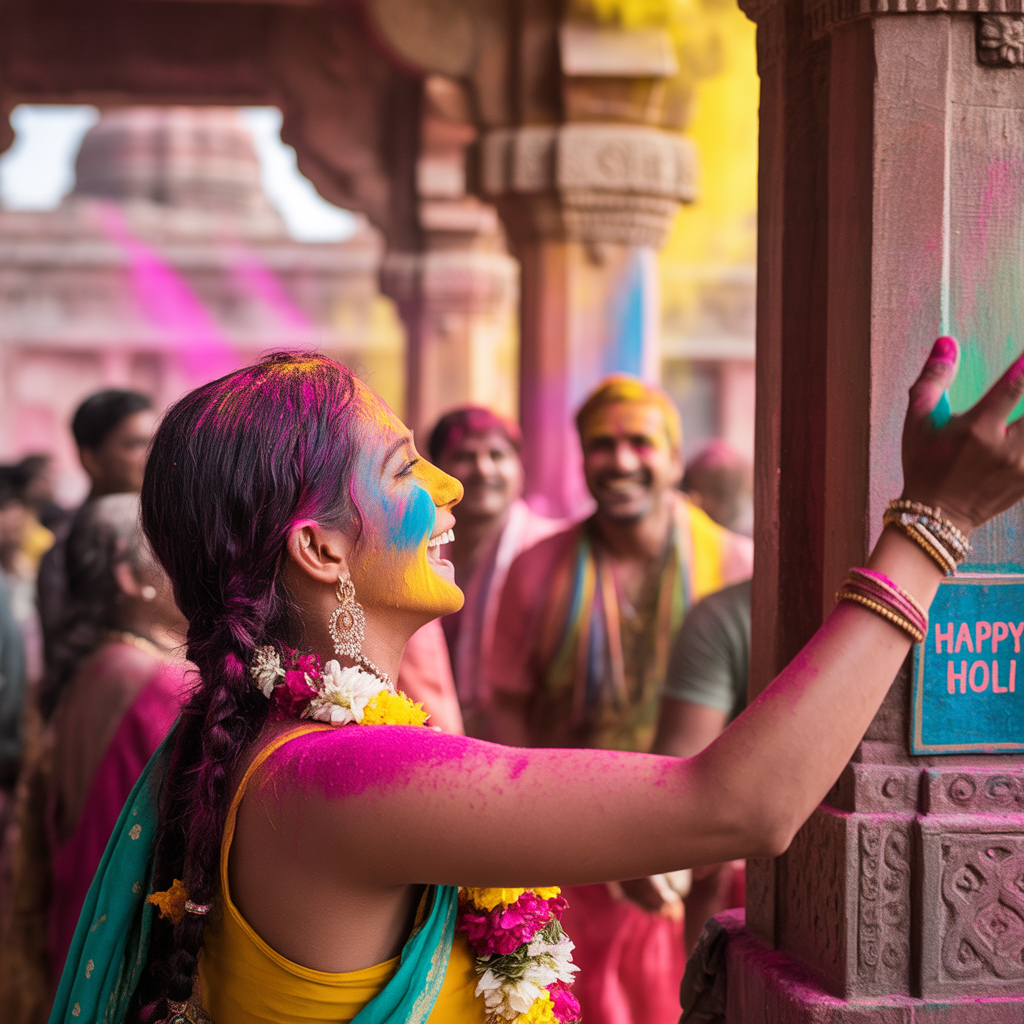
    Celebrated in March, Holi involves throwing vibrant colored powders to welcome spring and celebrate the victory of good over evil. This ancient Hindu festival transforms cities like Jaipur and Mathura into kaleidoscopes of color, where thousands gather for massive public celebrations filled with music, dance, and traditional sweets. The festival represents one of humanity’s most joyful expressions of renewal, community, and spiritual transformation.

    Color Significance

    Each color carries spiritual meaning: red for love and fertility, blue for Krishna, green for new beginnings, yellow for turmeric’s healing properties

    Water Traditions

    Colored water spraying from water guns and balloons adds another dimension to the celebration, creating rainbow showers throughout communities

    Holika Bonfire

    The night before main celebrations, communities gather around bonfires representing the burning away of negativity and evil

    Traditional Foods

    Special sweets like gujiya, mathri, and thandai (spiced milk drink) are shared among families and offered to guests

    Musical Joy

    Traditional folk songs, dhol drums, and dancing create an atmosphere of pure celebration that lasts from dawn to dusk

    Participation Guidelines

    Insider tip: Wear old white clothes that you don’t mind staining permanently, protect electronics with waterproof covers, and join community events for the most authentic experiences.

    The key to enjoying Holi lies in embracing the chaos and surrendering to the festival’s infectious energy. Start early in the morning when celebrations begin, and be prepared for a completely immersive experience where you’ll be covered head-to-toe in brilliant colors by day’s end.

    Holi’s mythological origins center on Lord Krishna’s playful pranks and the concept of spiritual renewal through joy and community celebration. The festival commemorates the love between Krishna and Radha, while also celebrating the defeat of the demoness Holika, symbolizing the triumph of good over evil. These ancient stories provide deep spiritual context to what appears as playful color throwing.

    The festival’s broader significance extends beyond religious boundaries, representing universal themes of forgiveness, renewal, and community bonding. During Holi, social barriers temporarily dissolve as people of all ages, castes, and backgrounds come together in celebration. The act of applying colors to others represents blessing and acceptance, creating moments of human connection that transcend everyday divisions. This spirit of unity and joy makes Holi one of the world’s most emotionally powerful festivals, offering visitors profound insights into Indian philosophy and community values.

    Oktoberfest – Munich, Germany: A Bavarian Celebration of Beer and Tradition

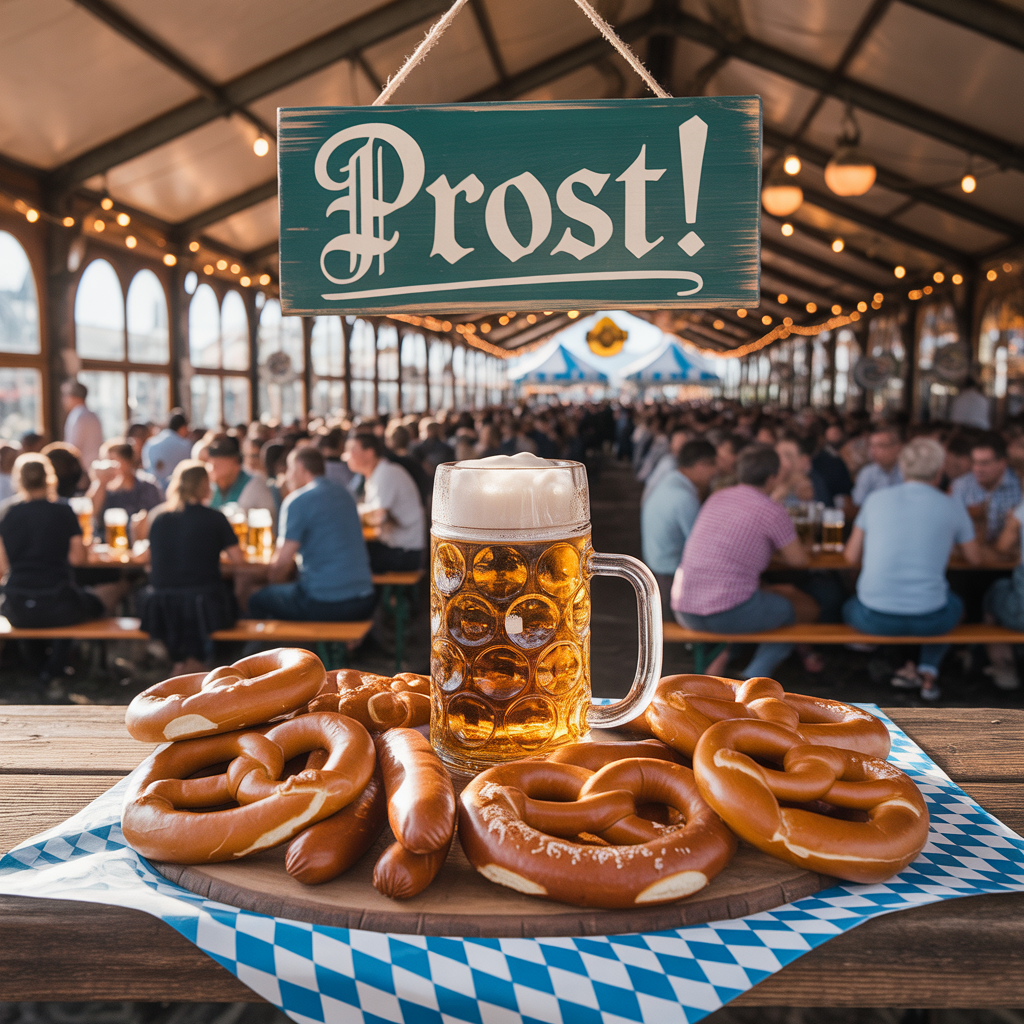
    Running late September to early October, Oktoberfest is the world’s largest beer festival attracting over 6 million visitors annually to Munich’s iconic celebration of Bavarian culture, hospitality, and brewing tradition. This legendary festival combines centuries-old customs with modern celebration, creating an atmosphere where traditional music, authentic costumes, and world-famous beer create an unforgettable cultural experience.

    Traditional Music

    Authentic Bavarian bands perform traditional folk music, polka, and popular songs in massive beer tents, creating an atmosphere of infectious celebration that gets everyone singing and swaying together.

    Cultural Dress

    Lederhosen for men and dirndls for women aren’t just costumes – they’re authentic traditional Bavarian clothing that locals wear with pride, connecting the festival to centuries of regional heritage.

    Beer Garden Community

    Giant beer tents become temporary communities where strangers share tables, stories, and toasts, embodying the Bavarian concept of Gemütlichkeit (cozy togetherness).

    Essential Oktoberfest Experience

    Insider tip: Reserve tables well in advance, especially for weekend visits, as the most popular tents fill up quickly. Each tent offers a unique atmosphere – Hofbräu-Festzelt attracts international visitors, while Augustiner-Festhalle maintains a more local feel.

    Don’t miss traditional Bavarian specialties like massive soft pretzels, weisswurst (white sausage), schweinebraten (roast pork), and sauerkraut. These authentic dishes pair perfectly with Munich’s world-renowned beer and provide insight into regional culinary traditions that have remained largely unchanged for generations.

    The festival’s origins trace back to 1810 when it began as a celebration of Crown Prince Ludwig’s marriage to Princess Therese of Saxony-Hildburghausen. What started as a royal wedding celebration has evolved into a symbol of Bavarian culture that attracts visitors from around the world while maintaining its authentic local character.

    Modern Oktoberfest represents far more than just beer consumption – it’s a celebration of community, tradition, and regional pride that offers visitors genuine insights into Bavarian culture. The festival’s emphasis on quality (only beer brewed within Munich city limits can be served), traditional music, and authentic food creates an experience that honors the past while celebrating the present. This combination of authenticity and accessibility makes Oktoberfest a perfect introduction to German culture and hospitality.

    La Tomatina – Buñol, Spain: The World’s Biggest Tomato Fight

    9:00 AM

    Festival begins with traditional ham climbing competition on a greased pole

    11:00 AM

    Tomato trucks arrive and the great tomato battle commences with water cannons signaling the start

    12:00 PM

    Peak chaos as over 100 tons of overripe tomatoes fill the streets in friendly food fight mayhem

    1:00 PM

    Battle ends with another cannon shot, followed by community cleanup and celebration

    Held on the last Wednesday of August, thousands gather to throw over 100 tons of tomatoes in what has become the world’s most famous food fight. This quirky Spanish festival transforms the small town of Buñol into a red-soaked battlefield where participants engage in harmless combat using only overripe tomatoes as ammunition. The event that started in the 1940s has grown into a must-see cultural tradition that attracts visitors from around the globe.

    The Origins and Evolution

    La Tomatina’s exact origins remain somewhat mysterious, but most accounts trace it back to a spontaneous food fight during a local festival in 1945. What began as a playful altercation between young locals has evolved into an internationally recognized celebration that embodies the Spanish spirit of fun and community.

    The festival reflects Spain’s ability to turn simple concepts into extraordinary celebrations. Despite its playful nature, La Tomatina represents local community spirit and the Spanish love for festive gatherings that bring people together regardless of background or nationality.

    Essential Gear

    Wear protective goggles and completely disposable clothing you can throw away afterward

    Early Arrival

    Arrive early to secure good positioning near the main square before crowds gather

    Follow Rules

    Crush tomatoes before throwing and avoid bringing hard objects into the battle zone

    The festival’s appeal lies in its pure, unadulterated fun – there are no complex cultural protocols to navigate, no religious significance to understand, just the simple joy of engaging in the world’s largest food fight. This accessibility makes La Tomatina particularly appealing to international visitors seeking a unique, lighthearted cultural experience.

    Beyond the tomato-throwing chaos, the festival showcases Spanish hospitality and community spirit. Local residents open their homes for visitors to shower off, businesses adapt to accommodate the annual influx of participants, and the entire town comes together to make the event possible. This community cooperation demonstrates how a simple, playful idea can become a source of local pride and international recognition, proving that cultural celebrations don’t always need ancient origins to become meaningful traditions.

    Naadam Festival – Mongolia: The “Three Manly Games” of Tradition and Sport

    Celebrated mid-July, Naadam features wrestling, horse racing, and archery, showcasing Mongolia’s rich nomadic heritage through competitions that have remained virtually unchanged for centuries. This national holiday represents more than athletic competition – it’s a celebration of Mongolian identity, strength, and the enduring connection between people and the vast steppes that define their homeland.

    Wrestling (Böökh)

    Competitors wear traditional costumes and engage in matches with no time limits or weight classes, testing strength, technique, and endurance in Mongolia’s most revered sport

    Horse Racing

    Child jockeys aged 5-13 race semi-wild horses across 15-30 kilometers of open steppe, demonstrating the deep bond between Mongolians and their horses

    Archery (Sur Kharvaakh)

    Men and women compete separately using traditional composite bows to hit small targets, continuing skills essential for nomadic hunting and warfare

    Cultural Immersion in Ulaanbaatar

    The capital city’s National Sports Stadium hosts the main Naadam ceremonies, featuring grand opening performances with traditional music, dancing, and displays of Mongolian military heritage. The ceremony includes elaborate parades showcasing regional costumes and cultural diversity from across Mongolia’s 21 provinces.

    Insider tip: Attend the opening ceremony for spectacular cultural performances, then explore local food vendors offering traditional dishes like buuz dumplings, airag (fermented mare’s milk), and roasted mutton.

    Naadam is a national holiday symbolizing strength, unity, and nomadic culture that connects modern Mongolia with its ancient traditions. The festival dates back over 800 years to the time of Genghis Khan, when these competitions were used to select the strongest warriors and maintain military readiness. Today, they serve as a celebration of national identity and cultural continuity.

    The festival’s deeper significance lies in its representation of core Mongolian values – respect for nature, physical prowess, and community solidarity. The vast steppes serve as the backdrop for competitions that test the same skills Mongolian ancestors needed for survival. Watching children expertly handle horses that are barely domesticated, witnessing wrestlers perform ancient rituals before matches, and seeing archers maintain traditions passed down through generations provides visitors with profound insights into a culture that has successfully preserved its identity despite centuries of external pressures.

    For international visitors, Naadam offers a rare glimpse into nomadic life and values that have remained largely unchanged despite modernization. The festival demonstrates how traditional cultures can maintain their essence while adapting to contemporary realities, making it both an athletic competition and a living museum of human heritage.

    Fasnacht Carnival – Basel, Switzerland: A Night of Masks and Lanterns

    Starting the Monday after Ash Wednesday, Basel’s Fasnacht is a three-day festival with illuminated lantern parades and masked musicians that creates one of Europe’s most mysterious and artistically sophisticated carnival celebrations. This UNESCO-recognized cultural treasure transforms Switzerland’s oldest university city into a dreamscape of light, music, and social commentary that reflects centuries of Swiss cultural evolution.

    Morgestraich (4 AM Monday)

    The festival begins in complete darkness as thousands of participants parade through medieval streets carrying intricate hand-painted lanterns, creating an otherworldly atmosphere unique in Europe

    Masked Performances

    Participants wear elaborate masks and costumes while playing piccolos and drums, maintaining anonymity that allows for social and political satire

    Artistic Expression

    Each lantern is a unique work of art, often featuring satirical commentary on current events, politics, and social issues through intricate artistic detail

    Understanding the Symbolism

    Insider tip: Join guided tours specifically designed to help visitors understand the symbolism behind the lanterns and costumes, as much of the artistic meaning relates to local politics, current events, and Swiss cultural references that might not be immediately apparent to outsiders.

    The festival’s masks serve multiple purposes – they preserve anonymity, allowing participants to engage in social critique without personal consequences, while also connecting the celebration to ancient traditions of temporary social inversion during carnival season.

    Fasnacht represents a unique blend of medieval traditions with modern artistic expression, creating a carnival unlike any other in Europe. While most carnivals emphasize exuberance and color, Basel’s celebration focuses on artistic sophistication, musical precision, and intellectual commentary. The festival’s restraint and artistic focus reflect distinctly Swiss values while maintaining carnival’s traditional role as a space for social commentary and temporary freedom.

    The three-day celebration follows strict traditions that have evolved over 600 years. Guggenmusik bands (masked musicians) perform throughout the old city, their music echoing off medieval buildings while their lanterns cast dancing shadows on ancient walls. The combination of musical performance, visual art, and social commentary creates a multi-layered cultural experience that engages visitors on intellectual, artistic, and emotional levels.

    For visitors, Basel’s Fasnacht offers insights into Swiss culture’s sophisticated approach to tradition, art, and social expression. The festival demonstrates how carnival traditions can evolve to reflect contemporary values while maintaining historical continuity. This balance between innovation and tradition, combined with the festival’s emphasis on artistic quality and intellectual content, makes Fasnacht a uniquely enriching cultural experience that rewards careful observation and cultural curiosity.

    Timkat Festival – Ethiopia: A Spiritual Epiphany Celebration

    Held January 19-20, Timkat commemorates the baptism of Jesus with colorful processions and water blessings that transform Ethiopia into a spiritual wonderland of devotion and celebration. This most important religious festival in the Ethiopian Orthodox calendar combines ancient Christian traditions with uniquely Ethiopian cultural elements, creating a celebration that offers profound insights into one of Christianity’s oldest continuous traditions.

    Tabot Procession

    Ornate replicas of the Ark of the Covenant (tabots) are carried from churches to water bodies in elaborate processions featuring chanting, incense, and traditional music

    Night Vigil

    Faithful maintain all-night vigils beside the water, praying and chanting in preparation for the morning blessing ceremony

    Water Blessing

    Priests bless the water at dawn, then sprinkle blessed water on participants who believe it provides spiritual cleansing and renewal

    Return Procession

    The tabots are ceremonially returned to their churches, completing the religious cycle and concluding the festival

    Participation and Observation

    Participants wear traditional white cotton garments called netela, creating seas of white fabric that contrast beautifully with the colorful ceremonial umbrellas and religious artifacts carried by clergy. The visual impact of thousands of people dressed in pristine white creates an atmosphere of purity and spiritual devotion.

    Insider tip: Witness the early morning mass at the baptismal site, then join communal feasts where families share traditional foods with visitors, embodying Ethiopian hospitality and community spirit.

    Timkat is one of Ethiopia’s most important religious festivals, blending faith and cultural identity in ways that reveal the deep connections between spirituality and daily life in Ethiopian society. The festival represents the Ethiopian Orthodox Church’s unique interpretation of Christian traditions, incorporating elements that have developed over 1,600 years of continuous practice in isolation from other Christian communities.

    The celebration’s significance extends beyond religious observance to encompass cultural identity, community solidarity, and historical continuity. Ethiopia’s claim to house the original Ark of the Covenant adds profound meaning to the tabot processions, while the festival’s emphasis on water blessing connects participants to both Christian baptismal traditions and ancient Ethiopian beliefs about water’s purifying power.

    For international visitors, Timkat offers rare insights into African Christianity and Ethiopian culture’s sophisticated synthesis of religious devotion, artistic expression, and community celebration. The festival demonstrates how ancient traditions can remain vibrant and meaningful in contemporary contexts, while the warmth and inclusiveness shown to visitors reveals Ethiopian values of hospitality and spiritual openness that have characterized the culture for millennia.

    Conclusion: Planning Your Festival Journey

    Advanced Research

    Research festival dates and local customs well in advance to maximize your experience and avoid disappointment. Many festivals have specific timing that varies year to year, while others require advance ticket purchases or accommodation bookings that fill up months ahead.

    Cultural Sensitivity

    Respect cultural sensitivities and participate with an open heart, remembering that you’re a guest in someone else’s celebration. Learn basic etiquette, dress codes, and appropriate behavior to ensure your participation enhances rather than disrupts the authentic cultural experience.

    Meaningful Memories

    Festivals offer unforgettable memories and deeper understanding of the world’s rich cultural tapestry. These experiences create lasting connections with places and people that extend far beyond typical tourist encounters, often inspiring return visits and lifelong cultural interests.

    Essential Planning Strategies

    Successful festival tourism requires careful preparation that goes beyond booking flights and hotels. Consider factors like weather conditions, crowd management, local transportation during festival periods, and cultural preparation through reading, language learning, or cultural orientation programs.

    Budget considerations should include not just travel costs but also festival-specific expenses like costumes, special foods, entrance fees, and unique souvenirs that commemorate your participation. Many festivals also offer volunteer opportunities that can provide deeper cultural immersion while reducing costs.

    Physical preparation may be necessary for certain festivals – Holi requires stamina for day-long celebrations, La Tomatina demands physical readiness for crowded conditions, and Mongolia’s Naadam involves outdoor activities at high altitude. Research these requirements to ensure you can fully participate in your chosen celebration.

    Book Early

    Secure accommodations and tickets months in advance, especially for popular festivals

    Learn Basics

    Study cultural context, appropriate behavior, and basic local language phrases

    Pack Appropriately

    Research specific clothing, gear, or supplies needed for authentic participation

    Stay Flexible

    Embrace unexpected moments and be open to experiences beyond your planned itinerary

    Start planning your next trip around one of these spectacular celebrations and embrace the joy of cultural immersion that transforms ordinary travel into extraordinary personal growth experiences. Festival tourism offers the opportunity to step outside your comfort zone, challenge preconceptions, and develop a more nuanced understanding of human diversity and creativity.

    The memories created during festival participation often become the most treasured aspects of travel experiences, providing stories, connections, and insights that enrich your life long after returning home. Whether you choose the spiritual depth of Ethiopia’s Timkat, the artistic sophistication of Basel’s Fasnacht, or the pure joy of Thailand’s Songkran, festival tourism offers pathways to authentic cultural exchange that conventional tourism simply cannot match.

    Hashtags to Share Your Festival Adventure

    #FestivalTourism

    Connect with fellow festival travelers and discover new celebrations worldwide

    #CulturalCelebrations

    Share authentic cultural experiences and traditional festival moments

    #TravelTheWorld

    Inspire others to explore global destinations through cultural festivals

    #SongkranFestival

    Thailand’s incredible water celebration that brings joy to millions of participants annually

    #DayOfTheDead

    Mexico’s beautiful tribute to ancestors with colorful altars and spiritual remembrance

    #RioCarnival

    Brazil’s ultimate samba spectacle featuring elaborate parades and street celebrations

    #HoliFestival

    India’s vibrant festival of colors celebrating spring, renewal, and community unity

    #Oktoberfest

    Germany’s legendary beer festival showcasing Bavarian culture and hospitality

    #LaTomatina

    Spain’s playful tomato fight bringing communities together through joyful chaos

    #NaadamFestival

    Mongolia’s traditional sports celebration honoring nomadic heritage and strength

    Use these hashtags to connect with fellow festival enthusiasts, share your incredible experiences, and inspire others to embark on their own cultural celebration adventures. Festival tourism creates communities of travelers who appreciate authentic cultural experiences and meaningful connections with local traditions.

    When sharing your festival experiences online, remember to be respectful of local customs and people’s privacy. Focus on capturing the joy, beauty, and cultural significance of these celebrations while being mindful of sacred or sensitive moments that might be better experienced than photographed. Your posts can serve as inspiration for others while contributing to respectful cultural exchange and understanding.

  • Discover immersive experiences that connect you directly with master craftspeople, where ancient techniques come alive through your own hands and cultural heritage finds its future guardians.

    Introduction: The Living Legacy of Traditional Craftsmanship

    Traditional craftsmanship represents far more than mere manual skills—it embodies the accumulated wisdom, cultural values, and artistic vision of countless generations. According to UNESCO, these practices form a vital component of intangible cultural heritage, serving as living bridges between our ancestors and future generations. Each technique, tool, and creative process carries within it the stories, beliefs, and innovations of entire communities.

    In our rapidly modernizing world, hands-on workshops have emerged as essential sanctuaries where these ancestral techniques can be learned, practiced, and preserved. These immersive experiences offer participants the rare opportunity to step into the shoes of master artisans, learning directly from those who have dedicated their lives to perfecting their craft. Through the intimate act of creation—feeling clay respond to touch, watching metal bend under hammer blows, or seeing patterns emerge in woven fabric—participants develop a deep appreciation for the complexity and beauty of traditional craftsmanship.

    Beyond individual learning, these workshops serve a broader mission of cultural preservation and community empowerment. They provide sustainable economic opportunities for local artisans while ensuring that invaluable skills and knowledge are not lost to the forces of globalization and mass production. By supporting and participating in these programs, we become active participants in preserving humanity’s diverse creative heritage.

    UNESCO Recognition: Traditional craftsmanship is officially recognized as intangible cultural heritage, emphasizing its importance to human cultural diversity and creativity.

    The Importance of Preserving Ancestral Techniques

    Woodcarving & Sculpture

    From intricate Japanese joinery to elaborate European baroque carvings, woodworking traditions reflect unique relationships between communities and their natural environments. Each culture has developed distinct tools, techniques, and aesthetic principles.

    Textile & Weaving

    Weaving patterns often encode cultural symbols, historical events, and social hierarchies. Traditional looms and dyeing techniques using local plants create textiles that are both functional art and cultural documents.

    Pottery & Ceramics

    Clay working techniques vary dramatically across cultures, from Japanese raku firing to Native American coil building. Each method reflects local clay properties, available fuels, and cultural aesthetics.

    Metalwork & Jewelry

    Blacksmithing, silver smithing, and bronze casting require intimate knowledge of materials and fire. Traditional techniques often incorporate spiritual or ceremonial elements alongside practical applications.

    The urgency of preservation becomes clear when we consider the mounting threats these traditions face. Globalization has created markets flooded with mass-produced alternatives that, while cheaper and more readily available, lack the soul, uniqueness, and cultural significance of handcrafted items. Young people increasingly migrate to urban centers seeking modern careers, leaving fewer apprentices to learn from aging masters.

    Workshops serve as crucial intervention points in this narrative of cultural loss. They create structured environments where knowledge transfer can occur systematically, where the subtle nuances of technique can be properly transmitted, and where the cultural context surrounding each craft can be shared alongside the practical skills. UNESCO’s Convention for Safeguarding Intangible Cultural Heritage specifically recognizes the importance of such transmission mechanisms in maintaining cultural diversity.

    “When an old craftsman dies, a library burns down.” This African proverb captures the devastating loss that occurs when traditional knowledge is not passed on. Workshops ensure these living libraries continue to enrich our world.

    Immersive Artisan Experiences Around the World

    Across the globe, innovative programs are connecting traditional artisans with eager learners, creating bridges between cultures while preserving invaluable skills. These initiatives demonstrate how modern organizational approaches can support ancient crafts.

    Smithsonian Artisan Initiative

    This groundbreaking program fosters cross-cultural exchanges and skill-building workshops that connect artisans internationally. The Kazakhstan Artisan Initiative exemplifies this approach, where American and Kazakhstani craftspeople collaborate on traditional felt-making and metalwork techniques. Participants learn not just technical skills but gain deep cultural insights through shared creative experiences.

    • International collaboration and knowledge sharing
    • Focus on both technical and cultural transmission
    • Support for artisan economic development

    My Handmade Armenia

    This remarkable initiative has revitalized regional crafts including traditional wood carving, carpet weaving, and ceramic production. By combining ancestral techniques with contemporary product design and modern marketing strategies, the program has created sustainable livelihoods for rural artisans while preserving cultural heritage.

    • Integration of traditional skills with modern business practices
    • Focus on rural economic development
    • Emphasis on authentic cultural expression

    Royal Textile Academy, Bhutan

    Partnering with international experts, this academy sustains Bhutan’s traditional weaving heritage through comprehensive education programs, cultural research, and youth engagement initiatives. Students learn complex techniques like supplementary weft weaving while understanding the spiritual and social significance of textiles in Bhutanese culture.

    • Formal educational structure supporting traditional crafts
    • Research and documentation of techniques
    • Strong youth engagement programs

    These programs demonstrate that successful craft preservation requires more than just teaching techniques—it demands holistic approaches that address economic sustainability, cultural context, and community needs. By creating networks of artisans and learners across cultural boundaries, these initiatives ensure that traditional knowledge remains vibrant and relevant in our interconnected world.

    Case Study: Peters Valley School of Craft – A Hub for Hands-On Learning

    Nestled in the scenic Delaware Water Gap National Recreation Area, Peters Valley School of Craft stands as a beacon for traditional craftsmanship education. Since its founding in 1970, this unique institution has created a vibrant ecosystem where emerging and established artists come together to explore, learn, and preserve time-honored techniques while fostering contemporary innovation.

    Workshop Offerings

    • Blacksmithing: Traditional forge work and tool making
    • Ceramics: Hand-building and wheel throwing techniques
    • Fiber Arts: Weaving, dyeing, and textile creation
    • Jewelry Making: Metalsmithing and stone setting
    • Woodworking: Fine furniture and sculptural techniques
    • Photography: Alternative processes and darkroom work

    Immersive Learning Environment

    Students work in dedicated studios equipped with professional-grade tools and equipment, learning in the same spaces where master craftspeople have perfected their skills. The residential nature of many workshops creates intensive learning experiences where participants can focus entirely on their craft.

    Master Artist Instruction

    Workshops are led by renowned artisans who bring decades of experience and unique perspectives to their teaching. These masters share not only technical knowledge but also the philosophy, history, and cultural significance behind their crafts.

    Community Building

    The school fosters a supportive community where artists of all levels can connect, collaborate, and inspire one another. Evening critiques, shared meals, and informal discussions create networks that extend far beyond the workshop experience.

    Accessibility and Inclusion

    Peters Valley welcomes participants regardless of skill level, from complete beginners to advanced practitioners seeking to refine their techniques. Scholarship programs ensure that financial barriers don’t prevent passionate learners from participating.

    What sets Peters Valley apart is its commitment to maintaining the highest standards of craftsmanship education while remaining accessible and welcoming. The school’s approach recognizes that traditional techniques must evolve and adapt to remain relevant, encouraging students to find their own voices within established traditions. This balance between preservation and innovation has made Peters Valley a model for craft education worldwide.

    The impact extends far beyond individual learning experiences. Many graduates go on to establish their own studios, teach workshops, or become advocates for traditional crafts in their communities. This ripple effect multiplies the school’s influence, creating a network of craftspeople committed to preserving and advancing traditional techniques for future generations.

    The Role of Workshops Supporting Local Communities

    Traditional craft workshops serve as powerful catalysts for community development, creating sustainable economic opportunities while preserving cultural identity. These programs recognize that craftsmanship is not merely about creating objects—it’s about maintaining the social fabric that gives communities their unique character and resilience.

    Economic Empowerment

    Workshops provide artisans with direct access to broader markets, helping them move beyond selling simple souvenirs to creating valued artistic works. Training in business skills, product photography, and online marketing enables craftspeople to reach international customers and command fair prices for their expertise.

    • Market access and value chain development
    • Business skills training and mentorship
    • Direct trade relationships with consumers

    Cultural Recognition

    The African American Craft Initiative exemplifies how workshops can amplify marginalized artisan voices, ensuring equitable access to resources and platforms for cultural expression. These programs validate traditional knowledge systems and provide space for communities to share their stories on their own terms.

    • Platform for underrepresented voices
    • Validation of traditional knowledge systems
    • Cultural storytelling and narrative control

    Youth Engagement

    Specialized programs address the challenge of attracting young people to traditional crafts by offering modern incentives, abbreviated learning paths, and connections to contemporary applications. Mentorship programs pair experienced artisans with youth, creating supportive relationships that extend beyond technical training.

    • Modern learning approaches and incentives
    • Mentorship and community support
    • Career pathway development

    Breaking Down Barriers

    Traditional apprenticeship systems, while valuable, often present barriers to broader participation:

    • Lengthy time commitments
    • Trade secrecy and exclusivity
    • Gender or social restrictions
    • Geographic limitations

    Modern workshops address these challenges by creating more accessible entry points while maintaining the depth and authenticity of traditional learning. They democratize access to specialized knowledge while respecting the cultural protocols surrounding these crafts.

    Success stories from around the world demonstrate the transformative power of community-focused craft workshops. In rural Guatemala, weaving cooperatives have enabled indigenous women to maintain their textile traditions while achieving economic independence. In Morocco, pottery workshops have revitalized ancient techniques while creating employment for urban youth. These examples show that when workshops are designed with community needs at their center, they become powerful tools for cultural preservation and social development.

    Community Impact: Well-designed craft workshops don’t just preserve techniques—they strengthen communities by creating economic opportunities, fostering intergenerational knowledge transfer, and building cultural pride.

    Hands-On Learning: Techniques and Tools in Traditional Craftsmanship

    The power of experiential learning in traditional crafts cannot be overstated. When participants engage directly with authentic materials and tools, using methods refined over generations, they develop an intimate understanding that goes far beyond what any book or video could provide. This tactile learning experience creates lasting connections between maker, material, and cultural tradition.

    Material Connection

    Learning begins with understanding materials—feeling the grain of wood, sensing clay’s plasticity, or understanding metal’s response to heat. This sensory knowledge forms the foundation of all craft expertise.

    Tool Mastery

    Traditional tools often embody generations of refinement. Learning to use a drawknife, pottery wheel, or weaving loom connects makers to the accumulated wisdom of countless craftspeople.

    Technique Transmission

    Master craftspeople demonstrate subtle techniques that can only be learned through observation and practice. The angle of a chisel, the rhythm of weaving, or the timing of kiln firing require hands-on experience.

    Cultural Context

    Workshops include storytelling, historical background, and cultural significance, enriching the technical learning with deeper understanding of the craft’s role in community life.

    The Winterthur Museum’s Craft and Conservation workshop exemplifies this comprehensive approach to hands-on learning. Participants work with historic materials and replicate period techniques, gaining insights that benefit makers, conservators, and cultural historians alike. This type of experiential education creates advocates who understand the true value and complexity of traditional craftsmanship.

    Learning Outcomes

    • Technical Proficiency: Hands-on practice develops muscle memory and intuitive understanding of craft processes
    • Problem-Solving Skills: Working with natural materials teaches adaptation and creative problem-solving
    • Cultural Appreciation: Direct experience fosters respect for the complexity and beauty of traditional knowledge
    • Quality Discernment: Makers develop the ability to distinguish quality craftsmanship from mass-produced alternatives

    Research Finding: Studies show that hands-on learning in traditional crafts improves spatial reasoning, fine motor skills, and creative problem-solving abilities while building cultural knowledge and appreciation.

    This experiential approach also bridges important gaps between different types of learners and cultural backgrounds. When participants from diverse backgrounds work side by side, sharing tools and techniques, they develop mutual understanding and respect. The workshop environment becomes a space for cultural exchange where differences are celebrated rather than barriers to overcome.

    The storytelling component of these workshops deserves special attention. Master craftspeople often share not just technical knowledge but also the legends, beliefs, and historical events associated with their crafts. These narratives transform the learning experience from simple skill acquisition into cultural transmission, helping participants understand their place in a continuing tradition that spans generations.

    Challenges and Innovations in Craft Preservation

    While traditional craft workshops represent hope for cultural preservation, they operate within a complex landscape of challenges that require innovative solutions. Understanding these obstacles and the creative responses they have inspired is crucial for anyone seeking to support or participate in craft preservation efforts.

    Environmental Pressures

    Climate change and resource depletion threaten the raw materials essential to many traditional crafts. Deforestation eliminates specific wood species used for carving, while pollution affects natural dyestuffs and clay deposits. Workshops are responding by developing sustainable sourcing practices, teaching material conservation techniques, and exploring eco-friendly alternatives that maintain traditional aesthetics.

    • Sustainable sourcing and conservation practices
    • Development of eco-friendly material alternatives
    • Education about environmental stewardship

    Urbanization and Cultural Shift

    As populations move to cities and lifestyles modernize, demand for traditional crafts often declines. Young people may view these skills as outdated or economically unviable. Innovative workshops address this by highlighting contemporary applications, integrating traditional techniques with modern design, and demonstrating the therapeutic and creative benefits of handcraft in our digital age.

    • Integration of traditional and contemporary design
    • Emphasis on wellness and creative fulfillment
    • Modern marketing and presentation approaches

    Digital Disruption and Opportunity

    While digital technology initially seemed to threaten traditional crafts, innovative programs now leverage technology for preservation and transmission. Virtual reality workshops allow global access to traditional techniques, while digital documentation preserves detailed knowledge for future generations. Social media platforms help artisans reach wider audiences and build communities of practice.

    • Virtual and hybrid workshop formats
    • Digital documentation and knowledge preservation
    • Online communities and marketing platforms

    Perhaps the most significant innovation in craft preservation has been the development of adaptive teaching methods that maintain authenticity while meeting contemporary learning preferences. Programs now offer intensive weekend workshops for busy professionals, online components that extend in-person learning, and modular approaches that allow participants to build skills progressively over time.

    Collaborative networks have also emerged as powerful preservation tools. The World Crafts Council, for example, connects artisans globally, facilitating knowledge exchange and mutual support. These networks help individual craftspeople overcome isolation while creating opportunities for cross-cultural learning and innovation within traditional frameworks.

    Innovation Examples

    • Micro-credentials for traditional skills
    • Pop-up workshops in urban spaces
    • Artisan residency programs
    • Craft-based therapy programs

    Financial sustainability remains a critical challenge, but innovative funding models are emerging. Social enterprises combine craft preservation with sustainable development goals, attracting impact investors. Crowdfunding platforms enable artisans to launch workshops and preserve techniques while building communities of supporters. Corporate partnerships provide funding while giving companies authentic cultural connections for their brands.

    “Innovation in tradition doesn’t mean abandoning authenticity—it means finding new ways to ensure these invaluable cultural treasures remain alive and accessible for future generations.”

    How to Find and Participate in Traditional Craft Workshops

    Discovering authentic traditional craft workshops requires knowing where to look and what to look for. The best programs combine technical skill transmission with cultural education, community support, and genuine respect for traditional knowledge systems. Here’s your comprehensive guide to finding and choosing meaningful workshop experiences.

    Research Cultural Heritage Organizations

    Start with established institutions like the Smithsonian Artisan Initiative, UNESCO Creative Cities Network, and regional cultural centers. These organizations maintain databases of authentic programs and can connect you with reputable artisans and workshops worldwide.

    Connect with Craft Schools and Institutions

    Specialized institutions like Peters Valley School of Craft, Penland School of Craft, and Anderson Ranch Arts Center offer structured programs with master artisans. International options include craft schools in Scandinavia, artisan cooperatives in South America, and traditional academies in Asia.

    Explore Cultural Travel Programs

    Educational travel companies increasingly offer craft-focused tours that combine cultural immersion with hands-on learning. Peters Valley’s Arts & Craft Tour of Japan, for example, provides access to master craftspeople and authentic workshop experiences within cultural context.

    Engage with Local Artisan Networks

    Many communities have guilds, cooperatives, or informal networks of traditional craftspeople. Local museums, cultural centers, and community colleges often host or can recommend authentic workshop experiences with local artisans.

    What to Look For in Quality Programs

    Authentic skill transmission: Workshops should be led by recognized masters or experienced practitioners with verifiable expertise in their craft traditions.

    Cultural context: Quality programs include historical background, cultural significance, and storytelling alongside technical instruction.

    Community connection: Look for workshops that support local artisan communities and provide fair compensation to instructors.

    Red Flags to Avoid

    Cultural appropriation: Avoid programs that trivialize sacred or ceremonial aspects of traditional crafts or lack proper cultural protocols.

    Inauthentic experiences: Be wary of workshops that prioritize entertainment over genuine skill transmission or use mass-produced materials instead of traditional ones.

    Exploitative practices: Ensure that programs fairly compensate local artisans and contribute positively to their communities.

    Preparation Tips

    • Skill Level Honesty: Be realistic about your experience level and choose appropriate workshops
    • Physical Requirements: Consider the physical demands of different crafts and your own abilities
    • Time Commitment: Understand the time required for meaningful skill development
    • Cultural Sensitivity: Research cultural protocols and show respect for traditions

    Pro Tip: Many workshops offer beginner-friendly introductory sessions that let you explore different crafts before committing to intensive programs.

    Consider starting with local opportunities before traveling internationally. Many communities have hidden gems—local artisans who are happy to share their knowledge with respectful students. Community colleges, senior centers, and cultural organizations often host workshops or can connect you with local craftspeople.

    For international experiences, research visa requirements, language barriers, and cultural expectations well in advance. Some of the most rewarding workshops occur in remote locations where traditional crafts remain integral to daily life, but these require more planning and cultural preparation.

    Remember that participating in traditional craft workshops is about more than acquiring new skills—it’s about becoming part of a living tradition and supporting its continuation. Approach these experiences with humility, respect, and genuine curiosity about the cultural heritage you’re helping to preserve.

    Conclusion: Crafting a Future Rooted in Heritage

    As we stand at the crossroads of rapid technological advancement and cultural preservation, hands-on traditional craft workshops emerge as vital bridges connecting our heritage with our future. These immersive experiences represent far more than educational opportunities—they are acts of cultural stewardship that ensure the wisdom of generations continues to enrich our world.

    Throughout this exploration, we’ve seen how workshops serve multiple crucial functions in our global community. They provide sustainable economic opportunities for artisans while preserving irreplaceable cultural knowledge. They create spaces for intergenerational learning where master craftspeople can pass on not just techniques but also the stories, values, and worldviews embedded within their traditions. They foster cross-cultural understanding as participants from diverse backgrounds come together in shared creative endeavors.

    Community Impact

    Supporting local artisans and cultural preservation

    Educational Value

    Deep learning through hands-on experience

    Cultural Heritage

    Preserving traditions for future generations

    Creative Growth

    Developing artistic skills and cultural appreciation

    Global Connection

    Building bridges across cultures and communities

    The future of traditional craftsmanship depends on our collective commitment to valuing and supporting these practices. Every person who participates in a workshop, every organization that funds preservation programs, and every community that welcomes cultural learners contributes to a global effort to maintain humanity’s creative diversity.

    As participants in these workshops, we become more than students—we become guardians of living traditions. The skills we learn, the relationships we build, and the appreciation we develop create ripple effects that extend far beyond our individual experiences. We carry these traditions into our communities, share them with others, and help ensure their survival in an ever-changing world.

    A Call to Action: The preservation of traditional craftsmanship is not just about maintaining old techniques—it’s about enriching our collective human heritage and ensuring that future generations inherit a world rich in cultural diversity and creative wisdom.

    The workshops profiled in this exploration—from Peters Valley’s comprehensive programs to community-based initiatives worldwide—demonstrate that when we invest in traditional craftsmanship, we invest in cultural resilience, economic sustainability, and human connection. They prove that in our digital age, the ancient human impulse to create with our hands remains not only relevant but essential.

    By embracing and promoting these experiences, we participate in one of humanity’s most enduring traditions: the passing of knowledge, skill, and wisdom from one generation to the next. In doing so, we craft not just objects of beauty and utility, but a future rooted in the rich heritage of our collective past.

    Hashtags to Connect and Amplify

    Join the global conversation about traditional craftsmanship and help amplify these important preservation efforts by using these hashtags in your social media posts, workshop photos, and craft-related content.

    #TraditionalCraftsmanship

    Connect with the broader community of craft enthusiasts and preservationists

    #CulturalHeritage

    Highlight the cultural significance and historical importance of traditional crafts

    #ArtisanWorkshops

    Share your workshop experiences and discover new learning opportunities

    #HandmadeSkills

    Celebrate the value of manual dexterity and traditional techniques

    #CraftPreservation

    Support efforts to maintain and document traditional craft knowledge

    #AncestralTechniques

    Honor the wisdom and methods passed down through generations

    #SupportLocalArtisans

    Promote fair trade and sustainable support for craft communities

    #CraftEducation

    Advocate for traditional craft learning opportunities and programs

    #SustainableCrafts

    Emphasize environmentally conscious approaches to traditional making

    #LivingTraditions

    Celebrate crafts as dynamic, evolving cultural practices

    These hashtags serve as digital gathering points for a global community passionate about preserving traditional craftsmanship. By using them consistently, you help create visibility for artisan workshops, connect with like-minded individuals, and contribute to a growing movement that values cultural heritage and hands-on learning.

    Share Your Story: When posting about your craft workshop experiences, include photos of your work, insights about the techniques you learned, and appreciation for the artisans who shared their knowledge. Your posts can inspire others to seek out similar experiences and support traditional craft preservation efforts.

    Remember to always ask permission before photographing artisans or their work, and respect any cultural protocols around sharing images of traditional crafts or sacred techniques.

  • In an era where travel photography shapes global perceptions and social media narratives, the responsibility to capture images ethically has never been more critical. This comprehensive guide explores how to create meaningful visual stories while honoring the dignity, privacy, and cultural heritage of the communities we visit.

    Introduction: Why Ethical Travel Photography Matters

    Powerful Storytelling

    Photography preserves memories and shares stories across cultures, but this power comes with profound responsibility to represent subjects authentically and respectfully.

    Preventing Exploitation

    Unethical photography can exploit individuals and communities, perpetuate harmful stereotypes, and damage the trust between travelers and local populations.

    Fostering Connection

    Ethical photography honors local customs, respects individual dignity, and creates opportunities for genuine cultural exchange and understanding.

    Travel photography has evolved far beyond simple documentation of places visited. In today’s interconnected world, every image we capture and share contributes to global narratives about different cultures, communities, and ways of life. When done thoughtfully, photography can bridge cultural divides, challenge misconceptions, and celebrate human diversity. However, when approached carelessly or exploitatively, it can reinforce stereotypes, violate privacy, and cause real harm to vulnerable communities.

    The rise of social media has amplified both the reach and impact of travel photography. A single image can go viral, bringing sudden attention—both positive and negative—to previously unknown destinations and communities. This unprecedented reach makes it essential for every traveler with a camera to understand their ethical obligations. The question is no longer just “Can I take this photo?” but “Should I take this photo, and if so, how can I do it respectfully?”

    This comprehensive guide offers practical principles and actionable tips to help travelers navigate the complex ethical landscape of photography. By following these guidelines, you can create meaningful images that preserve memories, share stories, and build connections while maintaining the highest standards of respect and integrity. Remember that ethical photography is not about limiting creativity—it’s about channeling that creativity in ways that honor and empower the subjects and communities we encounter on our journeys.

    Ask Permission: The Foundation of Respectful Photography

    The Power of Consent

    Seeking permission before photographing people represents the fundamental principle of ethical travel photography. This simple act transforms photography from a potentially exploitative practice into an opportunity for genuine human connection. When you ask permission, you acknowledge the subject as a complete person with agency over their own image, rather than treating them as merely another element in your composition.

    The process of asking permission often yields unexpected benefits beyond ethical compliance. Many photographers report that their best portraits come from situations where they took time to engage with subjects, explain their intentions, and build rapport before raising their cameras. This approach frequently results in more natural, authentic expressions as subjects become comfortable and willing participants rather than unwitting subjects.

    Different cultures have varying comfort levels with photography, and what might be acceptable in one context could be deeply offensive in another. Religious sites, for example, may have strict prohibitions against photography, while some communities view cameras with suspicion due to past negative experiences with tourists or media. By always asking first, you demonstrate respect for local customs and individual boundaries.

    Practical Approaches

    • Learn basic phrases like “May I take your photo?” in the local language
    • Use universal gestures like pointing to your camera and raising eyebrows questioningly
    • Start conversations before introducing photography
    • Be prepared to accept “no” gracefully without argument
    • Consider offering to share the photo with your subject

    “In markets or villages, approach vendors or locals, engage in conversation, then politely ask to take their photo. This builds trust and often results in much more compelling images than candid shots taken without consent.”

    The digital age has complicated consent in new ways. While someone might agree to have their photo taken, they may not realize that image could end up on social media platforms viewed by millions. Part of ethical photography now involves helping subjects understand how their images might be used and shared. This doesn’t mean you need to provide a legal disclaimer for every photo, but it does mean being transparent about your intentions, especially if you plan to use images professionally or share them widely online.

    Remember that consent can be withdrawn at any time. If someone initially agrees to be photographed but later changes their mind, respect their wishes immediately. Delete the photos if requested, and don’t argue about artistic vision or the quality of the shots. The person’s comfort and dignity must always take precedence over your photographic goals.

    Protecting Children: Prioritize Safety and Privacy

    Guardian Consent Required

    Never photograph children without explicit permission from parents or guardians. Children cannot provide informed consent, making adult approval essential for ethical photography involving minors.

    Rights and Protection

    Children have fundamental rights to privacy and protection. Unauthorized photos can expose them to potential harm, misuse, or unwanted attention from strangers online.

    Natural Interactions

    Avoid pressuring children to pose or perform. Let them remain children without feeling obligated to become photo subjects for tourists’ entertainment.

    Children are among the most vulnerable subjects in travel photography, yet they’re often the most photographed. Their innocence, expressiveness, and natural curiosity make them compelling subjects, but this same vulnerability requires extra layers of protection and consideration. International guidelines, including UNICEF’s Convention on the Rights of the Child, emphasize that children’s dignity, privacy, and best interests must always be the primary concern.

    The exploitation potential is particularly high when photographing children in developing countries or marginalized communities. Images of children in poverty, distress, or unusual circumstances can perpetuate harmful stereotypes and potentially put those children at risk. Some unscrupulous individuals have been known to use such images for fundraising scams or other exploitative purposes, making it crucial to consider the long-term implications of every photograph.

    Best Practices

    • Always obtain permission from parents or guardians first
    • Explain how the images will be used
    • Consider the child’s own comfort level
    • Avoid photographing children in vulnerable situations
    • Be extra cautious about sharing images online

    Red Flags to Avoid

    • Taking photos of children without supervision present
    • Offering money or gifts in exchange for photos
    • Photographing children in states of undress
    • Ignoring signs of discomfort or distress
    • Using images to solicit donations or support

    Consider also the cultural context surrounding childhood and photography. In some cultures, there are specific beliefs about cameras and souls, or restrictions about photographing children during certain ages or ceremonies. Research local customs beforehand, and always err on the side of caution when it comes to children’s welfare and cultural sensitivity.

    Avoid Stereotypes and “Poverty Porn”: See Beyond the Surface

    One of the most insidious forms of unethical travel photography is the perpetuation of harmful stereotypes through selective image-making. “Poverty porn”—the voyeuristic depiction of disadvantaged communities for emotional impact—has become increasingly problematic in the social media age. This approach reduces complex communities to simplified narratives of suffering or exoticism, stripping away the dignity, agency, and multifaceted humanity of the people being photographed.

    Challenge the Western Gaze

    Be mindful of unconscious biases that can objectify or romanticize poverty and difference. Question whether your photographic choices reflect genuine curiosity or preconceived notions about “exotic” cultures.

    Portray Complete Humanity

    Show people as whole individuals with strengths, stories, dreams, and dignity—not just as subjects defined by their circumstances or differences from your own experience.

    Create Balanced Narratives

    Highlight resilience, culture, joy, and everyday life to create empowering stories that celebrate human diversity rather than exploiting vulnerability for dramatic effect.

    The “Western gaze” in photography often unconsciously seeks out images that confirm existing stereotypes or fulfill expectations about what certain places and people “should” look like. This can lead to a disproportionate focus on poverty, conflict, or cultural practices that seem exotic to outsiders, while ignoring the mundane realities, achievements, and aspirations that make up most people’s lives. Such selective representation can have real-world consequences, affecting everything from tourism development to international aid distribution.

    Instead of This

    • Only photographing extreme poverty
    • Focusing solely on “exotic” practices
    • Capturing people only in distress
    • Emphasizing differences as curiosities
    • Creating images that inspire pity

    Try This Instead

    • Document everyday life and celebrations
    • Show people in empowering contexts
    • Capture moments of joy and connection
    • Highlight shared human experiences
    • Focus on resilience and creativity

    True ethical photography requires moving beyond surface-level observations to develop a more nuanced understanding of the communities you’re visiting. This means spending time learning about local history, current challenges and achievements, and the aspirations of the people you meet. It means recognizing that every community—regardless of economic circumstances—has rich cultural traditions, innovative solutions to problems, and individuals with complex inner lives deserving of respectful representation.

    Engage and Collaborate: Build Genuine Connections

    The Power of Authentic Interaction

    The most powerful travel photography emerges from genuine human connections rather than superficial tourist encounters. Taking time to engage meaningfully with local communities transforms both the photographic experience and the resulting images. When you invest in understanding people’s stories, cultural contexts, and personal perspectives, your photographs naturally become more authentic, respectful, and compelling.

    Start with Conversation

    Begin every interaction as a person first, photographer second. Ask about daily life, local customs, and personal interests before introducing your camera.

    Listen and Learn

    Practice active listening to understand cultural contexts, individual stories, and community perspectives that inform respectful photography.

    Collaborate, Don’t Extract

    Involve subjects in the creative process when appropriate, asking for their input on compositions or preferred representations.

    Share the Results

    Offer printed photos or digital copies to subjects as gestures of goodwill and reciprocity in the photographic exchange.

    Collaboration in photography can take many forms, from simply asking subjects how they’d like to be portrayed to involving them in the creative process itself. Some photographers carry instant cameras or portable printers to share images immediately, creating positive feedback loops that strengthen relationships and often lead to more opportunities for authentic photography. This approach recognizes that photography should be a reciprocal exchange rather than a one-way extraction of images.

    “I always travel with a small photo printer. When I photograph street vendors in local markets, I print a copy for them immediately. You should see their faces light up! It’s created some of the most meaningful connections of my travels, and many have invited me to photograph their families or local events.”

    — Maria Santos, Travel Photographer

    Building genuine connections often requires slowing down and resisting the tourist impulse to cover as much ground as possible. The photographers who create the most impactful work often spend extended time in fewer locations, developing relationships that allow for deeper access and more nuanced storytelling. This approach not only improves the quality of your photography but also enriches your travel experience immeasurably.

    Consider learning basic phrases in local languages, understanding cultural etiquette, and showing genuine interest in daily life beyond tourist attractions. These efforts demonstrate respect and often open doors to photographic opportunities that would otherwise remain inaccessible. Remember that every person you photograph has a complete life story—your brief interaction is just a small moment in their larger narrative.

    Be Mindful of Location and Impact: Geotagging and Environmental Sensitivity

    Digital Responsibility

    • Avoid precise geotagging of vulnerable locations
    • Consider environmental impact of shared locations
    • Protect wildlife from disturbance and poaching
    • Respect private property and sacred spaces
    • Research local photography restrictions

    The digital age has introduced new ethical considerations around location sharing and environmental impact. Social media’s power to drive tourism has created situations where pristine natural areas, fragile ecosystems, and small communities become overwhelmed by visitors seeking to recreate popular photographs. This phenomenon, sometimes called “geotagging destruction,” can cause irreversible damage to the very places we seek to celebrate through photography.

    Before Visiting

    Research local customs, photography restrictions, and environmental sensitivities. Understand cultural significance of locations and appropriate behavior.

    During Photography

    Minimize environmental disturbance, respect boundaries, and avoid disrupting wildlife or cultural practices for photo opportunities.

    When Sharing

    Use general location tags (country/region) rather than exact coordinates. Consider the potential impact of increased visitation on fragile areas.

    Wildlife photography presents particular ethical challenges. The desire for dramatic close-up shots can lead to dangerous situations for both photographers and animals. Disturbing wildlife for photographs can disrupt feeding, mating, and nesting behaviors, potentially causing long-term harm to individual animals and entire populations. Ethical wildlife photography requires patience, telephoto lenses, and a commitment to observing from appropriate distances.

    Sacred and culturally significant sites deserve special consideration. Many indigenous communities have specific protocols around photography in ceremonial areas, burial grounds, or places of worship. Some locations may be completely off-limits to cameras, while others may allow photography with certain restrictions. Always research these cultural guidelines before visiting and respect them absolutely, even if you don’t fully understand the reasoning behind them.

    Pro Tip: Instead of tagging exact coordinates, use general location references like “Northern Thailand” or “Patagonia Region.” This allows you to share your experiences without contributing to potential over-tourism or environmental damage.

    Consider the broader impact of your photographic choices on local communities and environments. While one Instagram post might seem harmless, the cumulative effect of thousands of similar posts can transform quiet villages into tourist destinations overnight, often without adequate infrastructure or community preparation. Responsible photographers consider these long-term consequences and sometimes choose discretion over social media engagement.

    Ethical Wildlife and Cultural Photography

    Respecting Natural and Cultural Boundaries

    Wildlife and cultural photography represent two areas where ethical considerations become particularly complex and crucial. Both involve subjects that may be vulnerable to exploitation or harm, and both require photographers to navigate delicate balances between documentation and disruption. Understanding these ethical boundaries is essential for creating meaningful images while preserving the integrity of natural ecosystems and cultural traditions.

    Wildlife Ethics

    Never disturb animals or their habitats for photographs. Use appropriate telephoto lenses, maintain safe distances, and prioritize animal welfare over dramatic shots.

    Cultural Sensitivity

    Follow local guidelines during ceremonies and traditional events. Some rituals may be sacred or private, requiring permission or complete avoidance of photography.

    Authentic Representation

    Avoid staging or manipulating scenes that misrepresent reality. Document what actually occurs rather than creating artificial situations for visual impact.

    The temptation to get closer, to create more dramatic compositions, or to capture perfect moments can lead photographers to cross ethical lines that have serious consequences. In wildlife photography, this might mean using flash photography with nocturnal animals, playing recorded bird calls excessively to attract subjects, or approaching nesting sites too closely. These seemingly minor intrusions can cause stress, abandonment of young, or disruption of essential behaviors.

    Wildlife Photography Guidelines

    • Research species behavior and sensitivity levels
    • Use telephoto lenses to maintain appropriate distances
    • Never feed wild animals for photographs
    • Avoid flash photography with sensitive species
    • Don’t pursue fleeing or stressed animals
    • Respect park rules and ranger guidance
    • Leave no trace of your presence

    Cultural Photography Ethics

    • Ask permission before photographing ceremonies
    • Understand the significance of what you’re documenting
    • Dress appropriately for cultural sites
    • Turn off camera sounds in quiet or sacred spaces
    • Don’t interrupt or interfere with proceedings
    • Respect photography restrictions completely
    • Consider hiring local guides for context

    Cultural photography requires even deeper sensitivity, as it involves documenting living traditions that may be sacred, private, or politically sensitive. What might appear to be a colorful public celebration could actually be a solemn religious observance with strict protocols. Some ceremonies may be open to visitors but closed to cameras, while others may welcome photography with certain restrictions about timing, positioning, or subject matter.

    The concept of “staged authenticity” becomes particularly relevant in cultural photography. While some degree of performance is natural when cameras are present, ethical photographers strive to document genuine cultural expressions rather than creating artificial scenarios for visual appeal. This means being patient enough to capture real moments rather than asking people to repeat actions or pose in ways that feel unnatural to them.

    Both wildlife and cultural photography benefit from education and preparation. Learning about animal behavior, migration patterns, and conservation status helps you make informed decisions about when and how to photograph. Similarly, understanding cultural contexts, historical significance, and contemporary challenges facing communities helps you approach cultural documentation with appropriate sensitivity and respect.

    Sharing Responsibly: Consider the Story You Tell

    The moment you click the shutter is just the beginning of your ethical responsibility as a photographer. How you process, caption, and share your images carries equal weight in determining whether your photography contributes positively to cross-cultural understanding or perpetuates harmful narratives. In our hyperconnected world, every image you share becomes part of a global conversation about the places and people you’ve encountered.

    Reflect

    Consider how your photos might influence perceptions of the people and places depicted. What story are you telling?

    Educate

    Avoid sensationalism or voyeurism. Aim to educate viewers, inspire empathy, and celebrate human diversity authentically.

    Credit

    Acknowledge local collaborators and respect their wishes regarding image use and distribution whenever possible.

    Contextualize

    Use thoughtful captions and context to provide accurate, respectful narratives that honor complexity.

    The power of visual storytelling means that your photographic choices can shape how entire cultures, communities, or conservation issues are perceived by global audiences. A single compelling image can go viral and influence public opinion, tourism patterns, or even policy decisions. This potential impact makes it crucial to consider not just the aesthetic qualities of your images, but their broader implications and the narratives they support or challenge.

    Responsible sharing begins with honest self-reflection about your motivations and the messages your images convey. Ask yourself: Does this image tell a complete and fair story? Am I sharing this because it’s meaningful and educational, or because it’s likely to generate likes and comments? Would the people in this photograph be comfortable with how they’re being represented to a global audience?

    Context becomes crucial when sharing travel photography. A beautiful portrait of a local artisan tells a different story when accompanied by information about their craft, cultural significance, and economic circumstances than when shared without context as merely an “exotic” image. Thoughtful captions that provide cultural background, historical context, or personal stories help viewers understand the full humanity of your subjects.

    Responsible Sharing Checklist

    • Review images for unintended bias or stereotypes
    • Write informative, respectful captions
    • Provide cultural context when appropriate
    • Credit local guides or collaborators
    • Consider long-term impact on communities
    • Respect subjects’ privacy preferences
    • Avoid sensationalized descriptions

    The democratization of photography through social media has created unprecedented opportunities for cross-cultural sharing, but it has also amplified the potential for misrepresentation and harm. Consider the difference between sharing an image to spark curiosity and learning versus sharing it purely for social media engagement. The former approach encourages viewers to develop deeper understanding and respect for different cultures, while the latter may reduce complex human experiences to entertainment.

    Remember: Every image you share contributes to global narratives about the places and people you’ve encountered. Choose to be part of building understanding rather than perpetuating stereotypes.

    Conclusion & Hashtags: Becoming a Conscious Travel Photographer

    Continuous Learning

    Ethical photography is an ongoing journey of education, self-reflection, and growth in cultural sensitivity and technical skills.

    Respect

    Always prioritize the dignity, privacy, and wishes of your subjects above photographic opportunities or artistic vision.

    Empathy

    Approach every encounter with genuine curiosity about others’ experiences and perspectives, not just their photogenic qualities.

    Humility

    Recognize that you are a guest in someone else’s home and community, with the responsibility to honor that privilege.

    Connection

    Focus on building meaningful relationships that enrich both your photography and your understanding of the world.

    Becoming a truly ethical travel photographer requires more than technical skill or artistic vision—it demands a fundamental commitment to approaching other cultures and communities with respect, empathy, and humility. This journey of conscious photography development never truly ends, as each new destination, cultural encounter, and technological advancement brings fresh ethical considerations to navigate.

    The principles outlined in this guide provide a foundation for ethical practice, but they must be adapted to specific cultural contexts, individual circumstances, and evolving social awareness. What remains constant is the need to prioritize human dignity over photographic opportunity, to seek understanding over exploitation, and to contribute positively to the communities you visit rather than simply extracting images for personal use.

    Remember that your camera is both a tool for personal expression and a bridge for cross-cultural communication. The images you create and share have the power to challenge stereotypes, inspire empathy, and foster global understanding—or to reinforce harmful narratives and exploit vulnerable communities. The choice of which type of photographer you become rests entirely in your hands.

    “You are a guest in someone else’s home—capture memories without taking away dignity.”

    As you continue your photographic journey, carry these principles with you not as rigid rules, but as guiding values that help you navigate complex situations with integrity. Engage with local communities, learn from your mistakes, and always remain open to feedback and growth. The most rewarding travel photography emerges from genuine human connections built on mutual respect and shared understanding.


    Essential Hashtags for Ethical Travel Photography

    #EthicalTravelPhotography

    #RespectfulPhotography

    #TravelWithRespect

    #CulturalSensitivity

    #PhotographyEthics

    #ProtectChildren

    #ResponsibleTourism

    #CommunityEmpowerment

    #TravelConsciously

    #CaptureWithCare

    These hashtags help connect your ethical photography content with like-minded travelers, photographers, and advocates for responsible tourism. Use them to join conversations about improving travel photography practices and to discover resources for continued learning in this important field.

  • In our interconnected world, the ability to communicate across cultural and linguistic boundaries has become an essential skill for travelers. Whether you’re navigating the vibrant streets of Tokyo, ordering food in a Parisian café, or seeking directions in rural Morocco, effective cross-cultural communication can transform your travel experience from frustrating encounters to meaningful connections that last a lifetime.

    Understanding the Challenge: Why Language Barriers Matter for Travelers

    The world speaks in over 7,000 distinct languages, creating natural communication hurdles that every traveler must navigate. These barriers extend far beyond simple vocabulary gaps—they encompass cultural nuances, contextual meanings, and unspoken social rules that govern human interaction. When travelers encounter these challenges unprepared, the consequences can range from minor inconveniences to significant cultural misunderstandings that may cause offense or create uncomfortable situations.

    Effective communication transcends the mere exchange of words. It involves understanding cultural context, recognizing non-verbal cues, and appreciating the subtle ways different societies express respect, emotion, and intention. A gesture that seems innocent in one culture might be deeply offensive in another, while a tone of voice that conveys enthusiasm in your home country could be perceived as aggressive elsewhere.

    Did you know? Studies show that 55% of human communication is body language, 38% is tone of voice, and only 7% is actual words spoken.

    Global Linguistic Diversity

    Over 7,000 languages create communication challenges worldwide, with English spoken by only 20% of the global population

    Cultural Context Matters

    The same words can have different meanings across cultures, making context crucial for understanding

    Travel Enhancement

    Preparing for communication challenges leads to richer experiences and deeper cultural connections

    The preparation phase before travel becomes crucial in this context. Travelers who invest time in understanding basic communication principles, cultural norms, and fundamental language skills find themselves better equipped to handle unexpected situations, negotiate prices in local markets, seek help during emergencies, and most importantly, build genuine relationships with people from different backgrounds. This preparation transforms potential obstacles into opportunities for growth, learning, and meaningful human connection that enriches the entire travel experience.

    The Power of Non-Verbal Communication Across Cultures

    Non-verbal communication serves as the universal language that transcends spoken words, yet its interpretation varies dramatically across cultures. Research consistently demonstrates that the majority of human communication occurs through body language, facial expressions, gestures, and spatial relationships rather than verbal exchange. Understanding these subtle yet powerful signals can mean the difference between successful cultural integration and unintended social missteps.

    Respectful Greetings

    In Japan, the depth and duration of a bow communicates the level of respect and social hierarchy. A shallow bow suffices for casual encounters, while deeper bows show profound respect for elders or authority figures.

    Expressive Gestures

    Italian culture embraces animated hand movements as natural conversation enhancers. These gestures add emotional depth and clarity to spoken words, making communication more vivid and engaging.

    Eye Contact Variations

    While direct eye contact signals confidence and honesty in Western cultures, many Asian and African societies view prolonged eye contact as disrespectful or confrontational, especially toward authority figures.

    The complexity of non-verbal communication becomes evident when examining specific cultural examples. In Mediterranean cultures, physical proximity during conversation indicates warmth and engagement, while Northern European and many Asian cultures maintain greater personal space to show respect. Touch patterns also vary significantly—Latin American cultures often incorporate friendly touches and embraces, whereas many Asian cultures minimize physical contact, especially between strangers or different genders.

    “The single biggest problem in communication is the illusion that it has taken place.” – George Bernard Shaw

    Successful travelers learn to observe and mirror appropriate non-verbal behaviors in their host cultures. This adaptive approach involves watching how locals interact, noting spatial relationships, observing gesture patterns, and adjusting personal communication styles accordingly. Such cultural sensitivity demonstrates respect and facilitates more positive interactions, often leading to warmer receptions and more authentic cultural exchanges that enhance the overall travel experience.

    Mastering Key Non-Verbal Techniques for Travelers

    Universal Smile Awareness

    While smiling generally signals friendliness worldwide, frequency and context matter. Americans smile frequently, while Russians reserve smiles for genuine happiness, and excessive smiling might seem insincere.

    Open Body Language

    Maintain welcoming posture by keeping arms uncrossed, shoulders relaxed, and palms visible. Crossed arms signal defensiveness in most cultures, creating barriers to positive interaction.

    Gesture Awareness

    Research specific gestures before travel. The “OK” sign is positive in America but offensive in Brazil, while thumbs up is encouraging in most Western countries but rude in parts of the Middle East.

    Personal Space Respect

    Observe local spatial norms. Northern Europeans prefer arm’s length distance, while Middle Eastern cultures stand closer during conversations. Adjust accordingly to avoid discomfort.

    Developing cultural sensitivity in non-verbal communication requires both preparation and real-time adaptation. Before traveling, research your destination’s specific cultural norms regarding physical contact, appropriate gestures, and social distances. During travel, observe local interactions carefully—notice how people greet each other, their conversation distances, and their gesture patterns. This observational learning provides invaluable insights that no guidebook can fully capture.

    Practice makes perfect when mastering these techniques. Before departure, practice culturally appropriate greetings, hand positions, and spatial awareness with friends or family members. During travel, start with low-stakes interactions like ordering food or asking for directions to build confidence in your non-verbal communication skills. Remember that mistakes are natural and often forgiven when accompanied by genuine respect and effort to understand local customs.

    The key to success lies in flexibility and cultural humility. Recognize that your natural communication style may not translate directly to other cultures, and be prepared to adapt. When uncertain about appropriate behavior, observe locals and follow their lead. Most people appreciate travelers who show genuine interest in understanding and respecting their cultural norms, even when mistakes occur along the way.

    Language Learning Approaches That Work for Travelers

    Smart Learning Strategies

    Modern travelers have access to powerful language learning tools that make basic communication achievable even with limited time. The key lies in strategic learning that prioritizes practical, immediately useful phrases over comprehensive grammar study.

    Essential Phrase Priority

    Focus on survival phrases first: greetings (hello, goodbye), politeness (please, thank you, excuse me), basic questions (where, how much, do you speak English?), and emergency phrases (help, hospital, police). These 20-30 phrases handle 80% of basic travel communications.

    Spaced Repetition Technology

    Apps like Duolingo, Memrise, and Anki use scientifically-proven spaced repetition algorithms to optimize vocabulary retention. Spend 15-20 minutes daily in the weeks before travel, focusing on travel-specific vocabulary modules rather than general language courses.

    Native Speaker Practice

    Platforms like HelloTalk, Tandem, and iTalki connect travelers with native speakers for real conversation practice. Even 2-3 sessions before travel dramatically improve pronunciation and confidence in actual communication scenarios.

    Immersive Media Exposure

    Listen to local radio stations, podcasts, or music to develop ear training for the language’s rhythm, intonation, and common phrases. This passive learning helps with comprehension even when you can’t speak fluently.

    The most effective language learning for travelers combines multiple approaches rather than relying on a single method. Begin with structured learning through apps or phrase books to build foundation vocabulary, then supplement with authentic materials like news broadcasts, songs, or social media content from your destination country. This combination provides both systematic learning and real-world language exposure.

    Pronunciation deserves special attention since poor pronunciation can make even correct words incomprehensible. Use language apps with voice recognition features, watch YouTube pronunciation guides, and practice with native speakers whenever possible. Record yourself speaking and compare with native speaker examples to identify areas for improvement. Remember that perfect pronunciation isn’t necessary—clarity and effort matter more than perfection.

    Create a personal travel phrase book with phonetic spellings that work for you. Include not just the phrases themselves, but also context notes about when and how to use them appropriately. This personalized reference becomes invaluable during travel when you need quick access to specific phrases without fumbling through smartphone apps or generic phrasebooks.

    Simplifying Verbal Communication: Speak Clearly and Simply

    Effective cross-cultural verbal communication requires a fundamental shift in speaking style, moving away from complex expressions toward clear, simple, and universally understandable language. This approach benefits both native and non-native English speakers, as simplified communication reduces misunderstandings and creates more inclusive conversations that everyone can follow and contribute to meaningfully.

    Eliminate Complex Language

    Avoid slang expressions, idioms, and culturally specific references that confuse non-native speakers. Instead of saying “it’s raining cats and dogs,” simply say “it’s raining heavily.” Replace “let’s touch base” with “let’s talk later.”

    Control Speaking Pace

    Speak at about 75% of your natural speed, maintaining natural rhythm while allowing processing time. Pause between ideas and sentences, giving listeners time to mentally translate and formulate responses.

    Use Simple Sentence Structure

    Construct short, clear sentences with one main idea each. Break complex thoughts into multiple simple sentences rather than using subordinate clauses and compound structures that can confuse listeners.

    Emphasize Key Information

    Repeat important details like times, places, and numbers. Use different phrasing for repetition: “The bus arrives at 3 PM” followed by “That’s three o’clock in the afternoon” ensures clarity.

    Word choice becomes crucial when communicating across cultures. Select common, internationally recognized vocabulary over specialized or regional terms. For example, use “bathroom” instead of “loo,” “restroom,” or “washroom.” Choose active voice over passive construction—”I will help you” is clearer than “You will be helped by me.” These adjustments make your communication more accessible without sacrificing meaning or respect.

    Pro Tip: Write down numbers, addresses, and important information. Visual confirmation prevents misunderstandings, especially with complex information like phone numbers or directions.

    Confirmation becomes essential in simplified communication. Rather than asking “Do you understand?” which often receives automatic “yes” responses, use open-ended questions that require demonstration of comprehension. Ask “What time should we meet?” instead of “Do you understand we’re meeting at 3 PM?” This approach reveals whether your message was truly received and understood correctly.

    Patience transforms from virtue to necessity in cross-cultural communication. Allow extra time for conversations, especially when discussing important information like travel arrangements, medical needs, or safety concerns. This investment in clear communication prevents costly misunderstandings and demonstrates respect for your conversation partner’s efforts to communicate in what might be their second or third language.

    Active Listening and Feedback: Building Mutual Understanding

    Attentive Listening

    Show engagement through appropriate nodding, eye contact, and facial expressions that match the speaker’s emotional tone and cultural expectations for respectful attention.

    Paraphrase Understanding

    Summarize what you heard in your own words: “So you’re saying the train leaves at 8 AM from platform 3?” This confirms comprehension and allows correction if needed.

    Encourage Questions

    Create safe spaces for clarification by saying “Please ask if anything is unclear” and waiting patiently for responses, especially when language skills differ significantly.

    Written Confirmation

    Write down critical information like addresses, phone numbers, or meeting times to prevent misunderstandings and provide visual confirmation for both parties.

    Active listening in cross-cultural contexts requires heightened awareness of both verbal and non-verbal cues that might indicate confusion, disagreement, or misunderstanding. Watch for facial expressions that suggest uncertainty, repeated requests for clarification, or responses that don’t match the conversation context. These signals often indicate communication breakdowns that require immediate attention and clarification rather than continuing with potentially incorrect assumptions.

    Feedback mechanisms become crucial tools for ensuring mutual understanding. Develop a repertoire of gentle clarification techniques that don’t embarrass or frustrate your conversation partner. Use phrases like “Let me make sure I understand correctly…” or “Could you help me understand the part about…?” These approaches invite clarification without implying fault or inadequacy on either party’s part.

    Cultural variations in feedback styles require sensitivity and adaptation. Some cultures value direct feedback and explicit confirmation, while others use indirect communication styles that require reading between the lines. Pay attention to your conversation partner’s communication style and match their preferred level of directness while ensuring clear understanding is achieved.

    The goal of active listening extends beyond mere information exchange to building genuine connection and mutual respect. When people feel heard and understood, they become more patient with language barriers, more willing to help with communication challenges, and more open to building meaningful relationships that enhance your travel experience beyond simple transactional interactions.

    Cultural Etiquette and Sensitivity: The Foundation of Respectful Communication

    Cultural etiquette forms the invisible framework that governs all successful communication across cultures. Understanding these unwritten rules—from appropriate greeting styles to conversation topics, gift-giving protocols, and social hierarchies—prevents unintentional offense while demonstrating genuine respect for local customs and values. This foundation of cultural sensitivity transforms you from a mere tourist into a welcomed guest who appreciates and honors local traditions.

    Pre-Travel Research

    Study destination-specific customs, including greeting styles, appropriate dress codes, dining etiquette, religious considerations, and social taboos. This preparation prevents innocent mistakes that could cause offense.

    Formal Address Understanding

    Learn proper titles, formal greetings, and hierarchical communication patterns. Many cultures emphasize respect for age, position, or social status through specific linguistic and behavioral protocols.

    Humor and Sensitivity

    Approach humor cautiously, as jokes often rely on cultural context, wordplay, or references that don’t translate well. What’s funny in one culture may be confusing or offensive in another.

    Mistake Recovery

    When cultural missteps occur, acknowledge them openly and apologize sincerely. Most people appreciate travelers who show genuine effort to understand and respect local customs.

    Gift-giving traditions exemplify how cultural etiquette impacts communication. In Japanese culture, the presentation of gifts involves specific wrapping styles, two-handed offering, and gracious receiving protocols that communicate respect and appreciation. Chinese culture emphasizes avoiding certain numbers, colors, or items that carry negative connotations. Understanding these nuances allows travelers to participate meaningfully in social exchanges rather than inadvertently causing awkward or offensive situations.

    Religious and spiritual considerations often interweave with daily communication patterns. Many cultures incorporate religious greetings, meal blessings, or references to divine will in everyday conversation. While you don’t need to adopt these practices, understanding their significance and responding respectfully demonstrates cultural awareness and personal sensitivity that locals appreciate and remember positively.

    Gender dynamics vary significantly across cultures and influence communication styles, topics, and interaction protocols. Some cultures maintain traditional gender roles that affect business communications, social interactions, and even casual conversations. Awareness of these patterns helps travelers navigate social situations appropriately while respecting local customs, even when they differ from personal beliefs or home country norms.

    The admission of cultural ignorance often serves as a bridge rather than a barrier to communication. Phrases like “I’m still learning about your culture” or “Could you help me understand the proper way?” invite local people to become teachers and cultural ambassadors. This humble approach often leads to richer interactions, valuable learning experiences, and genuine friendships that extend far beyond initial tourist encounters.

    Real-World Success Stories: Travelers Who Bridged Language Gaps

    Rural Thailand Connection

    Sarah, a solo traveler exploring Northern Thailand’s remote villages, invested time learning basic Thai phrases like “sawadee ka” (hello), “khob khun ka” (thank you), and “mai kao jai” (I don’t understand). Combined with respectful wai greetings and patient gestures, these simple efforts earned her invitations to family meals and local festival participation. Her genuine respect for Thai customs opened doors that typical tourist experiences never could.

    German Business Success

    Michael, an American executive, prepared for Berlin negotiations by learning formal German address protocols and avoiding casual American idioms. His use of “Sie” (formal you), structured presentation style, and direct communication approach aligned with German business culture. This cultural adaptation, combined with a few German phrases, helped secure a multi-million dollar partnership that previous informal approaches had failed to achieve.

    Kenyan Community Trust

    Emma, volunteering in rural Kenya, combined basic Swahili greetings like “jambo” and “asante sana” with active listening skills and cultural sensitivity. She observed local interaction patterns, respected elder authority, and used visual aids when language failed. Her patient communication style and genuine interest in learning Kikuyu customs earned deep community trust, leading to expanded educational programs and lasting friendships.

    These success stories share common elements that any traveler can replicate: preparation before arrival, respect for local customs, patience during interactions, and genuine curiosity about other cultures. Each traveler invested time in learning basic phrases, observing social cues, and adapting their communication style to match local preferences rather than expecting others to accommodate their native communication patterns.

    “The most successful travelers aren’t those who speak multiple languages fluently, but those who communicate with genuine respect and cultural humility.” – International Travel Communication Study, 2023

    The transformation these travelers experienced extended beyond successful task completion to meaningful cultural exchange and personal growth. They discovered that language barriers often dissolve when approached with patience, respect, and genuine human connection. Their stories demonstrate that effective cross-cultural communication relies more on attitude and effort than on perfect linguistic skills or extensive cultural knowledge.

    What makes these examples particularly powerful is their replicability. None of these travelers possessed exceptional language talents or extensive cultural training. Instead, they applied basic communication principles consistently: they prepared appropriately, listened actively, adapted respectfully, and approached each interaction with openness and curiosity. These fundamental approaches remain accessible to any traveler willing to invest effort in meaningful cultural connection rather than superficial tourist experiences.

    Conclusion & Hashtags: Embrace Connection Beyond Words

    Breaking language barriers transforms travel from surface-level tourism into profound human connection that enriches both traveler and host communities. The techniques explored throughout this guide—mastering non-verbal communication, learning practical language skills, simplifying verbal expression, practicing active listening, and embracing cultural sensitivity—work synergistically to create authentic cross-cultural experiences that last far beyond your journey’s end.

    Communication Mastery

    Non-verbal skills and practical language learning create powerful tools for connecting across any cultural divide, opening doors to authentic local experiences.

    Cultural Bridge-Building

    Respect, patience, and genuine curiosity about other cultures transform potential barriers into opportunities for meaningful human connection and mutual understanding.

    Personal Transformation

    Every successful cross-cultural interaction builds confidence, empathy, and global awareness that enhances both travel experiences and personal growth.

    The journey toward effective cross-cultural communication begins with a single step: the decision to approach other cultures with humility, respect, and genuine interest rather than expectation that others should accommodate your communication preferences. This mindset shift, combined with practical preparation and consistent application of communication techniques, empowers travelers to navigate language barriers successfully while building bridges of understanding across cultural divides.

    Remember that language serves as merely one bridge in the complex landscape of human connection—culture, emotion, respect, and shared humanity provide the stronger foundation for meaningful interaction. Start your journey today by practicing these techniques in your local community with international students, immigrant neighbors, or cultural centers. Every interaction builds skills and confidence that will serve you well in future travel adventures.

    Take Action: Download a language app today, practice cultural greetings with friends, and start your next adventure with confidence in your ability to connect across any language barrier.

    Essential Travel Hashtags

    #CrossCulturalCommunication #TravelTips #LanguageLearning #NonVerbalCommunication #CulturalEtiquette #ActiveListening #GlobalTravel #LanguageBarrier #TravelHacks #CulturalSensitivity

  • Discover the creative minds shaping the soundscape of 2025 and learn what drives today’s most innovative music producers to push boundaries and redefine genres.

    Introduction: The Unsung Architects of Modern Music

    The Hidden Creators

    In the glittering world of popular music, where artists command spotlights and headlines, there exists a cadre of creative visionaries working tirelessly behind the scenes. These are the music producers—the unsung architects of modern sound who shape every beat, craft every texture, and sculpt the sonic landscapes that define our musical era. In 2025, these producers have evolved far beyond their traditional roles as technical facilitators; they’ve become cultural tastemakers, technological innovators, and emotional storytellers who wield unprecedented influence over the global music conversation.

    The Modern Producer’s Evolution

    Today’s music producers operate at the intersection of artistry and technology, seamlessly blending cutting-edge digital tools with timeless musical sensibilities. They’re not just button-pushers or knob-turners—they’re creative partners who help artists discover their unique voices while pushing the boundaries of what’s sonically possible. From bedroom studios to world-class facilities, these producers are democratizing music creation while simultaneously raising the bar for artistic excellence and innovation.

    This comprehensive exploration delves deep into the minds and methodologies of today’s most innovative music producers. We’ll uncover their creative processes, examine the cutting-edge techniques they employ, and reveal how they’re shaping not just individual songs, but entire musical movements. From Grammy-winning veterans to emerging bedroom producers who’ve conquered streaming platforms, these are the stories of the people who make the music that moves the world.

    Through intimate conversations and behind-the-scenes insights, we’ll discover how these producers influence global hits, pioneer new genres, and predict the future directions of music production. Their stories reveal a fascinating world where technical expertise meets boundless creativity, where traditional musical knowledge intersects with revolutionary technology, and where the pursuit of the perfect sound drives endless innovation. This is the world behind the beats—the hidden universe where tomorrow’s soundscape is being crafted today.

    Spotlight on Rising Stars: Joey Hamhock and Paige Blue

    Joey Hamhock (Spencer Golanka)

    Grammy-winning producer behind Doechii’s breakout hit “Boiled Peanuts”

    • Berklee College of Music graduate
    • Blends raw street credibility with formal musical training
    • Known for creating authentic, emotionally resonant hip-hop productions
    • Specializes in trap-influenced beats with melodic sophistication

    Paige Blue

    Multi-instrumentalist with over 100 million streams across platforms

    • Versatile across pop, hip hop, and alternative genres
    • Major brand campaign placements (Apple, Starbucks)
    • Self-taught producer with exceptional business acumen
    • Pioneers genre-blending approaches to modern production

    The new generation of music producers is characterized by an unprecedented blend of artistic vision and entrepreneurial savvy. Joey Hamhock and Paige Blue represent this evolution perfectly—they’re not just skilled technicians but complete creative architects who understand both the art and business of modern music production. Their success stories illuminate how today’s producers must be multifaceted professionals capable of navigating complex creative partnerships while maintaining their unique artistic signatures.

    Joey Hamhock’s journey from Berklee classrooms to Grammy recognition exemplifies the modern producer’s path. His work on Doechii’s “Boiled Peanuts” showcases how formal training can enhance rather than constrain raw creative instincts. Hamhock’s production style masterfully balances the grittiness of contemporary trap with sophisticated harmonic progressions and unexpected sonic textures, creating music that resonates with both street culture and mainstream audiences.

    Meanwhile, Paige Blue’s remarkable streaming numbers and high-profile brand placements demonstrate how independent producers can build sustainable careers outside traditional industry structures. Their multi-instrumental background allows for a holistic approach to production, where every element—from bass lines to vocal arrangements—serves the larger artistic vision.

    What sets both producers apart is their understanding that modern music production extends far beyond the technical aspects of recording and mixing. They’ve embraced roles as creative directors, brand strategists, and cultural commentators, recognizing that today’s most successful producers must be storytellers who understand how music fits into broader cultural conversations. Their success represents a new paradigm where producers are not just service providers but equal creative partners in the artistic process, bringing their own vision and voice to every collaboration while amplifying their artists’ unique qualities.

    Industry Giants Shaping 2025: Jack Antonoff, Metro Boomin, and A. G. Cook

    Jack Antonoff

    The architect of pop’s emotional revolution, Antonoff has redefined mainstream music through his collaborations with Taylor Swift, Lana Del Rey, and countless other artists. His production philosophy centers on creating textured soundscapes that amplify raw emotion while maintaining infectious accessibility. Antonoff’s signature approach involves layering vintage synthesizers with modern production techniques, creating a nostalgic yet contemporary sound that has become synonymous with 2020s pop excellence.

    Metro Boomin

    The trap genre’s most influential architect, Metro Boomin has revolutionized hip-hop production with his sparse yet atmospheric approach. His collaborations with Travis Scott, Future, and 21 Savage have defined the sound of contemporary rap, while his expansion into soundtrack work—including Spider-Man: Across the Spider-Verse—demonstrates his versatility beyond traditional hip-hop boundaries. Metro’s minimalist philosophy proves that sometimes the most powerful productions come from knowing what to leave out.

    A. G. Cook

    The mastermind behind hyperpop’s maximalist aesthetic, A. G. Cook has shattered conventional production boundaries through his work with Charli XCX and the late SOPHIE. His fearless experimentation with digital distortion, pitch manipulation, and genre deconstruction has inspired a generation of producers to abandon traditional constraints. Cook’s influence extends far beyond hyperpop, encouraging producers across all genres to embrace chaos and unpredictability as creative tools.

    These three titans of modern production represent distinctly different approaches to the craft, yet all share a common thread: the ability to create signature sounds that transcend individual projects and influence entire genres. Their impact on 2025’s musical landscape cannot be overstated—each has developed a production language so distinctive that their involvement in a project immediately signals certain aesthetic and emotional expectations to audiences worldwide.

    2020-2021

    Antonoff’s folklore/evermore era establishes new template for introspective pop production

    2022-2023

    Metro Boomin expands into film scoring, bringing trap aesthetics to mainstream cinema

    2024-2025

    A. G. Cook’s hyperpop influence spreads across pop, electronic, and experimental genres

    What distinguishes these producers from their peers is their ability to maintain artistic integrity while achieving massive commercial success. They’ve each carved out unique sonic territories that feel both innovative and inevitable, creating production templates that inspire countless imitators while remaining impossible to truly replicate. Their success demonstrates that in an era of democratized music production, the most successful producers are those who develop unmistakable artistic voices rather than simply following trends or employing the latest technology.

    The Creative Process: Insights from David Baron’s Sun Mountain Studio

    The Environment Effect

    Nestled in New York’s scenic Hudson Valley, Sun Mountain Studio represents more than just a recording facility—it’s a creative sanctuary designed to foster deep artistic exploration. Baron’s intentional choice to locate his studio away from urban distractions reflects a growing trend among producers who recognize that environment profoundly impacts creativity. The studio’s analog-rich setup, surrounded by natural beauty, creates an atmosphere where artists can disconnect from external pressures and reconnect with their artistic essence.

    The Analog Advantage

    Baron’s commitment to analog equipment in an increasingly digital world isn’t mere nostalgia—it’s a deliberate creative choice that shapes his production aesthetic. The warmth and unpredictability of analog gear adds character and soul to recordings that purely digital productions often lack. This approach has attracted artists seeking authentic, emotionally resonant sounds, from Meghan Trainor’s pop anthems to Lana Del Rey’s atmospheric ballads and The Lumineers’ folk-inspired arrangements.

    David Baron’s production philosophy centers on intentionality and personal connection—principles that have guided his work across diverse genres and with artists of varying experience levels. His approach to production extends far beyond technical execution; it’s about creating an emotional and creative container where authentic artistic expression can flourish. Baron’s success with projects ranging from mainstream pop hits to intimate folk recordings demonstrates how a producer’s role as creative facilitator often matters more than their technical prowess.

    The producer’s emphasis on building genuine relationships with artists has become a defining characteristic of his work. Rather than imposing his own artistic vision, Baron focuses on understanding each artist’s unique voice and helping them articulate it more clearly. This collaborative approach has resulted in productions that feel authentic to each artist while bearing Baron’s subtle but unmistakable sonic signature—a testament to his ability to enhance without overwhelming.

    Baron’s work process typically begins long before any recording takes place. He invests significant time in understanding not just the songs themselves, but the emotional and conceptual frameworks that drive them. This preparation allows him to make production choices that serve the larger artistic vision rather than simply showcasing technical capability. His success stories—from “All About That Bass” becoming a cultural phenomenon to his nuanced work with critically acclaimed artists—demonstrate how thoughtful, artist-centered production can achieve both commercial success and artistic integrity.

    The lessons from Sun Mountain Studio extend beyond any single production technique or piece of equipment. Baron’s approach illustrates how the most impactful producers create environments—both physical and emotional—where artists feel safe to be vulnerable, experimental, and authentic. In an era where technology offers infinite possibilities, Baron’s focus on human connection and intentional creativity provides a compelling blueprint for producers seeking to create meaningful, lasting music rather than simply following fleeting trends.

    Emerging Trends in Music Production for 2025

    Genre-Defying Fusion

    The rigid boundaries between musical genres continue to dissolve in 2025, with producers embracing radical combinations that would have seemed impossible just years ago. Latin Afrobeats merge with electronic elements, Electro Corridos blend traditional Mexican sounds with futuristic production techniques, and country-trap crossovers create entirely new sonic territories. Producers are no longer constrained by genre expectations, instead focusing on emotional impact and cultural resonance that transcends traditional categorization.

    Independent Artist Dominance

    The democratization of music production tools and distribution platforms has fundamentally shifted the industry landscape. Independent artists now regularly achieve hundreds of millions of streams without major label support, often building massive audiences through social media platforms and direct fan engagement. Producers working with indie artists must understand not just music creation but also digital marketing, social media strategy, and direct-to-fan relationship building.

    Sonic Branding Revolution

    As attention spans fragment across digital platforms, unique sonic signatures have become essential for artist recognition and brand building. Producers are increasingly creating distinctive audio logos, signature sounds, and recurring musical motifs that function as auditory trademarks. This trend extends beyond individual artists to brands, podcasts, and content creators who recognize the power of consistent sonic identity in building audience loyalty and recognition.

    Authenticity Over Perfection

    Counter to decades of increasingly polished production, 2025 sees a growing appreciation for imperfect, raw aesthetics that prioritize emotional authenticity over technical perfection. Producers are intentionally incorporating elements like tape hiss, room tone, vocal imperfections, and analog quirks that add character and humanity to digital productions. This shift reflects audience desire for genuine emotional connection in an increasingly artificial digital landscape.

    The convergence of these trends reflects a broader cultural moment where authenticity, accessibility, and innovation intersect in unprecedented ways. Producers who succeed in 2025 are those who can navigate this complex landscape while maintaining their unique artistic voice. The most significant shift is perhaps the recognition that technical perfection is no longer the ultimate goal—instead, emotional resonance, cultural relevance, and genuine human connection have become the metrics by which productions are judged and remembered.

    These emerging trends also highlight how global connectivity has transformed music production from a localized craft to an international collaborative art form. Producers routinely work with artists from different continents, incorporating cultural elements from around the world, and creating music that speaks to increasingly diverse, globally connected audiences. This globalization of production aesthetics has led to richer, more diverse musical landscapes while simultaneously challenging producers to remain culturally sensitive and authentic in their approach to cross-cultural collaboration.

    Electronic Music Evolution: Jacob Colon’s Perspective

    Cultural Fusion

    Jacob Colon’s approach to electronic music production exemplifies the genre’s experimental direction in 2025. His seamless blending of Latin rhythms with tech house foundations creates a sound that’s both globally accessible and culturally specific. This fusion isn’t superficial genre-hopping but rather deep cultural integration that respects traditional elements while pushing them into futuristic contexts. Colon’s work demonstrates how electronic producers can honor their cultural heritage while contributing to the genre’s evolution.

    Technological Innovation

    The producer’s embrace of cutting-edge virtual instruments and production tools reflects electronic music’s constant technological evolution. Colon consistently experiments with new software, hardware, and production techniques, but always in service of musical expression rather than technological showmanship. His studio setup combines traditional hardware synthesizers with the latest AI-powered plugins, creating a hybrid environment that maximizes both creative possibilities and workflow efficiency.

    Community Connection

    Miami Music Week remains a cornerstone event in Colon’s creative calendar, representing more than just a business networking opportunity. The festival serves as a creative catalyst where producers, DJs, and fans converge to share ideas, test new music, and push artistic boundaries. Colon views these gatherings as essential to electronic music’s collaborative nature, where innovations spread rapidly through personal connections and shared experiences on dance floors worldwide.

    Colon’s philosophy regarding originality versus trend-chasing offers crucial guidance for emerging electronic producers. In a genre where viral moments can launch careers overnight, the temptation to follow fleeting trends is enormous. However, Colon advocates for a longer-term approach focused on developing unique artistic voice and creating genuinely innovative music rather than simply reacting to whatever’s currently popular on streaming platforms.

    This perspective has served him well in navigating electronic music’s rapidly evolving landscape. While staying aware of current trends and technological developments, Colon maintains focus on crafting music that reflects his authentic artistic vision. This approach has resulted in a distinctive sound that stands out in an oversaturated market while building a dedicated fanbase that trusts his creative direction.

    The electronic music scene’s global nature presents both opportunities and challenges for producers like Colon. While digital distribution and social media allow unprecedented access to worldwide audiences, the sheer volume of content makes it increasingly difficult to capture and maintain listener attention. Colon addresses this challenge by focusing on live performance and community building, recognizing that electronic music’s power lies not just in recorded tracks but in shared experiences that create lasting emotional connections.

    Looking toward the future, Colon sees electronic music continuing to fragment into increasingly specific subgenres while simultaneously borrowing elements from other musical traditions. This paradox—increasing specialization alongside growing eclecticism—defines electronic music’s current evolution. Producers who thrive in this environment are those who can navigate between deep genre knowledge and broad musical curiosity, creating music that satisfies both dedicated electronic music fans and casual listeners discovering the genre for the first time.

    The Role of Technology: AI and Smart Tools Transforming Production

    AI-Powered Mastering & Mixing

    Revolutionary AI mastering plugins now offer real-time adjustments, personalized mix profiles based on genre and artist preferences, and intelligent error detection that identifies problems human ears might miss. These tools don’t replace human creativity but augment it, providing suggestions and automating technical tasks so producers can focus on artistic decisions.

    Adaptive Audio Processing

    Smart EQ systems automatically adjust frequency responses based on musical content, while advanced noise removal tools clean up recordings without destroying natural ambience. These adaptive technologies learn from user preferences and song contexts, becoming more accurate and personalized over time.

    Cloud Collaboration Platforms

    Seamless remote session capabilities enable global collaboration with integrated communication tools and automatic version control. Producers can work with artists across continents as if they’re in the same room, sharing not just audio files but entire project states with complex routing and effects processing intact.

    Intelligent Style Templates

    AI generates genre-specific arrangement templates and mood-based starting points, dramatically accelerating initial creative phases. These aren’t rigid formulas but flexible frameworks that adapt to user input while maintaining stylistic coherence, helping producers overcome creative blocks and explore new directions.

    The integration of artificial intelligence and smart tools in music production represents one of the most significant technological shifts since the transition from analog to digital recording. However, contrary to fears that AI might replace human creativity, the reality in 2025 is far more nuanced and collaborative. These technologies function as sophisticated creative partners, handling routine technical tasks while amplifying human artistic vision and enabling new forms of musical expression that were previously impossible or prohibitively time-consuming.

    Pre-Production Phase

    AI analyzes reference tracks to suggest chord progressions, generate melody ideas, and recommend instrumentation that matches desired emotional qualities and genre characteristics.

    Recording Process

    Intelligent noise gates, real-time pitch correction, and adaptive compression respond to performance nuances while maintaining natural feel and artist authenticity.

    Mixing Stage

    AI assistants suggest optimal EQ curves, detect frequency conflicts, and recommend spatial positioning while learning from producer preferences and musical context.

    Mastering Finalization

    Automated mastering chains adapt to streaming platform requirements while preserving artistic intent, ensuring optimal playback across all delivery formats.

    The democratization of professional-quality production tools through AI integration has profound implications for the music industry. Bedroom producers now have access to mixing and mastering capabilities that previously required expensive studios and years of training. This accessibility hasn’t diminished the value of experienced producers—instead, it’s elevated the importance of artistic vision, emotional intelligence, and creative problem-solving skills that no algorithm can replicate.

    Perhaps most significantly, AI tools are enabling entirely new workflows and creative approaches. Producers can rapidly prototype ideas, explore multiple arrangement possibilities, and experiment with sonic textures that would take hours or days to achieve manually. This acceleration of the creative process allows for more iterative, exploratory approaches to music-making, where producers and artists can focus on the emotional and artistic aspects of their work rather than getting bogged down in technical implementation details.

    Lessons from the Top: What Makes a Producer Stand Out in 2025?

    Vision

    Artistic leadership and cultural insight

    Innovation

    Sound design mastery and genre fluidity

    Storytelling

    Emotional connection through musical narrative

    Technical Balance

    Technology integration with authentic expression

    Continuous Evolution

    Adaptation to trends while maintaining personal artistic integrity

    The producers who rise to the top in 2025 share several key characteristics that distinguish them from their peers. First and foremost is their commitment to innovation in sound design and genre fluidity. These producers don’t just follow trends—they create them by fearlessly blending traditional instruments with cutting-edge digital tools, developing signature techniques that become their calling cards, and approaching each project as an opportunity to push creative boundaries while serving the artist’s vision.

    The Storyteller’s Approach

    Emotional storytelling through music remains the most powerful way to connect with listeners in an oversaturated market. Top producers understand that technical perfection means nothing without emotional resonance. They approach each song as a narrative opportunity, using production techniques not just for sonic interest but to enhance the emotional arc of the music. Whether it’s the subtle build of tension through layered percussion or the strategic use of space to create intimacy, every production choice serves the larger story being told.

    This narrative approach extends beyond individual songs to album concepts, artist development, and even career trajectory planning. The most successful producers think like film directors, understanding how each element contributes to a larger vision while ensuring that every moment serves both immediate impact and long-term artistic goals.

    Beyond the Booth

    Modern producers must be more than just technical experts—they’re brand strategists, cultural commentators, and creative directors who understand how music fits into broader cultural conversations. They maintain awareness of social media trends, understand streaming platform algorithms, and recognize how different demographics consume music across various platforms and contexts.

    This expanded role requires continuous learning and adaptation. Successful producers invest time in understanding new technologies, studying emerging artists and genres, and maintaining networks across the industry. They balance technological mastery with authentic artistic vision, never letting tools overshadow creativity but always remaining open to how new technologies can enhance their artistic expression.

    Perhaps most importantly, standout producers in 2025 maintain a delicate balance between artistic integrity and commercial awareness. They understand that lasting success comes from developing a distinctive voice rather than simply following market demands, yet they remain aware of industry trends and audience preferences. This balance requires confidence in one’s artistic vision combined with humility about the collaborative nature of music creation and the importance of serving the artist’s needs above personal ego.

    The longevity factor cannot be understated. Producers who build lasting careers are those who view each project as part of a larger artistic journey rather than just individual transactions. They invest in relationships, continuously refine their craft, and remain genuinely passionate about music discovery and creation. In an industry where overnight success stories capture headlines, the most enduring producers are those who commit to lifelong learning and authentic artistic development, understanding that true mastery is a continuous process rather than a destination.

    Conclusion: The Future Soundscape is in Their Hands

    Visionary Creators

    Not just technicians but cultural architects shaping sound

    Emotional Storytellers

    Crafting narratives through innovative sonic landscapes

    Innovation Drivers

    Pushing technological and artistic boundaries forward

    Cultural Influencers

    Shaping global conversations through musical expression

    Resilient Artists

    Balancing passion with professional adaptability

    As we’ve explored throughout this comprehensive examination of today’s music production landscape, the role of the modern producer has evolved far beyond its traditional boundaries. These creative professionals have emerged as the primary architects of our contemporary soundscape, wielding influence that extends from intimate bedroom recordings to global cultural movements. Their stories reveal a fascinating intersection of technological innovation, artistic vision, and cultural commentary that defines not just individual songs but entire musical eras.

    The New Creative Paradigm

    Today’s producers operate in a radically democratized environment where bedroom studios can compete with major-label facilities, where AI tools augment human creativity rather than replace it, and where global collaboration happens as naturally as local partnerships. This transformation has liberated creative potential while simultaneously raising expectations for artistic innovation and emotional authenticity.

    Cultural Impact and Responsibility

    The producers featured in our exploration—from Grammy winners to streaming sensations—understand that their work carries cultural weight beyond entertainment. They’re shaping how young people understand emotions, how communities express identity, and how global audiences connect across cultural and linguistic barriers. This responsibility drives many to approach their craft with increased thoughtfulness and intentionality.

    For aspiring producers and music lovers alike, these stories offer both inspiration and practical guidance. The path to production excellence in 2025 requires more than technical proficiency—it demands emotional intelligence, cultural awareness, collaborative skills, and the courage to maintain artistic vision while remaining open to continuous learning and adaptation. The most successful producers demonstrate that authentic creativity, combined with professional dedication and genuine respect for the collaborative process, remains the foundation of lasting impact in the music industry.

    The future soundscape being crafted by today’s innovative producers promises to be more diverse, more emotionally resonant, and more technologically sophisticated than anything we’ve experienced before. As these creative visionaries continue to push boundaries, experiment with new technologies, and explore uncharted artistic territories, they’re not just making music—they’re defining the cultural and emotional vocabulary through which future generations will express themselves, connect with one another, and understand their place in an increasingly complex world.

    Hashtags

    #MusicProducers

    #MusicProduction2025

    #InnovativeProducers

    #BehindTheBeats

    #MusicIndustry

    #MusicTrends2025

    #ElectronicMusic

    #ProducerInterviews

    #SoundDesign

    #MusicTechnology

    These hashtags represent the key themes and topics covered in our comprehensive exploration of today’s most innovative music producers. Use them to connect with communities passionate about music production, discover emerging trends, and engage with the broader conversation about the future of music creation.

    Share this content across social media platforms to join the conversation about the creative minds shaping tomorrow’s soundscape and inspiring the next generation of music producers worldwide.

  • Discover the fascinating neuroscience behind why certain melodies can instantly transport us back in time, triggering vivid memories and powerful emotions that seem to emerge from nowhere.

    Introduction: The Timeless Bond Between Music and Memory

    Music is one of humanity’s most universal experiences, transcending cultural boundaries and connecting us across generations. From the gentle lullabies that soothed us as infants to the anthems that defined our teenage years, songs possess an extraordinary ability to unlock the vaults of our memory with startling precision and emotional intensity.

    Consider the last time you heard a song from your past—perhaps playing unexpectedly in a store or restaurant. Within seconds, you were likely transported back to a specific moment, complete with vivid sensory details: the smell of your childhood bedroom, the feeling of summer air on your skin, or the face of someone you hadn’t thought about in years. This phenomenon isn’t mere coincidence; it’s the result of intricate neural processes that make music one of the most powerful memory triggers known to science.

    The relationship between music and memory operates on multiple levels, from the basic neural mechanisms that process sound to the complex emotional networks that give our memories their profound personal meaning. Unlike other forms of sensory input, music engages nearly our entire brain simultaneously, creating rich, multi-layered memories that remain remarkably stable over time. This unique characteristic has made music an invaluable tool not only for understanding how memory works but also for developing innovative therapeutic approaches to memory-related disorders.

    As we embark on this exploration of music and memory, we’ll discover how melodies become intertwined with our personal histories, why certain songs can make us cry or fill us with joy decades after we first heard them, and how scientists are harnessing music’s memory-enhancing properties to help those struggling with cognitive decline. The science behind these phenomena reveals that our brains are, in many ways, sophisticated musical instruments themselves—constantly composing the soundtrack to our lives and preserving it for future recall.

    “Music is the soundtrack to our lives, and our brains are the most sophisticated recording devices ever created.”

    How Music Engages the Brain: A Symphony of Neural Activity

    When we listen to music, our brains transform into bustling neural highways with activity spanning virtually every region. This remarkable phenomenon sets music apart from almost any other stimulus we encounter in daily life. According to Harvard Medicine research, listening to music simultaneously activates the auditory cortex for sound processing, the motor cortex for rhythm and beat, the limbic system for emotion, and the hippocampus and amygdala—the brain’s primary memory and emotional centers.

    Hippocampus Activation

    The brain’s memory center processes musical patterns and links them to autobiographical experiences, creating lasting associations between songs and life events.

    Amygdala Response

    The emotional brain center amplifies memory formation by attaching feelings to musical experiences, making them more vivid and memorable.

    Limbic System

    This network connects music to pleasure, motivation, and reward pathways, explaining why we find certain songs so compelling and memorable.

    The complexity of musical processing requires our brains to perform sophisticated computational tasks. Unlike simple sounds, music demands that we integrate sequential auditory information into coherent patterns, recognize recurring themes, and predict upcoming musical phrases. This process engages our working memory systems in ways remarkably similar to language processing, as documented in the Journal of Biology research from 2008.

    What makes music particularly powerful for memory formation is its temporal nature—it unfolds over time, creating narrative structures that our brains are evolutionarily wired to remember. As we follow a melody’s journey from beginning to end, our neural networks are simultaneously encoding the sequence of sounds, the emotional trajectory, and any personal associations that arise. This multi-layered encoding creates what neuroscientists call “elaborative memories”—rich, interconnected memory traces that are far more resilient and retrievable than simple factual information.

    The brain’s response to music also involves prediction and pattern recognition. Our neural networks constantly anticipate the next note, chord progression, or rhythmic pattern based on musical conventions we’ve learned throughout our lives. When these predictions are confirmed or pleasantly violated, the brain releases dopamine—the same neurotransmitter associated with reward and pleasure. This biochemical response not only makes music enjoyable but also strengthens the memory traces associated with musical experiences, creating a positive feedback loop that enhances both the emotional impact and memorability of songs.

    The Emotional Power of Music Enhances Memory Formation

    Music Triggers Emotion

    Songs activate emotional centers in the brain, creating powerful feelings that range from joy to nostalgia.

    Emotion Amplifies Encoding

    Strong emotions signal the brain that an experience is important, leading to enhanced memory formation.

    Enhanced Recall

    Emotionally-charged musical memories become more vivid and accessible for future retrieval.

    Reinforced Connection

    Each recall strengthens the bond between music and memory, creating lasting associations.

    The relationship between emotion and memory formation represents one of neuroscience’s most fascinating discoveries, and music provides a perfect window into this phenomenon. Research by Jäncke in 2008 demonstrated that emotions triggered by music don’t merely accompany memory formation—they actively amplify it. When we experience emotional responses to music, our brains interpret these feelings as signals that the current experience is significant and worth preserving in long-term memory.

    Groundbreaking research from Rice University in 2025 has revealed the nuanced ways emotional arousal affects musical memory. The study found that moderate emotional arousal from music creates optimal conditions for remembering specific details—the exact lyrics, the particular instrumental arrangement, or the precise moment when we first heard a song. However, when emotional arousal becomes very high or very low, our brains shift to encoding the general gist of the musical experience rather than fine details.

    This finding has profound implications for understanding why some musical memories remain crystal clear while others fade into general impressions. A song that moves us to tears or fills us with overwhelming joy might be remembered more for its emotional impact than for its specific musical characteristics. Conversely, a song that creates a pleasant but moderate emotional response is more likely to be encoded with all its intricate details intact, from the opening guitar riff to the final fade-out.

    Perhaps most intriguingly, the Rice University research also highlighted the highly personal nature of musical emotional responses. The same song that creates optimal memory-enhancing arousal in one person might generate completely different emotional and memorial outcomes in another. This individual variation suggests that personalized music selection could be key to maximizing music’s memory-enhancing potential, whether for educational purposes, therapeutic interventions, or simply for preserving our most cherished life experiences.

    The emotional enhancement of musical memory also explains why songs often serve as powerful cues for autobiographical memories. When a particular song becomes associated with a significant life event—a first dance, a graduation ceremony, or a moment of personal triumph—the emotional context creates multiple retrieval pathways. Years later, hearing that song doesn’t just activate auditory memories; it reactivates the entire emotional and contextual network associated with that pivotal moment, bringing the past flooding back with remarkable vividness and accuracy.

    Nostalgia and Autobiographical Memory: Songs as Time Machines

    Few phenomena in neuroscience are as immediately recognizable as the nostalgic power of music. We’ve all experienced that sudden, overwhelming rush of memories triggered by hearing a song from our past—a sensation so vivid that it feels like genuine time travel. Recent groundbreaking research from USC Dornsife in 2025 has finally begun to unravel the neural mechanisms behind this remarkable phenomenon, revealing why music serves as such an effective portal to our personal histories.

    The USC study utilized advanced neuroimaging techniques to observe brain activity while participants listened to music from different periods of their lives. The results were striking: nostalgic music uniquely activated two critical brain networks simultaneously—the default mode network and the reward circuits. The default mode network, active during rest and introspection, is heavily involved in self-referential thinking and autobiographical memory retrieval. When this network synchronizes with reward circuits during musical listening, it creates optimal conditions for accessing and vividly re-experiencing personal memories.

    Childhood (Ages 0-12)

    Musical memories from this period often involve family songs, lullabies, and early musical experiences that become deeply embedded in our emotional foundations.

    Adolescence (Ages 13-19)

    The “reminiscence bump” period when musical preferences solidify and become most strongly associated with identity formation and peer relationships.

    Early Adulthood (Ages 20-30)

    Songs from this era often trigger memories of major life transitions, relationships, and the establishment of independence.

    Later Life (30+)

    Musical memories become more selective, often focusing on songs associated with significant life events or periods of particular meaning.

    This neural activation pattern explains why nostalgic music doesn’t just remind us of the past—it allows us to mentally revisit it with remarkable sensory and emotional fidelity. Unlike other forms of memory cues, music seems to reactivate not just the cognitive aspects of autobiographical memories but also their full sensory and emotional context. Research participants consistently reported that nostalgic music triggered memories with unusual clarity, complete with vivid details about locations, weather, clothing, conversations, and emotions they experienced decades earlier.

    The implications of this research extend far beyond mere curiosity about nostalgia. The findings have sparked intense interest in therapeutic applications, particularly for individuals with memory impairments such as Alzheimer’s disease. If nostalgic music can so reliably access autobiographical memories in healthy individuals, it might serve as a powerful tool for helping those with dementia reconnect with their personal histories and sense of identity.

    The research also reveals why the period between ages 15 and 25—often called the “reminiscence bump”—produces such enduring musical memories. During these formative years, our brains are simultaneously developing adult neural structures while encoding experiences that help establish our identity and values. Music encountered during this critical period becomes neurologically intertwined with our developing sense of self, creating particularly robust and emotionally significant memory traces that remain accessible throughout life.

    Understanding music as a “time machine” for autobiographical memory also helps explain its cultural significance. Shared musical experiences—from generation-defining anthems to communal celebrations—create collective memory banks that bind communities together across time. The songs that define historical moments become neural time capsules, preserving not just individual memories but the shared emotional experiences of entire generations.

    Music’s Role in Memory Preservation and Neuroplasticity

    Brain Enhancement Through Musical Training

    Landmark research by Sluming and colleagues in 2007 revealed that musical training literally reshapes our brains in ways that benefit memory and cognitive function. Using sophisticated brain imaging techniques, they discovered that individuals with musical training showed significantly increased gray matter in brain regions crucial for working memory, verbal skills, and cognitive flexibility.

    These structural brain changes aren’t merely correlational—they represent genuine neuroplasticity in action. The complex cognitive demands of learning to read music, coordinate motor movements, and process auditory feedback simultaneously create an intensive “workout” for multiple brain systems. This musical cross-training strengthens neural networks in ways that transfer to non-musical cognitive tasks, particularly those involving memory, attention, and executive function.

    Musical Input

    Sound waves stimulate auditory processing centers and activate multiple brain regions simultaneously.

    Neural Activation

    Complex musical patterns challenge the brain to form new neural connections and strengthen existing pathways.

    Neuroplastic Changes

    Regular musical engagement literally grows gray matter and enhances cognitive capacity.

    Memory Enhancement

    Strengthened neural networks improve both musical and non-musical memory performance.

    The therapeutic potential of music’s neuroplastic effects has gained significant attention in medical settings. Research from Pfizer in 2024 demonstrated that music listening after brain injury or stroke can dramatically promote cognitive recovery and improve verbal memory function. Patients who engaged in structured musical activities showed faster and more complete recovery of memory abilities compared to those receiving standard rehabilitation alone.

    These findings suggest that music doesn’t just passively trigger existing memories—it actively promotes the brain’s capacity to form, maintain, and retrieve memories. The neuroplastic changes induced by musical engagement appear to create more resilient memory systems that are better able to withstand age-related decline, injury, or disease. This discovery has revolutionary implications for preventive cognitive health strategies and rehabilitation medicine.

    Music’s role in neuroplasticity extends beyond structural brain changes to include functional improvements in memory processing. Regular musical engagement enhances the brain’s ability to encode new information more efficiently, organize memories more effectively, and retrieve stored information more reliably. These improvements appear to result from music’s unique ability to exercise multiple memory systems simultaneously—working memory during active listening, episodic memory through musical experiences, and procedural memory through rhythmic patterns.

    The preservation aspect of music’s effects on memory is particularly significant for aging populations. While many cognitive abilities decline with age, musical memories often remain remarkably intact, even in cases of severe dementia. This preservation suggests that musical neural networks may be inherently more resistant to age-related deterioration, possibly due to their distributed nature across multiple brain regions and their deep integration with emotional and autobiographical memory systems.

    Current research is exploring whether early and consistent musical exposure throughout life might serve as a form of “cognitive insurance,” building stronger, more resilient memory networks that can better withstand future challenges. The concept of musical engagement as a preventive health measure represents an exciting frontier in neuroscience, offering hope for maintaining cognitive vitality throughout the lifespan.

    Therapeutic Applications: Music as Medicine for Memory Disorders

    The transformation of scientific understanding about music and memory has catalyzed a remarkable evolution in therapeutic applications, particularly for individuals facing memory-related challenges. A comprehensive analysis by Navarro and colleagues in 2023 reviewed over 200 neuroscience studies and found that more than 93% reported beneficial effects of music interventions for patients with Alzheimer’s disease and other neurodegenerative conditions. These benefits extended across multiple domains: improved cognition, enhanced mood regulation, reduced behavioral symptoms, and increased social engagement.

    Studies Show Benefits

    Overwhelming research consensus demonstrates music’s positive effects on neurodegenerative disease symptoms and quality of life.

    Anxiety Reduction

    Personalized music interventions significantly decrease anxiety levels in dementia patients during daily activities.

    Improved Recall

    Patients demonstrate enhanced autobiographical memory access when listening to familiar songs from their youth.

    Social Engagement

    Group music activities increase social interaction and reduce isolation among memory care residents.

    The key to effective music therapy lies in personalization—selecting music that resonates with each individual’s unique history, preferences, and emotional associations. Generic playlists rarely achieve the profound effects seen when music is carefully chosen to match a person’s cultural background, generational preferences, and significant life experiences. This personalized approach can dramatically reduce agitation and depression while enhancing cognitive function and overall quality of life.

    One of the most remarkable aspects of music therapy is its ability to reach individuals even in advanced stages of memory loss. Patients who can no longer recognize family members or perform basic daily tasks often retain the ability to sing along with familiar songs, complete lyrics, or even play instruments they learned decades earlier. This preservation suggests that musical memories are stored in brain networks that remain relatively intact despite widespread neurodegeneration elsewhere.

    Recent genetic research has opened entirely new avenues for understanding and treating memory disorders through music. Scientists have identified specific genes associated with musical ability and preference that also link to neurodegenerative disease pathways. This discovery suggests that individual genetic profiles might predict which types of musical interventions will be most effective for each person, paving the way for truly precision medicine approaches to music therapy.

    The clinical applications extend beyond traditional therapy settings into everyday care environments. Many memory care facilities now incorporate continuous background music programs, carefully curated to match the historical preferences of their residents. Staff training increasingly includes education about music’s therapeutic potential, enabling caregivers to use songs as tools for communication, behavior management, and emotional support.

    Assessment and History

    Gathering detailed information about the patient’s musical preferences, cultural background, and significant life events associated with music.

    Personalized Playlist Creation

    Selecting specific songs that match the patient’s historical preferences and are likely to trigger positive memories and emotions.

    Structured Intervention

    Implementing regular music sessions with careful observation of responses, behaviors, and cognitive improvements.

    Continuous Optimization

    Adjusting music selections based on patient responses and changing needs throughout the progression of their condition.

    The future of music as medicine for memory disorders appears increasingly promising as technology advances enable more sophisticated interventions. Researchers are developing AI-powered systems that can analyze individual responses to different musical elements and automatically adjust playlists for optimal therapeutic effect. Virtual reality applications combine immersive visual environments with personalized music to create even more powerful memory-triggering experiences for therapeutic purposes.

    The Double-Edged Sword: When Music Interferes with Cognitive Tasks

    While music’s memory-enhancing properties are well-documented, recent research has revealed a more complex relationship between musical listening and cognitive performance. A comprehensive study by Souza and Barbosa in 2023 demonstrated that music’s impact on memory and cognition isn’t universally positive—under certain circumstances, it can actually impair cognitive performance, particularly when the musical content conflicts with the cognitive demands of a task.

    The researchers found that music containing lyrics presents the most significant interference with verbal memory tasks, reading comprehension, and visual memory processes. This interference occurs because lyrical content competes with verbal cognitive processes for the same neural resources. When we attempt to read, write, or engage in complex verbal reasoning while listening to songs with words, our brains must continuously switch attention between processing the song lyrics and the task-relevant verbal information.

    Lyrical Music Interference

    Songs with words compete directly with verbal processing tasks, reducing reading comprehension by up to 30% and impairing verbal memory formation in academic settings.

    Instrumental Music Benefits

    Music without lyrics generally shows neutral to slightly positive effects on concentration, with some studies reporting enhanced focus for repetitive or familiar tasks.

    Individual Variation

    Personal familiarity with music and individual cognitive styles significantly influence whether musical listening helps or hinders task performance and memory formation.

    Instrumental music, by contrast, tends to have more neutral effects on cognitive performance, and in some cases can even enhance concentration and memory formation. The absence of competing verbal content allows instrumental music to provide background stimulation that can improve mood and motivation without directly interfering with cognitive processing. However, even instrumental music can become disruptive if it’s too complex, unfamiliar, or emotionally engaging, as these characteristics can capture attention and divert cognitive resources from the primary task.

    The implications of this research are particularly relevant for educational environments and workplace productivity. Students who habitually study while listening to music with lyrics may unknowingly be undermining their learning efficiency and memory consolidation. The research suggests that optimal study environments might incorporate carefully selected instrumental music or periods of silence, depending on the specific cognitive demands of the learning task.

    Understanding these interference effects doesn’t diminish music’s overall value for memory and cognition—rather, it highlights the importance of strategic musical listening. The key lies in matching musical characteristics to cognitive demands: using lyrical music during physical tasks or breaks, selecting instrumental music for cognitive work, and employing silence for the most demanding verbal processing tasks.

    Optimal Music for Different Activities

    • Studying/Reading: Instrumental music with simple, repetitive patterns
    • Physical Exercise: Upbeat music with lyrics to enhance motivation
    • Creative Work: Ambient or familiar instrumental music
    • Memory Tasks: Silence or very quiet instrumental background
    • Relaxation: Slow, harmonious music with or without lyrics

    This nuanced understanding of music’s cognitive effects empowers individuals to make more informed choices about when, how, and what type of music to incorporate into their daily activities. By recognizing music as a powerful cognitive tool that requires strategic application rather than indiscriminate use, we can harness its memory-enhancing benefits while avoiding its potential interference effects. The goal isn’t to eliminate music from cognitively demanding activities, but rather to optimize musical choices for specific cognitive outcomes.

    Future Directions: Personalized Music for Memory Enhancement

    The frontier of music and memory research is rapidly evolving toward highly personalized interventions that could revolutionize how we approach memory enhancement, learning optimization, and therapeutic care. The groundbreaking Rice University research from 2025 has illuminated a crucial insight: the effectiveness of music for memory enhancement depends heavily on individual emotional responses rather than universal musical characteristics. This discovery is reshaping the entire field toward precision-based musical interventions.

    Emerging research methodologies are incorporating sophisticated physiological monitoring to understand individual responses to music in real-time. Scientists are now measuring heart rate variability, pupil dilation, skin conductance, and even brain wave patterns to identify the optimal musical stimuli for each person’s unique neurological and emotional profile. This data-driven approach promises to replace one-size-fits-all musical interventions with precisely calibrated personal soundtracks designed to maximize memory benefits.

    AI Integration

    Machine learning algorithms analyze individual responses

    Physiological Monitoring

    Real-time biometric feedback guides music selection

    Genetic Profiling

    DNA analysis predicts musical preferences and therapeutic responses

    Personal History Analysis

    Life experiences and cultural background inform musical choices

    Individual Response Database

    Comprehensive personal profile of musical-cognitive interactions

    The potential applications for personalized music extend far beyond clinical settings into educational and professional environments. Imagine adaptive learning systems that adjust background music in real-time based on a student’s cognitive load and emotional state, or workplace environments that optimize acoustic conditions to enhance memory consolidation and creative problem-solving. These applications could transform how we approach cognitive enhancement in healthy populations.

    Technology companies are already developing sophisticated apps and devices that learn individual musical preferences and physiological responses to create personalized memory-enhancement programs. These systems track which musical elements—tempo, key, instrumental combinations, or emotional content—produce optimal cognitive outcomes for each user, continuously refining recommendations based on performance feedback and biometric data.

    The aging population represents perhaps the most promising application area for personalized musical memory enhancement. As the global demographic shifts toward older adults, the demand for effective, non-pharmacological interventions for age-related memory decline is increasing exponentially. Personalized music systems could provide scalable, cost-effective solutions for maintaining cognitive health and quality of life throughout the lifespan.

    Genetic research is also opening new frontiers in personalized music therapy. Scientists have identified specific gene variants that influence musical preference, emotional response to music, and susceptibility to music’s therapeutic effects. In the future, genetic testing might inform the development of personalized musical interventions from birth, potentially preventing or delaying the onset of memory-related disorders through lifelong exposure to optimally configured musical environments.

    Genetic Optimization

    Tailoring musical interventions based on individual genetic profiles that influence music perception, emotional response, and therapeutic potential.

    Neural Interface Technology

    Direct brain-computer interfaces that monitor neural activity and adjust musical parameters in real-time for optimal cognitive enhancement.

    Collective Intelligence

    Large-scale databases that aggregate individual responses to identify patterns and improve personalized recommendations across populations.

    The ethical considerations of personalized musical interventions are also gaining attention as the technology advances. Questions about privacy, consent, and the potential for manipulation through precisely targeted musical stimuli require careful consideration as these powerful tools become more widely available. The future of personalized music for memory enhancement will need to balance therapeutic potential with respect for individual autonomy and cognitive liberty.

    Conclusion: The Enduring Melody of Memory and Music

    As we reach the crescendo of our exploration into music and memory, the profound interconnection between these two fundamental aspects of human experience becomes undeniably clear. Music’s unique ability to engage our emotions, enhance our memories, and preserve our most precious experiences represents far more than mere entertainment—it constitutes a powerful tool for understanding and improving the human condition.

    The scientific journey we’ve undertaken reveals music as a master key that unlocks multiple dimensions of memory simultaneously. From the immediate neural activation that occurs when we hear our first favorite song to the long-term neuroplastic changes that result from lifelong musical engagement, music shapes our brains in ways that extend far beyond the auditory system. The research demonstrates that musical experiences don’t simply occupy space in our memory banks—they actively enhance our capacity to form, maintain, and retrieve memories across all domains of life.

    Neural Enhancement

    Music strengthens memory networks and promotes beneficial brain plasticity throughout the lifespan.

    Emotional Connection

    Musical memories carry deep emotional significance that enriches our autobiographical narratives.

    Therapeutic Power

    Music serves as medicine for memory disorders, offering hope and healing to individuals and families.

    Temporal Bridge

    Songs transport us across time, connecting our past, present, and future selves through shared melodies.

    Social Binding

    Shared musical experiences create collective memories that unite communities and cultures.

    Personal Growth

    Musical engagement promotes cognitive development and resilience against age-related decline.

    The therapeutic applications emerging from this research offer unprecedented hope for individuals facing memory-related challenges. The discovery that over 93% of studies demonstrate beneficial effects of music for neurodegenerative diseases represents a paradigm shift in how we approach cognitive health and aging. No longer relegated to the realm of complementary therapy, music is taking its place as a legitimate, evidence-based intervention with the potential to improve quality of life for millions of people worldwide.

    Perhaps most remarkably, the research reveals that music’s memory-enhancing effects are not limited to clinical populations or exceptional circumstances. The neuroplasticity and cognitive benefits associated with musical engagement are available to everyone, regardless of age, musical training, or cultural background. This universality suggests that incorporating strategic musical experiences into daily life could serve as a powerful preventive health measure, building cognitive reserves that protect against future memory challenges.

    The future directions in personalized music therapy represent an exciting convergence of neuroscience, technology, and individualized care. As we move toward precision medicine approaches that tailor interventions to individual genetic, physiological, and psychological profiles, music stands poised to play an increasingly central role in maintaining and enhancing cognitive health throughout the human lifespan.

    Yet beyond the clinical applications and technological innovations, the enduring significance of music and memory lies in their fundamental role in making us human. Our ability to be moved by a melody, to have our memories triggered by a song, and to find comfort and connection through shared musical experiences reflects something profound about our nature as emotional, social, and remembering beings.

    As we face an aging global population and increasing rates of memory-related disorders, embracing music’s role in our lives becomes not just personally enriching but collectively essential. The songs that define our individual journeys, the melodies that unite our communities, and the therapeutic rhythms that heal our minds all contribute to a larger symphony of human experience—one in which memory and music dance together in eternal harmony, helping us hold onto the moments and people that matter most.

    The melody of memory plays on, an endless song that connects us to our past, enriches our present, and offers hope for our future. In music, we find not just entertainment, but the very soundtrack to human consciousness itself.

    Hashtags

    #MusicAndMemory

    #Neuroscience

    #EmotionalMemory

    #MusicTherapy

    #AlzheimersSupport

    #BrainPlasticity

    #Nostalgia

    #CognitiveScience

    #MemoryEnhancement

    #MusicPsychology

    These hashtags represent the key themes and concepts explored throughout our journey into the fascinating science of music and memory. Use them to connect with others interested in this remarkable field of research and to share insights about the powerful relationship between melodies and memories.

  • Transform your music from good to great with the art and science of professional audio mastering. This comprehensive guide reveals the techniques that separate amateur recordings from commercial-ready masters.

    Introduction: What Is Audio Mastering and Why It Matters

    The Final Polish

    Audio mastering is the final critical step in music production, transforming a polished mix into a professional-sounding master ready for distribution. It’s the bridge between your creative vision and commercial release.

    Beyond Mixing

    Unlike mixing, which balances individual tracks, mastering enhances the overall sound, ensuring clarity, loudness, and consistency across all playback systems from earbuds to stadium speakers.

    Competitive Edge

    Proper mastering can make your music competitive on streaming platforms, radio, and physical media, directly impacting listener experience and commercial success in today’s saturated market.

    Think of mastering as the final quality assurance for your music. While your mix might sound great in your studio, mastering ensures it translates beautifully across every listening environment. A well-mastered track maintains its impact whether it’s played through high-end studio monitors, car speakers, or smartphone earbuds. This consistency is what separates professional releases from bedroom recordings.

    The mastering process involves subtle but crucial adjustments to frequency balance, dynamics, stereo width, and overall loudness. These refinements can dramatically improve how your music feels and sounds to listeners. A properly mastered track has presence, clarity, and emotional impact that draws listeners in and keeps them engaged throughout the entire song.

    In today’s streaming-dominated landscape, mastering has become even more critical. Platforms like Spotify, Apple Music, and YouTube Music all apply their own loudness normalization, which can dramatically alter how your music sounds if it wasn’t mastered with these standards in mind. Understanding and applying proper mastering techniques ensures your music maintains its intended impact across all platforms.

    Understanding the Mastering Engineer’s Role

    The Fresh Perspective

    Mastering engineers act as fresh ears, applying subtle EQ, compression, limiting, and stereo enhancement to unify and elevate the sound. They bring objectivity that artists and mix engineers may lack after spending countless hours with the material.

    Quality Guardian

    They perform crucial quality control, catching mix issues like clicks, pops, distortion, or frequency imbalances before release. This final inspection can save your reputation and prevent costly reprints or re-uploads.

    The Investment Decision

    Professional mastering is surprisingly affordable, often costing $30-$50 per track, making it accessible even for independent artists. While DIY mastering tools have improved dramatically, having a professional review or finalize your work ensures industry-standard results that can compete with major label releases.

    A mastering engineer’s trained ear can identify problems and opportunities that even experienced producers might miss. They understand how different frequencies interact across various playback systems and can make adjustments that ensure your music translates well everywhere. Their expertise extends beyond technical knowledge to include aesthetic judgment about what sounds good and what serves the song.

    The mastering engineer also serves as a bridge between the creative and technical worlds. They understand the artistic vision while possessing the technical skills to realize it through the mastering chain. This dual perspective allows them to enhance the emotional impact of your music while ensuring it meets all technical standards for distribution.

    Many successful artists, even those with extensive technical knowledge, choose to work with mastering engineers because of the value of an outside perspective. The engineer can hear your mix with fresh ears, unclouded by the countless hours you’ve spent perfecting individual elements. This objectivity often leads to improvements that might never have occurred to someone too close to the project.

    Preparing Your Mix for Mastering: The Essential First Step

    Balance and Dynamics

    Ensure your mix is balanced, dynamic, and free from clipping. A good mix is 80% of a great master. Leave adequate headroom with peak levels around -3 to -6 dBFS to allow space for mastering processing without introducing distortion.

    Gain Staging Excellence

    Use proper gain staging throughout your mix chain and apply stereo imaging techniques thoughtfully. Each element should sit in its own space while contributing to a cohesive whole that tells your musical story.

    High-Quality Export

    Export your mix as a high-quality stereo file using 24-bit/48kHz or higher resolution in lossless formats like WAV or AIFF. This preserves every detail and gives the mastering engineer maximum flexibility to enhance your sound.

    The preparation phase is where many mastering projects succeed or fail before they even begin. A poorly prepared mix will limit what even the best mastering engineer can achieve, while a well-prepared mix provides the foundation for exceptional results. Pay attention to your monitoring environment during mixing – what sounds good in a poorly treated room might not translate well to other systems.

    Resist the temptation to over-process your mix in an attempt to make it sound “mastered.” Heavy compression, excessive limiting, or aggressive EQ applied during mixing can actually make the mastering engineer’s job more difficult. Instead, focus on creating a mix that sounds balanced and dynamic, with each element clearly defined and purposeful.

    Consider creating multiple versions of your mix for the mastering engineer: a standard stereo mix, an instrumental version, and perhaps versions with different vocal levels. This gives the mastering engineer options to work with and can be particularly valuable for different release formats or if issues are discovered during mastering that require subtle balance adjustments.

    Key Mastering Techniques Explained

    Equalization (EQ)

    Adjust tonal balance by cutting muddiness in the low-mids and enhancing clarity in the presence range. Subtle boosts in the highs can add sparkle and air, while gentle low-end adjustments can provide warmth and foundation without muddiness.

    Compression

    Control dynamics to glue the mix together without squashing its life. Use gentle ratios (1.5:1 to 3:1) with slow attack and release settings to maintain musicality while achieving cohesion and controlled dynamics.

    Limiting

    Increase loudness while preventing clipping and distortion. Consider using two limiters in series with gentle settings to reduce artifacts and preserve the natural timbre and transient response of your music.

    Stereo Imaging

    Use mid-side EQ and strategic high-pass filtering on side channels (cutting below ~130 Hz) to tighten bass response while widening the stereo field for improved separation and spaciousness.

    Each of these techniques requires a delicate touch and deep understanding of how they interact with each other and the source material. EQ in mastering is typically much more subtle than in mixing, often involving broad, gentle curves rather than sharp cuts or boosts. The goal is enhancement rather than correction – if major corrective EQ is needed, it’s usually better addressed in the mix.

    Mastering compression differs significantly from mix bus compression in both application and character. While mix bus compression might be more aggressive to create glue and attitude, mastering compression focuses on subtle dynamic control that maintains the music’s natural breathing while providing consistency across different sections of the song.

    The art of limiting lies in achieving loudness without sacrificing musicality. Modern transparent limiters can achieve significant level increases with minimal audible artifacts when used skillfully. The key is understanding when enough is enough – over-limiting is one of the most common mistakes in modern mastering, leading to fatiguing, lifeless sound that pushes listeners away rather than drawing them in.

    Loudness and Streaming: Mastering for Modern Platforms

    LUFS Target

    Streaming services normalize loudness around -14 LUFS, allowing masters to breathe without excessive compression while maintaining competitive volume levels.

    Peak Ceiling

    Keep true peaks below -1 dBFS to prevent intersample peaks and distortion during encoding and playback on various systems.

    Dynamic Range

    Maintain at least 3-6 LU of dynamic range to preserve musicality and prevent listener fatigue on streaming platforms.

    The streaming revolution has fundamentally changed mastering practices. Understanding loudness normalization is crucial for modern masters. When you master too loud, streaming services will turn your track down, potentially making it sound dull compared to properly mastered tracks that hit the target loudness naturally.

    Use professional loudness meters like iZotope Insight, Youlean Loudness Meter, or TC Electronic Clarity M to monitor integrated loudness, short-term loudness, and true peak levels throughout your mastering process.

    Loudness normalization has leveled the playing field, ending the destructive “loudness war” that plagued music for decades. Artists no longer need to sacrifice dynamics for competitive volume, as all tracks are normalized to similar perceived loudness levels. This shift has allowed mastering engineers to focus on sound quality rather than just maximum loudness.

    Different streaming platforms have slightly different normalization targets and algorithms, but mastering to -14 LUFS integrated loudness provides the best compromise across all major services. This target allows for sufficient headroom to maintain dynamics while ensuring your track won’t be turned down significantly during playback.

    Understanding the relationship between integrated loudness, momentary loudness, and peak levels is essential for streaming optimization. A track that measures -14 LUFS integrated but has excessive peak limiting may sound worse than a -16 LUFS track with better dynamics when both are normalized by streaming services. The key is achieving the right balance of loudness, dynamics, and peak control.

    Using Reference Tracks and Monitoring for Better Results

    Choose Quality References

    Select genre-appropriate, professionally mastered reference tracks in lossless formats that represent the sound quality and character you want to achieve with your master.

    Multi-System Monitoring

    Test your master on multiple playback systems including studio monitors, headphones, car speakers, and smartphones to ensure consistent translation across all listening environments.

    Fresh Ear Approach

    Take regular breaks and return with fresh ears to avoid listener fatigue and maintain objectivity throughout the mastering process for better decision-making.

    Reference tracks serve as your north star during mastering, providing a benchmark for tonal balance, dynamics, and overall sound character. Choose references that were mastered by respected engineers and that represent the best examples of your genre. Avoid using heavily compressed or poorly mastered tracks as references, as they can lead you astray.

    The art of referencing involves more than just A/B comparison – it requires critical listening to understand why certain tracks sound the way they do. Listen for frequency balance, stereo width, compression character, and overall loudness. Try to identify specific qualities that make your references appealing and work to incorporate similar characteristics into your master.

    Monitoring environment plays a crucial role in mastering success. Your primary monitoring system should be accurate and well-calibrated, but checking your master on various systems reveals how it will sound in the real world. Consumer playback systems often have frequency response anomalies that can expose problems not apparent on studio monitors.

    Ear fatigue is a real phenomenon that can lead to poor mastering decisions. High-frequency hearing sensitivity decreases with extended listening, leading to excessive brightness in masters. Similarly, prolonged exposure to loud music can reduce dynamic perception. Taking breaks and returning with fresh ears helps maintain perspective and leads to more balanced, musical results.

    Common Pitfalls and How to Avoid Them

    Over-Processing Trap

    Over-compressing or over-limiting kills dynamics and causes listener fatigue. Use processing judiciously – if you can hear it working, you might be using too much. Subtlety is the hallmark of professional mastering.

    Headroom Neglect

    Ignoring headroom leads to clipping and distortion during mastering processing. Always leave sufficient headroom in your mix, and monitor peak levels carefully throughout the mastering chain to prevent digital overs.

    Visual Over-Reliance

    Relying solely on visual meters without trusting your ears can result in unnatural, unmusical sound. Meters are guides, not rulers – use them to inform decisions, but let your ears make the final call.

    Monitoring Mistakes

    Neglecting room acoustics and monitoring quality can mislead your mastering decisions. Invest in proper acoustic treatment and quality monitors, or learn your system’s limitations through extensive reference comparison.

    The most common mastering mistake is trying to fix mix problems that should have been addressed earlier in the production chain. While mastering can enhance and polish, it cannot perform miracles on poorly balanced or problematic mixes. If fundamental issues exist, it’s often better to return to the mixing stage rather than trying to mask problems with mastering processing.

    Another frequent error is chasing loudness at the expense of musicality. The loudness wars mentality persists despite streaming normalization, leading many to over-limit their masters. Remember that a dynamic, punchy master at -16 LUFS will often sound better than a squashed master at -8 LUFS, especially after streaming normalization.

    Preset reliance is another common pitfall. While mastering software presets can provide starting points, every song is unique and requires individual attention. Blindly applying presets without listening and adjusting for the specific material often leads to generic, unsatisfying results that don’t serve the music.

    DIY Mastering Tools and When to Seek Professional Help

    Modern Software Solutions

    Tools like iZotope Ozone 12, FabFilter Pro-Q 3, and Tonal Balance Control offer powerful mastering suites accessible to beginners, with AI-assisted features and visual feedback to guide your decisions.

    Guided Processing

    These applications provide EQ, compression, limiting, and stereo enhancement with intelligent presets, real-time visual analysis, and educational resources to help you understand the mastering process.

    Professional Partnership

    However, for best results, especially for commercial releases, consider having a professional mastering engineer review or finalize your work to ensure industry-standard results and objective perspective.

    The democratization of mastering tools has made it possible for bedroom producers to achieve professional-sounding results. Modern mastering suites include sophisticated algorithms, AI-assisted processing, and educational resources that can guide newcomers through the mastering process. These tools have lowered the barrier to entry significantly.

    Machine learning and AI have begun to play important roles in mastering software, offering intelligent starting points and real-time suggestions based on analysis of professional masters. While these technologies can’t replace human judgment and creativity, they provide valuable assistance, especially for those learning the craft.

    Despite technological advances, there’s still significant value in working with experienced mastering engineers. They bring not just technical expertise but also aesthetic judgment, genre knowledge, and the ability to hear your music with fresh, trained ears. For important releases, the investment in professional mastering often pays dividends in improved sound quality and commercial viability.

    The decision between DIY and professional mastering often comes down to budget, timeline, and the importance of the release. For learning purposes, demos, or tight-budget projects, modern DIY tools can produce excellent results. For singles, albums, or commercial releases where sound quality directly impacts success, professional mastering remains the gold standard.

    Conclusion: Elevate Your Sound with Mastering Mastery

    Science Meets Art

    Mastering combines technical precision with artistic vision, requiring both analytical skills and creative intuition to serve the music effectively.

    Critical Listening

    Developing your ear through practice, reference comparison, and varied monitoring environments is essential for mastering success.

    Right Tools

    Quality monitoring, accurate metering, and appropriate processing tools provide the foundation for professional mastering results.

    Serve the Song

    Every mastering decision should enhance the musical message and emotional impact of your work, not just technical specifications.

    Mastering represents your final opportunity to enhance your music before it reaches listeners. Whether you choose the DIY route or work with professionals, understanding mastering principles empowers you to make better decisions throughout the entire production process. A mix created with mastering in mind will always yield better final results.

    The skills you develop in mastering will also improve your mixing abilities. Understanding how subtle frequency adjustments, compression settings, and limiting affect the final sound helps you make better decisions during mixing. This holistic understanding of the production chain leads to more cohesive, professional-sounding music.

    Remember that mastering is ultimately about serving the music and the listener experience. Technical perfection means nothing if it doesn’t enhance the emotional impact of your songs. The best masters are often the ones you don’t notice – they simply make the music sound more engaging, more present, and more emotionally compelling.

    Invest time in developing your mastering skills, whether through hands-on practice, educational resources, or collaboration with professionals. Your music deserves the care and attention that proper mastering provides, and your listeners will notice the difference. In today’s competitive music landscape, professional mastering isn’t a luxury – it’s an essential component of successful music production.

    Hashtags

    #AudioMastering

    #MusicProduction

    #MasteringTips

    #SoundEngineering

    #MixingAndMastering

    #MusicMixing

    #LoudnessNormalization

    #EQCompression

    #DIYMastering

    #ProfessionalSound

    These carefully selected hashtags will help maximize your content’s visibility across social media platforms and music production communities. Use them strategically to connect with fellow audio engineers, music producers, and artists interested in improving their sound quality. Each hashtag targets specific aspects of the mastering process, from technical techniques to professional development, ensuring broad reach within the audio production ecosystem.

  • Discover the rich tapestry of musical heritage that spans continents, cultures, and centuries through the universal language of sound.

    Introduction: The Universal Language of Music

    Cultural Bridge

    Music transcends linguistic and geographical barriers, creating connections between people from vastly different backgrounds. It serves as a diplomatic force that can unite communities during celebrations, mourning, and everything in between.

    Storytelling Medium

    Every culture uses music to preserve history, pass down legends, and express collective experiences. These musical narratives carry the weight of generations, ensuring that cultural memories survive through time.

    Spiritual Expression

    From sacred chants to ceremonial dances, music provides a pathway to the divine and facilitates spiritual experiences across all world religions and indigenous belief systems.

    This comprehensive exploration takes you on a journey across continents to discover the instruments, sounds, and traditions that define musical cultures worldwide. Each region offers unique contributions to humanity’s musical heritage, revealing how geography, history, and social structures shape the way people create and experience music. Understanding these diverse traditions not only enriches our appreciation for global artistry but also highlights music’s fundamental role in human connection and cultural identity.

    From the rhythmic complexity of African polyrhythms to the meditative qualities of Asian classical music, from the passionate dances of Latin America to the structured harmonies of European classical traditions, we’ll examine how different societies have developed distinctive approaches to creating and sharing music. This journey will also explore how these traditions continue to evolve in our interconnected world, adapting to new technologies while preserving their essential cultural significance.

    Africa: The Heartbeat of Rhythm and Community

    The Pulse of Life

    Africa is universally recognized as the birthplace of rhythm, where percussion instruments serve as the fundamental heartbeat of community life. The continent’s musical traditions are deeply rooted in social interaction, with music functioning as a vital communication tool that brings people together for celebrations, rituals, and storytelling sessions that can last through the night.

    The djembe drum, perhaps Africa’s most iconic instrument, embodies the communal spirit that defines African music. These goblet-shaped drums, traditionally carved from hardwood and topped with goatskin, produce a remarkable range of tones from deep bass notes to sharp slaps. Master drummers can create complex conversations through their rhythms, with each pattern carrying specific meanings understood by community members.

    Sacred Instruments

    The mbira, known as the thumb piano, holds special significance in Zimbabwean culture as a bridge between the physical and spiritual worlds. This delicate instrument consists of metal tines mounted on a wooden board, creating ethereal sounds that are believed to summon ancestral spirits during ceremonies. Players often perform in a trance-like state, allowing the music to guide them into deeper spiritual connections.

    West Africa’s kora represents another pinnacle of African musical artistry. This 21-stringed harp-lute combines the techniques of both harp and lute playing, creating cascading melodies that accompany epic historical narratives. Griots, the traditional musician-historians, use the kora to preserve and transmit cultural knowledge, maintaining oral traditions that span centuries. The instrument’s construction itself tells a story, with its large gourd resonator, wooden neck, and carefully tuned strings reflecting generations of craftsmanship.

    African music’s influence extends far beyond the continent’s borders, with its complex polyrhythmic structures and call-and-response patterns forming the foundation of numerous global genres. Jazz, blues, hip-hop, and reggae all trace their rhythmic DNA back to African traditions, demonstrating how musical migration and cultural exchange have shaped the modern musical landscape. The continent’s emphasis on collective participation rather than individual performance continues to influence contemporary music-making around the world.

    Asia: A Tapestry of Melodic Diversity and Spiritual Depth

    Indian Classical Tradition

    India’s musical heritage spans thousands of years, with the sitar and tabla forming the backbone of classical performance. The sitar’s sympathetic strings create a shimmering resonance that supports intricate ragas, while tabla drums provide rhythmic cycles called talas that can span dozens of beats in complex mathematical patterns.

    East Asian Refinement

    Japan’s koto and China’s guzheng represent centuries of refined string technique, where every pluck and bend carries deep aesthetic meaning. These instruments often accompany poetry recitation and meditation, creating soundscapes that reflect natural phenomena like flowing water or rustling leaves.

    Southeast Asian Ensembles

    Indonesian gamelan orchestras showcase the region’s metallic percussion traditions, with bronze instruments creating shimmering layers of sound that accompany shadow puppet theater and religious ceremonies. These ensembles demonstrate music as collective meditation and cultural expression.

    Asia’s musical landscape reflects the continent’s philosophical diversity, with instruments and techniques designed to express both earthly emotions and transcendent spiritual states. The Indian bansuri (bamboo flute) exemplifies this duality, capable of producing haunting melodies that evoke everything from pastoral scenes to divine longing. Master flutists spend decades learning to control their breath and embouchure to achieve the subtle microtones that define ragas, creating music that serves both entertainment and spiritual elevation.

    The modern evolution of Asian music is perhaps best exemplified by South Korea’s K-pop phenomenon, which brilliantly fuses traditional Asian musical elements with contemporary global sounds. This cultural export demonstrates how ancient musical principles can adapt to modern contexts while maintaining their essential character. Traditional Korean instruments like the gayageum (zither) and janggu (hourglass drum) now appear in pop productions, creating unique sonic textures that distinguish K-pop from Western popular music.

    Throughout Asia, music remains deeply connected to seasonal cycles, religious observances, and life transitions. Whether it’s the Chinese erhu’s ability to mimic human singing, the Thai khim’s delicate hammer dulcimer techniques, or the Indian tabla’s capacity for improvised mathematical precision, Asian instruments continue to offer pathways for both artistic expression and spiritual development in our increasingly connected world.

    Latin America: Vibrant Rhythms and Cultural Fusion

    Indigenous Foundations

    Pre-Columbian instruments like the pan flute (siku) and rain stick established Latin America’s connection to nature and ceremonial music. These instruments created soundscapes that mimicked environmental sounds and facilitated communication with natural and spiritual forces.

    African Influences

    Enslaved Africans brought complex rhythmic traditions that transformed Latin American music. Congas, bongos, and cajón drums introduced polyrhythmic structures that became fundamental to salsa, rumba, and countless other genres throughout the region.

    European Integration

    Spanish and Portuguese colonizers contributed stringed instruments and harmonic concepts that merged with existing traditions. The guitar family expanded to include the charango, cuatro, and vihuela, each adapted to local musical needs and aesthetic preferences.

    Latin America’s musical identity emerges from one of history’s most remarkable cultural fusions, where Indigenous, African, and European traditions merged to create entirely new forms of expression. This synthesis is perhaps most evident in the charango, a small Andean string instrument traditionally made from armadillo shells, which combines European lute-building techniques with Indigenous aesthetic sensibilities. The result is an instrument uniquely suited to high-altitude performance, with a bright, penetrating tone that cuts through mountain air during festivals and celebrations.

    Dance and Rhythm

    Latin American music is inseparable from dance, with genres like tango, samba, and salsa creating complete cultural experiences that engage both performers and audiences. The Argentine tango, accompanied by the melancholic bandoneon accordion, tells stories of urban passion and loss, while Brazilian samba’s infectious rhythms celebrate life’s joys with an irrepressible energy that transforms entire cities during Carnival.

    Global Innovation

    Contemporary Latin artists continue to push boundaries while respecting traditions. Carlos Santana’s fusion of rock and Latin percussion, Tito Puente’s mambo innovations, and modern reggaeton’s digital adaptations of traditional rhythms demonstrate how Latin American music continues to evolve and influence global popular culture.

    The region’s emphasis on collective music-making reflects its community-centered cultural values, where street festivals, family gatherings, and religious celebrations all feature participatory musical elements. Salsa orchestras with their complex arrangements showcase individual virtuosity within group contexts, while folk traditions like Mexican mariachi demonstrate how music can embody national identity while remaining accessible to all social classes. This democratic approach to music-making has helped Latin American sounds achieve worldwide popularity and acceptance.

    Europe: From Classical Masterpieces to Folk Traditions

    Medieval Foundations

    European music began with Gregorian chant and troubadour traditions, establishing the harmonic and notational systems that would define Western music theory. Early instruments like the lute and hurdy-gurdy laid groundwork for complex polyphonic compositions.

    Renaissance Innovation

    The development of keyboard instruments, refined string techniques, and wind instrument families created the foundation for orchestral music. This period saw the emergence of complex counterpoint and the beginning of individual composer recognition.

    Classical Mastery

    Composers like Mozart, Beethoven, and Bach created masterpieces that established symphonic forms, sonata structures, and harmonic progressions still studied today. The piano became the dominant solo instrument, while orchestras expanded to include larger and more diverse instrument families.

    Folk Preservation

    Regional traditions maintained cultural identities through instruments like the accordion, bagpipes, and balalaika. These folk instruments preserved local languages, stories, and social customs that classical music couldn’t capture.

    Europe’s musical legacy represents humanity’s most systematic approach to organizing and preserving musical knowledge. The continent’s development of written notation, harmonic theory, and instrumental design created frameworks that enabled complex compositions to be preserved, taught, and performed consistently across centuries. This systematic approach reached its pinnacle in the works of composers like Johann Sebastian Bach, whose mathematical precision and emotional depth continue to influence musicians across all genres.

    However, Europe’s musical identity extends far beyond its classical traditions. Folk instruments like the Russian balalaika, Irish bodhrán, and German accordion represent the continent’s grassroots musical culture, where communities gathered to share stories, celebrate seasons, and mark important life events. These instruments often required less formal training than their classical counterparts, making them accessible to working-class musicians who developed regional styles that reflected local dialects, customs, and social concerns.

    Modern European music continues to innovate while honoring its heritage. Electronic music pioneers from Germany, progressive rock from the UK, and Nordic folk metal demonstrate how contemporary artists draw from classical training and folk traditions to create new genres. European music festivals now showcase everything from ancient music performed on period instruments to cutting-edge experimental compositions, proving that the continent’s musical evolution continues to influence global trends while maintaining its distinctive cultural identity.

    Oceania: Indigenous Sounds and Nature-Inspired Instruments

    Didgeridoo Mastery

    The didgeridoo, one of the world’s oldest wind instruments, requires circular breathing techniques that create continuous drone sounds. Aboriginal Australians use these deep, resonant tones to accompany dreamtime stories and ceremonial dances, with each rhythm pattern carrying specific cultural meanings that connect players to ancestral lands and spiritual beliefs.

    Pacific Percussion

    Pacific Islander communities developed sophisticated percussion traditions using slit drums, conch shells, and bamboo instruments. These create rhythmic foundations for haka dances, ceremonial chants, and navigation songs that helped voyagers cross vast ocean distances using only natural landmarks and celestial guides.

    Vocal Traditions

    Oceanic cultures place extraordinary emphasis on vocal expression, with techniques that include throat singing, harmonic overtones, and call-and-response patterns that can carry across great distances. These vocal traditions often incorporate environmental sounds like bird calls and ocean waves.

    Oceania’s musical traditions reflect humanity’s deepest connections to the natural world, with instruments and techniques that literally incorporate environmental elements into their construction and performance. The Aboriginal didgeridoo exemplifies this philosophy, traditionally made from eucalyptus branches naturally hollowed by termites, creating instruments that are already shaped by the ecosystem they represent. The resulting sounds mimic natural phenomena like wind through canyons, animal calls, and geological formations.

    The region’s isolation led to unique innovations in instrument design and musical concepts. Hawaiian slack-key guitar techniques, developed after European contact, demonstrate how indigenous musicians adapted foreign instruments to express traditional melodic and rhythmic concepts. The resulting sound perfectly captures the islands’ relaxed atmosphere while maintaining connection to ancient chanting traditions that preserve genealogies, creation myths, and navigation knowledge.

    Modern Oceanic artists continue to balance traditional practices with contemporary expression. Australian bands incorporate didgeridoo into rock and electronic music, while Māori artists blend traditional haka rhythms with hip-hop beats. These fusion approaches demonstrate how indigenous musical concepts can enhance modern genres while ensuring that traditional knowledge remains relevant to younger generations who might otherwise lose connection to their cultural heritage.

    The emphasis on communal participation remains central to Oceanic music, where entire communities join in singing, dancing, and instrumental performance during important gatherings. This collective approach ensures that musical knowledge is shared across generations and that everyone, regardless of technical skill level, can contribute to the community’s musical expression and cultural continuity.

    The Four Families of Musical Instruments: How Sound is Made

    Aerophones (Wind)

    These instruments create sound through vibrating air columns. Examples include didgeridoos, panpipes, flutes, and saxophones. Players control pitch by changing air pressure, finger positions, or embouchure techniques to alter the length and shape of the vibrating air column.

    Membranophones (Percussion)

    Sound is produced by striking or shaking stretched membranes or solid surfaces. This family includes drums, rattles, xylophones, and tambourines. The size, material, and tension of the striking surface determine the instrument’s pitch and tonal characteristics.

    Chordophones (Strings)

    These generate tones through vibrating strings, including guitars, violins, harps, pianos, and zithers. Sound is modified by string length, thickness, tension, and the resonating body that amplifies the vibrations into audible frequencies.

    Electrophones (Electronic)

    Modern instruments that use electrical circuits, amplification, or digital processing to create or modify sound. This category includes synthesizers, electric guitars, and computer-based instruments that can simulate traditional sounds or create entirely new sonic possibilities.

    Understanding how instruments produce sound reveals the scientific principles underlying musical expression across all cultures. The acoustic physics remain consistent whether examining a simple bamboo flute or a sophisticated symphony orchestra, with all instruments manipulating air pressure waves through various mechanical means to create the vibrations we perceive as music.

    Traditional instrument makers developed sophisticated understanding of these acoustic principles through centuries of experimentation and refinement. Violin makers like Stradivarius achieved legendary status by perfecting wood selection, varnish application, and internal bracing patterns that optimize the instrument’s resonant qualities. Similarly, master drummers choose specific wood types and membrane tensions to achieve desired tonal characteristics for different musical contexts.

    The electronic revolution has expanded these traditional categories by enabling instruments to synthesize, sample, and manipulate existing sounds in previously impossible ways. Modern artists can now layer the resonance of a Tibetan singing bowl with the rhythm of African drums and the harmony of a European string quartet, creating fusion possibilities that transcend geographical and cultural boundaries while respecting the essential characteristics that make each tradition distinctive.

    This classification system helps musicians and listeners understand the fundamental mechanisms behind musical expression, providing a framework for comparing instruments across cultures while appreciating the unique innovations that each tradition has contributed to humanity’s sonic vocabulary. Whether acoustic or electronic, all instruments ultimately serve the same purpose: transforming human creativity into organized sound that can communicate emotions, tell stories, and connect people across time and space.

    The Cultural Impact and Preservation of Traditional Music

    Oral Transmission

    Traditional music knowledge passes through direct teacher-student relationships, where technical skills, cultural context, and spiritual significance are transferred through personal interaction rather than written documentation. This intimate process ensures that subtle nuances and cultural meanings accompany musical instruction.

    Community Integration

    Musical traditions maintain their vitality through regular community practice, where instruments accompany daily activities, seasonal celebrations, and life cycle events. This integration ensures that music remains relevant and meaningful to contemporary life rather than becoming museum artifacts.

    Adaptive Evolution

    Living traditions evolve by incorporating new influences while maintaining core characteristics. Successful preservation allows for innovation and adaptation that keeps traditional music appealing to younger generations without losing essential cultural identity and significance.

    Global Documentation

    Modern technology enables comprehensive recording, analysis, and dissemination of traditional music knowledge. Digital archives, educational programs, and international collaborations help preserve endangered musical traditions while making them accessible to global audiences.

    Traditional music serves as a living repository of cultural knowledge, preserving languages, historical narratives, and social values that might otherwise be lost to modernization and globalization. These musical traditions often contain information about agricultural cycles, weather patterns, medicinal practices, and social relationships that represent centuries of accumulated wisdom. When traditional music disappears, communities lose not just entertainment but essential cultural information that shaped their ancestors’ lives.

    Globalization presents both opportunities and challenges for traditional music preservation. While digital media and international festivals provide unprecedented exposure for traditional musicians, they also risk decontextualizing these traditions and reducing complex cultural practices to simplified entertainment formats. The challenge lies in maintaining authenticity while allowing traditions to evolve and adapt to contemporary contexts.

    Preservation Strategies

    UNESCO’s Intangible Cultural Heritage program, academic ethnomusicology research, and community-led documentation projects work to record and preserve endangered musical traditions. These efforts focus not just on recording performances but on documenting the cultural contexts that give traditional music its meaning and significance.

    Modern Collaborations

    Contemporary artists increasingly collaborate with traditional musicians to create fusion works that honor historical practices while appealing to modern audiences. These partnerships can provide economic opportunities for traditional musicians while introducing their art to new generations who might otherwise remain unaware of their cultural heritage.

    Educational institutions play crucial roles in traditional music preservation by developing curricula that teach both practical skills and cultural understanding. Music schools around the world now offer courses in world music traditions, creating opportunities for cross-cultural exchange and ensuring that traditional knowledge remains accessible to students regardless of their cultural background. This academic approach complements community-based transmission by providing structured learning environments and resources for deeper study and analysis.

    Conclusion: Embracing the World’s Musical Heritage

    Shared Humanity

    Despite vast differences in instruments, techniques, and cultural contexts, all musical traditions express fundamental human experiences of joy, sorrow, celebration, and spiritual longing. This universality demonstrates that music transcends superficial differences to reveal our common emotional and cultural needs.

    Cultural Bridge-Building

    Understanding diverse musical traditions creates pathways for cross-cultural communication and appreciation. When we learn about others’ musical practices, we gain insights into their values, histories, and worldviews that can reduce prejudice and increase mutual respect.

    Active Participation

    Supporting traditional musicians, attending cultural festivals, and learning about world music traditions contributes directly to preservation efforts while enriching our own cultural understanding and personal musical experiences through exposure to new sounds and techniques.

    Our exploration of global music traditions reveals that despite the incredible diversity of instruments, techniques, and cultural contexts, music serves remarkably similar functions across all human societies. Whether it’s the complex polyrhythms of African drumming, the meditative qualities of Asian string music, or the passionate rhythms of Latin American dance, music consistently provides pathways for emotional expression, community bonding, and spiritual connection that transcend linguistic and cultural barriers.

    The instruments we’ve examined represent thousands of years of human creativity and cultural evolution. Each tells a story not just of individual craftsmanship but of entire communities’ relationships with their natural environments, social structures, and spiritual beliefs. The materials used, construction techniques employed, and performance practices developed all reflect deep cultural knowledge that extends far beyond mere entertainment to encompass philosophy, science, and social organization.

    In our increasingly interconnected world, the preservation and celebration of musical diversity becomes both more urgent and more possible. Technology that threatens to homogenize global culture also provides tools for documenting, sharing, and learning traditional music practices that might otherwise disappear. Our responsibility is to approach these traditions with respect and genuine curiosity, recognizing that each musical culture offers unique insights into human creativity and social organization.

    By embracing the world’s musical heritage, we not only preserve invaluable cultural knowledge but also expand our own capacity for understanding and expressing the full range of human experience. Let music be our guide to discovering the stories, emotions, and wisdom that connect us all as members of a single, remarkably diverse human family. Through active listening, learning, and support, we can ensure that future generations inherit a world rich with the sounds that have sustained and inspired humanity throughout history.

    Hashtags

    #WorldMusic

    #GlobalInstruments

    #CulturalHeritage

    #TraditionalMusic

    #MusicHistory

    #Ethnomusicology

    #MusicAndCulture

    #FolkInstruments

    #MusicPreservation

    #SoundsOfTheWorld

    These hashtags will help readers discover and share content related to global music traditions, traditional instruments, cultural preservation, and cross-cultural musical understanding. Use them to connect with communities interested in world music, ethnomusicology, and cultural heritage preservation.

  • Welcome to the complete guide that will transform your podcasting dreams into reality. In today’s digital landscape, podcasting has emerged as one of the most powerful mediums for storytelling, education, and building meaningful connections with audiences worldwide. Whether you’re an entrepreneur looking to establish thought leadership, a creative seeking a new outlet for expression, or someone with a passion to share, this comprehensive roadmap will guide you through every essential step of the podcasting journey.

    The podcasting industry has experienced explosive growth, with over 464 million podcast listeners globally and more than 5 million active shows. This presents both an incredible opportunity and a unique challenge—how do you stand out in this crowded yet thriving marketplace? The answer lies in strategic planning, quality execution, and understanding the fundamental principles that separate successful podcasts from the countless shows that fade into obscurity.

    Step 1: Develop a Clear Podcast Concept

    Define Your “Why”

    Understanding your core purpose is the foundation of every successful podcast. Are you seeking to educate your audience with expert knowledge? Do you want to entertain through engaging storytelling? Perhaps you’re building a community around shared interests, or growing your personal brand and business. Your “why” will guide every decision from content creation to marketing strategies.

    Narrow Your Niche

    The biggest mistake new podcasters make is trying to appeal to everyone. Instead, focus on a specific topic or audience segment. This targeted approach helps you attract highly engaged listeners who are genuinely interested in your content, making it easier to stand out in crowded podcast directories and build a loyal following.

    Before committing to your concept, conduct a crucial test: brainstorm at least 10 episode ideas. This exercise reveals whether you have enough passion and content depth to sustain your show long-term. If you struggle to generate ideas, consider broadening your scope slightly or exploring different angles within your chosen niche.

    Your podcast name deserves special attention as it’s often the first impression potential listeners have of your show. Choose something concise and memorable that incorporates relevant keywords to boost discoverability on platforms like Apple Podcasts and Google Podcasts. Avoid overly clever wordplay that might confuse your audience—clarity trumps creativity when it comes to searchability.

    Pro Tip: Research your competition by listening to similar podcasts. Identify gaps in content or presentation style that you can uniquely fill.

    Step 2: Choose Your Podcast Format and Structure

    Select Your Format Strategically

    Your format choice significantly impacts both production complexity and audience engagement. Solo narrative formats offer complete creative control and simplified scheduling, perfect for storytelling or educational content. Co-hosted conversations create natural chemistry and diverse perspectives but require coordination. Interview formats provide fresh content and networking opportunities, while scripted fiction demands more production time but can create deeply immersive experiences.

    Keep Co-hosting Manageable

    If choosing a co-hosted format, limit participants to two or three people maximum. More hosts create scheduling nightmares and audio challenges, with overlapping conversations that confuse listeners. Establish clear roles for each co-host—perhaps one focuses on research while another handles guest interviews. This division prevents stepping on each other’s content and creates smoother episodes.

    Optimize Episode Length

    Episode duration should align with your audience’s listening habits. Short 8-12 minute episodes work perfectly for commuters or busy professionals who want quick insights. Longer 30-60 minute deep-dives suit dedicated listeners seeking comprehensive coverage of complex topics. Research shows that maintaining consistent length builds listener expectations and loyalty.

    Recurring Elements That Work

    • Opening rituals that create familiarity
    • Listener Q&A segments
    • Expert spotlight features
    • Behind-the-scenes moments
    • Call-to-action conclusions

    Format Flexibility Benefits

    While consistency is crucial, don’t box yourself into rigid structures. Successful podcasters often blend formats—perhaps featuring solo episodes mixed with interviews, or incorporating seasonal series within their regular programming. This variety keeps content fresh while maintaining your core identity.

    Consider your production bandwidth realistically. Solo formats require less coordination but demand stronger individual presentation skills. Interview formats need guest booking, research, and coordination but provide built-in content variety. Choose the format that aligns with your strengths, available time, and long-term sustainability goals.

    Step 3: Establish Your Podcast Brand

    Your podcast brand extends far beyond just a logo—it’s the complete experience listeners associate with your show. Every visual element, tone choice, and marketing message should work together to create a cohesive identity that resonates with your target audience and differentiates you from competitors.

    Design Compelling Cover Art

    Your cover art is your podcast’s billboard, often displayed at thumbnail size in crowded directory listings. Create artwork at 3000×3000 pixels with high contrast and minimal text for maximum visibility on small screens. Bold, simple designs with clear imagery outperform cluttered, text-heavy covers. Consider how your art looks at various sizes, from full-screen displays to tiny mobile thumbnails.

    • Use contrasting colors that stand out in feeds
    • Limit text to your podcast name and tagline
    • Ensure readability at 300×300 pixel size
    • Avoid copyright issues with original imagery

    Craft Your Description

    Your podcast description serves dual purposes: attracting potential listeners and improving search rankings. Write a compelling, keyword-rich description that clearly communicates your unique value proposition within the first 120 characters—this is what appears in most directory previews. Include relevant keywords naturally while maintaining engaging, conversational language that reflects your show’s personality.

    Secure Your Digital Real Estate

    Before launching, claim social media handles and domain names matching your podcast title across all major platforms. Consistency in naming creates a professional appearance and makes it easier for listeners to find and follow you. If your exact title isn’t available, consider slight variations that maintain brand recognition.

    Develop Your Voice

    Your podcast’s tone and style should authentically reflect your personality while appealing to your target audience. Are you conversational and casual, or professional and authoritative? This voice should remain consistent across episodes, social media, and all marketing materials to build trust and recognition.

    Branding Tip: Create a simple brand guide documenting your color palette, fonts, and tone guidelines. This ensures consistency as your podcast grows and you potentially work with others.

    Step 4: Set Up Your Podcast Equipment

    Quality audio is non-negotiable in podcasting—listeners will forgive visual imperfections but will quickly abandon shows with poor sound quality. Fortunately, you don’t need a recording studio to achieve professional results. Smart equipment choices and proper setup can deliver broadcast-quality audio from your home.

    Essential Microphones

    Start with a quality USB or XLR microphone designed for podcasting. The Samson Q2U offers both USB and XLR connectivity, providing upgrade flexibility. The Rode PodMic delivers exceptional broadcast sound for dedicated podcasters. Avoid computer built-in mics or basic headset microphones—the audio quality difference is immediately noticeable to listeners.

    Monitoring Equipment

    Closed-back headphones are essential for monitoring your recording quality in real-time. They prevent audio bleed and allow you to catch issues before they ruin entire episodes. Popular choices include Sony MDR-7506 or Audio-Technica ATH-M40x for their accurate sound reproduction and comfort during long recording sessions.

    Audio Accessories

    A pop filter reduces plosive sounds (P and B sounds) that can create audio spikes. Boom arms position microphones optimally while reducing handling noise. Acoustic treatment doesn’t require expensive foam—heavy curtains, bookshelves, and soft furnishings significantly improve room acoustics.

    Optimize Your Recording Space

    Your recording environment dramatically impacts audio quality. Choose a room with soft furnishings like carpets, curtains, and upholstered furniture that absorb sound reflections. Close windows to minimize outside noise, and record during quieter times of day. A walk-in closet filled with clothes often provides excellent natural acoustic treatment.

    • Record in rooms with carpet and soft furnishings
    • Minimize hard surfaces that create echoes
    • Use blankets or moving pads for temporary treatment
    • Test different room locations for best sound

    Future-Proofing Your Setup

    While starting simple is wise, consider equipment that can grow with your podcast. XLR microphones with audio interfaces offer more professional control than USB-only options. If you plan video content, factor in lighting and camera equipment early. Many successful podcasters started with basic setups and gradually upgraded based on their specific needs and budget.

    Step 5: Choose Recording and Editing Software

    Selecting the right software can make the difference between efficient, enjoyable production and frustrating technical obstacles. Modern podcasting tools range from beginner-friendly all-in-one platforms to professional-grade software that offers complete creative control. Your choice should balance ease of use with the features you need to achieve your production goals.

    All-in-One Platforms

    Services like Riverside and Descript revolutionize podcast production by combining recording, editing, and AI-powered features in cloud-based platforms. Riverside provides studio-quality remote recording with automatic backup, while Descript offers text-based editing that lets you edit audio by editing a transcript—perfect for beginners who find traditional waveform editing intimidating.

    Traditional Editing Software

    For podcasters wanting more control, dedicated audio editing software provides professional capabilities. Audacity offers powerful free editing with a steeper learning curve, while Adobe Audition includes advanced noise reduction and multitrack editing. These tools require more time to master but offer unlimited creative possibilities.

    Mobile Solutions

    Mobile apps like Anchor and Podigee enable recording and publishing directly from smartphones, perfect for podcasters who travel frequently or prefer spontaneous recording. While audio quality may not match desktop setups, these solutions offer unmatched convenience and quick publishing workflows.

    Essential Editing Skills

    Regardless of software choice, master these fundamental editing techniques to create polished episodes:

    • Trimming and cutting: Remove unwanted sections, long pauses, and verbal fillers
    • Noise reduction: Eliminate background hum, air conditioning, and ambient noise
    • Level adjustment: Ensure consistent volume throughout your episode
    • Music integration: Add intro/outro music and transition effects
    • Export optimization: Save files in appropriate formats with proper metadata

    Start with basic cuts and gradually incorporate advanced techniques like compression and EQ as your skills develop. Many software options include presets that handle complex audio processing automatically.

    Software Recommendation: Begin with user-friendly options like Descript or Riverside. You can always upgrade to more complex software as your needs and skills evolve.

    Step 6: Record Your First Episode

    Recording your first episode marks the transition from planning to creation—an exciting yet potentially nerve-wracking milestone. The key to success lies in thorough preparation combined with the understanding that perfection isn’t the goal; authentic connection with your audience is what matters most.

    Prepare Your Content

    Create a detailed script or outline that keeps you focused while maintaining natural delivery. Include key points, transitions, and any calls-to-action you want to include. Having structure prevents rambling while leaving room for spontaneous moments that often create the most engaging content. Practice reading your outline aloud to identify areas that need adjustment.

    Conduct Sound Checks

    Before recording your full episode, record a 30-second test to adjust levels and identify potential issues. Aim for peak levels around -12 dB to prevent distortion while maintaining good signal strength. Check for background noise, microphone positioning, and room acoustics. This small investment of time prevents discovering audio problems after recording your entire episode.

    Set Your Environment

    Choose your quietest recording time—typically early morning or late evening when ambient noise is minimized. Turn off air conditioning, close windows, and silence phones and notifications. Inform household members about your recording schedule to prevent interruptions. Consistency in your recording environment helps maintain audio quality across episodes.

    Embrace Authenticity

    Remember that listeners connect with genuine personalities, not perfect performances. Minor verbal stumbles and natural conversational patterns often enhance rather than detract from listener engagement. Focus on delivering value and connecting with your audience rather than achieving technical perfection.

    Recording Best Practices

    • Maintain consistent distance from microphone
    • Speak clearly and at a moderate pace
    • Stay hydrated but avoid noisy beverages
    • Take breaks during long recording sessions
    • Save backup copies during recording

    Remote Recording Tips

    If interviewing guests remotely, use platforms like Riverside or SquadCast that record separate audio tracks for each participant. This prevents one person’s poor connection from affecting the entire recording quality. Always record a backup using built-in computer software as a safety measure.

    “The first episode doesn’t have to be perfect—it just has to be done. Every successful podcaster started with episode one, and most will tell you their early episodes were far from their best work.”

    Step 7: Edit Your Audio for Quality and Flow

    Audio editing transforms raw recordings into polished, professional episodes that keep listeners engaged from start to finish. This crucial step allows you to craft the perfect listening experience by removing distractions, enhancing clarity, and adding elements that support your storytelling.

    Clean Up Your Audio

    Begin by removing obvious issues: background noise, extended pauses, excessive “ums” and “ahs,” and any content that doesn’t serve your episode’s purpose. Be judicious—some natural speech patterns add authenticity, while others distract from your message. Use noise reduction tools to eliminate consistent background sounds like air conditioning or computer fans.

    Enhance with Music and Effects

    Strategic use of music and sound effects elevates your production value and guides listener emotions. Add intro and outro music that reflects your brand personality, use transition sounds between segments, and consider subtle background music during narrative portions. Ensure all audio elements are royalty-free to avoid copyright issues.

    Normalize Audio Levels

    Consistent volume across your entire episode prevents listeners from constantly adjusting their playback volume. Use compression to even out volume differences and normalization to achieve optimal overall levels. If featuring multiple speakers, ensure their voices are balanced and equally audible.

    Professional Editing Workflow

    1. First Pass: Remove obvious mistakes and long pauses
    2. Content Edit: Restructure for better flow and clarity
    3. Audio Enhancement: Apply noise reduction and EQ
    4. Music Integration: Add intro, outro, and transition elements
    5. Final Polish: Normalize levels and export optimization

    Each pass focuses on specific aspects, preventing overwhelm and ensuring thorough attention to detail.

    Export Settings

    Export your final episode as an MP3 file with these specifications:

    • Bitrate: 128 kbps (good quality, reasonable file size)
    • Sample Rate: 44.1 kHz
    • Channels: Stereo or mono depending on content
    • Metadata: Include title, episode number, description

    Proper metadata helps podcast platforms organize and display your content correctly.

    Editing Tip: Listen to your episode on different devices (headphones, car speakers, phone speakers) to ensure it sounds good across various playback scenarios.

    Step 8: Set Up Podcast Hosting and Distribution

    Podcast hosting serves as the foundation of your distribution strategy, providing the technical infrastructure that delivers your content to listeners worldwide. Unlike uploading videos to YouTube, podcasts require specialized hosting that generates RSS feeds and integrates with major podcast directories.

    Choose Reliable Hosting

    Select a podcast host that offers unlimited bandwidth, detailed analytics, and RSS feed generation. Popular options like Buzzsprout provide user-friendly interfaces perfect for beginners, while Libsyn offers advanced features for experienced podcasters. Consider factors like storage limits, monthly costs, and customer support quality when making your decision.

    Upload and Optimize

    When uploading episodes, create detailed show notes that include keywords relevant to your content. These notes improve SEO and help listeners understand episode value before clicking play. Include timestamps for different topics, guest information, and links to resources mentioned during the episode.

    Submit to Directories

    Submit your podcast RSS feed to all major directories: Apple Podcasts, Spotify, Google Podcasts, Amazon Music, and Stitcher. Each platform has specific submission requirements and approval processes, typically taking 24-72 hours. This step is crucial for discoverability since most listeners find new podcasts through these platforms.

    Monitor Performance

    Use hosting analytics to understand your audience demographics, listening patterns, and episode performance. Track metrics like downloads, completion rates, and subscriber growth to identify successful content types and optimal publishing schedules. This data guides future content decisions and marketing strategies.

    Essential Hosting Features

    • Automatic RSS feed generation and management
    • Detailed download and listener analytics
    • Easy episode scheduling and publishing
    • Mobile app for remote episode management
    • Integration with major podcast directories
    • Reliable customer support and uptime

    Directory Optimization Tips

    Each podcast directory has unique algorithms and features. Optimize your presence by:

    • Using consistent branding across all platforms
    • Writing platform-specific descriptions when possible
    • Encouraging reviews on Apple Podcasts
    • Creating video versions for Spotify and YouTube
    • Monitoring platform-specific analytics

    Pro Tip: Don’t forget emerging platforms like Amazon Music and newer apps. Early adoption can provide competitive advantages as these platforms grow.

    Step 9: Plan and Execute Your Launch Strategy

    A strategic launch creates momentum that can determine your podcast’s long-term success. Rather than simply publishing and hoping for the best, successful podcasters orchestrate coordinated campaigns that maximize initial visibility and encourage early subscriber growth.

    Pre-Launch Preparation

    Prepare at least 3-5 episodes before your official launch to give new listeners substantial content and demonstrate your commitment to regular publishing. This batch approach also allows you to refine your format and quality based on early feedback without the pressure of weekly deadlines.

    Create Your Trailer

    Produce a compelling 60-90 second trailer that introduces your show’s theme, format, and unique value proposition. This trailer should hook potential listeners while clearly communicating what they can expect from your podcast. Many successful trailers include brief clips from upcoming episodes to build anticipation.

    Launch Week Blitz

    Coordinate your promotional efforts during launch week to maximize impact. Announce your podcast across all social media platforms, send announcements to your email list, and reach out to relevant online communities. Consider asking friends and family for early reviews to boost your directory rankings.

    Gather Feedback

    Actively seek feedback from early listeners through social media, email, or direct messages. Early audience insights help you refine your content, identify popular episode types, and address any technical issues before they impact larger audiences.

    Social Media Strategy

    Create a content calendar that builds excitement leading up to your launch. Share behind-the-scenes content, introduce yourself and any co-hosts, and provide sneak peeks of upcoming episodes. Use relevant hashtags and engage with potential listeners in your niche community.

    • Countdown posts building to launch day
    • Audio snippets from upcoming episodes
    • Behind-the-scenes recording content
    • Collaborative posts with guests or industry peers

    Network Leverage

    Utilize your existing professional and personal networks to amplify your launch. Ask colleagues, friends, and industry contacts to share your announcement. Consider guest swapping with other podcasters in related niches to cross-pollinate audiences and build valuable relationships in the podcasting community.

    “A successful podcast launch isn’t about going viral—it’s about connecting with the right people who will become your loyal, engaged audience.”

    Step 10: Grow and Monetize Your Podcast

    Building a sustainable podcast requires balancing audience growth with monetization strategies that align with your goals and audience expectations. The most successful podcasters focus on providing consistent value while gradually introducing revenue streams that enhance rather than detract from the listener experience.

    Consistent Publishing

    Maintain a regular publishing schedule that your audience can depend on. Whether weekly, bi-weekly, or monthly, consistency builds trust and keeps your podcast top-of-mind for subscribers. Use scheduling tools and batch recording when possible to maintain consistency even during busy periods.

    Strategic Networking

    Build relationships with other podcasters, potential guests, and industry influencers. These connections lead to cross-promotional opportunities, guest appearances, and collaborative projects that expand your reach organically. Attend podcasting conferences and join online communities to stay connected with the broader podcasting ecosystem.

    Revenue Diversification

    Explore multiple monetization streams including sponsorships, affiliate marketing, premium content subscriptions, merchandise sales, and live events. Diversification reduces dependence on single revenue sources and provides multiple ways to serve different audience segments.

    Data-Driven Decisions

    Regularly analyze your podcast analytics to understand what content resonates most with your audience. Track metrics like completion rates, subscriber growth, and engagement across different episode types to inform future content strategy and identify opportunities for improvement.

    Community Building

    Create spaces for your audience to connect with each other and engage with your content beyond just listening. Consider private Facebook groups, Discord servers, or regular live Q&A sessions that foster community and increase listener loyalty.

    Monetization Timeline

    Most successful podcasters follow a gradual monetization approach:

    • Months 1-6: Focus purely on content quality and audience building
    • Months 6-12: Introduce affiliate marketing and listener donations
    • Year 2+: Pursue sponsorships, premium content, and merchandise
    • Established Phase: Develop courses, consulting, or live events

    This timeline allows you to build trust and understand your audience before introducing revenue streams.

    Downloads Needed

    For basic sponsor interest

    Monthly Downloads

    For premium sponsorship rates

    Average CPM

    Per 1000 downloads for ads

    10 Hashtags to Boost Your Podcasting Journey

    Strategic hashtag usage amplifies your podcast’s discoverability across social media platforms and connects you with podcasting communities worldwide. These carefully selected hashtags cover every aspect of your podcasting journey, from initial setup through growth and monetization phases.

    #PodcastingTips

    Essential for sharing and discovering practical advice about podcast production, marketing, and growth strategies. This hashtag connects beginners with experienced podcasters sharing valuable insights.

    #StartAPodcast

    Perfect for beginners documenting their podcasting journey and connecting with others taking their first steps. Creates a supportive community of new podcasters sharing experiences and challenges.

    #PodcastLaunch

    Use when announcing new episodes, seasons, or your entire podcast launch. Helps generate excitement and attracts listeners looking for fresh content in your niche.

    #PodcastingForBeginners

    Targets content specifically designed for newcomers to podcasting. Excellent for educational content, tutorials, and beginner-friendly resources.

    #PodcastGrowth

    Focuses on strategies for building audience, increasing downloads, and expanding reach. Appeals to podcasters ready to scale their shows beyond initial launch phases.

    #PodcastEquipment

    Essential for sharing gear recommendations, reviews, and setup photos. Connects with audiences researching equipment purchases and showcases your professional setup.

    #PodcastEditing

    Targets content about audio editing techniques, software reviews, and post-production workflows. Valuable for podcasters looking to improve their technical skills.

    #PodcastMarketing

    Covers promotional strategies, social media tactics, and audience building techniques. Essential for podcasters focused on growing their listener base and brand awareness.

    #PodcastMonetization

    Discusses revenue strategies, sponsorship opportunities, and business development. Appeals to established podcasters ready to generate income from their content.

    #PodcastSEO

    Focuses on optimizing podcast discoverability through strategic titles, descriptions, and keyword usage. Critical for improving search rankings and organic growth.

    Hashtag Best Practices

    • Use 3-5 relevant hashtags per post for optimal engagement
    • Mix popular and niche hashtags to balance reach and targeting
    • Research trending hashtags in your podcast’s subject area
    • Create a branded hashtag unique to your show
    • Monitor hashtag performance and adjust strategy accordingly

    Platform-Specific Usage

    Twitter: Use 1-2 hashtags for better engagement rates

    Instagram: Utilize up to 30 hashtags in comments or stories

    LinkedIn: Keep to 3-5 professional, industry-specific tags

    TikTok: Mix trending and niche hashtags for maximum reach

    Final Tip: Consistency in hashtag usage helps build your podcast brand and makes it easier for your audience to find and share your content across all platforms.